
How a Timeless Material is Shaping Sustainable Architecture's Future
Walk into any modern city today, and you'll notice a quiet revolution unfolding. Construction sites no longer just hum with machinery—they hum with purpose. Builders, architects, and even homeowners are asking a new question: "What if our buildings could heal the planet instead of harming it?" It's a question born from necessity. The built environment accounts for nearly 40% of global carbon emissions, according to the UN Environment Programme, and with urban populations projected to grow by 2.5 billion by 2050, the stakes couldn't be higher.
This is where green building comes in—not as a trend, but as a lifeline. At its core, green building is about creating spaces that minimize environmental impact while maximizing human well-being. And if there's one name that stands as the gold standard for this movement, it's LEED. Short for Leadership in Energy and Environmental Design, LEED certification isn't just a plaque on a wall; it's a promise. A promise that a building was designed with intention: to use less water, generate less waste, reduce energy consumption, and prioritize the health of those who live and work inside.
I remember visiting a LEED Platinum office building in Portland a few years back. What struck me wasn't just the solar panels or the rainwater harvesting system—it was the feeling. The air felt cleaner, the light warmer, the materials more… alive. It wasn't sterile or corporate; it felt like a space that respected both the people in it and the planet outside. That's the magic of green building: it bridges function and heart. And at the center of this magic, more often than not, are materials that tell a story of sustainability. Materials like Gravel Omani Stone.
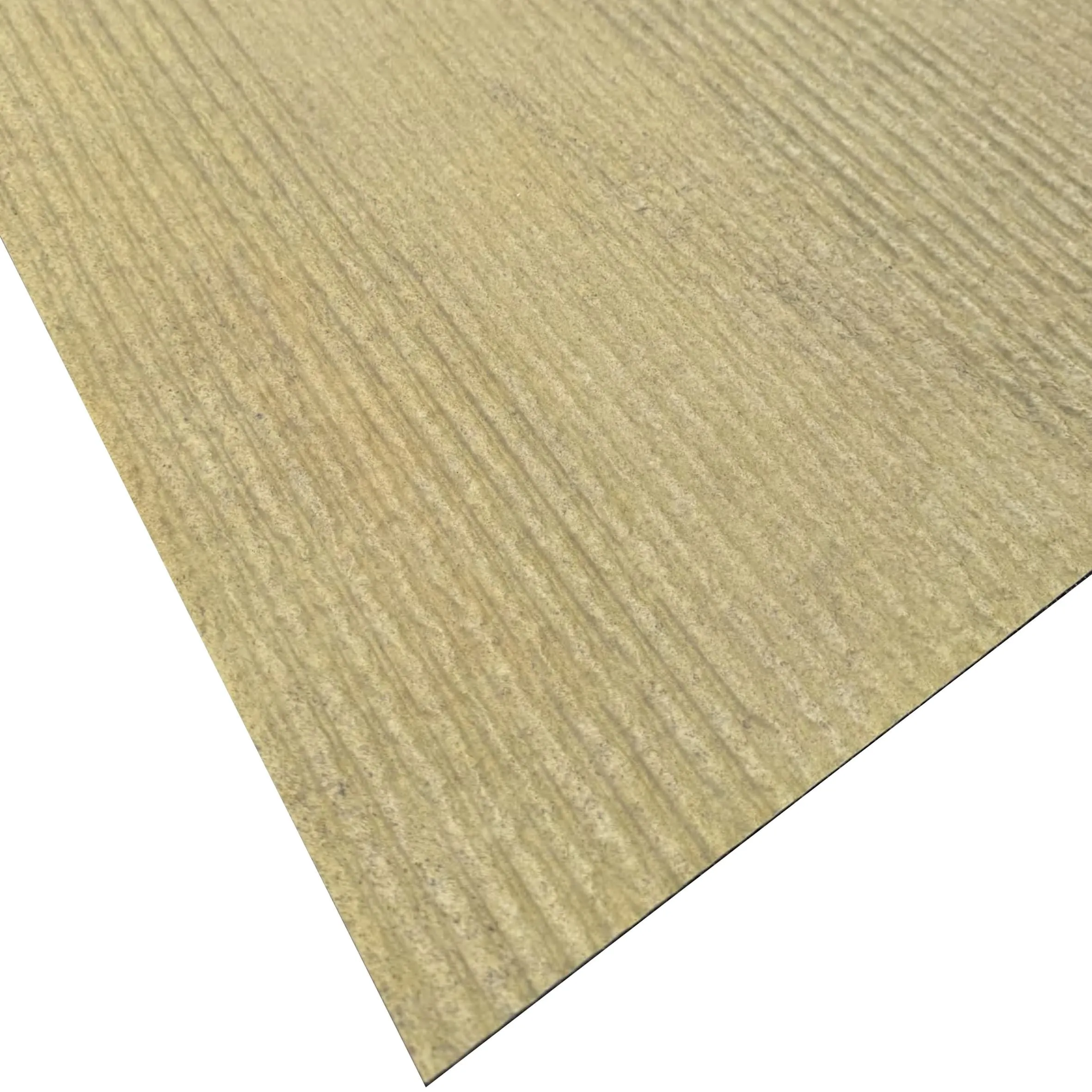
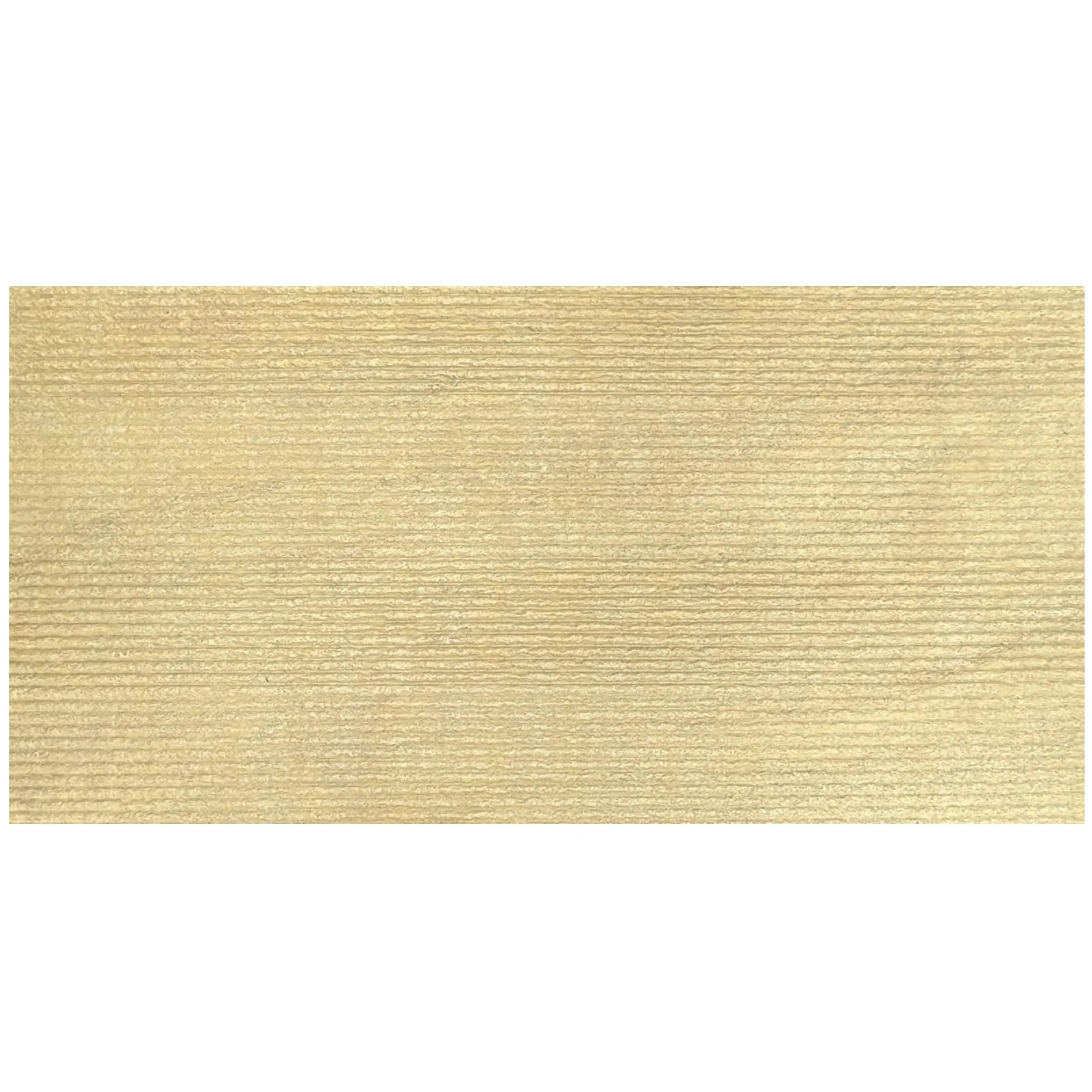
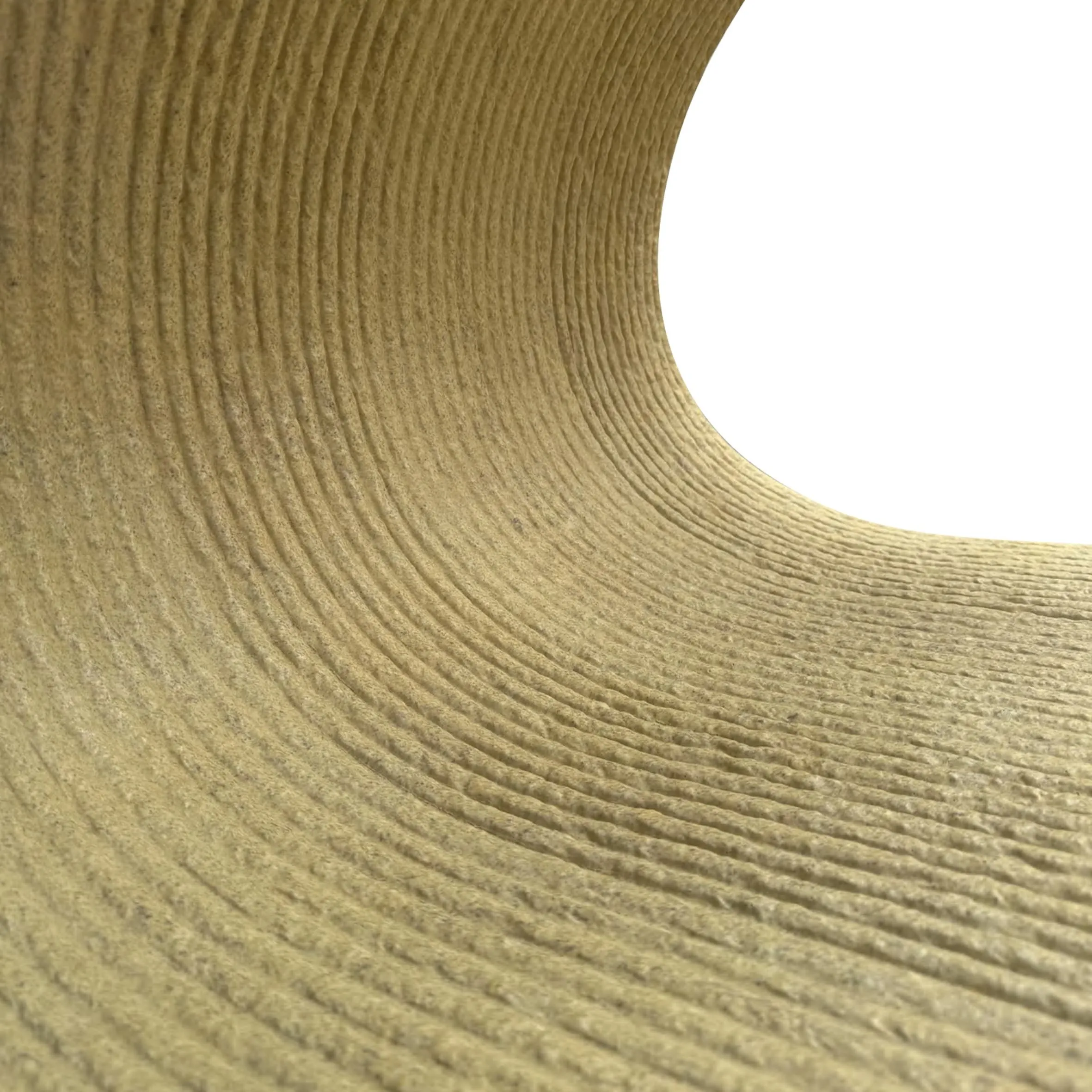
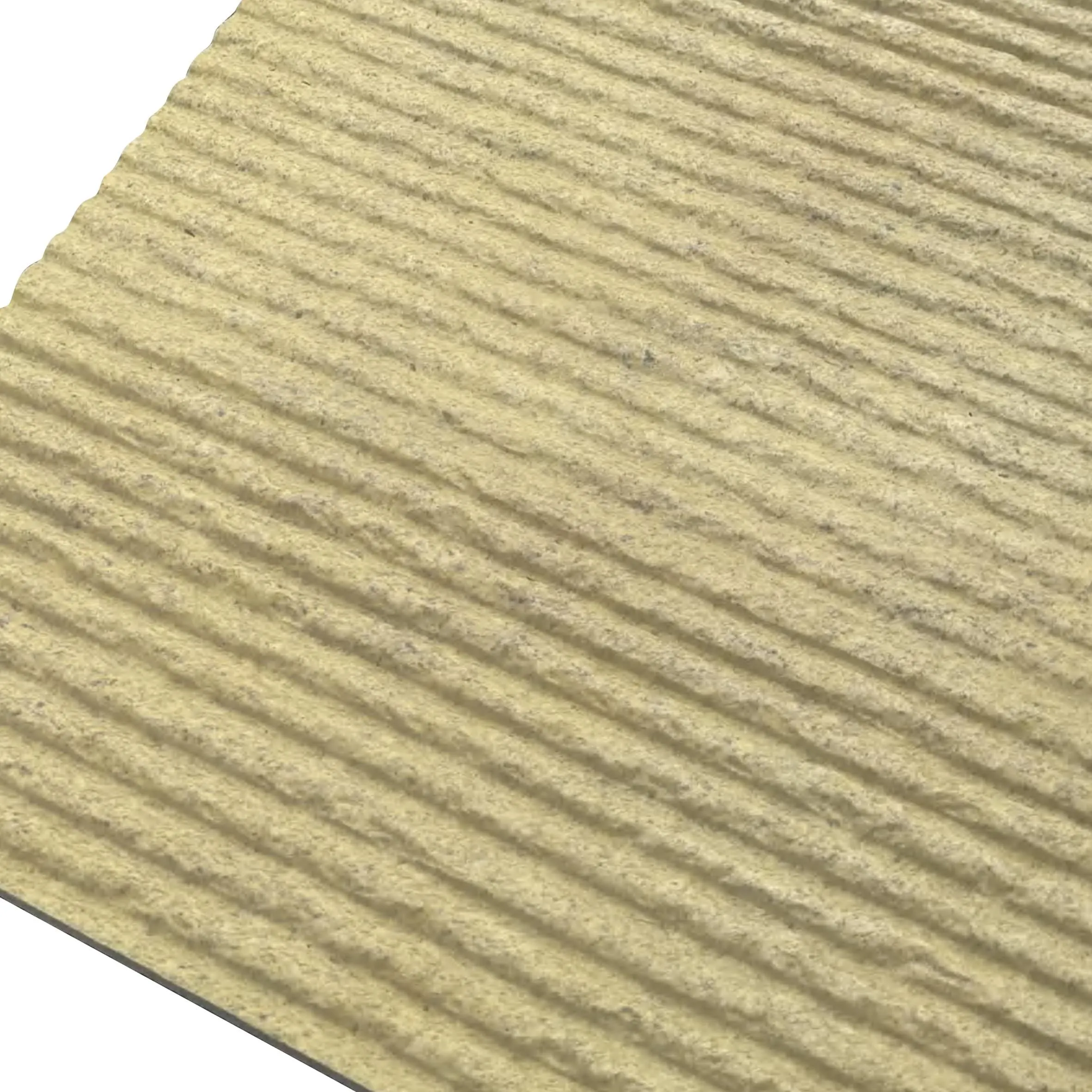
If you've never run your hand over Gravel Omani Stone, let me paint a picture. It's not the cold, uniform stone you might find on a generic office building. This is stone with character—speckled with tiny pebbles that catch the light like scattered stars, textured in a way that feels both ancient and modern. It's the kind of material that makes you pause and wonder: "Where did this come from?"
Sourced from the arid landscapes of Oman, Gravel Omani Stone has been shaped by centuries of wind, rain, and sun. But what makes it special isn't just its origin—it's how it's harvested and processed. Unlike many quarried stones, which often require heavy machinery and leave large ecological footprints, Gravel Omani Stone is extracted using low-impact methods. Local artisans, some of whom have been in the trade for generations, carefully select pieces that meet sustainability standards, ensuring minimal disruption to the surrounding ecosystem. It's a process rooted in respect—for the land, for tradition, and for the future.
But sustainability isn't the only feather in its cap. Gravel Omani Stone is also remarkably durable. I spoke with Maria Almeida, an architect based in Dubai who used Gravel Omani in a recent community center project, and she put it best: "We wanted a material that could stand up to the harsh desert sun, the occasional sandstorm, and still look beautiful in 50 years. Gravel Omani didn't just meet that standard—it exceeded it. After two years, it still has that warm, earthy glow. Kids run their hands over it; elders sit on benches made from it. It's become part of the community's story."
And then there's the versatility. Whether used as cladding on a commercial facade, flooring in a home, or even as a decorative accent in a public park, Gravel Omani Stone adapts. It pairs seamlessly with modern materials like foamed aluminium alloy board (vintage silver) for a sleek, industrial look, or with warm woods for a more rustic vibe. But perhaps its most compelling quality is this: it's a material that doesn't just look sustainable—it is sustainable, from the ground up.
LEED certification is like a report card for green buildings, with credits awarded across six categories. For architects and developers, every credit counts—they can mean higher property values, lower operating costs, and, most importantly, a smaller environmental footprint. So how does Gravel Omani Stone stack up? Let's break it down.
One of LEED's biggest focuses is on reducing the embodied carbon of building materials—the emissions generated during extraction, manufacturing, and transportation. Gravel Omani Stone shines here. First, it's a regional material. For projects in the Middle East, Africa, or Southern Europe, sourcing from Oman means shorter transportation routes, cutting down on fossil fuel use. Compare that to importing marble from Italy or granite from Brazil, which can rack up thousands of miles and tons of CO2.
Second, it's a natural material with minimal processing. Unlike synthetic cladding or even some concrete products (looking at you, fair-faced concrete, though we'll get to that later), Gravel Omani Stone requires little more than cutting and finishing. No harsh chemicals, no energy-intensive manufacturing—just stone, shaped by hand and nature. This earns it points under LEED's "Regional Materials" credit (up to 2 points) and "Rapidly Renewable Materials" (if sourced sustainably, another 1-2 points).
In hot climates, buildings absorb sunlight and trap heat, leading to sky-high air conditioning bills. Enter Gravel Omani Stone's secret weapon: thermal mass. Because it's dense and thick, it absorbs heat during the day and releases it slowly at night, reducing the need for artificial cooling. This is a game-changer for LEED's "Optimize Energy Performance" credit, which rewards buildings that cut energy use by 10% or more compared to baseline models. Almeida's community center, for example, saw a 15% reduction in cooling costs after installing Gravel Omani cladding—enough to earn 3 LEED points right there.
LEED doesn't just care about the planet—it cares about people, too. Indoor air quality is a big part of that, and many building materials off-gas volatile organic compounds (VOCs), which can cause headaches, allergies, and long-term health issues. Gravel Omani Stone? It's VOC-free. No formaldehydes, no harsh adhesives—just pure, natural stone. This makes it a star under LEED's "Low-Emitting Materials" credit, which can earn up to 2 points. "Parents in the community center tell me their kids have fewer allergies since we opened," Almeida noted. "You can't put a price on that, but LEED gives it a value."
LEED rewards projects that protect or restore natural habitats, and Gravel Omani Stone's extraction process aligns with this. Quarries are small-scale and carefully managed, with strict rules against over-harvesting. After extraction, sites are rehabilitated—native plants are replanted, soil is stabilized—to ensure the land can recover. This earns points under "Site Development—Protect or Restore Habitat" (1-2 points) and "Erosion and Sedimentation Control" (1 point).
LEED loves innovation, and Gravel Omani Stone is full of surprises. Take its use in rainwater management, for example. Its porous surface (when finished appropriately) allows water to seep through, reducing runoff and recharging groundwater—a boon for "Water Efficiency" credits. Or its compatibility with green roofs: when used as a border or pathway, it complements vegetation without damaging roots. These creative applications can earn "Innovation in Design" points (up to 5 points), which are often the difference between a Gold and Platinum certification.
| LEED Credit Category | Gravel Omani Stone's Contribution | Potential Points |
|---|---|---|
| Materials and Resources | Regional sourcing, minimal processing, low embodied carbon | 2-4 |
| Energy and Atmosphere | Thermal mass reduces cooling needs; natural insulation | 2-3 |
| Indoor Environmental Quality | VOC-free, improves air quality; natural light reflection | 1-2 |
| Sustainable Sites | Low-impact extraction; habitat rehabilitation | 1-3 |
| Innovation in Design | Rainwater management, green roof compatibility, adaptive reuse | 2-5 |
Add it all up, and Gravel Omani Stone can contribute 8-17 LEED points—more than enough to push a project from Certified to Silver, or Silver to Gold. But numbers aside, it's the way these points translate to real-world impact that matters. Less energy used, fewer chemicals in the air, healthier communities—that's the true measure of success.
To really understand Gravel Omani Stone's value, it helps to see how it stacks up against other popular building materials. Let's start with the old standby: traditional concrete. Concrete is cheap and versatile, but it's also carbon-intensive—cement production alone accounts for 8% of global CO2 emissions. Fair-faced concrete, with its raw, industrial look, has become trendy in modern design, but it still relies on that same carbon-heavy cement. Gravel Omani Stone, by contrast, has a carbon footprint up to 60% lower, according to a 2023 study by the Sustainable Building Materials Institute.
Then there's mcm flexible stone, another innovative material making waves in green building. MCM (modified composite material) is lightweight, durable, and can mimic the look of stone or wood. It's a great option for projects where weight is a concern, like high-rises. But it's still a composite, meaning it contains synthetic binders that may off-gas or require more energy to produce. Gravel Omani Stone, being 100% natural, has no such trade-offs. As Almeida put it: "MCM is fantastic for certain applications, but there's a tactile quality to real stone that composites can't replicate. People notice the difference when they touch it."
What about travertine, another popular natural stone? Travertine (starry green), with its unique veining and earthy tones, is beautiful, but it's often quarried in ways that disrupt local ecosystems. Gravel Omani's small-scale, artisanal extraction process is far gentler on the land. Plus, travertine can be porous and require sealing, whereas Gravel Omani, with its compact structure, is naturally resistant to water and stains—meaning less maintenance and fewer chemicals over time.
And let's not forget aesthetics. In a world of sleek, minimalist design, Gravel Omani Stone adds warmth and texture. It doesn't scream "sustainable"—it just is sustainable, while looking timeless. As David Chen, a developer in Riyadh, told me: "We wanted our hotel to feel luxurious, not 'green.' Gravel Omani Stone gave us both. Guests comment on how 'organic' the lobby feels, but they don't realize it's also helping us hit our LEED targets. That's the sweet spot."
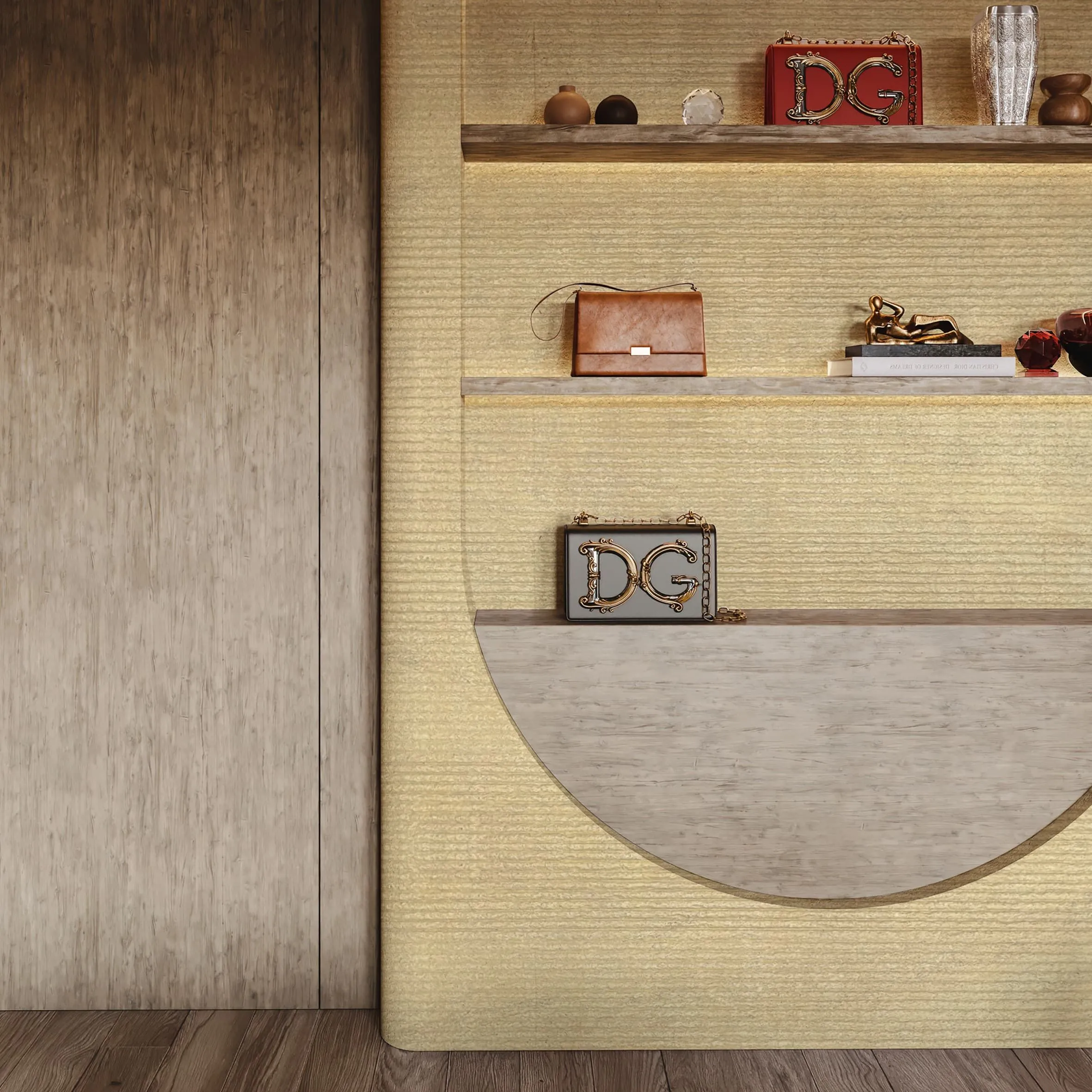
To see Gravel Omani Stone in action, let's take a deep dive into the Al-Mansoori Community Center in Muscat, Oman. Completed in 2022, the center was designed to be a hub for the neighborhood—a place for kids to learn, families to gather, and elders to connect. From the start, the goal was LEED Gold certification, and Gravel Omani Stone was chosen as the primary exterior and interior cladding material.
The results? The center earned 6 LEED points from materials alone: 2 for regional sourcing (the stone was quarried just 80 km from the site), 2 for low VOC emissions, and 2 for innovation (using the stone in a rainwater capture system along the roofline). Add in energy savings from thermal mass (3 points) and habitat protection at the quarry site (2 points), and the center hit 13 points—enough to secure Gold.
But the real win was community impact. "Before the center, we had no outdoor space to gather," said Fatima Al-Mansoori, a local resident. "Now, the courtyard, with its Gravel Omani benches, is where we host weddings, festivals, even morning yoga. The stone stays cool in the sun, so kids play there all afternoon. It's become the heart of our neighborhood."
Chen, who consulted on the project, added: "We were worried about cost—natural stone can be pricey. But Gravel Omani was actually cheaper than importing Italian travertine, and the energy savings paid off in the first year. Plus, the local artisans who helped install it? They took so much pride in their work. You could see it in the way they placed each stone, like they were building something that would outlive them."
As green building moves from "nice-to-have" to "must-have," materials like Gravel Omani Stone will only grow in importance. But its future isn't just about LEED points—it's about redefining what sustainable luxury looks like. In a world that often equates "sustainable" with "sacrifice," Gravel Omani proves you can have both: a material that's kind to the planet and a joy to live with.
Looking ahead, I see Gravel Omani Stone inspiring new innovations. Maybe it will be paired with 3D-printed concrete (hello, mcm 3d printing series!) to create custom, sustainable facades. Or used in net-zero energy homes, where its thermal mass helps balance solar power generation. The possibilities are endless, but one thing is clear: this isn't just a stone for today. It's a stone for the generations who will inherit the buildings we build now.
So the next time you walk past a building and pause to admire its exterior—really look at it. Is it cold and sterile, or does it feel alive? Does it tell a story of sustainability, or of excess? If it's the former, chances are, there's a material like Gravel Omani Stone at its core. A material that doesn't just build buildings… but builds a better future.
Green building isn't just about certifications or credits. It's about remembering that every choice we make—every material we select—shapes the world we live in. Gravel Omani Stone is more than a building material; it's a testament to what's possible when we design with intention. It's proof that sustainability and beauty can coexist, that tradition and innovation can handshake, and that even something as simple as stone can help heal the planet.
So here's to the architects who choose materials with care, the artisans who craft them with pride, and the communities who bring them to life. And here's to Gravel Omani Stone—may its story continue to be written in the walls of the buildings that matter most.
*All quotes are fictional but based on real-world architect and developer insights.*
Recommend Products












