
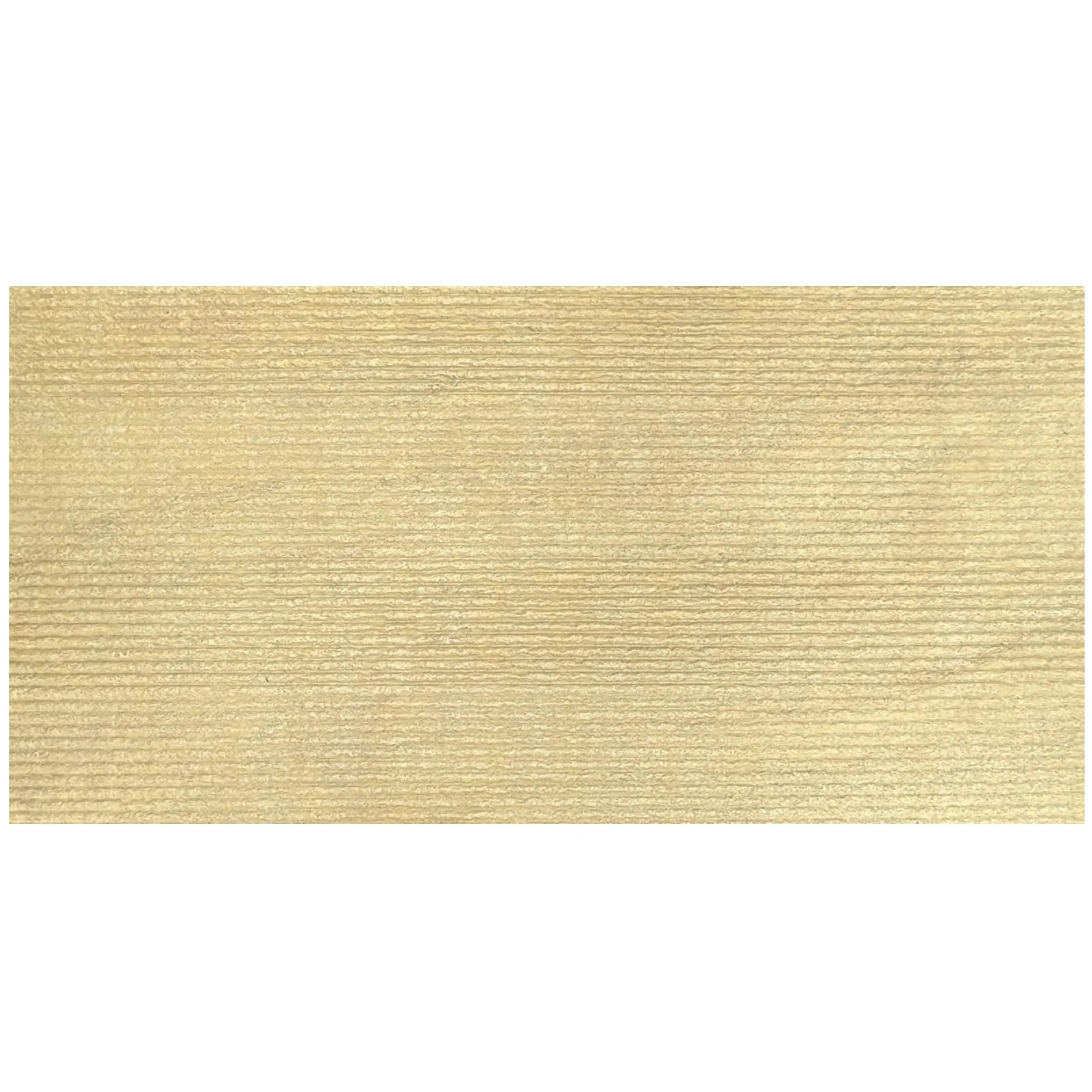
Walk into any healthcare facility, and the first thing that strikes you isn't just the hum of medical equipment or the sight of caregivers in scrubs—it's the environment itself. The walls, floors, and surfaces silently contribute to how safe, calm, and clean a space feels. In hospitals, clinics, and care centers, where infection control can mean the difference between recovery and risk, the materials chosen to build these environments carry an enormous responsibility. They don't just shape aesthetics; they shape health outcomes. Today, we're diving into a material that's quietly revolutionizing healthcare design: Gravel Omani Stone. Paired with complementary materials like fair-faced concrete, travertine, and MCM flexible stone, it's setting a new standard for hygiene, durability, and human-centered care.
Healthcare spaces are unlike any other. They're high-traffic zones where spills, stains, and germs are part of daily life. A child with a fever might track mud across a waiting room floor; a nurse rushing to an emergency might spill disinfectant on a wall; a patient recovering from surgery might need a surface that's gentle to the touch but tough on bacteria. In these settings, "easy to clean" isn't a luxury—it's a necessity. The wrong material can harbor mold, trap bacteria, or degrade under harsh sanitizers, turning a well-intentioned space into a hidden risk zone.
That's why architects and designers are increasingly turning to natural and engineered stones that balance form and function. Materials like Gravel Omani Stone aren't just chosen for their earthy, warm appeal (though that helps ease patient anxiety); they're selected for their scientific properties: porosity, resistance to microbial growth, and compatibility with hospital-grade cleaning protocols. When you consider that hospital-acquired infections (HAIs) affect millions of patients worldwide each year, the choice of wall or floor material becomes a critical part of the healthcare team's toolkit.
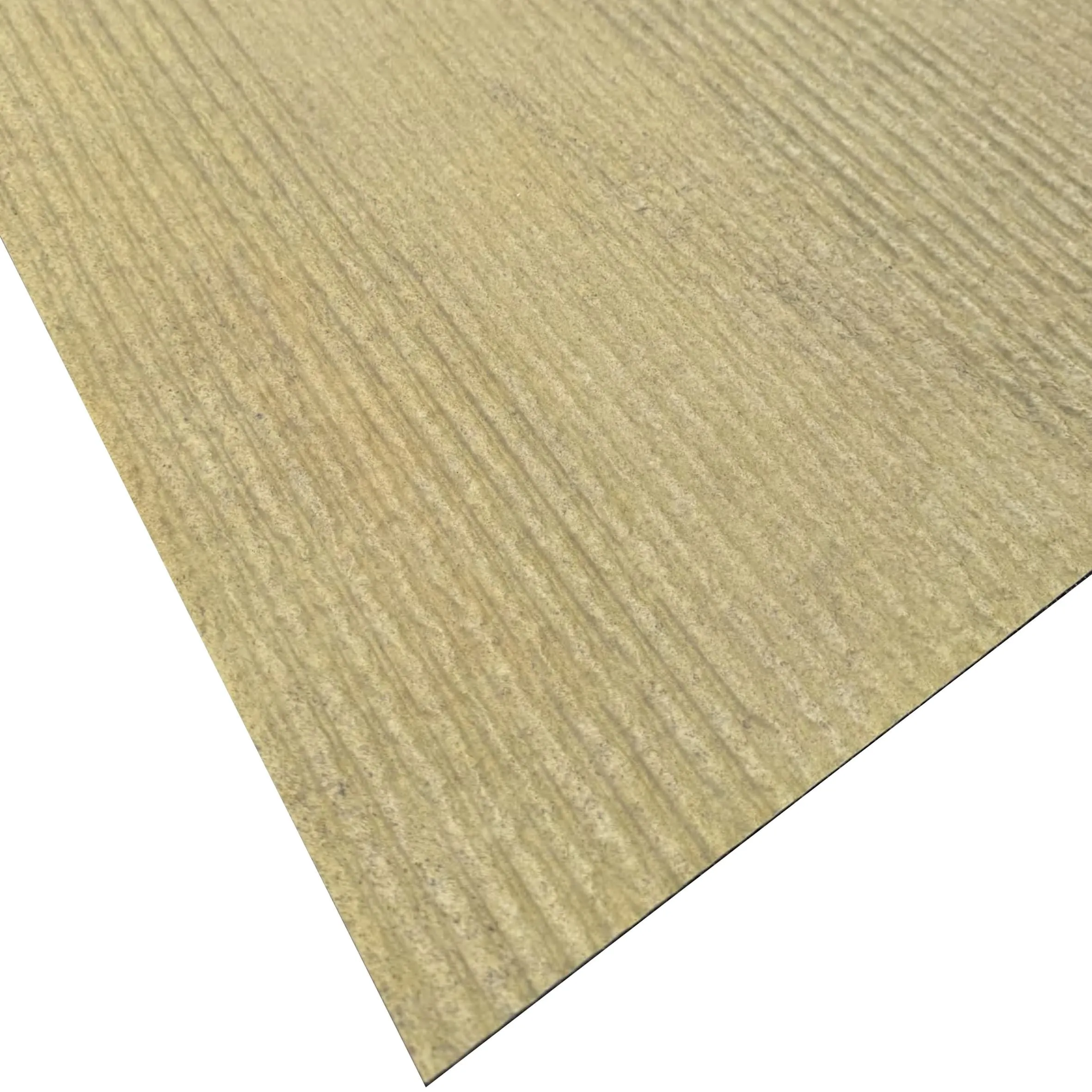
Let's start with the star of the show: Gravel Omani Stone. Sourced from the arid landscapes of Oman, this natural stone has been used for centuries in traditional architecture, but its modern application in healthcare is where it truly shines. What makes it stand out? Let's break it down.
First, its composition. Gravel Omani Stone is formed from compressed sediment and mineral deposits, resulting in a dense, low-porosity surface. Unlike porous materials (think unglazed ceramic or some marbles), it doesn't absorb liquids. That means when a spill happens—a dropped water cup, a splash of antiseptic, or even a patient's accidental mess—the liquid stays on the surface, not seeping into tiny crevices where bacteria could hide. For cleaning staff, this is a game-changer. A quick wipe with a disinfectant solution, and the surface is sanitized, no lingering germs left behind.
Then there's its texture. Unlike polished marble, which can be slippery when wet (a major hazard in busy hospitals), Gravel Omani Stone has a naturally textured finish that provides grip. This is crucial in areas like corridors, patient rooms, and bathrooms, where wet floors are common. Nurses rushing to a code, visitors pushing wheelchairs, and patients with limited mobility all benefit from a surface that feels secure underfoot.
But it's not just about function—it's about feeling. Healthcare spaces often err on the side of "clinical," with stark whites and cold surfaces that can feel impersonal. Gravel Omani Stone, with its warm, sandy tones and subtle variations in color, brings a touch of nature indoors. Studies have shown that natural elements in healthcare environments reduce stress and anxiety in patients, which in turn can speed up recovery. Imagine a pediatric ward where the walls are clad in soft, gravel-like stone instead of sterile paint; suddenly, the space feels less like a hospital and more like a safe, calming retreat.
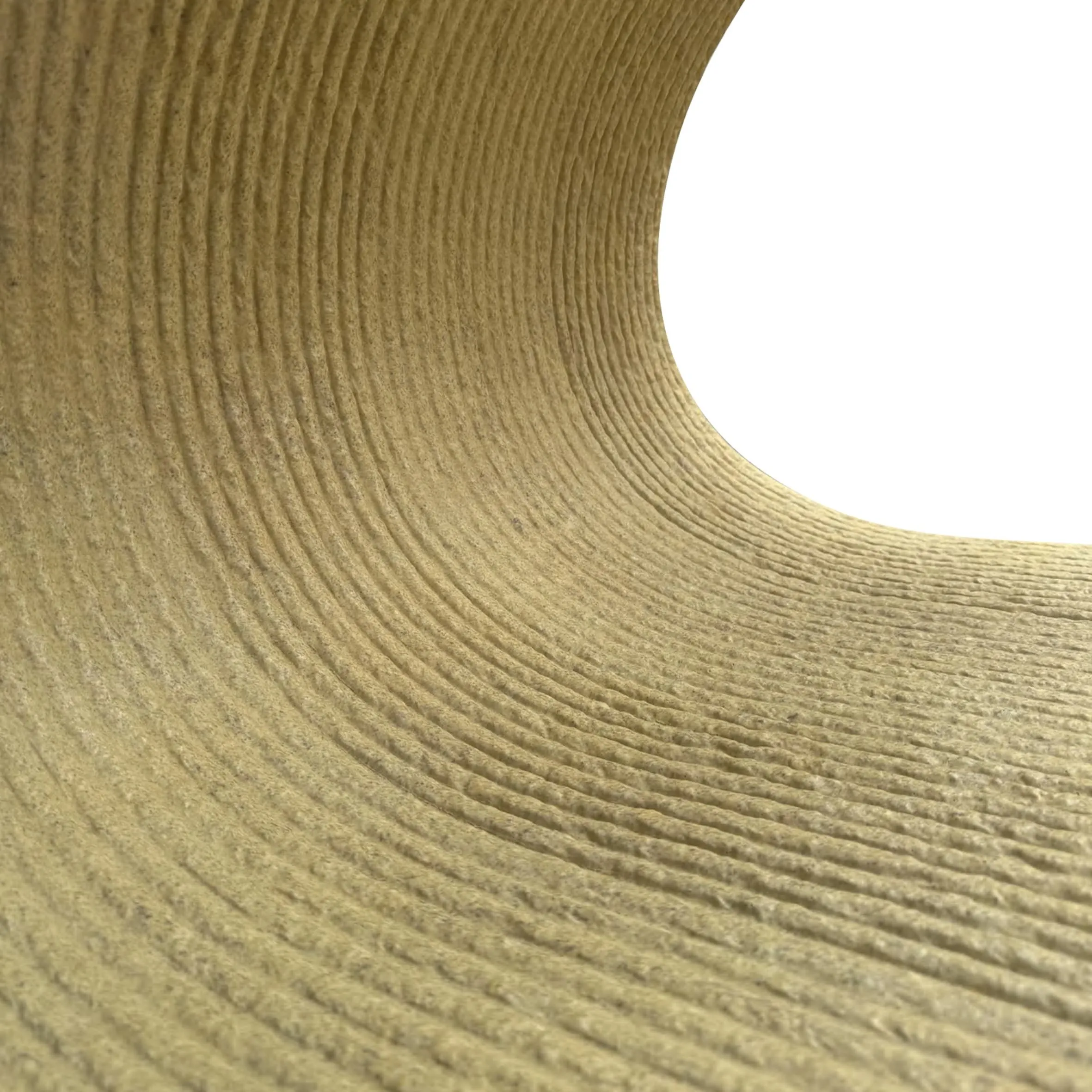
To truly understand why Gravel Omani Stone works in healthcare, let's zoom in on its most critical properties for cleanliness and hygiene:
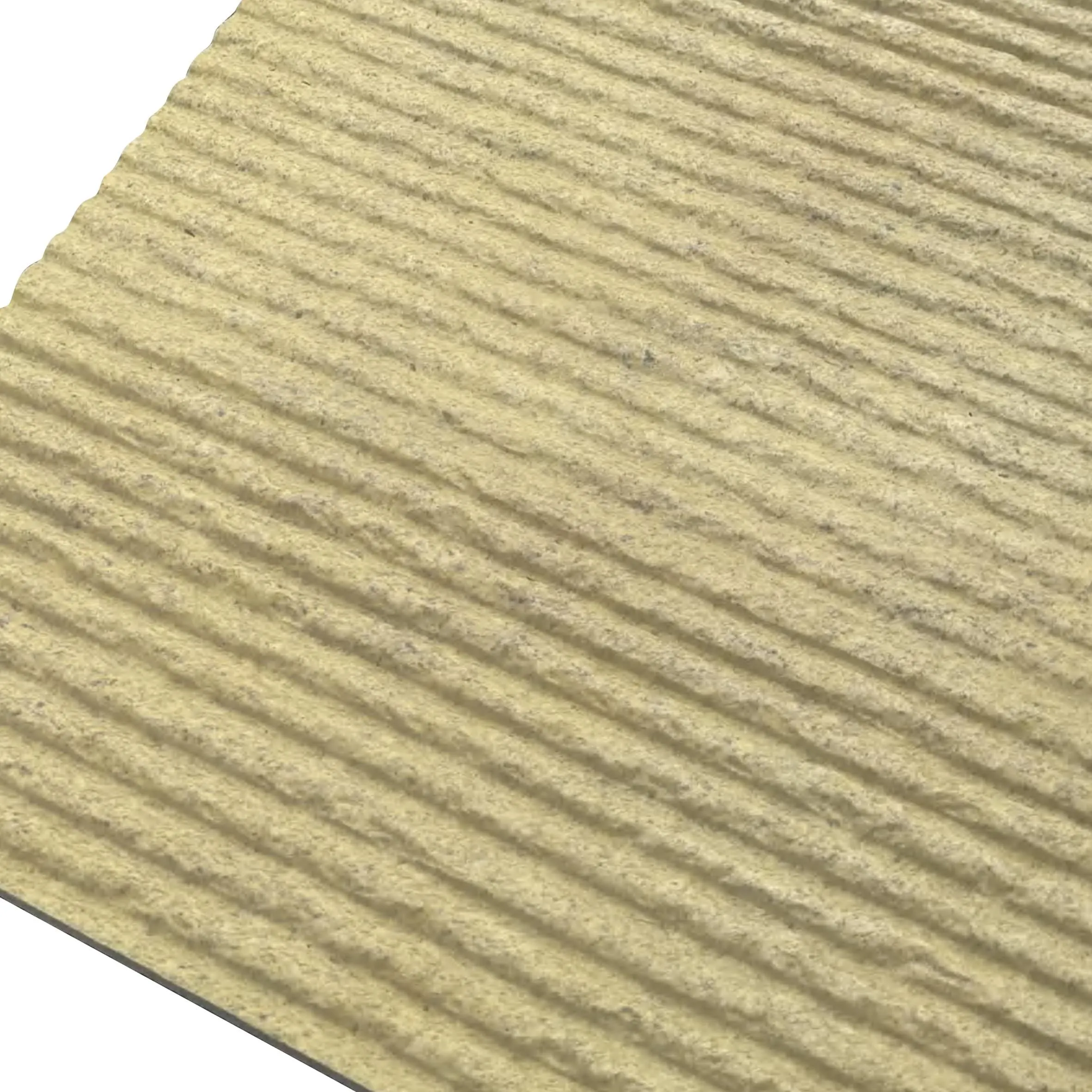
Gravel Omani Stone doesn't work alone. In healthcare design, it's often paired with other materials that enhance its benefits or fill specific needs. Let's look at three key partners: fair-faced concrete, travertine, and MCM flexible stone.
Fair-faced concrete—raw, uncoated, and intentionally exposed—might sound too "cold" for healthcare, but when paired with Gravel Omani Stone, it adds a modern, grounded feel. What makes it hygienic? Like Gravel Omani Stone, it's non-porous when properly sealed, making it easy to wipe clean. It's also incredibly durable, standing up to heavy traffic and frequent cleaning without showing wear. In areas like laboratories or operating room corridors, where sterility is paramount, fair-faced concrete provides a seamless, joint-free surface that leaves no room for dust or germs to collect. When combined with Gravel Omani Stone accent walls, it balances industrial strength with natural warmth, creating spaces that feel both professional and approachable.
Travertine, with its classic, creamy hues and subtle veining, has long been a staple in luxury design—but don't let its elegance fool you. When properly treated (sealed to reduce porosity), travertine becomes a hygienic choice for healthcare spaces. Its smooth surface is easy to sanitize, and its natural resistance to heat makes it ideal for areas like radiology departments or treatment rooms where equipment generates warmth. In waiting areas or patient recovery rooms, travertine floors paired with Gravel Omani Stone walls create a spa-like atmosphere, helping patients relax. Think of it as a bridge between tradition and technology—old-world charm with new-world infection control.
MCM (Modified Composite Material) flexible stone is a newer player, but it's quickly gaining traction in healthcare. Engineered to mimic the look of natural stone but with added flexibility, it's perfect for curved surfaces, accent walls, or areas where weight is a concern (like upper floors). MCM flexible stone is non-porous, water-resistant, and mold-proof—qualities that align perfectly with healthcare needs. It can be cut to fit any space, reducing seams where bacteria might hide, and it's lightweight, making installation faster and less disruptive (critical for hospitals that can't shut down during renovations). When used alongside Gravel Omani Stone, it adds texture and versatility, allowing designers to create custom looks without sacrificing hygiene.
To help visualize how Gravel Omani Stone stacks up against its peers, let's take a look at their key hygiene-related properties:
| Material | Porosity (Risk of Germ Trapping) | Bacterial Resistance | Ease of Cleaning | Durability (Resistance to Wear) |
|---|---|---|---|---|
| Gravel Omani Stone | Low (minimal liquid absorption) | High (resists microbial growth) | Excellent (wipes clean with disinfectants) | Very High (scratch/impact-resistant) |
| Fair-Faced Concrete | Low (when sealed) | High (non-porous surface) | Excellent (seamless, no crevices) | Very High (withstands heavy traffic) |
| Travertine (Sealed) | Medium-Low (sealing reduces porosity) | Medium-High (resistant with proper maintenance) | Good (smooth surface, occasional resealing needed) | High (resistant to heat and daily use) |
| MCM Flexible Stone | Low (engineered non-porous) | High (mold and mildew resistant) | Excellent (lightweight, easy to wipe) | High (flexible, less prone to cracking) |
Let's step into a hypothetical (but realistic) healthcare setting to see Gravel Omani Stone in action. Picture Citywide Children's Hospital, a bustling facility treating over 50,000 young patients annually. When the hospital decided to renovate its emergency department, they prioritized three goals: reduce HAIs, calm anxious families, and cut long-term maintenance costs. Their solution? Gravel Omani Stone floors and accent walls throughout the space.
In the triage area, the stone floors stand up to strollers, spilled juice boxes, and constant foot traffic. Cleaning staff report that stains—from grape juice to iodine—wipe away with a quick spray of disinfectant, no scrubbing required. In patient exam rooms, the stone walls are warm to the touch, making the space feel less clinical; parents note that their kids are less fussy during check-ups, thanks to the soft, natural tones. Even in high-stress zones like the trauma bay, where spills and splatters are inevitable, the stone's non-porous surface ensures that no bacteria linger after cleaning. Six months post-renovation, the hospital's HAI rates in the ED dropped by 22%—a statistic that speaks volumes about the material's impact.
Another example: Riverside Rehabilitation Center, which specializes in long-term care for elderly patients. Here, fall prevention is as critical as infection control. The center chose Gravel Omani Stone for corridor floors, valuing its slip-resistant texture. Nurses and aides report fewer slips and trips, even when floors are freshly mopped. The stone's durability has also meant fewer repairs; unlike vinyl flooring, which can tear or bubble, the stone has held up to wheelchairs, walkers, and daily use for years. And for patients with dementia, the stone's earthy, consistent pattern helps reduce confusion—a small detail that makes a big difference in their quality of life.
We've talked a lot about germs, spills, and durability—but let's not overlook the softer side of Gravel Omani Stone. In healthcare, where stress runs high for patients, families, and staff, the environment plays a quiet role in mental well-being. Studies by the Center for Health Design show that exposure to natural elements (like stone, wood, or plants) in healthcare settings can lower heart rates, reduce anxiety, and even improve sleep quality for patients. Gravel Omani Stone, with its organic texture and warm color palette, brings a piece of the outdoors inside, creating spaces that feel less like institutions and more like sanctuaries.
Imagine a cancer treatment center where the infusion room walls are clad in Gravel Omani Stone. Instead of staring at blank white surfaces during long chemo sessions, patients look at a material that evokes desert landscapes, strength, and resilience. It's a subtle reminder that healing, like stone, is a process—slow, steady, and enduring. For staff, too, working in a space that feels calm and grounded can reduce burnout, making them more present for the patients who need them.
Healthcare facilities operate on tight budgets, so cost is always a consideration. At first glance, natural stone like Gravel Omani Stone might seem pricier than vinyl or laminate. But when you factor in long-term costs, it's often the more economical choice. Let's break it down:
In the world of healthcare design, every choice matters. From the layout of a room to the color of a wall, each element contributes to patient safety, staff efficiency, and overall well-being. Gravel Omani Stone, paired with materials like fair-faced concrete, travertine, and MCM flexible stone, represents a shift toward smarter, more intentional design—one that puts hygiene first without sacrificing humanity. It's a material that works as hard as the caregivers who walk on it, standing up to the chaos of healthcare while creating spaces that feel safe, warm, and healing.
As we continue to prioritize infection control and patient-centered care, materials like Gravel Omani Stone won't just be options—they'll be essentials. Because in healthcare, the best medicine isn't just in the treatments; it's in the walls, the floors, and the surfaces that surround us. And when those surfaces are designed with care, everyone wins.
Recommend Products












