
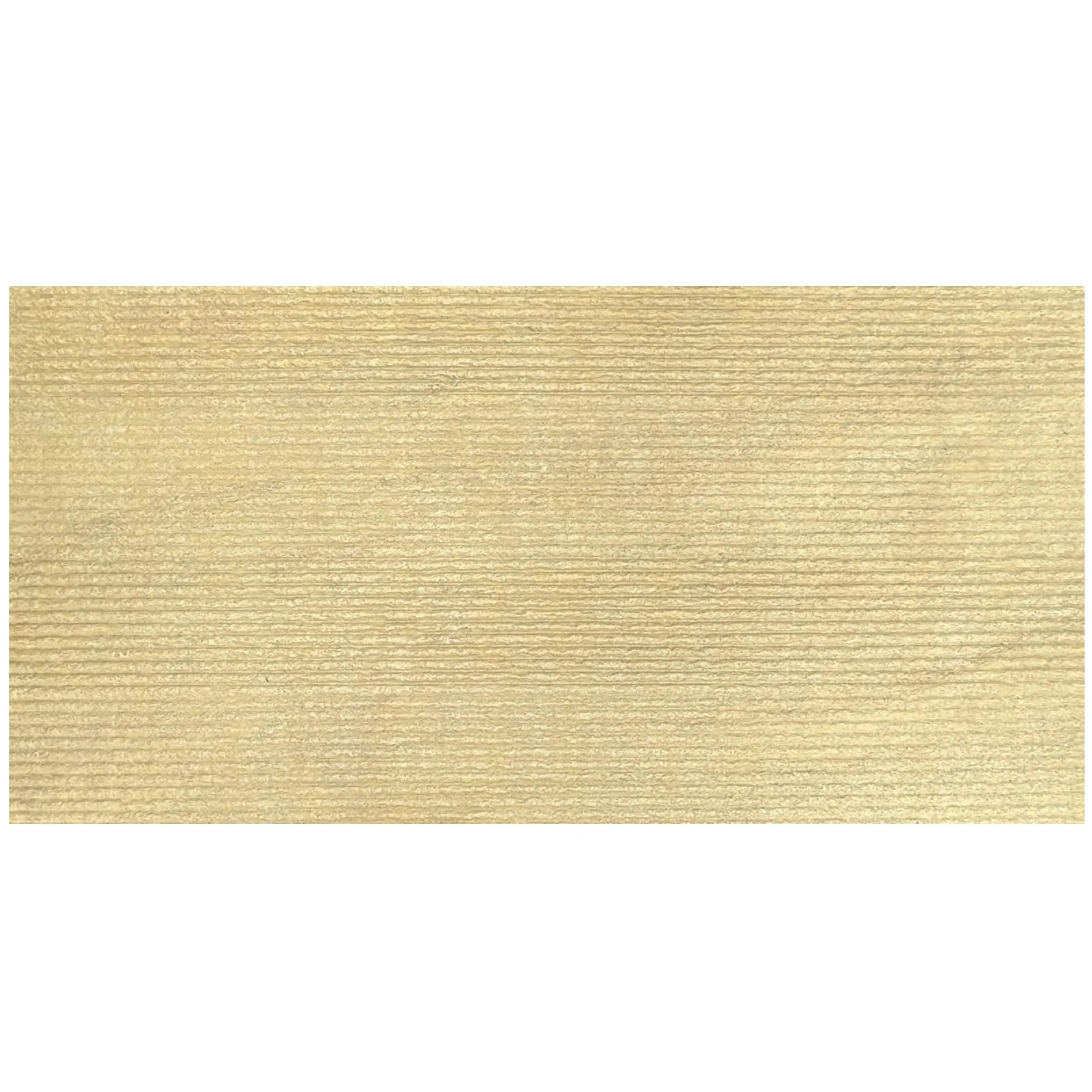
In the bustling landscape of modern architecture, mixed-use developments stand as testaments to human ingenuity—blending homes, offices, retail, and public spaces into cohesive ecosystems. But what truly brings these spaces to life isn't just their layout; it's the materials that clothe their walls, floors, and facades. Enter gravel omani stone —a material that's quietly redefining how we think about balance in design. With its earthy texture, rugged charm, and surprising versatility, it's become a favorite among architects seeking to marry function and beauty. Let's dive into why this stone is more than just a surface—it's a storyteller.
Hailing from the arid landscapes of Oman, gravel omani stone is a natural sedimentary rock formed over millennia by the compression of sand, gravel, and mineral deposits. Its name gives away its character: "gravel" speaks to the visible pebbles embedded in its matrix, ranging from soft beiges to deep grays, while "Omani" nods to its origins in a region known for stone craftsmanship. Unlike polished marbles or uniform concretes, this stone wears its history on its sleeve—each slab bears unique patterns, as if the desert winds themselves carved its surface. It's rough yet refined, rustic yet sophisticated, making it a chameleon in the world of design.
But what truly sets gravel omani stone apart is its duality. On one hand, it's a workhorse—durable enough to withstand heavy foot traffic, resistant to weathering, and low-maintenance. On the other, it's an artist's canvas—capable of warming up a minimalist lobby, grounding a sleek retail space, or adding depth to a residential courtyard. In mixed-use developments, where spaces must serve multiple purposes, this balance is nothing short of invaluable.
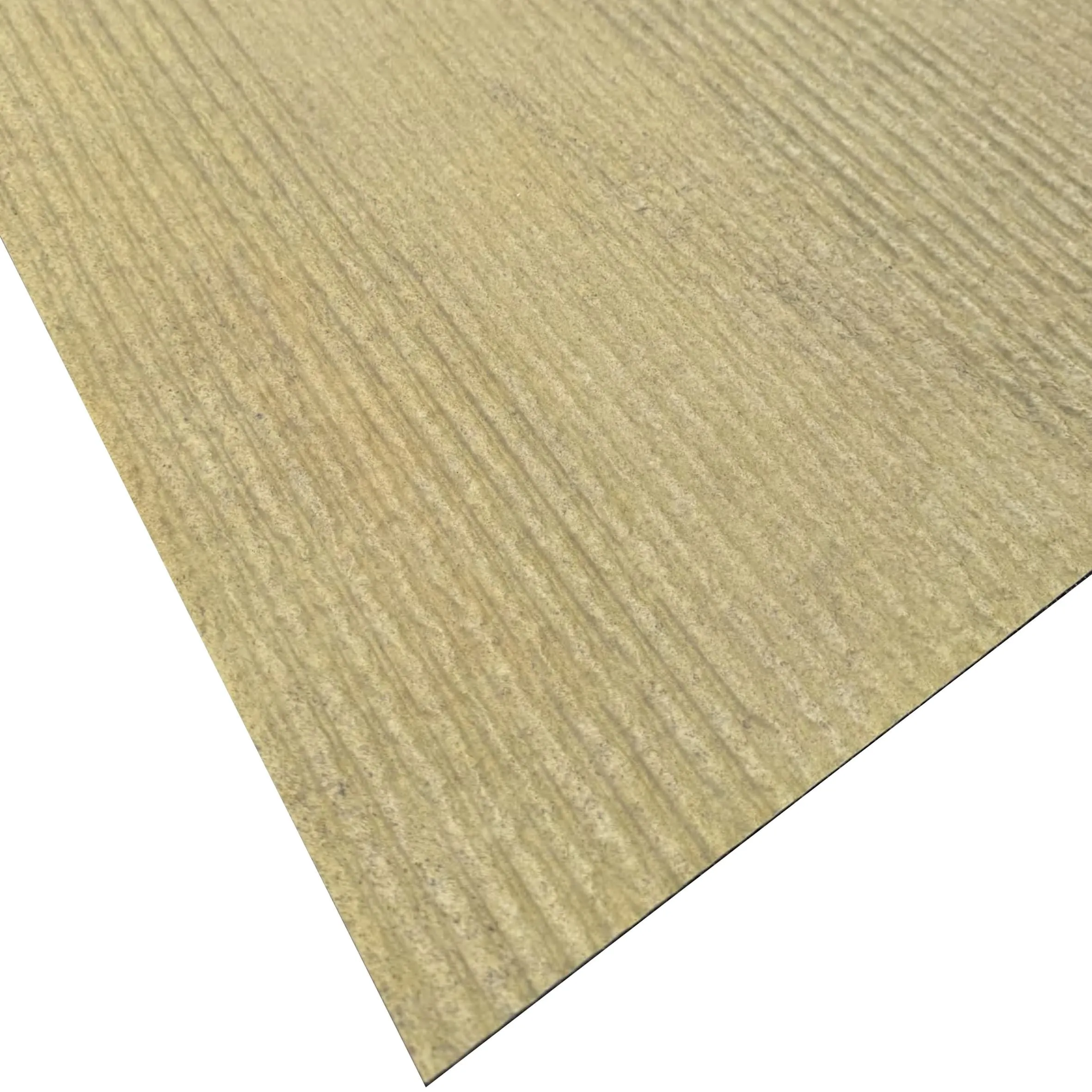
Mixed-use developments are busy places. A single building might see office workers rushing to meetings, families strolling through retail arcades, and residents coming home after a long day. That means materials here can't just look good—they need to perform . Gravel omani stone checks every box, starting with durability.
Oman's harsh climate—scorching sun, occasional sandstorms, and rare but heavy rains—forges tough materials, and gravel omani stone is no exception. Its composition, a mix of compacted gravel and natural binders, makes it resistant to scratches, stains, and even the wear and tear of high foot traffic. In a mixed-use lobby where strollers, rolling suitcases, and coffee spills are daily occurrences, that's a game-changer. Unlike softer stones like travertine (beige) , which can etch easily, gravel omani stone holds its own, retaining its texture and color for decades.
Today's developers don't just care about aesthetics—they care about the planet. Gravel omani stone delivers here, too. Quarried locally in Oman, it minimizes transportation emissions compared to imported stones. Its natural composition also means it's free from harmful chemicals, and because it's a byproduct of larger stone extraction processes, it reduces waste. Pair it with other eco-friendly materials like mcm flexible stone (a lightweight, recyclable composite), and you've got a facade that's as green as it is gorgeous.
Construction timelines are tight, and no one wants a material that drags out the process. Gravel omani stone comes in large, thin slabs that are surprisingly lightweight, making installation faster and more cost-effective than traditional stone. And when it comes to upkeep? A quick hose-down or gentle scrub with mild soap is all it takes to keep it looking fresh. Unlike polish concrete , which can require resealing every few years, gravel omani stone's porous surface actually improves with age, developing a rich patina that tells the story of the space it inhabits.
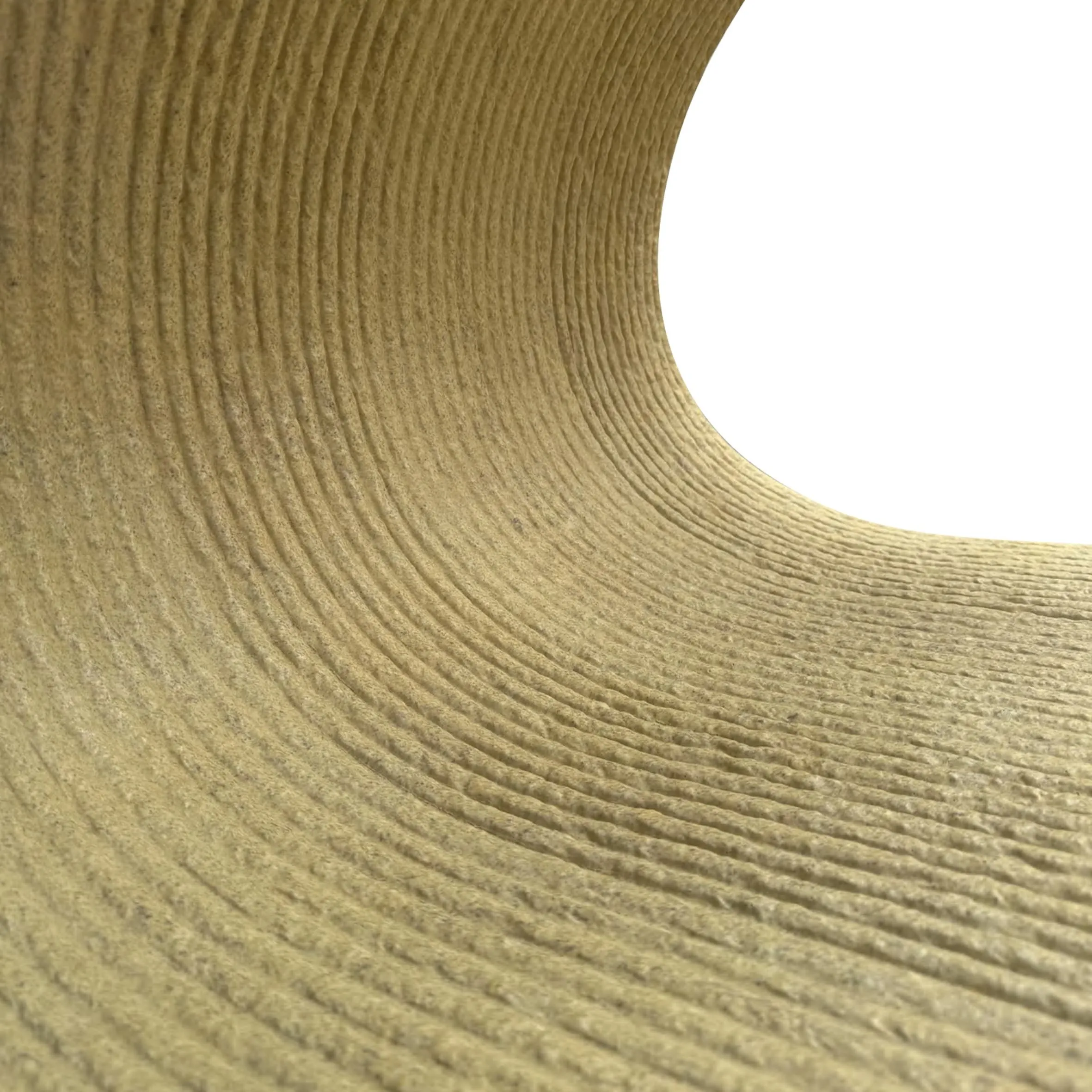
Function is non-negotiable, but let's be honest—we all want spaces that make us pause and say, "Wow." Gravel omani stone excels here, too, with an aesthetic that feels both timeless and contemporary. Its secret? It doesn't try to be perfect. Its irregular gravel pockets, warm earth tones, and matte finish invite touch and connection, turning cold surfaces into something tactile and alive.
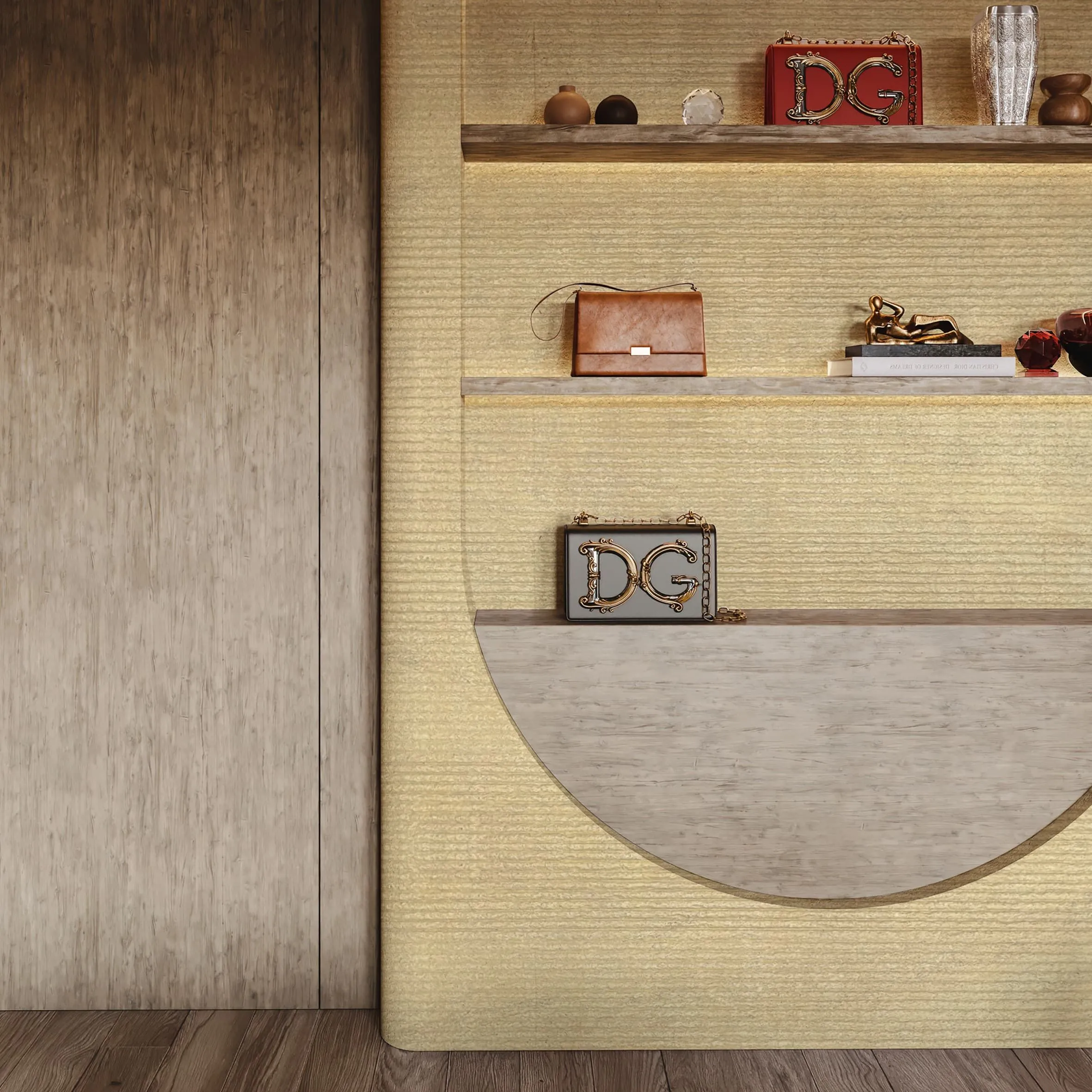
Walk into a lobby clad in gravel omani stone, and your first instinct might be to reach out and run your hand over it. The stone's surface is a mosaic of tiny pebbles, each one unique in size and color—some creamy white, others soft gray, a few flecks of terracotta. It's like holding a piece of the Omani desert in your palm. This texture adds depth to spaces, playing with light to create shadows that shift throughout the day. In a retail corridor, it softens harsh overhead lighting; in a residential courtyard, it glows warmly at sunset. Compare that to the smooth uniformity of fair-faced concrete , and you'll see why gravel omani stone feels more "human."
One of the stone's greatest strengths is its chameleon-like ability to adapt to any design style. Want a cozy, rustic vibe for a ground-floor café? Pair gravel omani stone walls with wood grain board accents and warm pendant lights. Going for sleek and contemporary in a penthouse lobby? Combine it with foamed aluminium alloy board (vintage silver) for a contrast of textures—rough stone meets cool metal. It even works in outdoor spaces: imagine a rooftop terrace with gravel omani stone flooring, where rainwater trickles between the pebbles, creating a soothing, natural soundscape.
Gravel omani stone isn't about bold, flashy colors—and that's exactly why it works. Its palette is rooted in nature: soft beiges, warm grays, and hints of amber that complement almost any other material. It acts as a neutral backdrop, letting other elements—like vibrant murals, greenery, or statement lighting—take center stage. In a mixed-use development where different zones need distinct identities, this neutrality is key. A co-working space might pair it with bright blue furniture for energy, while a yoga studio could use it with soft whites and greens for calm. It's the ultimate team player.
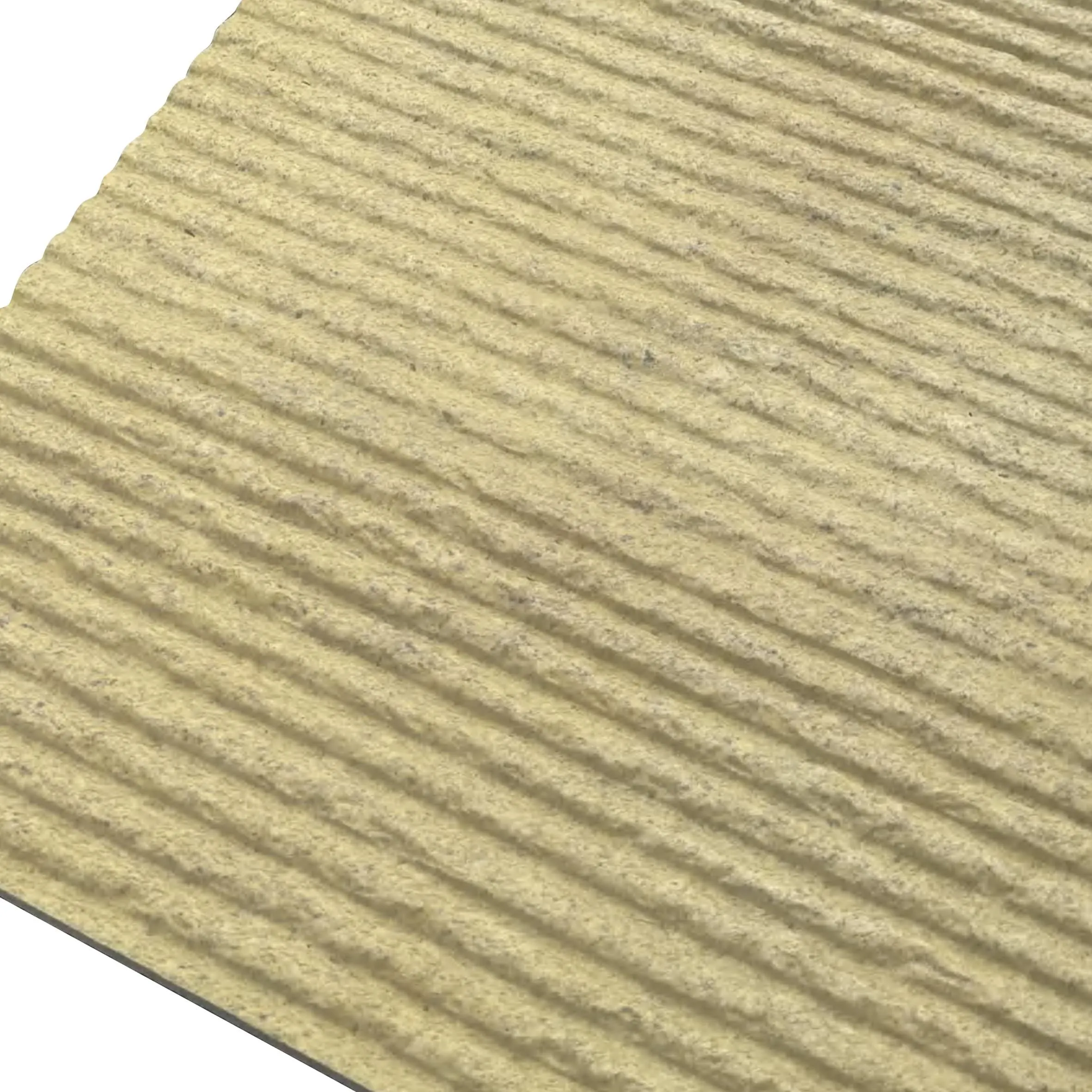
To see gravel omani stone in action, look no further than Dubai's "Desert Bloom"—a mixed-use project that opened in 2023. Designed by award-winning firm Zaha Hadid Architects, the development blends 300 residential units, a boutique hotel, and a sprawling retail plaza. The star of the show? The facade, which combines gravel omani stone with mcm flexible stone in a wave-like pattern that mimics sand dunes.
"We wanted a material that felt rooted in the region but didn't feel outdated," says lead architect Amina Khalid. "Gravel omani stone was perfect. Its texture echoes the desert landscape, but when paired with the flexibility of MCM panels, we could create dynamic curves that make the building feel like it's moving—even on a still day."
Inside, the lobby features floor-to-ceiling gravel omani stone walls, paired with lunar peak silvery metal accents and living plant walls. "Residents and visitors often comment on how 'grounded' the space feels," Khalid adds. "It's not just a lobby—it's a retreat from the city's chaos. And maintenance? We've had zero issues. Even with daily foot traffic, the stone looks as good as the day it was installed."
Still on the fence? Let's see how gravel omani stone compares to two other popular materials in mixed-use design:
| Material | Durability | Maintenance | Aesthetic | Sustainability |
|---|---|---|---|---|
| Gravel Omani Stone | High (resistant to scratches, stains, weathering) | Low (occasional hose-down or mild scrubbing) | Earthy, textured, rustic-contemporary | High (locally quarried, minimal waste) |
| Wood Grain Board | Medium (prone to water damage, fading in sunlight) | Medium (requires sealing every 2-3 years) | Warm, organic, cozy | Medium (depends on sourcing; FSC-certified options available) |
| Travertine (Starry Blue) | Medium (porous, may etch with acidic spills) | High (regular sealing, careful cleaning) | Luxurious, marbled, vibrant | Medium (often imported, higher carbon footprint) |
The verdict? Gravel omani stone outperforms in durability and sustainability, while holding its own in aesthetics. It's the ideal choice for developers who want a material that works as hard as the spaces it defines.
In the end, gravel omani stone isn't just about function or beauty—it's about balance. It's for the architect who wants a facade that can withstand sandstorms and Instagram posts. For the developer who wants to reduce costs without cutting corners. For the resident who wants a home that feels both modern and rooted in nature. In mixed-use developments, where every square foot serves multiple purposes, that balance is everything.
As we look to the future of urban design, materials like gravel omani stone will only grow in importance. They remind us that the best architecture isn't just about buildings—it's about creating spaces that nurture, inspire, and endure. So the next time you walk through a mixed-use development, take a moment to touch the walls. If they feel rough, warm, and full of stories, chances are, you're touching gravel omani stone—and experiencing design at its most balanced.
Recommend Products












