
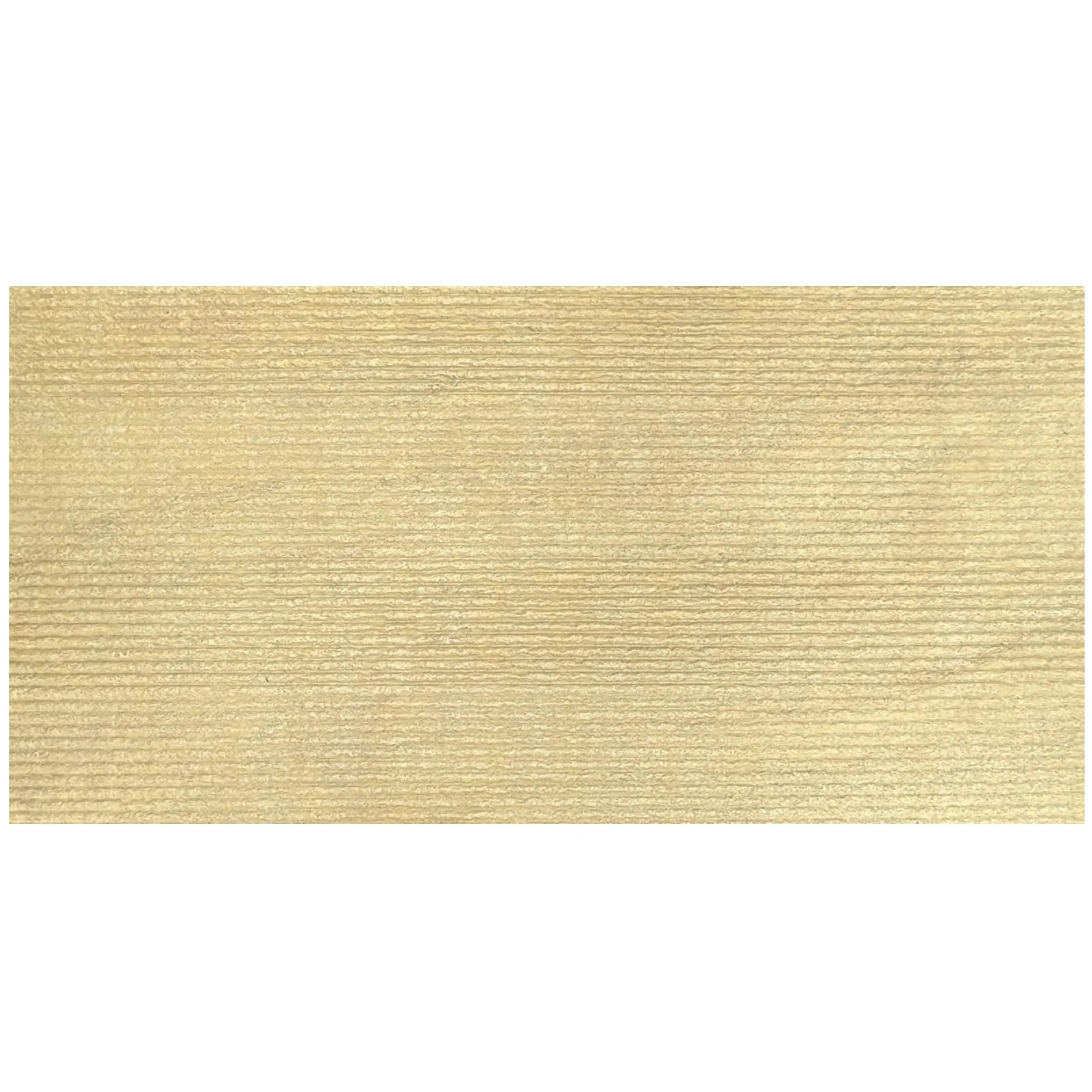
There's something irreplaceable about stepping into an older home—those creaky floorboards that tell stories, the curve of original archways, the way sunlight filters through windows that have seen decades of mornings. But as much as we cherish their character, older buildings often come with a laundry list of needs: outdated materials that fade, surfaces that scratch too easily, or exteriors that struggle to stand up to modern weather. Renovating them feels like walking a tightrope—how do you honor the past while building for the future? Enter Gravel Omani Stone : a material that doesn't just patch up the old, but weaves new life into it, one textured surface at a time.
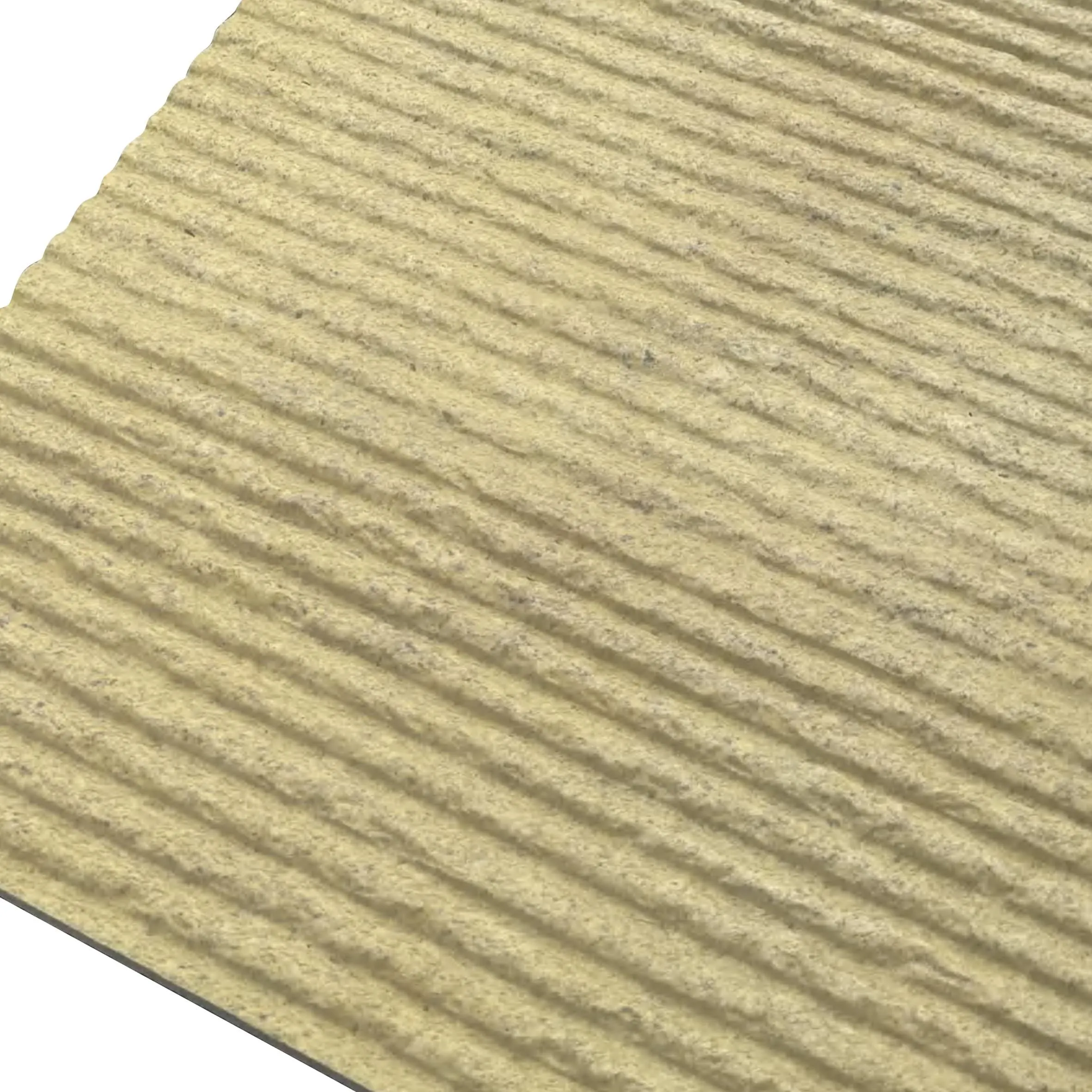
Let's start with the obvious: Gravel Omani Stone is stunning. Picture this: warm, earthy tones that range from soft sand to deep terracotta, flecked with tiny gravel fragments that catch the light like scattered sunlight on desert dunes. It's not polished to a shine—instead, it wears its texture proudly, with a matte finish that feels both rugged and refined. Run your hand over it, and you'll notice the subtle grit, a reminder of the natural stone it emulates. But unlike traditional stone, it's engineered to be tough: resistant to cracks, stains, and the kind of wear that would leave other materials looking tired after a few years.
What truly sets it apart, though, is its ability to bridge eras. In a 1920s cottage, it complements the original brickwork without overshadowing it. In a mid-century ranch, it adds warmth to the home's clean lines. It doesn't scream "modern upgrade"—it whispers, "I belong here," and that's exactly what older buildings need. No more clashing between historic charm and contemporary durability; Gravel Omani Stone speaks both languages fluently.
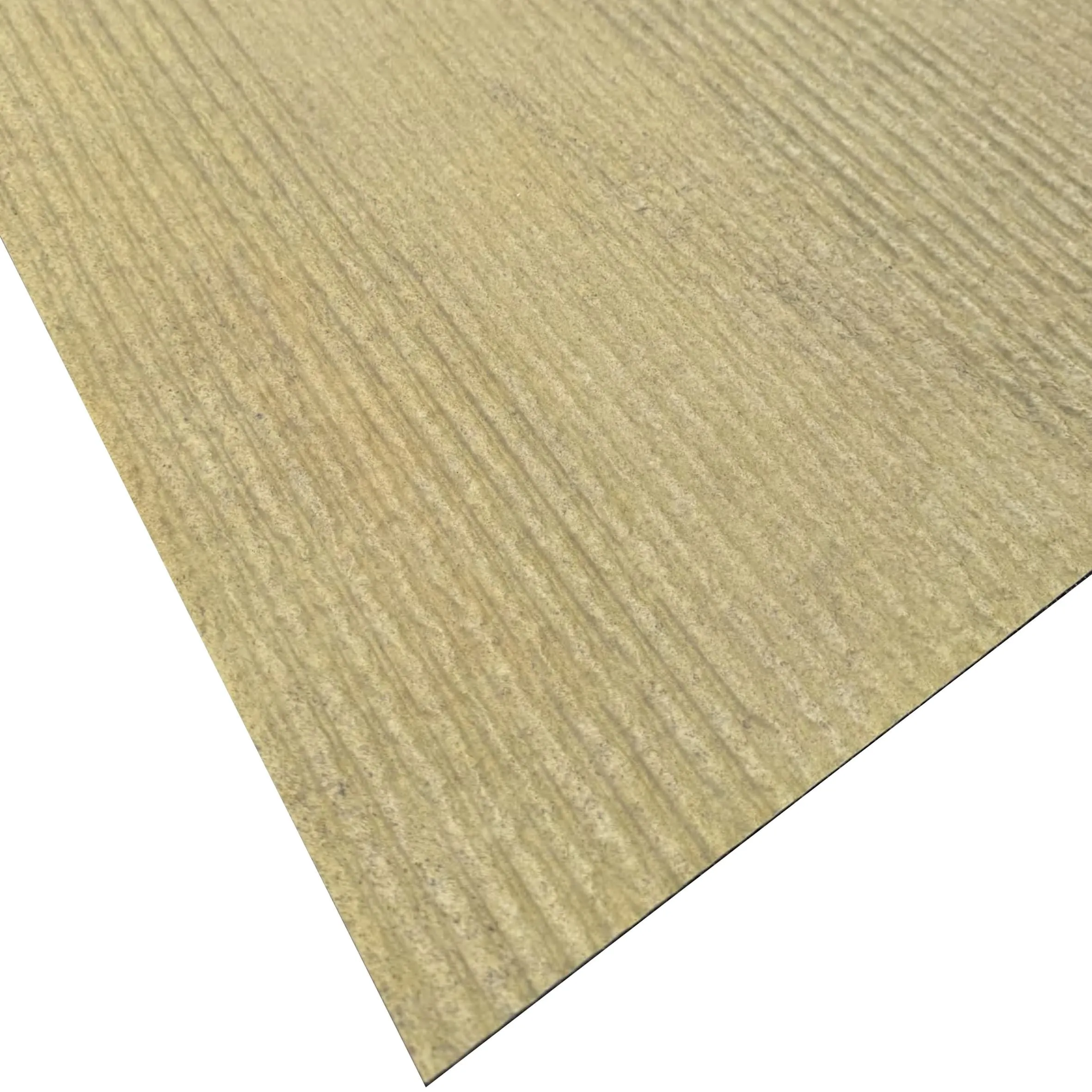
Older homes aren't just walls and roofs—they're living pieces of history. But history, as we know, can be fragile. Traditional materials like wood siding or plaster walls demand constant upkeep: repainting every few years, patching cracks, replacing rotted boards. Gravel Omani Stone flips that script. Its low-maintenance nature is a game-changer. Spills? Wipe them away with a damp cloth. Rain, snow, or harsh sunlight? It stands firm, no fading or warping. For homeowners who love their old house but hate the endless to-do list, that's a revelation.
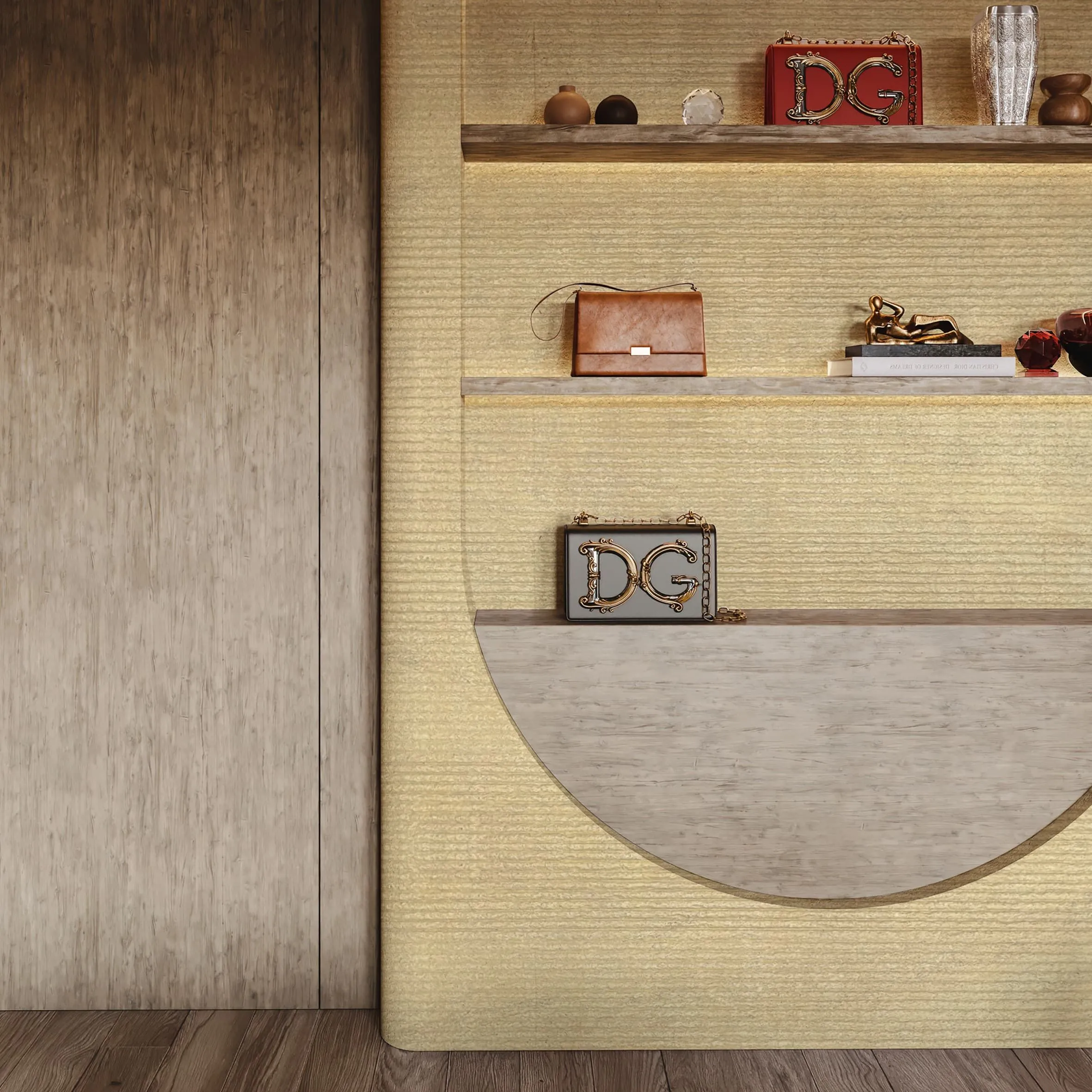
Then there's versatility. Gravel Omani Stone isn't limited to one spot. Use it for exterior cladding to protect the home from the elements while boosting curb appeal. Install it as a backsplash in a kitchen that's seen too many grease stains, and suddenly the space feels fresh but familiar. Lay it on a bathroom floor, and you've got a slip-resistant surface that looks like it's been there for decades (but won't mildew like older tile). It even works indoors as a feature wall—imagine a living room where one wall is wrapped in that warm, gravel-flecked texture, turning a plain space into a conversation starter.
| Material | Durability | Maintenance | Aesthetic Fit for Older Homes | Installation Ease |
|---|---|---|---|---|
| Gravel Omani Stone | High (resists cracks, stains, weathering) | Low (occasional wiping, no sealing required) | Seamless—complements historic textures | Moderate (lightweight panels for easy handling) |
| Traditional Limestone | Medium (prone to etching, requires sealing) | High (annual sealing, stain treatment) | Good, but can feel too "new" in older spaces | Challenging (heavy, requires structural support) |
| Fair-faced Concrete | High (durable, but prone to staining) | Moderate (sealing needed every 2–3 years) | Hit-or-miss—can feel cold against warm historic details | Moderate (requires precise pouring) |
One of the joys of renovating an older home is blending the best of then and now, and Gravel Omani Stone is a master at this dance. Let's talk color first: its neutral palette—think beiges, tans, and soft browns—plays well with just about anything. Pair it with original hardwood floors, and suddenly the wood looks richer, the stone grounding it. Use it alongside exposed brick, and the two textures (rough stone, porous brick) create a layered, lived-in feel that no new build can replicate.
For a bolder move, mix in accents of Travertine (Starry Blue) . Imagine a fireplace surround: Gravel Omani Stone forms the base, warm and earthy, while a strip of Starry Blue travertine runs along the mantel, its deep blue hue dotted with tiny white flecks that look like stars. It's unexpected but not jarring—like adding a modern art piece to a room full of antiques. The contrast elevates both materials, proving that old and new don't have to compete.
Don't sleep on texture, either. Older homes often have smooth, plaster walls or delicate wainscoting. Adding Gravel Omani Stone to one wall creates instant depth. In a dining room with tall, narrow windows, a Gravel Omani accent wall becomes a backdrop for a vintage wooden table, the stone's grit balancing the table's smooth finish. It's not about overpowering the room—it's about adding a tactile element that makes the space feel more alive.
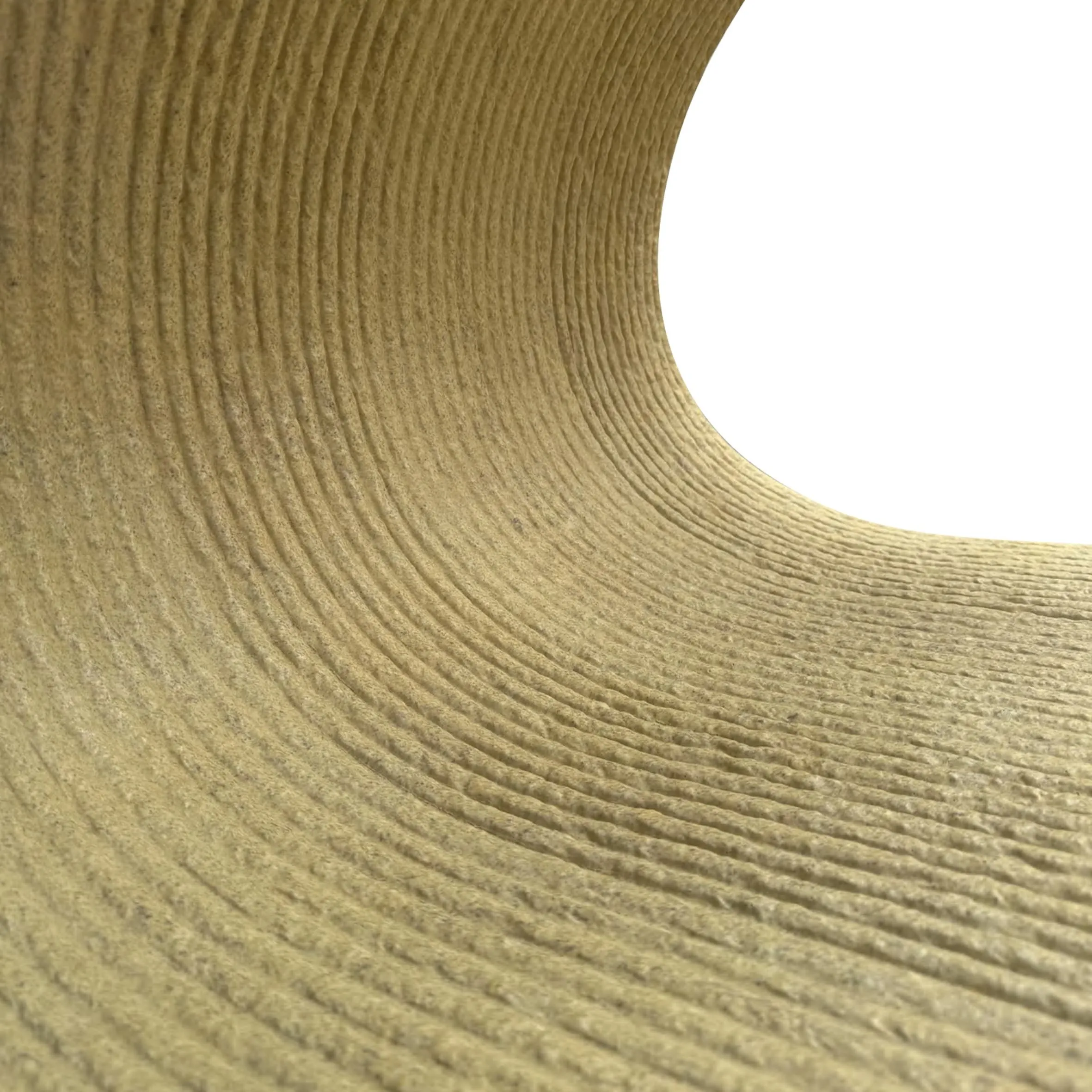
Gravel Omani Stone is a star, but even stars shine brighter with a supporting cast. Enter MCM flexible stone —a modern material that's as practical as it is pretty. Unlike rigid stone panels, MCM flexible stone bends and curves, making it perfect for older homes with uneven walls or quirky architectural details (we're looking at you, 1950s homes with sloped ceilings). It's lightweight, too, so you won't have to reinforce the structure to install it. Use it to line a hallway with wonky walls, or to cover a kitchen island that's seen better days. When paired with Gravel Omani Stone, the two create a dynamic textural duo: the stone's grit and MCM's flexibility working together to solve old-home problems without sacrificing style.
Then there's Lunar Peak Silvery , a stone that feels like a nod to the future without forgetting the past. With its sleek, silvery-gray tone and subtle metallic sheen, it adds a touch of modern elegance without clashing with Gravel Omani's earthiness. Install it as a backsplash in a kitchen where Gravel Omani lines the floor, and you've got a space that feels both grounded and fresh. Or use it for exterior trim—think window sills or a porch railing—where its silvery hue catches the light and makes the home's historic architecture pop.
And let's not overlook fair-faced concrete , that minimalist favorite. In an older home, fair-faced concrete might sound too stark, but paired with Gravel Omani Stone, it softens. Imagine a bathroom: Gravel Omani Stone walls, a fair-faced concrete vanity, and a vintage clawfoot tub. The concrete adds clean lines, the stone adds warmth, and the tub ties it all to the home's history. It's a trio that proves modern materials don't have to erase the past—they can honor it.
One of the biggest fears with renovating older homes is the "ripple effect": tear out one wall, and suddenly you're dealing with rot, outdated wiring, or structural issues you didn't see coming. Gravel Omani Stone minimizes that risk. Most panels are thin—around 1/2 inch thick—and lightweight, so they can be installed directly over existing surfaces (think drywall, brick, or even old tile) with minimal prep work. No need to tear down walls or reinforce floors; just clean the surface, apply adhesive, and press the panels into place. It's a renovation that feels less like a construction zone and more like a refresh.
For exterior projects, the process is just as straightforward. Gravel Omani Stone panels interlock, creating a tight seal that keeps moisture out (a must for older homes prone to leaks). And because they're resistant to mold and mildew, you won't have to worry about water damage down the line. It's a relief for homeowners who've spent years patching up rotted siding or repainting peeling trim—finally, a material that works with the home, not against it.
Older homes have always been "sustainable" in their own way—built to last, with materials that stand the test of time. Gravel Omani Stone carries that torch forward. It's made from natural aggregates and recycled materials, so it has a lower carbon footprint than many synthetic alternatives. And because it's so durable, it won't end up in a landfill in 10 years. For homeowners who care about the planet, that's a big win: upgrading their home without leaving a heavy environmental mark.
Even better, its energy efficiency can't be overstated. Older homes often struggle with insulation, but Gravel Omani Stone's thickness and density help regulate temperature, keeping heat in during winter and cool air in during summer. Pair it with MCM flexible stone, which also has insulating properties, and you've got a home that's more comfortable—and cheaper to heat and cool—than ever before. It's a small change that makes a big difference, both for your wallet and the planet.
Let's meet Sarah, who bought a 1940s cottage in upstate New York last year. She loved the home's original hardwood floors and clawfoot tub, but the exterior was a mess: peeling paint, rotted wood siding, and a front porch that wobbled when you stepped on it. "I didn't want to gut it," she says. "I wanted to keep its soul, but make it livable for my family."
Her solution? Gravel Omani Stone. She replaced the rotted siding with the stone panels, choosing a warm sand tone that complemented the home's red brick chimney. For the porch, she used MCM flexible stone to line the steps, its flexibility adapting to the porch's uneven surface. Inside, she installed Gravel Omani as a backsplash in the kitchen, pairing it with Lunar Peak Silvery countertops. "The first time I walked in after the renovation, I cried," she laughs. "It still felt like my grandma's house, but now it's sturdy. My kids can spill juice on the floor, and I don't panic. The exterior hasn't chipped or faded, even after a harsh winter. It's like the house finally grew up, but kept its heart."
Older homes aren't just properties—they're legacies. They hold memories, stories, and the kind of character that can't be built in a day. Renovating them shouldn't be about erasing that history; it should be about preserving it, while making sure the home can thrive for decades to come. Gravel Omani Stone does exactly that. It's a material with soul—one that honors the past, embraces the present, and builds for the future.
So if you're staring at your old home, wondering how to breathe new life into it without losing what makes it special, look no further. Gravel Omani Stone isn't just a renovation material—it's a bridge between then and now. And in that bridge, you'll find a home that's not just upgraded, but reborn.
Recommend Products












