
Walk into any successful retail space, and you'll notice something subtle but powerful: the design isn't just there to look pretty. It's working—guiding your steps, slowing your pace, making you feel welcome enough to linger, and maybe even reach for your wallet. In a world where online shopping dominates, brick-and-mortar stores have become experiences , and the materials that shape those experiences matter more than ever. Cold, sterile spaces? They push customers out the door. Warm, tactile, and authentic environments? They turn browsers into buyers, and buyers into repeat visitors.
This is where natural materials shine. They don't just fill a room—they breathe life into it. And among the stars of this natural design revolution is a material that feels both timeless and fresh: Gravel Omani Stone. With its earthy texture, soft color palette, and surprising versatility, it's quietly becoming the secret weapon for retailers who want to create spaces that customers remember long after they've left.
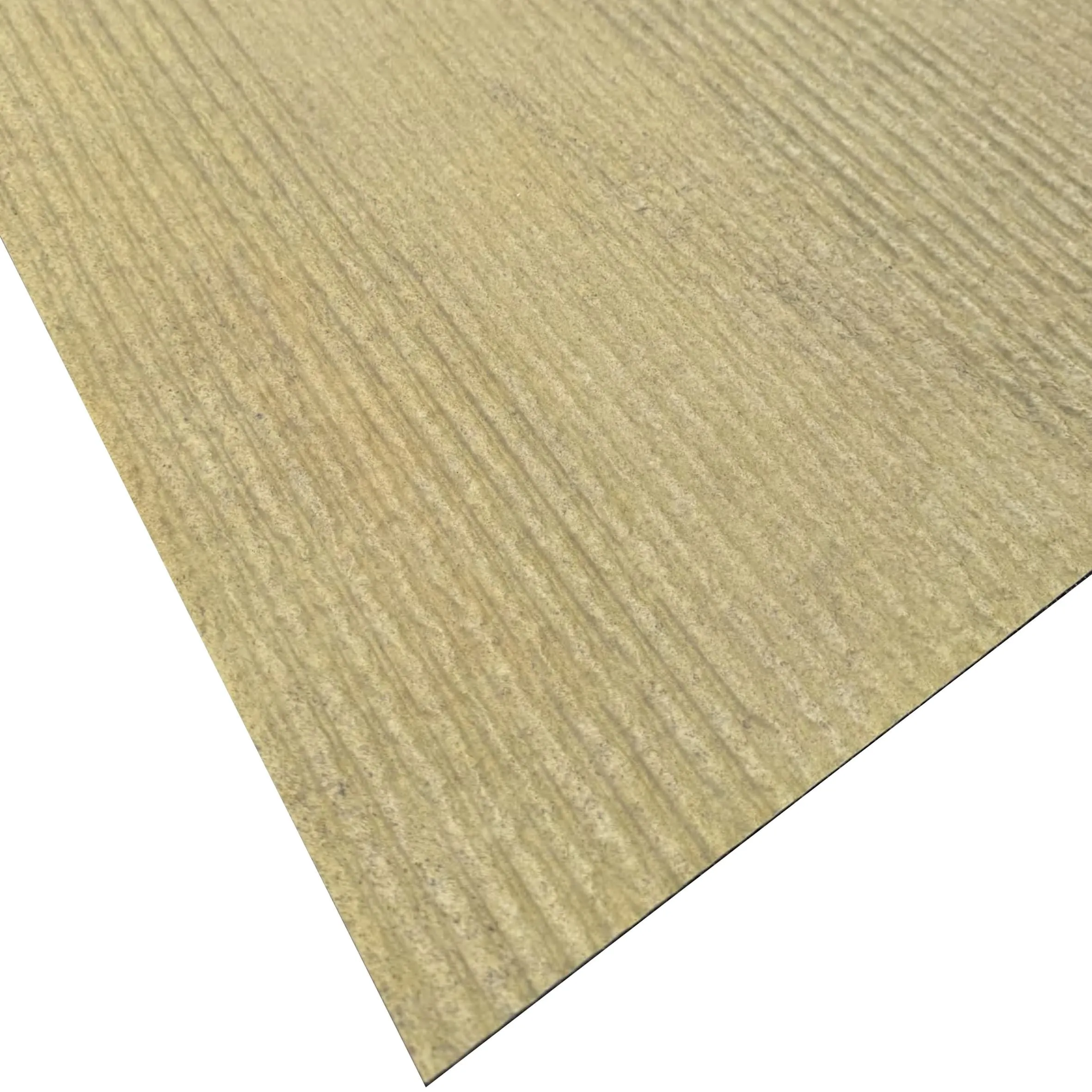
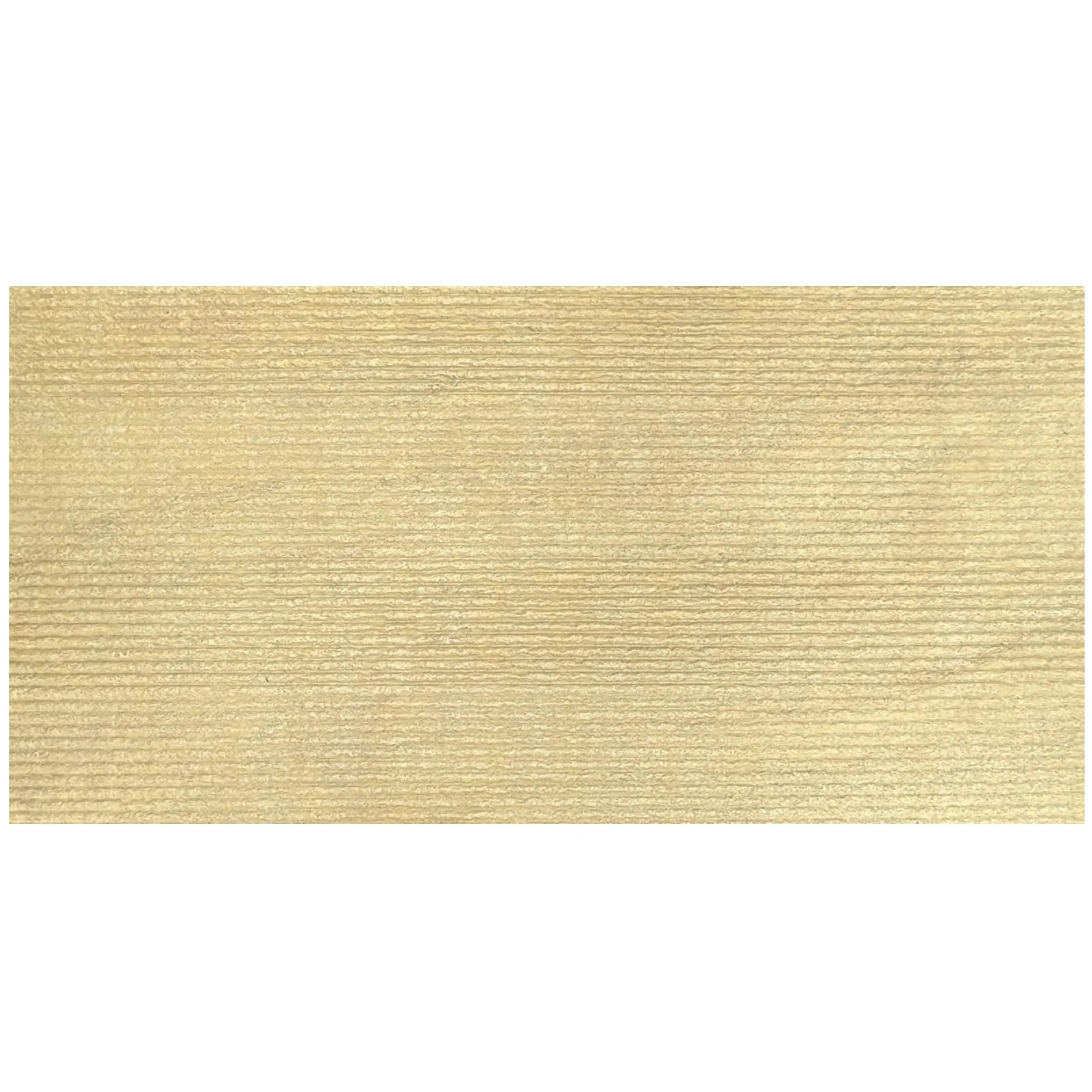
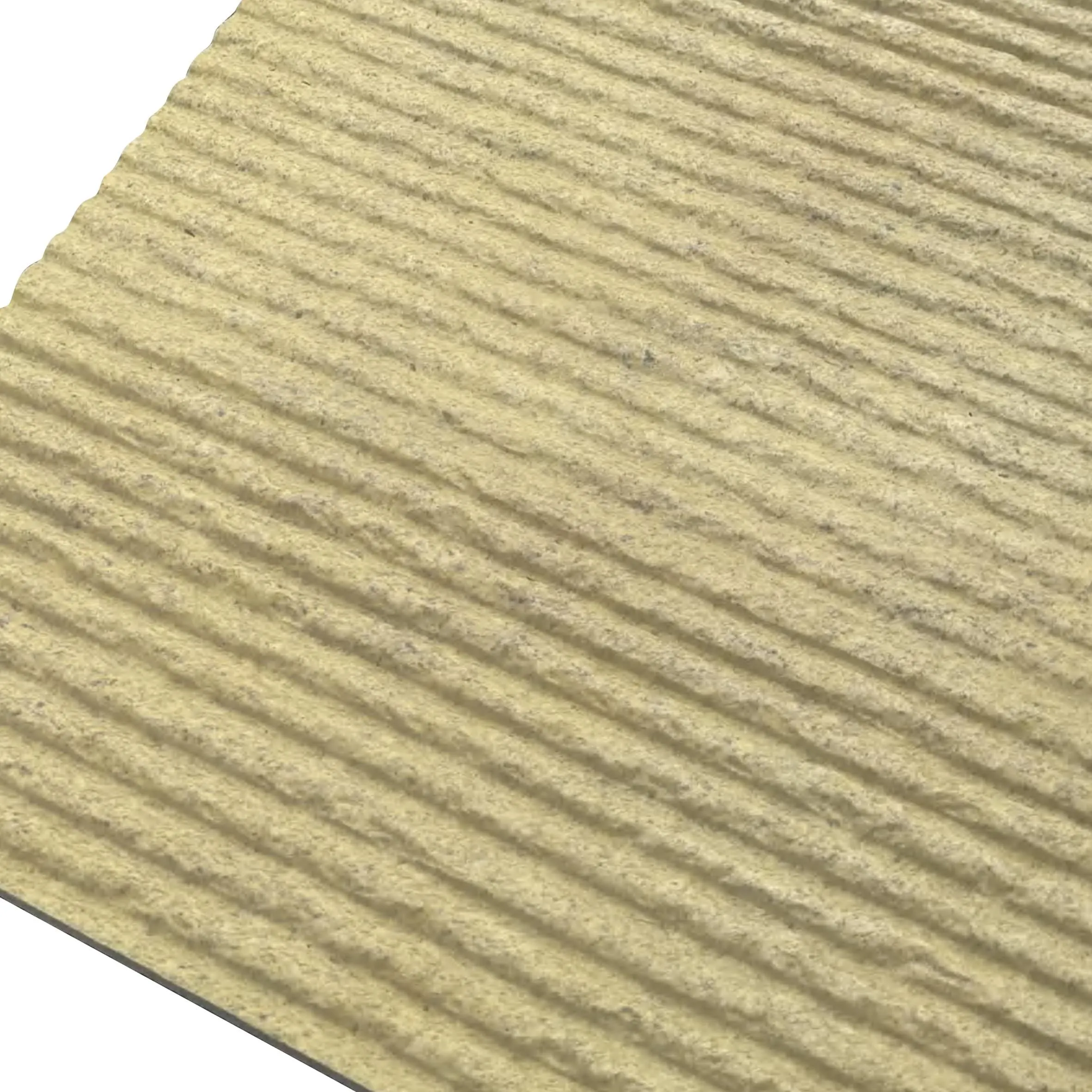
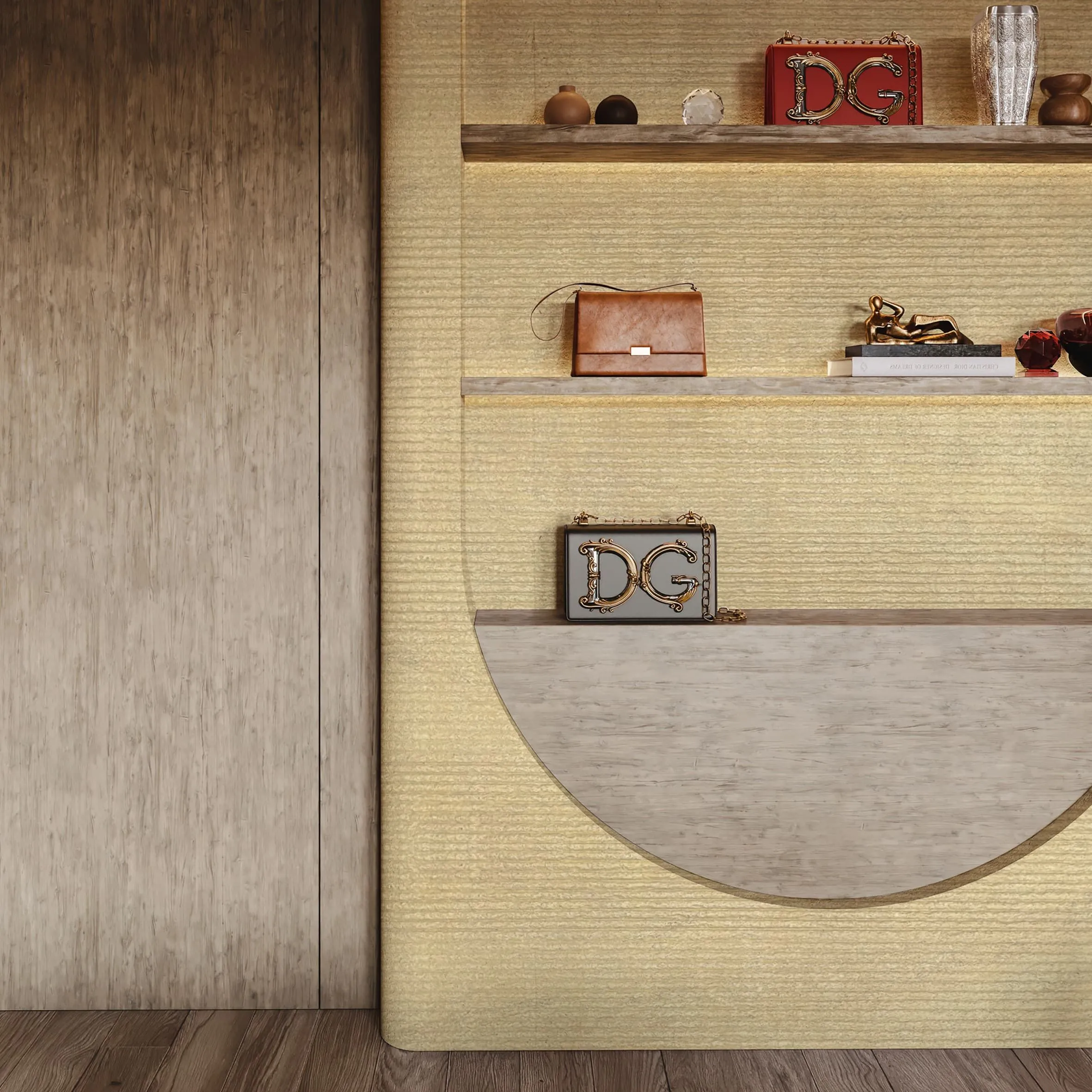
Let's start with the obvious: Gravel Omani Stone looks like a piece of the outdoors, polished just enough to feel intentional but not overdone. Imagine tiny pebbles, smoothed by time and weather, pressed into a surface that's equal parts rugged and refined. Its base color leans warm—think soft beiges, sandy taupes, and hints of muted gold—with flecks of darker gravel adding depth, like a desert landscape at dawn. It's not flashy, but it doesn't need to be. Its beauty lies in its understatement, making it the perfect canvas for brands that want their products to take center stage while the space itself feels like a comforting hug.
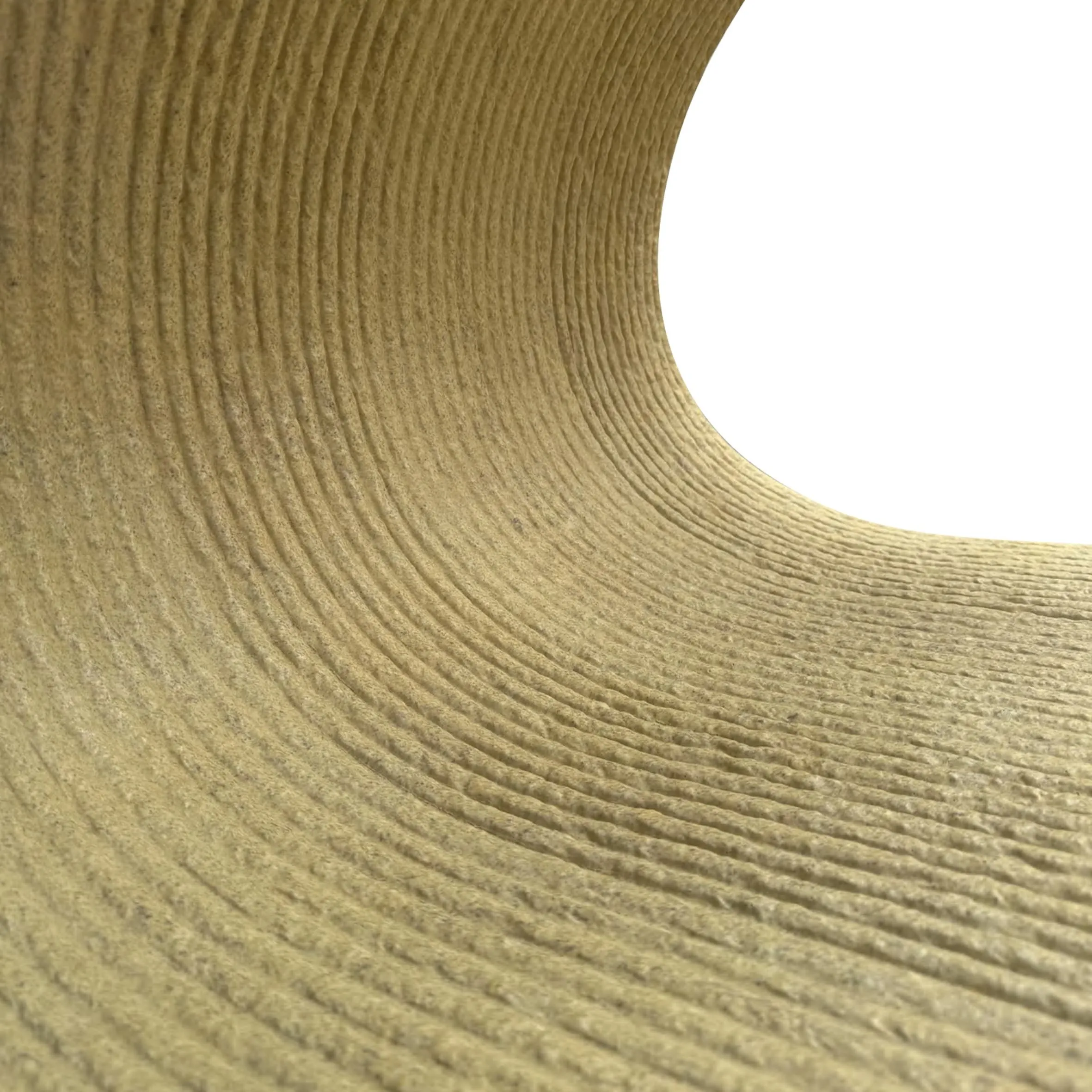
But here's where it gets even more interesting: Gravel Omani Stone often comes wrapped in MCM flexible stone technology. For the uninitiated, MCM (Modified Composite Material) is a game-changer. It takes the natural beauty of stone and makes it lightweight, bendable, and easy to install—no heavy machinery or weeks of construction required. That means you can use Gravel Omani Stone not just on floors, but on walls, display shelves, even ceiling accents, without worrying about structural stress. It's nature, but smarter—adaptable to the curves of a boutique's archway or the sharp lines of a modern café counter.
Run your hand over it, and you'll feel the texture—subtly rough, like walking on a quiet beach, but smooth enough that it's comfortable underfoot. Step onto it in the morning, and the stone absorbs the light, casting soft shadows that make the space feel larger. In the evening, under warm overhead lights, it glows, turning a simple store into a cozy retreat. It's the kind of material that invites touch, and in retail, that's magic: when customers feel connected to their surroundings, they stay longer, explore more, and yes, spend more.
Gravel Omani Stone isn't a one-trick pony. Its versatility means it can play a starring role or a supporting one, depending on your vision. Let's break down the possibilities:
Flooring is the first thing customers notice when they walk in—literally. Cold tiles can make a space feel unwelcoming; overly smooth surfaces can feel slippery and sterile. Gravel Omani Stone flooring? It's the opposite. It's warm underfoot, with just enough grip to feel safe, and its natural texture guides the eye gently through the store. Imagine a clothing boutique where the path from the entrance to the fitting rooms is lined with Gravel Omani Stone, while the product displays sit on raised platforms of wood grain board . The contrast—earthy stone and warm wood—creates a rhythm that makes shopping feel like a stroll through a curated garden, not a chore.
Every retail space needs a focal point—a wall that stops customers in their tracks and makes them think, "Wow, this place gets me." Gravel Omani Stone excels here, especially when paired with complementary materials. Picture this: a cosmetics store with a Gravel Omani Stone accent wall, where the brand's signature products are displayed on sleek shelves. Behind the shelves, strips of Travertine (Starry Blue) are embedded, their iridescent blue veins catching the light like a starry night sky. The stone's neutral base lets the blue pop, turning a simple display into a mini art installation. Customers don't just see the products—they remember the feeling of standing in front of that wall, and that memory brings them back.
The checkout area is where the customer journey ends, but it's also where the last impression is made. Why not make it memorable? A Gravel Omani Stone countertop, paired with fair-faced concrete legs, balances ruggedness with modernity. The stone adds warmth, while the concrete keeps things fresh and contemporary. It's a small detail, but it matters: customers lingering at the counter (maybe waiting for a receipt or chatting with staff) will notice the care put into even the functional elements, and that builds trust.
No material shines in isolation, and Gravel Omani Stone is no exception. The best retail spaces are like symphonies, with each material playing a distinct note. Here's how to harmonize Gravel Omani Stone with other natural and modern materials to create a space that feels cohesive and alive:
| Material | Texture & Look | Best Paired With Gravel Omani Stone For: | Mood Created |
|---|---|---|---|
| Wood Grain Board | Smooth, warm, with visible wood knots and grain lines | Shelving, display units, cash wraps | Rustic charm with a modern edge—like a cabin in the city |
| Fair-faced Concrete | Cool, smooth, with subtle gray tones and visible aggregate | Countertops, lower walls, structural elements | Industrial chic with a soft heart—edgy but not cold |
| Travertine (Starry Blue) | Glossy, with deep blue base and shimmering "star" flecks | Accent walls, backsplashes, statement pieces | Drama with warmth—like a night sky over a desert |
Take a minimalist shoe store, for example. The floors are Gravel Omani Stone, grounding the space in nature. The walls are painted a soft white, but one section is covered in wood grain board , where shoes are displayed on floating shelves. The checkout counter? A sleek slab of fair-faced concrete, with a thin strip of Gravel Omani Stone along the edge to tie it all together. The result? A space that feels calm, intentional, and uniquely inviting—customers don't just try on shoes; they experience the brand.
Let's get practical: beauty is important, but in retail, durability and cost matter too. Gravel Omani Stone checks those boxes, and then some.
Retail floors take a beating—stilettos, shopping carts, spilled coffee, the works. Gravel Omani Stone, thanks to its MCM flexible stone backing, is tough. It resists scratches, stains, and water, so you won't panic when a customer spills their latte (we've all been there). And unlike natural stone, which can crack or chip, MCM-backed stone is resilient, meaning it'll look just as good in five years as it did on opening day. Less time worrying about repairs means more time focusing on what matters: your customers.
Renovating a retail space can be a nightmare—expensive, time-consuming, and disruptive to business. Gravel Omani Stone, being lightweight and flexible, cuts down on installation time and labor costs. No need for heavy equipment or days of demolition; it can be applied over existing surfaces in many cases, getting your store back up and running faster. And because it's durable, you won't be replacing it every few years. It's an investment that pays off, both in the short term (lower upfront costs) and long term (less maintenance).
Whether you're a high-end fashion brand or a cozy neighborhood café, Gravel Omani Stone adapts to your vibe. Pair it with brass fixtures and Travertine (Starry Blue) accents for luxury; mix it with reclaimed wood and string lights for boho charm; or keep it simple with white walls and black metal for modern minimalism. It doesn't fight your brand—it elevates it, letting your unique personality shine through.
We live in a world of screens—endless scrolling, virtual shopping, digital everything. That's why brick-and-mortar stores have a secret advantage: they're real . They offer texture, scent, sound, and touch—the things that make us feel alive. Natural materials like Gravel Omani Stone are at the heart of this shift. They remind us of the world outside our phones, of walks in the park, of the comfort of being in a space that feels… human .
Retailers who embrace this—who trade cold, clinical spaces for warm, tactile ones—are the ones who will thrive. Gravel Omani Stone isn't just a material; it's a statement. It says, "We care about your experience. We want you to feel at home here." And in a world where customers have endless choices, that's the ultimate competitive edge.
At the end of the day, retail design is storytelling. Your space should tell customers who you are, what you value, and why they should care. Gravel Omani Stone, with its earthy warmth, durability, and versatility, is a storyteller's dream. It doesn't shout—it whispers, inviting customers to lean in, explore, and connect.
So, whether you're designing a new store or giving an old one a facelift, consider this: the right materials don't just fill a space—they create memories. And memories? They're what turn first-time visitors into lifelong customers. Gravel Omani Stone isn't just a trend; it's a timeless choice for retailers who want to build spaces that matter. And in retail, that's the most beautiful story of all.
Recommend Products












