
In the heart of Riyadh, a new commercial tower rises against the skyline, its facade catching the sunlight in a way that feels both timeless and modern.,——,,.Ahmed,:"''''.",Gravel Omani Stone,,COLORIA GROUP.
.NEOM,,Vision 2030.,:,, durability?,Gravel Omani Stone——,,.
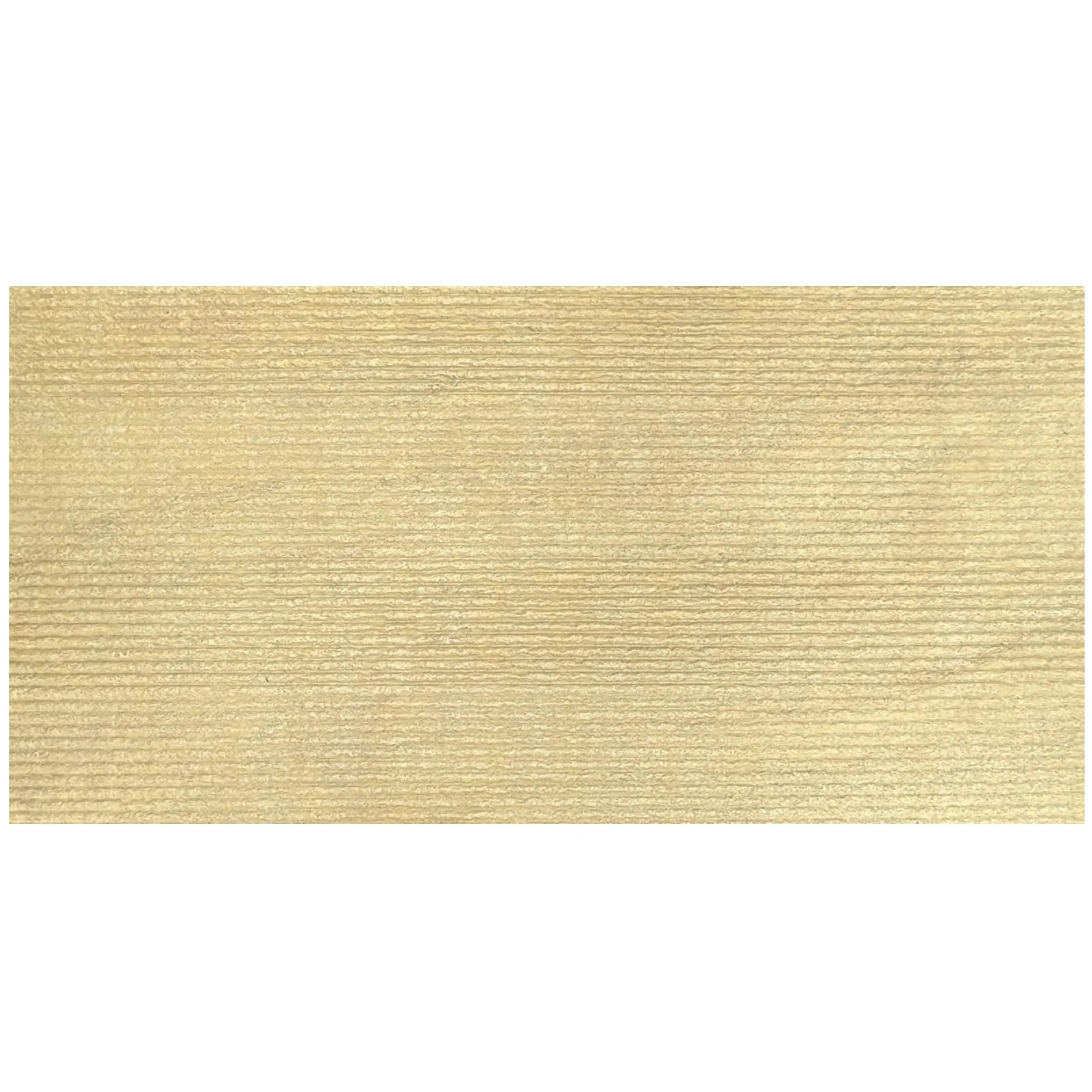
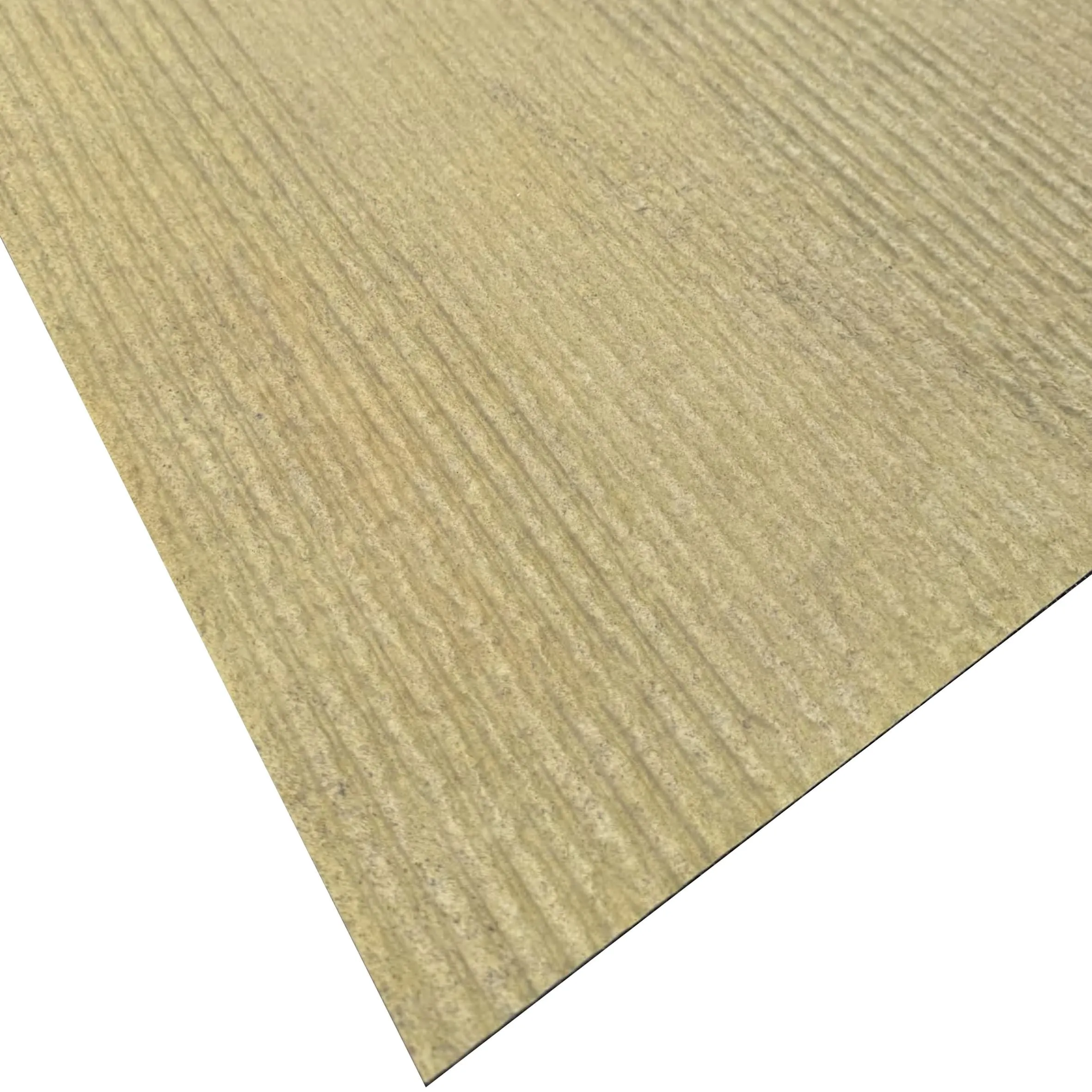
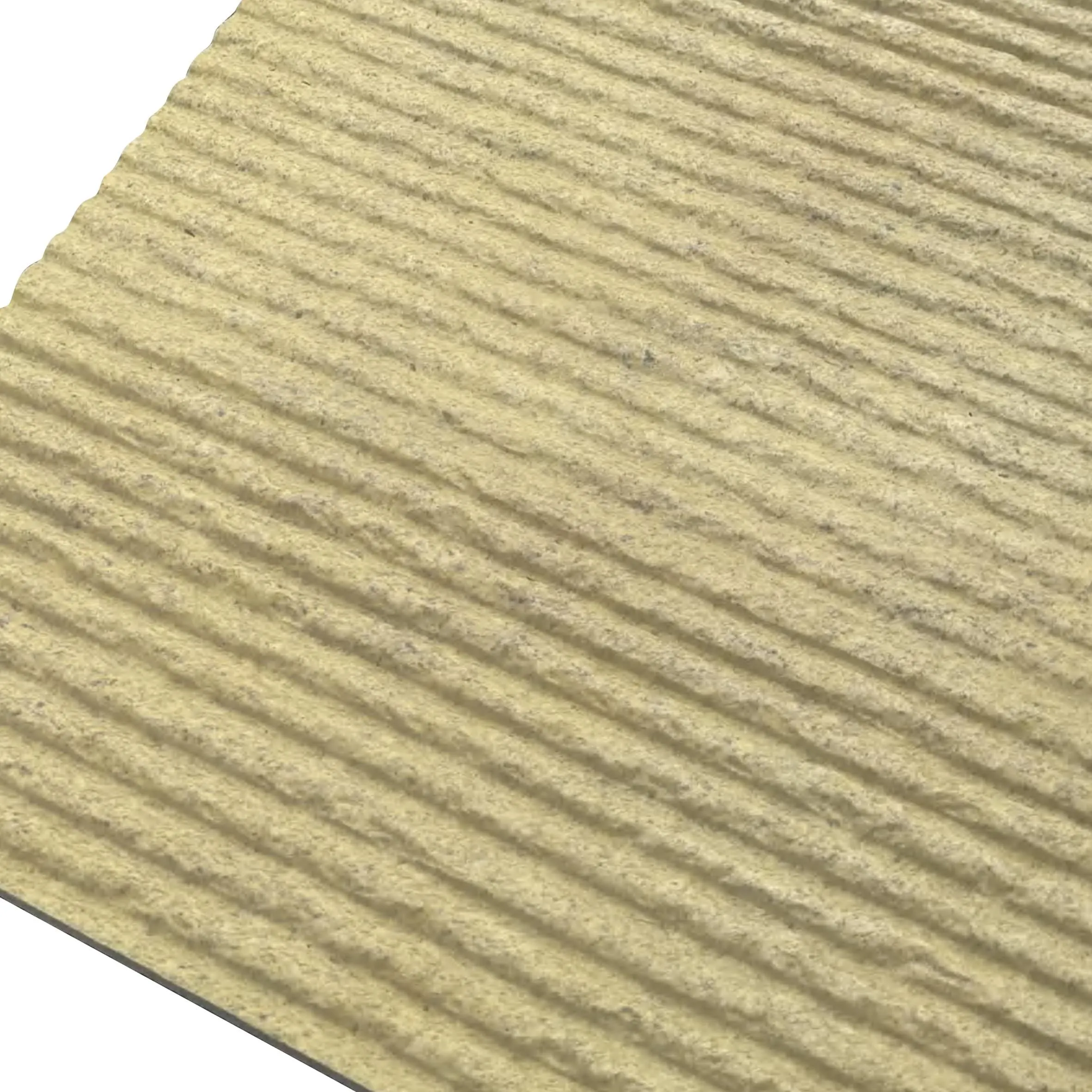
Gravel Omani Stone isn't just another building material; it's a story told in stone. Quarried from the rugged landscapes of Oman, where centuries of geological activity have fused sand, gravel, and minerals into dense, durable formations, this stone carries the character of the Arabian Peninsula itself. Its surface, dotted with naturally embedded gravel fragments, adds depth and texture that standard marble or granite can't replicate. Imagine running your hand over a wall clad in it—cool to the touch, with subtle variations in color from soft beige to warm terracotta, each slab unique like a fingerprint.
But its beauty is more than skin deep. In Saudi Arabia's harsh climate—where temperatures soar above 45°C in summer and sandstorms are a regular occurrence—durability is non-negotiable. Gravel Omani Stone delivers: its high compressive strength (up to 180 MPa) and low water absorption rate (less than 1%) make it resistant to heat, erosion, and moisture. For developers building for the long term, this means lower maintenance costs and a facade that ages gracefully, gaining a richer patina over time rather than fading or cracking.
Perhaps most importantly, Gravel Omani Stone aligns with the growing desire for "local authenticity" in Saudi architecture. In a market flooded with imported materials, there's a shift toward designs that reflect the region's heritage. This stone, quarried just across the border in Oman, feels familiar yet distinctive—a material that speaks to the desert landscape while offering a level of sophistication suitable for luxury projects. It's no wonder that developers from Riyadh to Dammam are increasingly specifying it for facades, accent walls, and even interior features like reception desks and fireplace surrounds.
Sourcing Gravel Omani Stone is one thing; getting it to a construction site in Riyadh on time, in perfect condition, and within budget is another. This is where COLORIA GROUP's supply chain expertise shines. What began as a small trading firm two decades ago has evolved into a regional leader in building materials, thanks to a simple philosophy: "Control the journey, not just the product." For Gravel Omani Stone, this journey starts deep in the Hajar Mountains of Oman.
The first step is quarry selection. COLORIA GROUP partners with family-owned quarries in Oman that have been operating for generations, ensuring ethical sourcing and sustainable practices. "We don't just buy stone from any quarry," explains Khalid Al-Mansoori, COLORIA's Supply Chain Director. "We visit each site, assess their extraction methods, and even test the stone's quality ourselves. Some quarries have unique veins or gravel concentrations that make their stone special—we want to capture that uniqueness for our clients." Once a batch is selected, COLORIA's team oversees the cutting and finishing process, working with local artisans to ensure the slabs meet the exact thickness, size, and texture specifications of the Saudi project.
Logistics, however, is where the real challenge—and COLORIA's expertise—comes into play. Transporting heavy stone slabs from Oman to Saudi Arabia isn't as simple as loading a truck and hitting the highway. The border crossing between the two countries can be unpredictable, with delays due to customs checks or paperwork. To mitigate this, COLORIA maintains a dedicated logistics team that coordinates with both Omani and Saudi authorities, ensuring all permits and documentation are in order weeks before shipment. They also use GPS-tracked trucks equipped with climate control to protect the stone from extreme heat during transit—a critical detail in a region where summer temperatures can damage even the toughest materials.
Once the stone arrives in Saudi Arabia, COLORIA's network of local warehouses kicks into action. With facilities in Riyadh, Jeddah, and Dammam, the company can store materials close to major construction hubs, reducing last-mile delivery times. "We've had clients panic because their original supplier delayed shipment by two weeks," says Al-Mansoori. "But because we have stock in Riyadh, we can deliver within 48 hours. That peace of mind is priceless in a market where construction schedules are tight and delays cost millions."
| Material | Key Advantages | Best For | COLORIA Supply Chain Edge |
|---|---|---|---|
| Gravel Omani Stone | Natural texture, high durability, regional authenticity | Facades, accent walls, luxury interiors | Direct quarry partnerships, climate-controlled transport |
| Fair-Faced Concrete | Sleek modern look, cost-effective, customizable | Industrial-style buildings, minimalist exteriors | Pre-cast in local facilities, just-in-time delivery |
| Boulder Slab (Vintage Silver) | Metallic sheen, lightweight, scratch-resistant | Modern commercial buildings, signage | Global sourcing network, quality-tested in-house labs |
| MCM Flexible Stone | Lightweight, easy to install, versatile designs | Curved facades, renovation projects | Local manufacturing in Jeddah, quick turnaround |
Doing business in the Middle East's construction sector means navigating a unique set of challenges, from bureaucratic red tape to extreme weather. For Gravel Omani Stone, these challenges are amplified by the material's weight and fragility. Yet, COLORIA GROUP has turned these hurdles into competitive advantages by thinking creatively and leaning on decades of local experience.
Take, for example, the issue of border delays. In 2022, a sudden change in Saudi customs regulations left dozens of stone shipments stranded at the Oman-Saudi border, including a batch destined for a high-profile hotel project in Jeddah. While other suppliers scrambled to adjust, COLORIA activated its "contingency route"—a partnership with a logistics firm that could reroute the stone via sea, landing in Jeddah Port just 48 hours later. "We don't rely on a single transport method," says Al-Mansoori. "For every project, we map out three routes: road, sea, and air (for). It's more expensive to plan for, but when a client is facing a deadline, it's worth every penny."
Another challenge is quality consistency. Natural stone, by its very nature, varies from slab to slab. For developers who want a uniform look, this can be a problem. COLORIA solves this by creating "matching sets" during the sorting process. After the stone is quarried, each slab is photographed and cataloged in a digital database. Clients can then review the slabs online and select the ones that best match their vision, ensuring consistency across the project. For large-scale developments, COLORIA even creates physical sample boards that are shipped to the client's office, allowing architects to see and touch the stone before finalizing their order.
Then there's the issue of seasonal demand. In Saudi Arabia, construction activity peaks in the cooler months (October to March), leading to a surge in material orders. To avoid shortages, COLORIA ramps up production and storage in its Omani quarries during the summer, when demand is lower. This "forward stock" strategy means that even during the busy season, clients don't have to wait weeks for their Gravel Omani Stone. "It's like farming," Al-Mansoori jokes. "You harvest in the off-season so you have food in the busy season."
In 2023, COLORIA GROUP was tasked with supplying Gravel Omani Stone for the Al-Majd Tower, a 45-story mixed-use development in Riyadh's King Abdullah Financial District. The client, a leading Saudi developer, had a tight deadline: the stone needed to be installed by the end of the year to align with the tower's grand opening. Complicating matters, the design called for unusually large slabs (up to 3 meters in length) and a custom "sunset gold" gravel blend that wasn't available in standard inventory.
COLORIA's response was swift. First, the team identified a small quarry in Oman's Al Dakhiliyah region known for its golden-hued gravel deposits. They worked with the quarry to extract a special batch, then sent their own quality control experts to oversee the cutting process, ensuring the slabs were thick enough to support their size without cracking. For logistics, they chartered dedicated trucks with air-ride suspension to transport the large slabs, avoiding potholed roads that could cause damage. Finally, they coordinated with the construction site to deliver the stone in phases, matching the installation schedule so that slabs didn't pile up on-site and risk damage.
The result? The Al-Majd Tower's facade was completed two weeks ahead of schedule, with the custom Gravel Omani Stone receiving praise from both the client and local architects. "COLORIA didn't just deliver stone—they delivered peace of mind," says the project's lead architect, Lina Hassan. "In a market where delays are common, their ability to meet a custom order on time was game-changing."
While Gravel Omani Stone is a star in COLORIA GROUP's lineup, it's just one part of a broader portfolio designed to meet the diverse needs of Saudi Arabia's construction market. The company understands that modern projects rarely rely on a single material, which is why they've curated a range of products that complement Gravel Omani Stone, from sleek modern options to traditional favorites.
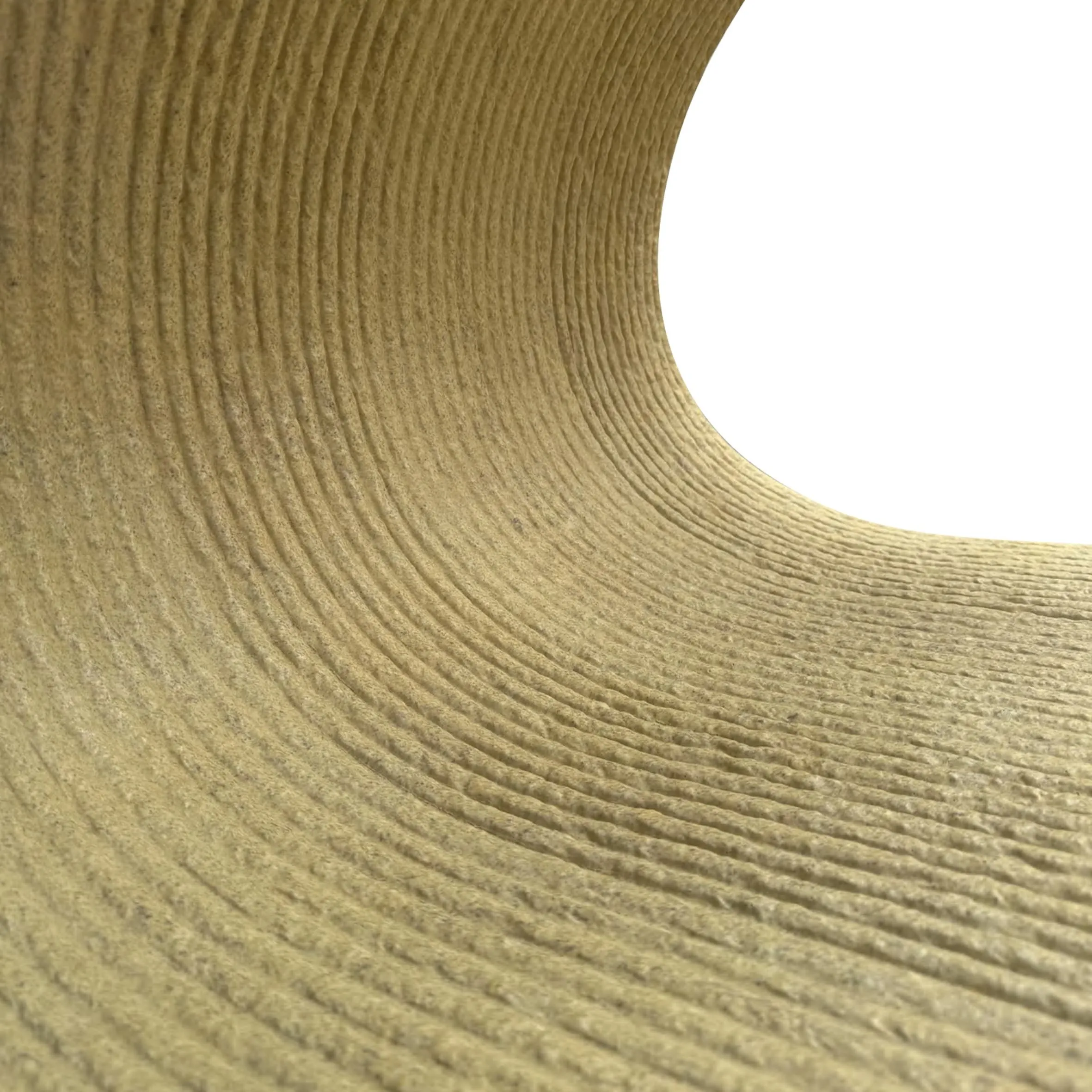
Take MCM Flexible Stone, for example. This lightweight, flexible cladding material is perfect for projects where Gravel Omani Stone might be too heavy or where curved surfaces are involved. Made from a blend of natural stone particles and polymer resins, MCM Flexible Stone can be bent to fit arches, columns, or rounded facades, all while mimicking the look of real stone. For the Al-Majd Tower, COLORIA supplied MCM Flexible Stone in a matching golden tone for the tower's curved entrance canopy, creating a seamless transition from the main facade to the entrance.
Then there's Boulder Slab, available in vintage silver, gold, and black finishes. These metallic-infused slabs add a touch of modern luxury, making them ideal for accent walls in lobbies or executive offices. When paired with Gravel Omani Stone, they create a striking contrast—natural texture meets sleek metallics—that appeals to developers aiming for a "contemporary heritage" aesthetic. COLORIA's ability to source Boulder Slab from global suppliers and deliver it alongside Gravel Omani Stone means clients don't have to coordinate with multiple vendors, saving time and reducing the risk of delays.
For clients prioritizing sustainability, COLORIA offers a range of green building materials, including recycled concrete aggregates and low-VOC sealants. Gravel Omani Stone itself is an eco-friendly choice, as it requires minimal processing compared to synthetic materials, and its durability reduces the need for frequent replacements. COLORIA also offsets the carbon footprint of its logistics by using solar-powered warehouses in Saudi Arabia and investing in reforestation projects in Oman—a commitment that resonates with developers aligning with Vision 2030's sustainability goals.
In recent years, "green building" has moved from a buzzword to a requirement in Saudi Arabia. With Vision 2030 emphasizing environmental sustainability, developers are under increasing pressure to reduce their projects' carbon footprints and use materials that are both durable and eco-friendly. Gravel Omani Stone, with its natural composition and long lifespan, fits this bill perfectly—and COLORIA GROUP is doubling down on sustainability across its supply chain.
One of the key ways COLORIA reduces environmental impact is through optimized logistics. By maintaining local warehouses in Saudi Arabia, the company cuts down on long-distance transport, reducing fuel consumption and emissions. For example, a project in Jeddah can source Gravel Omani Stone from COLORIA's Jeddah warehouse, rather than shipping directly from Oman, saving hundreds of kilometers of truck travel. The company also uses electric forklifts in its warehouses and is exploring solar-powered trucks for short-haul deliveries within cities.
In Oman, COLORIA works with quarries that follow strict reclamation practices. After a quarry is exhausted, the land is restored to its natural state, with native plants replanted to prevent desertification. "We see ourselves as stewards of the land," says Al-Mansoori. "The Hajar Mountains are beautiful—we want to keep them that way for future generations." This commitment to sustainable sourcing has earned COLORIA certifications from the Gulf Organization for Research & Development (GORD), making their materials eligible for LEED and Estidama green building ratings—credentials that are increasingly important for Saudi projects vying for government contracts.
Perhaps most inspiring is COLORIA's investment in research and development. The company has a small lab in Dubai dedicated to creating more sustainable building materials, including a recycled version of Gravel Omani Stone that incorporates waste stone dust from quarrying. While still in the testing phase, this innovation could one day reduce waste by up to 30% in the production process—a significant step forward for an industry often criticized for its environmental impact.
As Saudi Arabia continues to grow, so too will the demand for innovative, high-quality building materials. Gravel Omani Stone, with its blend of authenticity, durability, and beauty, is poised to remain a favorite—but the future holds even more possibilities. COLORIA GROUP, for its part, is already looking ahead, exploring new materials and technologies to stay ahead of the curve.
One trend gaining traction is "smart materials"—building products embedded with technology like sensors or self-healing properties. While Gravel Omani Stone itself is natural, COLORIA is experimenting with coatings that can repel dust (a major issue in Saudi Arabia's desert climate) or change color slightly to reflect sunlight, reducing a building's cooling costs. Imagine a facade that adjusts to the sun's intensity, keeping the interior cool in summer and warm in winter—all while maintaining the natural look of stone.
Another area of focus is customization. Today's developers want materials that tell a unique story, whether through custom colors, textures, or even embedded designs. COLORIA is working with 3D printing technology to create custom molds for MCM Flexible Stone, allowing clients to incorporate patterns inspired by Saudi heritage—like geometric motifs from traditional Najdi architecture—into their facades. "3D printing lets us turn a client's vision into reality without the high costs of traditional custom fabrication," explains Al-Mansoori. "It's democratizing design."
Finally, there's the rise of "circular construction"—a model where materials are reused or recycled at the end of a building's life. Gravel Omani Stone, being a natural material, is already highly recyclable (it can be crushed and used as aggregate in concrete), but COLORIA is exploring ways to make its entire supply chain circular, from using recycled packaging to partnering with demolition firms to reclaim stone from old buildings for reuse in new projects. "The future isn't just about building new—it's about building smarter," says Al-Mansoori. "And we're ready to lead that charge."
In the fast-paced world of Saudi Arabia's construction industry, where deadlines are tight, standards are high, and the stakes are even higher, the difference between a successful project and a stressful one often comes down to the reliability of your material supplier. For Gravel Omani Stone, COLORIA GROUP has proven time and again that they're more than just a supplier—they're a partner, invested in the success of every project they touch.
From the quarries of Oman to the skylines of Riyadh, COLORIA's supply chain expertise ensures that Gravel Omani Stone arrives on time, in perfect condition, and ready to transform buildings into landmarks. Their commitment to quality, sustainability, and innovation has made them a trusted name among developers, architects, and contractors across Saudi Arabia—a name that stands for reliability, authenticity, and the kind of attention to detail that turns good projects into great ones.
As Saudi Arabia continues to build toward Vision 2030, the demand for materials that blend beauty, durability, and sustainability will only grow. And as long as that demand exists, COLORIA GROUP will be there, bridging the gap between Oman's natural resources and Saudi Arabia's ambitious dreams—one slab of Gravel Omani Stone at a time.
Recommend Products












