
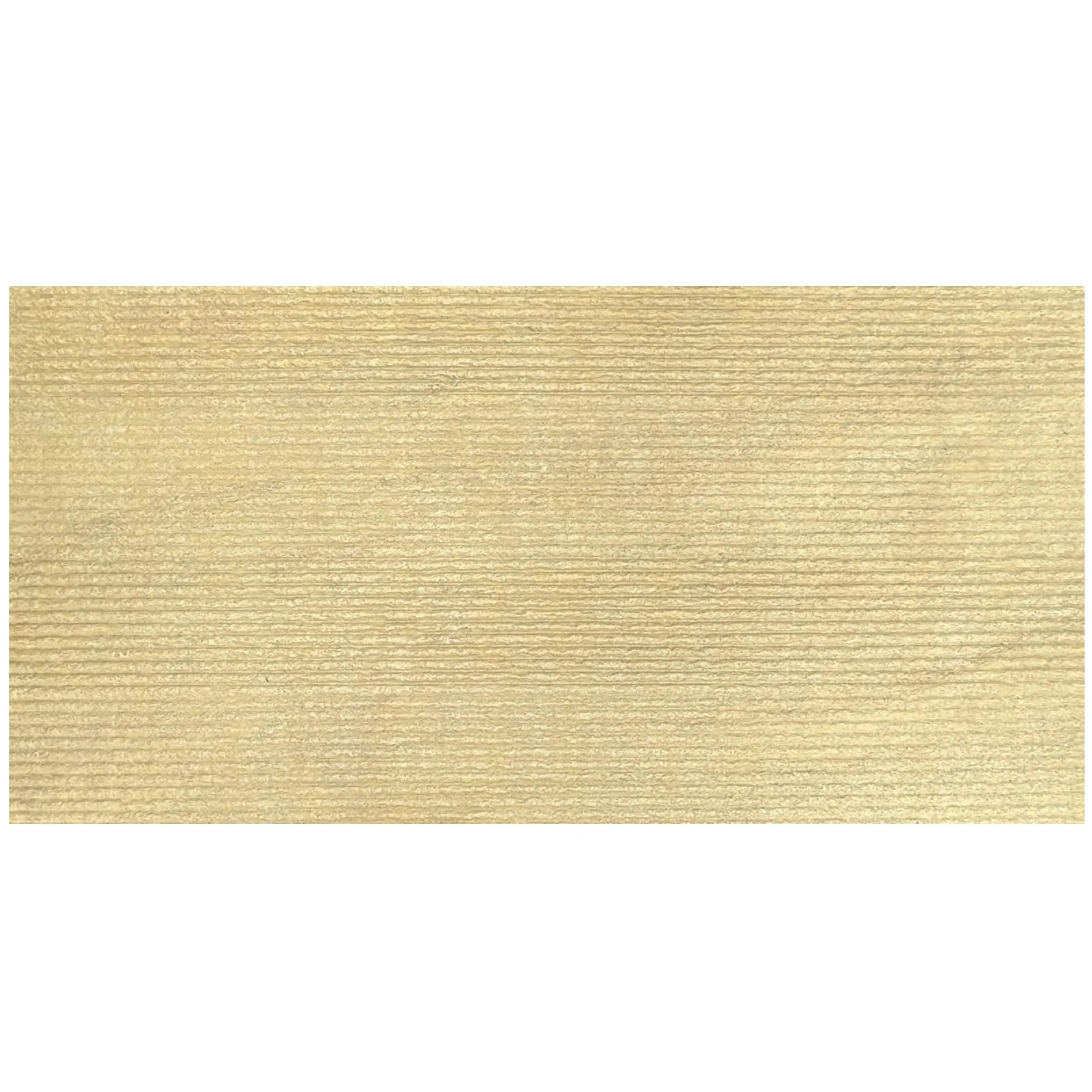
There's something undeniably timeless about Gravel Omani Stone. Whether it adorns the floors of a cozy home, the walls of a bustling café, or the exterior of a modern office building, its earthy tones and unique granular texture tell a story of durability and natural beauty. But like any cherished material, it demands care. Too often, homeowners and designers fall in love with its aesthetics only to overlook the small, daily habits that keep it looking fresh for decades. In this guide, we'll walk through practical, human-centered strategies to maintain Gravel Omani Stone—because preserving its charm shouldn't feel like a chore, but rather a labor of love for the spaces we inhabit.
Before diving into maintenance, let's take a moment to understand what makes Gravel Omani Stone unique. Quarried from the arid landscapes of Oman, this stone is formed over centuries by the compression of sediment and gravel, giving it a distinctive, slightly porous surface with a warm, inviting feel. Unlike polished marble or sleek travertine (beige) —which often feels more formal—Gravel Omani Stone has a rustic, organic quality that blends seamlessly with both modern and traditional designs. Its porosity, however, is a double-edged sword: it allows the stone to "breathe" and develop character over time, but it also means it's prone to absorbing spills if not properly protected. Think of it like a well-loved leather jacket—with care, it ages beautifully; neglect it, and it'll show wear far too soon.
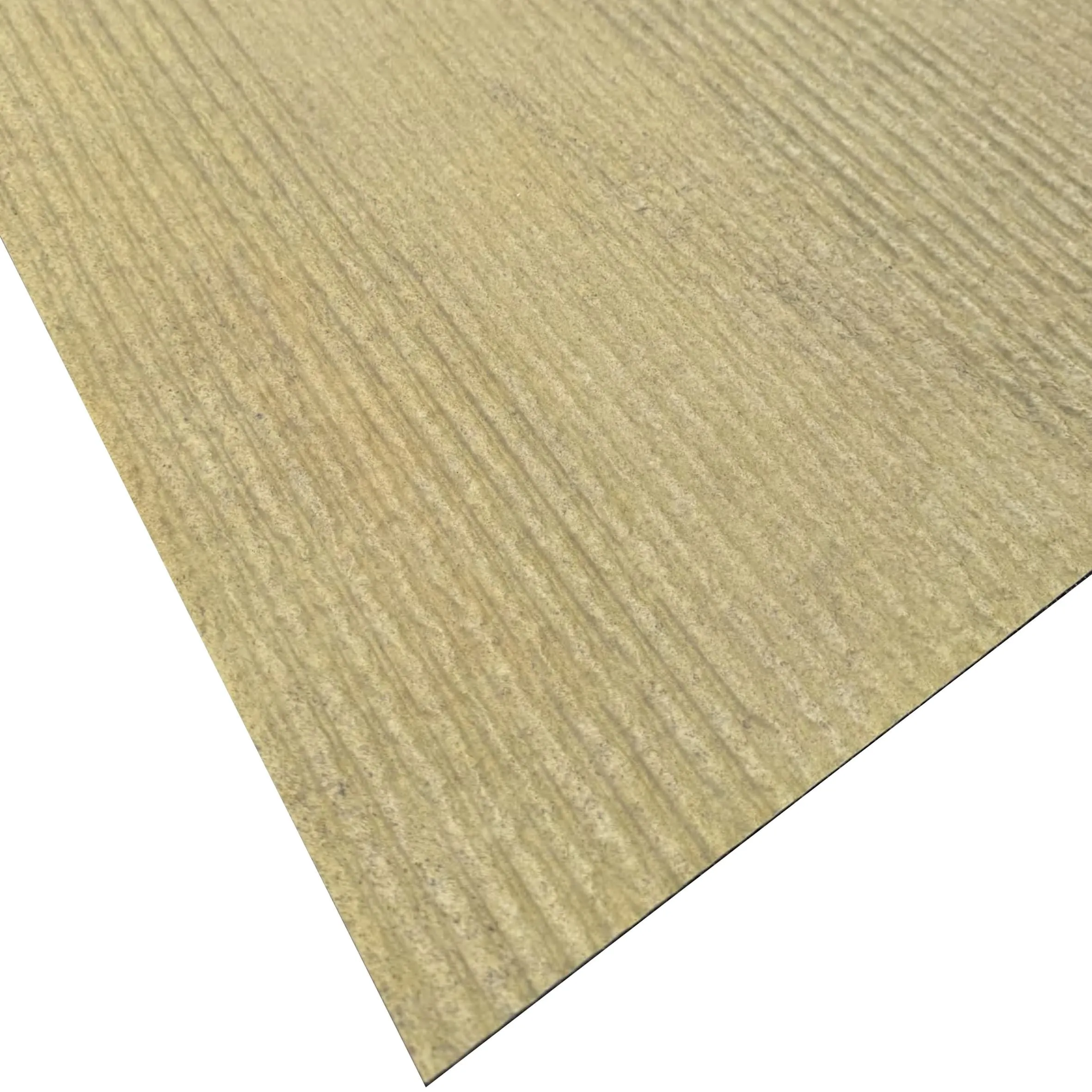
Daily maintenance for Gravel Omani Stone is all about consistency, not intensity. You don't need fancy gadgets or harsh chemicals—just a few simple tools and a minute or two each day. Start with a soft, microfiber cloth or a dry dust mop to wipe away surface dirt and debris. This prevents particles like sand or grit from scratching the stone when walked on or brushed against. For slightly dirtier areas, like a kitchen backsplash or entryway floor, mix a few drops of mild, pH-neutral dish soap (avoid anything with citrus or vinegar, which are acidic) with warm water. Dip a soft sponge or cloth into the solution, wring it out thoroughly (you want it damp, not wet), and gently wipe the surface. Then, dry immediately with a clean towel to prevent water spots—remember, that porosity means standing water can seep in and leave marks.
Pro tip: Keep a small caddy under the sink or in a closet with your cleaning supplies—microfiber cloths, pH-neutral soap, and a soft brush—so daily cleaning feels less like a task and more like a quick, habitual check-in. Consistency here is key; letting dirt build up for weeks can lead to deeper stains that require more aggressive treatment later.
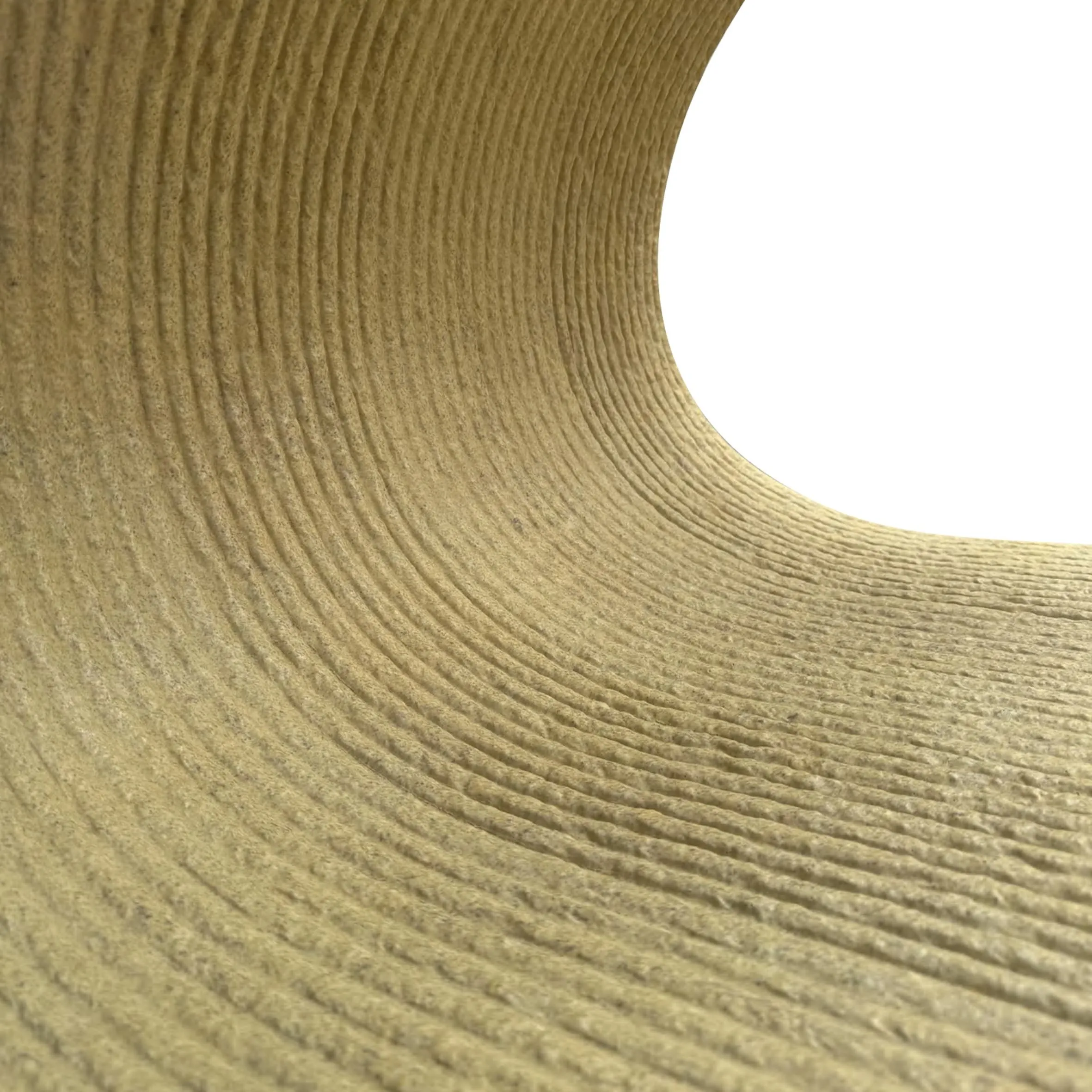
Even with daily care, Gravel Omani Stone will occasionally need a deeper clean—think monthly for high-traffic areas like hallways or quarterly for less-used spaces like guest bathrooms. Deep cleaning is about lifting embedded dirt and restoring the stone's natural luster without damaging its surface. Start by sweeping or vacuuming (use a soft brush attachment to avoid scratches) to remove loose debris. Then, create a cleaning solution with warm water and a stone-specific cleaner (look for products labeled "safe for porous stones" or "travertine/gravel stone cleaner"). Avoid anything with bleach, ammonia, or abrasive ingredients—these can eat away at the stone's surface or discolor it over time.
Apply the solution with a soft mop or sponge, working in small sections. Let it sit for 5–10 minutes (don't let it dry!) to loosen grime, then gently scrub with a non-abrasive brush (a soft-bristled toothbrush works wonders for tight corners). Rinse thoroughly with clean water and dry immediately with a lint-free towel. For extra stubborn areas, like grout lines or textured crevices, a soft-bristled scrub brush can help—just be gentle to avoid wearing down the stone's texture. After deep cleaning, step back and admire: you'll notice the colors look richer, the texture more defined, and the stone feels smoother to the touch. It's like giving your stone a fresh breath of air.
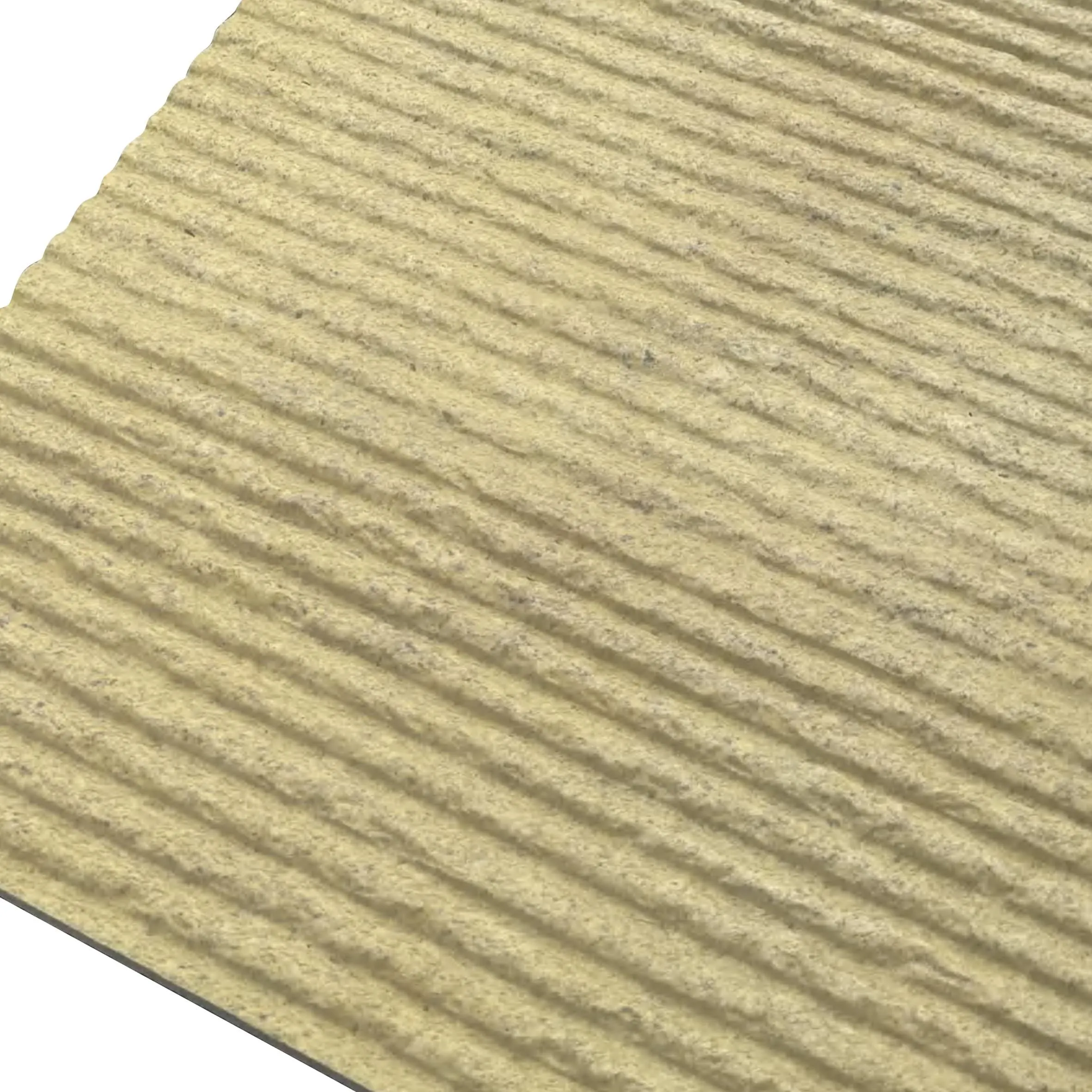
If daily cleaning is the "diet" of stone maintenance, sealing is the "vitamin"—it fortifies the stone against stains and damage, keeping it healthy for years. Gravel Omani Stone's porosity means it's like a sponge; without a sealant, liquids like coffee, wine, or oil can seep in and leave permanent marks. Sealing creates a protective barrier that repels spills, giving you time to wipe them up before they penetrate.
When to seal? Newly installed stone should be sealed immediately after construction dust is cleaned off. After that, reseal every 1–3 years, depending on usage: high-traffic areas may need it annually, while low-traffic areas can go 2–3 years. To check if it's time, do the "water test": sprinkle a few drops of water on the stone. If it beads up, the seal is still good; if it soaks in within 5–10 minutes, it's time to reseal.
How to seal: Start with a clean, dry surface (deep clean first if needed). Pour a small amount of penetrating sealer (the best choice for porous stones like Gravel Omani) into a shallow dish. Using a lint-free cloth or foam brush, apply a thin, even coat, working in overlapping strokes. Let it sit for 5–10 minutes to absorb, then wipe away excess with a clean cloth (don't let it pool—this can leave a hazy residue). Let it dry completely (24 hours is ideal) before walking on or using the surface. For extra protection, apply a second coat after the first is fully dry. Your stone will look slightly darker immediately after sealing, but this fades as it cures—don't worry, its natural color will return!

Even with sealing, accidents happen. The key to preventing permanent stains is acting fast—seconds count when a glass of red wine tips over or a greasy pan drips oil. Here's a quick guide to handling common stains, organized by type:
| Stain Type | Immediate Action | Cleaning Solution | Pro Tips |
|---|---|---|---|
| Oil/Grease (olive oil, butter) | Blot with a dry cloth (don't rub!) | Mix baking soda with water to make a paste; apply, let sit 15 mins, rinse, dry. | For fresh stains, baby powder can absorb oil—sprinkle, let sit 30 mins, vacuum. |
| Acidic (wine, lemon juice, tomato sauce) | Blot immediately; neutralize with a damp cloth and mild soap. | Diluted hydrogen peroxide (1 part peroxide, 3 parts water); apply, rinse, dry. | Acidic stains etch quickly—act within 5 mins to avoid permanent damage. |
| Organic (coffee, tea, juice) | Blot with cold water (hot water sets stains!) | Mild dish soap + warm water; scrub gently, rinse, dry. | For old stains, repeat the process 2–3 times; patience pays off. |
| Ink (pen, marker) | Blot with rubbing alcohol (isopropyl) on a cotton ball. | Rubbing alcohol; dab gently, don't scrub (avoids spreading). | Test alcohol on an inconspicuous area first—some stones may lighten. |
Remember: The best stain is the one that never happens. Use coasters under glasses, placemats under plates, and rugs in high-traffic areas to minimize direct contact with spills and scratches. It's a small step that saves big headaches later.
Even with the best care, Gravel Omani Stone can develop minor chips or scratches—maybe from a dropped kitchen utensil or a furniture leg sliding across the floor. The good news? Most small damages are fixable with a little patience and the right supplies. For tiny chips (smaller than a dime), a stone repair kit (available at home improvement stores) works wonders. These kits come with a color-matched epoxy or resin that blends with your stone's hue. Start by cleaning the chip with rubbing alcohol to remove dirt and oil. Mix the epoxy according to the kit's instructions, then apply it to the chip with a small putty knife or toothpick, overfilling slightly. Let it dry completely (this can take 24 hours), then sand gently with fine-grit sandpaper (400–600 grit) until smooth. Buff with a soft cloth to restore shine.
For shallow scratches, a stone polish (look for "travertine scratch remover") can help. Apply a small amount to a soft cloth and rub in a circular motion over the scratch. The polish acts as a mild abrasive, blending the scratch into the surrounding area. For deeper scratches or larger chips, though, it's best to call a professional stone restorer—attempting to fix major damage yourself can make it worse. Think of it like a car scratch: a little touch-up paint works for a nick, but a deep gouge needs a pro.
Gravel Omani Stone rarely stands alone in a space—it's often paired with other materials like fair-faced concrete walls, wood grain board accents, or even polish concrete floors. To keep your entire space looking cohesive, it's important to maintain these complementary materials too, as their care can impact your stone. For example, fair-faced concrete (raw, uncoated concrete) is porous like Gravel Omani Stone and needs sealing to prevent moisture transfer—if your concrete walls aren't sealed, humidity can seep into adjacent stone and cause mold or discoloration. Similarly, wood grain board, while durable, is susceptible to water damage; a leaking pipe under a wood grain board cabinet could drip onto your Gravel Omani floor, leading to stains if not caught quickly.
When designing with mixed materials, create a maintenance schedule that addresses each one. For instance: Seal fair-faced concrete walls every 2 years, dust wood grain boards weekly to prevent buildup, and sweep polish concrete floors with a soft broom to avoid grit transferring to your stone. By caring for the "team" of materials in your space, you ensure none of them let the others down—and your Gravel Omani Stone remains the star of the show.
The goal of maintaining Gravel Omani Stone isn't to keep it looking brand-new forever—that's impossible, and honestly, a little wear adds character. Instead, it's about helping it age gracefully, preserving its beauty while embracing the subtle changes that come with time. Over the years, you might notice the stone's color deepening slightly, or small, harmless etchings from daily life—these are signs of a space that's lived in, loved, and well-used. The key is to prevent premature aging: stains that mar its appearance, cracks that compromise its structure, or dullness that hides its natural glow.
To do this, revisit your maintenance routine annually. Take a walk through your space and note any areas that need extra attention: a hallway floor that's looking dull might need resealing, a kitchen counter with new scratches could benefit from a polish, or a bathroom backsplash with mildew in the grout might need a deep clean. Adjust your schedule as needed—if you have kids or pets, you might need to clean more frequently; if you're empty nesters, you can ease up a bit. And don't forget to enjoy the process! There's something satisfying about wiping down a countertop or sealing a floor, knowing you're preserving a material that will outlive many of the trends of today.
Gravel Omani Stone is more than just a building material—it's a piece of nature, brought into your home to add warmth, texture, and history. Maintaining it doesn't have to be complicated or time-consuming; it's about small, consistent actions that add up to years of beauty. From daily dusting to annual sealing, from blotting spills to repairing chips, each step is an investment in the longevity of your space. And when you pair that care with attention to complementary materials like fair-faced concrete or wood grain board, you create a home that feels cohesive, intentional, and full of life.
So the next time you walk across your Gravel Omani Stone floor or run your hand along its textured surface, take a moment to appreciate it. With the tips in this guide, you're not just cleaning or sealing—you're nurturing a material that will tell the story of your life for years to come. And that, more than any trend or design fad, is what makes a house a home.
Recommend Products












