
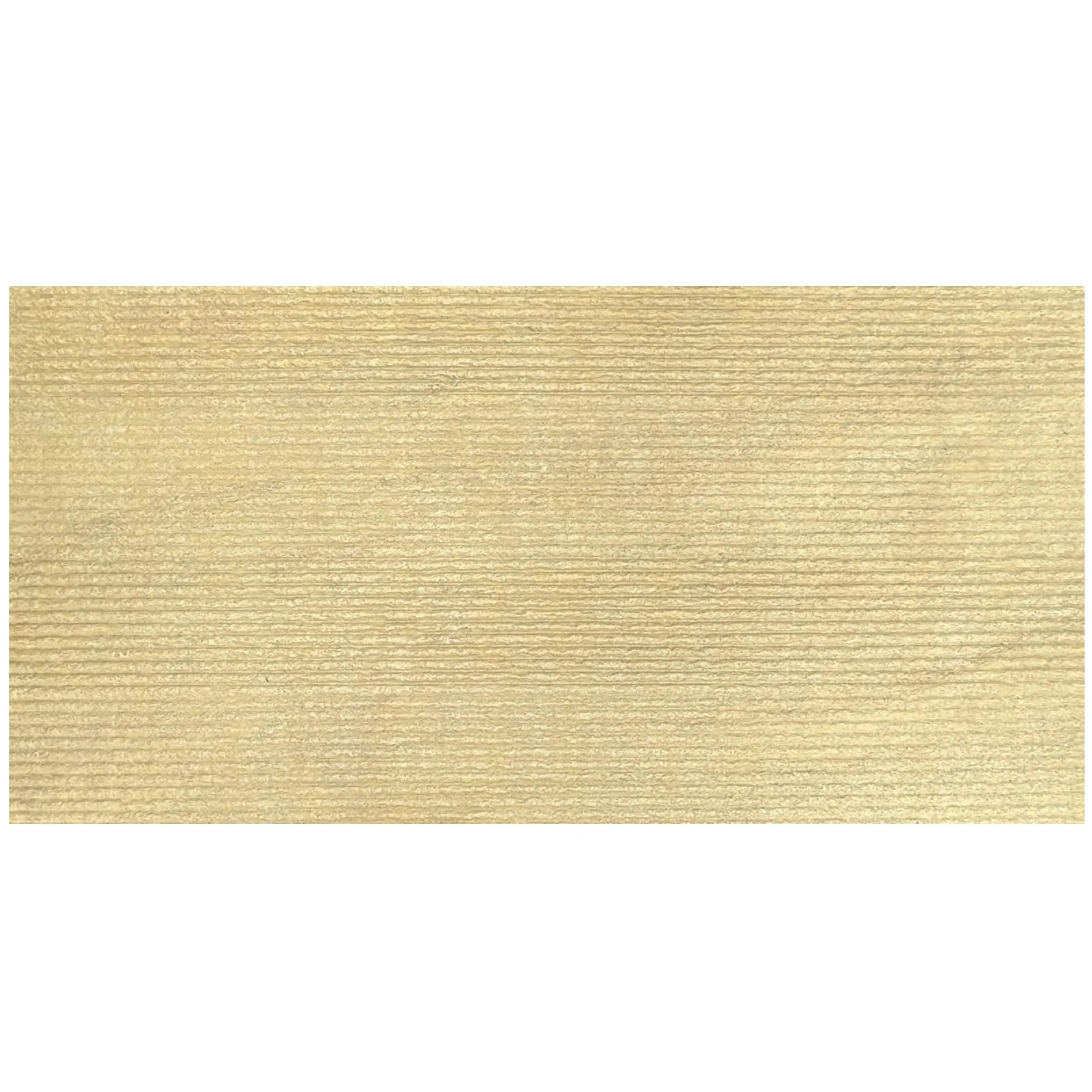
If you've ever wandered through a high-end boutique hotel lobby or admired a sleek modern home's exterior, there's a good chance you've encountered Gravel Omani Stone without even realizing it. Hailing from the arid landscapes of Oman, this natural stone has become a favorite among architects and designers for its warm, earthy tones, unique texture, and surprising versatility. But what makes Gravel Omani Stone so special? The answer lies in its mineral composition—the unique blend of elements that gives it not just its visual appeal, but also its durability, workability, and character. In this article, we'll dive deep into the minerals that make up Gravel Omani Stone, exploring how each component contributes to its one-of-a-kind properties. Along the way, we'll also touch on how it stacks up against similar materials like travertine (starry green) and boulder slab, and even how it integrates with innovative products like mcm flexible stone. Whether you're a design enthusiast, a builder, or simply curious about the science behind natural stones, let's uncover the secrets of Gravel Omani Stone's mineral makeup.
At its core, Gravel Omani Stone is a sedimentary rock, formed over millions of years by the accumulation and compression of organic materials, minerals, and sediments. This slow, natural process results in a unique mix of minerals that define its structure. Let's start with the heavy hitters—the major minerals that make up the bulk of Gravel Omani Stone.
Walk up to a piece of Gravel Omani Stone and the first thing you'll notice is its soft, creamy base color—ranging from off-white to light beige, with subtle variations that give it depth. That base is largely thanks to calcite, the most abundant mineral in the stone, typically making up 60-70% of its composition. Calcite, a form of calcium carbonate (CaCO₃), is common in sedimentary rocks like limestone and travertine, and it's what gives Gravel Omani its signature warmth. Unlike the cool, gray tones of silica-rich stones, calcite reflects light in a way that feels inviting, making spaces feel brighter and more open. But calcite isn't just about looks; it's also relatively soft (rating a 3 on the Mohs hardness scale), which makes Gravel Omani Stone easier to cut, shape, and polish than harder rocks like granite. This workability is a big reason why it's a favorite for custom projects, from intricate wall carvings to curved countertops.
If calcite is the "canvas" of Gravel Omani Stone, dolomite is the "frame" that gives it structure. Dolomite, a calcium magnesium carbonate (CaMg(CO₃)₂), makes up 15-20% of the stone's composition, and it plays a crucial role in balancing calcite's softness. While still relatively soft compared to minerals like quartz, dolomite is slightly harder than calcite (rating 3.5-4 on the Mohs scale), which adds durability to Gravel Omani Stone. This means it can stand up to foot traffic, weather exposure, and daily wear better than pure calcite stones. Dolomite also affects the stone's texture: it tends to form larger, more defined crystals than calcite, creating tiny, glittering flecks that catch the light when the stone is polished. Run your hand over a polished slab of Gravel Omani, and those subtle sparkles you feel? That's dolomite at work. In regions where Gravel Omani Stone is quarried, higher dolomite content often correlates with a more golden or amber hue, as the magnesium in dolomite can tint the stone slightly warmer than pure calcite.
Though it only makes up 10-15% of Gravel Omani Stone, silica (SiO₂) is the unsung hero that prevents the stone from being too soft or porous. Silica, the same mineral that forms quartz and sand, is extremely hard (7 on the Mohs scale) and chemically stable, which means it resists weathering, scratching, and staining. In Gravel Omani Stone, silica appears as tiny, sand-like grains scattered throughout the calcite-dolomite matrix. These grains act like "reinforcements," strengthening the stone and reducing its porosity. Without silica, Gravel Omani would be more prone to absorbing water, which can lead to cracking in freezing temperatures or discoloration from spills. Instead, the silica content keeps it relatively low-porosity (around 8-12%), making it suitable for both indoor and outdoor use. You'll often find higher silica concentrations in the darker, more textured varieties of Gravel Omani Stone, where it forms small, gritty patches that add visual contrast to the smooth calcite base.
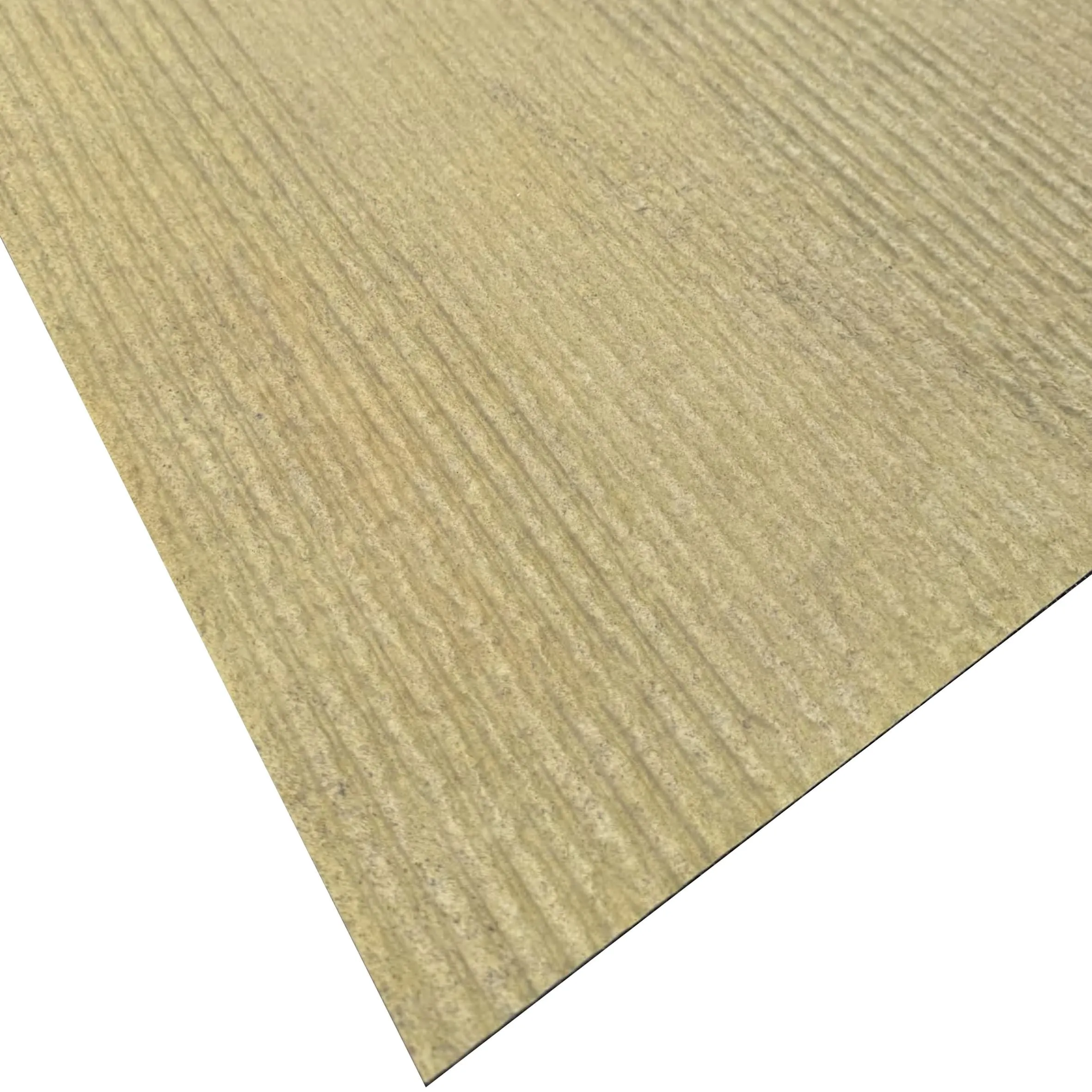
While calcite, dolomite, and silica form the "backbone" of Gravel Omani Stone, it's the minor minerals and trace elements that give each slab its unique personality. These components, often making up less than 5% of the stone's composition, are responsible for its color variations, veining, and even its subtle "character marks." Let's take a closer look at the most common ones.
If you've seen Gravel Omani Stone in person, you've probably noticed that no two slabs are exactly alike. Some have warm, rusty streaks; others have soft, golden undertones; still others have deep, earthy brown spots. These variations are almost always due to iron oxides—compounds like hematite (Fe₂O₃) and goethite (FeO(OH)) that sneak into the stone during its formation. Hematite, for example, gives Gravel Omani its red or reddish-brown hues, while goethite leans more yellow or golden. The amount and distribution of iron oxides depend on the conditions in which the stone formed: higher oxygen levels in the sediment lead to more hematite, while wetter, more stagnant environments favor goethite. In some rare cases, iron oxides cluster together to form small, round "concretions" within the stone—tiny, pebble-like formations that add a playful, organic touch. These are especially prized by designers looking for one-of-a-kind pieces.
Manganese and aluminum oxides are like the "background vocalists" of Gravel Omani Stone's mineral composition—you might not notice them at first, but they make the whole "song" better. Manganese oxides, in particular, add subtle gray or black veining to the stone, creating delicate patterns that resemble brushstrokes. These veins are often thin and irregular, winding through the calcite base like rivers on a map. Aluminum oxides, on the other hand, tend to create soft, milky white patches or a slightly "cloudy" appearance in the stone. This is especially common in Gravel Omani Stone from Oman's coastal regions, where aluminum-rich sediments were deposited by ancient seas. Together, manganese and aluminum oxides add depth and complexity, turning a simple beige stone into a dynamic, visually interesting material.
Now that we've broken down the individual minerals, let's talk about how they work together to give Gravel Omani Stone its unique properties. After all, understanding the "why" behind its characteristics can help you decide if it's the right material for your project.
Thanks to its mix of calcite, dolomite, and silica, Gravel Omani Stone hits a sweet spot in terms of hardness. With a Mohs hardness rating of 3.5-4, it's softer than granite (which rates 6-7) but harder than pure limestone (which rates 3). This means it's durable enough for indoor floors, countertops, and wall cladding, but it's not indestructible—you'll want to avoid dropping heavy objects on it or using harsh, acidic cleaners (which can etch calcite). Outdoors, its dolomite and silica content help it resist weathering better than softer stones, making it a solid choice for patios, walkways, and exterior facades in moderate climates. In areas with extreme freeze-thaw cycles, though, it's important to seal the stone to prevent water absorption, as calcite can crack when water freezes inside its pores.
Porosity is a measure of how much water a stone can absorb, and it's directly tied to its mineral composition. Gravel Omani Stone has a porosity of 8-12%, which is moderate compared to other natural stones. This is because calcite and dolomite are slightly porous minerals, while silica (which is non-porous) helps fill in some of the gaps. What does this mean for practical use? Indoors, it's low-maintenance enough for kitchens and bathrooms, as long as you wipe up spills quickly (especially acidic liquids like lemon juice or vinegar). Outdoors, sealing it every 1-2 years will help prevent staining and water damage. Compare this to travertine (starry green), a popular cousin of Gravel Omani, which has a higher porosity (12-18%) due to its more porous calcite structure and the "voids" left by trapped CO₂ during formation. That's why travertine often requires more frequent sealing—though its unique starry patterns (thanks to mineral deposits in those voids) make it a favorite for decorative projects.
At the end of the day, much of Gravel Omani Stone's appeal is aesthetic, and its mineral composition is the artist here. The calcite base sets the stage with soft whites and beiges, while dolomite adds subtle sparkle and golden undertones. Iron oxides paint the stone with warm reds, yellows, and browns, and manganese oxides add delicate gray veins. Even the texture is a product of its minerals: calcite forms smooth, even layers, while silica grains add gritty patches, and dolomite crystals create tiny, raised bumps. The result is a stone that feels both organic and refined—perfect for adding warmth to modern spaces or grounding traditional ones. Compare this to boulder slab, another popular natural stone, which tends to be coarser-grained and more uniform in color (thanks to higher quartz content). Boulder slab is great for a bold, industrial look, but Gravel Omani's mineral-driven variations make it more versatile for layered, textured designs.
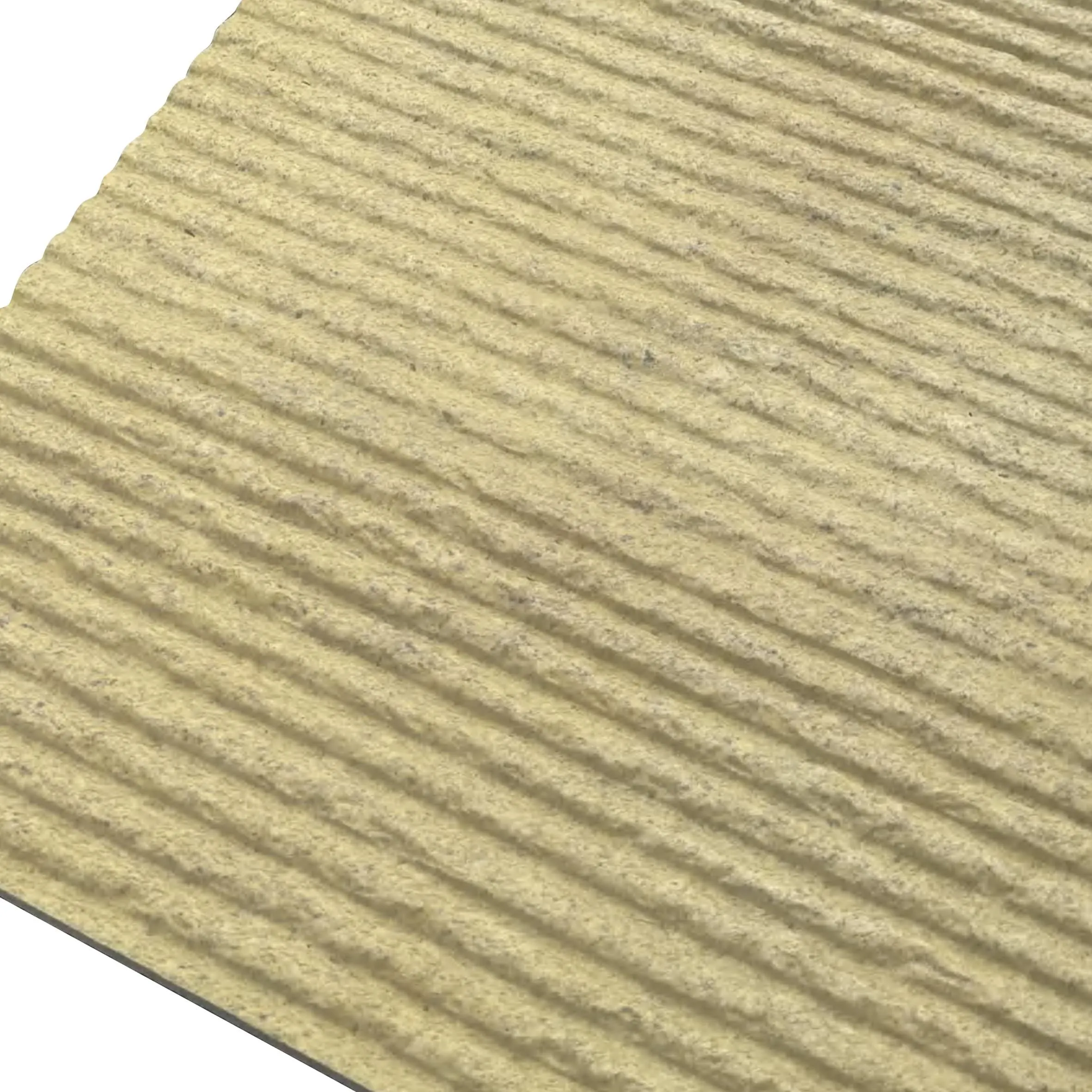
To truly appreciate Gravel Omani Stone, it helps to see how it stacks up against other popular natural and engineered stones. Below is a comparison table highlighting key differences in mineral composition, hardness, and porosity between Gravel Omani Stone, travertine (starry green), and boulder slab.
| Stone Type | Primary Minerals | Mohs Hardness | Porosity (%) | Key Aesthetic Trait |
|---|---|---|---|---|
| Gravel Omani Stone | Calcite (60-70%), Dolomite (15-20%), Silica (10-15%) | 3.5-4 | 8-12 | Warm beige base with iron oxide streaks and dolomite sparkles |
| Travertine (Starry Green) | Calcite (70-80%), Aragonite (5-10%), Silica (5%) | 3-3.5 | 12-18 | Light green base with star-like voids filled with mineral deposits |
| Boulder Slab | Quartz (40-50%), Feldspar (25-30%), Mica (5-10%) | 6-7 | 2-5 | Coarse-grained, uniform gray/black with subtle mica shimmer |
As the table shows, Gravel Omani Stone occupies a middle ground between the soft, porous travertine (starry green) and the hard, dense boulder slab. This balance is what makes it so versatile: it has the warmth and character of travertine but with more durability, and the workability of softer stones without sacrificing the strength needed for everyday use. It's also worth noting how it compares to engineered materials like mcm flexible stone, a popular cladding option. While mcm flexible stone mimics the look of natural stones like Gravel Omani, its composition is quite different—it's made of a mix of minerals, polymers, and fibers, which gives it flexibility (hence the name) but not the same depth or uniqueness as natural stone. For projects where authenticity and natural beauty are priorities, Gravel Omani's mineral-driven character can't be replicated.
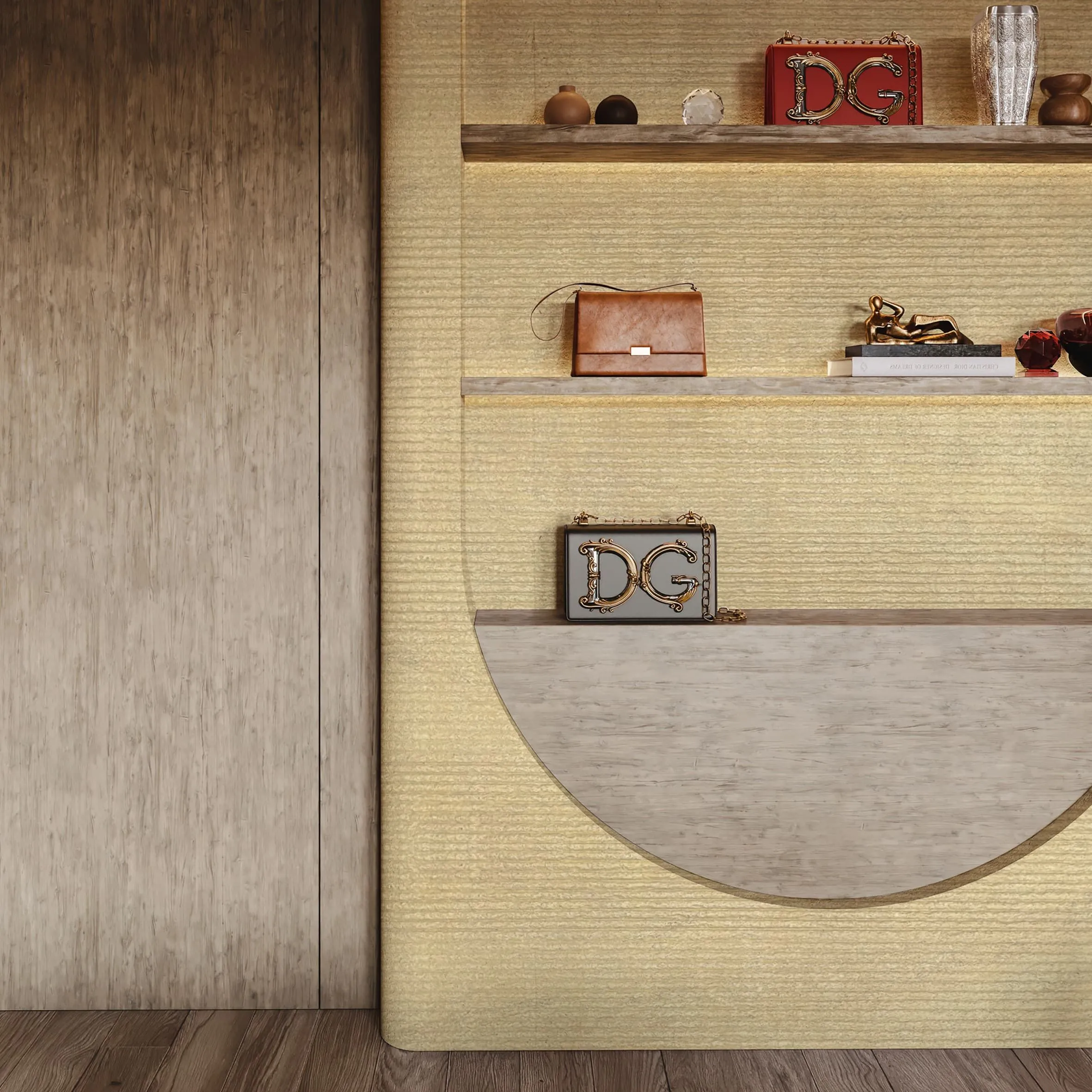
Now that we understand what Gravel Omani Stone is made of, let's explore how its mineral composition influences its real-world applications. From residential to commercial spaces, this stone's unique blend of minerals makes it suitable for a surprising range of uses.
Indoors, Gravel Omani Stone shines as a flooring material. Its moderate hardness means it can handle foot traffic in living rooms, hallways, and bedrooms, while its low porosity makes it easy to clean (just sweep and mop with a neutral cleaner). Polished Gravel Omani floors reflect light beautifully, thanks to calcite and dolomite's light-reflective properties, making small spaces feel larger. For walls, it's equally versatile: rough-cut slabs add texture to accent walls, while honed (matte) finishes create a sleek, modern backdrop in bathrooms or kitchens. Countertops are another popular use, though it's important to use cutting boards and avoid placing hot pans directly on the surface (calcite can scorch). The stone's natural variations also make it a great choice for custom furniture, like coffee tables or shelving, where each piece becomes a conversation starter.
Outdoors, Gravel Omani Stone's durability and weather resistance (thanks to dolomite and silica) make it a top pick for patios and walkways. Its natural slip resistance (especially when left unpolished) is a safety bonus, and its earthy tones blend seamlessly with garden landscapes. For exterior facades, it adds warmth and texture to modern homes, pairing well with materials like wood, metal, or even fair-faced concrete—a minimalist, uncoated concrete that highlights its own natural texture. Gravel Omani's ability to be cut into thin slabs also makes it lightweight enough for vertical applications, reducing the load on building structures. In coastal areas, however, it's important to choose slabs with higher silica content, as saltwater can accelerate calcite erosion over time.
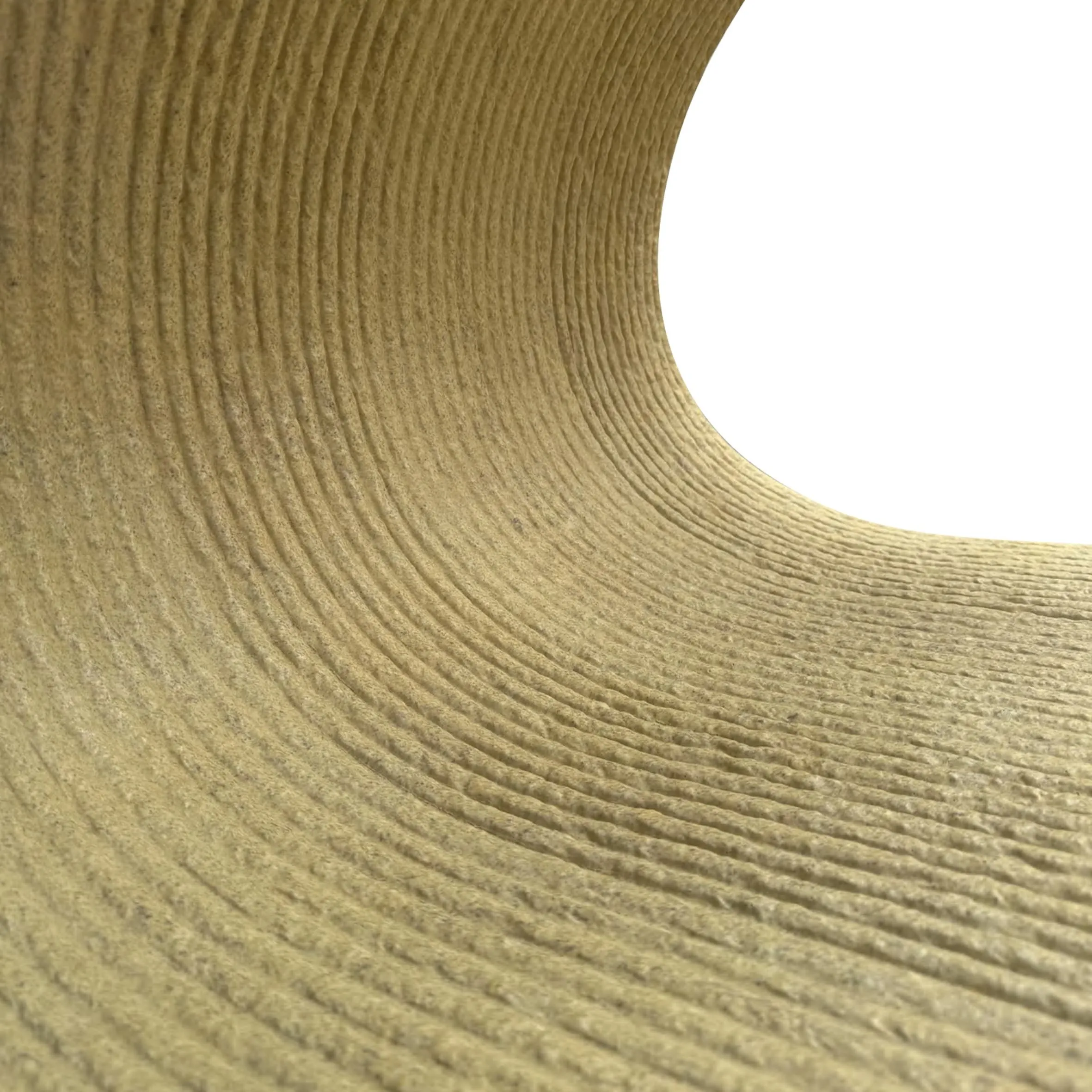
Beyond standard applications, Gravel Omani Stone's workability (thanks to calcite) and unique aesthetics make it a favorite for artists and craftsmen. Sculptors appreciate its softness, which allows for intricate carvings, while designers use it for custom features like fireplace surrounds, backsplashes, or even decorative mosaics. In some high-end projects, it's paired with mcm flexible stone panels to create curved surfaces or complex geometries—for example, wrapping a circular column in Gravel Omani Stone by using thin, flexible mcm panels backed with the natural stone. This combination marries the best of both worlds: the authenticity of natural minerals and the versatility of modern engineering.
To keep Gravel Omani Stone looking its best for years to come, it's important to care for it in a way that respects its mineral composition. Here are a few key tips:
Gravel Omani Stone is more than just a building material—it's a product of millions of years of geological history, frozen in time as a unique blend of calcite, dolomite, silica, and trace elements. Each mineral plays a role: calcite provides warmth and workability, dolomite adds strength and sparkle, silica boosts durability, and iron oxides paint the stone with color. Together, they create a material that's as functional as it is beautiful, suitable for everything from cozy homes to grand commercial spaces. Whether you're comparing it to travertine (starry green) for a decorative project, contrasting it with boulder slab for an industrial look, or pairing it with mcm flexible stone for a modern twist, understanding Gravel Omani Stone's mineral composition helps you appreciate its true value. So the next time you encounter this stunning stone, take a moment to admire not just its appearance, but the ancient minerals that make it what it is—nature's own masterpiece.
Recommend Products












