
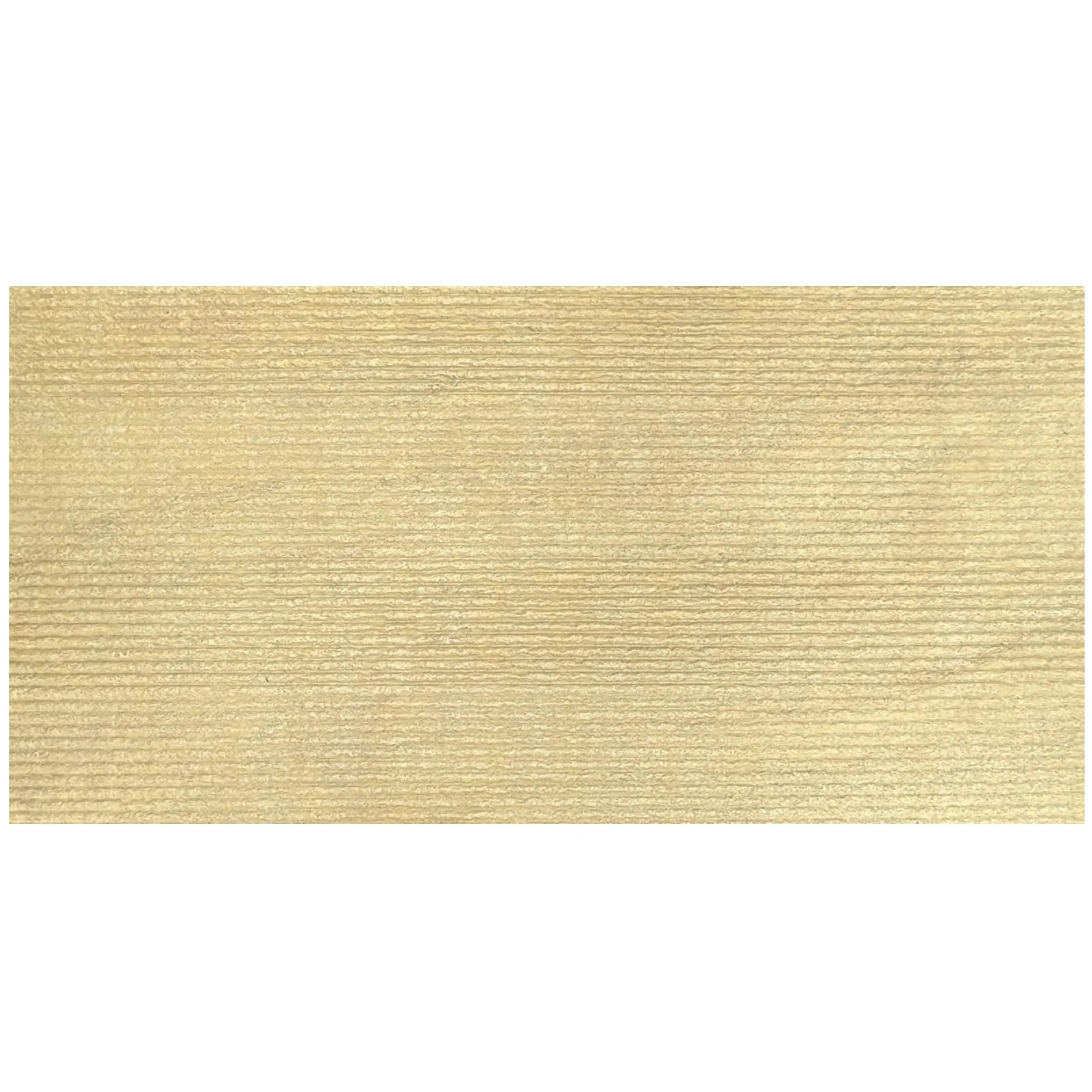
Oman's landscape is a love letter written in stone. From the craggy peaks of the Al Hajar Mountains to the windswept dunes of the Wahiba Sands, the country's geology has spent millennia crafting materials that blend raw beauty with enduring strength. Among these natural treasures, gravel omani stone stands as a quiet icon—a material that carries the warmth of the desert sun and the depth of ancient earth. But to truly appreciate its charm, we must venture beyond the finished slabs and into the quarries where these stones first see the light of day.
These quarries are more than just workplaces; they're living museums of time. Each crack in the rock, each fleck of mineral, tells a story of tectonic shifts, rain-fed rivers, and sun-baked ages. Today, we're exploring three premier sites that have become legendary in the world of natural stone—places where gravel omani stone, travertine (starry blue), and lunar peak silvery are unearthed with the same care as one might handle a family heirloom.
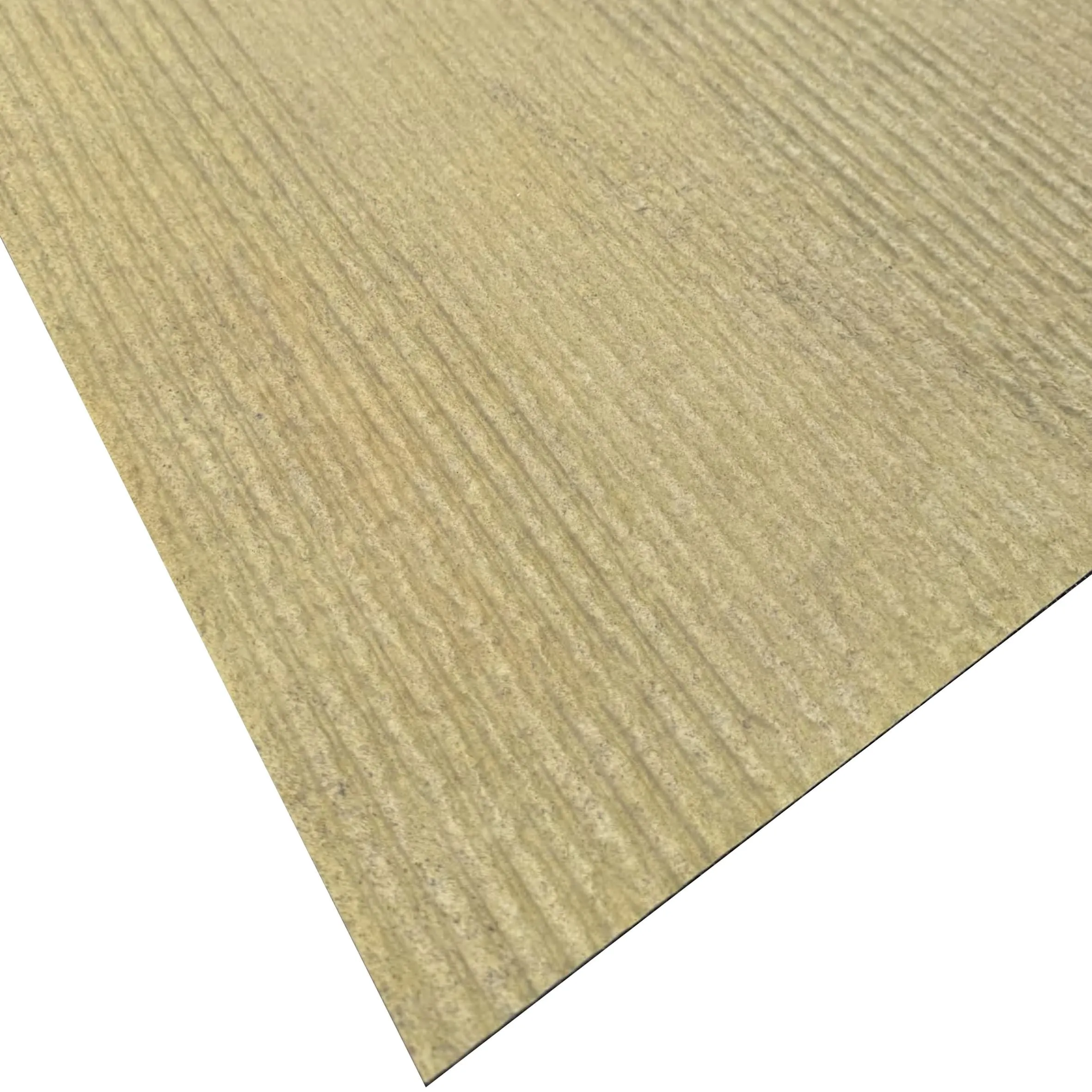
Tucked into the rugged folds of the Al Hajar Mountains, about two hours from Muscat, lies a quarry that feels like a secret shared between the earth and the sky. Here, gravel omani stone is born—a material so named for its unique composition: smooth, rounded gravel particles embedded in a matrix of warm beige limestone, like scattered pearls frozen in stone. The first time you run your hand over a fresh-cut slab, you'll notice the texture: not polished to a shine, but matte and tactile, as if it still holds the memory of the mountain's embrace.
What makes this quarry "premier"? It's the balance of tradition and respect for nature. The local miners, many of whom have worked these hills for decades, still use hand tools for the initial extraction, carefully prying slabs from the rock face to avoid damaging the stone's natural structure. "You don't rush the mountain," one miner told me during a visit. "She gives us her best when we listen." It's this philosophy that makes their gravel omani stone sought after for everything from boutique hotel facades to cozy home fireplaces—spaces where warmth and authenticity matter most.
The stone here carries subtle variations: some slabs have more prominent gravel flecks, others a softer, sandier hue. Architects often visit the quarry personally to handpick pieces, drawn to the idea that no two slabs are exactly alike. "It's like choosing a painting," one designer laughed. "You don't just buy a stone—you buy a piece of the mountain's personality."
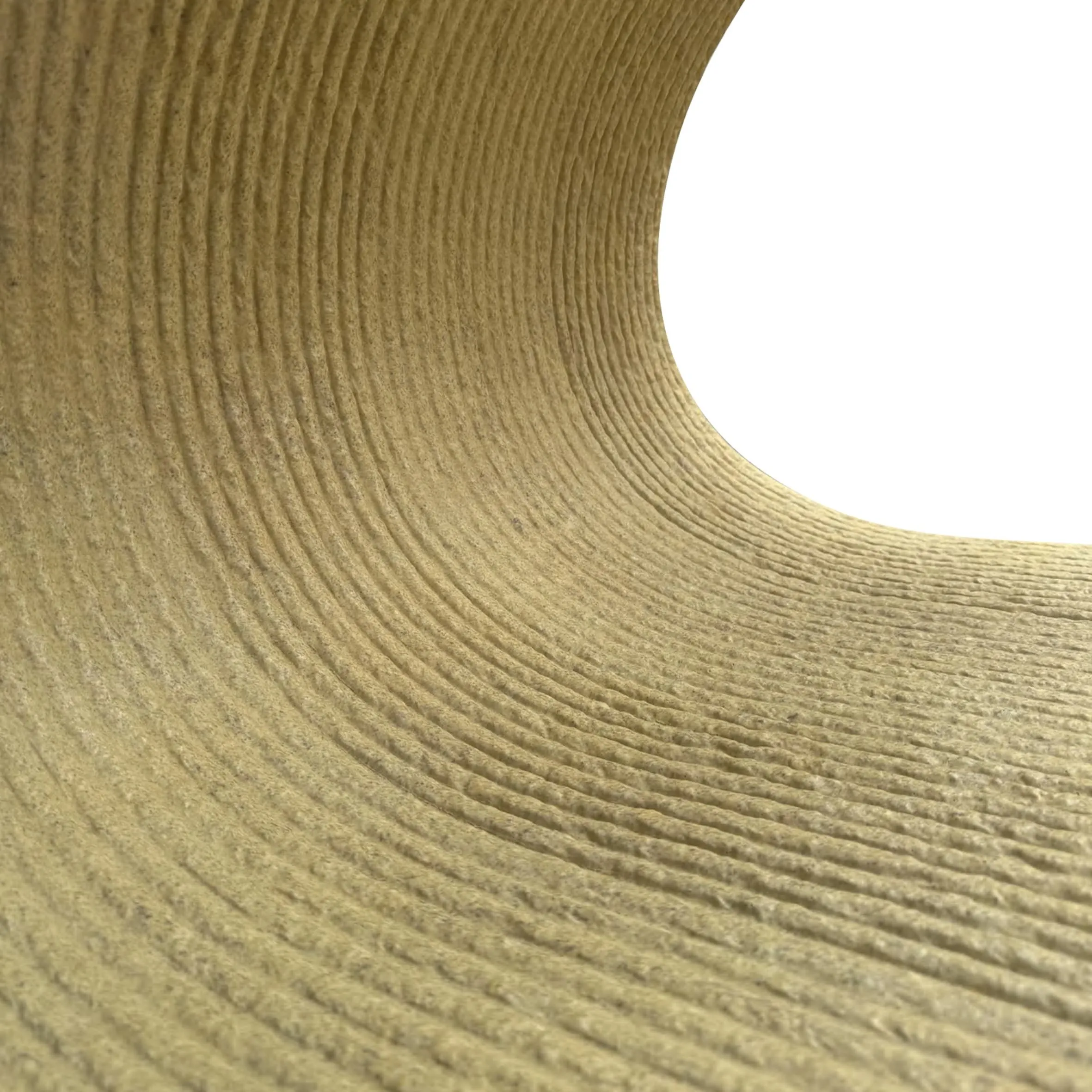
Head south to Oman's Dhofar region, where the mountains meet the Arabian Sea, and you'll find a quarry that seems to have borrowed its beauty from the night sky. This is where travertine (starry blue) is quarried—a stone that defies expectations with its pale blue-gray base and tiny, glittering mineral inclusions that catch the light like distant stars. Locals call it "the sky stone," and once you see it, you'll understand why.
The story of this travertine starts millions of years ago, when mineral-rich hot springs flowed through these hills, depositing layers of calcium carbonate. Over time, these layers hardened into travertine, with trace elements like copper and manganese creating the stone's unique blue tint. The "stars"? Those are crystalline formations that grew as the stone cooled, each one a frozen moment of geological magic.
Walking through the quarry, you'll notice the air smells of sea salt and damp earth—a reminder that the ocean is never far. The workers here use a mix of modern machinery and old-world patience: diamond-tipped saws make precise cuts, but the final shaping is often done by hand to preserve the starry pattern. "If you rush, you might chip a 'star'," explained a quarry foreman. "And where's the beauty in that?"
Starry blue travertine has become a favorite for interior designers aiming to create serene, light-filled spaces. Imagine a bathroom wall clad in this stone, where morning sunlight turns the "stars" into a constellation, or a kitchen backsplash that shimmers softly as you cook. It's a stone that doesn't demand attention—it invites you to pause and appreciate the quiet wonders of nature.
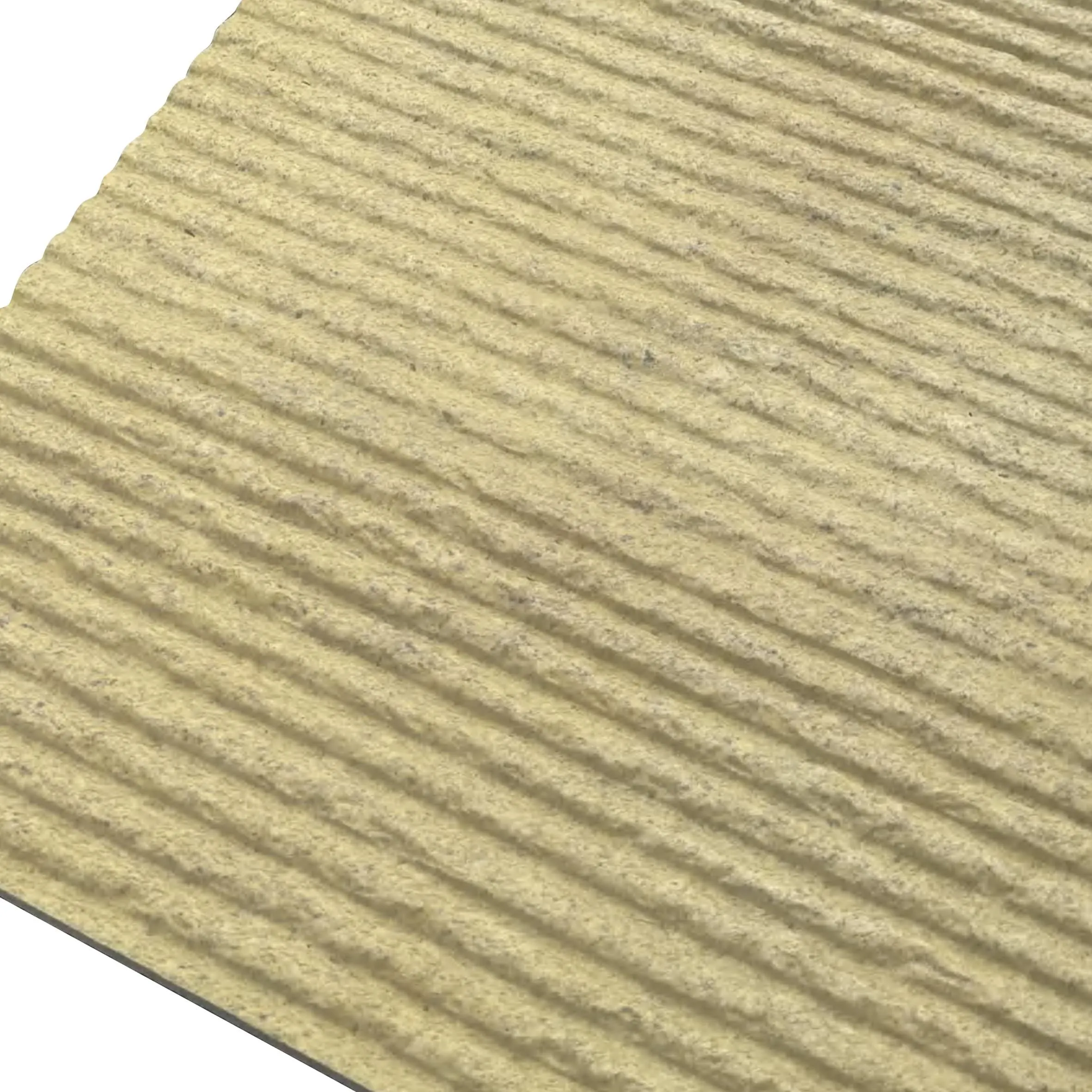
Drive east from Muscat, and the landscape shifts from mountains to endless waves of sand—the Wahiba Sands, a desert so vast it seems to touch the horizon. On its northern edge, where the desert meets rocky outcrops, sits a quarry that feels like a bridge between two worlds: here, lunar peak silvery is mined, a stone that mirrors the desert's moonlit nights.
Lunar peak silvery is a marvel of understatement. Its base is a soft, cool gray, but when light hits it at an angle, it shimmers with a silvery sheen—almost as if someone sprinkled moonlight into the stone. The effect is subtle, not flashy, which is why it's often used in spaces where elegance lies in restraint: modern living rooms, minimalist offices, even luxury yacht interiors.
What makes this quarry special is its commitment to sustainability. The desert ecosystem is fragile, so the quarry operates on a strict "leave no trace" policy. After extraction, workers replant native grasses and shrubs, ensuring the desert's balance isn't disrupted. "This land gives us so much," said the quarry manager. "We owe it to keep it healthy for the next generation."
Lunar peak silvery also has a practical side: it's surprisingly durable, resistant to heat and scratches, making it ideal for high-traffic areas. But for those who work here, its real value is emotional. "When I see this stone in a hotel lobby in Paris or a home in Tokyo, I think, 'That's a piece of Oman, right there'," smiled a worker. "It's our way of sharing a little bit of our desert with the world."
| Quarry Location | Signature Stone | Key Characteristics | Typical Uses |
|---|---|---|---|
| Al Hajar Mountains | Gravel Omani Stone | Beige base with embedded gravel particles; matte, tactile texture; warm, earthy tones | Facades, fireplaces, accent walls, outdoor patios |
| Dhofar Region | Travertine (Starry Blue) | Pale blue-gray base with crystalline "stars"; soft, luminous appearance; smooth finish | Bathrooms, kitchen backsplashes, feature walls, pool surrounds |
| Wahiba Sands Vicinity | Lunar Peak Silvery | Cool gray base with silvery sheen; durable, heat-resistant; subtle, elegant shimmer | High-traffic floors, office interiors, luxury yacht cladding, minimalist design |
What truly sets these quarries apart isn't just the quality of the stone—it's the people who extract it. In each site, you'll find families who have worked these lands for generations, passing down knowledge from parent to child. They can tell you which veins of rock hold the best gravel omani stone, or how to read the mountain's cracks to find unbroken travertine. It's a connection to the land that no machine can replicate.
Take, for example, the way they celebrate a "perfect slab"—a piece with no flaws, where the color and texture align just right. In Al Hajar, the crew gathers for a small ritual: they place a sprig of desert thyme on the slab, a symbol of gratitude to the mountain. In Dhofar, they share a cup of spiced tea, toasting to the stone that will soon travel the world. These traditions remind us that natural stone is more than a building material; it's a bridge between people, places, and time.
Gravel omani stone, travertine (starry blue), lunar peak silvery—these are more than names on a product list. They're pieces of Oman's soul, extracted with care and crafted with pride. The next time you see a building clad in natural stone, take a moment to wonder: where did this stone come from? Who held it first, before it became part of a wall or a floor?
For those who work in these premier quarries, the answer is simple: this stone came from a place where the earth speaks, and people listen. And in that listening, they've created something timeless—a material that doesn't just build spaces, but tells stories. Stories of mountains, deserts, and the hands that shape them. Stories that, with a little luck, will outlive us all.
Recommend Products












