
Honoring the land while crafting the materials that shape our world
Deep in the heart of Oman's rugged landscapes, where sun-baked mountains meet windswept plains, lies a resource as ancient as the earth itself: Gravel Omani Stone . More than just a building material, it's a story written in sediment—layer upon layer of time, pressure, and natural artistry. For generations, local quarries have extracted this stone, using it to construct everything from traditional homes to modern architectural marvels. But in an era where environmental stewardship is no longer optional, the question arises: How do we honor the legacy of this stone while protecting the land that birthed it? The answer lies in sustainable quarrying practices—an approach that balances human need with the planet's limits, ensuring that Gravel Omani Stone remains a gift for future generations, not a relic of the past.
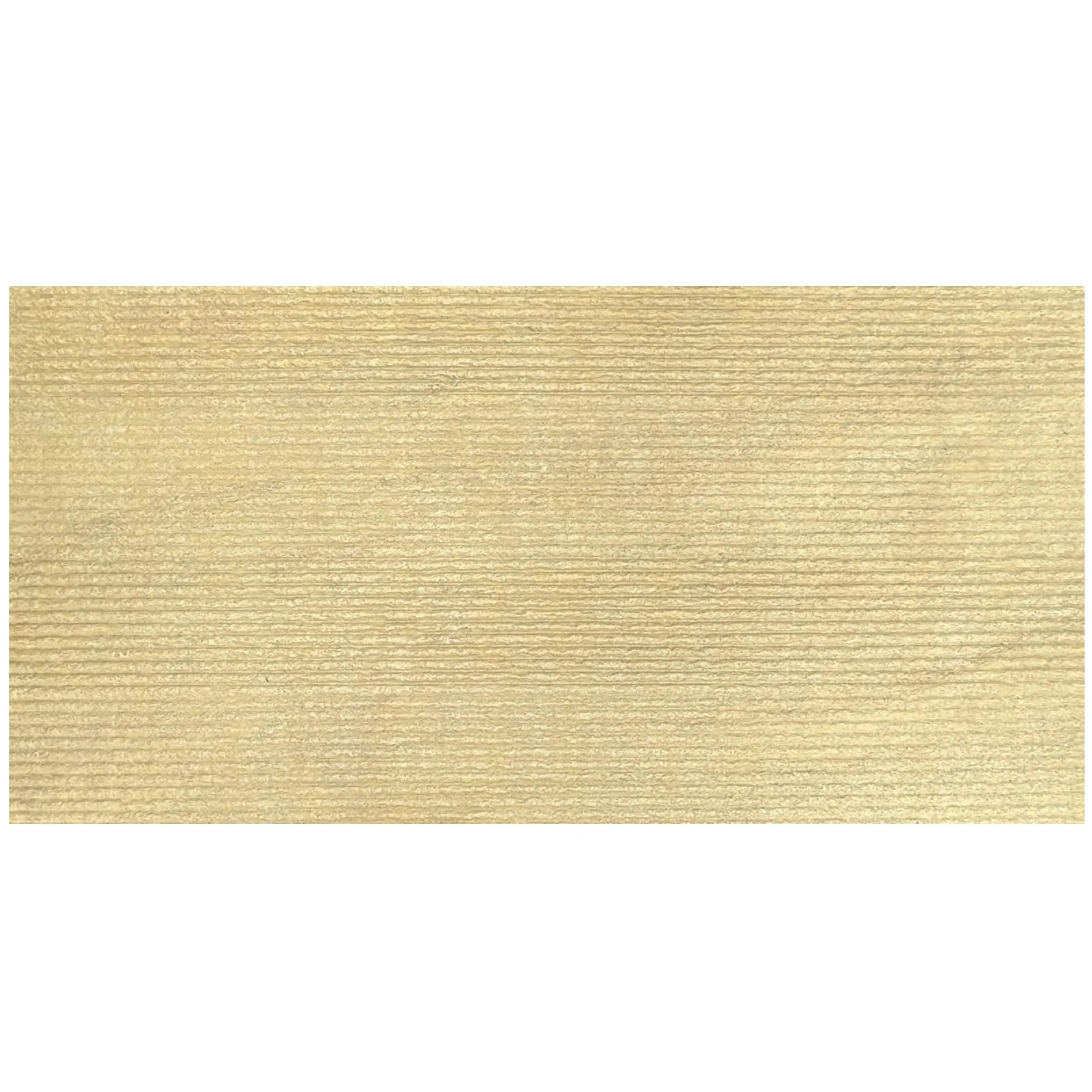
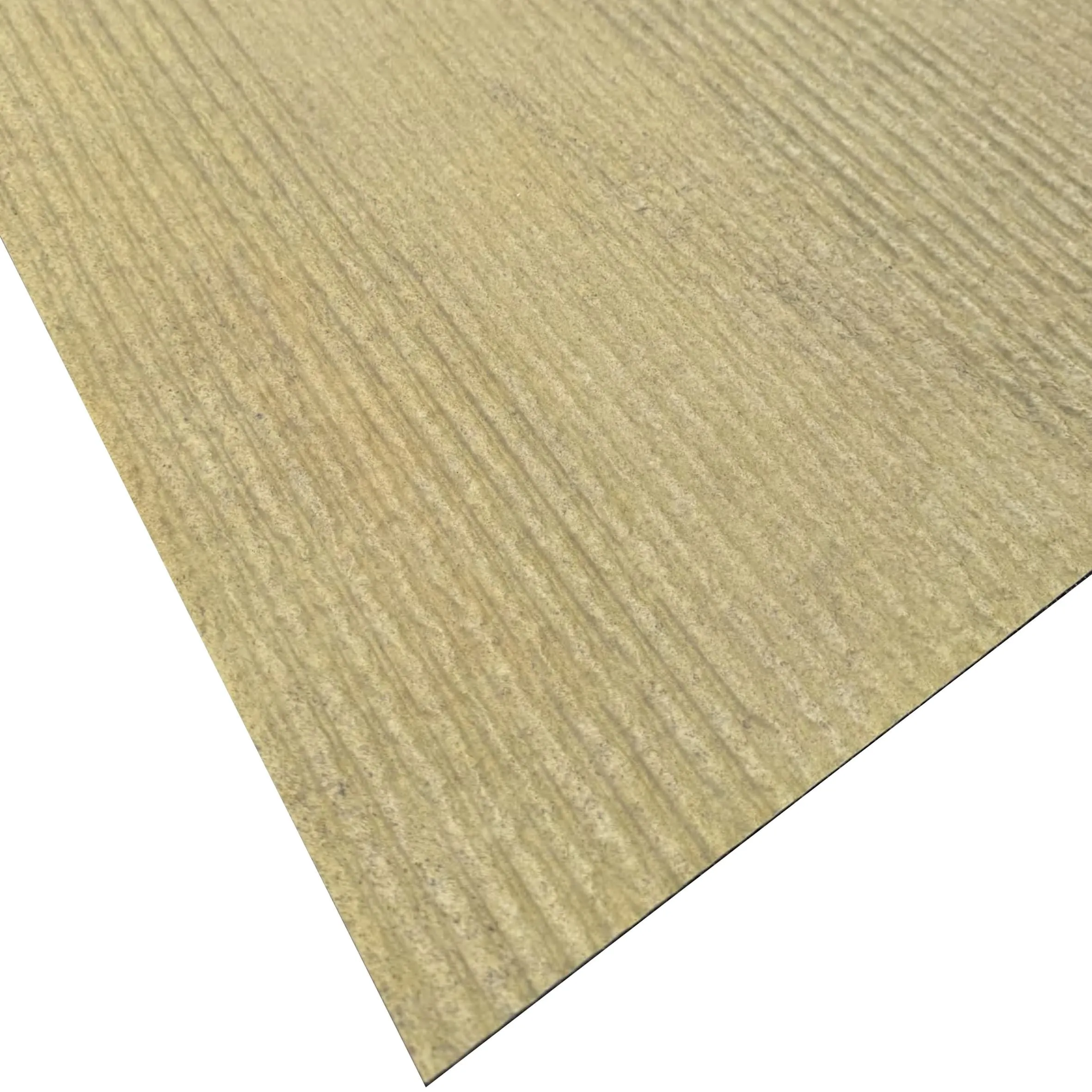
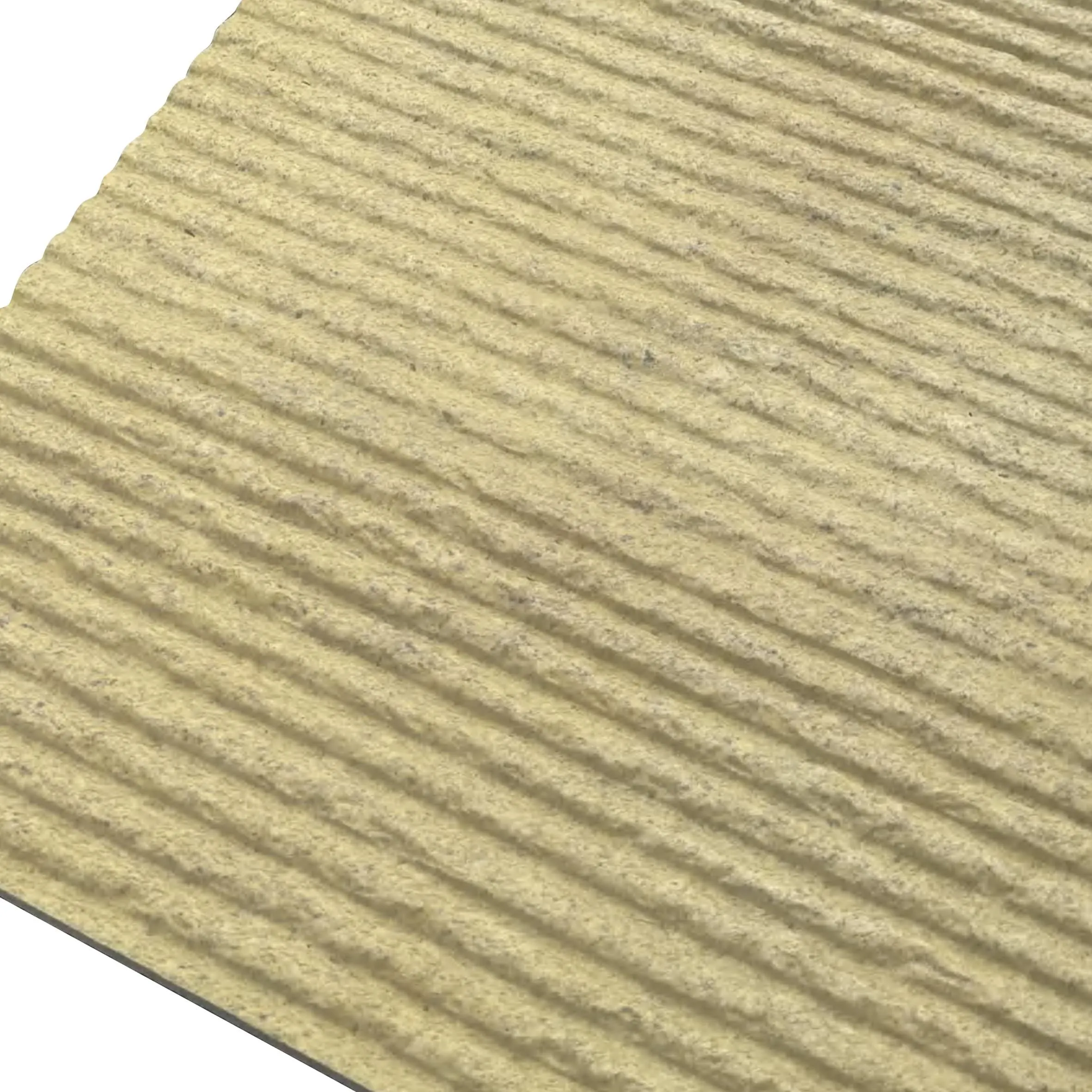
To understand the importance of sustainable quarrying, we first must grasp why Gravel Omani Stone matters. Unlike generic construction aggregates, this stone carries the unique fingerprint of Oman's geology. Its warm, earthy tones—ranging from sandy beiges to deep terracottas—reflect the region's desert sun, while its composition, a mix of limestone and sandstone, gives it unparalleled durability. It's not just about strength, though; it's about character. Run your hand over a slab of Gravel Omani Stone, and you'll feel the texture of millennia—small pebbles embedded like fossils, subtle veins of mineral deposits, and a roughness that softens with age, as if the stone itself is telling stories of the winds that shaped it.
For local communities, quarrying isn't just a job—it's a heritage. Many families have worked these lands for decades, passing down techniques from parent to child. "My grandfather started here with nothing but a pickaxe and a mule," says Ahmed, a third-generation quarry worker in the Al Hajar Mountains. "He taught my father, and my father taught me: you don't take more than you need, and you leave the land better than you found it." That ethos—rooted in respect for nature—is the foundation of modern sustainable practices, even as technology has transformed how quarries operate.
Sustainable quarrying isn't about stopping extraction; it's about reimagining it. Traditional methods, while steeped in tradition, often came with heavy environmental costs: deforestation, soil erosion, and water pollution from runoff. Today, Omani quarries are leading the way in adopting practices that minimize harm, turning "taking" into "borrowing"—and ensuring the land can replenish itself over time.
In a desert nation like Oman, water is life. Quarrying historically required vast amounts of water for dust suppression and stone washing, but modern sites are rethinking this. At the Al Buraimi Quarry, for example, workers now use recycled water—collected from rainfall and treated runoff—to keep dust levels low. "We installed a system that captures rainwater in large reservoirs during the monsoon season," explains Fatima, the site's environmental officer. "That water is then filtered and reused for months, reducing our reliance on groundwater by 60%." It's a small change, but in a region where annual rainfall averages just 100mm, it's a game-changer.
Quarries, by nature, disrupt ecosystems—but they don't have to destroy them. Take the case of the Ras Al Jinz Quarry, located near a nesting site for endangered green sea turtles. Here, operators have implemented a "rehabilitation first" policy: before any extraction begins, biologists map the area, relocating native plants and wildlife to protected zones nearby. After extraction ends, the site is reshaped to mimic the original landscape, with native grasses and shrubs replanted. "Last year, we even had a turtle nest on a rehabilitated section of the quarry," says Khalid, the quarry manager, smiling. "That's when we knew we were doing something right."
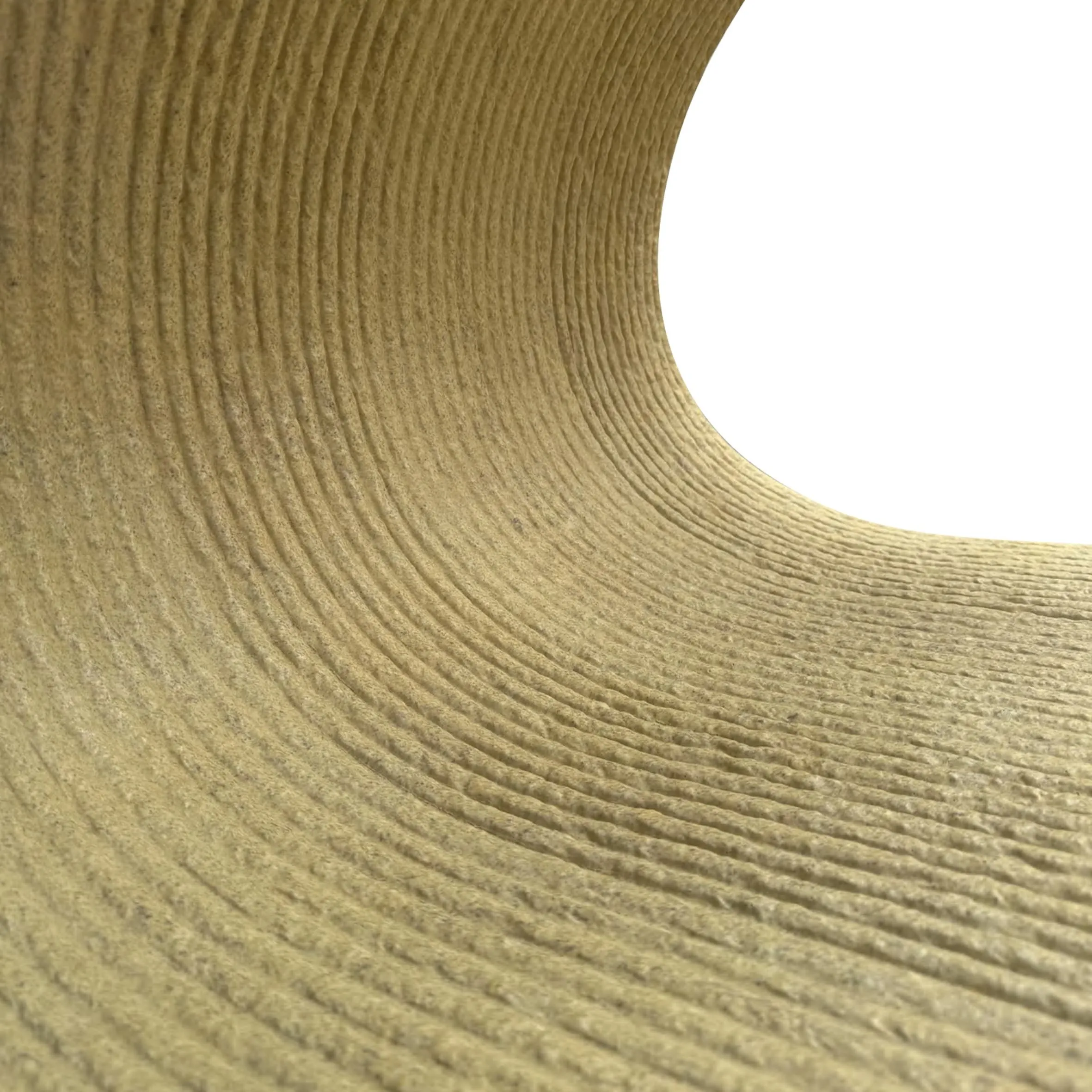
Did you know? Gravel Omani Stone isn't the only sustainable star in the building materials world. Innovations like MCM flexible stone are revolutionizing the industry by offering lightweight, durable alternatives that reduce the need for large-scale quarrying. Made from recycled stone particles and eco-friendly binders, MCM flexible stone can mimic the look of natural stone while cutting carbon emissions by up to 40%—proving that sustainability and beauty can go hand in hand.
Oman's sun isn't just a source of heat—it's a source of power. Many quarries are now installing solar panels to run equipment, replacing diesel generators that once belched fumes into the air. The Sohar Quarry, one of the largest in the country, now gets 70% of its energy from solar, slashing its carbon footprint and lowering operational costs. "We used to spend thousands on diesel every month," says Ali, the site engineer. "Now, the sun does the work, and we reinvest those savings into more green technologies—like electric trucks and energy-efficient crushers." It's a circular system: the same sun that shaped the stone over millions of years now helps extract it responsibly.
Sustainable quarrying isn't just about how we extract stone—it's about how we use it. As the global demand for green building materials grows, Gravel Omani Stone is finding new purpose in eco-conscious construction. Its natural insulation properties, for example, reduce the need for energy-intensive heating and cooling systems in buildings. "A wall made with Gravel Omani Stone can keep a home 10 degrees cooler in summer than concrete," explains Dr. Lina, a materials scientist at Sultan Qaboos University. "That's a huge selling point for developers looking to meet LEED or BREEAM standards."
But it's not just about Gravel Omani Stone alone. The industry is evolving, with quarries partnering with innovators to create hybrid materials that combine the best of nature and technology. Take travertine (starry blue) , a cousin of Gravel Omani Stone known for its shimmering, galaxy-like patterns. Quarried sustainably in the Dhofar region, it's now being used in tandem with MCM flexible stone to create facades that are both visually stunning and environmentally low-impact. "Architects love it because it looks like something out of a dream, but they also love that it's responsibly sourced," says Mona, a sales director at a local building supply company. "It's proof that you don't have to choose between beauty and sustainability."
Sustainability isn't just about the environment—it's about people, too. Modern quarries in Oman are prioritizing community engagement, ensuring that local residents benefit from extraction, not just endure it. At the Nizwa Quarry, for instance, 80% of employees are from nearby villages, and the site funds a scholarship program for local students pursuing careers in environmental science. "We want the community to see us as partners, not outsiders," says the quarry's CEO, Salem. "When they know their children can get an education because of the quarry, they're more invested in helping us protect the land."
This sense of shared responsibility extends to cultural preservation, too. Many quarries now work with archaeologists to document and protect ancient artifacts found during extraction. Last year, workers at the Bahla Quarry uncovered a 2,000-year-old pottery shard, which was later donated to the National Museum of Oman. "My grandfather would have seen that shard as a sign from the past," Ahmed reflects. "It's a reminder that we're not just digging up stone—we're digging up history. We have to treat it with respect."

The road to fully sustainable quarrying is long, but Oman's Gravel Omani Stone quarries are leading by example. By blending tradition with innovation, they're proving that we can build the world we need without destroying the world we have. "This stone has been here for millions of years," Ahmed says, gesturing to a massive slab of Gravel Omani Stone waiting to be transported. "It will be here for millions more—if we take care of it."
As we move forward, the lessons from these quarries extend far beyond Oman's borders. They remind us that every building material has a story—and that story should include respect for the land, the people who work it, and the generations to come. Gravel Omani Stone isn't just a resource; it's a teacher. And what it's teaching us is clear: sustainability isn't a trend. It's a promise—one we must keep, one stone at a time.
Recommend Products












