
Picture this: It's dawn on a construction site in Muscat, and the air hums with the rumble of excavators and the clink of metal tools. Workers in hard hats maneuver slabs of stone into place, their hands rough from years of shaping the earth into buildings. But look closer, and you'll notice something else—the quiet piles of discarded stone offcuts, chipped edges, and dust that gather like forgotten memories in the corner of the site. "That's just part of the job," a seasoned foreman might say, wiping sweat from his brow. "You can't build without breaking a little stone." For decades, that's been the unspoken truth of construction: progress comes with a price, and that price is often measured in tons of waste. But what if we're wrong? What if those "broken pieces" aren't trash at all? What if they're the key to building a greener, more sustainable future? Enter the world of Gravel Omani Stone recycling—a movement that's turning construction's castoffs into its most valuable resource.
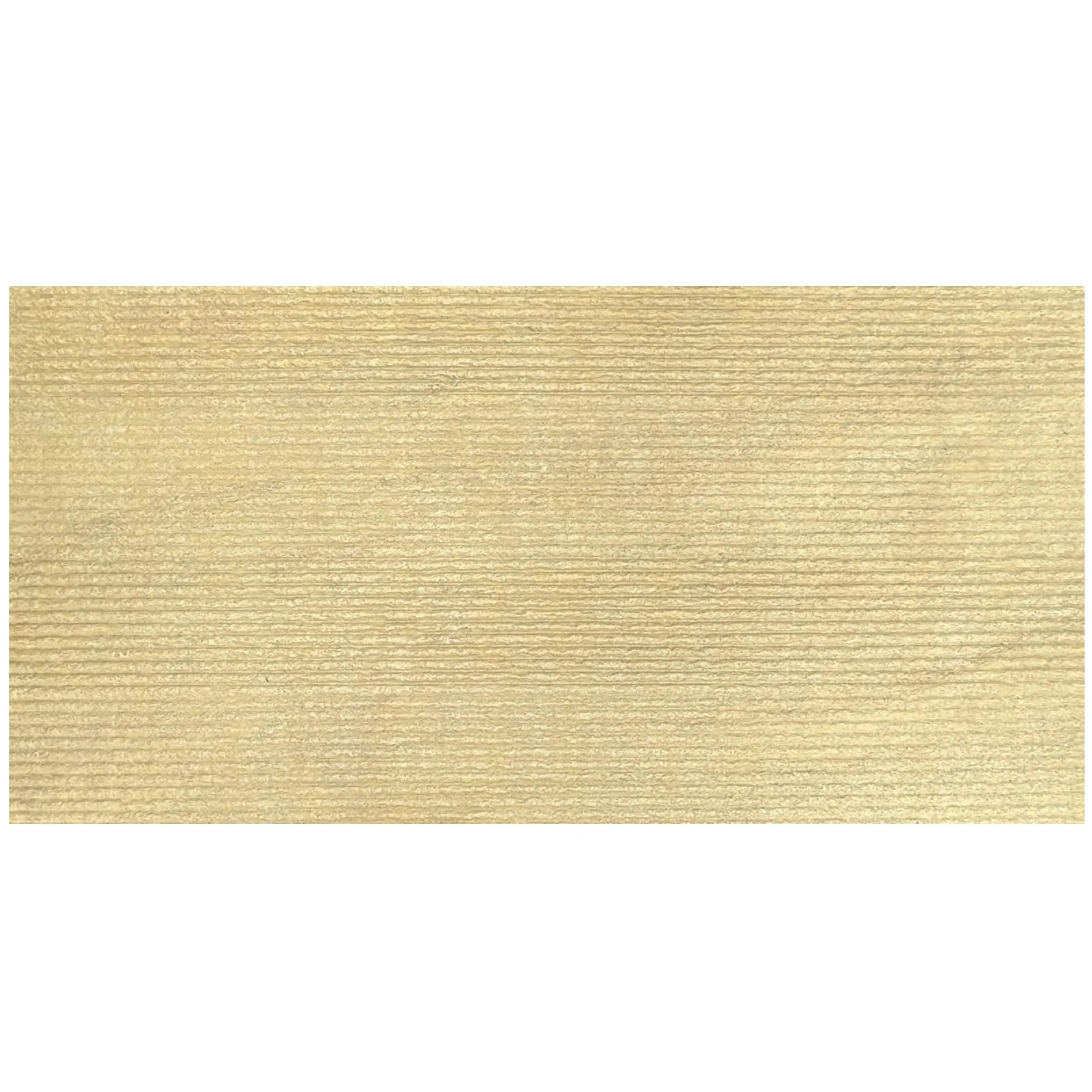
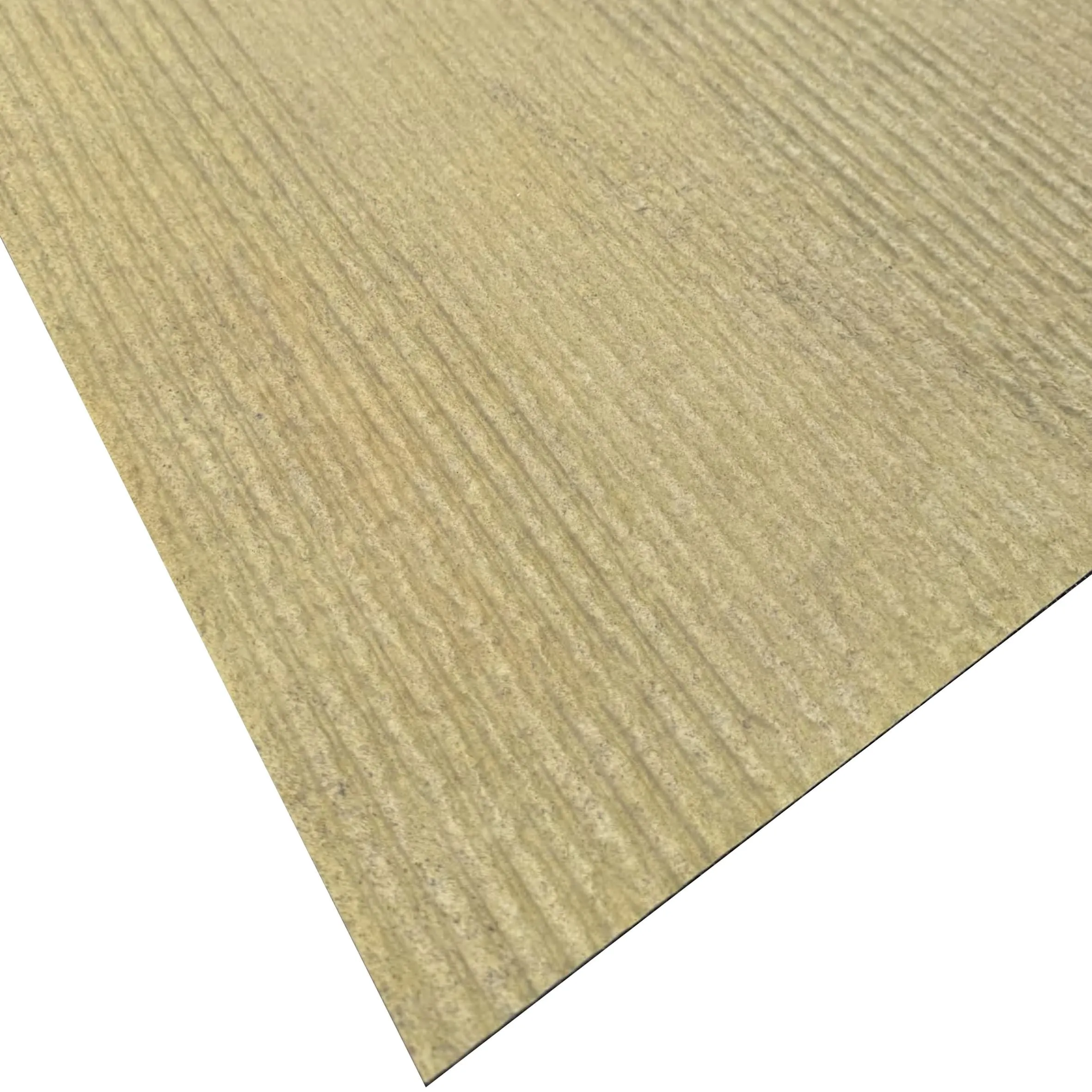
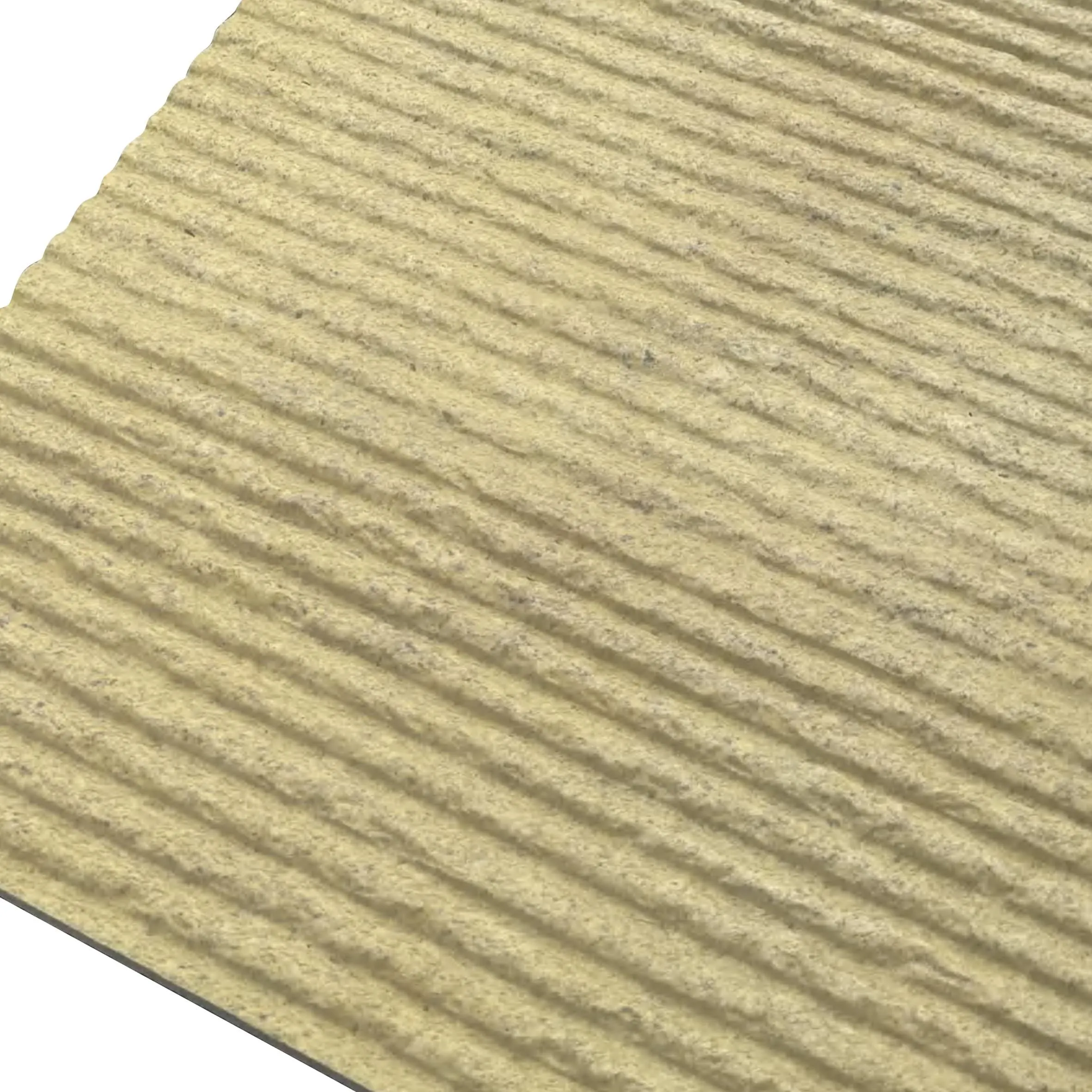
Before we dive into recycling, let's get to know the star of the show: Gravel Omani Stone. Hailing from the rocky landscapes of Oman, this stone is a favorite among architects and builders for its unique blend of durability and beauty. Think warm, earthy tones—sandy beiges, soft terracottas, and hints of gold that catch the light like desert sunlight. Its surface is slightly textured, not too rough, not too smooth, with tiny flecks of mineral that give it depth. "It's like bringing a piece of the Omani desert into your building," says Lina, an architect who specializes in sustainable design. "Clients love it because it feels organic, timeless. It doesn't scream 'modern' or 'traditional'—it just feels right."
Gravel Omani Stone isn't just pretty, though. It's tough. Resistant to weathering, heat, and wear, it's used everywhere from building facades and flooring to garden pathways and outdoor patios. In the Middle East, where temperatures soar and sandstorms rage, its durability is a game-changer. "We once used it on a hotel in Dubai, and after five years of harsh summers, it still looks brand new," Lina adds. "That's the kind of reliability you can't put a price on." But here's the catch: like most natural stones, extracting and processing Gravel Omani Stone generates waste. A lot of it.
Let's talk numbers. When a quarry extracts a block of Gravel Omani Stone, only about 70% of it ends up as usable material. The rest? Offcuts from cutting slabs to size, chips from transportation, and dust from polishing. On a large construction project, that 30% can add up to hundreds of tons of waste. "I've seen sites where the waste piles are almost as big as the building itself," says Raj, a construction waste manager with 20 years of experience. "We'd truck it to landfills, dump it, and move on. No one thought twice about it." But those landfills are filling up fast. In the UAE alone, construction and demolition waste accounts for nearly 70% of all solid waste, according to the Ministry of Climate Change and Environment. And stone waste is a major contributor—heavy, non-biodegradable, and slow to break down.
The environmental toll goes beyond landfills. Quarrying Gravel Omani Stone requires heavy machinery, which burns fossil fuels and emits CO2. Transporting virgin stone from Oman to construction sites across the GCC adds even more emissions. Then there's the habitat disruption: quarries carve scars into landscapes, displacing wildlife and altering ecosystems. "It's a double whammy," explains Maya, an environmental scientist. "We're taking a finite resource from the earth, using energy to process it, and then throwing a third of it away. That's not just wasteful—it's unsustainable."
But what if we stopped seeing that 30% as waste? What if we saw it as a raw material waiting to be reimagined? That's exactly what forward-thinking companies are doing with Gravel Omani Stone recycling. The process isn't glamorous, but it's revolutionary. Let's walk through it step by step, with Raj as our guide: "First, we collect the waste. On a construction site, workers separate stone scraps from other debris—wood, metal, concrete. That's key. If the stone is mixed with other materials, it's harder to recycle." Once collected, the stone is trucked to a recycling facility, where the real magic happens.
"Step two: sorting," Raj continues. "Not all stone waste is the same. Big chunks can be crushed into gravel, smaller pieces into sand, and dust into powder. We sort by size and quality—no cracks, no contaminants. Then comes crushing. We use specialized machines to break the stone into uniform particles. It's loud, it's dusty, but watching a big slab turn into gravel? It's like watching a puzzle come apart, ready to be put back together." After crushing, the material is sieved to separate different grades—coarse gravel for drainage, fine sand for concrete mixes, and ultra-fine powder for coatings. "We wash it too, to remove dirt and leftover mortar," Raj adds. "Cleanliness is everything. You don't want messing up the final product."
The final step? Testing. "We send samples to labs to check strength, durability, and texture," Raj explains. "Recycled stone has to meet the same standards as virgin material. If it passes, it's ready to be repurposed." And repurposed it is. Coarse recycled Gravel Omani Stone gravel is used in landscaping, as a base for roads, or as aggregate in concrete. Fine sand mixes into mortar or backfill. The powder? It's added to paints, coatings, or even decorative finishes. "One of my favorite uses is in terrazzo flooring," Raj says with a smile. "You grind the recycled stone into tiny chips, mix it with resin, and polish it. The result? A floor that sparkles with bits of Omani desert. It's beautiful—and it tells a story."
Recycled Gravel Omani Stone doesn't work in isolation. It plays well with other green building materials, creating solutions that are greater than the sum of their parts. Take fair-faced concrete, for example. Fair-faced concrete is celebrated for its raw, industrial beauty—no paint, no cladding, just the natural texture of the material. But traditional fair-faced concrete uses virgin aggregates like sand and gravel. By swapping some of that virgin aggregate with recycled Gravel Omani Stone, builders get the same sleek look with a lower environmental footprint. "The stone adds warmth to the concrete," says Lina, the architect. "Fair-faced concrete can feel cold, but with recycled Gravel Omani Stone chips, it has a subtle, earthy texture. Clients notice. They say, 'This feels alive.'"
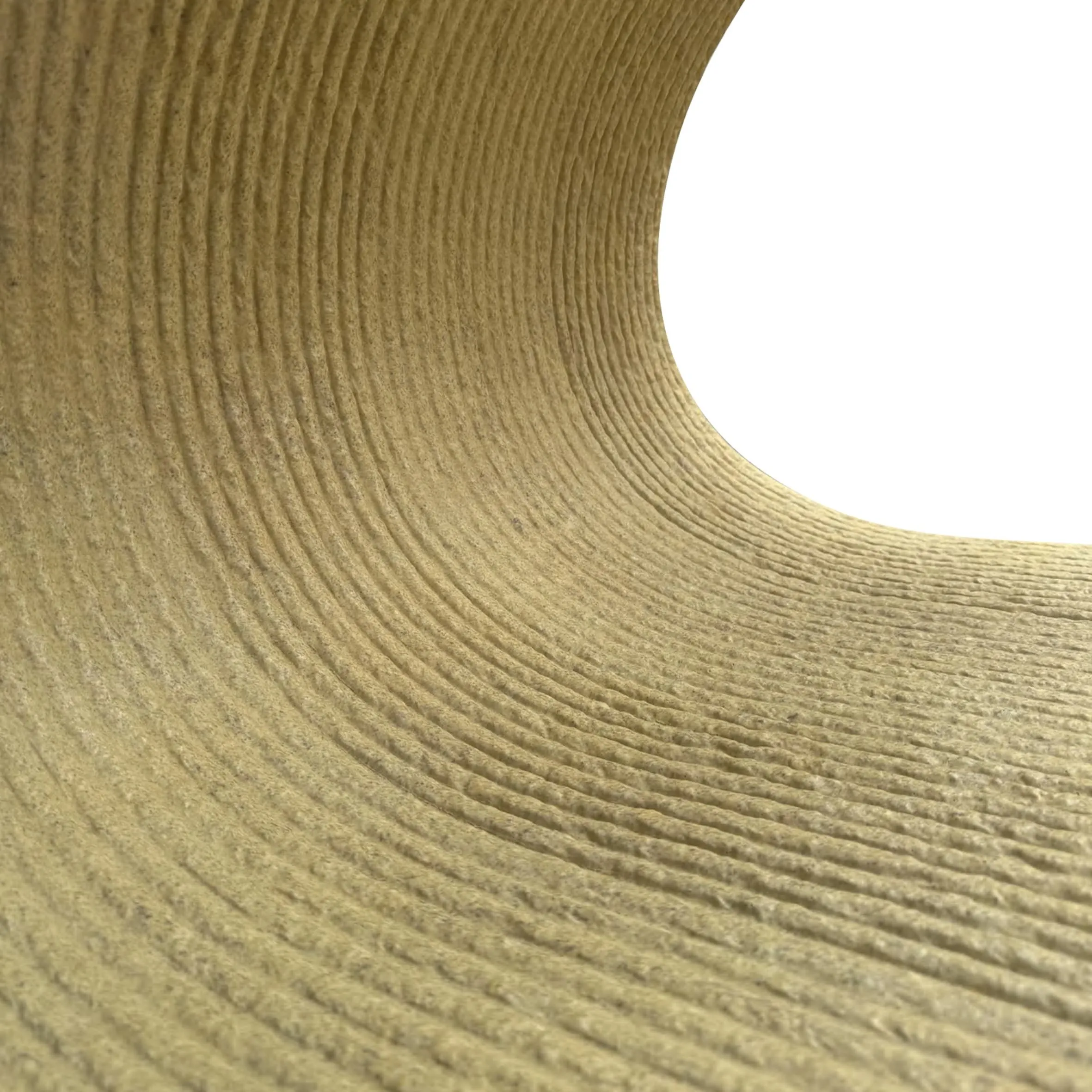
Then there's MCM flexible stone—a modern marvel in sustainable construction. MCM, or Modified Composite Material, is a lightweight, flexible alternative to traditional stone cladding. It's made by mixing stone particles with polymers, creating thin, durable panels that can bend around curves or stick to walls without heavy supports. "MCM flexible stone was already eco-friendly," Lina explains. "It uses less stone than traditional cladding, so it reduces quarrying. But now, manufacturers are adding recycled Gravel Omani Stone particles to the mix. Suddenly, MCM isn't just sustainable—it's circular. The stone that would have gone to a landfill is now part of a high-performance building material. It's genius."
Even decorative stones are getting in on the action. Imagine a wall clad in travertine (starry blue)—a stone known for its striking blue hue and star-like mineral deposits. Now, imagine that travertine mixed with recycled Gravel Omani Stone powder. "The powder acts as a pigment extender," Maya, the environmental scientist, explains. "It reduces the need for synthetic dyes, and it adds depth to the color. The result is a stone that's not just beautiful, but responsible. Every time you look at that wall, you're seeing sustainability in action."

Recycling Gravel Omani Stone isn't just good for the planet—it's good for business. Let's break down the benefits, starting with the environment. First, reduced quarrying. Every ton of recycled stone means one less ton of virgin stone is extracted, preserving landscapes and wildlife habitats. Second, lower carbon emissions. Transporting recycled stone from a local facility is far less emissions-intensive than shipping virgin stone from Oman. A study by the UAE's Masdar Institute found that recycling construction stone can cut carbon footprints by up to 40% compared to using virgin material. Third, less landfill waste. In a region where landfills are reaching capacity, diverting stone waste is critical. "We're not just saving space—we're preventing toxic leachate from stone dust contaminating soil and water," Maya adds.
Economically, the benefits are just as clear. Recycled Gravel Omani Stone is cheaper than virgin stone—up to 30% cheaper, according to industry reports. For builders, that translates to lower material costs, which can make green building more accessible. "Sustainability used to be a luxury," Lina says. "Clients would say, 'I want eco-friendly, but I can't afford it.' Now, with recycled stone, it's a no-brainer. It's cheaper and better for the planet. Win-win." Recycling also creates jobs: waste collectors, sorters, machine operators, lab technicians. In Dubai, a single stone recycling facility employs over 50 people, many of whom were previously unemployed.
Then there's the intangible benefit: reputation. In a world where consumers and businesses care deeply about sustainability, using recycled materials is a marketing advantage. "Clients ask about our sustainability practices now," Lina notes. "When I tell them we use recycled Gravel Omani Stone, their eyes light up. It's not just a building—it's a statement. They're proud to be part of the solution."
| Metric | Traditional Stone Usage | Recycled Gravel Omani Stone | Environmental/Economic Impact |
|---|---|---|---|
| Carbon Footprint (per ton) | 80kg CO2 | 48kg CO2 | 40% reduction in emissions |
| Cost (per ton) | $150 | $105 | 30% cost savings |
| Waste Generated (per ton of usable stone) | 0.4 tons | 0.05 tons | 87.5% reduction in waste |
| Durability | High (20-30 years) | High (20-30 years) | Equal performance to virgin stone |
| Job Creation (per 1000 tons recycled) | N/A | 5 jobs | New employment opportunities in recycling |
In 2024, the Al-Madinah School in Abu Dhabi set out to build a new campus with a bold goal: to be zero-waste and carbon-neutral. Central to that goal? Recycled Gravel Omani Stone. "We wanted the school to be a living classroom," says principal Amina Al-Mansoori. "What better way to teach kids about sustainability than to have them learn in a building made from recycled materials?"
The school's courtyard flooring is made from recycled Gravel Omani Stone gravel, crushed and mixed with a natural resin. The walls feature fair-faced concrete blended with recycled stone sand, giving them a warm, textured look. Even the decorative accents—small tiles around the entrance—incorporate recycled stone powder mixed with MCM flexible stone. "The kids love it," Amina laughs. "They call the courtyard 'the magic floor' because they know it used to be 'trash stone.' During science class, we take them to the recycling facility to see how it's made. It's not just about math and reading anymore—it's about understanding their impact on the world."
The project wasn't just educational—it was cost-effective. "We saved 25% on material costs by using recycled stone," says the project manager, Kareem. "That money went into new science labs and a library. Sustainability didn't just help the planet—it helped our students."
Recycled Gravel Omani Stone is just the beginning. As the construction industry shifts toward sustainability, we're seeing innovations across the board. Take MCM flexible stone, for example. Manufacturers are experimenting with blending recycled stone with other waste materials—like plastic bottles or agricultural byproducts—to create even more eco-friendly panels. "The next generation of MCM could be 100% recycled," Lina predicts. "Imagine a building clad in stone that was once a water bottle and a construction scrap. That's the future."
Then there's 3D printing. Yes, 3D printers are now building houses, and they're hungry for sustainable materials. Recycled Gravel Omani Stone powder mixed with concrete is proving to be an excellent 3D printing material—strong, easy to extrude, and eco-friendly. "We printed a small office building in Dubai last year using recycled stone concrete," Kareem says. "It took half the time and generated a third of the waste of traditional construction. And it looks amazing."
Even traditional materials like travertine are getting a green makeover. Travertine (starry blue), with its vibrant color, is being paired with recycled Gravel Omani Stone in mosaic designs, reducing the need for large travertine slabs. "It's about balance," Maya explains. "We don't have to give up beauty to be sustainable. We just have to be smarter about how we use materials."
At the end of the day, recycling Gravel Omani Stone isn't just about construction—it's about mindset. It's about seeing waste as a resource, about choosing to build with intention instead of excess. "Every building we construct is a statement about what we value," Lina says. "Do we value convenience and short-term gain, or do we value the planet and future generations?"
Raj, who's spent decades hauling waste to landfills, sees the shift firsthand. "I used to feel guilty, watching all that stone go to waste. Now? I feel proud. I'm not just a waste manager—I'm a resource recovery specialist. And that's a title I wear with honor."
So the next time you walk past a construction site, take a second look at those piles of stone scraps. They're not just trash. They're the future of green building. They're the foundation of a world where progress and sustainability go hand in hand. And they're a reminder that sometimes, the most valuable resources are the ones we've been throwing away.
Recommend Products












