
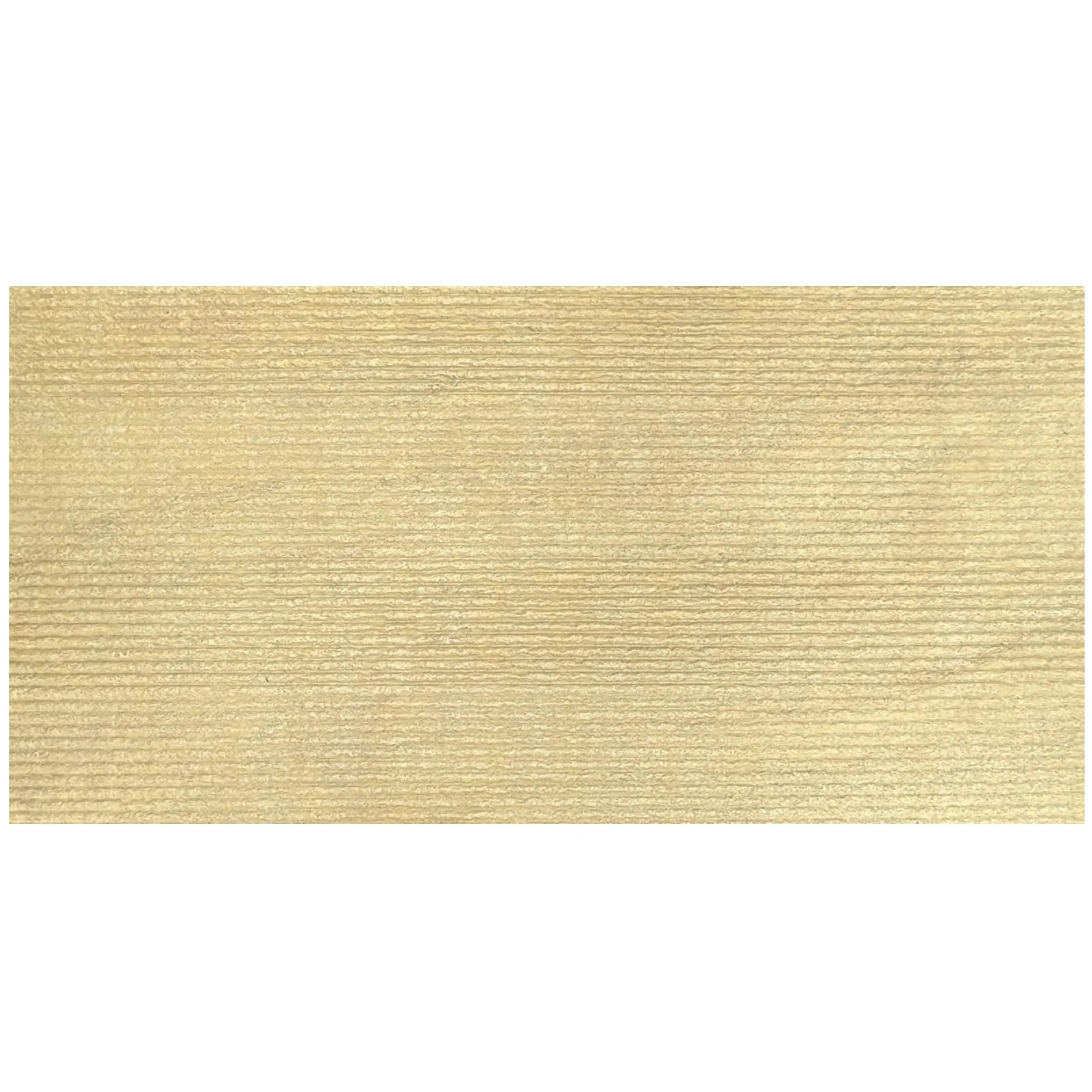
If you've ever walked into a space and thought, "Wow, that stone feels like it has a story," there's a good chance you were looking at something like Gravel Omani Stone. Hailing from the arid landscapes of Oman, this natural stone carries the warmth of desert sunsets and the texture of windswept dunes—each slab unique, with grains of gravel embedded in a matrix that feels both rugged and refined. It's no wonder designers and homeowners alike are drawn to it for floors, walls, countertops, and even outdoor patios. But here's the thing about natural stone: its beauty often comes with a trade-off. Like a sponge waiting to soak up spills, Gravel Omani Stone is porous, which means it's vulnerable to the two biggest enemies of any stone surface: moisture and stains. And that's where sealing comes in—not as an afterthought, but as a vital step in preserving that "story" for decades to come.
I remember visiting a restaurant a few years back that had opted for Gravel Omani Stone on their dining room floors. The owner was proud of the choice, talking about how it "brought the outdoors in" and complemented their earthy decor. But six months later, when I stopped by again, the stone looked tired. There were dark spots from wine spills, faint water rings near the entrance where rain had tracked in, and even a hint of mold in the corners where moisture had seeped in. "We skipped sealing to save a little money," the owner admitted, shaking his head. "Now we're paying twice as much to fix it." That's a lesson worth remembering: sealing isn't just about protecting stone—it's about protecting your investment in beauty.
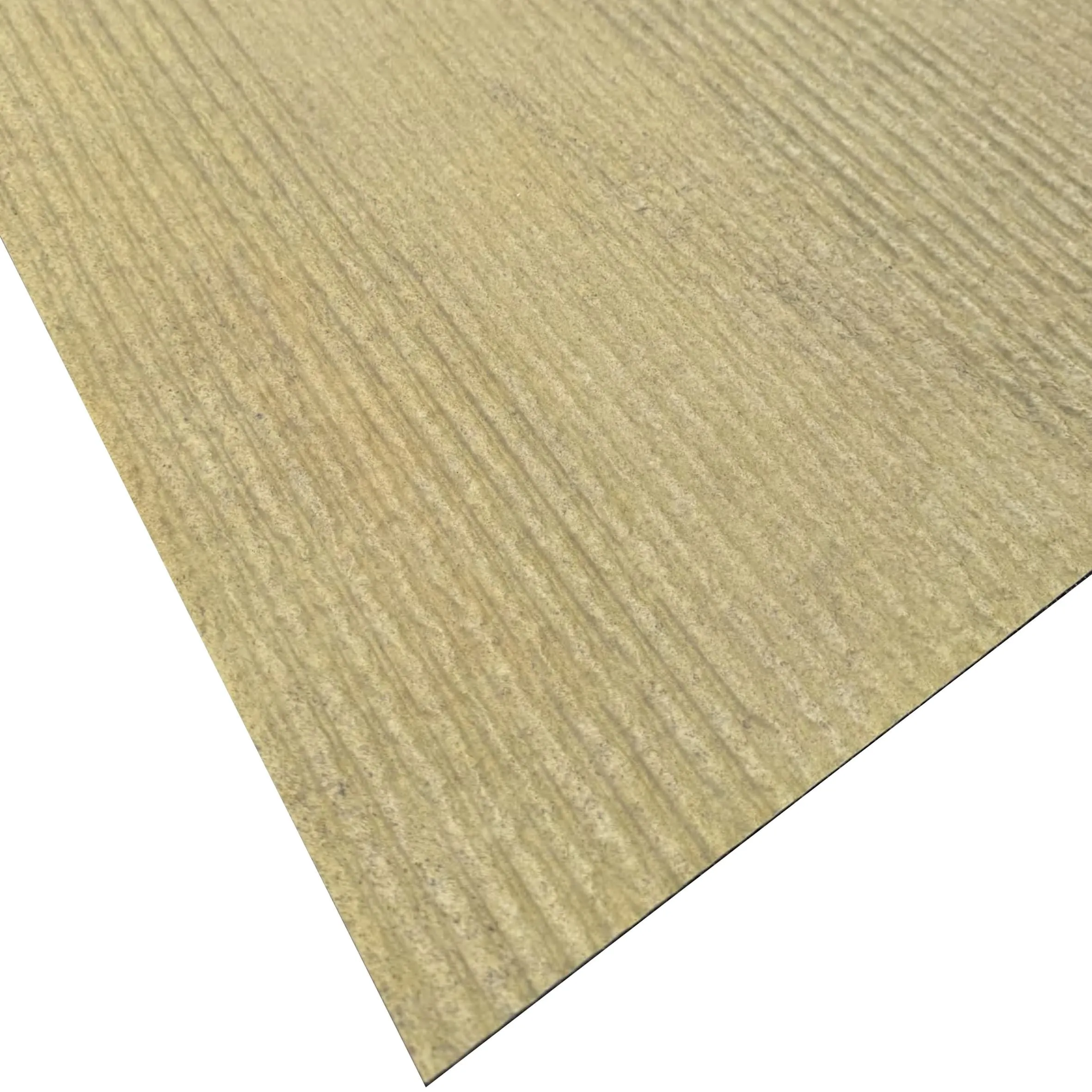
Let's start with the basics: why is Gravel Omani Stone so prone to moisture and stains in the first place? It all comes down to porosity. Natural stone, unlike man-made materials like fair-faced concrete (which is intentionally dense and low-porosity), is formed over millions of years as minerals crystallize and sediments compact. This process leaves tiny pores—microscopic holes—that act like tiny straws, sucking in liquids that land on the surface. For Gravel Omani Stone, those pores are even more pronounced because of the gravel grains, which create extra nooks and crannies for moisture to hide.
Moisture might not seem like a big deal at first. A little water here, a spilled drink there—what's the harm? But over time, that moisture can lead to bigger problems. If water seeps into the stone and freezes (say, in an outdoor patio during winter), it expands, creating cracks that grow larger with each freeze-thaw cycle. Indoors, moisture trapped in the stone can breed mold and mildew, which not only look unsightly but can also cause unpleasant odors and even health issues. Then there are stains: coffee, oil, juice, sauce—any liquid with color or acidity can penetrate those pores and leave permanent marks. Imagine spilling red wine on unsealed Gravel Omani Stone at a dinner party; by the time you grab a cloth, the wine has already started to seep in, leaving a ghostly pink stain that no amount of scrubbing will fully remove.
Compare that to a material like travertine , another porous stone often used in similar applications. Travertine is known for its distinctive "holes" (formed by gas bubbles during formation), and just like Gravel Omani Stone, it requires sealing to prevent those holes from becoming stain magnets. The difference? Gravel Omani Stone's texture is more varied, with gravel adding an extra layer of complexity to the sealing process. It's not just about covering a flat surface—it's about ensuring every nook and cranny of those embedded gravel grains is protected.
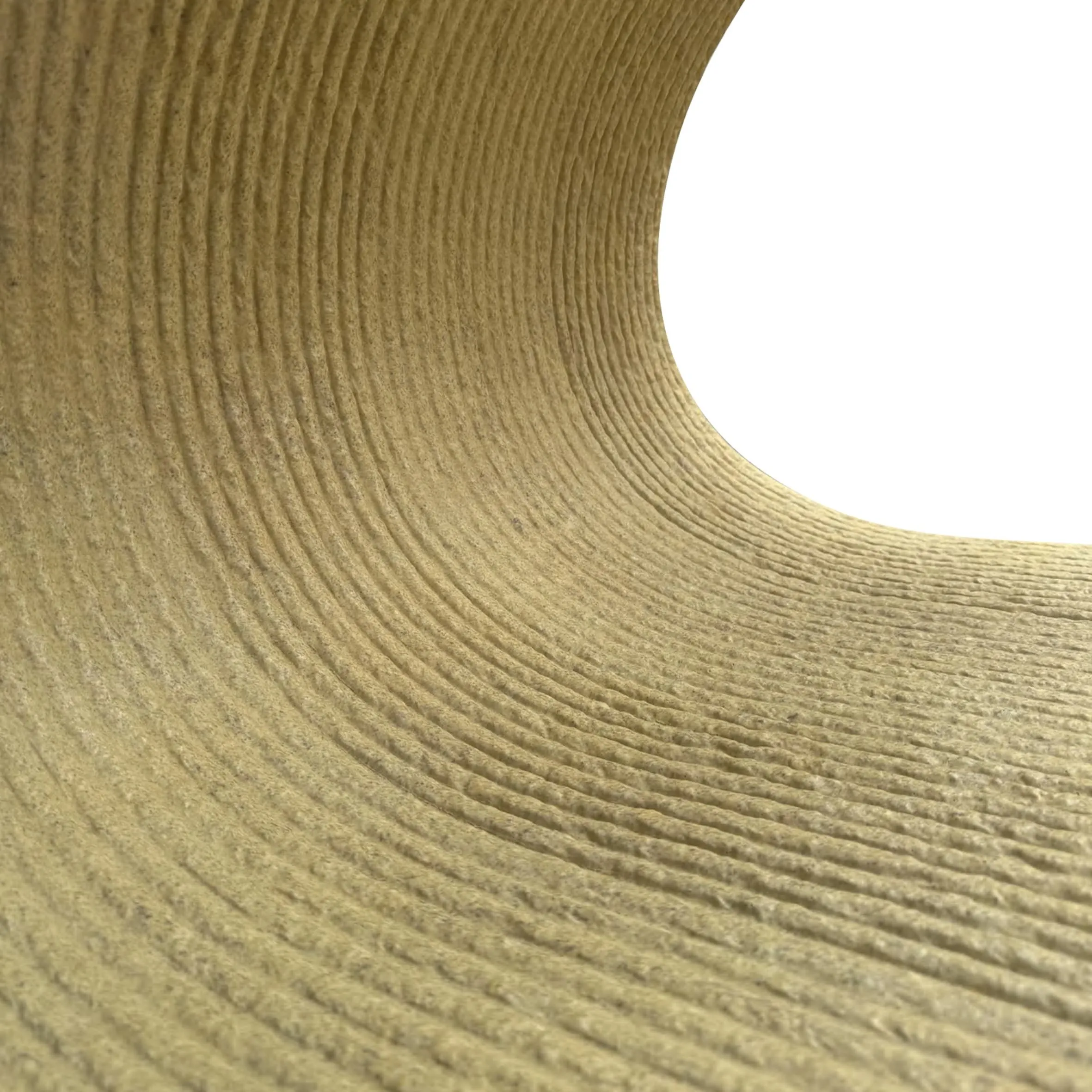
Sealing Gravel Omani Stone isn't rocket science, but it does require patience and attention to detail. Think of it like painting a masterpiece: you wouldn't skip priming the canvas, right? The same goes for stone—preparation is half the battle. Let's break down the process into simple steps, so even if you're new to DIY home projects, you'll feel confident tackling it.
Before you even think about applying sealer, the stone needs to be spotless. Any dirt, dust, or existing stains will get trapped under the sealer, ruining the finish. Start by sweeping or vacuuming the surface to remove loose debris. Then, use a pH-neutral stone cleaner (avoid vinegar, bleach, or acidic cleaners—they can etch the stone) and a soft brush or mop to scrub away grime. For tough stains, like oil or grease, you might need a specialized stone stain remover. Let the stone dry completely after cleaning—this is crucial. If there's any moisture left in the pores, the sealer won't penetrate properly, leaving weak spots where moisture can sneak in later. Depending on the humidity, this might take 24 to 48 hours, so plan accordingly.
Not all sealers are created equal, and picking the wrong one can do more harm than good. For Gravel Omani Stone, you'll typically choose between two main types: penetrating sealers and topical sealers. Let's break down the differences in the table below:
| Sealer Type | How It Works | Pros | Cons | Best For |
|---|---|---|---|---|
| Penetrating Sealer | Absorbs into pores, forming a barrier below the surface | Doesn't change the stone's appearance; long-lasting (5-10 years); breathable (allows moisture vapor to escape) | More expensive upfront; requires multiple coats for high porosity | Outdoor surfaces, high-traffic areas, natural look enthusiasts |
| Topical Sealer | Forms a protective layer on top of the stone | Easy to apply; enhances color/sheen; cheaper upfront | Can make stone slippery when wet; needs reapplication every 1-3 years; may yellow over time | Indoor walls, low-traffic areas, those wanting a glossy finish |
For most Gravel Omani Stone applications—especially outdoor patios or kitchen countertops—I recommend a penetrating sealer. It won't alter the stone's natural texture (no glossy film), and its breathability means moisture vapor can escape, reducing the risk of mold. Plus, since it's below the surface, it won't wear off as quickly with foot traffic or cleaning.
Once you've chosen your sealer, it's time to apply it. Start by testing a small, inconspicuous area (like the back of a slab or a corner) to ensure the sealer doesn't discolor the stone—a rare but possible issue with some topical sealers. If all looks good, proceed. For penetrating sealers, use a low-pressure sprayer, a roller, or a clean cloth. Work in small sections (3-4 square feet at a time) to avoid the sealer drying before you can spread it evenly. Let the first coat absorb for 5-10 minutes; if the stone soaks it up quickly, apply a second coat. For topical sealers, use a foam roller for smooth application, and avoid overlapping strokes to prevent streaks.
Patience is key here. Most sealers take 24-48 hours to dry to the touch, but full curing can take up to a week. During this time, keep the surface completely dry and avoid walking on it or placing objects on it. I once made the mistake of setting a plant pot on a newly sealed countertop after just 24 hours—let's just say the pot left a permanent ring where the sealer hadn't fully cured. Lesson learned: follow the manufacturer's drying time instructions to the letter.
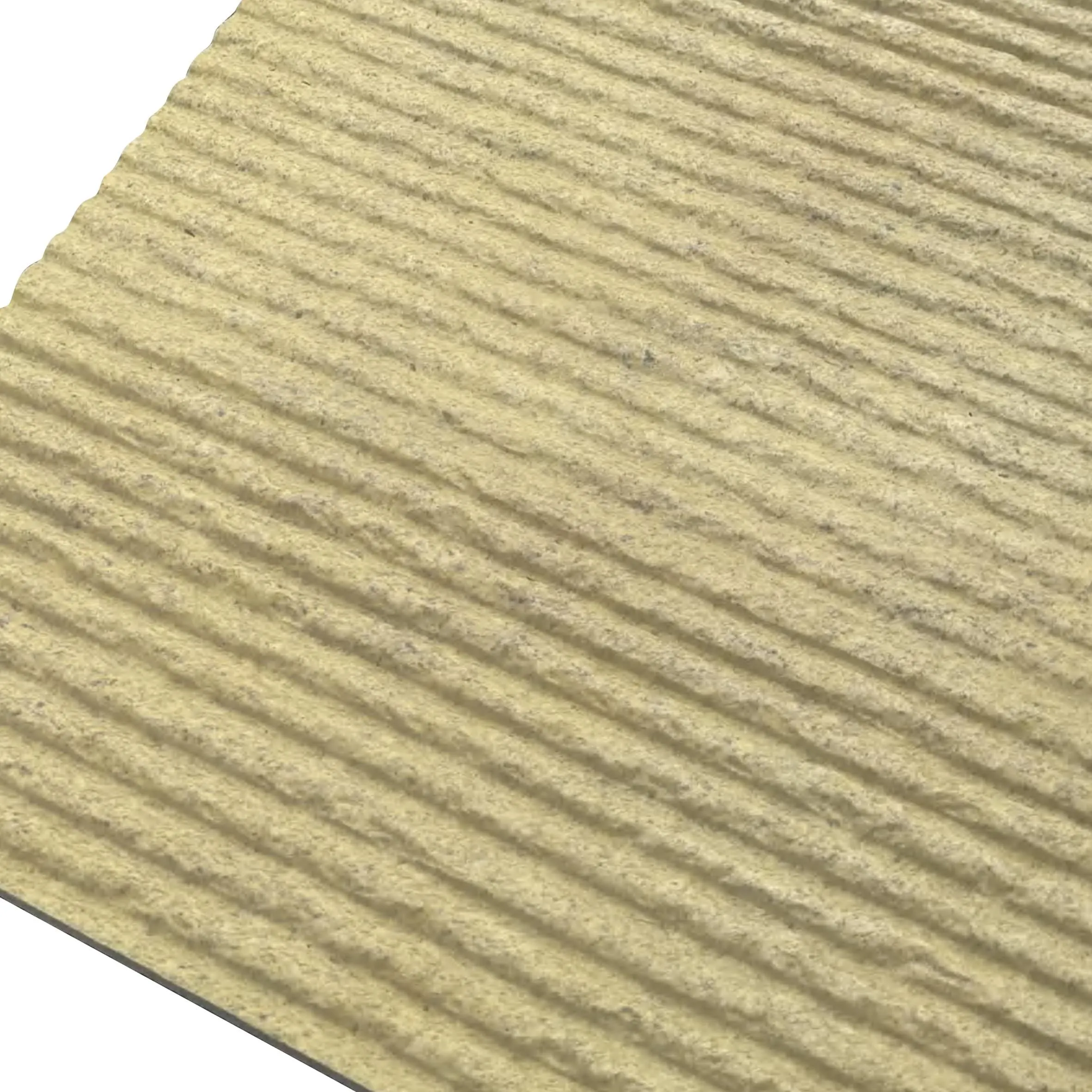
Sealing is the first line of defense, but it's not a "set it and forget it" solution. Even the best sealer will wear down over time, especially in high-traffic areas. To keep your Gravel Omani Stone looking its best, follow these maintenance tips:
Think of it like caring for a leather jacket: a little regular maintenance keeps it looking great for years, while neglect leads to cracks and fading. Gravel Omani Stone is no different—it thrives when given a little attention.
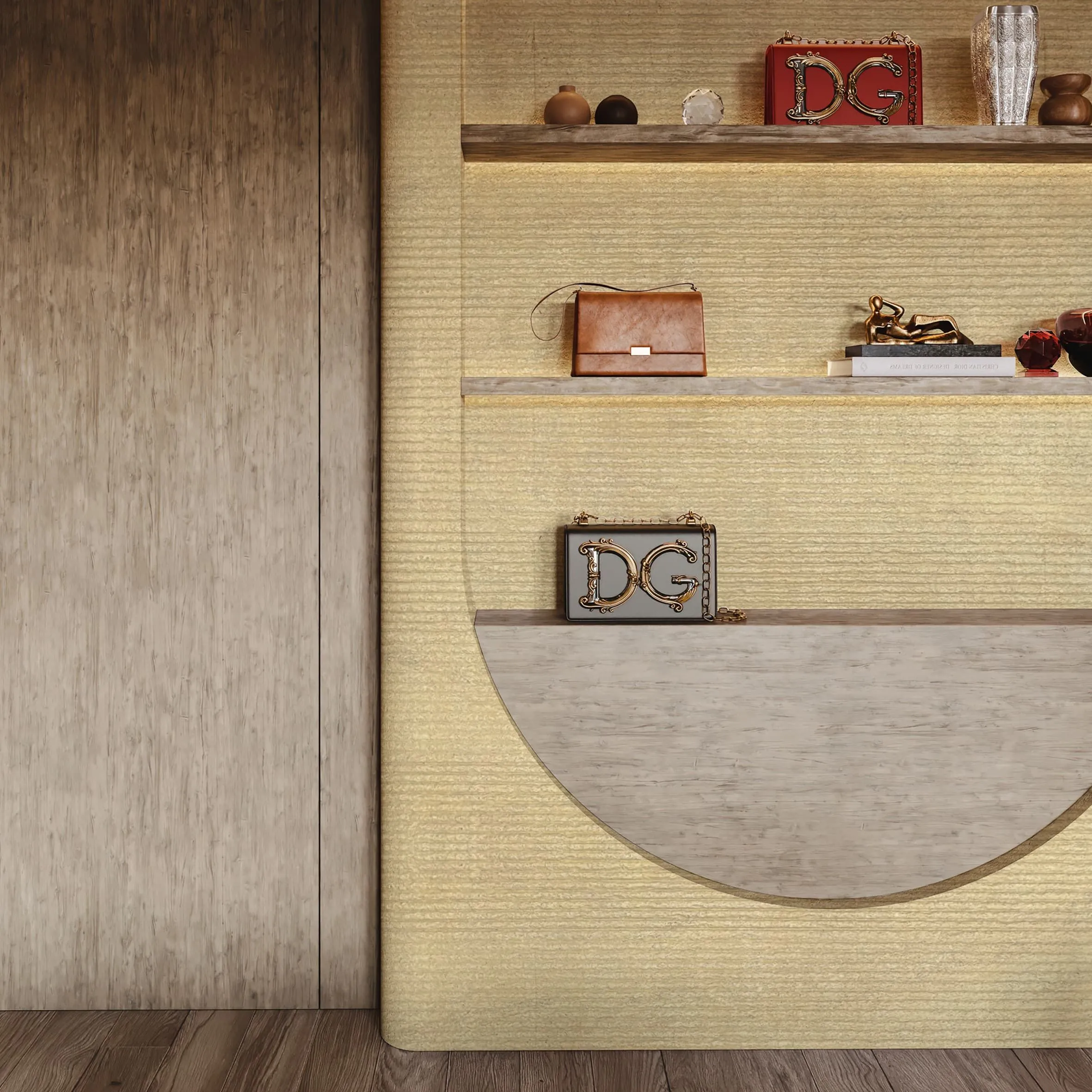
Curious how Gravel Omani Stone compares to other popular materials when it comes to sealing and maintenance? Let's take a quick look at three common alternatives:
Travertine is another porous natural stone, often used in bathrooms, kitchens, and outdoor spaces. Like Gravel Omani Stone, it requires sealing to prevent stains and moisture damage. The main difference? Travertine's signature holes (called "vugs") often need to be filled with epoxy or grout before sealing, adding an extra step. Gravel Omani Stone, with its embedded gravel, has a more uniform texture, making the sealing process a bit simpler. Both stones reward proper sealing with longevity, but Gravel Omani Stone tends to have a more rustic, varied look that many find appealing.
Fair-faced concrete is a sleek, modern option known for its industrial-chic vibe. Unlike Gravel Omani Stone, it's a man-made material with lower porosity, which means it often requires less frequent sealing (every 5-7 years, compared to 3-5 for stone). However, it lacks the natural warmth and uniqueness of Gravel Omani Stone—each concrete slab is uniform, while no two Gravel Omani slabs are exactly alike. If you're torn between the two, ask yourself: do you want a surface that feels "crafted by nature" or "crafted by design"?
Wood grain board (often made from engineered wood or composite materials) offers a cozy, organic look that's popular for walls and accent pieces. But wood, even engineered wood, is highly susceptible to water damage—sealing helps, but it won't protect against prolonged moisture (think a leaky pipe under a wood grain board countertop). Gravel Omani Stone, with its sealed pores, is far more water-resistant, making it a better choice for kitchens, bathrooms, or outdoor areas where moisture is a concern. Plus, wood grain board can fade in direct sunlight, while Gravel Omani Stone's color stays vibrant for decades with proper care.
At the end of the day, sealing Gravel Omani Stone isn't just about protecting a surface—it's about preserving a piece of nature's artistry. Every time you run your hand over its textured surface, you're touching millions of years of geological history, and sealing ensures that history remains visible for generations to come. Whether you're using it for a kitchen backsplash, a patio, or a feature wall, remember: the small investment of time and money in sealing today will save you from costly repairs and heartache tomorrow.
So, to the homeowners, designers, and contractors out there considering Gravel Omani Stone: don't let its porosity scare you. Embrace it as part of its charm, and protect it with the care it deserves. After all, great beauty—whether in stone or in life—requires a little effort to maintain. And trust me, when you're enjoying that stone patio decades from now, still looking as stunning as the day it was installed, you'll be glad you took the time to seal it.
Recommend Products












