
Bridging Craftsmanship, Innovation, and Trust Across Continents
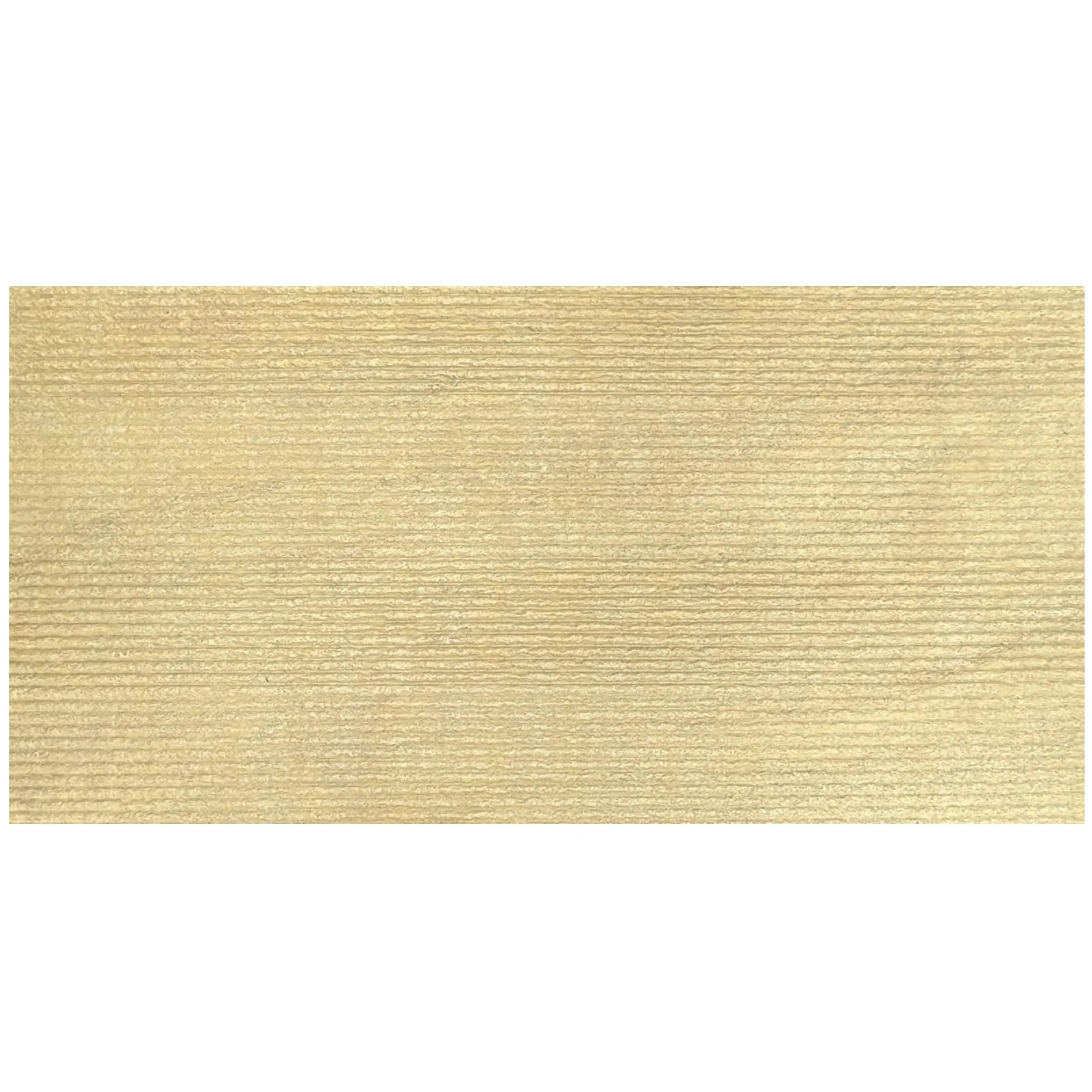
In the world of architectural design and construction, materials are more than just building blocks—they are storytellers. They carry the essence of their origins, the skill of their makers, and the vision of those who select them. At COLORIA GROUP, we've long believed that the most exceptional materials come not from isolated transactions, but from deep, enduring partnerships. Nowhere is this truer than in our work with Gravel Omani Stone, a material celebrated for its rugged beauty and timeless appeal. But our network of supplier partnerships extends far beyond Oman, weaving together artisans, quarries, and innovators across the globe to bring designers and builders a portfolio that marries tradition with cutting-edge technology. In this article, we'll pull back the curtain on how these partnerships shape everything we do—from the texture of a Gravel Omani Stone slab to the flexibility of our MCM Flexible Stone, and the modern allure of the Lunar Peak Series.
When we talk about supplier partnerships at COLORIA GROUP, we're not referring to mere contracts or purchase orders. These are relationships built on mutual respect, shared values, and a collective commitment to excellence. In an industry where "fast" and "cheap" often overshadow "quality" and "sustainability," we've chosen a different path: investing in long-term collaborations that prioritize people as much as products. This approach isn't just ethically sound—it's practical. Suppliers who feel valued and trusted are more likely to go the extra mile to ensure every batch of Gravel Omani Stone meets our rigorous standards. They're more willing to share insights about new extraction techniques that reduce environmental impact, or to experiment with finishes that unlock a material's hidden potential.
Consider our work with Gravel Omani Stone, sourced from the sun-baked quarries of Oman's Hajar Mountains. For over a decade, we've partnered with a family-run quarry that has been extracting stone in the region for generations. Their knowledge of the land is unparalleled—they can read the geological layers like a book, identifying veins of stone with the perfect balance of hardness and porosity. But what truly sets this partnership apart is trust. Early on, we faced a challenge: a particularly harsh monsoon season threatened to delay a large order of Gravel Omani Stone for a luxury hotel project in Dubai. Rather than penalizing the quarry for weather-related delays, we worked with them to adjust timelines and even sent a team to help with post-storm cleanup. In return, they prioritized our order once operations resumed, ensuring the stone arrived with the same meticulous attention to detail we'd come to expect. That's the power of partnership—it turns obstacles into opportunities to strengthen bonds.
Partnerships also bring cultural depth to our materials. The Gravel Omani Stone from our Omani partners, for example, isn't just a aggregate; it carries the heritage of the Bedouin communities who have long used local stone for shelter and art. The quarry workers often share stories of how their ancestors selected stone based on its "voice"—a hollow sound when tapped indicated durability, a lesson passed down through generations. Today, that wisdom informs our own quality checks: every batch of Gravel Omani Stone is still tapped by hand to ensure it meets those ancient standards. These stories don't just make the material more interesting—they make it more meaningful. When a designer chooses Gravel Omani Stone for a project, they're not just selecting a texture; they're inviting a piece of Omani heritage into the space.
COLORIA GROUP's supplier partnerships span five continents, each contributing unique expertise and materials to our portfolio. While Gravel Omani Stone remains a cornerstone of our natural stone offerings, our network allows us to blend traditional materials with cutting-edge innovations, creating solutions that meet the evolving needs of modern design. Below is a snapshot of key regions and the partnerships that define them:
| Region | Key Material | Partnership Focus | Notable Collaboration |
|---|---|---|---|
| Oman (Middle East) | Gravel Omani Stone | Ethical mining, heritage preservation | Family-run quarry; 10+ year partnership; co-developed "Heritage Finish" for historical restoration projects |
| Italy (Europe) | Travertine (Starry Green) | Artisanal finishing, sustainability | Third-generation travertine workshop; developed low-water polishing techniques to reduce environmental impact |
| South Korea (Asia) | MCM Flexible Stone | Technological innovation, material science | Material science lab; co-created ultra-thin, flexible stone panels that bend without cracking |
| Germany (Europe) | Fair-Faced Concrete | Precision engineering, quality control | Industrial concrete manufacturer; developed custom molds for "Linear Texture" fair-faced concrete, mimicking natural stone grain |
| China (Asia) | Lunar Peak Series (Silvery, Golden, Black) | Color technology, surface treatment | Metallurgy research institute; created proprietary coating for Lunar Peak stones, enhancing UV resistance and color retention |
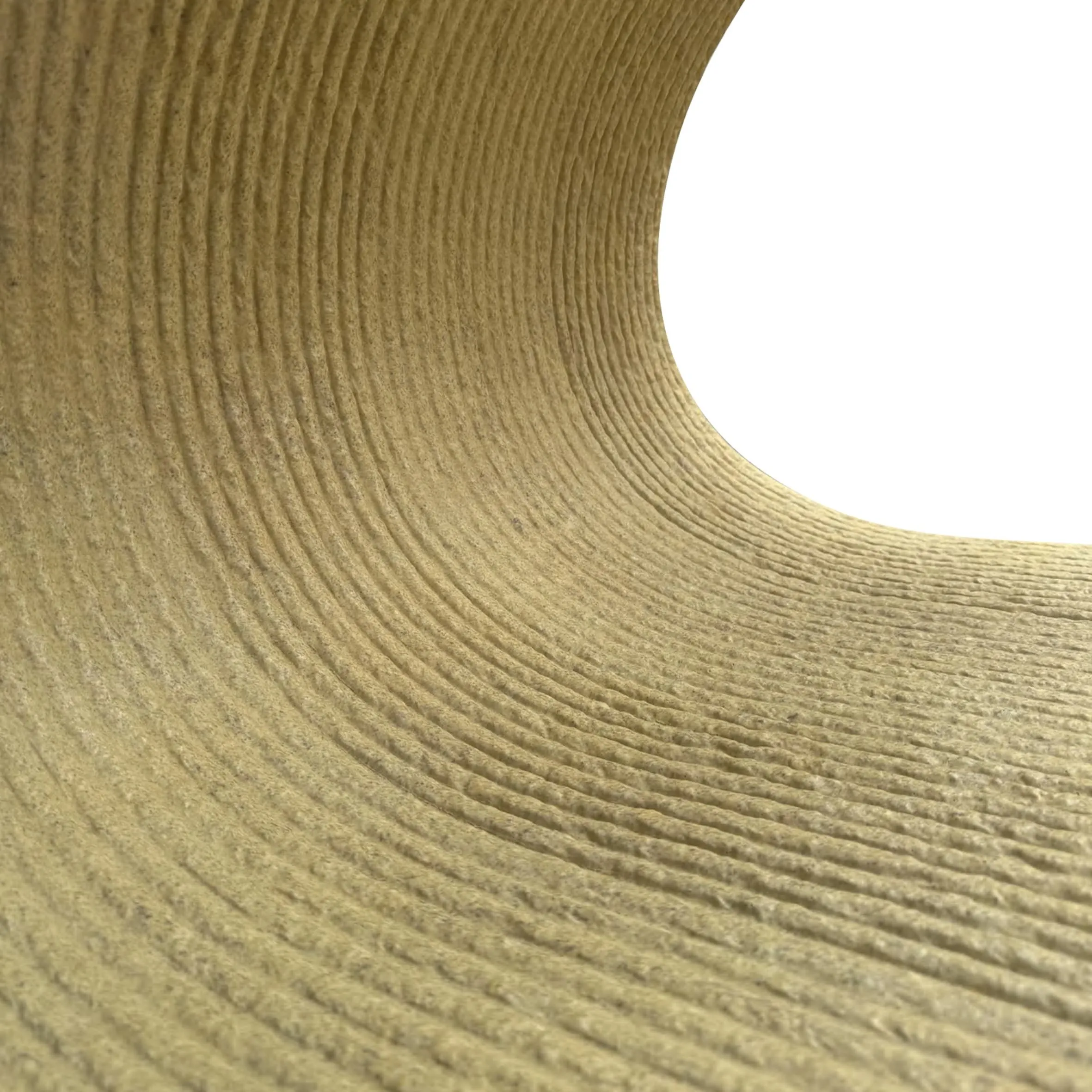
Each of these partnerships is a testament to our belief that the best materials emerge when diverse perspectives collide. Take our collaboration with a South Korean lab on MCM Flexible Stone, for instance. Traditional stone is rigid, limiting its application in curved or irregular surfaces. By partnering with material scientists who specialize in polymer composites, we were able to infuse natural stone particles with a flexible resin matrix, resulting in panels that can bend up to 90 degrees without breaking. Today, MCM Flexible Stone is a favorite among designers working on statement walls or curved facades, proving that innovation thrives when craftsmen and scientists work hand in hand.
Our supplier partnerships aren't just about sourcing materials—they're about co-creating them. Here's a closer look at how collaboration has shaped some of our most sought-after products:
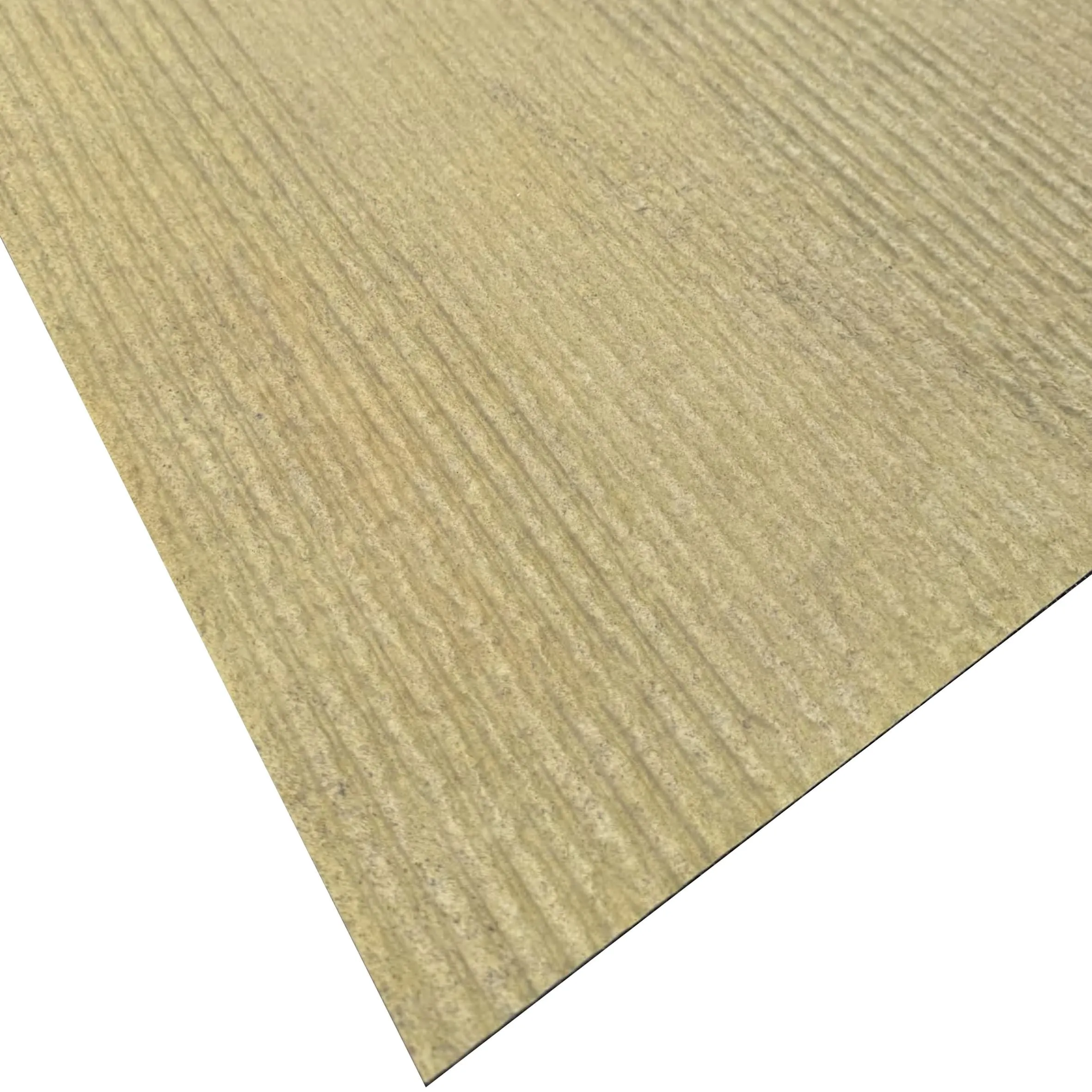
Gravel Omani Stone is more than a material; it's a symbol of Oman's geological heritage. Formed over millions of years by the compression of marine sediments and volcanic activity, it boasts a unique blend of strength and porosity, making it ideal for both interior and exterior applications. But what truly distinguishes our Gravel Omani Stone is the care that goes into its extraction. Our Omani partners use traditional "plug and feather" techniques—drilling small holes into the rock, inserting metal wedges, and gently tapping them to split the stone along natural fault lines. This method minimizes waste and preserves the stone's natural texture, unlike mechanized quarrying, which can crush or distort the material.
We've also worked with our partners to develop custom finishes for Gravel Omani Stone, including the "Desert Wash" finish, which mimics the weathered look of stone exposed to Omani sandstorms for centuries. Achieving this required months of experimentation: the quarry team tested different combinations of water pressure, sandblasting grit, and acid washing until they landed on a process that etches the stone's surface just enough to reveal its layered history. The result? A material that feels both ancient and alive, perfect for projects aiming to evoke a sense of timelessness.
When we first set out to develop MCM Flexible Stone, we had a bold goal: to retain the beauty of natural stone while it the flexibility of a synthetic material. Traditional stone panels are heavy and brittle, making installation on curved surfaces or high-rise buildings challenging. Our partnership with a South Korean material science lab was instrumental in turning this vision into reality. The lab's expertise in polymer chemistry allowed us to create a composite matrix that binds stone particles together without sacrificing their natural appearance. The result is a panel that weighs up to 70% less than traditional stone, bends without cracking, and can be installed using simple adhesives—reducing both labor costs and construction time.
But innovation didn't stop at flexibility. Our partners also helped us address sustainability concerns. By using recycled stone dust from quarry waste in the composite mix, we've reduced the environmental impact of MCM Flexible Stone production by 35%. Today, it's not just a favorite for its performance—it's a choice for designers who want to minimize their carbon footprint without compromising on aesthetics.
For projects demanding a more contemporary aesthetic, our Lunar Peak Series—available in Silvery, Golden, and Black—offers a striking alternative to traditional stone. Inspired by the moon's cratered surface, these stones feature a metallic sheen that shifts with light, creating a dynamic visual effect. Developing this series required close collaboration with a Chinese metallurgy research institute, which helped us create a proprietary coating that bonds to the stone's surface at a molecular level. Unlike spray-on metallic paints, which can chip or fade over time, this coating becomes part of the stone itself, ensuring long-lasting durability.
Our partners also played a key role in color development. The Lunar Peak Golden shade, for example, was fine-tuned over six months to achieve the perfect balance of warmth and sophistication. The institute's color scientists analyzed trending palettes in global design, tested over 20 variations of gold pigments, and even adjusted the stone's base composition to ensure the color would complement both warm and cool design schemes. The result is a series that feels both on-trend and timeless—a testament to what happens when material science and design intuition collide.
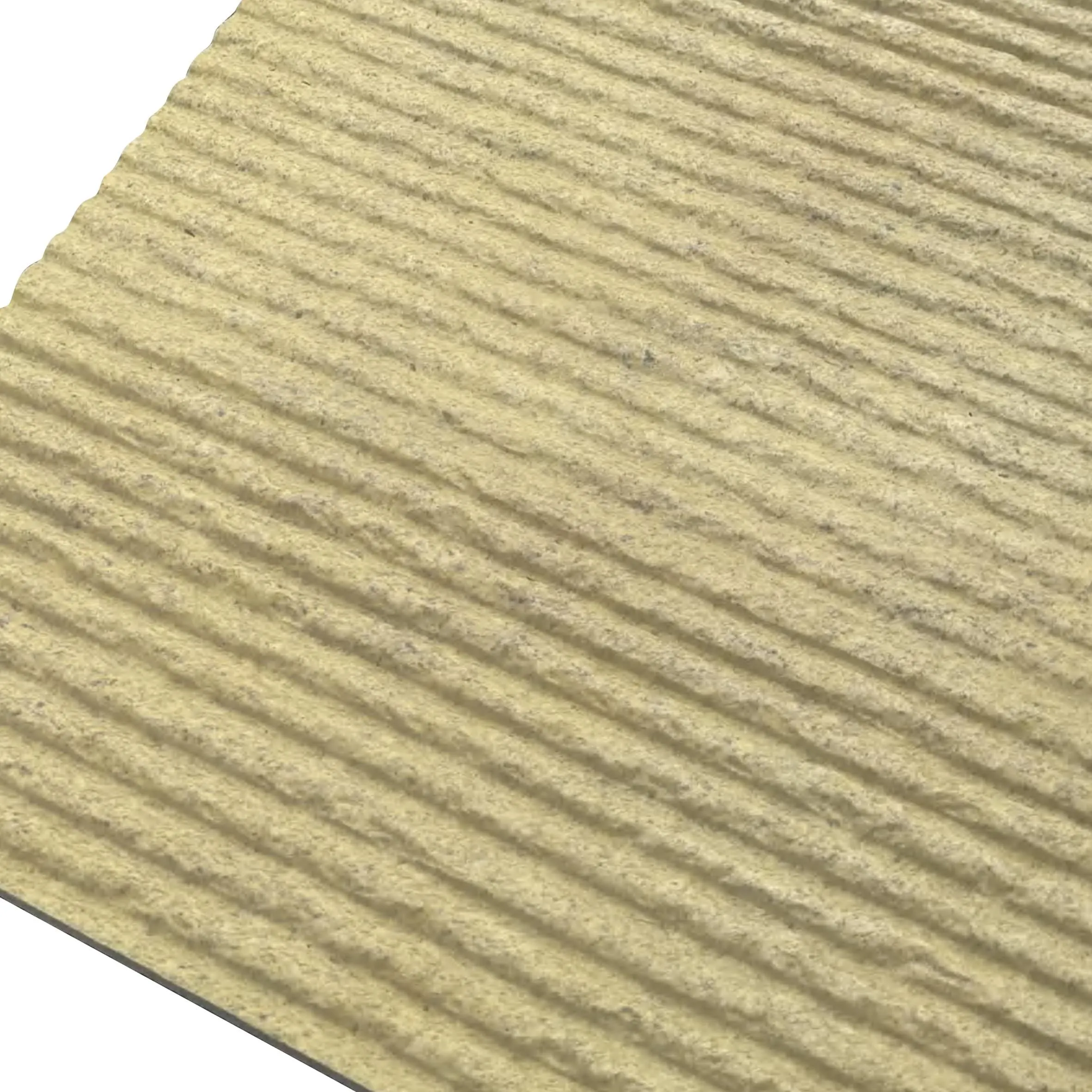
Fair-faced concrete has long been celebrated for its raw, industrial beauty, but achieving a consistent finish can be challenging. That's where our partnership with a German concrete manufacturer comes in. Specializing in precision molds and mixing techniques, they helped us develop a line of fair-faced concrete panels with textures that mimic everything from rough-hewn stone to smooth river pebbles. One of our most popular options is the "Linear Texture" panel, which features subtle horizontal grooves inspired by the lines of a topographical map. Creating this texture required custom-built molds, which the manufacturer designed and tested in collaboration with our design team. The result is a concrete panel that feels intentional, not accidental—industrial chic with a touch of artisanal flair.
At COLORIA GROUP, we believe that quality is a team sport. Our supplier partnerships are built on a foundation of shared standards, ensuring that every material that bears our name meets the highest benchmarks for durability, aesthetics, and sustainability. This starts with rigorous testing protocols that we've developed in collaboration with our partners. For Gravel Omani Stone, for example, we've established a 12-point quality checklist that includes compressive strength (minimum 25 MPa), water absorption (maximum 5%), and visual inspection for cracks or discoloration. Our Omani partners conduct these tests on-site before shipping, and we repeat them upon arrival at our distribution centers—an extra layer of assurance that gives our clients peace of mind.
Sustainability is also a key pillar of our quality control process. Many of our partners have adopted eco-friendly practices at our urging, from using solar-powered quarry equipment to recycling water used in stone washing. Our Italian partners, who supply Travertine (Starry Green), have even implemented a "zero-waste" policy: leftover stone offcuts are crushed into aggregate for use in concrete, and wastewater from polishing is treated and reused. These efforts not only reduce our collective environmental impact but also resonate with clients who prioritize sustainability in their projects.
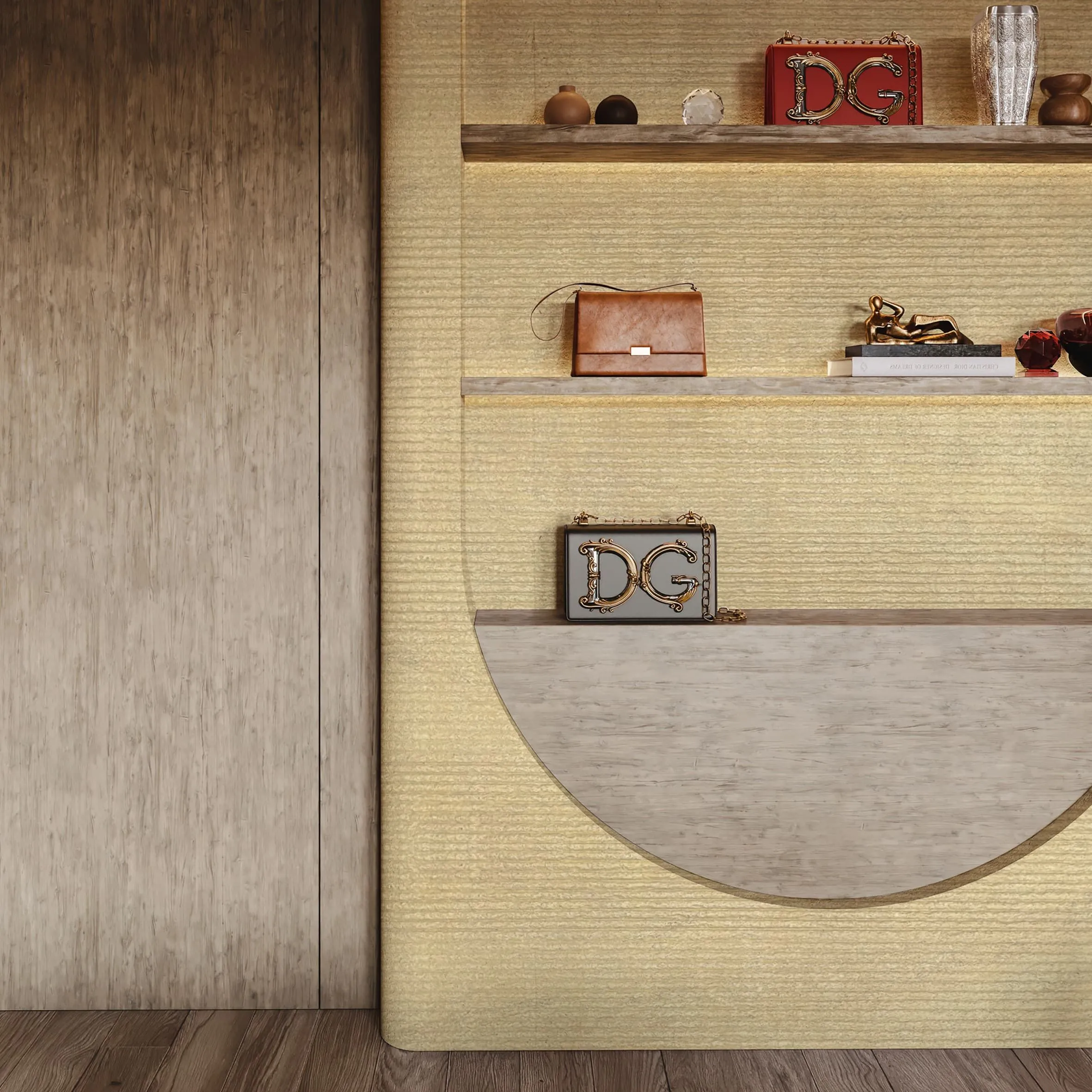
In 2023, COLORIA GROUP partnered with award-winning architect Zaha Hadid Architects on the Al-Mansoori Cultural Center in Muscat, Oman. The project called for a material that would honor Omani heritage while complementing the center's modern, flowing design. Gravel Omani Stone was the natural choice—and our long-standing partnership with the Omani quarry proved invaluable.
The center's signature feature is a 100-meter-long exterior wall made entirely of Gravel Omani Stone in the "Desert Wash" finish. To achieve the wall's curved silhouette, we needed stone panels that were both flexible and strong. Our quarry partners rose to the challenge, hand-selecting stone blocks with the ideal fault lines to ensure they could be split into thin, curved panels. They also worked closely with the construction team to deliver the stone in phases, aligning with the project's tight timeline.
But the partnership's impact extended beyond the material itself. The quarry team invited the center's curators to visit the quarry, sharing stories of how Gravel Omani Stone has been used in Omani architecture for centuries—from ancient forts to traditional mud-brick homes. These stories were incorporated into the center's exhibits, turning the building's exterior into a living museum of Omani craftsmanship. Today, the Al-Mansoori Cultural Center stands not just as a feat of design, but as a celebration of the partnership between COLORIA GROUP, our Omani suppliers, and the communities they represent.
As the design industry evolves, so too will our approach to supplier partnerships. We're currently exploring collaborations with startups specializing in 3D printing technology to expand our MCM 3D Printing Series, which could revolutionize custom stone fabrication by allowing designers to create intricate, one-of-a-kind patterns that were once impossible with traditional methods. We're also deepening our focus on circular economy practices, working with partners to develop take-back programs for stone waste, which can be recycled into new MCM Flexible Stone panels or aggregate for construction.
But no matter how technology advances, one thing will remain constant: our commitment to partnerships built on trust, respect, and shared purpose. Because at the end of the day, the materials we provide are more than just products—they're the result of people coming together to create something greater than themselves. Whether it's a slab of Gravel Omani Stone from Oman, a panel of MCM Flexible Stone from South Korea, or a piece of Lunar Peak Golden from China, each material carries with it the stories of the hands that crafted it and the partnerships that made it possible.
In a world that often prioritizes speed and cost over substance, COLORIA GROUP's global network of supplier partnerships is a reminder that the best materials are born from collaboration. From the sun-baked quarries of Oman to the high-tech labs of South Korea, these relationships infuse our products with quality, sustainability, and soul. Gravel Omani Stone isn't just a stone—it's a testament to the trust between a family-run quarry and a global team of designers. MCM Flexible Stone isn't just a composite—it's the result of scientists and craftsmen pushing the boundaries of what's possible. And the Lunar Peak Series isn't just a collection of colors—it's a dialogue between metallurgists and artists, exploring the intersection of nature and technology.
At COLORIA GROUP, we don't just supply materials—we build legacies. And we couldn't do it without the partners who share our vision: that the most beautiful spaces in the world are built not just with stone and concrete, but with trust, respect, and a shared passion for excellence. So the next time you run your hand over a piece of Gravel Omani Stone or marvel at the flexibility of MCM Flexible Stone, remember: behind every material is a story. And behind every story is a partnership.
Recommend Products












