
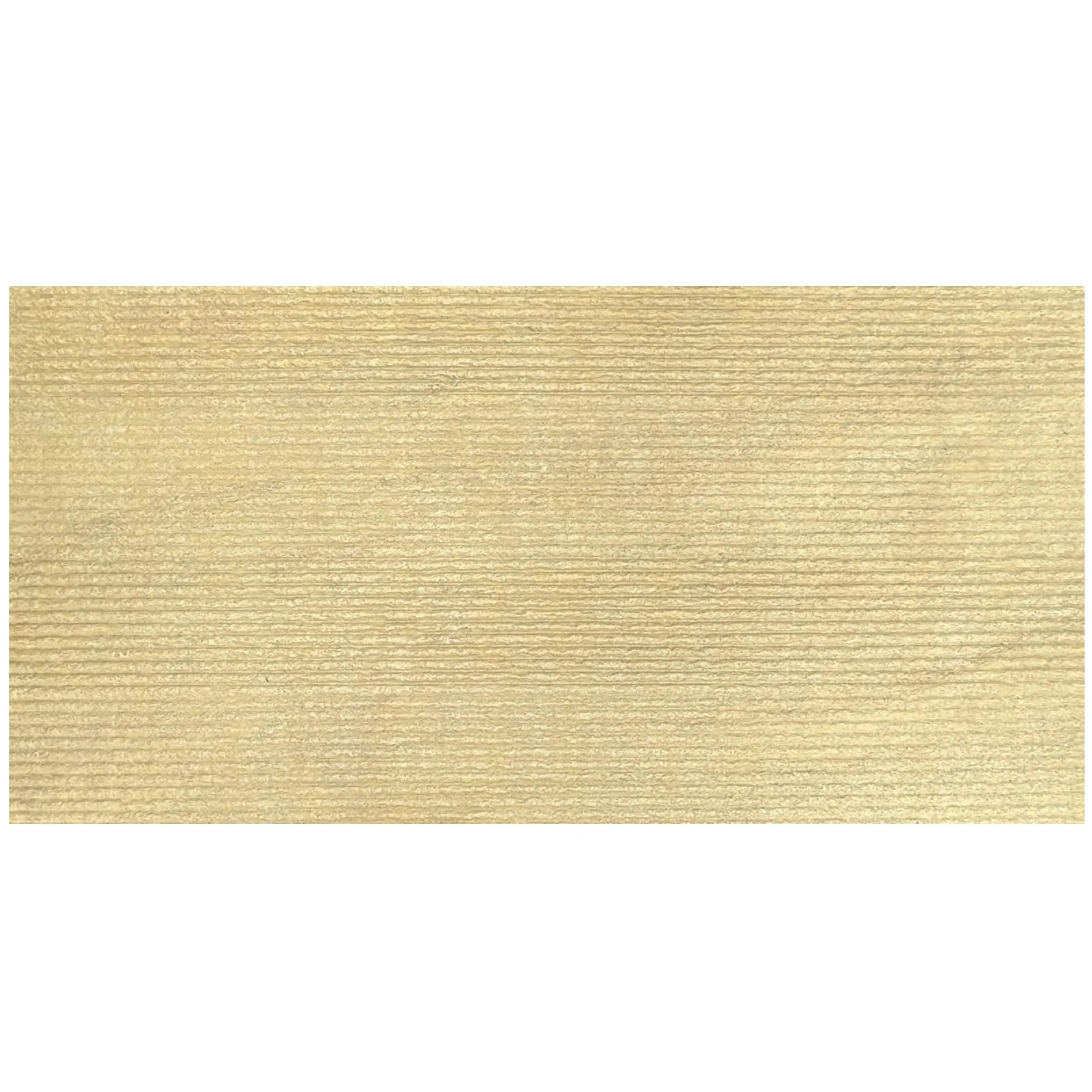
There's something almost magical about the way natural stone tells a story through its texture. Run your hand over a slab, and you're not just feeling rock—you're touching millions of years of geological history, compressed into a surface that can transform a room, a facade, or a landscape. Among the many stones that capture this essence, Gravel Omani Stone stands out for its unique blend of earthiness and versatility. Whether left in its raw, rugged state or polished to a smooth sheen, its texture has the power to evoke everything from desert serenity to modern luxury. In this article, we'll dive deep into the world of Gravel Omani Stone, exploring how its rough and polished finishes differ, where they shine, and why designers and homeowners alike keep coming back to this timeless material. Along the way, we'll also touch on how it compares to other innovative options like MCM flexible stone and fair-faced concrete, and even peek at a starry counterpart—travertine (starry blue)—to see how texture shapes design narratives.
To truly appreciate Gravel Omani Stone's texture, you have to start with its roots. Hailing from the arid landscapes of Oman, this stone is a product of the region's harsh, beautiful environment—think scorching sun, shifting sand dunes, and the slow, steady work of wind and water over millennia. What emerges is a material with a distinct personality: its surface is dotted with tiny gravel-like grains (hence the name), ranging in size from fine sand to small pebbles, embedded in a matrix of warm, earthy tones. Most commonly, you'll find shades of cream, beige, and soft gray, often with flecks of gold or terracotta that catch the light like hidden treasure.
Unlike some stones that feel uniform, Gravel Omani Stone is wonderfully inconsistent. No two slabs are exactly alike. One might have a heavier concentration of gravel, creating a bumpy, tactile surface, while another might be smoother, with grains scattered like stars across a night sky. This variability is part of its charm—it's a stone that feels alive, as if it still carries the energy of the desert from which it came. And while it's durable enough to stand up to heavy foot traffic and weather, it's also surprisingly porous, which plays a big role in how its finishes—rough or polished—behave.
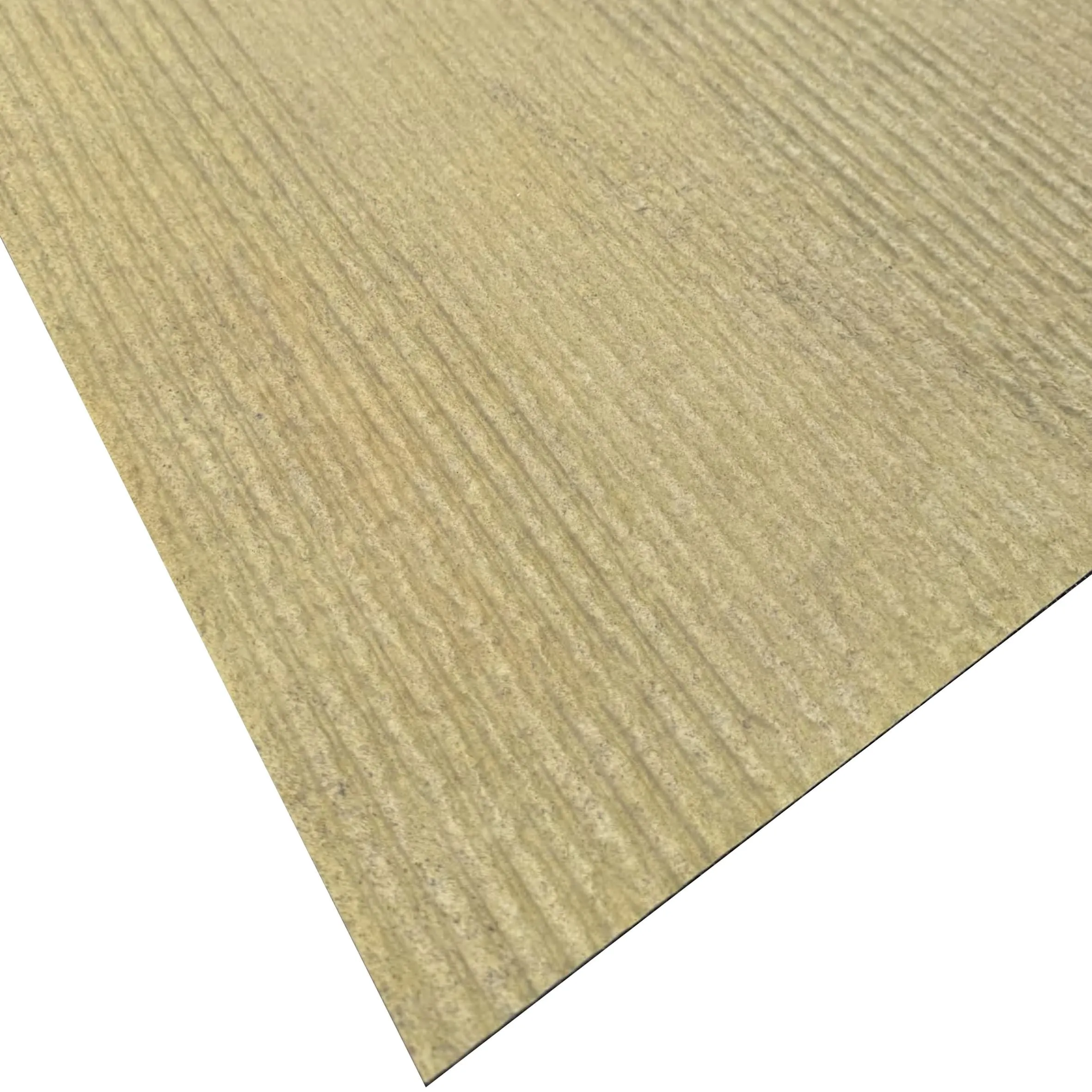
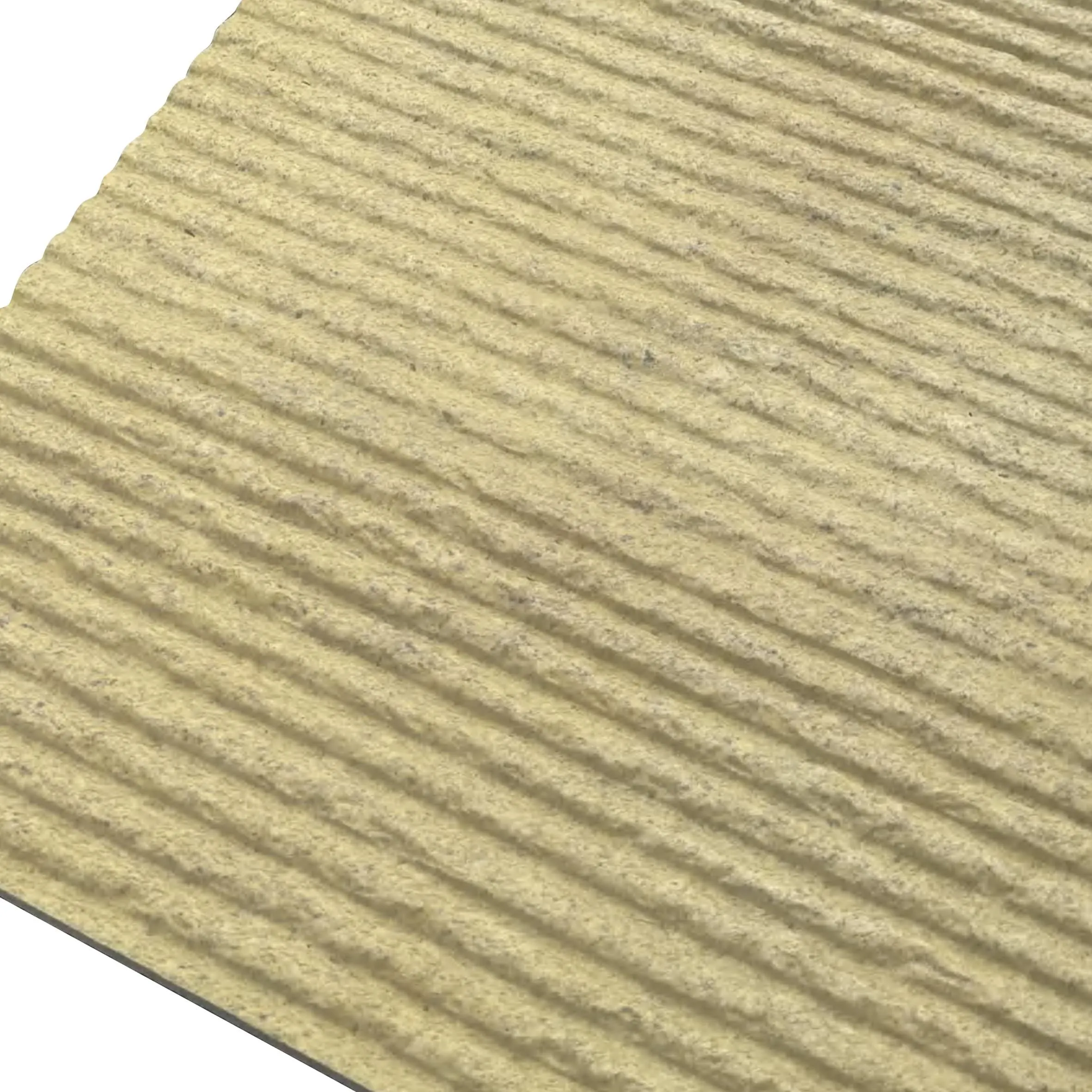
If Gravel Omani Stone were a character, its rough finish would be its "authentic self"—no filters, no frills, just pure, unadulterated texture. When left in its natural state (or minimally processed), the stone retains all the quirks of its formation. The surface is uneven, with the gravel grains protruding slightly, creating a tactile experience that's almost addictive. Run your fingers over it, and you'll feel every bump and groove; step on it barefoot, and you'll notice a gentle grip, as if the stone is grounding you to the earth.
Visually, rough Gravel Omani Stone leans into rustic, organic aesthetics. Its color palette is muted but warm, with the gravel grains adding depth through contrast. Think of a sunlit courtyard in Muscat, where the stone paving underfoot has been worn smooth in spots by generations of footsteps but still retains the rough edges that whisper of its origins. That's the vibe of rough-finished Gravel Omani Stone—it's honest, approachable, and deeply connected to nature.
So, when would you choose a rough finish? Outdoor spaces are a natural fit. Imagine a garden path lined with rough Gravel Omani Stone: rainwater beads on its porous surface, birds hop across its uneven texture, and at dusk, the setting sun turns its beige tones to honey. It's slip-resistant, too, making it ideal for pool decks or outdoor staircases where safety is key. Indoors, it shines in spaces that crave a "lived-in" feel—a rustic kitchen backsplash, a feature wall in a cabin-style living room, or even a bathroom floor that feels like a desert oasis. Designers love it for adding character without overwhelming a space; it's a texture that invites you to touch, to linger, to appreciate the beauty in imperfection.
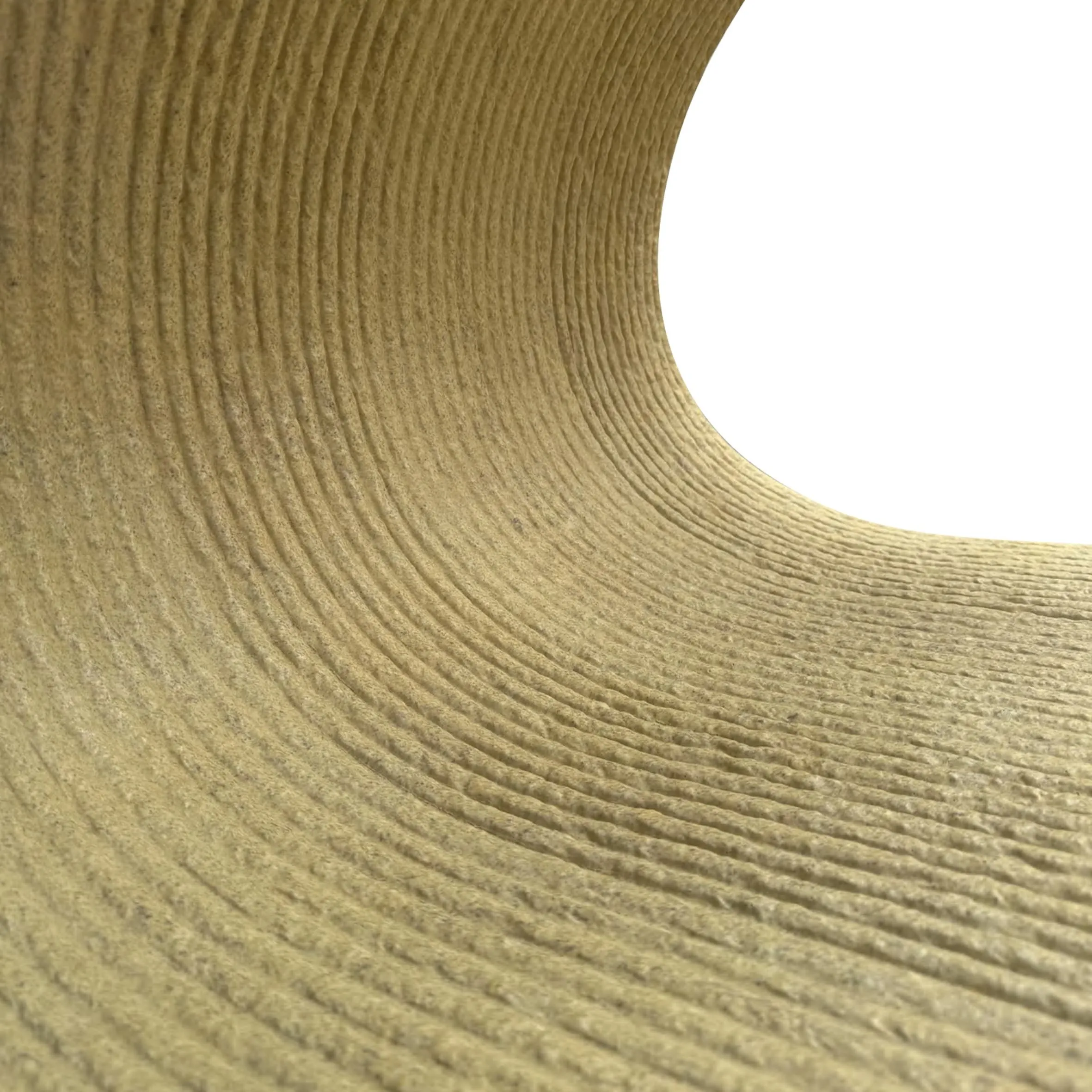
If rough Gravel Omani Stone is the desert at dawn—wild and untamed—polished Gravel Omani Stone is the desert at dusk: softer, more luminous, and full of subtle surprises. Polishing transforms the stone by grinding down its surface with progressively finer abrasives, until what's left is a smooth, almost glass-like finish. But here's the thing: even after polishing, Gravel Omani Stone doesn't lose its personality. The gravel grains are still there, now flattened slightly, creating a surface that shimmers with tiny, reflective points when light hits it. It's like looking at a starry sky—close up, you see the individual grains; from afar, they blend into a cohesive, radiant whole.
The color of polished Gravel Omani Stone also shifts. The muted beiges and grays deepen, with the gold and terracotta flecks becoming more pronounced. A polished slab might take on a warm, honeyed hue in direct light, or a cooler, silvery tone in shadow—adding a dynamic quality that keeps spaces feeling alive. And while it's smooth, it's not slippery (when properly sealed), making it suitable for indoor floors and countertops where both beauty and functionality matter.
Polished finishes are a favorite for spaces that call for elegance with a touch of earthiness. Picture a modern kitchen with sleek cabinetry and a Gravel Omani Stone countertop: the polished surface reflects the overhead lights, making the room feel brighter, while the stone's natural texture keeps it from feeling too cold or sterile. Or a hotel lobby with a feature wall clad in polished Gravel Omani Stone—guests pause, drawn to the way it catches the light, running their hands over its smooth surface and discovering the hidden gravel grains beneath. It's a texture that balances luxury with warmth, proving that polished doesn't have to mean impersonal.
| Finish Type | Texture & Feel | Color & Light Play | Best For | Maintenance Needs |
|---|---|---|---|---|
| Rough | Porous, uneven, tactile; gravel grains protrude slightly | Muted, earthy tones; grains add subtle contrast | Outdoor pathways, rustic interiors, pool decks | Seal annually to prevent staining; sweep/rinse regularly |
| Polished | Smooth, glass-like surface; grains flattened but visible | Deeper, more vibrant tones; grains reflect light for a shimmering effect | Kitchen countertops, feature walls, indoor floors | Seal every 2-3 years; wipe spills immediately; avoid acidic cleaners |
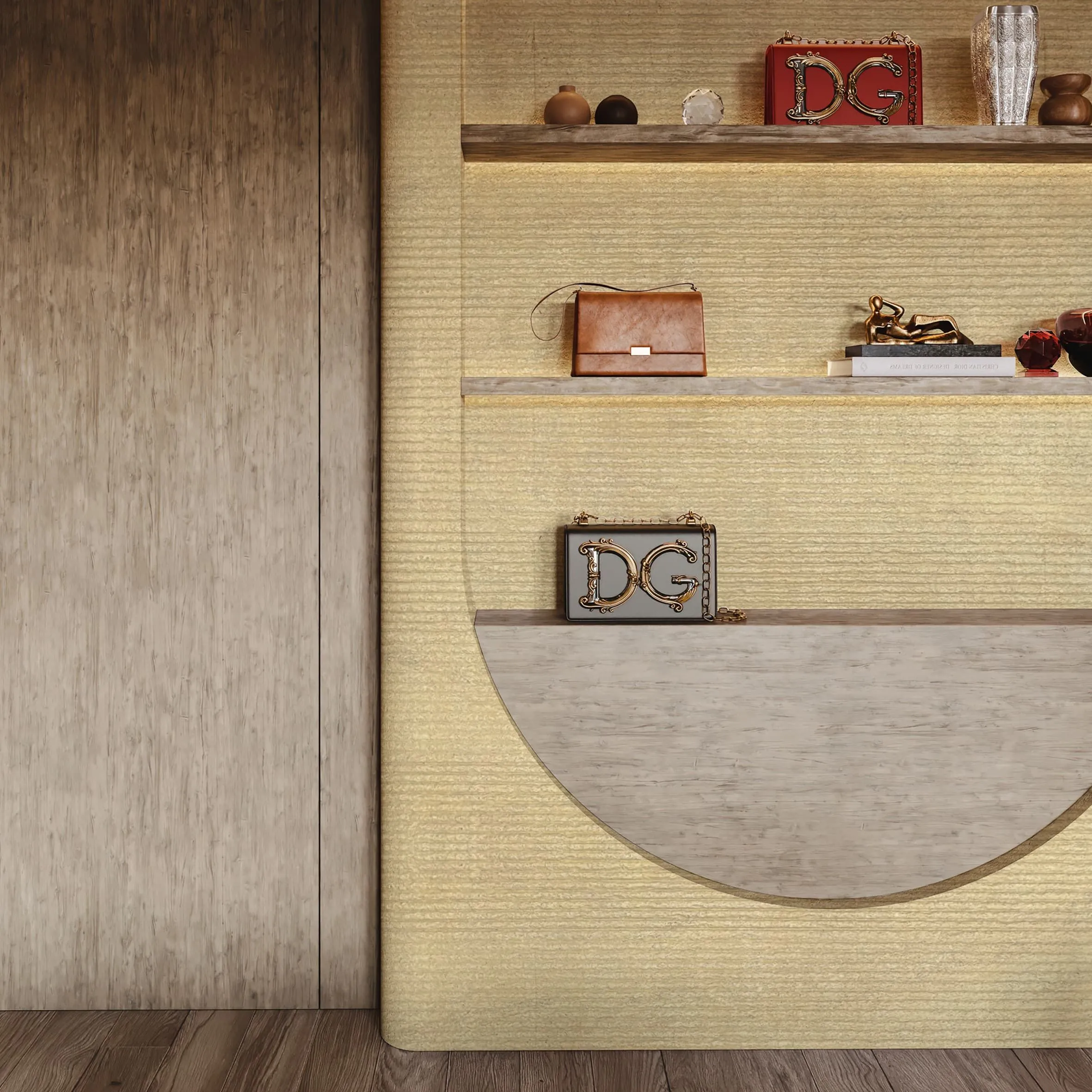
Gravel Omani Stone is a standout, but it's not the only player in the texture game. Let's take a moment to see how it compares to other materials that designers often turn to for texture-rich surfaces—starting with MCM flexible stone. If Gravel Omani Stone is the "old soul" of natural materials, MCM flexible stone is the innovative upstart. Made from modified composite materials, it's designed to mimic the look and feel of natural stone but with added benefits: it's lightweight, flexible (so it can bend around curves or irregular surfaces), and often more sustainable, as it uses recycled materials and reduces waste compared to quarried stone.
In terms of texture, MCM flexible stone can replicate the rough finish of Gravel Omani Stone surprisingly well—think matte, porous surfaces with grainy details—but it lacks the depth of a truly natural stone. There's a subtle uniformity to MCM that, while practical, doesn't quite capture the "story" of a stone formed over millennia. That said, for projects where weight or installation complexity is a concern (like high-rise facades or curved walls), MCM flexible stone is a smart alternative that still delivers on texture.
Then there's fair-faced concrete—a material beloved for its industrial, no-nonsense texture. Unlike Gravel Omani Stone's organic warmth, fair-faced concrete offers a cool, minimalist vibe, with visible aggregates and subtle variations in color (think soft grays and whites with a slightly rough, almost sandy feel). It's a great choice for modern spaces where "raw" is the goal, but it can feel stark compared to Gravel Omani Stone's inviting earthiness. Imagine pairing a fair-faced concrete wall with a Gravel Omani Stone floor: the contrast between the concrete's coolness and the stone's warmth creates a dynamic, balanced space that feels both contemporary and grounded.
And let's not forget travertine (starry blue)—a cousin to Gravel Omani Stone in the natural stone family but with a twist. Travertine is known for its pitted, porous texture, but the "starry blue" variant adds a whimsical touch: tiny, iridescent flecks that catch the light like stars in a midnight sky. Its texture is softer than Gravel Omani Stone, with smoother pits and a more uniform color base (deep blues with silver or gold highlights). It's a showstopper for accent walls or backsplashes, where its starry texture becomes a focal point—though it's less durable than Gravel Omani Stone, making it better suited for low-traffic areas.
Gravel Omani Stone's versatility is part of its appeal—it works in just about every design style, from bohemian to minimalist, and every space, from cozy homes to grand commercial buildings. Let's break down some of its most popular applications:
In homes, Gravel Omani Stone often takes center stage in living rooms and kitchens. A rough-finished stone fireplace surround, for example, becomes the heart of a family room, its texture complementing plush sofas and woven rugs. Polished Gravel Omani Stone countertops in the kitchen add a touch of luxury without feeling cold—imagine rolling out dough on its smooth surface or setting a vase of wildflowers on it, the stone's grains peeking through like little pieces of art. Bathrooms, too, benefit from its texture: a rough-finished shower floor provides grip underfoot, while a polished vanity top resists water spots and adds a spa-like feel.
Restaurants, hotels, and retail spaces love Gravel Omani Stone for its ability to set a mood. A boutique hotel lobby with a polished Gravel Omani Stone reception desk immediately feels upscale yet welcoming; guests can't help but reach out and touch it. A casual café might use rough-finished stone for its outdoor patio, creating a relaxed, Mediterranean-inspired vibe that makes patrons want to linger over coffee. Even offices are getting in on the trend—imagine a coworking space with a feature wall of rough Gravel Omani Stone, adding warmth to an otherwise sterile environment and sparking creativity in the process.
Outdoors, Gravel Omani Stone is a workhorse. Its rough finish makes it ideal for pathways that wind through gardens, where its earthy tones blend with greenery and flowers. Pool decks benefit from its slip resistance, ensuring safety even when wet. And for larger projects, like courtyard flooring or exterior facades, polished Gravel Omani Stone can elevate a building's curb appeal—imagine a modern home with a polished stone facade that shimmers in the sun, standing out against a backdrop of desert landscaping.
Like any natural material, Gravel Omani Stone needs a little love to keep looking its best. The good news? It's relatively low-maintenance, whether rough or polished. Here are some tips to keep its texture intact for years to come:
Gravel Omani Stone is more than just a building material—it's a texture that connects us to the earth, to history, and to the beauty of imperfection. Whether left rough to honor its desert origins or polished to reveal its hidden luminosity, it brings warmth, depth, and personality to every space it touches. In a world where so much feels mass-produced and uniform, Gravel Omani Stone stands out as a reminder that the most compelling textures are the ones with stories to tell.
So the next time you're designing a space, consider the texture of Gravel Omani Stone. Run your hand over its surface, feel the gravel grains, and imagine the desert winds that shaped it. Whether you choose rough or polished, you're not just adding a material—you're adding a narrative, one that will evolve and deepen with time. And isn't that what great design is all about? Creating spaces that feel alive, that grow with us, and that remind us of the beauty in the world around us.
Recommend Products












