


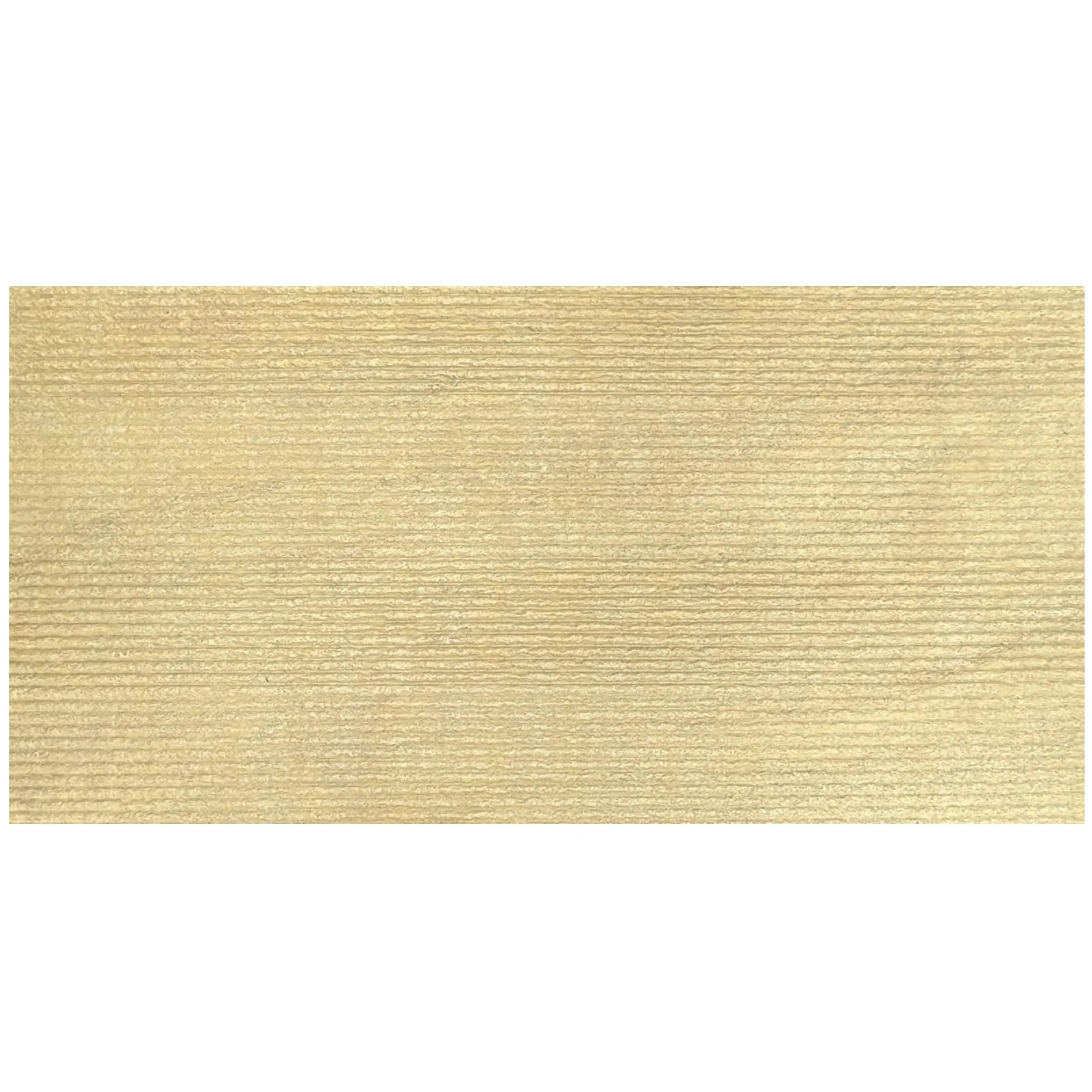
Walk into any thoughtfully designed space, and you'll notice it immediately—the materials don't just fill the room; they tell a story. The rough-hewn texture of a wall, the smooth coolness of a countertop, the subtle sparkle of a backsplash—each choice shapes how we feel, move, and connect with our surroundings. Among the many materials that bring spaces to life, Gravel Omani Stone stands out for its unique blend of rugged charm and understated elegance. But here's the thing: even the most beautiful stone can fall flat if its thickness isn't matched to its purpose. Let's dive into the world of Gravel Omani Stone thickness options, and how to pick the perfect size to turn your vision into a space that feels both intentional and alive.
What Makes Gravel Omani Stone Special?
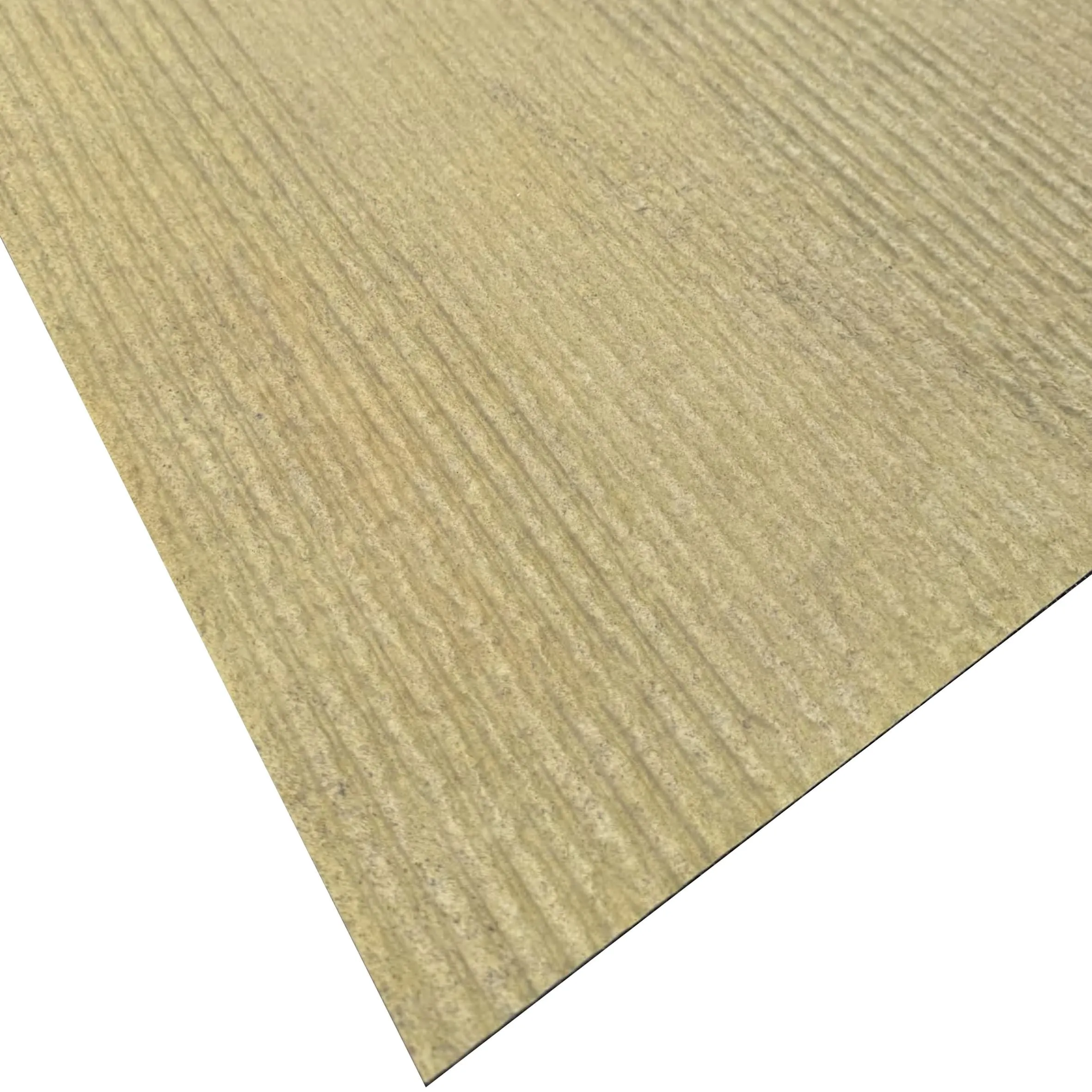
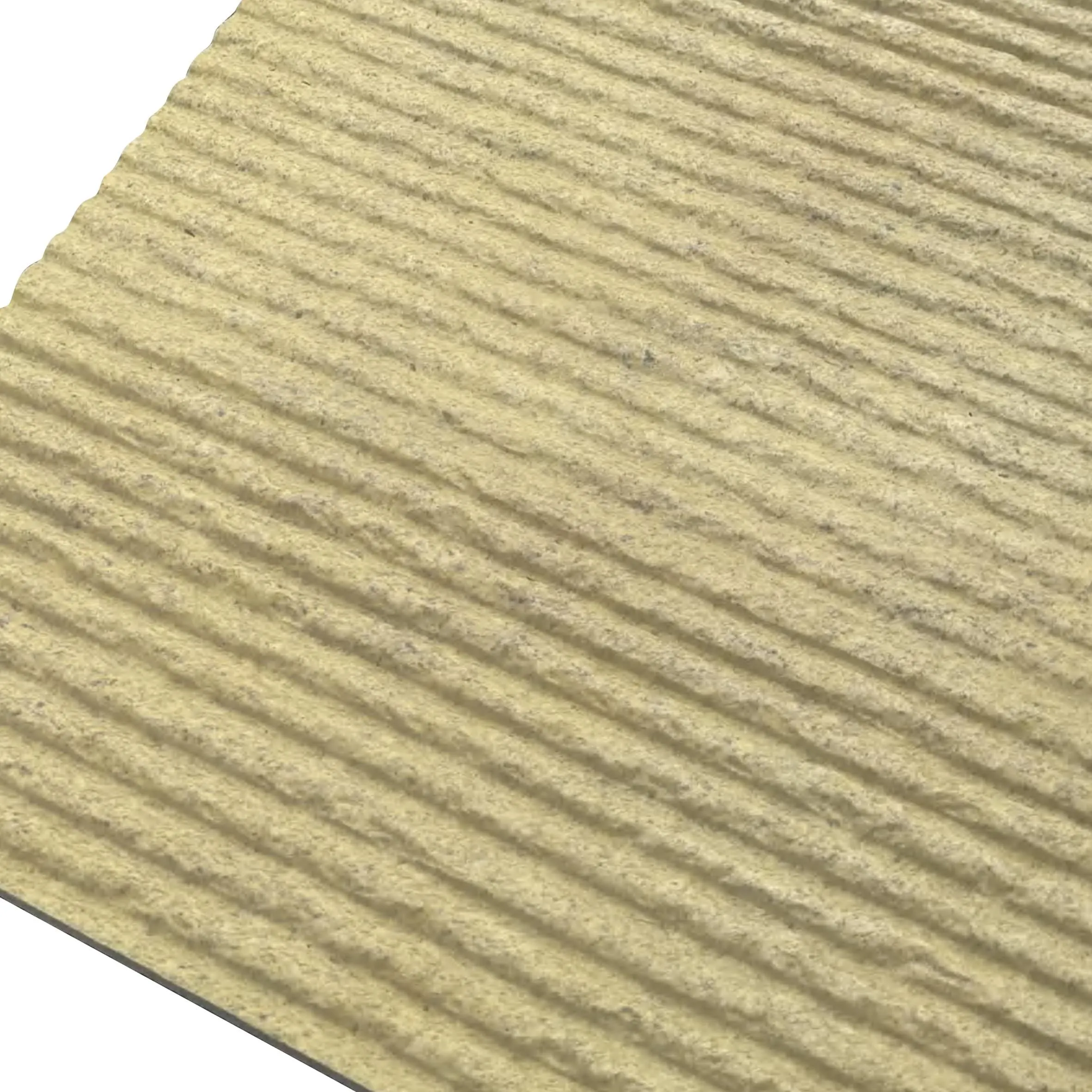
Before we get into thickness, let's take a moment to appreciate what makes Gravel Omani Stone a favorite among designers and homeowners alike. Sourced from the arid landscapes of Oman, this stone carries the essence of the desert—warm, earthy tones ranging from soft beiges to deep terracottas, flecked with tiny gravel particles that catch the light and add depth. Unlike polished marbles or uniform ceramics, Gravel Omani Stone wears its texture proudly; it's not just a surface, but a conversation starter. Run your hand over it, and you'll feel the history of the land it came from—a tactile experience that turns walls, floors, and facades into something more than just "materials."
But what truly sets it apart is its versatility. Whether you're aiming for a cozy rustic kitchen, a sleek commercial lobby, or an outdoor patio that blends with nature, Gravel Omani Stone adapts. It pairs beautifully with wood, metal, and even glass, making it a chameleon in the design world. And that's where thickness comes in: the right thickness ensures it not only looks good but holds up to the demands of daily life.
Why Thickness Matters: It's Not Just About Durability
At first glance, thickness might seem like a technical detail—something contractors worry about, not designers. But the truth is, thickness affects everything from how the stone feels underfoot to how it interacts with light, and even how easy it is to install. A stone that's too thin for a high-traffic floor might crack under pressure; one that's too thick for a wall could weigh down the structure. Thickness is the bridge between beauty and functionality, and getting it right means your space will look great and stand the test of time.
Let's break it down: Thicker stones (think 30mm and up) are denser and more resistant to impact, making them ideal for areas that see a lot of activity. Thinner stones (10mm to 20mm) are lighter and more flexible, perfect for accent walls, backsplashes, or spaces where weight is a concern (like over drywall). But it's not just about strength—thickness also changes the stone's visual presence. A 50mm slab on a fireplace hearth feels substantial, like a anchor in the room, while a 10mm sheet on a feature wall adds texture without overwhelming the space. It's all about balance.
Gravel Omani Stone Thickness Options: Finding Your Perfect Fit
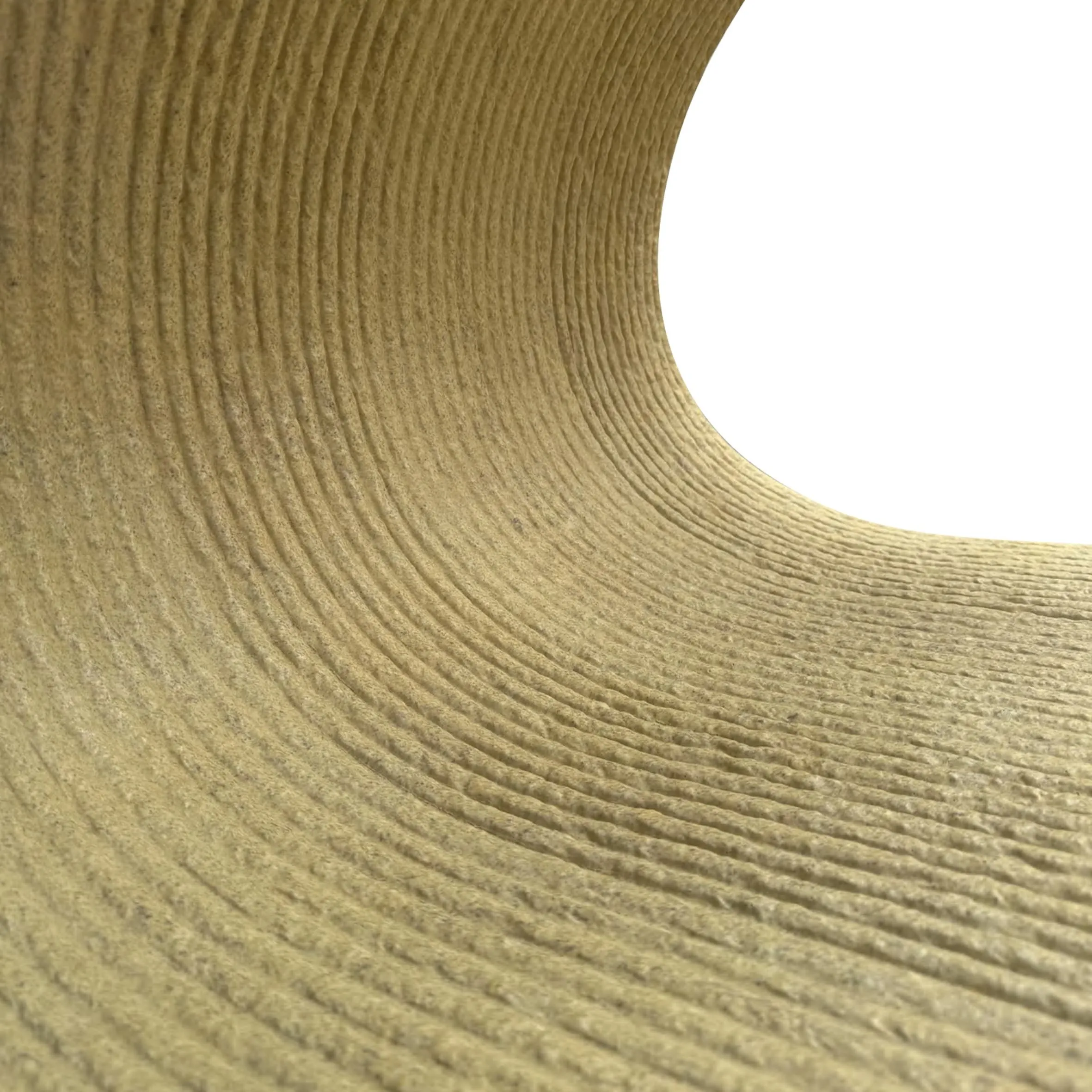
Gravel Omani Stone is available in a range of thicknesses, each tailored to specific needs. Let's walk through the most common options, and when to reach for each one.
| Thickness | Best For | Key Benefits | Things to Consider |
|---|---|---|---|
| 10mm – 15mm | Indoor accent walls, backsplashes, lightweight furniture tops | Lightweight (easy to install on drywall), cost-effective, versatile for creative designs | Not ideal for high-impact areas; may require a sturdy backing (like cement board) |
| 20mm – 25mm | Residential floors (low to medium traffic), bathroom walls, fireplace surrounds | Balances durability and weight; works well with underfloor heating systems | Avoid heavy furniture dragging directly on surface; use felt pads |
| 30mm – 40mm | Commercial lobbies, restaurant floors, outdoor patios (mild climates) | Highly durable, resistant to scratches and stains; stands up to foot traffic | Heavier (requires structural support for walls); professional installation recommended |
| 50mm+ | Outdoor walkways, pool surrounds, industrial spaces, statement fire hearths | Extreme durability; withstands weather, heavy machinery, and constant use | Requires specialized installation (may need mortar beds or reinforced framing); higher material cost |
10mm – 15mm: The Lightweight Storyteller
If you're dreaming of a feature wall that feels like a work of art, 10mm to 15mm Gravel Omani Stone is your go-to. Imagine a bedroom where one wall is clad in thin, overlapping sheets of this stone, its warm tones softening the room and adding texture without overwhelming the space. Or a kitchen backsplash that turns cooking into a sensory experience, with the stone catching the light as you chop vegetables. Because it's lightweight, it's easy to install on standard drywall (though we always recommend a cement board backing for extra security), making it a favorite for DIY enthusiasts and designers working on a budget.
Pro tip: Pair 10mm Gravel Omani Stone with bamboo mat board for a natural, organic vibe. The smoothness of bamboo balances the stone's grit, creating a space that feels grounded yet airy—perfect for a home office or reading nook.
20mm – 25mm: The Everyday Workhorse
For most homes, 20mm to 25mm is the sweet spot. It's thick enough to handle daily life—kids running around, pets chasing tails, the occasional dropped mug—without feeling. We recently worked with a family in Lisbon who used 25mm Gravel Omani Stone for their open-concept kitchen and dining floor. "We wanted something that felt like a hug," they told us, "but could also handle our Sunday pasta nights with the extended family." A year later, the stone still looks fresh, with only a few minor scratches that add to its character (pro tip: embrace those scratches—they're part of the stone's story).
This thickness also plays well with underfloor heating, a must in colder climates. The stone retains heat evenly, turning your floors into a gentle source of warmth during winter mornings. And if you're into mixing materials, try combining 25mm Gravel Omani Stone floors with wood grain board cabinetry. The wood adds warmth, while the stone keeps things grounded—think of it as a dance between nature's textures.
30mm – 40mm: The Commercial Champion
In busy commercial spaces, durability isn't just a nice-to-have—it's a necessity. That's where 30mm to 40mm Gravel Omani Stone shines. We visited a boutique hotel in Marrakech last year where the lobby floor was clad in 35mm slabs, and even with hundreds of guests walking through daily, the stone looked as vibrant as the day it was installed. "We chose Gravel Omani because it feels luxurious but isn't precious," the hotel manager explained. "Guests can drag their suitcases, kids can run, and we never have to worry about it looking worn."
This thickness is also great for outdoor spaces in mild climates. A café in Barcelona used 40mm Gravel Omani Stone for their patio, and it's held up beautifully against rain, sun, and the occasional spilled sangria. Just be sure to seal it annually to protect against moisture—more on maintenance later.
50mm+: The Heavy-Duty Hero
When you need a stone that can take a beating, 50mm+ is the way to go. Think industrial warehouses, outdoor walkways in busy parks, or pool surrounds where water, chlorine, and foot traffic are constant. We once helped design a community center in Dubai with a 50mm Gravel Omani Stone pathway leading to the entrance. It's been there for five years, through sandstorms and summer heatwaves, and it still greets visitors with the same warm, textured smile.
One thing to note: Installing 50mm+ stone isn't a weekend project. It requires structural support (especially for walls) and often a mortar bed to keep it stable. But for spaces that need to last decades, the investment is worth it.
What Factors Should You Consider When Choosing Thickness?
Now that you know the options, how do you decide which thickness is right for your project? Here are a few key questions to ask yourself:
1. Where will the stone be installed?
- Indoor walls: Thinner is better (10mm – 20mm) to avoid weighing down drywall.
- Indoor floors: 20mm – 30mm for residential, 30mm+ for commercial.
- Outdoor areas: 30mm+ to withstand weather and foot traffic.
- Fireplaces: 20mm – 30mm (heat-resistant and substantial-looking).
2. How much traffic will the area see?
A powder room that's used once a day can get away with 10mm stone, but a restaurant kitchen floor that's bustling from morning to night needs 30mm+. It's all about matching the stone's strength to the space's demands.
3. What's the climate like?
In areas with freeze-thaw cycles, thicker stone (30mm+) is better, as it's less likely to crack when water seeps in and expands. In hot, dry climates (like Oman itself!), thinner stone can work outdoors too, but be sure to seal it to prevent fading from UV rays.
4. What's your design style?
If you love minimalist, light-filled spaces, 10mm – 20mm stone keeps the focus on texture without adding visual weight. For a more rustic or industrial look, 30mm+ slabs make a bold statement. And if you're mixing styles—say, modern furniture with traditional architecture—try combining thicknesses: a 10mm accent wall with a 30mm hearth, for example.
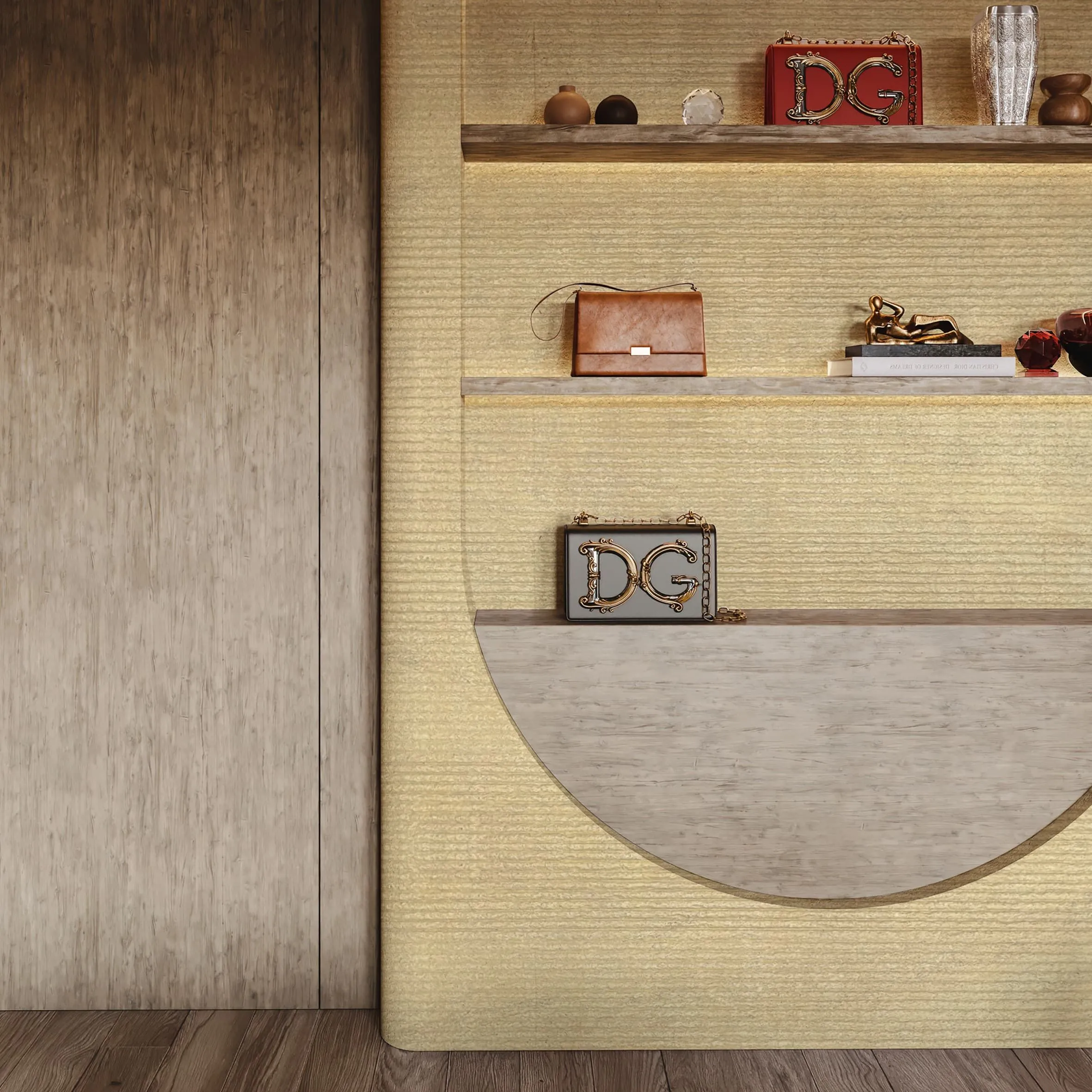
Pairing Gravel Omani Stone with Other Materials
One of the joys of working with Gravel Omani Stone is how well it plays with others. Let's look at a few materials from your keyword list that complement its texture and tone, and how thickness comes into play when mixing them.
Travertine (Starry Green) for a Cosmic Contrast
Imagine a bathroom where the shower walls are clad in 20mm travertine (starry green) —swirled with deep greens and tiny flecks that look like stars—and the vanity top is 25mm Gravel Omani Stone. The green adds a fresh, otherworldly vibe, while the Gravel Omani brings warmth and earthiness. It's a pairing that feels both exotic and grounded, perfect for a spa-like retreat.
Lunar Peak Silvery for Modern Elegance
For a sleek, modern living room, try 15mm lunar peak silvery panels on one wall (their metallic sheen adds a touch of glamour) and 20mm Gravel Omani Stone on the fireplace hearth. The contrast between the cool, smooth lunar peak and the warm, textured Gravel Omani creates visual interest without clashing. It's like pairing a silk blouse with a chunky knit cardigan—effortlessly chic.
Fair-Faced Concrete for Industrial Edge
Industrial design lovers, rejoice: 30mm Gravel Omani Stone floors paired with fair-faced concrete walls is a match made in heaven. The concrete's raw, utilitarian vibe plays off the stone's organic texture, creating a space that feels both tough and inviting. We saw this combo in a brewery in Berlin, and it worked beautifully—patrons leaned against the concrete bar, feet propped on the Gravel Omani floor, and no one wanted to leave.
Caring for Your Gravel Omani Stone: Thickness Matters Here Too
No matter the thickness, Gravel Omani Stone is relatively low-maintenance, but a little care goes a long way. Here's how to keep it looking its best:
- Thinner stones (10mm – 20mm): Avoid harsh cleaners with acid or bleach, as they can etch the surface. Stick to mild soap and water, and wipe up spills quickly to prevent staining.
- Thicker stones (30mm+): They can handle more scrubbing, but still, seal them annually (outdoors) or every 2–3 years (indoors) to protect against moisture and stains. For outdoor use, power washing on a low setting is safe, but avoid high pressure—you don't want to blast away the stone's natural texture.
- All thicknesses: Use furniture pads to prevent scratches, and sweep/vacuum regularly to keep grit from wearing down the surface over time.
Final Thoughts: Let Your Space Tell a Story
At the end of the day, choosing the right Gravel Omani Stone thickness isn't just about technical specs—it's about creating a space that feels true to you. Whether you opt for 10mm sheets that whisper texture or 50mm slabs that shout strength, remember: the best design is one that balances function and feeling. Gravel Omani Stone isn't just a material; it's a collaborator in bringing your vision to life. So take your time, consider your space's needs, and let the stone's natural beauty guide you. After all, the most memorable spaces aren't just built—they're felt.
Here's to creating spaces that tell your story—one textured, perfectly sized stone at a time.










