

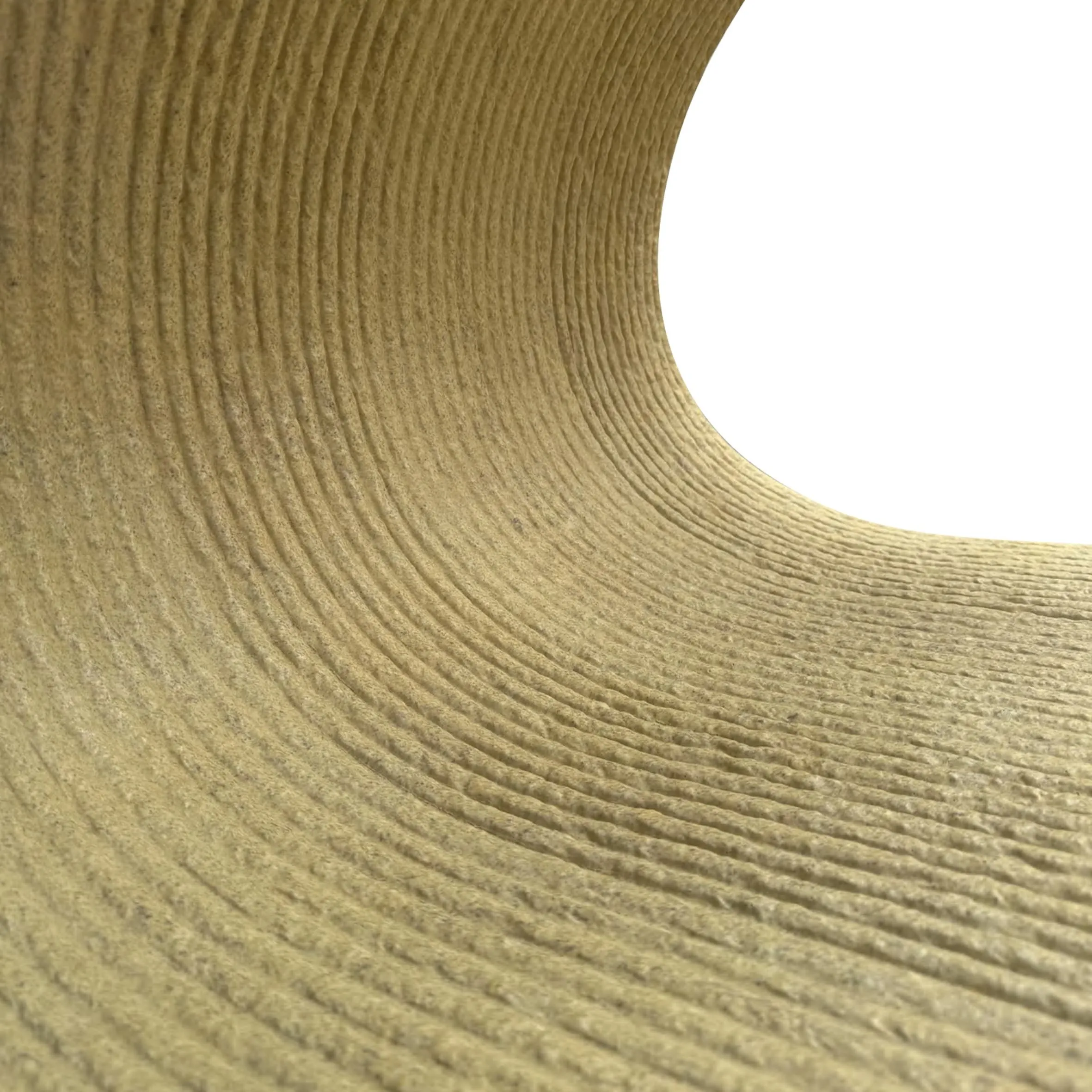
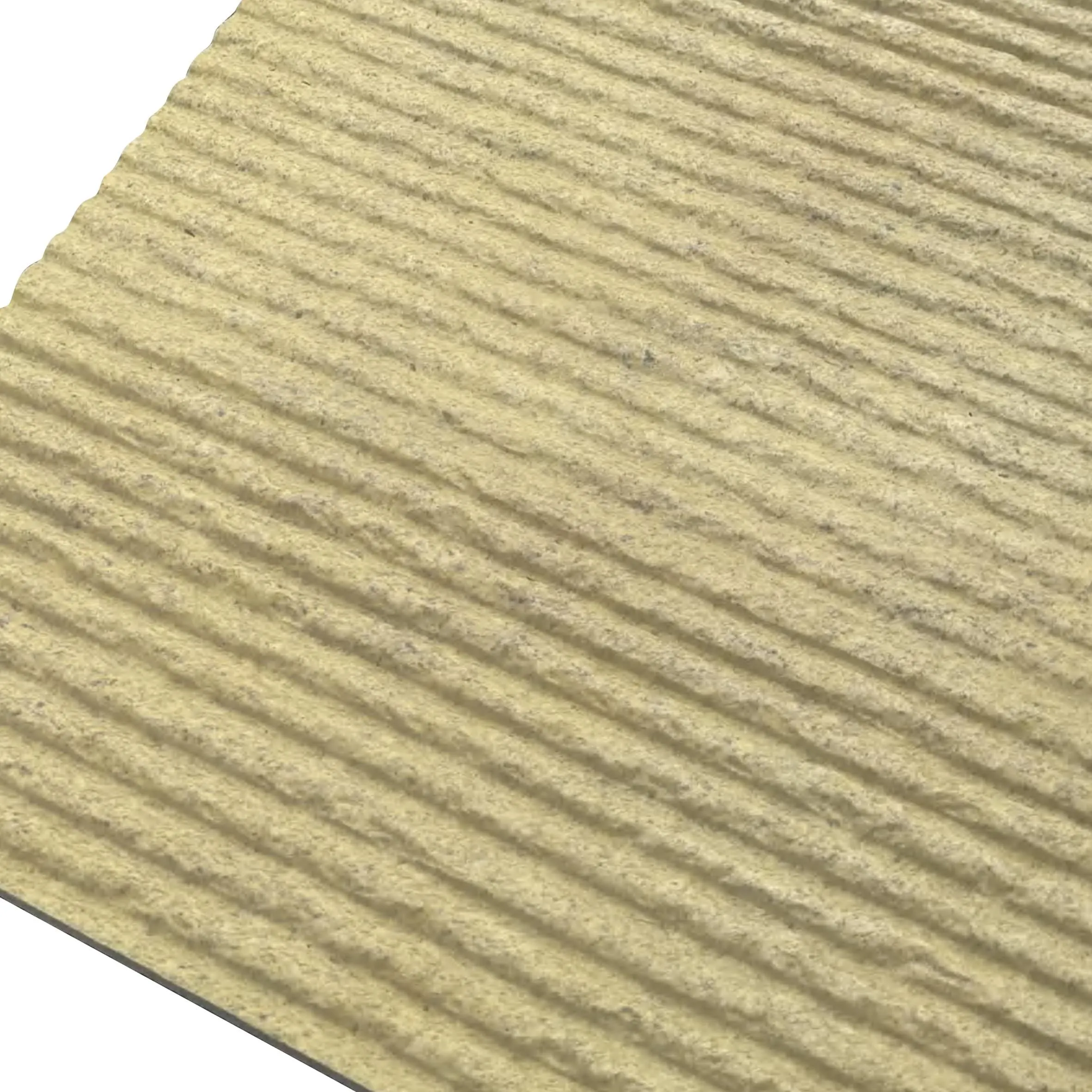
In the world of high-end construction, materials aren't just building blocks—they're storytellers. Gravel Omani Stone, a standout in the MCM (Modified Composite Material) product line, embodies this idea perfectly. Sourced from the rugged landscapes of Oman, this stone carries the earthy warmth of desert winds and the timeless elegance of ancient architecture, making it a favorite for projects aiming to blend tradition with modernity. Unlike brittle natural stones, Gravel Omani Stone benefits from MCM technology, which enhances durability while retaining a natural aesthetic—think of it as nature's beauty, reinforced by innovation. This balance has made it a staple in luxury hotels, commercial plazas, and residential complexes across continents, from Dubai's skyline to New York's urban renewal projects.
But what truly sets Gravel Omani Stone apart is its versatility. Whether paired with MCM Flexible Stone for dynamic facade designs or used as a standalone feature in interior flooring, it adapts to diverse architectural visions. For global construction firms, however, the journey from Oman's quarries to their job sites is as critical as the stone's quality itself. Logistics—the art and science of moving materials across borders—becomes the unsung hero that ensures this desert gem reaches its destination intact, on time, and within budget.
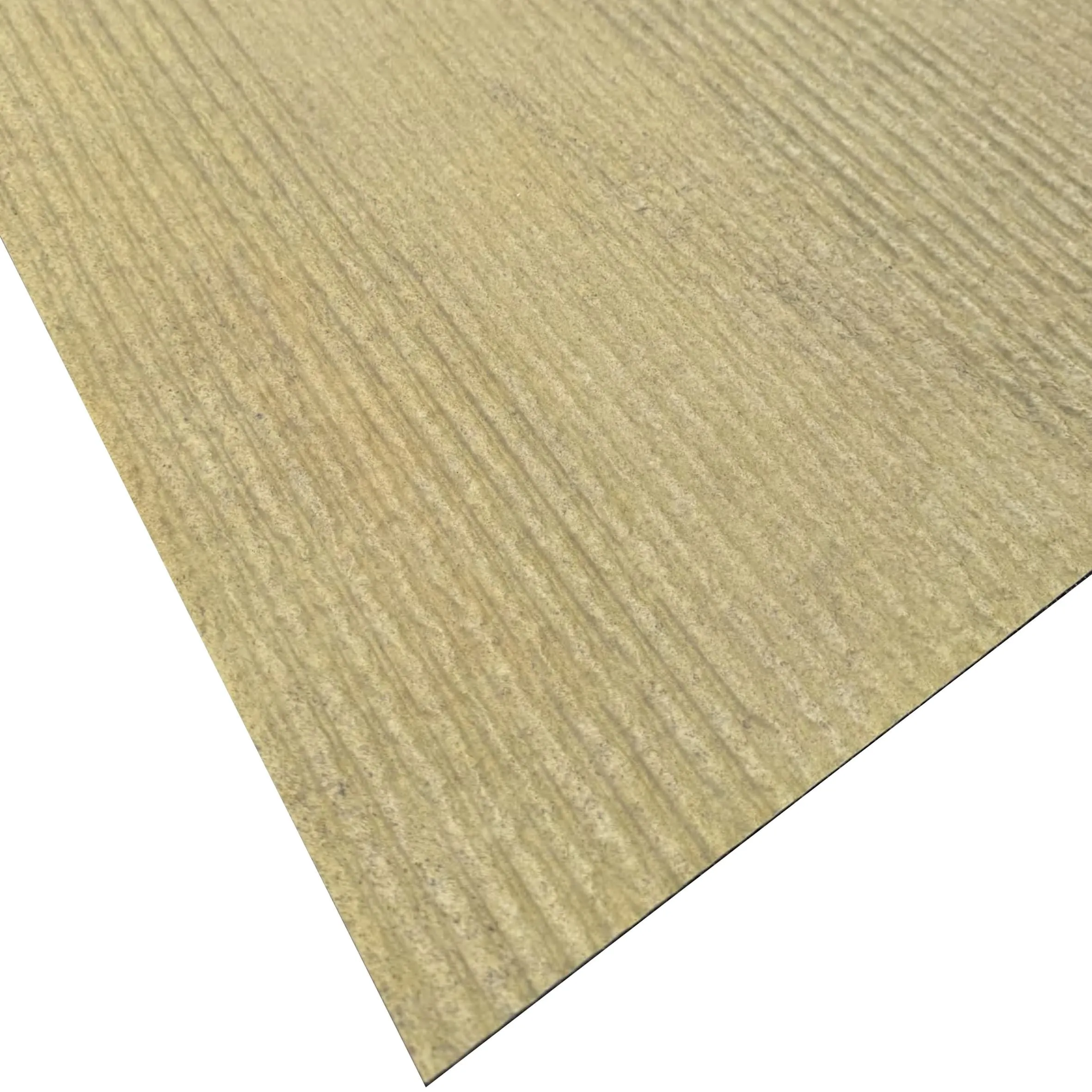
The demand for Gravel Omani Stone isn't just about aesthetics; it's about performance. In an industry where sustainability and longevity are non-negotiable, this stone ticks both boxes. Its low water absorption rate makes it ideal for humid climates, while its resistance to thermal expansion suits regions with extreme temperature swings. Add to that its compatibility with green building certifications, and it's no wonder Middle East Building Materials Suppliers are fielding orders from as far as Australia and Canada.
Consider the rise of "biophilic design"—the trend of bringing nature into urban spaces. Gravel Omani Stone, with its organic texture and warm color palette, becomes a bridge between indoors and outdoors. A recent survey by the International Construction Materials Association found that 68% of architects prioritize materials that "tell a geographic story," and Gravel Omani Stone, with its Omani heritage, delivers that narrative effortlessly. This global appetite, however, puts immense pressure on logistics networks to deliver not just a product, but an experience—one that preserves the stone's integrity from quarry to installation.
Transporting Gravel Omani Stone is no small feat. Imagine a material that's both delicate (thanks to its natural veining) and heavy (due to its composite density). Now, multiply that by thousands of units destined for a high-rise in Singapore or a resort in the Maldives. The challenges are as diverse as the destinations:
These challenges aren't unique to Gravel Omani Stone, but they're amplified by its status as a premium material. Clients paying top dollar for Omani stone expect perfection, leaving logistics teams with little room for error.
Success in transporting Gravel Omani Stone lies in meticulous planning. Let's break down the critical steps that turn a raw material into a finished construction element:
Packaging isn't just about wrapping stone—it's about engineering a protective cocoon. Most suppliers use a three-layer system: a foam cushion to absorb shocks, a moisture-resistant plastic film to prevent water damage, and a reinforced wooden crate with corner braces to withstand stacking. For larger orders, pallets are shrink-wrapped and labeled with handling instructions (e.g., "This Side Up," "Temperature Controlled"). This attention to detail reduces breakage rates from an industry average of 8% to under 2% for leading Global MCM Panel Exporters .
Not all shipments are created equal. A boutique hotel in Paris might need 500 sqm of Gravel Omani Stone for its lobby, while a mega-project in Dubai could require 10,000 sqm. The table below compares the most common transportation modes for Gravel Omani Stone:
| Transportation Mode | Cost | Speed | Capacity | Suitability for Gravel Omani Stone |
|---|---|---|---|---|
| Sea Freight | Lowest | Slow (2–5 weeks) | Highest (up to 10,000 sqm per container) | Best for large, non-urgent orders; requires climate-controlled containers for humid routes. |
| Land Freight | Moderate | Medium (3–7 days for regional destinations) | Medium (1,000–3,000 sqm per truck) | Ideal for neighboring countries (e.g., Oman to UAE, Saudi Arabia). |
| Air Freight | Highest | Fast (2–5 days) | Lowest (200–500 sqm per flight) | Reserved for urgent, small-batch orders (e.g., last-minute replacements for a high-profile opening). |
Paperwork might not sound glamorous, but it's the backbone of global logistics. For Gravel Omani Stone, key documents include a Certificate of Origin (proving Omani sourcing), a Material Safety Data Sheet (MSDS), and a Phytosanitary Certificate (to prevent pest transport). Middle East Building Materials Suppliers often partner with freight forwarders specializing in construction materials to navigate these requirements. In 2023, one major exporter reported a 40% reduction in customs delays after implementing a digital documentation system, which allowed real-time sharing of certificates with port authorities.
In 2024, a luxury high-rise in Singapore, the Azure Tower, specified Gravel Omani Stone for its 50th-floor sky lobby—a space designed to offer panoramic city views with a "desert-meets-ocean" aesthetic. The challenge? Transporting 2,500 sqm of stone from Oman to Singapore, with a tight 8-week deadline.
The logistics team opted for sea freight, using 20-foot climate-controlled containers to protect against Singapore's humid climate. To ensure on-time delivery, they scheduled weekly check-ins with the shipping line and pre-cleared customs documents via Singapore's TradeNet system. A hiccup arose when a container was delayed in Colombo due to port congestion, but real-time tracking allowed the team to reroute via a secondary vessel, arriving just 2 days behind schedule. The result? The Azure Tower's sky lobby, with its Gravel Omani Stone floors and MCM Flexible Stone accent walls, became a design highlight, featured in Architectural Digest Asia. This success story underscores why Global MCM Panel Exporters invest heavily in logistics expertise—it's not just about moving stone; it's about delivering on a client's vision.

Modern logistics isn't just about trucks and ships—it's about data. Today's top suppliers use IoT (Internet of Things) sensors in containers to monitor temperature, humidity, and shock levels in real time. If a container deviates from the ideal range (15–25°C for Gravel Omani Stone), an alert is sent to the logistics team, who can adjust conditions mid-route. Predictive analytics also play a role, with AI tools forecasting delays based on historical data (e.g., monsoon seasons in the Indian Ocean, port strikes in Europe). This tech-driven approach has reduced average transit times by 12% over the past five years.
Blockchain is another disruptor, offering immutable records of a stone's journey. Clients can scan a QR code on their shipment to view its origin, transportation route, and compliance certificates—transparency that builds trust. For Green Building Materials like Gravel Omani Stone, this traceability is crucial, as it allows projects to earn LEED or BREEAM credits for responsible sourcing.
Sustainability isn't a buzzword in construction—it's a mandate. Gravel Omani Stone, with its low carbon footprint during production (thanks to MCM's energy-efficient manufacturing), is already a green choice. But logistics can either enhance or undermine this advantage. Forward-thinking suppliers are now optimizing routes to reduce emissions—for example, using slow-steaming ships (which consume 30% less fuel) for sea freight or partnering with carbon-neutral trucking companies for land transport.
Another trend is circular logistics, where packaging materials are reused or recycled. Some suppliers now use biodegradable foam and crates made from sustainably sourced wood, aligning with the "cradle-to-cradle" philosophy of green building. For clients, this isn't just about meeting certifications—it's about aligning with their brand values. A recent report by McKinsey found that 72% of construction firms are willing to pay a 5–10% premium for materials with sustainable logistics, a trend that's only growing.
The future of transporting Gravel Omani Stone is shaped by two forces: increasing demand and evolving technology. As urbanization accelerates, especially in Asia and Africa, the need for premium construction materials will rise, pushing logistics networks to scale. We'll likely see more regional distribution hubs—for example, a warehouse in Dubai serving the Middle East, or one in Shanghai for East Asia—to reduce delivery times.
Autonomous shipping could also play a role. Companies like Maersk are testing self-navigating vessels, which could lower costs and improve reliability. For Gravel Omani Stone, this means even more precise delivery windows, allowing construction teams to plan with greater certainty. Additionally, 3D printing might disrupt traditional logistics—though MCM 3D Printing Series is already a reality, on-site printing of stone-like materials could reduce the need for long-distance shipping. For now, however, Gravel Omani Stone's unique aesthetic ensures it will remain a globally traded commodity, with logistics as its silent partner.
Gravel Omani Stone is more than a construction material—it's a symbol of how global collaboration shapes our built environment. From Oman's quarries to skyscrapers in Tokyo, from desert landscapes to coastal resorts, its journey is a testament to human ingenuity. And at every step of that journey, logistics ensures the stone arrives not just as a product, but as a promise—of quality, sustainability, and beauty.
For Middle East Building Materials Suppliers and Global MCM Panel Exporters , logistics isn't an afterthought; it's a strategic advantage. In a world where clients demand both premium materials and seamless delivery, the ability to move Gravel Omani Stone efficiently and safely becomes a differentiator. As we look to the future, one thing is clear: the story of Gravel Omani Stone is as much about the roads, ships, and technology that carry it as it is about the stone itself. And in that story, logistics is the unsung hero, turning desert stone into global landmarks.
Recommend Products












