
Walk into any space—whether it's a cozy café, a towering office building, or a centuries-old temple—and the walls, floors, and facades around you are more than just barriers. They're stories. Stories of material choices, of trade-offs between beauty and brawn, and of the invisible backbone that keeps everything standing: structural integrity. For architects, builders, and designers, few decisions carry as much weight as selecting the right building material. Today, we're diving into two contenders that often find themselves in this spotlight: the timeless Gravel Omani Stone and the innovative world of composite panels, with a focus on MCM flexible stone and the minimalist fair-faced concrete . Let's unpack their strengths, weaknesses, and the real-world scenarios where each truly shines.
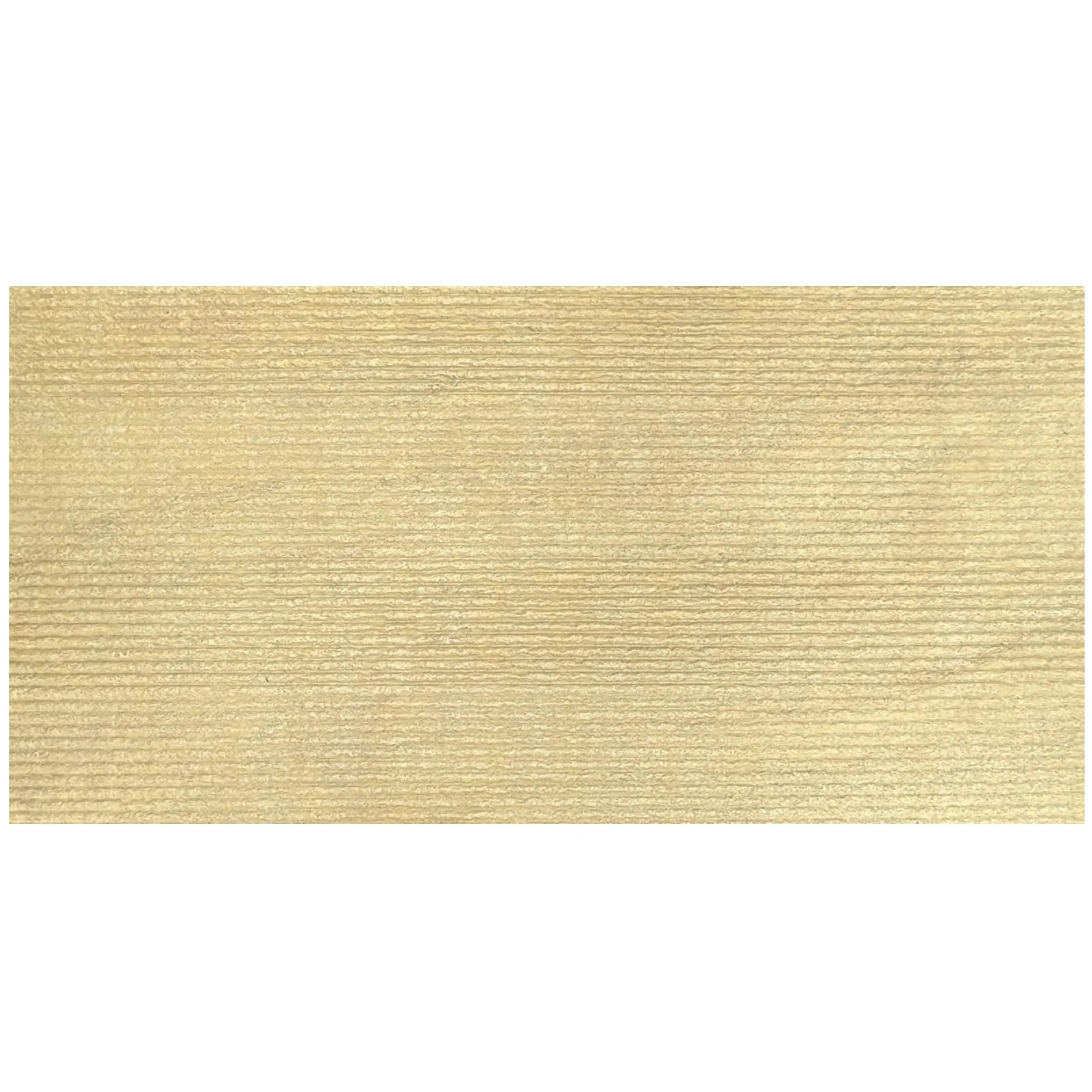
Imagine standing in the deserts of Oman, where the sun beats down on landscapes shaped by millennia of wind and time. It's here that Gravel Omani Stone is born—not in a factory, but in the slow, patient hands of nature. Formed from layers of sedimentary rock compressed over centuries, this stone is a mosaic of pebbles, gravel, and mineral matrix, each piece telling a story of ancient rivers and shifting sands. Its surface, rough yet warm, carries the texture of the earth itself, making it a favorite for designers craving authenticity.
At its core, structural integrity is about resilience—the ability to withstand pressure, time, and the elements. Gravel Omani Stone excels here, thanks to its unique composition. Let's break it down in simple terms:
For all its strengths, Gravel Omani Stone isn't without challenges. Its weight—around 25-30 kg per square meter—requires robust foundations. In high-rise construction, where every kilogram adds stress to the building's frame, this can limit its use. Installation is also labor-intensive; each slab must be cut, shaped, and laid with precision, driving up costs and timelines. And while it ages gracefully, repairs can be tricky—matching the unique gravel pattern of old stone with new pieces often proves difficult, leaving visible "scars" if not done carefully.
Despite these hurdles, Gravel Omani Stone remains a staple in projects where longevity and character are priorities. Historic renovations, luxury villas, and cultural centers often lean on it for exterior facades and interior feature walls. In Oman, it's used in everything from traditional forts to modern palaces, a nod to both heritage and strength. As one Omani architect put it: "You don't just build with this stone—you build into history."
If Gravel Omani Stone is nature's masterpiece, composite panels are humanity's clever response: why rely on one material when you can blend the best of several? Composites are engineered by combining two or more components—think stone particles bonded to aluminum, or cement reinforced with fibers—to create a material that's stronger, lighter, or more flexible than its parts. Today, we're focusing on two stars of this category: MCM flexible stone and fair-faced concrete .
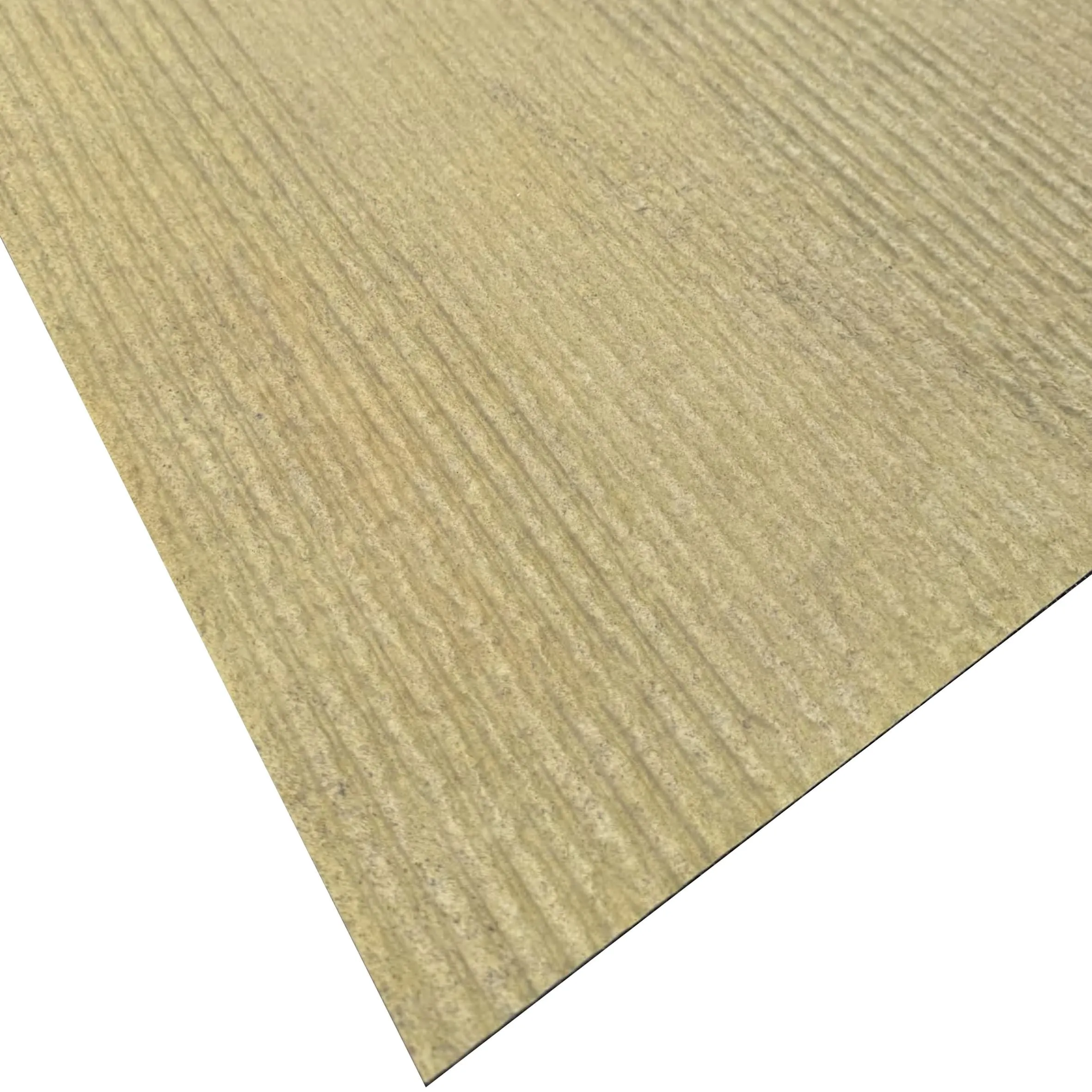
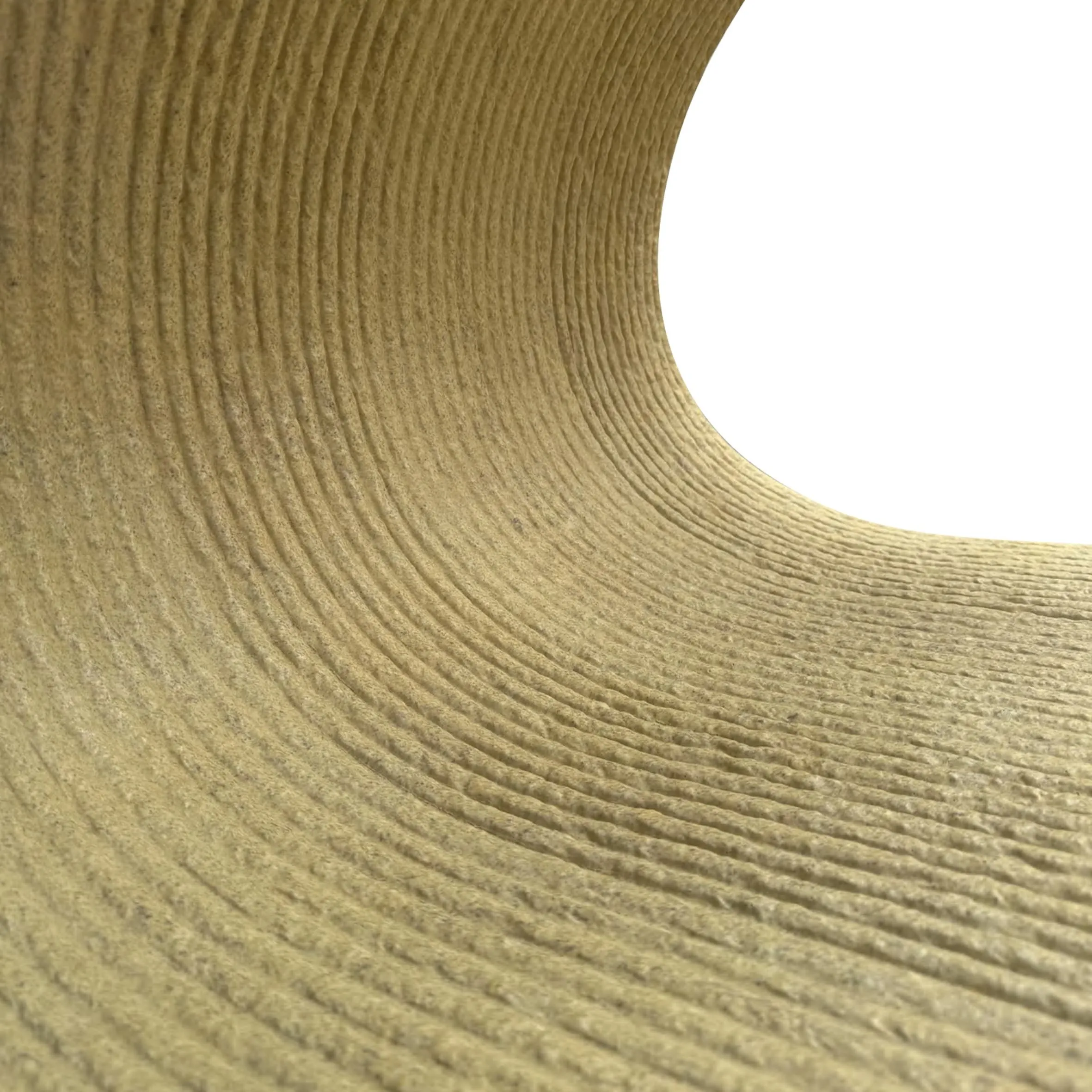
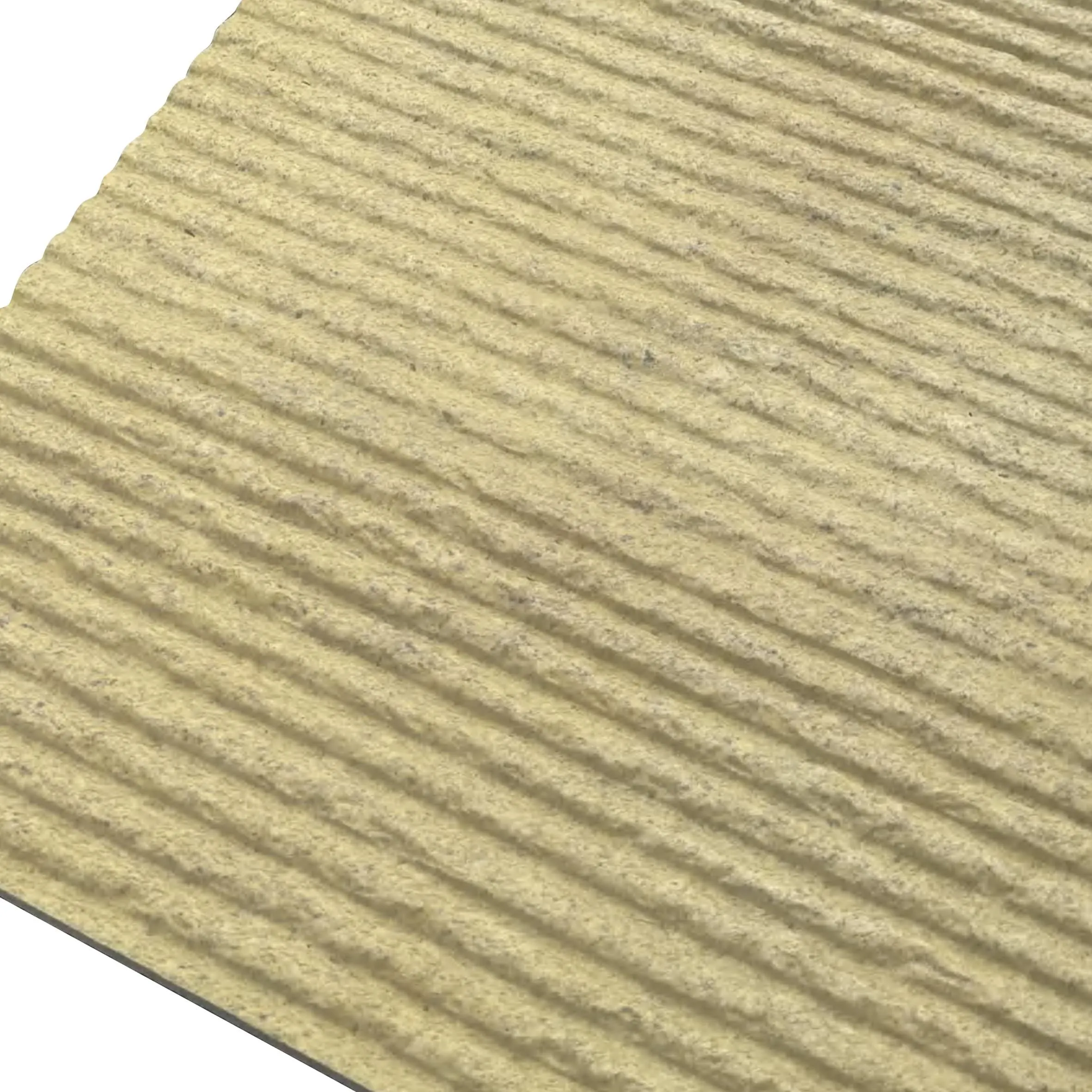
Modified Composite Material (MCM) flexible stone is a modern marvel. Imagine taking the aesthetic of natural stone—say, the texture of travertine (starry green) —and sandwiching it between layers of lightweight backing (like aluminum or fiberglass). The result? A panel that's thin (3-6mm), flexible, and surprisingly tough. It's the material equivalent of a Swiss Army knife: adaptable, efficient, and full of surprises.
MCM's Achilles' heel? Longevity. While it's durable (manufacturers typically warranty it for 15-20 years), it can't match the centuries-long lifespan of Gravel Omani Stone. The adhesive bonding its layers may degrade over time, especially in extreme UV exposure, leading to peeling or discoloration. And while it's low-maintenance, repairs often mean replacing entire panels, which can be costly if the color or texture is discontinued.
For those who crave "less is more," fair-faced concrete delivers. Stripped of paint or cladding, its raw, industrial look has made it a darling of modern architecture. But don't let its simplicity fool you—this composite is a structural powerhouse. Made by mixing cement, aggregates, and water, and often reinforced with steel rebar, it's designed to be both functional and beautiful.
Concrete is prone to cracking, especially if not properly reinforced or cured. These cracks, while often cosmetic, can let in moisture over time, weakening the structure. Its thermal mass—great for insulation in some climates—can also make interiors feel cold in winter, requiring extra heating. And let's not forget its carbon footprint: cement production is energy-intensive, a concern for eco-conscious builders.
To truly understand these materials, let's pit them against each other in the categories that matter most to builders and designers. The table below breaks down key metrics for Gravel Omani Stone, MCM flexible stone, and fair-faced concrete:
| Metric | Gravel Omani Stone | MCM Flexible Stone | Fair-Faced Concrete |
|---|---|---|---|
| Compressive Strength (MPa) | 40-60 | 35-50 | 30-50 |
| Weight (kg/m²) | 25-30 | 8-12 | 20-25 |
| Durability (Lifespan) | 50+ years | 15-20 years | 30-40 years |
| Installation Complexity | High (labor-intensive, heavy lifting) | Low (lightweight, pre-cut panels) | Medium (requires skilled pouring/curing) |
| Cost (Average per sqm) | $80-$120 | $50-$80 | $30-$50 |
| Sustainability | High (natural, minimal processing; but extraction impacts ecosystems) | Medium (recyclable backing, but adhesives may contain chemicals) | Low (high carbon footprint from cement production) |
Numbers tell part of the story, but real-world context is where the decision truly comes alive. Let's explore a few scenarios:
The client wants to preserve the building's 19th-century charm while updating its structural safety. Gravel Omani Stone is a no-brainer here. Its earthy texture complements the hotel's traditional architecture, and its 50+ year lifespan ensures it will age alongside the building's legacy. The higher cost? Justified by the value of preserving history.
Speed, weight, and modern aesthetics are priorities. MCM flexible stone takes the lead. Its lightweight panels reduce strain on the foundation, allowing for faster construction, and its ability to mimic textures like travertine (starry green) adds visual interest without the bulk. Fair-faced concrete might also play a role here, used for internal columns and floors where minimalism and cost-efficiency matter.
With limited funds, the focus is on durability and affordability. Fair-faced concrete steps up. It's strong enough for daily foot traffic, fire-resistant for safety, and its raw look fits the center's "community-first" vibe. While it may lack the warmth of stone, its $30-$50 per sqm price tag frees up budget for other amenities like playgrounds or libraries.
At the end of the day, structural integrity isn't just about MPa or kg/m². It's about trust. Trust that the walls around your family won't crumble, that the office where you work will stand for decades, and that the spaces we build today will serve tomorrow's generations. Gravel Omani Stone inspires trust through tradition—its centuries of performance speak for themselves. Composite panels like MCM flexible stone and fair-faced concrete earn trust through innovation, proving that human ingenuity can sometimes outsmart nature (or at least collaborate with it).
Consider the words of a veteran builder I spoke with recently: "I've laid Gravel Omani Stone in palaces and MCM panels on hospitals. The best projects don't pick one material—they blend them. Use stone for the lobby, where people touch and feel history, and composites for the upper floors, where weight and cost matter. It's not about which is better. It's about which is right for the story you're trying to tell."
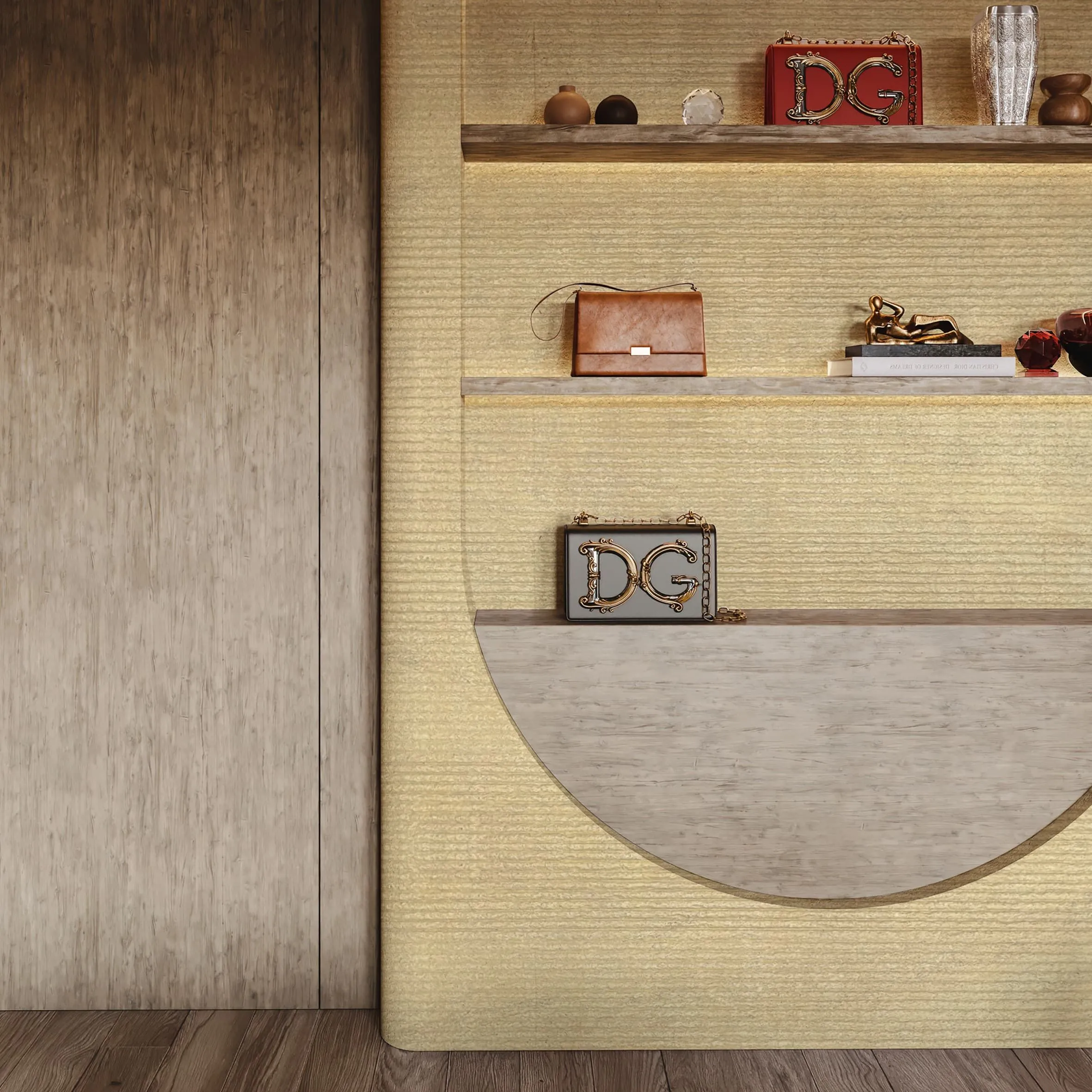
Gravel Omani Stone and composite panels like MCM flexible stone and fair-faced concrete aren't rivals. They're tools, each with a superpower. Gravel Omani Stone is the wise elder—strong, resilient, and full of character—perfect for projects where legacy and texture take center stage. Composite panels are the energetic innovators—lightweight, versatile, and quick to adapt—ideal for modern, high-rise, or budget-sensitive builds.
So, the next time you walk into a building, take a moment to feel the walls. Is it the rough warmth of natural stone, telling tales of ancient earth? Or the smooth precision of composites, whispering of human progress? Either way, remember: the best structures aren't just built with materials—they're built with intention. And in that intention, structural integrity finds its truest form.
Recommend Products












