
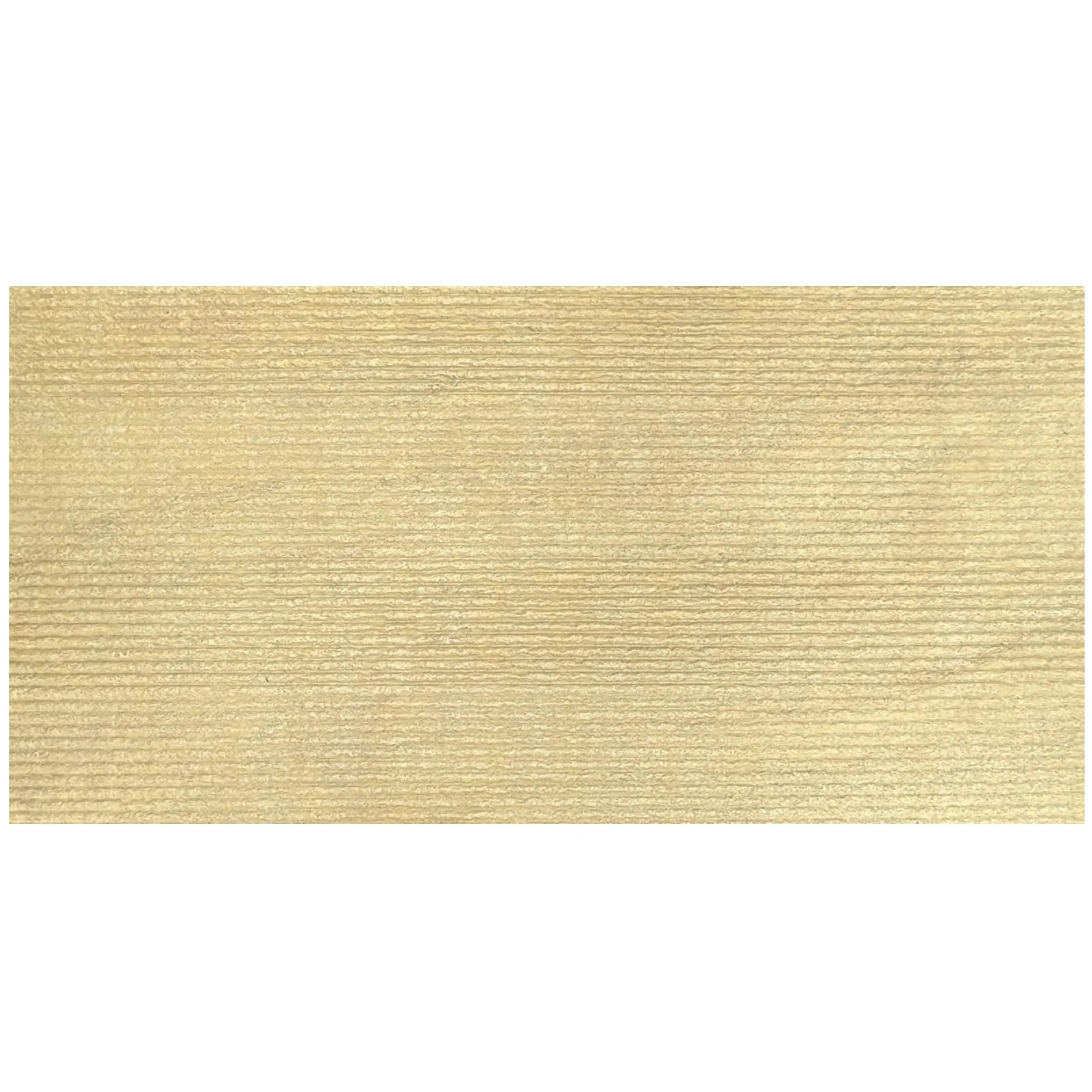
In an era where every choice echoes through the planet's ecosystems, the materials we use to build our homes, offices, and public spaces carry more weight than ever. We're no longer just selecting surfaces for their beauty or cost—we're asking: What story does this material tell? How does it treat the earth? And will it leave a legacy we can be proud of? Today, two contenders stand out in the world of sustainable construction: the rugged, time-honored Gravel Omani Stone and the sleek, innovative Engineered Stone. Each has its own narrative, its own impact, and its own place in the future of green building materials. Let's dive into their stories, measure their footprints, and uncover which might align with the values of builders, designers, and homeowners who care as much about the planet as they do about aesthetics.
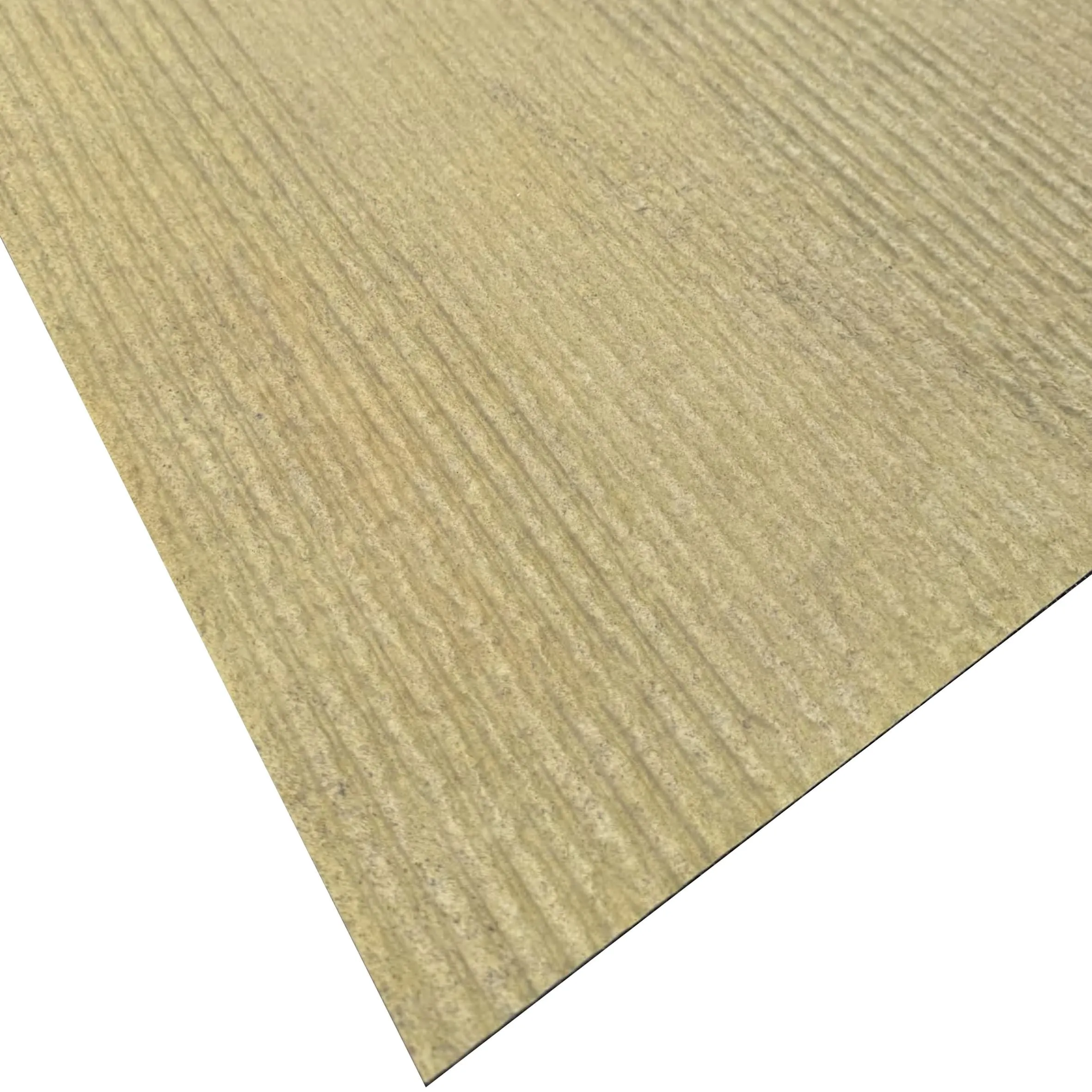
Imagine standing in the rocky landscapes of Oman, where the desert sun has baked the earth for millennia. Here, Gravel Omani Stone forms naturally, shaped by wind, water, and time into a material that feels both ancient and alive. Unlike synthetic alternatives, this stone isn't "made"—it's discovered . Miners work with the land, not against it, extracting blocks from quarries that have been part of local communities for generations. There's a raw honesty to it: each piece bears unique veining, color variations, and textures, a fingerprint of the earth's own creativity.
But what does this mean for the environment? Quarrying any natural stone comes with trade-offs. Heavy machinery is needed to extract Gravel Omani Stone, and transporting it from remote desert locations can add to its carbon footprint. Yet, there's a silver lining: Omani quarries often employ traditional, low-impact extraction methods where possible, minimizing disruption to local flora and fauna. Unlike some mining operations that scar landscapes, these quarries are often reclaimed once exhausted, returning the land to a state that can support native plants again.
Durability is another feather in Gravel Omani Stone's cap. This stone is built to last—centuries, in fact. Think of ancient Omani forts or desert homes that have weathered sandstorms and extreme temperatures for generations. When a material lasts that long, it reduces the need for frequent replacements, which is one of the most impactful ways to lower environmental impact. A Gravel Omani Stone countertop or wall cladding might outlive the building itself, meaning fewer resources spent on manufacturing and installing new materials over time.
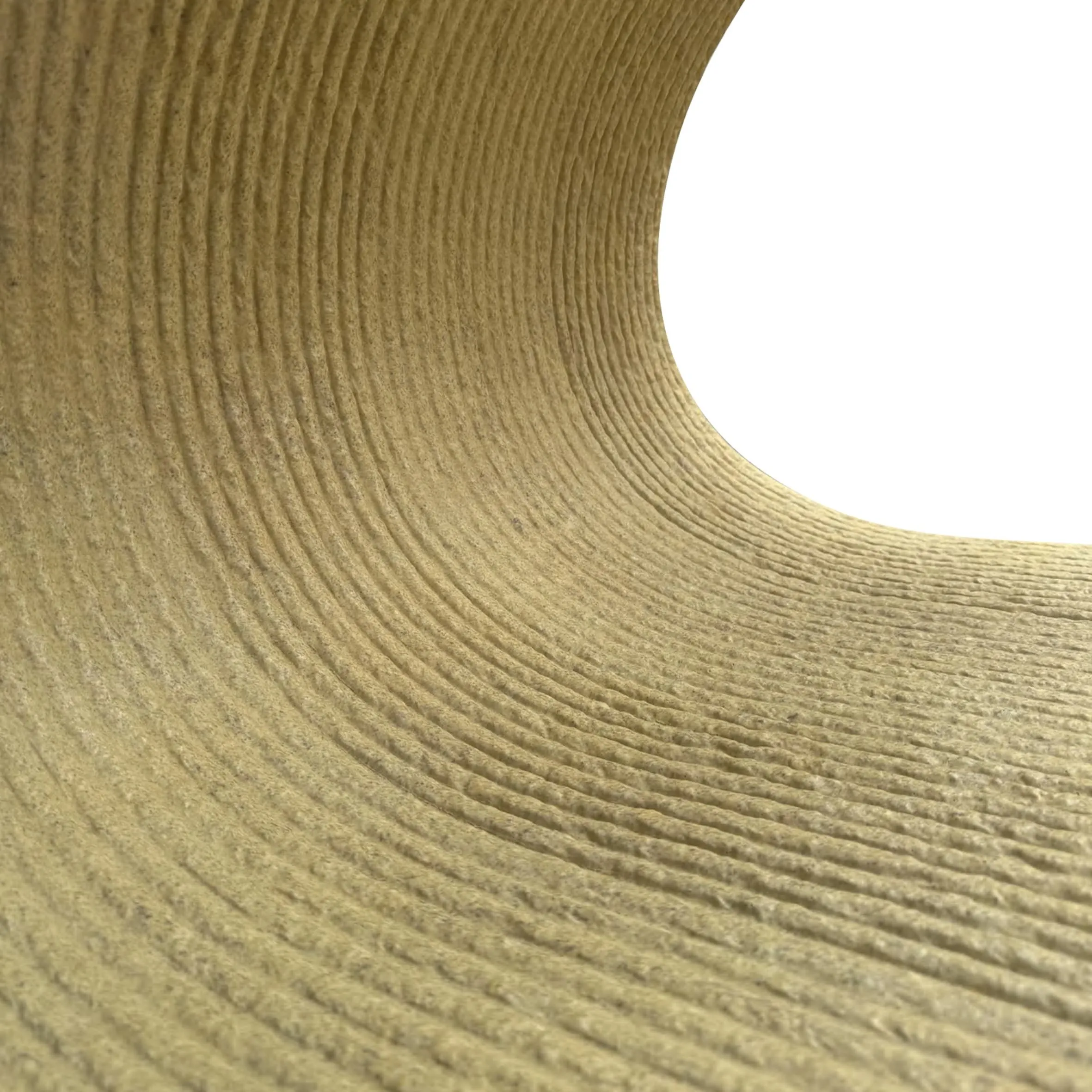
If Gravel Omani Stone is a poem written by nature, Engineered Stone is a sonnet crafted by human ingenuity. Take MCM flexible stone, for example—a modern marvel that blends natural minerals with recycled resins to create a material that's both strong and surprisingly eco-friendly. Unlike natural stone, which is limited by geography and geology, engineered stone is made in controlled factories, where every step is optimized for efficiency.
The manufacturing process starts with raw materials: often, crushed natural stone waste (leftover from quarrying operations that would otherwise end up in landfills) mixed with binders and pigments. This reuse of waste is a game-changer. Instead of extracting new stone, engineered stone repurposes what's already been taken from the earth, cutting down on mining demand. Factories also use energy-efficient machinery and, increasingly, renewable energy sources like solar power to reduce their carbon output. Water usage is another area where engineered stone shines—production requires far less water than, say, ceramic tile manufacturing, and many facilities recycle water within their systems.
But what about recyclability? Engineered stone is still relatively new, so long-term data on its end-of-life options is limited. However, some manufacturers are already designing products with recyclability in mind, using binders that can be broken down or repurposed. And because engineered stone is uniform in composition, it generates less waste during installation—no more discarding "imperfect" slabs because of natural cracks or color mismatches. Every piece is consistent, so contractors can cut and fit it with minimal leftover scraps.
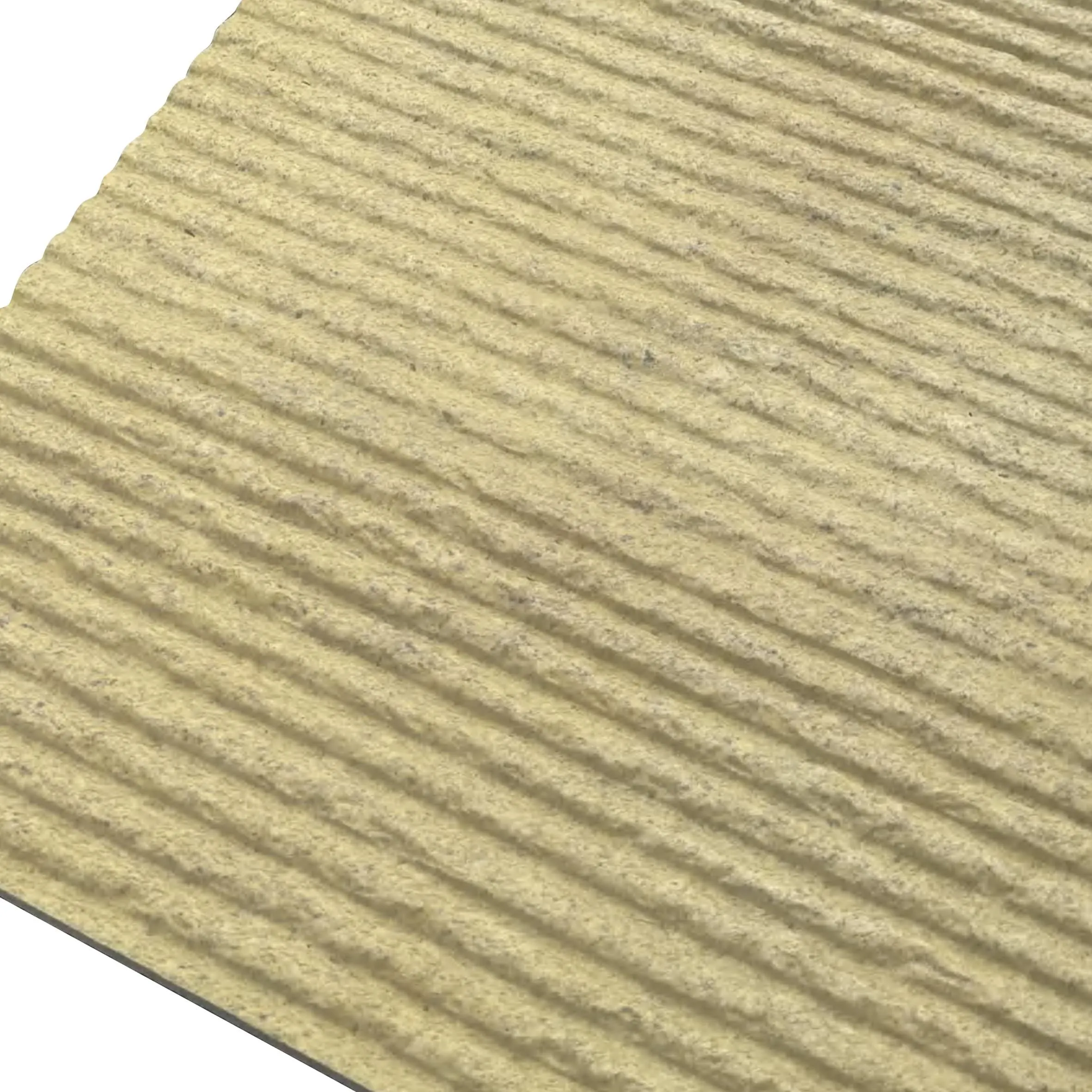
To truly understand how these materials stack up, let's look at the numbers. Below is a comparison of key environmental metrics, based on industry data and lifecycle assessments:
| Metric | Gravel Omani Stone | Engineered Stone (e.g., MCM Flexible Stone) |
|---|---|---|
| Carbon Footprint (per m²) | High (due to extraction and transportation) | Medium-Low (recycled content and energy-efficient manufacturing) |
| Water Usage (per ton produced) | Low (minimal processing after extraction) | Medium (used in mixing and cooling, but often recycled) |
| Waste Generated | High (natural variations lead to offcuts and rejects) | Low (uniformity reduces installation waste; uses recycled inputs) |
| Durability/Lifespan | 100+ years (resistant to wear, heat, and moisture) | 50-80 years (dependent on resin quality; less prone to chipping) |
| Recyclability | High (can be crushed and reused as aggregate at end-of-life) | Medium (some components recyclable; ongoing innovation needed) |
It's clear there's no "perfect" option—each material has strengths that align with different priorities. Gravel Omani Stone excels in longevity and recyclability, while engineered stone leads in reducing waste and energy use during production.
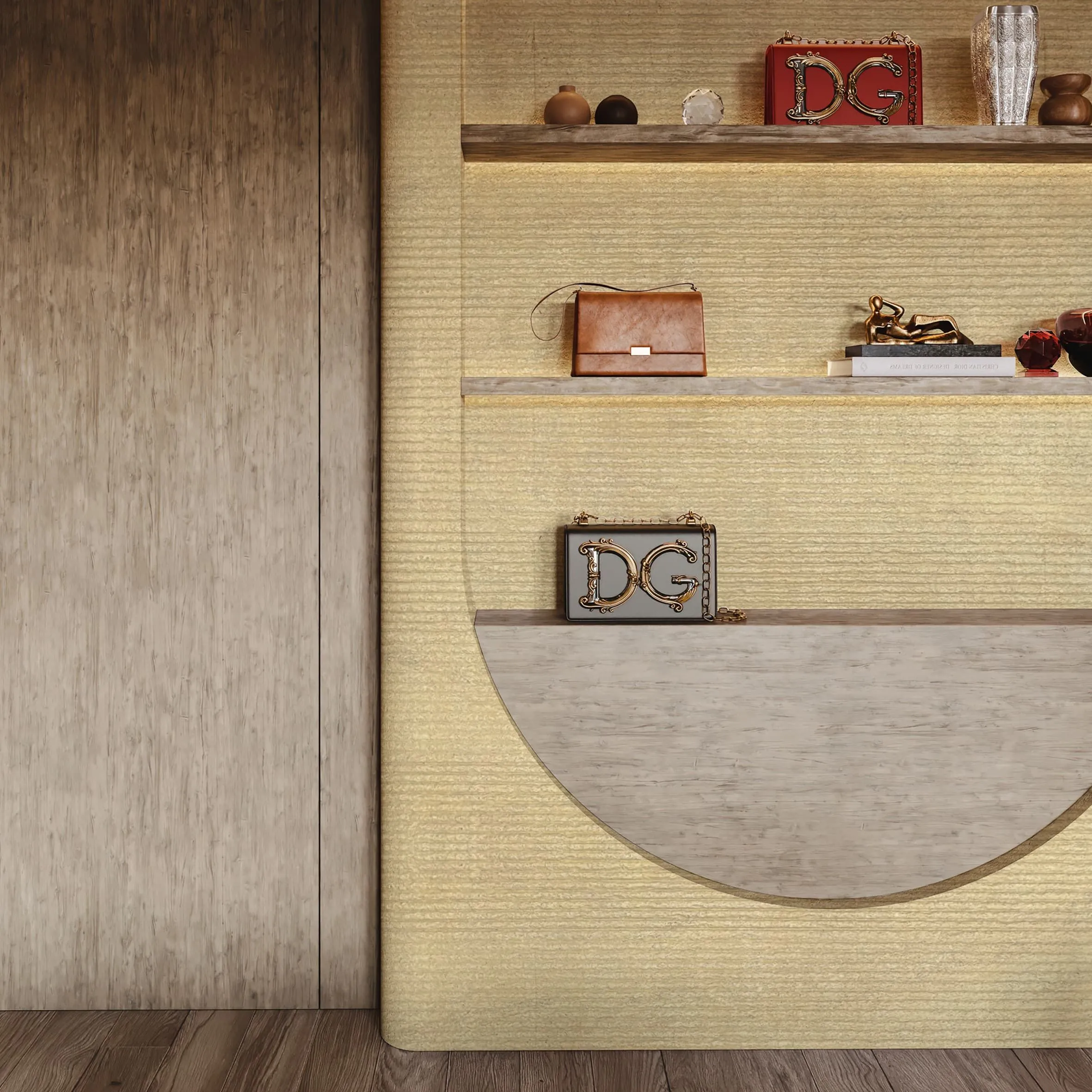
Gravel Omani Stone isn't just for rustic or traditional designs. In modern homes, it adds warmth and character to feature walls or outdoor patios, where its natural texture contrasts beautifully with sleek glass and steel. It's also a favorite for heritage projects, where preserving a sense of history matters as much as sustainability. Imagine a boutique hotel in Marrakech using Gravel Omani Stone floors—each step feels like walking on a piece of the desert, connecting guests to the land.
Engineered stone, on the other hand, thrives in high-demand spaces. Think commercial kitchens, where durability and easy maintenance are non-negotiable, or high-rise lobbies that need a consistent, polished look. MCM flexible stone, with its lightweight and bendable properties, is even used in creative applications like curved walls or furniture, pushing the boundaries of what stone can do. It's also a boon for budget-conscious builders: while upfront costs can be similar to natural stone, its uniformity reduces installation time and waste, saving money in the long run.
So, which is better? The answer depends on what matters most to you. If you prioritize a material with a low embodied energy (the energy used to extract and process it) and love the uniqueness of natural stone, Gravel Omani Stone is a compelling choice—especially if sourced from quarries with strong sustainability practices. Its longevity means that, over time, its environmental impact per year decreases significantly.
On the flip side, if reducing waste and supporting circular economy practices are your goals, engineered stone like MCM flexible stone is hard to beat. Its use of recycled materials and efficient manufacturing process align with a future where we "make more with less." Plus, its versatility makes it accessible to projects where natural stone might be too heavy or expensive.
At the end of the day, both Gravel Omani Stone and Engineered Stone have a role to play in sustainable construction. They remind us that sustainability isn't about perfection—it's about progress . Whether we choose the earth's ancient gift or human innovation, what matters is that we ask the hard questions: Where does this material come from? How was it made? And will it serve the planet as well as it serves us?
As builders, designers, and homeowners, we hold the power to shape the built environment. Let's choose materials that honor both the earth's past and its future—materials that don't just build structures, but build a world we can pass on with pride. Whether it's the rough beauty of Gravel Omani Stone or the sleek efficiency of engineered stone, the best choice is one made with intention, curiosity, and a commitment to leaving the planet better than we found it.
Recommend Products












