
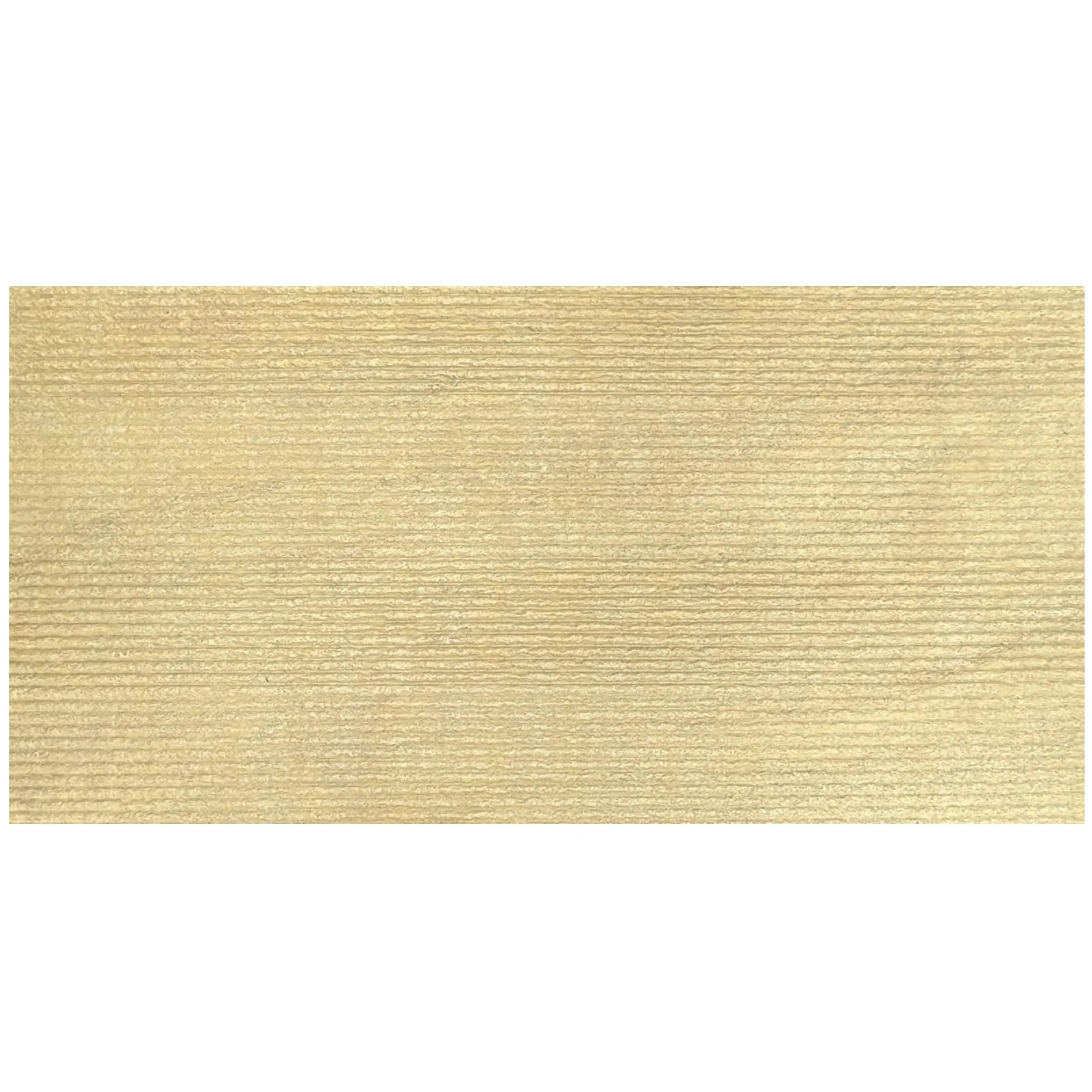
Architecture is more than just walls and roofs—it's a language spoken through materials. Every stone, every pane of glass, every texture tells a story, shaping how we feel when we step into a space. In recent years, designers and architects have been drawn to a beautiful tension: the warmth of natural materials and the sleekness of modern innovation. Two elements that embody this duality are gravel omani stone —a material rooted in the earth's history—and glass facades, the epitome of contemporary minimalism. But what happens when these two worlds collide? Is it a clash of styles, or a harmony waiting to be discovered? Let's dive in.
Imagine walking up to a building where the lower level is clad in rough, sun-baked gravel omani stone, its surface dotted with tiny pebbles that catch the light like scattered stars. As your eyes travel upward, the stone gives way to floor-to-ceiling glass, transparent and cool, reflecting the sky and the clouds above. The contrast is striking, yet somehow, it works. The stone grounds the structure, rooting it in the land, while the glass lifts it, connecting it to the heavens. This is the magic of blending natural and modern materials—a balance that feels both timeless and fresh.
In this article, we'll explore the unique qualities of gravel omani stone and glass facades, how they stand alone, and why they shine brightest when paired. Along the way, we'll touch on other materials that bridge the gap—like the raw simplicity of fair-faced concrete or the cosmic allure of travertine (starry blue) —to show how the design world is redefining "modern" by honoring the past. Whether you're an architect, a homeowner, or simply someone who appreciates beautiful spaces, this journey through texture, light, and emotion will make you see materials in a whole new way.
To understand gravel omani stone, you have to start with its origin. Hailing from the deserts and mountains of Oman, this stone is a product of centuries of geological activity—wind, water, and time slowly shaping it into something both rugged and refined. Unlike polished marbles or uniform granites, gravel omani stone wears its history on its sleeve. Its surface is a mosaic of small, smooth pebbles embedded in a sandy matrix, ranging in color from soft beiges and warm terracottas to deeper browns and even hints of gold. Run your hand over it, and you'll feel a texture that's paradoxically rough and gentle—like the palm of a laborer who's worked the land, calloused but kind.
What makes gravel omani stone so special isn't just its looks; it's the emotion it evokes. There's a primal connection we feel to materials that come straight from the earth. When you stand next to a wall clad in gravel omani stone, you're not just looking at a building material—you're touching a piece of the planet's story. It's grounding, like standing barefoot on soil after a long day in shoes. In a world that often feels disconnected from nature, this stone pulls us back, reminding us of our roots.
Practically, gravel omani stone is as durable as it is beautiful. It withstands harsh weather, resists fading, and requires minimal maintenance—qualities that make it a favorite for both exterior cladding and interior accents. Imagine a fireplace surround made of gravel omani stone: in the winter, the flames dance against its pebbled surface, casting warm shadows that make the room feel cozy and alive. Or a courtyard pathway, where each step crunching on loose gravel (a natural complement to the stone) adds a sensory layer to the space—the sound of nature in motion.
But gravel omani stone isn't stuck in the past. Modern designers are finding new ways to use it, pairing it with sleek metals or bold colors to create unexpected contrasts. For example, a restaurant might use gravel omani stone for the bar front, then top it with a polished brass countertop—the earthiness of the stone softening the shine of the metal. Or a home exterior might combine it with foamed aluminium alloy board (vintage silver) , the stone's warmth balancing the alloy's cool, industrial edge. In these cases, gravel omani stone isn't just a "traditional" material—it's a versatile partner in innovation.
Perhaps the most compelling thing about gravel omani stone is its sustainability. Unlike synthetic materials that rely on fossil fuels, this stone is quarried, cut, and shaped with minimal processing. It's a material that respects the planet, just as it respects the people who use it. In a time when "green building" is more than a trend, gravel omani stone stands out as a choice that's good for the environment and good for the soul.
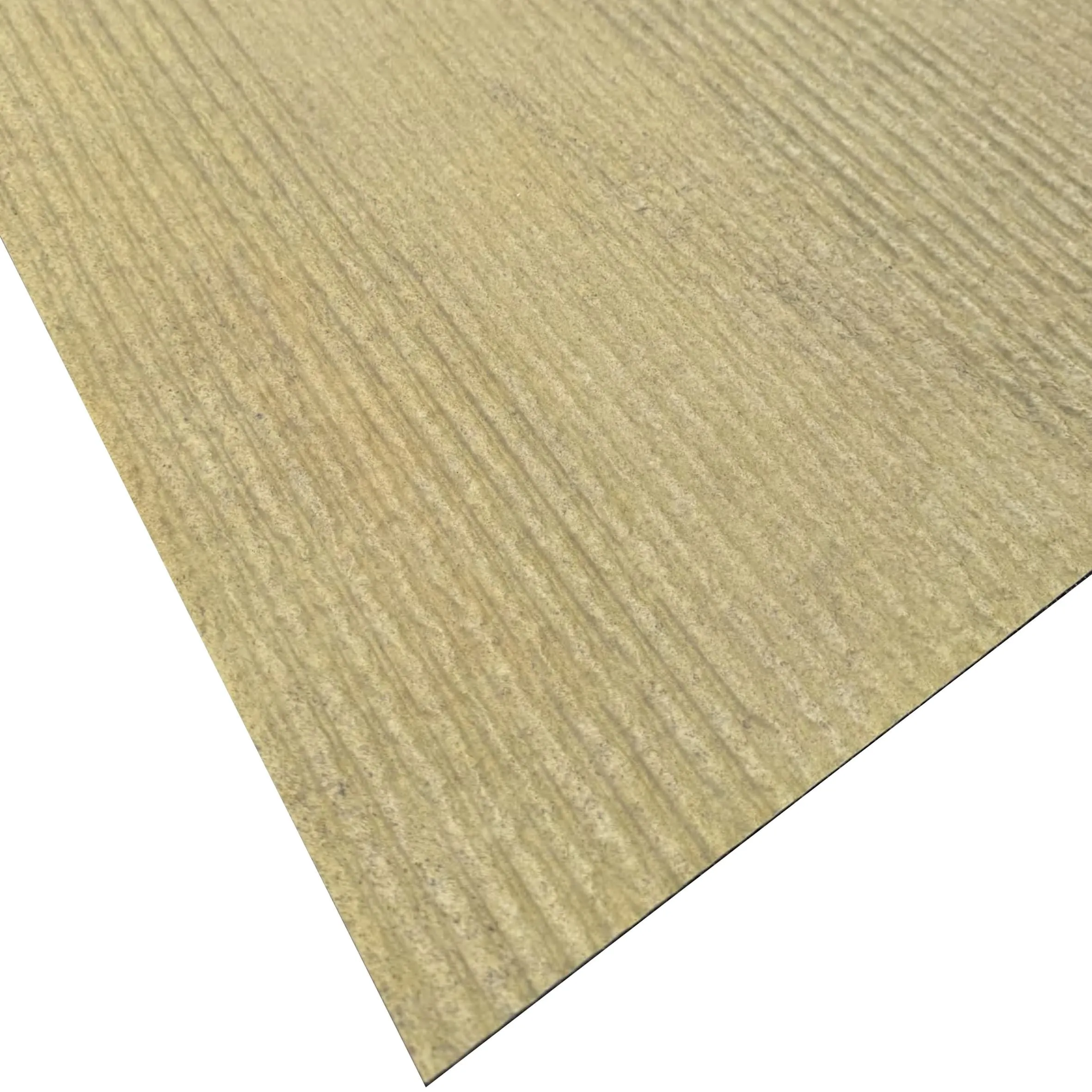
If gravel omani stone is the earth, glass facades are the sky. They're all about light, openness, and the idea that a building can be both a shelter and a window to the world. When you think of modern architecture, chances are you picture a glass facade—tall, sleek, and seemingly weightless, reflecting the sun by day and glowing like a lantern by night. But glass facades are more than just a aesthetic choice; they're a statement about how we want to live: connected, unconstrained, and in harmony with our surroundings.
The beauty of glass lies in its duality. It's both there and not there—solid enough to protect us from the elements, yet transparent enough to let the outside in. This transparency transforms spaces. Imagine an office with a glass facade: instead of feeling cramped in a windowless room, employees work bathed in natural light, with views of trees, parks, or city skylines. Studies show that natural light boosts mood and productivity, but it's more than that—it makes us feel free. Glass doesn't just let light in; it lets hope in, too.
Modern glass facades are also marvels of engineering. Gone are the days of single-pane windows that leaked heat and shattered easily. Today's facades use double or triple glazing, low-emissivity coatings, and insulated frames to maximize energy efficiency. They can be tinted to reduce glare, or fritted (patterned with tiny dots) to add privacy without blocking light. Some even incorporate smart technology—glass that changes tint with the sun, or generates electricity through solar panels. In short, glass facades are as smart as they are stunning.
But for all their innovation, glass facades have a softer side. There's something inherently peaceful about watching raindrops slide down a glass wall, or seeing snowflakes stick to it like lace. At night, a glass building becomes a canvas, with the lights inside turning it into a glowing sculpture. It's a material that responds to its environment, never static, always changing. In this way, glass is alive—it breathes with the world around it.
Of course, glass facades aren't without their critics. Some argue they're too cold, too impersonal, lacking the warmth of natural materials. And there's truth to that—on their own, all-glass buildings can feel like giant ice cubes, beautiful but uninviting. That's where materials like gravel omani stone come in. When paired with glass, natural stone adds the heart that glass sometimes lacks, creating a space that's both modern and human.
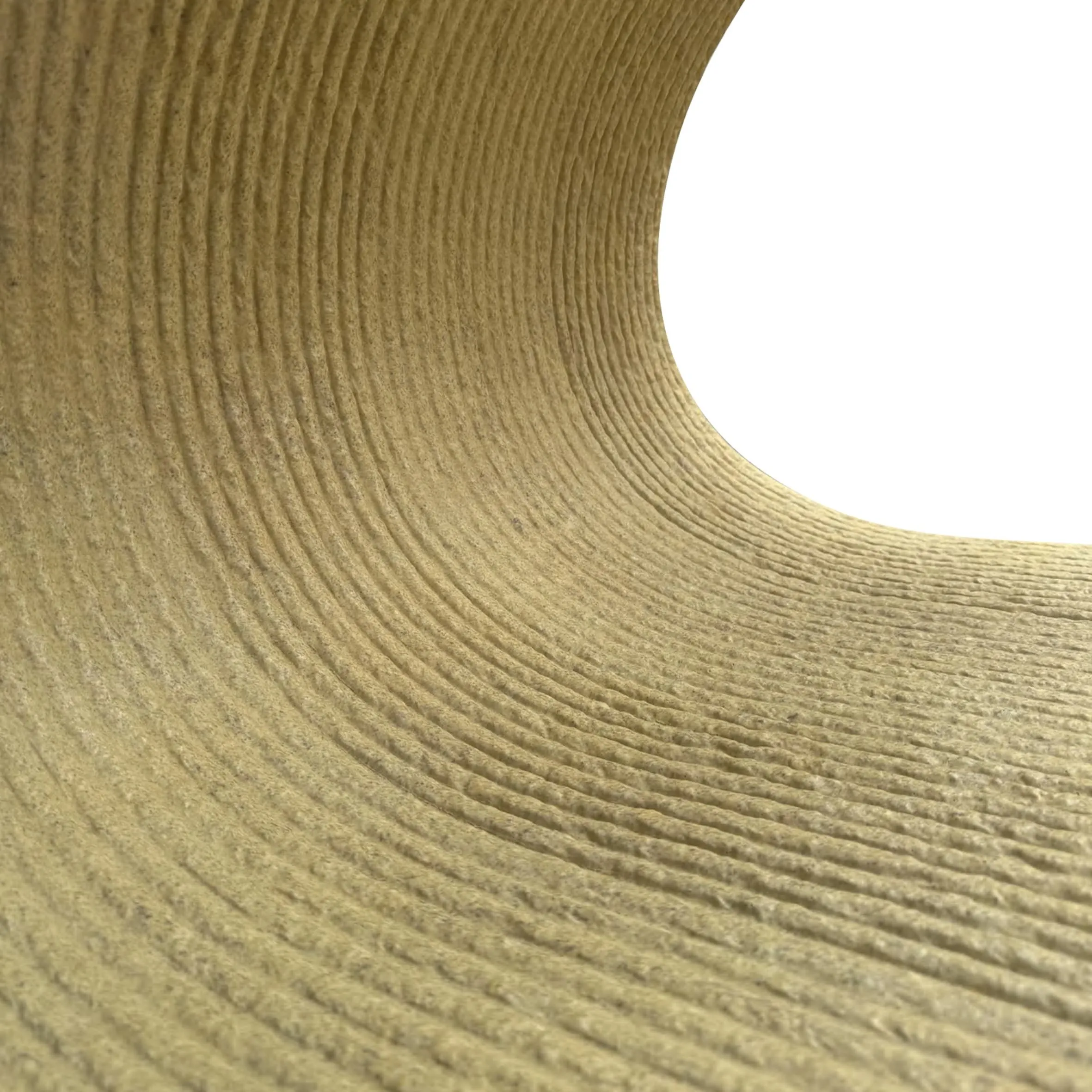
| Feature | Gravel Omani Stone | Glass Facades |
|---|---|---|
| Texture | Rough, pebbled surface with a tactile, earthy feel; varies in coarseness, with small stones embedded in a sandy matrix. | Smooth, sleek, and often reflective; can be clear, frosted, or textured (e.g., ribbed or fritted) for added dimension. |
| Color Palette | Earthy tones: beiges, terracottas, browns, and golds, with subtle variations from stone to stone. | Neutral base (clear, tinted, or mirrored) that reflects its surroundings—sky blue, sunset orange, or city gray. |
| Light Interaction | Absorbs light, creating warm, diffused shadows; small stones may catch and scatter light, adding sparkle. | Transmits light, brightening interiors; reflects light, turning the building into a mirror of the sky and landscape. |
| Emotional Resonance | Evokes warmth, stability, and connection to nature; feels grounding and timeless. | Evokes openness, innovation, and freedom; feels modern and forward-thinking. |
| Sustainability | Natural, minimally processed, and durable; quarried locally in many regions, reducing carbon footprint. | Energy-efficient when paired with insulated glazing; can incorporate recycled glass and solar technology. |
| Typical Applications | Exterior cladding, accent walls, fireplaces, pathways, and courtyard floors. | Skyscrapers, office buildings, modern homes, museums, and commercial spaces prioritizing light and views. |
| Maintenance | Low maintenance; occasional washing to remove dirt; resistant to fading and weathering. | Requires regular cleaning (especially in urban areas); sealants may need replacement over time; glass can scratch if not cared for. |
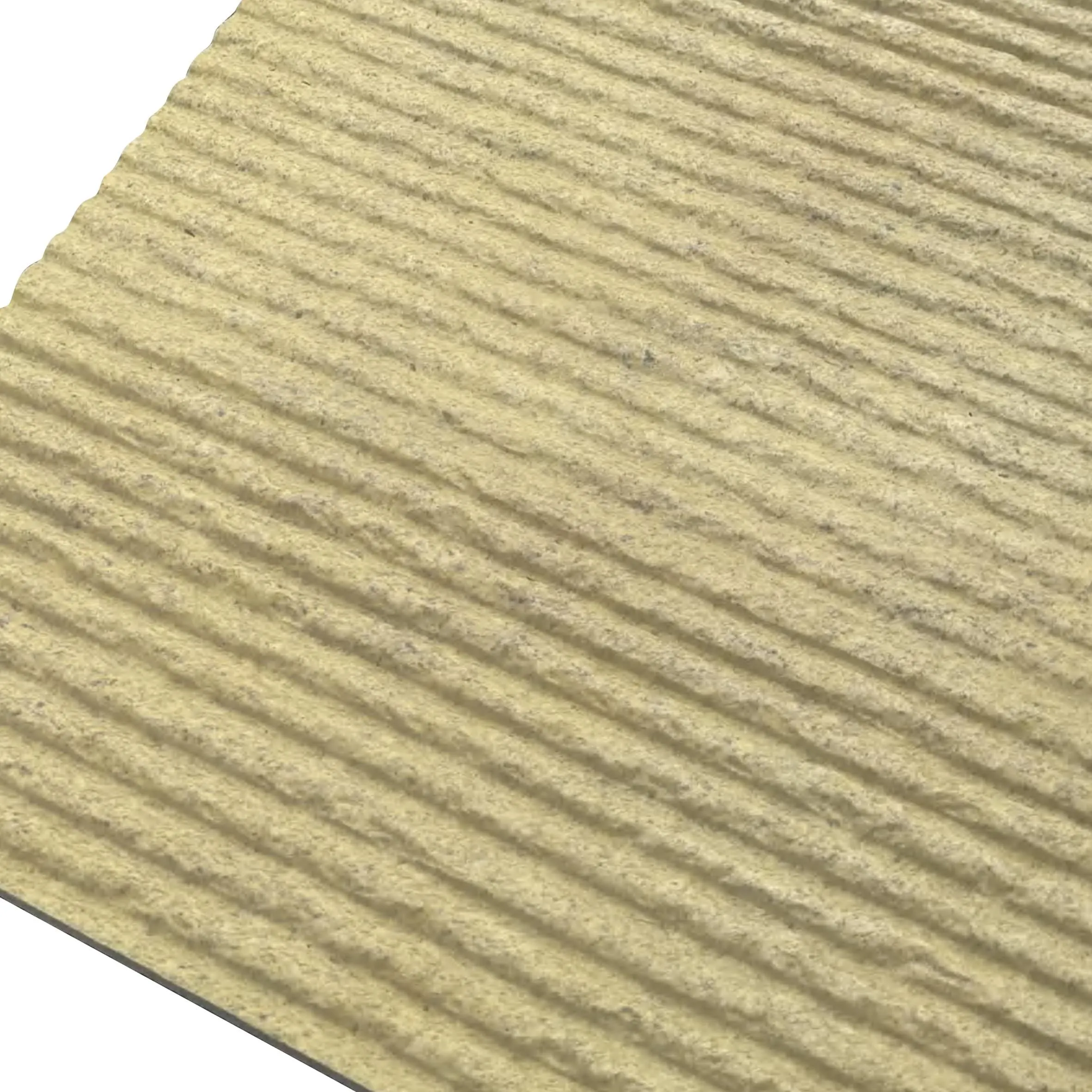
The real magic happens when gravel omani stone and glass facades are combined. It's not about choosing one over the other—it's about letting them complement each other's strengths. Think of it as a conversation: the stone speaks in a deep, rumbling voice of history and tradition, while the glass responds in a clear, high tone of innovation and progress. Together, they create a harmony that neither could achieve alone.
One common approach is to use gravel omani stone as a "base" and glass as the "body" of a building. For example, a boutique hotel might have a ground floor clad in thick, rough-hewn gravel omani stone, giving it a welcoming, earthy presence at street level. As the building rises, the stone transitions to glass, creating a sense of ascent—like the earth reaching up to touch the sky. This design feels both approachable and aspirational, inviting guests in while hinting at the beauty above.
Another way to blend them is through contrast in texture. Imagine a living room where one wall is covered in gravel omani stone, its pebbled surface warm and tactile, and the opposite wall is floor-to-ceiling glass, smooth and cool. The eye moves between the two, drawn to the tension of rough and smooth, solid and transparent. Add a fireplace in the stone wall, and you've got a space that's cozy yet open—a perfect balance of comfort and adventure.
Materials like fair-faced concrete often act as a bridge between these two worlds. With its raw, unpolished surface, fair-faced concrete has the industrial edge of modern materials but the organic texture of natural stone. It pairs beautifully with gravel omani stone (both share a "handmade" quality) and glass (its neutral color lets the glass's reflections take center stage). For example, a restaurant might use fair-faced concrete for the ceiling and floors, gravel omani stone for the bar, and glass for the exterior walls. The result is a space that feels grounded (thanks to the stone), modern (thanks to the concrete), and airy (thanks to the glass)—all at once.
Then there's the role of accent materials, like travertine (starry blue) . Travertine is a natural stone with a porous, honeycombed texture, but the "starry blue" variant adds a twist: tiny, iridescent particles that catch the light, like stars in a night sky. When used as a trim or accent alongside gravel omani stone and glass, it adds a touch of whimsy and color, breaking up the neutral palette without overwhelming it. Imagine a glass facade with a border of starry blue travertine, or a gravel omani stone wall with starry blue travertine inserts—the effect is cosmic, blending the earthy with the celestial.
Even wood grain board can play a part in this mix. With its warm, organic lines, wood grain board adds another layer of natural texture, softening the contrast between stone and glass. A home office might feature a gravel omani stone desk, a glass partition, and wood grain board shelves—creating a space that feels connected to nature (stone, wood) and ready for work (glass, modern). It's a reminder that "modern" doesn't have to mean cold; it can mean warm, inviting, and full of life.
Sustainability is another reason to blend these materials. Gravel omani stone is durable and long-lasting, reducing the need for frequent replacement. Glass facades with energy-efficient glazing cut down on heating and cooling costs. When paired with renewable energy sources (like solar panels on the roof), these buildings become models of eco-friendly design. Even better, many natural materials—including gravel omani stone and travertine—are locally sourced, reducing the carbon footprint of transportation. In a world grappling with climate change, this kind of intentional design isn't just beautiful; it's responsible.
Perhaps the most powerful example of this blend is in public spaces. Think of a community center where the exterior is a mix of gravel omani stone (for warmth) and glass (for transparency). Inside, the walls are lined with wood grain board, and the floors are fair-faced concrete. The space feels open and inclusive (thanks to the glass), welcoming and safe (thanks to the stone and wood). It's a place where people of all ages can gather—children playing on the concrete floors, seniors sitting by the stone fireplace, everyone enjoying the light streaming through the glass. This is the future of architecture: spaces that don't just function, but foster connection.
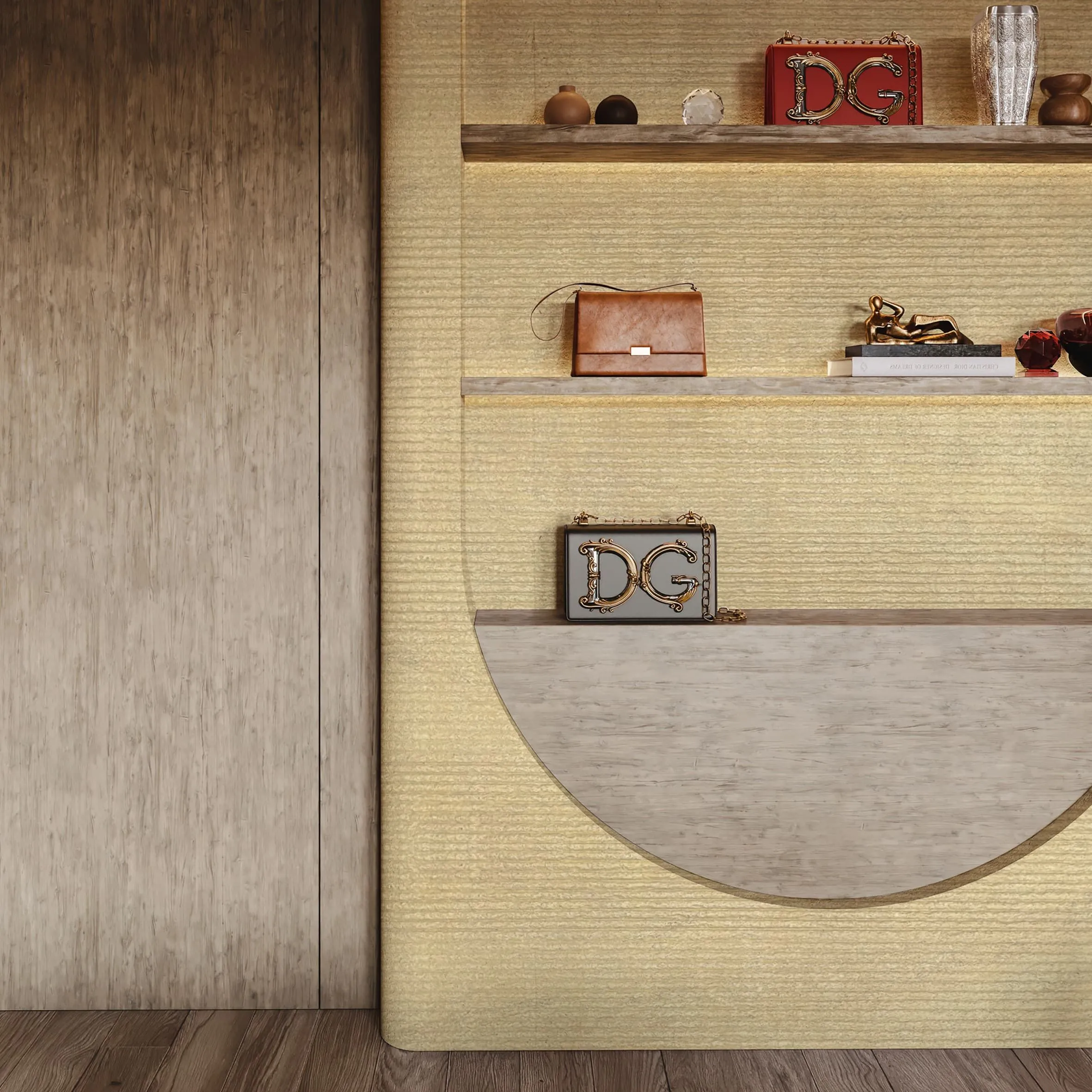
While gravel omani stone and glass facades are stars of the show, the design world is full of other materials that enhance their beauty. Let's take a closer look at a few that deserve a spot in the spotlight.
Travertine is no stranger to architecture—it's been used for centuries, from ancient Roman amphitheaters to modern museums. But travertine (starry blue) is a modern twist on a classic. Its base color is a deep, moody blue, and its surface is dotted with tiny, reflective particles that shimmer like stars when hit by light. It's a stone that feels both ancient and futuristic, making it the perfect accent for spaces that blend old and new. Use it as a backsplash in a kitchen with gravel omani stone countertops and glass cabinet doors, or as a feature wall in a lobby with a glass facade. It adds depth and drama without stealing the show.
Fair-faced concrete is what happens when you let concrete be itself—no paint, no polish, just the raw beauty of its formwork patterns and subtle color variations. It has a minimalist elegance that pairs with almost any material, but it's especially effective with gravel omani stone and glass. Unlike polished concrete, which can feel cold, fair-faced concrete has a warm, lived-in quality—like a well-worn pair of jeans. It's durable, affordable, and sustainable, making it a favorite for both commercial and residential projects. In a home with a gravel omani stone fireplace and glass walls, fair-faced concrete floors tie the space together, letting the other materials shine while providing a stable, neutral foundation.
For those who love the industrial look, foamed aluminium alloy board (vintage silver) is a game-changer. Lightweight but strong, this material has a matte, brushed finish that looks like aged metal, with tiny bubbles (from the foaming process) adding texture. It's sleek enough to complement glass facades but has enough character to stand up to gravel omani stone. Imagine a restaurant facade where gravel omani stone covers the lower half, foamed aluminium alloy board wraps around the upper half, and glass windows punctuate the design. The stone adds warmth, the aluminium adds edge, and the glass adds light—creating a facade that's bold and balanced.
At the end of the day, architecture isn't just about function—it's about feeling. The materials we choose shape how we experience a space, whether we realize it or not. Gravel omani stone makes us feel safe and connected; glass facades make us feel free and hopeful. Together, they create spaces that meet our deepest needs: to belong and to dream.
Think about the last time you walked into a building that took your breath away. Chances are, it wasn't just the size or the design—it was the materials. Maybe it was the way sunlight filtered through glass and danced on a stone floor, or the way a rough stone wall made you feel protected while a glass ceiling made you feel small in the best way (connected to something bigger). These moments aren't accidents; they're the result of intentional material choices.
In a world that's moving faster than ever, we crave spaces that slow us down. Gravel omani stone does that—it's a reminder to pause, to touch, to appreciate the earth's beauty. Glass facades, on the other hand, remind us to look up, to imagine, to keep moving forward. Blending them isn't just a design trend; it's a response to our human need for balance. We want to feel rooted, but we also want to feel free. We want to honor the past, but we also want to embrace the future.
This balance is especially important in public spaces. Schools, hospitals, community centers—these are places where people go to learn, heal, and connect. When they're built with materials that nourish the soul, they become more than buildings; they become sanctuaries. A hospital with gravel omani stone walls in the waiting room feels less clinical, more comforting. A school with glass facades and wood grain board classrooms feels more inspiring, more alive. These materials don't just decorate—they heal, teach, and unite.
Gravel omani stone and glass facades are more than materials—they're storytellers. One tells the story of the earth, of time, of patience. The other tells the story of innovation, of light, of possibility. When we bring them together, we create a new story—one that says we don't have to choose between the past and the future, between nature and technology, between warmth and sleekness.
As we look to the future of architecture, let's remember that the best designs are those that make us feel human. They're not just about how a building looks, but how it makes us feel when we're inside it. Whether it's the rough embrace of gravel omani stone, the cool transparency of glass, or the quiet strength of fair-faced concrete, materials have the power to shape our emotions, our memories, and our lives.
So the next time you pass a building, take a moment to notice its materials. Touch the stone, look through the glass, and see if you can feel the story it's telling. Chances are, it's a story of balance—a story we all need to hear.
Recommend Products












