
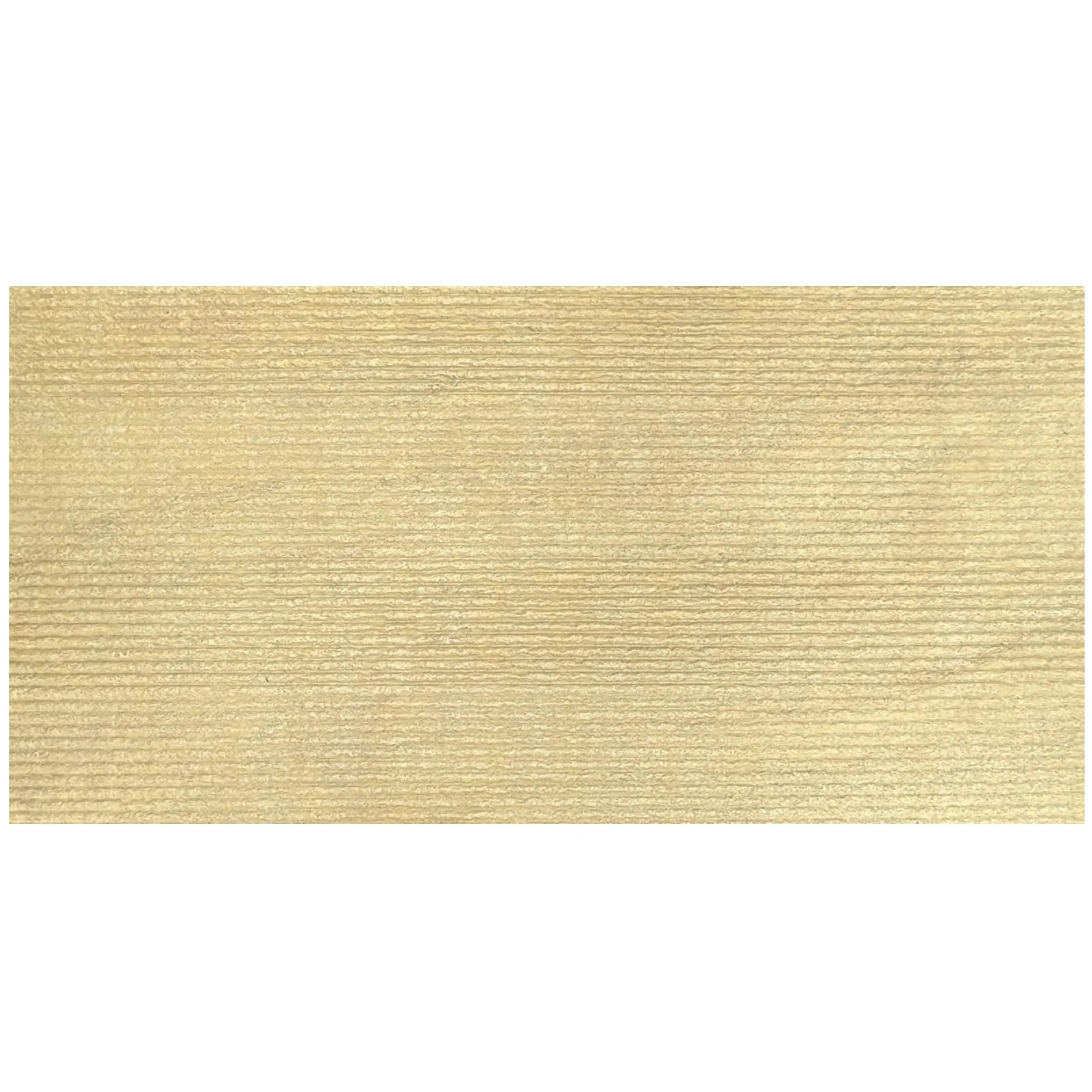
Ever driven through a neighborhood and found yourself lingering on a particular house? Or walked into a commercial district and admired how a building seems to "fit" its surroundings? More often than not, the exterior cladding is the unsung hero behind that first impression. It's not just about looks, though—cladding protects your building from rain, wind, and sun, insulates it, and even boosts its value. But with so many materials out there, choosing the right one can feel overwhelming. Today, we're diving into two standout options: Gravel Omani Stone and Limestone (Beige) . By the end, you'll know which one deserves a spot on your next project.
Before we compare the stars of the show, let's get clear on what exterior cladding does. Think of it as your building's "outer skin"—it shields the structure from the elements, reduces energy costs by adding insulation, and, let's be honest, makes your property look put-together. A good cladding material balances durability (can it handle years of rain, snow, or harsh sun?), aesthetics (does it match your vision?), and practicality (is it easy to install and maintain?).
Today, we're focusing on two materials that excel in different ways: Gravel Omani Stone, a unique, textured option with roots in the deserts of Oman, and Limestone (Beige), a classic choice that's graced buildings for centuries. Let's break them down.
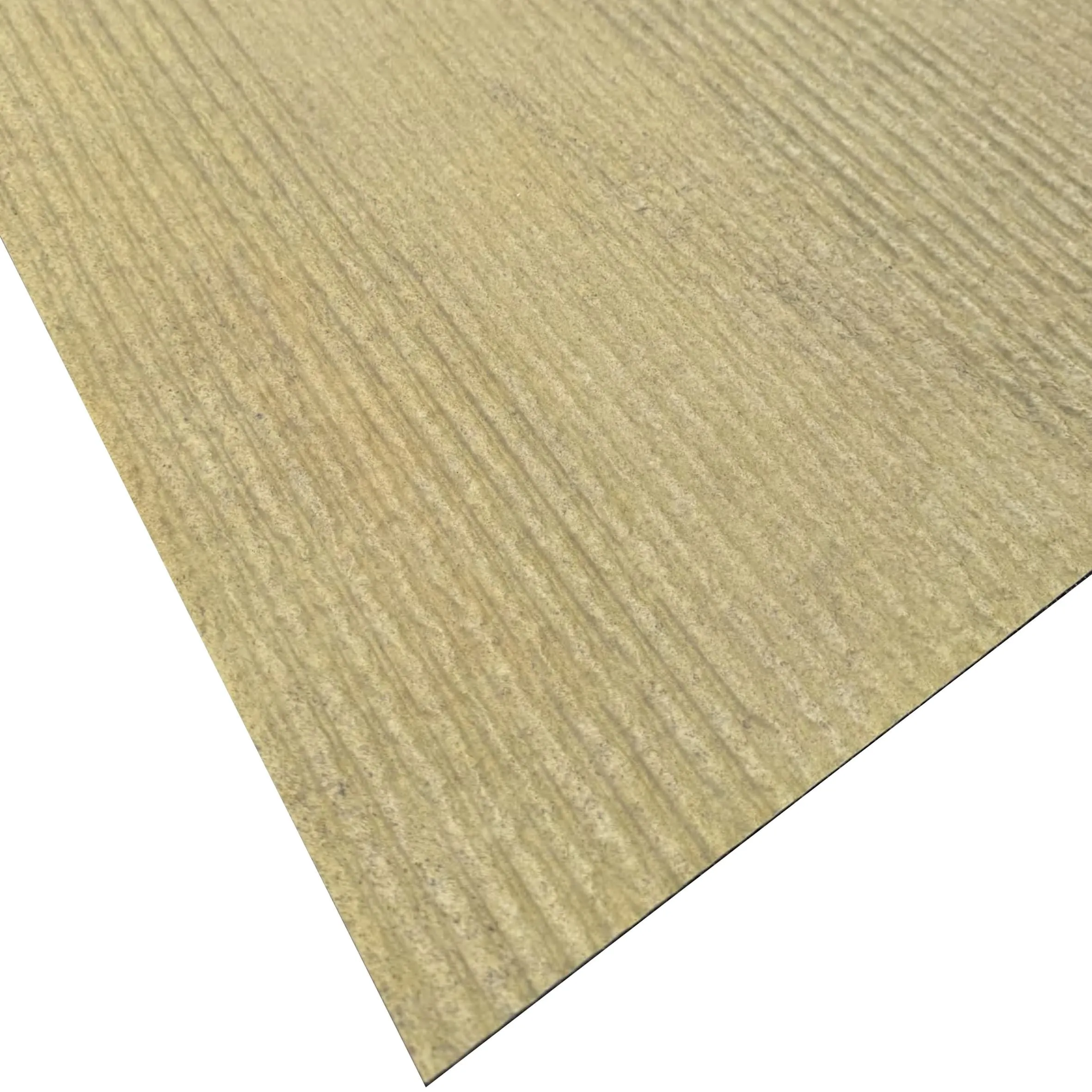
If you've ever dreamed of bringing a touch of the Middle Eastern desert's rugged beauty to your building, Gravel Omani Stone might be your match. Hailing from Oman—where the landscape is dotted with ancient rock formations and windswept dunes—this material is as unique as its origin story.
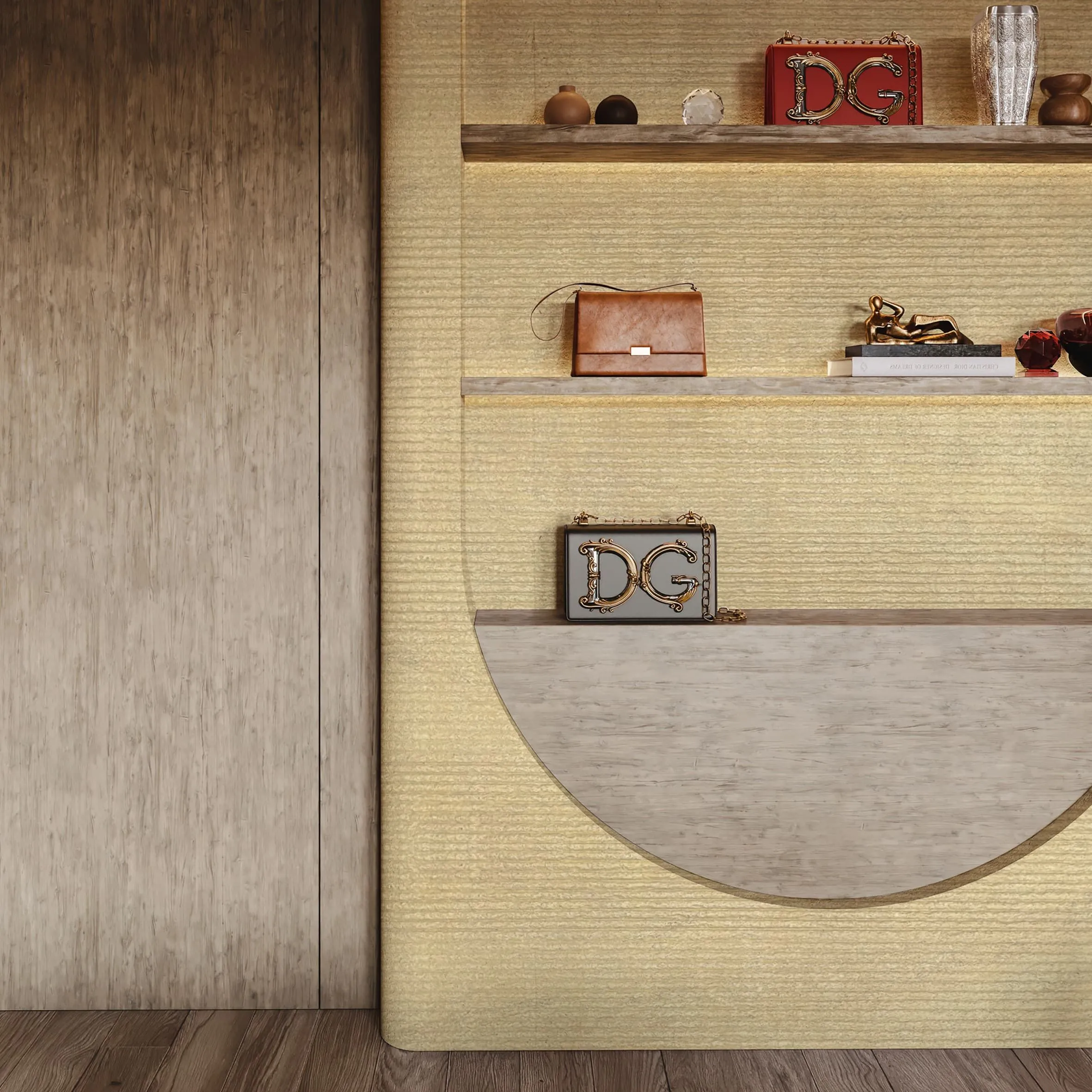
Gravel Omani Stone isn't your average stone slab. It's formed over millennia as natural gravel—tiny pebbles, sand, and mineral fragments—gets compacted and cemented together by natural minerals, creating a dense, durable material with a distinct, "gravelly" texture. Picture holding a stone that looks like it's made of smoothed river pebbles fused into one solid piece—that's Gravel Omani Stone. The colors range from warm terracottas and golden beiges to deep browns, often with flecks of cream or gray that catch the light.
What makes it stand out? Its texture. Unlike smooth marble or uniform concrete, Gravel Omani Stone has depth—each piece tells a story of the desert winds that shaped its gravel components. Run your hand over it, and you'll feel the slight (aotu—unevenness) of the pebbles, adding tactile interest that flat materials just can't match.
Living in a place with extreme weather? Gravel Omani Stone might be your new best friend. Thanks to its compacted structure, it's surprisingly tough. It resists scratches (great if you have kids or pets running around), holds up against UV rays (so it won't fade in the sun), and stands strong in both hot, dry climates and areas with occasional rain.
One thing to note: While it's water-resistant, it's not entirely waterproof. Like most natural stones, it can absorb small amounts of moisture. In regions with heavy, constant rain or freeze-thaw cycles (where water seeps in, freezes, and expands), you'll want to seal it annually to prevent cracks. But in arid or moderate climates? It's low-maintenance in the durability department.
Installing Gravel Omani Stone isn't a DIY weekend project—this material is dense and can be heavy, so you'll want a pro. The stones come in slabs or tiles, and the installer will need to ensure the wall is sturdy enough to support the weight. They'll also use mortar or a specialized adhesive to secure each piece, paying extra attention to grouting to keep water out.
The good news? Once it's up, it's not going anywhere. Properly installed Gravel Omani Stone can last 50+ years, making it a long-term investment.
Maintaining Gravel Omani Stone is straightforward, but it does need a little love. Here's the drill: Every 1–2 years, give it a gentle wash with mild soap and water to remove dirt or dust buildup. If you live in a rainy area, seal it annually with a stone sealer to protect against moisture. Avoid harsh chemicals (like bleach) or pressure washers, which can erode the surface or dislodge the gravel fragments.
Over time, Gravel Omani Stone ages beautifully. It might develop a slight patina, deepening its earthy tones and adding character—think of it like a vintage leather jacket that looks better with wear.
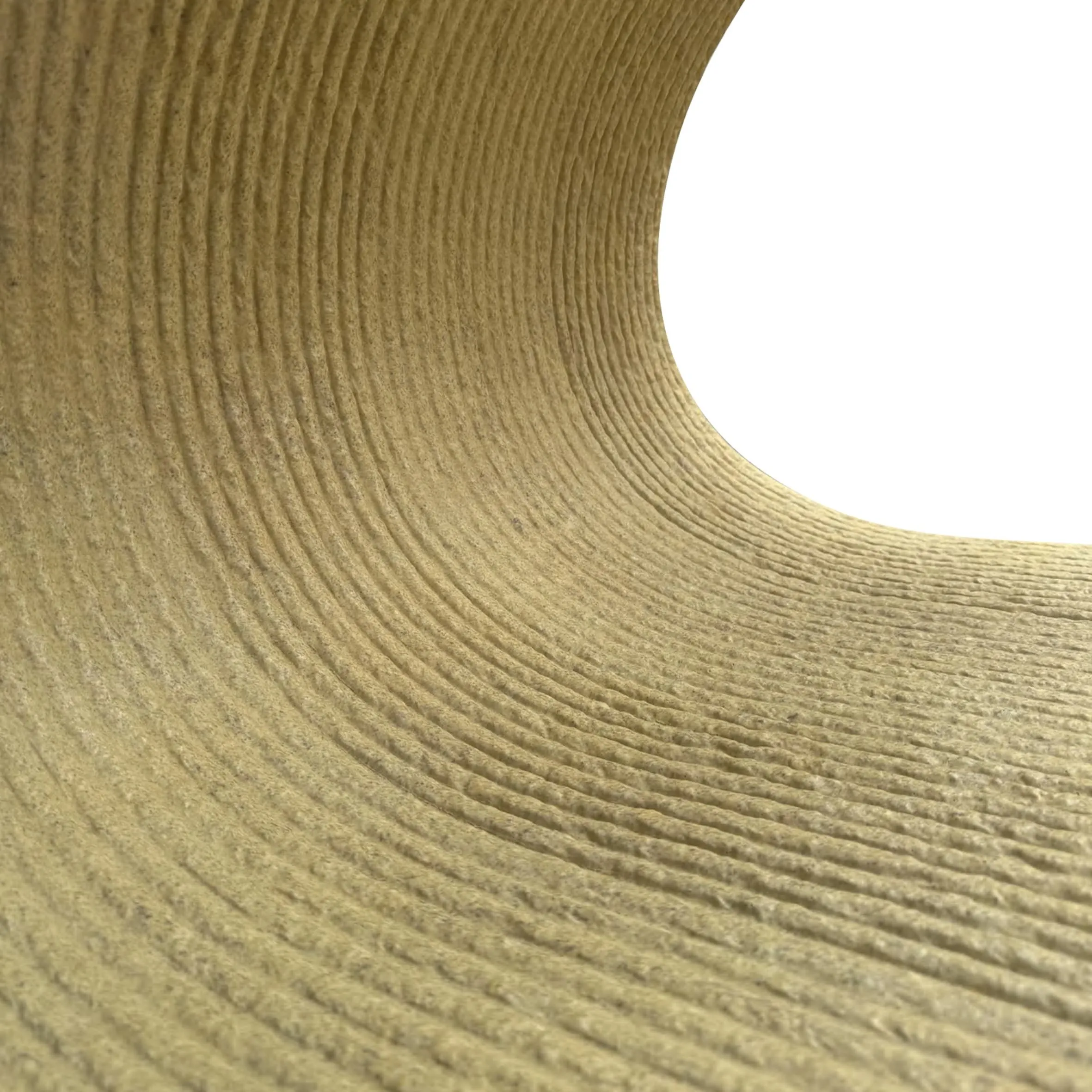
Now, let's shift to a material that's been gracing buildings since ancient Rome: Limestone (Beige) . If Gravel Omani Stone is the bold, desert-inspired artist, limestone is the elegant, timeless poet. Its soft beige hues and subtle veining have made it a favorite for everything from historic cathedrals to modern homes.
Limestone is a sedimentary rock formed from the remains of marine organisms like coral and shells, compressed over millions of years. It's primarily made of calcium carbonate, which gives it its light color palette—think soft beiges, creams, and warm whites. Unlike Gravel Omani Stone's rough texture, limestone is often smooth or slightly porous, with gentle veining that adds depth without overwhelming.
You might be familiar with Travertine —a type of limestone that's more porous, with visible holes (formed by gas bubbles during formation). Travertine has a unique, almost "honeycombed" look, but for this comparison, we're focusing on classic beige limestone, which has a denser, more uniform appearance.
Beige limestone, in particular, is a chameleon. It pairs with almost any architectural style: modern minimalism, traditional cottage, Mediterranean villa, you name it. Its neutral tone acts as a blank canvas, letting other design elements (like landscaping or window frames) shine, or it can take center stage with its understated elegance.
Limestone is durable, but it's not indestructible. Its biggest weakness? Acid. Rainwater with high acidity (acid rain) or spills from vinegar, citrus, or cleaning products can etch the surface, leaving dull spots. That said, in areas with neutral or alkaline rain, it holds up remarkably well. It's also resistant to UV rays, so it won't fade in the sun, and its density helps it withstand scratches (though you still don't want to drag heavy furniture across it).
In freeze-thaw climates, limestone needs a little extra care. Like Gravel Omani Stone, it can absorb moisture, which expands when frozen and can cause cracks. Sealing it regularly (every 1–3 years) helps prevent this, making it a solid choice in most regions.
Limestone is generally lighter than Gravel Omani Stone, which makes installation a bit easier. It comes in slabs, tiles, or even thin veneers (great for retrofitting existing buildings). Installers use mortar or stone adhesive, and the process is similar to other natural stones—though precision is key to align the veining for a cohesive look.
One bonus: Limestone can be cut into custom shapes, so if you want curved edges or intricate patterns, it's more flexible than Gravel Omani Stone's rigid gravel structure.
Limestone maintenance is all about gentleness. Wipe up spills immediately (especially acidic ones!) to prevent etching. Clean it with a soft cloth and mild soap—avoid abrasive sponges or harsh cleaners. Seal it every 2–3 years (more often in wet or polluted areas) to protect against stains and moisture.
Like Gravel Omani Stone, limestone ages gracefully. It develops a warm patina over time, with its beige tones softening or deepening slightly. Many homeowners love this "lived-in" look, as it gives the building a sense of history and warmth.
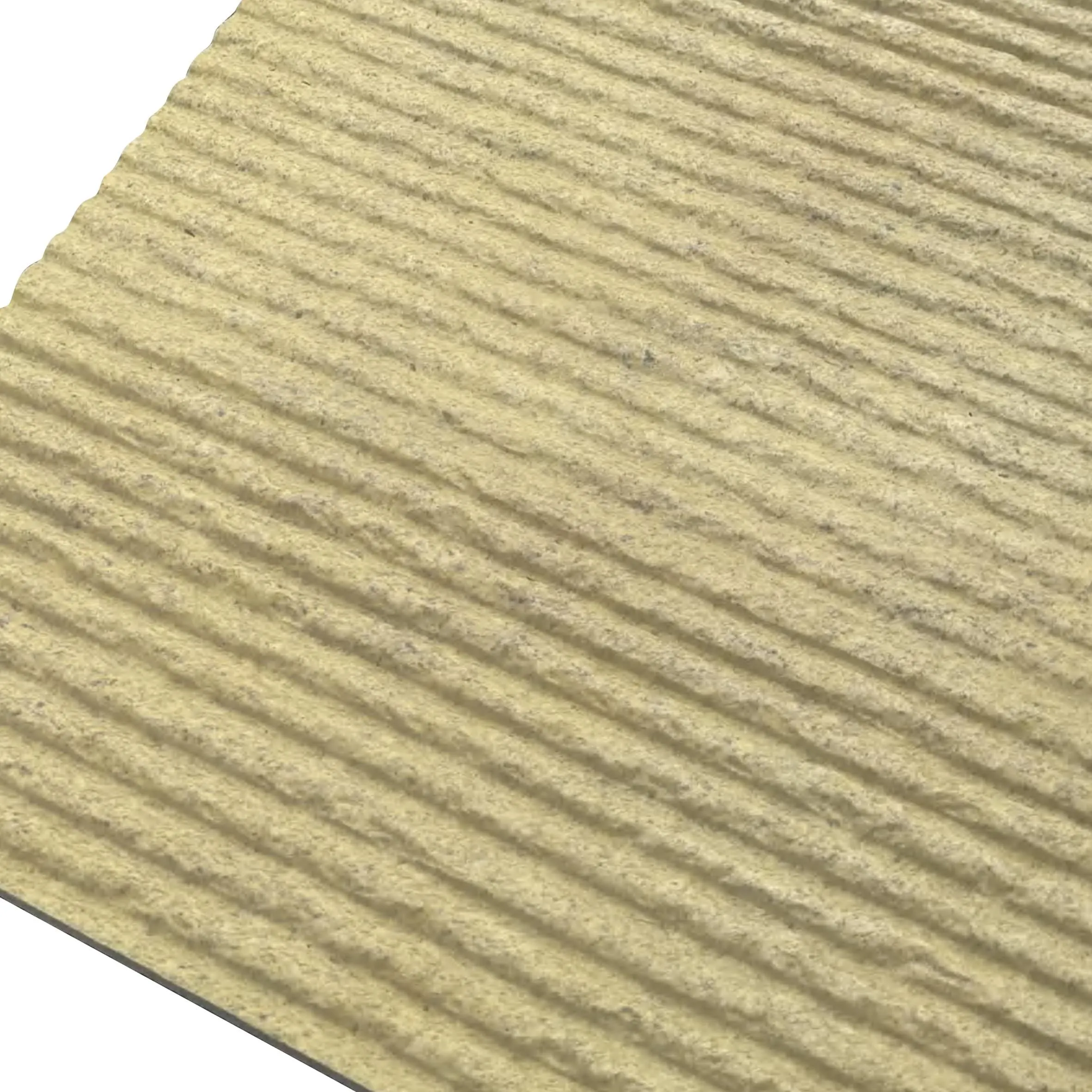
Now that we've explored each material, let's put them head-to-head. Use this table to compare key factors and see which one aligns with your project goals:
| Factor | Gravel Omani Stone | Limestone (Beige) |
|---|---|---|
| Appearance | Rustic, desert-inspired; gravel-like texture with earthy tones (terracotta, gold, brown). | Classic, elegant; smooth to slightly porous with soft beige/cream hues and subtle veining. |
| Durability | High; resistant to scratches, UV rays, and heat. Moderate water resistance (needs sealing in wet climates). | Moderate to high; vulnerable to acid damage and freeze-thaw cycles (needs regular sealing). |
| Cost | High (imported from Oman, unique texture). | Medium (widely available, classic material). |
| Installation | Challenging (heavy, requires professional installation). | Moderate (lighter than Gravel Omani Stone, still best left to pros). |
| Maintenance | Low to moderate (annual sealing in wet climates, gentle cleaning). | Moderate (seal every 2–3 years, immediate spill cleanup). |
| Sustainability | Moderate (natural stone, but imported, high carbon footprint). | High (locally available in many regions, natural and recyclable). |
| Best For | Desert-inspired, rustic, or modern designs; arid/moderate climates; statement exteriors. | Classic, timeless, or Mediterranean styles; neutral palettes; historic renovations. |
Gravel Omani Stone isn't for everyone—but when it's right, it's *perfect*. Here are the scenarios where it shines:
Limestone (Beige) is a safe bet for many projects, but it truly excels in these situations:
Before we wrap up, let's touch on a modern option that's gaining traction: MCM flexible stone . MCM (Modified Composite Material) is a lightweight, flexible cladding made from natural stone particles bonded with polymers. It mimics the look of natural stone—including Gravel Omani Stone and limestone—but is easier to install, more affordable, and resistant to many of the issues natural stone faces (like acid damage or heavy weight).
If you love the look of Gravel Omani Stone or limestone but are concerned about cost, weight, or maintenance, MCM flexible stone could be a happy medium. It's not *natural* stone, but it offers a convincing alternative for budget-conscious or eco-friendly projects (since it uses less natural stone and energy to produce).
At the end of the day, choosing between Gravel Omani Stone and Limestone (Beige) comes down to your personal style, budget, and project needs. Gravel Omani Stone is for the homeowner or designer who craves uniqueness, a desert-inspired aesthetic, and is willing to invest in a one-of-a-kind look. Limestone (Beige) is for those who value classic elegance, versatility, and a material that stands the test of time.
Whichever you choose, remember: exterior cladding isn't just about protecting your building—it's about creating a space that feels like *yours*. Whether you're drawn to the rugged charm of Gravel Omani Stone or the timeless beauty of limestone, both materials have the power to turn a house into a home or a building into a landmark.
So, what will it be? The desert's story in stone, or the quiet elegance of a classic? Either way, your exterior cladding will be more than just a "skin"—it'll be a statement.
Recommend Products












