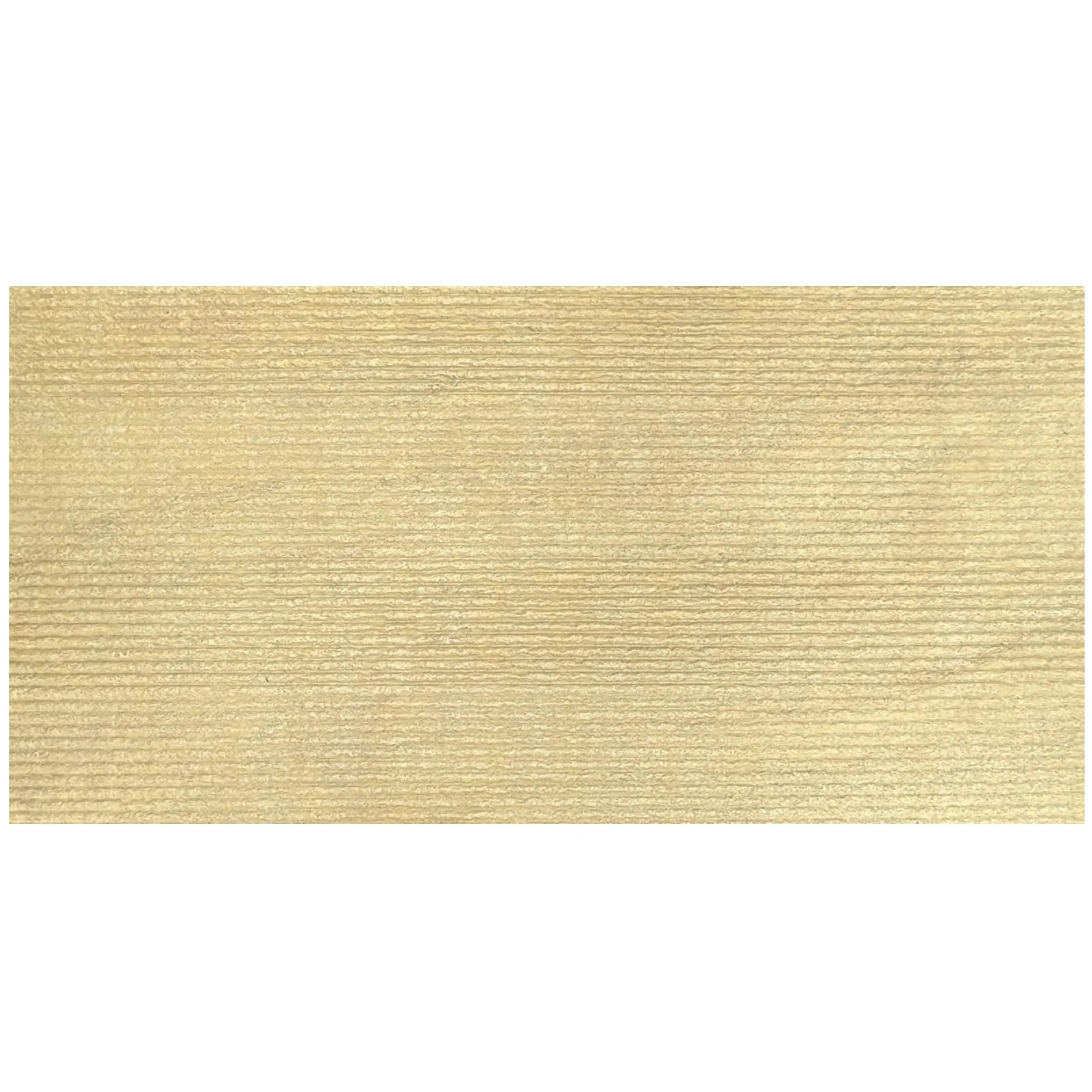
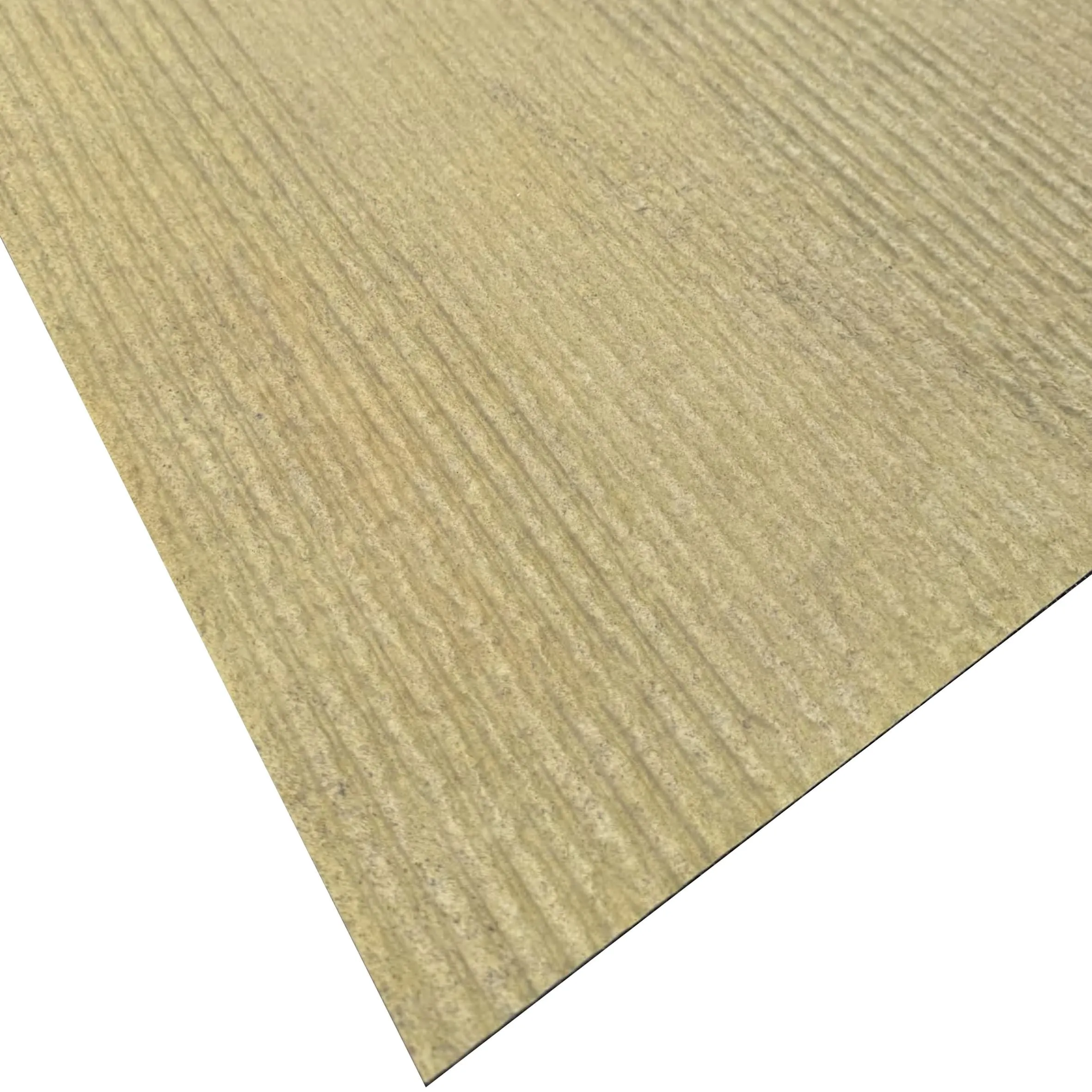
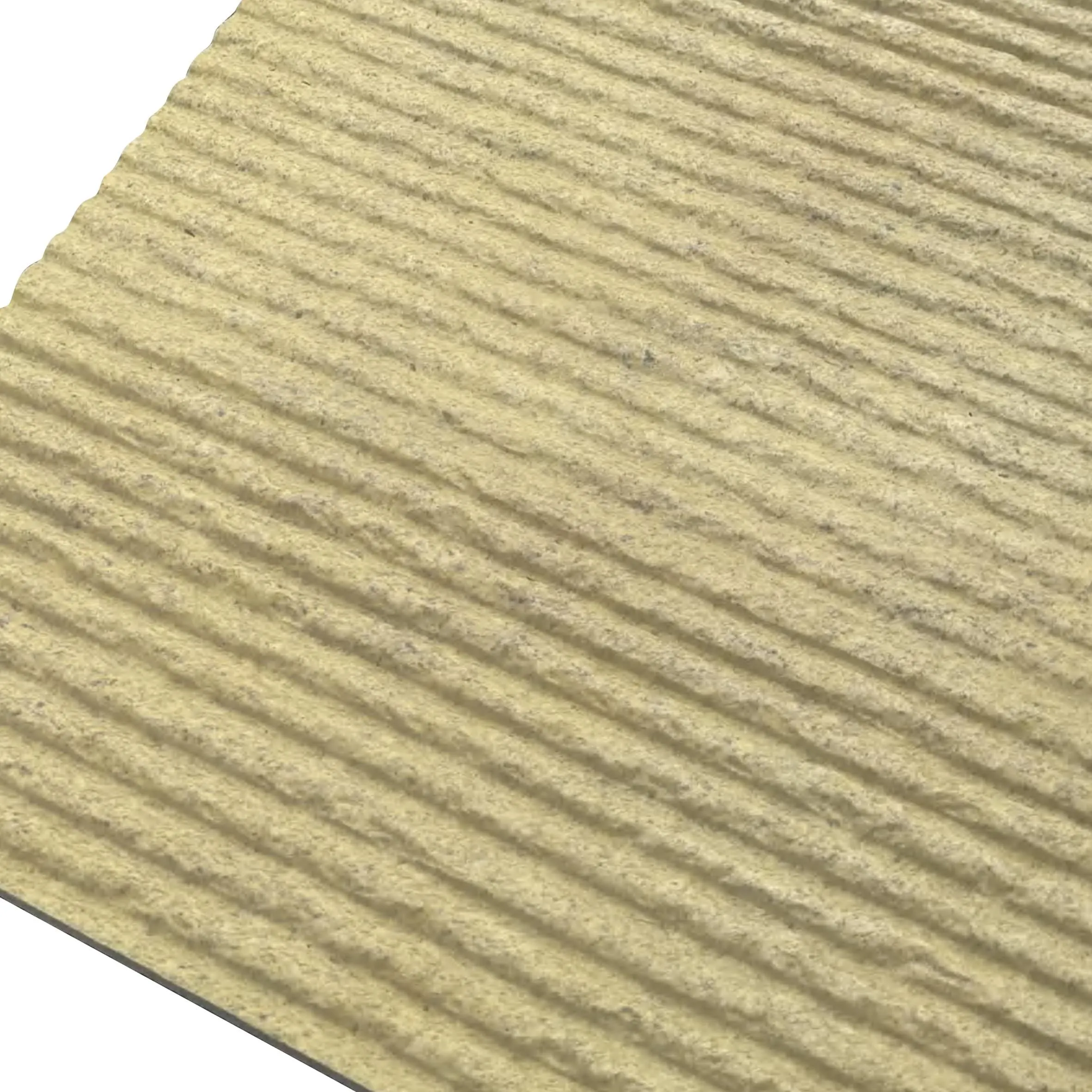
A pretty facade means nothing if it cracks, fades, or crumbles after a few years. Let's talk about resilience.
Gravel Omani Stone
, as a natural stone, has stood the test of time in its native Oman, enduring extreme temperatures, sandstorms, and occasional rain. Its density makes it resistant to scratches and impacts, and when properly sealed, it can handle moisture reasonably well. However, like many natural stones, it's porous. Without regular sealing (every 2–3 years), water can seep in, leading to staining or even freeze-thaw damage in colder climates. It's also heavy—very heavy. Over time, that weight can put stress on a building's structure, especially in high-rise applications.
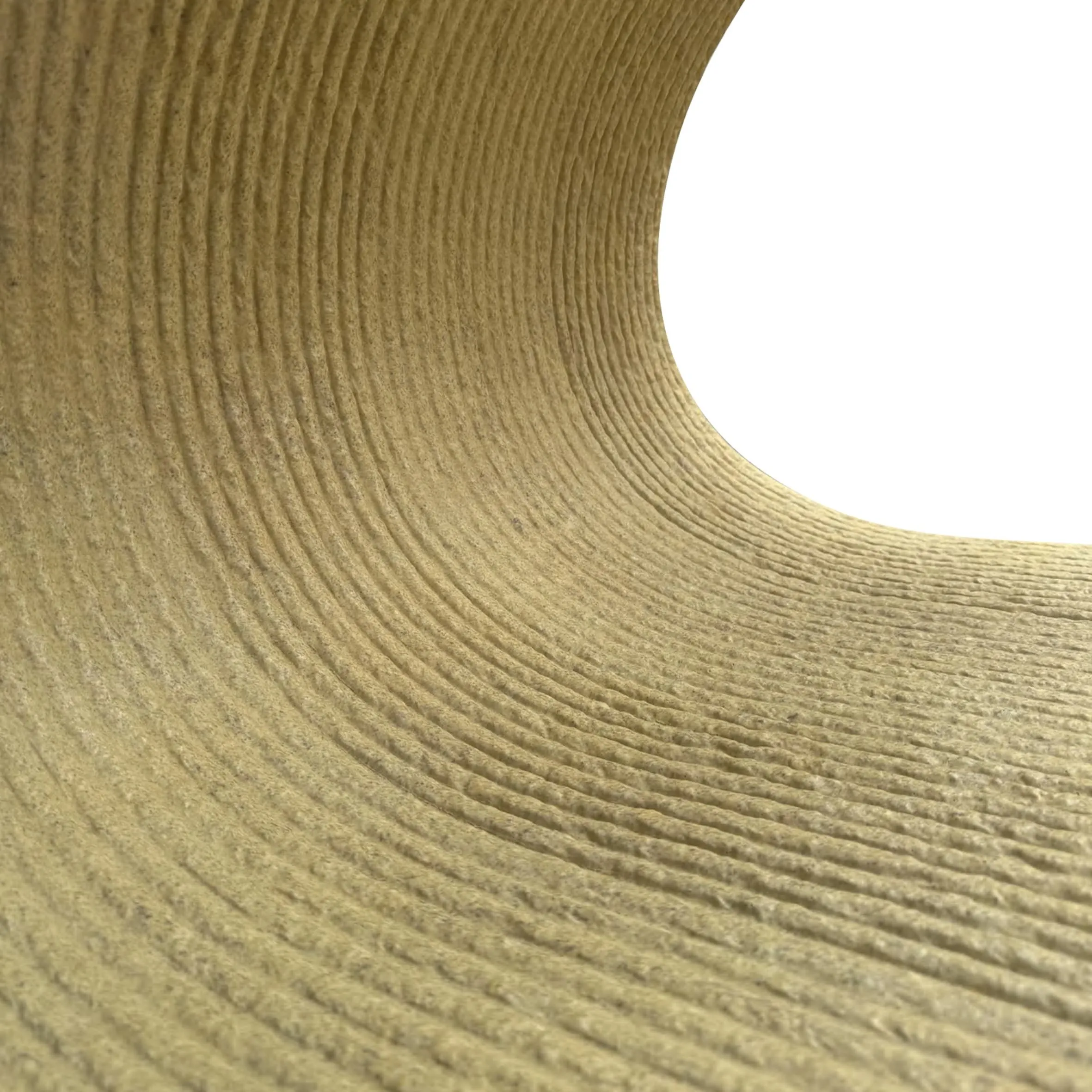
MCM Flexible Stone
, on the other hand, was built for performance. Its composite structure is non-porous, meaning it repels water, mold, and mildew. UV-resistant pigments ensure it won't fade under harsh sunlight, and its flexibility allows it to expand and contract with temperature changes, reducing the risk of cracking. Perhaps its biggest advantage is its weight: MCM panels weigh up to 80% less than natural stone. This not only reduces stress on the building's frame but also makes it suitable for retrofits or buildings with weaker structural support—something
Gravel Omani Stone can't always claim.
Lifespan-wise, both materials are impressive.
Gravel Omani Stone, with proper care, can last 50+ years, developing a beautiful patina over time. MCM, too, is built to last 30–40 years with minimal maintenance, retaining its original color and texture far longer than many traditional claddings. The difference? MCM requires almost no upkeep—no sealing, no special cleaning, just an occasional rinse with water. For busy homeowners or commercial property managers, that's a game-changer.