
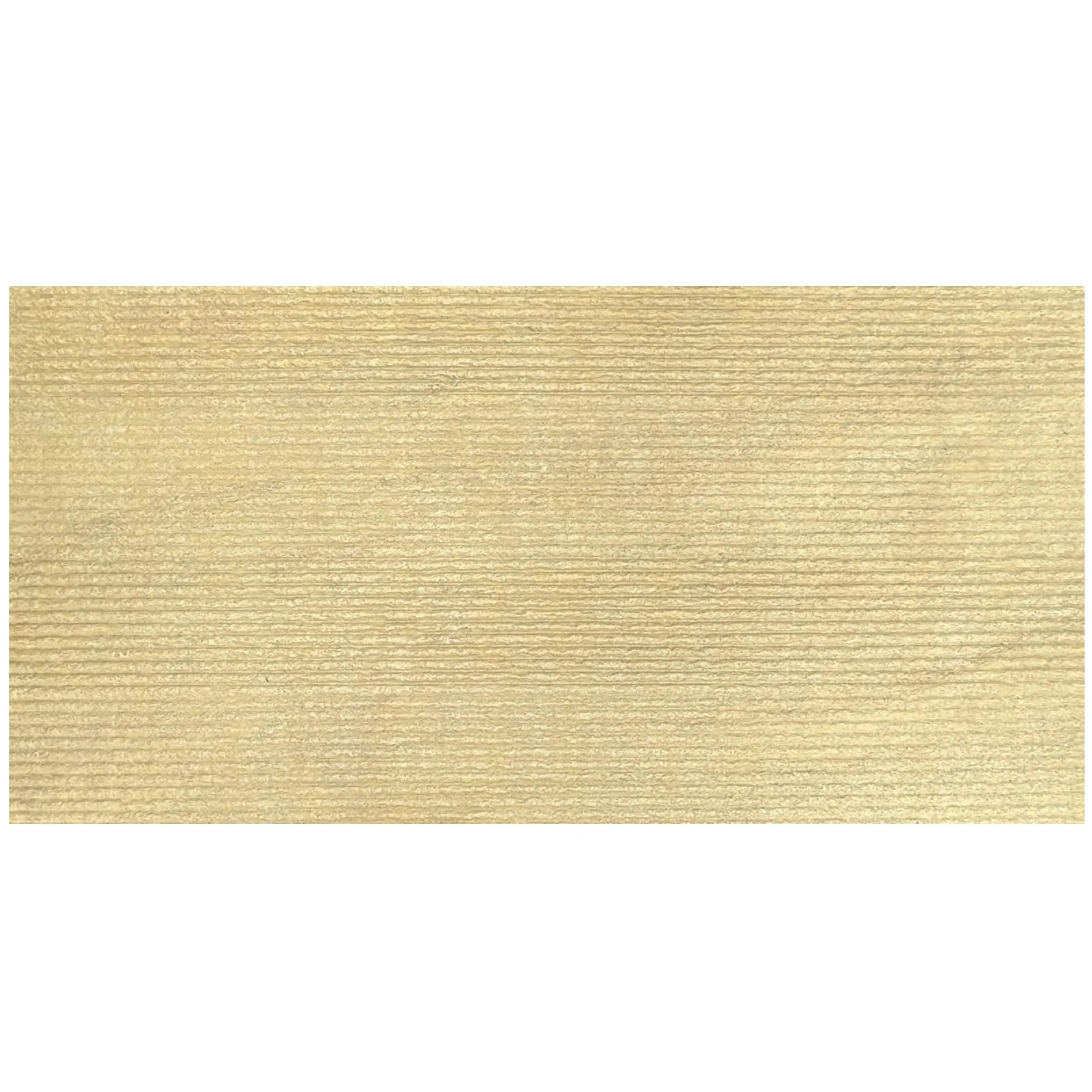
Your home's exterior wall is more than just a barrier—it's the first impression, a silent storyteller of your style, and a shield against everything from scorching sun to driving rain. Choosing the right material isn't just about looks; it's about investing in a surface that will stand the test of time, age gracefully, and maybe even get better with each passing year. Today, we're diving into two heavyweights in the world of exterior cladding: the earthy, organic charm of Gravel Omani Stone and the sleek, engineered reliability of Porcelain Tiles. Which one deserves a spot on your next project?
Hailing from the arid landscapes of Oman, Gravel Omani Stone isn't just a building material—it's a slice of geological history. Formed over millennia by the compression of sediment, gravel, and natural minerals, each slab carries the unique fingerprint of the desert winds and ancient rivers that shaped it. Unlike uniform engineered products, no two pieces of Gravel Omani Stone are exactly alike. You'll find subtle variations in color—warm beiges, soft terracottas, and flecks of gold that catch the light—and textures that range from smooth to gently rough, as if polished by time itself.
What makes Gravel Omani Stone so appealing is its raw, unfiltered connection to nature. When used as exterior cladding, it doesn't just cover a wall—it transforms it into a canvas that reflects the earth's own artistry. Imagine a home where the exterior feels like a continuation of the surrounding landscape, where the stone's gravel-speckled surface sparkles subtly at dusk, reminiscent of the night sky. It's a material that invites touch, that ages with dignity, and that tells a story of place. In a world of mass-produced finishes, this authenticity is priceless.
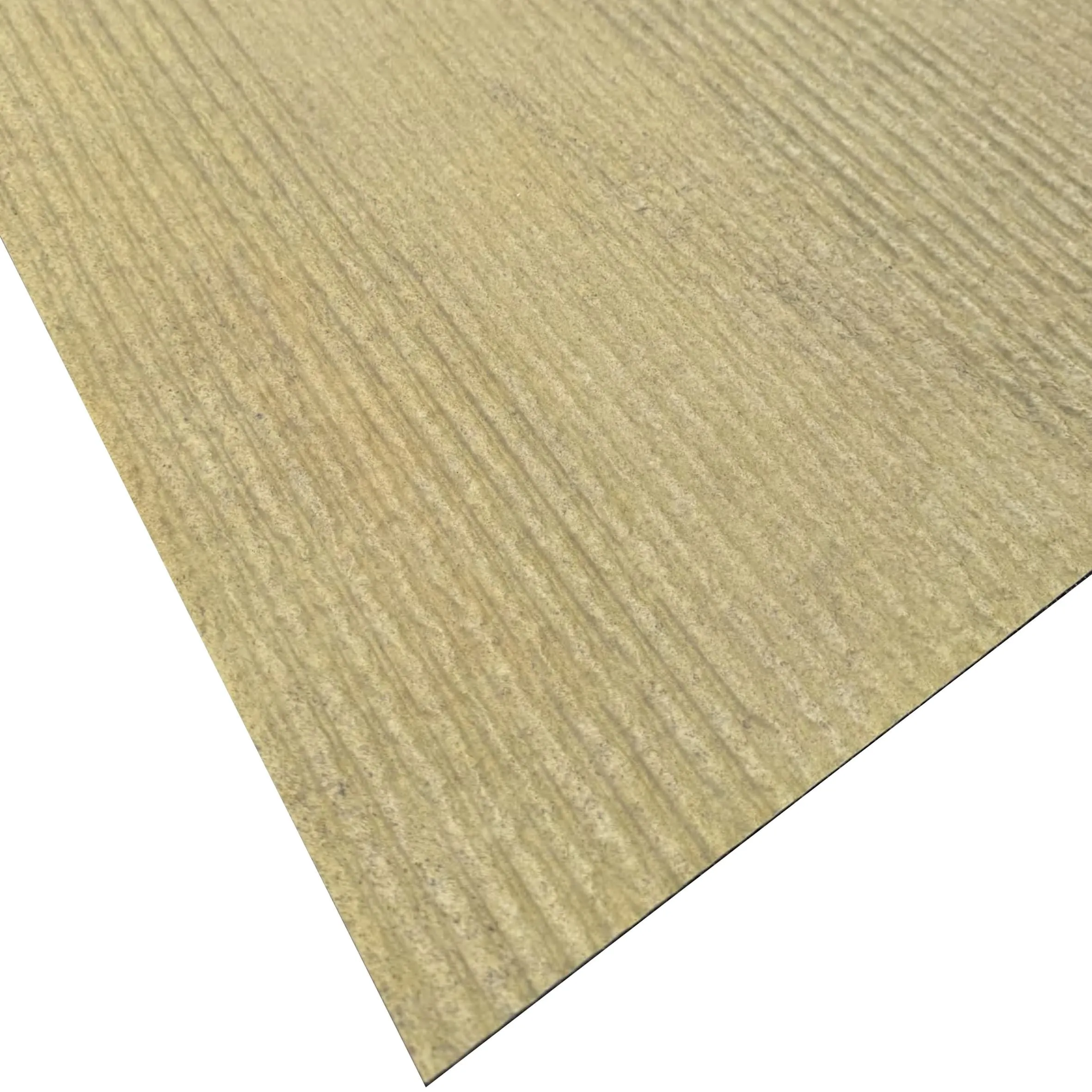
If Gravel Omani Stone is a poem written by nature, Porcelain Tiles are a carefully crafted novel, engineered to meet the demands of modern living. Made from fine clay, sand, and feldspar, these tiles are fired at incredibly high temperatures—often exceeding 1200°C—resulting in a material that's dense, non-porous, and remarkably strong. The firing process vitrifies the tile, making it resistant to water, stains, and even scratches. It's a material built not just to look good, but to outlast the chaos of daily life.
What sets porcelain apart, though, is its chameleon-like ability to mimic other materials. Want the look of wood grain board without the upkeep? Porcelain can do that, with digital printing that replicates every knot and grain. Dreaming of a wall that shimmers like travertine (starry blue) but won't fade in the sun? Porcelain has you covered, with vivid pigments locked in during firing. It's the ultimate shape-shifter of the design world, offering everything from matte concrete finishes to glossy marble imitations. For homeowners who crave variety or want to match a specific aesthetic—say, a minimalist space with fair-faced concrete accents—porcelain tiles deliver consistency and precision.
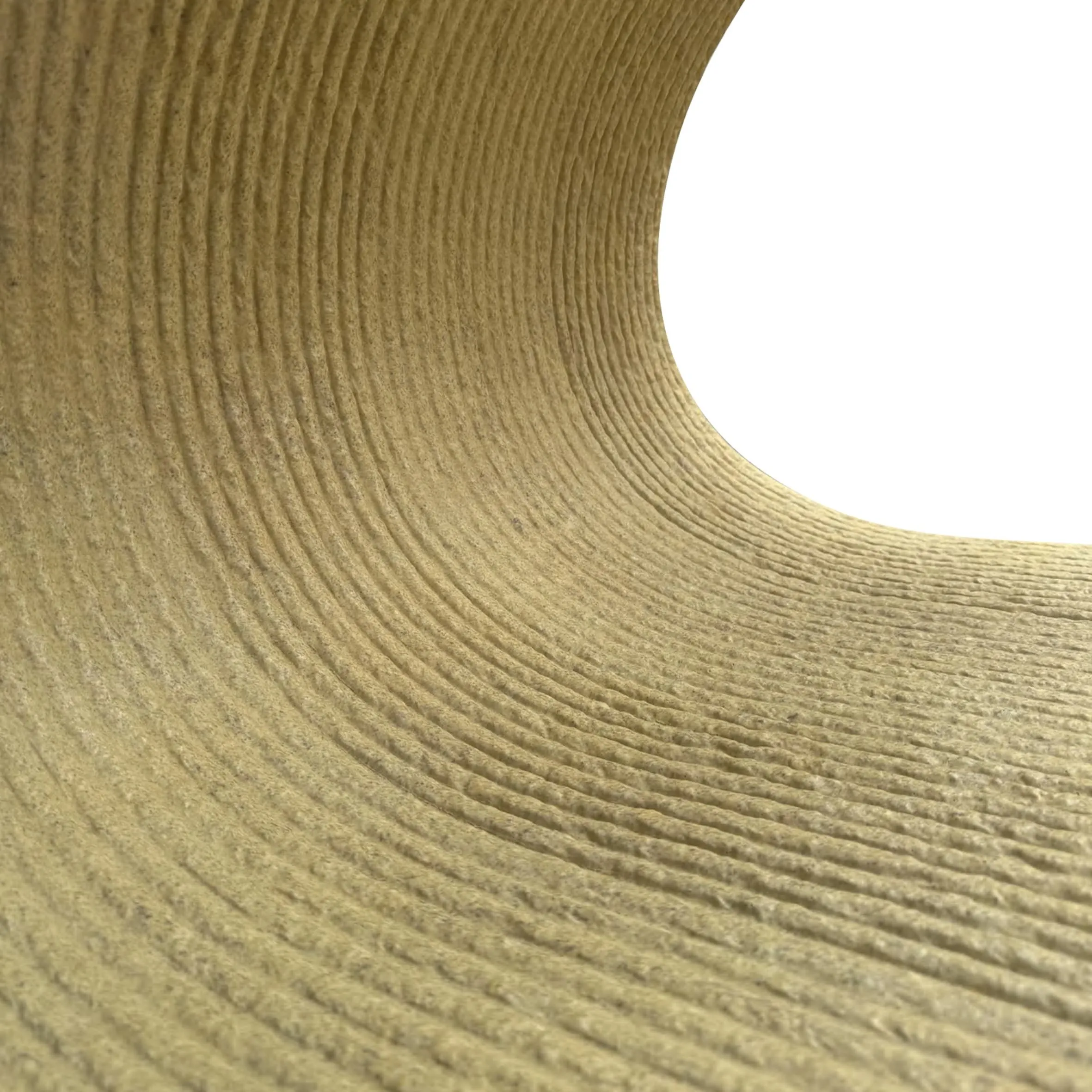
To truly understand how these materials stack up, let's break down their performance in key areas—from durability to sustainability. We'll also throw in a wildcard: mcm flexible stone, a newer option that blends natural stone particles with flexible polymers, to see how it fits into the mix.
| Performance Metric | Gravel Omani Stone | Porcelain Tiles | mcm flexible stone |
|---|---|---|---|
| Durability (1-5) | 4/5 – Resistant to wear but prone to chipping if hit hard | 5/5 – Virtually chip-proof and scratch-resistant | 4.5/5 – Flexible, reducing cracking risk |
| Weather Resistance | Good – Fades slightly over decades; needs sealing for rain/salt | Excellent – UV-stable, waterproof, and frost-resistant | Excellent – Resists moisture and temperature swings |
| Installation Complexity | High – Heavy slabs require skilled labor and structural support | Moderate – Lightweight but needs precise substrate prep | Low – Flexible sheets cut easily; DIY-friendly for small projects |
| Maintenance Needs | Moderate – Seal every 3-5 years; clean with mild soap | Low – Wipe with water; no sealing required | Low – Wipe clean; no sealing needed |
| Cost (Initial + Long-Term) | High initial ($$$), low long-term (minimal replacement) | Moderate initial ($$), low long-term (durable) | Moderate initial ($$), very low long-term (flexible = less breakage) |
| Aesthetic Options | Natural, earthy tones; unique textures | Virtually unlimited – mimics stone, wood, concrete, etc. | Diverse – replicates stone, brick, and even woven patterns |
| Sustainability | High – Natural, minimal processing, biodegradable at end-of-life | Moderate – Energy-intensive production but long lifespan | High – Uses recycled stone particles; low transportation emissions |
Gravel Omani Stone is tough, but it's not indestructible. Its natural composition means it can chip if struck by a heavy object—say, a falling branch or a misdirected ladder. However, when properly installed with a solid backing, it holds up remarkably well to everyday wear. Porcelain tiles, on the other hand, are engineered to be nearly impervious to chipping and scratching. Their dense structure makes them ideal for high-traffic areas or homes in busy neighborhoods where accidental impacts are more likely. And then there's mcm flexible stone, which adds a clever twist: its flexibility allows it to bend slightly under stress, reducing the risk of cracking—a game-changer in regions with frequent earthquakes or temperature fluctuations.
Your exterior wall faces a daily onslaught: UV rays that fade color, rain that seeps into pores, freezing temperatures that expand moisture into cracks. Gravel Omani Stone, while naturally hardy, needs a little help to stand up to these forces. A good sealant every 3-5 years will keep water out and prevent staining, especially in coastal areas where salt spray can accelerate wear. Porcelain tiles laugh in the face of the elements—their non-porous surface repels water, and their color is locked in during firing, so UV rays won't fade them. Even in desert climates with scorching days and cold nights, porcelain holds steady. For those in extreme weather zones, this reliability is hard to beat.
Gravel Omani Stone shines in traditional, rustic, or earth-inspired designs. Its warm, organic texture pairs beautifully with wooden accents, terracotta roofs, or lush gardens, creating a cozy, inviting feel. It's the material of choice for a countryside villa or a mountain retreat where blending with nature is key. Porcelain tiles, by contrast, are modern chameleons. Want a sleek, urban look? Opt for large-format porcelain slabs in matte black or white, paired with fair-faced concrete for an industrial edge. Craving the beachy vibe of travertine (starry blue) without the upkeep? Porcelain can replicate that too, with digital printing so precise you'd swear it's the real thing. It's equally at home in a minimalist apartment or a bold, contemporary mansion.
Installing Gravel Omani Stone isn't for the faint of heart. Each slab can weigh 50-100 pounds, requiring a sturdy substrate and skilled installers to ensure proper alignment and support. This labor-intensive process drives up initial costs, but for many, the result is worth it. Maintenance is manageable but not zero—plan to seal the stone every few years and clean it with mild, pH-neutral soap to avoid damaging its natural patina. Porcelain tiles are lighter and easier to handle, cutting down on installation time and labor costs. Once up, they're practically maintenance-free: a quick wipe with water is all it takes to keep them looking new. No sealing, no special cleaners—just set it and forget it.
Gravel Omani Stone has a higher upfront cost, thanks to its natural rarity and installation complexity. Expect to pay $15-30 per square foot, plus labor. But over time, its durability means you'll rarely need to replace it—decades of beauty for a one-time investment. Porcelain tiles are more budget-friendly initially, ranging from $5-15 per square foot, with lower installation costs. While they might not have the same "heirloom" appeal, their longevity means they'll still be looking sharp 20+ years down the line. For those on a tighter budget but unwilling to compromise on performance, porcelain offers the best bang for the buck.
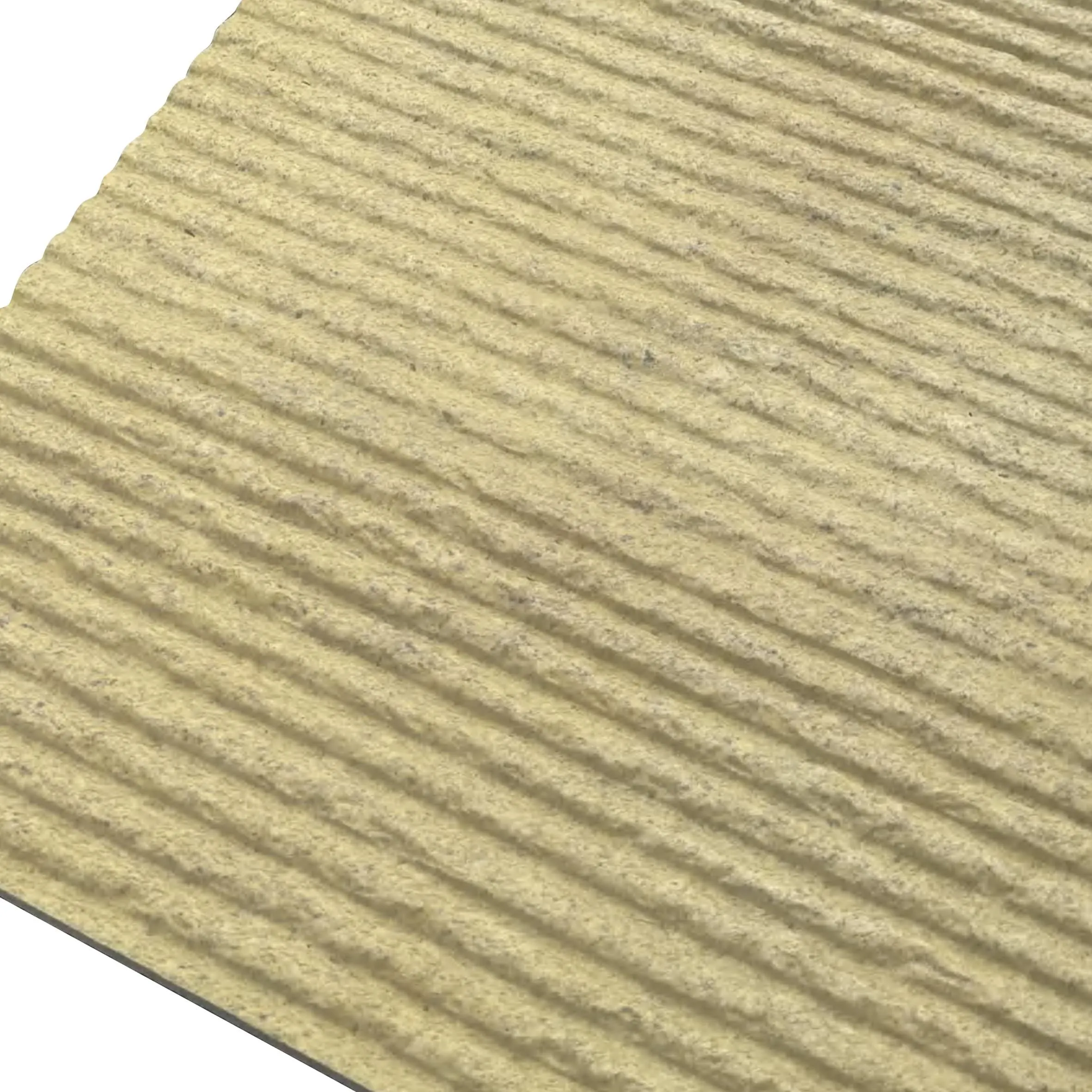
For a heritage property in a historic district, Gravel Omani Stone would blend seamlessly, echoing the warmth of older buildings. Its natural texture complements traditional architecture, adding depth without overwhelming. On the flip side, a sleek, modern home in the city might lean into porcelain tiles' crisp lines and uniform finish, pairing them with glass walls for a look that feels both cutting-edge and timeless. And if you're working on a renovation where weight is a concern—say, a second-story addition—mcm flexible stone offers the beauty of stone without the structural strain.
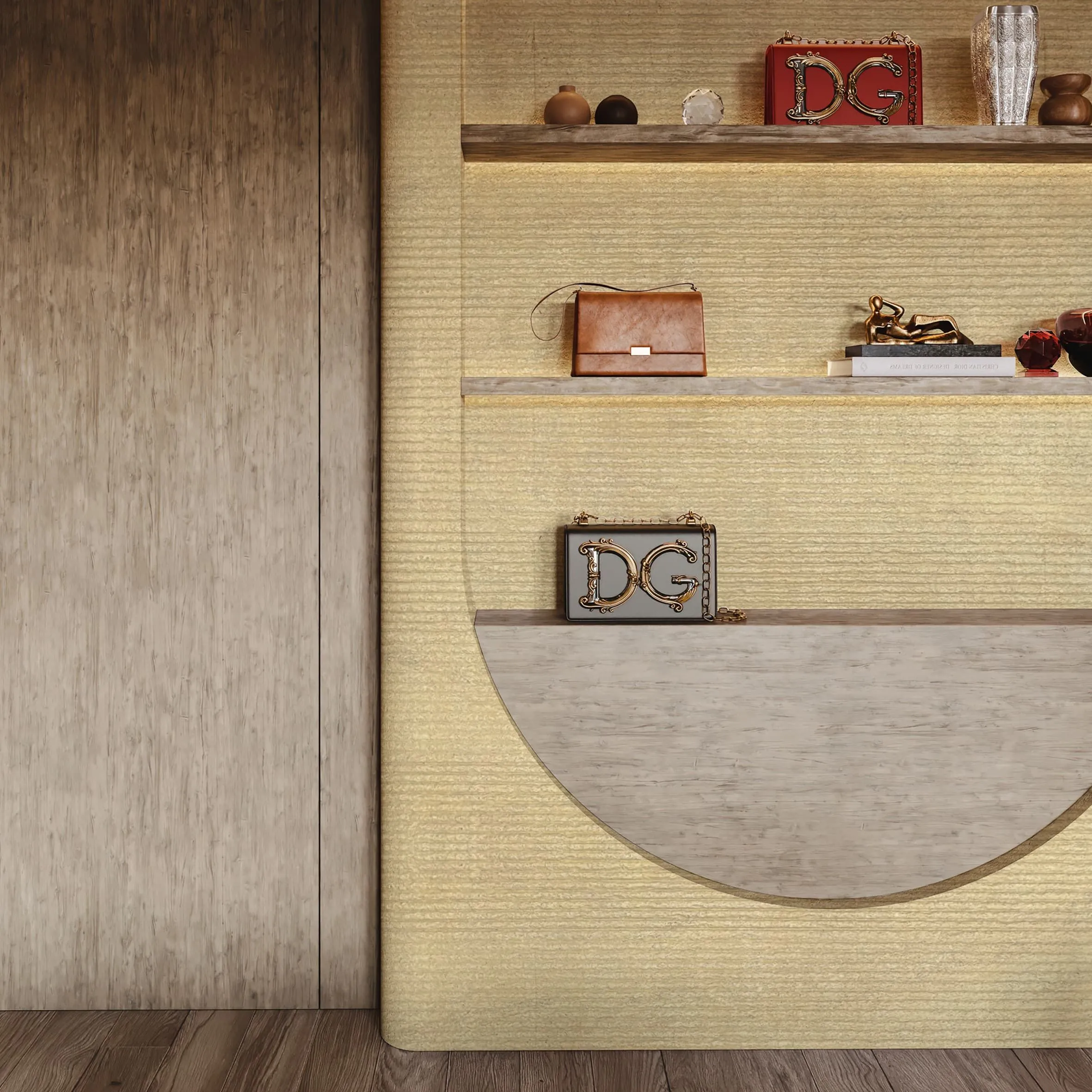
While Gravel Omani Stone and Porcelain Tiles are stars in their own right, the world of exterior cladding is full of other options. Wood grain board, for example, adds warmth and texture but requires regular staining to resist rot—a labor of love for those who prioritize its cozy aesthetic. Travertine (starry blue), with its unique veining and shimmer, is a statement material but needs careful sealing to prevent staining. And for the eco-conscious, fair-faced concrete offers an industrial, minimalist look with a low carbon footprint, though it can crack if not properly reinforced.
At the end of the day, the choice between Gravel Omani Stone and Porcelain Tiles boils down to your priorities. If you crave authenticity, a connection to nature, and don't mind a bit more maintenance, Gravel Omani Stone is a love letter to the earth. If you want durability, design versatility, and low upkeep, porcelain tiles are a reliable workhorse with style. And if you're looking for something in between—say, the flexibility of mcm flexible stone or the warmth of wood grain board—there are endless options to explore. Whichever you choose, remember: your exterior wall is more than a material. It's a part of your home's story, and the right one will make that story shine for decades to come.
Recommend Products












