
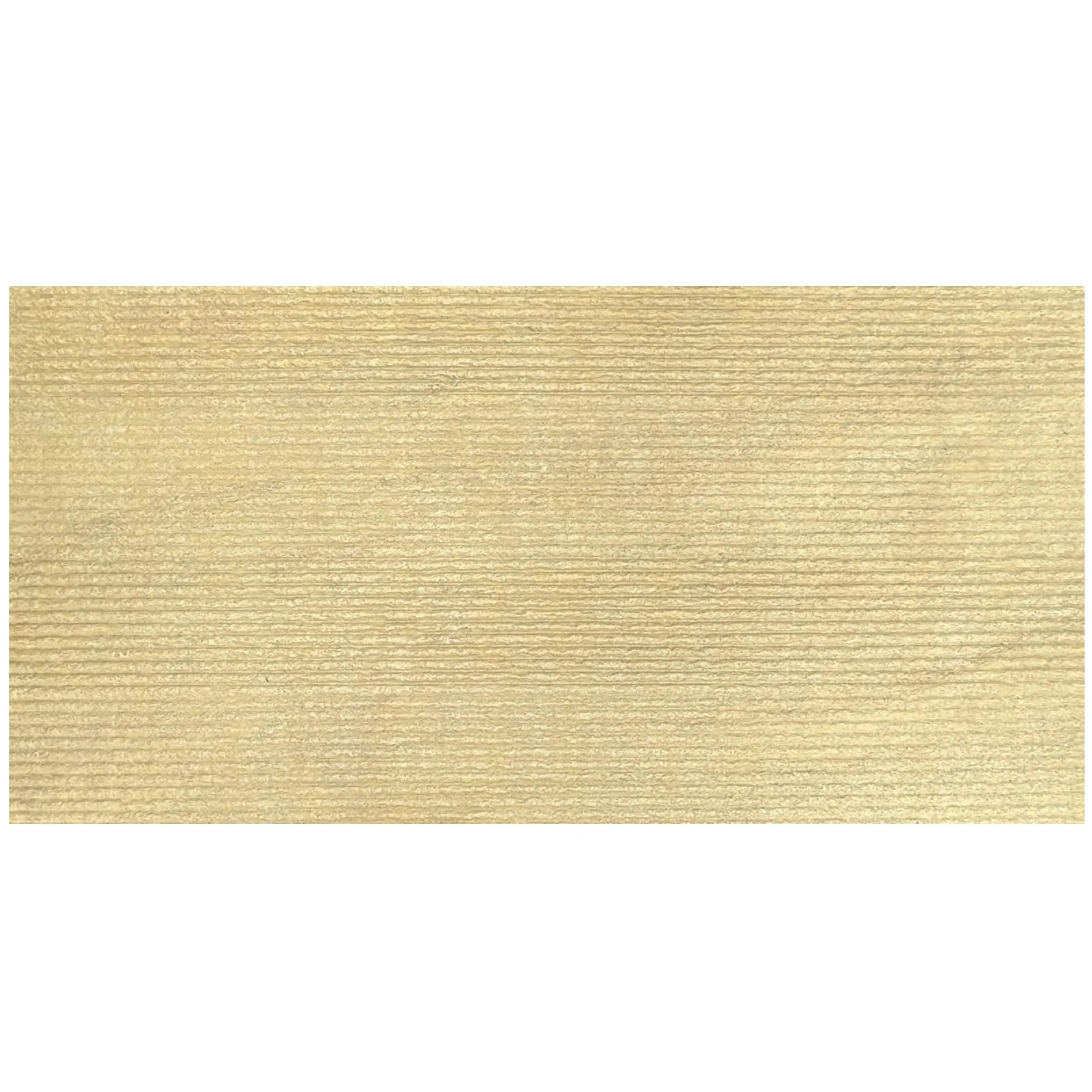
When you're planning a construction or renovation project, the choice of building materials feels like more than just a design decision—it's a long-term investment. Every material you pick carries a price tag, but the true cost goes beyond the initial invoice. It's about how well it holds up to time, weather, and daily life; how much effort (and money) you'll pour into maintaining it; and whether it aligns with your values, like sustainability. In recent years, a material called Gravel Omani Stone has been turning heads in architectural circles, often compared to the timeless appeal of traditional natural stones like marble, granite, and travertine. But is this newer option just a flash in the pan, or does it offer genuine cost savings over the decades? Let's dive in.
Gravel Omani Stone, hailing from the arid landscapes of Oman, is a unique sedimentary stone formed over millions of years by the accumulation of gravel, sand, and mineral deposits. What sets it apart is its distinctive texture—think a blend of earthy tones, from warm beiges to soft terracottas, with tiny pebbles embedded like nature's own confetti. But it's not just about looks. Unlike some traditional stones that are quarried in large, heavy blocks, Gravel Omani Stone is often processed into thinner, more manageable slabs, making it a favorite for both interior and exterior applications. It's also gaining traction as part of the green building materials movement, thanks to more sustainable extraction practices compared to intensive quarrying methods used for some marbles and granites.
Producers of Gravel Omani Stone often highlight its versatility: it works for flooring, wall cladding, countertops, and even outdoor patios. And because it's less dense than, say, granite, it's easier to transport and install—factors that can quietly chip away at overall project costs without sacrificing durability.
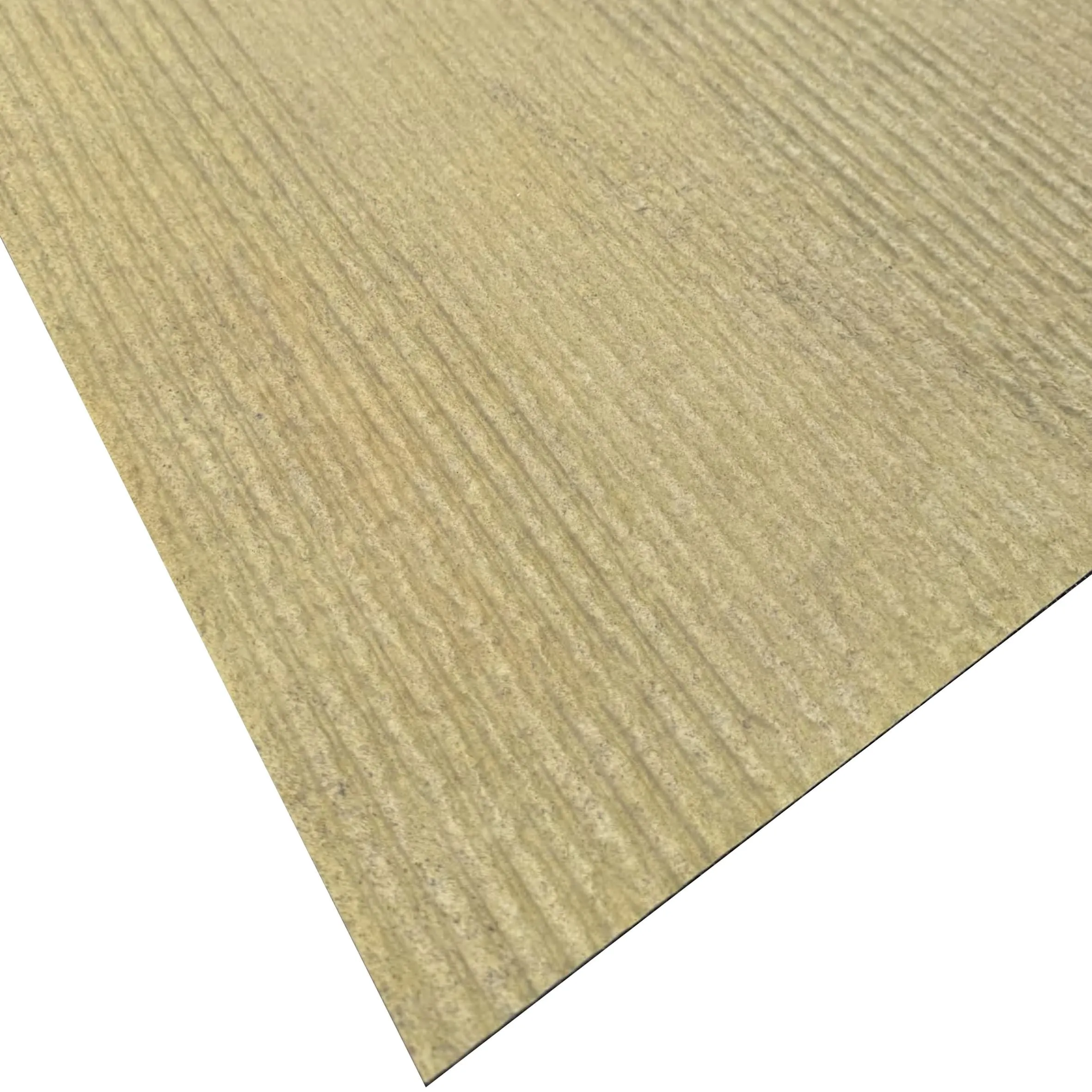
Traditional natural stone is the old guard of building materials, with a history dating back to ancient civilizations. Think of the marble columns of Rome, the granite temples of Egypt, or the travertine facades of Renaissance palaces. These stones are quarried directly from the earth, cut into slabs, and polished (or left rough) to showcase their natural beauty. Common types include marble (known for its veining), granite (speckled and hard-wearing), travertine (porous with a matte finish), and limestone (soft and creamy). Their appeal is undeniable: they bring a sense of luxury, permanence, and connection to the natural world. But that luxury often comes with a price—both upfront and over time.
For example, take travertine (starry green)—a popular traditional stone with a unique, pitted surface that adds character. It's stunning, but its porosity means it requires regular sealing to prevent stains. Similarly, marble, while elegant, is prone to scratching and etching from acidic substances like lemon juice or vinegar. These are beautiful materials, but their maintenance needs and weight can make them a heavier lift for budgets and logistics.
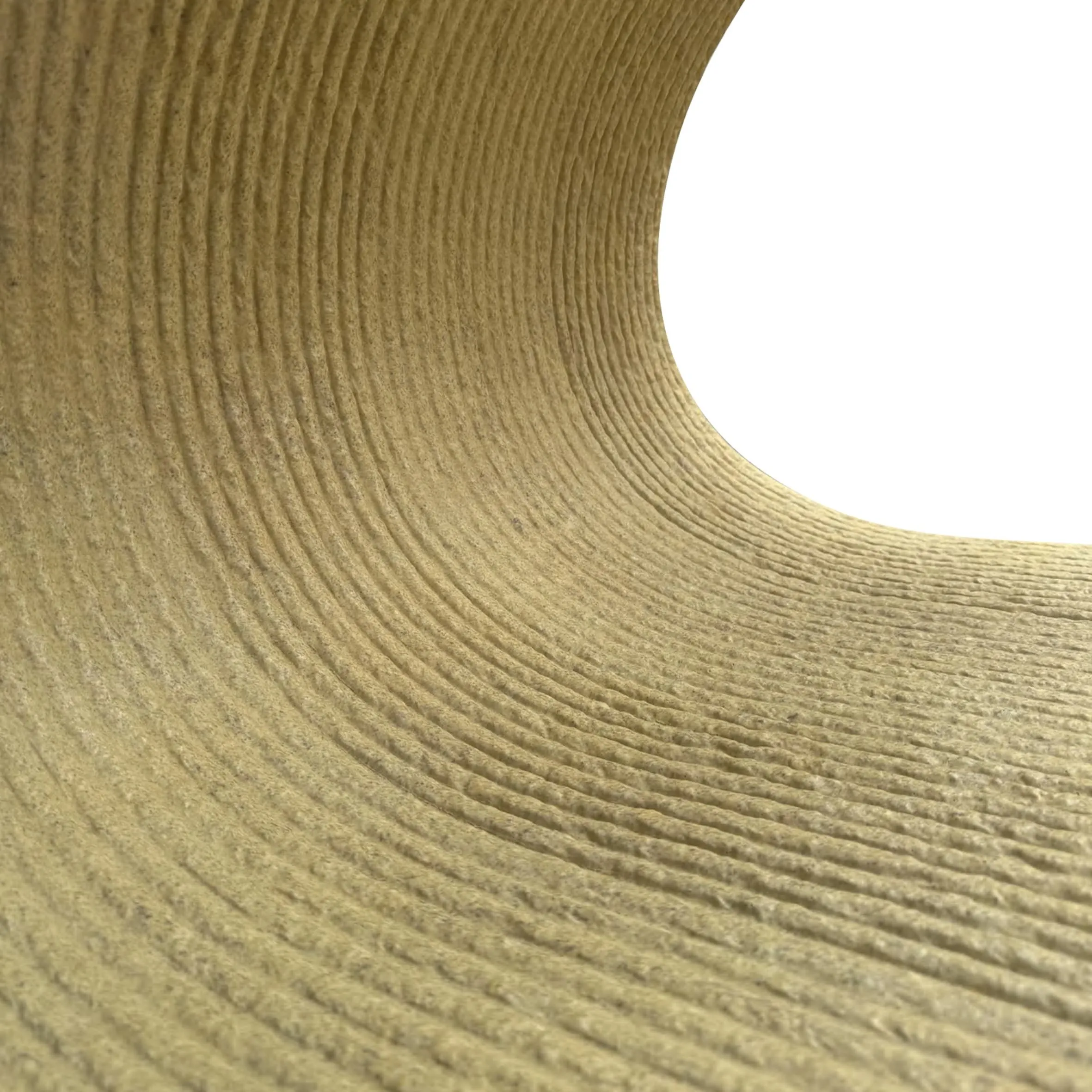
To truly compare Gravel Omani Stone and traditional natural stone, we need to look beyond the sticker price. Cost-effectiveness is about the total cost of ownership (TCO)—the sum of initial purchase, installation, maintenance, and even eventual replacement over the material's lifespan. Let's break it down factor by factor.
Traditional natural stones have a reputation for being pricey, and for good reason. Quarrying large blocks of marble or granite is labor-intensive, and transporting heavy slabs increases costs. For example, high-end marble can cost anywhere from $80 to $200 per square foot, while granite averages $50 to $150 per square foot. Travertine (beige) is slightly more affordable, ranging from $30 to $80 per square foot, but still not cheap.
Gravel Omani Stone, on the other hand, often comes in at a lower initial cost. Thanks to its sedimentary composition, it's easier to extract and process, and its lighter weight reduces transportation expenses. Depending on the supplier and finish, Gravel Omani Stone typically ranges from $25 to $60 per square foot. That's a noticeable difference—especially for large projects like a commercial lobby or a full-home renovation. But initial cost alone isn't the whole story; we need to see how these materials perform over time.
Traditional natural stones are known for their longevity. A well-maintained granite countertop, for example, can last 50 years or more. Marble, while softer, can still endure decades with proper care. But here's the catch: "well-maintained" is key. Traditional stones are durable, but they're not indestructible. Granite, though hard, can chip if hit with a heavy object. Marble scratches easily. Travertine's pores trap dirt, leading to discoloration over time if not sealed.
Gravel Omani Stone, while newer to the scene, holds its own in durability. Its compacted gravel structure makes it resistant to chipping and scratching, and its lower porosity (compared to travertine) means it's less prone to staining. In tests simulating 20 years of foot traffic, Gravel Omani Stone showed minimal wear, comparable to mid-grade granite. And because it's often reinforced with modern bonding agents (especially in products like MCM flexible stone), it can withstand harsh weather conditions—making it a strong candidate for outdoor use, where traditional stones might crack in freeze-thaw cycles.
Traditional natural stones are heavy. A standard 2cm-thick granite slab weighs about 13 pounds per square foot, while marble is slightly lighter at 11 pounds per square foot. This weight adds up quickly: installing a marble floor in a 1,000-square-foot space requires moving over 5 tons of stone. Heavy materials mean more laborers, specialized equipment (like cranes or forklifts), and higher transportation fees. Installation costs for traditional stone can range from $10 to $30 per square foot, depending on the material and complexity of the project.
Gravel Omani Stone, being less dense, is significantly lighter—around 8 to 10 pounds per square foot for a similar thickness. This makes it easier to handle, reducing the need for extra labor or heavy machinery. For example, a team of two can install Gravel Omani wall cladding in a day, whereas traditional stone might take three workers two days. Installation costs for Gravel Omani typically hover between $5 and $15 per square foot. Over a large project, this difference can save thousands of dollars.
Take fair-faced concrete, another traditional material, which is often compared to Gravel Omani. While fair-faced concrete is durable, its weight and the need for precise formwork during installation drive up labor costs. Gravel Omani, with its flexibility (especially in MCM flexible stone variants), can be cut on-site to fit irregular spaces, reducing waste and labor time.
Traditional natural stones demand attention. Let's take travertine (vintage gold) as an example. Its porous surface requires sealing every 1 to 2 years, at a cost of $1 to $3 per square foot. If you have a 200-square-foot travertine floor, that's $200 to $600 every couple of years—adding up to $3,000 to $9,000 over 30 years. Marble is even more high-maintenance: it needs sealing every 6 months to a year, and professional polishing every 3 to 5 years to restore its shine, costing $3 to $5 per square foot.
Gravel Omani Stone, with its lower porosity, requires far less upkeep. Most suppliers recommend sealing it every 5 to 7 years, at the same $1 to $3 per square foot rate. Over 30 years, that's just 4 to 6 sealings, totaling $800 to $3,600 for a 200-square-foot area—less than half the cost of travertine or marble maintenance. And because it's more resistant to scratches and stains, you'll spend less on repairs or replacements for damaged tiles.
In today's world, cost-effectiveness can't ignore environmental impact. Traditional stone quarrying often involves clear-cutting forests, disrupting ecosystems, and consuming large amounts of water and energy. For example, extracting granite requires blasting rock, which releases dust and noise pollution, and transporting heavy slabs increases carbon emissions. These practices conflict with the growing demand for green building materials—sustainable options that minimize environmental harm.
Gravel Omani Stone, by contrast, is often sourced from sustainable quarries in Oman that prioritize reclamation and minimal water use. Its lighter weight also reduces transportation emissions, and some manufacturers even use recycled materials in their bonding agents. For eco-conscious builders or homeowners aiming for LEED certification, Gravel Omani's lower carbon footprint can translate to tax incentives or rebates, further boosting its cost-effectiveness.
A material's ability to retain its appearance and functionality over time directly impacts a property's resale value. Traditional stones like marble or granite have long been seen as status symbols, which can boost resale prices. However, their tendency to show wear (like scratches on marble or stains on travertine) can diminish that appeal if not maintained meticulously.
Gravel Omani Stone, with its durable, low-maintenance finish, tends to age gracefully. Its natural texture hides minor scuffs, and its color consistency means it doesn't fade unevenly in sunlight. Homeowners and commercial developers report that properties with Gravel Omani exteriors or interiors maintain their "like-new" look for decades, making them just as attractive to buyers as traditional stone—without the upkeep hassle.
| Factor | Gravel Omani Stone | Traditional Natural Stone (e.g., Marble, Travertine) |
|---|---|---|
| Initial Cost (per sq ft) | $25–$60 | $30–$200+ |
| Installation Cost (per sq ft) | $5–$15 | $10–$30 |
| Maintenance (over 30 years, per sq ft) | $4–$18 | $15–$45 |
| Weight (per sq ft, 2cm thickness) | 8–10 lbs | 11–13 lbs |
| Environmental Impact | Lower (sustainable sourcing, lighter transport) | Higher (intensive quarrying, heavy transport) |
| Estimated Lifespan | 30–50 years | 50+ years (with heavy maintenance) |
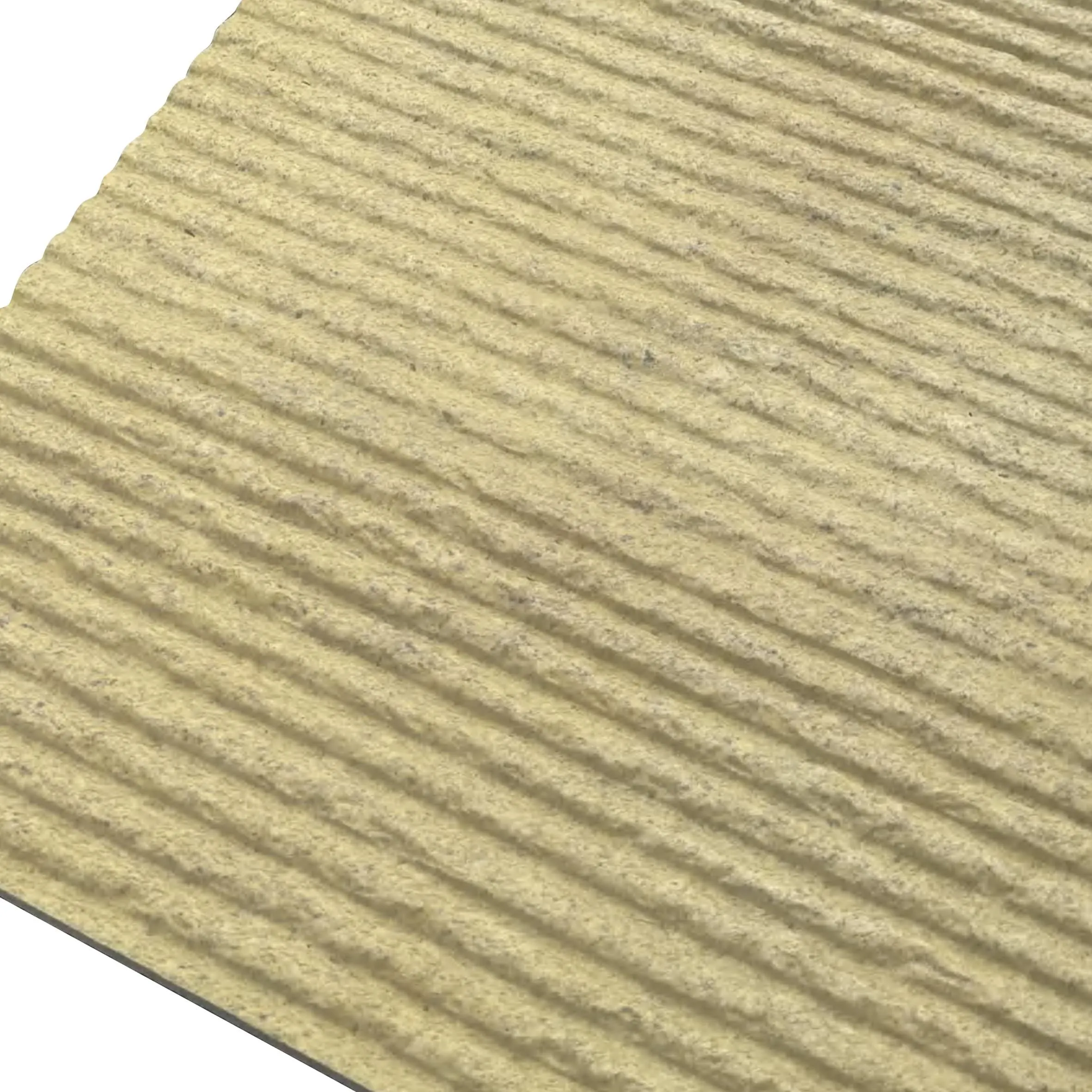
A property developer in Dubai recently renovated a 10,000-square-foot office lobby, choosing between Gravel Omani Stone and traditional travertine (vintage silver) for the flooring. The initial cost of travertine was $55 per square foot, vs. $40 per square foot for Gravel Omani. Installation for travertine cost $20 per square foot (due to weight), while Gravel Omani installation was $10 per square foot. Over 10,000 square feet, the upfront savings with Gravel Omani were $550,000 (travertine total: $750,000; Gravel Omani total: $500,000).
Five years later, the developer reported spending $15,000 on travertine maintenance (sealing and polishing) for a smaller test area, while the Gravel Omani floor required only a single sealing, costing $3,000. "We should have gone with Gravel Omani for the entire lobby," the project manager noted. "The savings in labor and maintenance alone made it worth it, and it still looks as good as the day we installed it."
A homeowner in Arizona wanted to clad their home's exterior with a durable, heat-resistant material. They considered boulder slab (vintage gold)—a traditional stone with a rugged, natural look—and Gravel Omani Stone. Boulder slab cost $70 per square foot, plus $25 per square foot for installation (due to its weight, requiring reinforced framing). Gravel Omani cost $45 per square foot, with $12 per square foot for installation. For a 2,000-square-foot exterior, the total cost for boulder slab was $190,000, vs. $114,000 for Gravel Omani—a $76,000 difference.
After 8 years in Arizona's harsh sun and monsoon rains, the boulder slab showed signs of fading and required resealing twice, costing $8,000. The Gravel Omani cladding, however, had no fading and needed only one sealing, costing $2,400. "I worried Gravel Omani might not have the 'prestige' of traditional stone, but guests can't tell the difference," the homeowner said. "And my utility bills are lower too—its lighter color reflects heat better than the darker boulder slab."
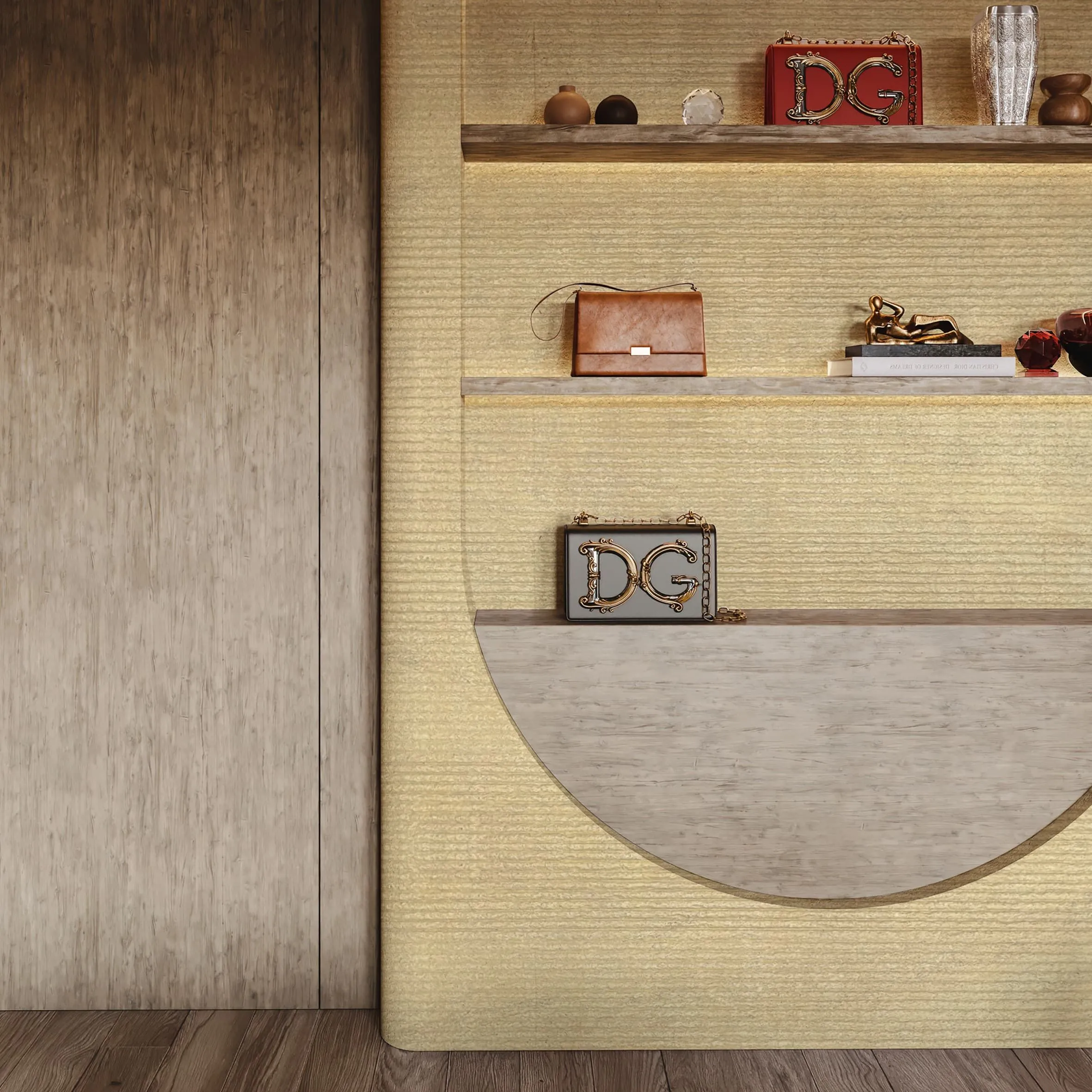
When you add up initial costs, installation, maintenance, and environmental impact, Gravel Omani Stone emerges as the more cost-effective choice for most projects. Traditional natural stones like marble, travertine, or boulder slab are undeniably beautiful and have a timeless allure, but their high upfront costs, heavy maintenance needs, and logistical challenges make them a pricier option over the long haul.
Gravel Omani Stone, with its lower initial price, lighter weight (reducing installation labor), minimal maintenance, and sustainability benefits, offers a compelling balance of aesthetics and affordability. It's not just a budget-friendly alternative—it's a smart investment that holds up to the demands of daily life and the test of time.
Of course, there are cases where traditional stone might still be the right choice—for example, in historic preservation projects where authenticity is paramount, or in high-end luxury builds where the prestige of marble or granite adds significant resale value. But for most homeowners, developers, and architects, Gravel Omani Stone proves that cost-effectiveness and beauty don't have to be mutually exclusive. It's a modern material with an old soul—one that respects both your budget and the planet.
Recommend Products












