
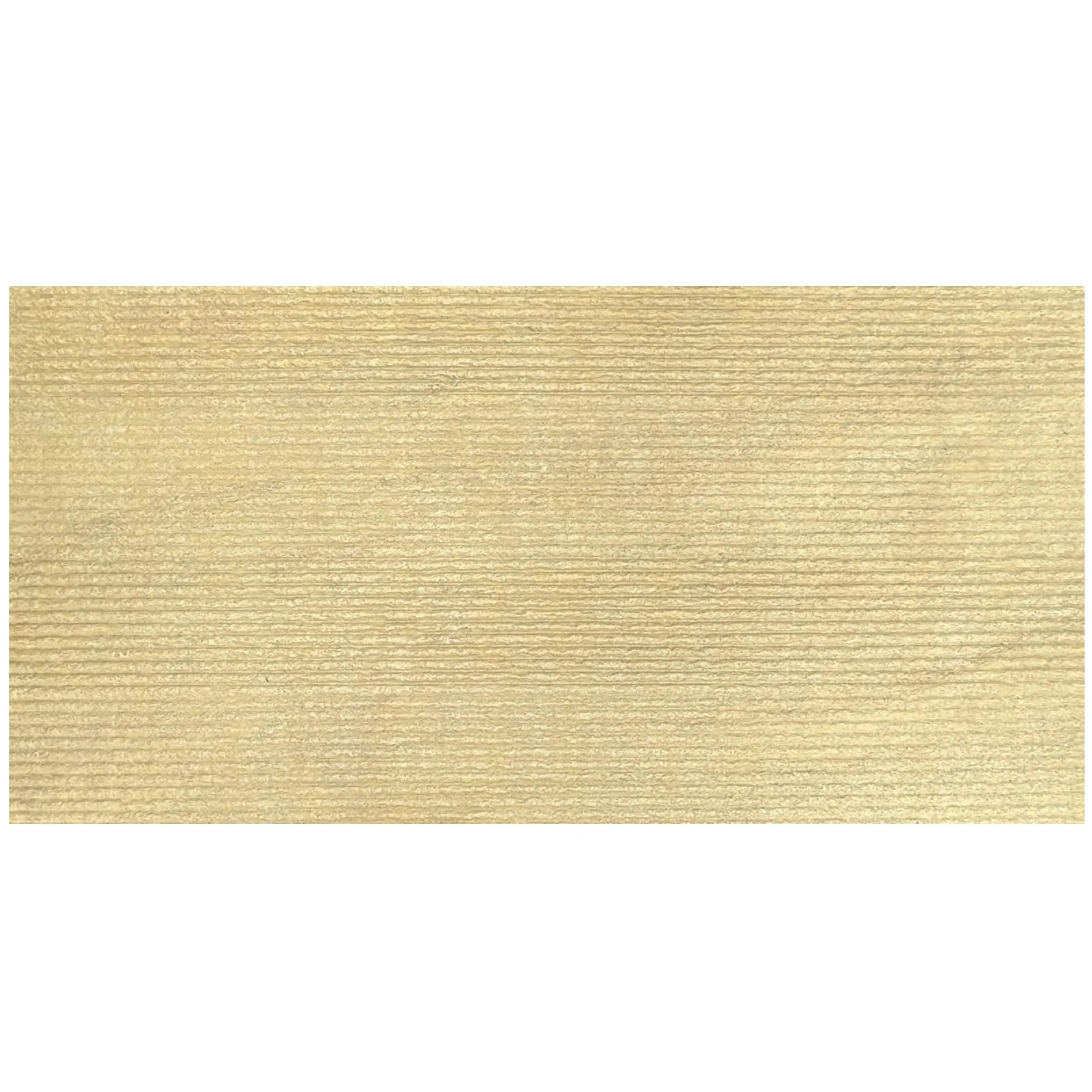
Picture this: the sun hangs low over the Omani desert, painting the sky in strokes of amber and violet. A gentle breeze carries the faint scent of sand and distant acacia. At your feet, a wall built from Gravel Omani Stone glows softly, its surface etched with tiny grooves and warm, earthy hues that shift as the light fades. This isn't just a wall—it's a storyteller. Each pit, each shade of beige and rust, whispers of decades under the desert sun, of winds that sculpted its texture, and of rare rains that kissed its surface before evaporating into the dry air. In arid climates, where time moves slowly and nature's forces are unrelenting, some materials crumble. Others? They age like fine wine. Gravel Omani Stone is one of those rare few—and it's not alone.
Arid climates are harsh masters. Days bring scorching temperatures that can push stone surfaces to 60°C (140°F), while nights plummet to near-freezing, creating a cycle of expansion and contraction. The sun's UV rays bleach colors, and winds carry abrasive sand that acts like a natural sandblaster. Rain, when it comes, is brief but intense—enough to seep into tiny cracks but not enough to wash away the minerals that give stone its character. For most building materials, this would spell disaster: concrete fades, wood warps, metal rusts. But for stones like Gravel Omani, Travertine, and the Lunar Peak series, these conditions are a canvas. They don't just survive; they thrive, evolving into something more beautiful with each passing year.
What makes a stone "age gracefully" in such environments? It's a mix of chemistry and texture. Porous stones, like Travertine, absorb small amounts of water during rare rains, which deposit minerals (like calcium carbonate) in their pores as the water evaporates. Over time, these minerals crystallize, strengthening the stone and creating unique patterns—think the "starry" veins in Travertine (Starry Green) or the subtle gradients in Travertine (Starry Red). Denser stones, like the Lunar Peak series (with its silvery, golden, and black finishes), resist chipping but still develop a soft patina from wind and sun, shifting from a sleek factory-fresh look to a warm, lived-in glow. And then there's Gravel Omani Stone, a hybrid of gravel and natural binders, which weathers into a surface that looks like it was pulled straight from the desert floor—rough, tactile, and deeply connected to the land.
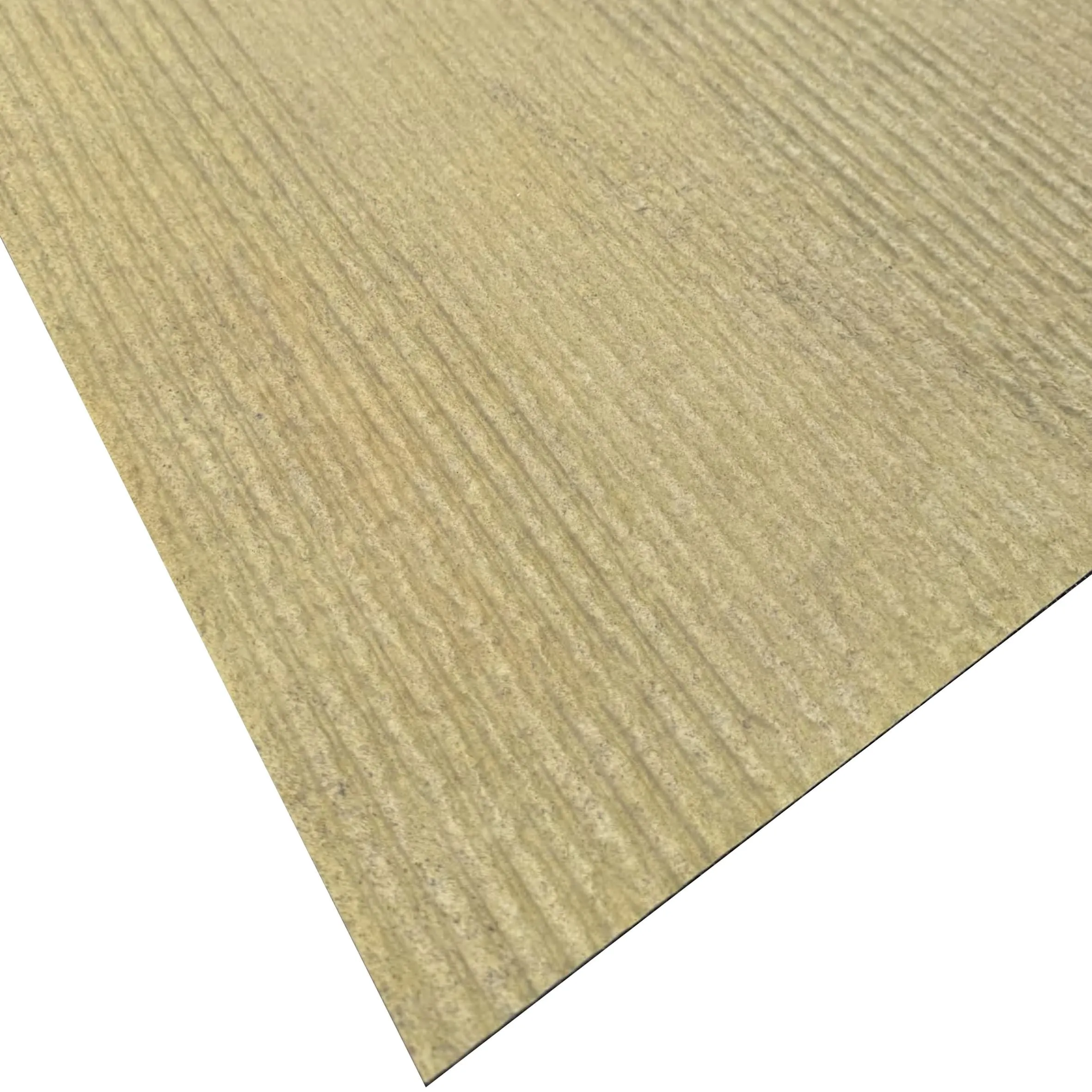
If arid climates have a favorite stone, it's Gravel Omani. Native to Oman's rocky deserts, this material is born from the earth itself—literally. It's made by compressing local gravel (rounded by centuries of river erosion, long before the region turned arid) with natural binders, creating a stone that's both durable and deeply rooted in its environment. Unlike synthetic materials that try to "resist" aging, Gravel Omani embraces it. Its surface, initially a uniform blend of cream and taupe, gradually develops a mosaic of tones: lighter patches where the sun has bleached the binder, darker streaks where minerals have concentrated, and tiny pits where wind-blown sand has worn away the softer bits.
Architects and designers love it for outdoor spaces—garden walls, patio floors, even facades—because it doesn't need constant maintenance. A Gravel Omani wall built in the 1980s might look "new" in a city, but in the desert, it already has the character of a structure that's been there for generations. Walk your hand over it, and you'll feel the texture of history: smooth in spots where countless fingers have brushed against it, rough in others where the wind still works its magic. It's a material that invites touch, that makes a space feel grounded. As one Omani architect put it, "Gravel Omani doesn't just fit into the desert landscape—it completes it. It's like adding a verse to a poem that's been written for millennia."
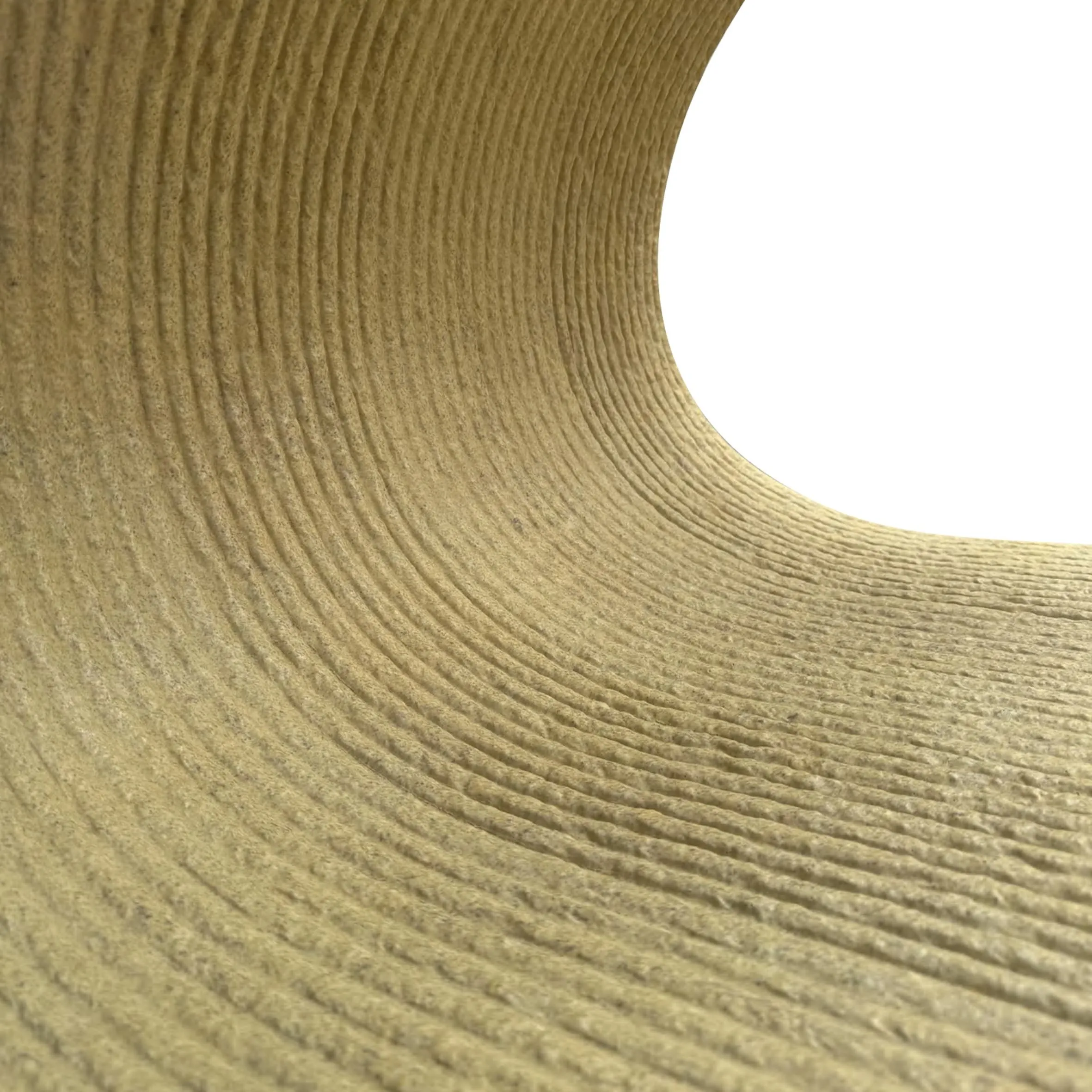
If Gravel Omani is the desert's humble storyteller, Travertine is its celestial poet. Travertine, with its porous surface and mineral-rich veins, has been used for centuries—think the Colosseum in Rome, where Travertine blocks have weathered 2,000 years of Italian sun and rain. In arid climates, its "starry" varieties (Starry Green, Starry Red, Starry Blue) take on a whole new life. The desert's intense sunlight makes the crystalline minerals in its veins glint like distant stars, while the dry air slows down the growth of moss or algae that might darken its surface in wetter regions. The result? A stone that looks like it holds a piece of the night sky, even under the midday sun.
Take Travertine (Starry Orange), for example. In a desert garden, its warm base color deepens to a rich terracotta over time, while the orange mineral veins become more pronounced, like embers trapped in stone. Travertine (Vintage Silver), on the other hand, develops a soft, metallic sheen as UV rays fade its original brightness, making it look like it's been polished by desert winds. It's no wonder designers pair it with materials like the Lunar Peak series—Lunar Peak Silvery, with its cool, moonlit finish, complements Travertine's warmth, creating a space that feels both ancient and futuristic.
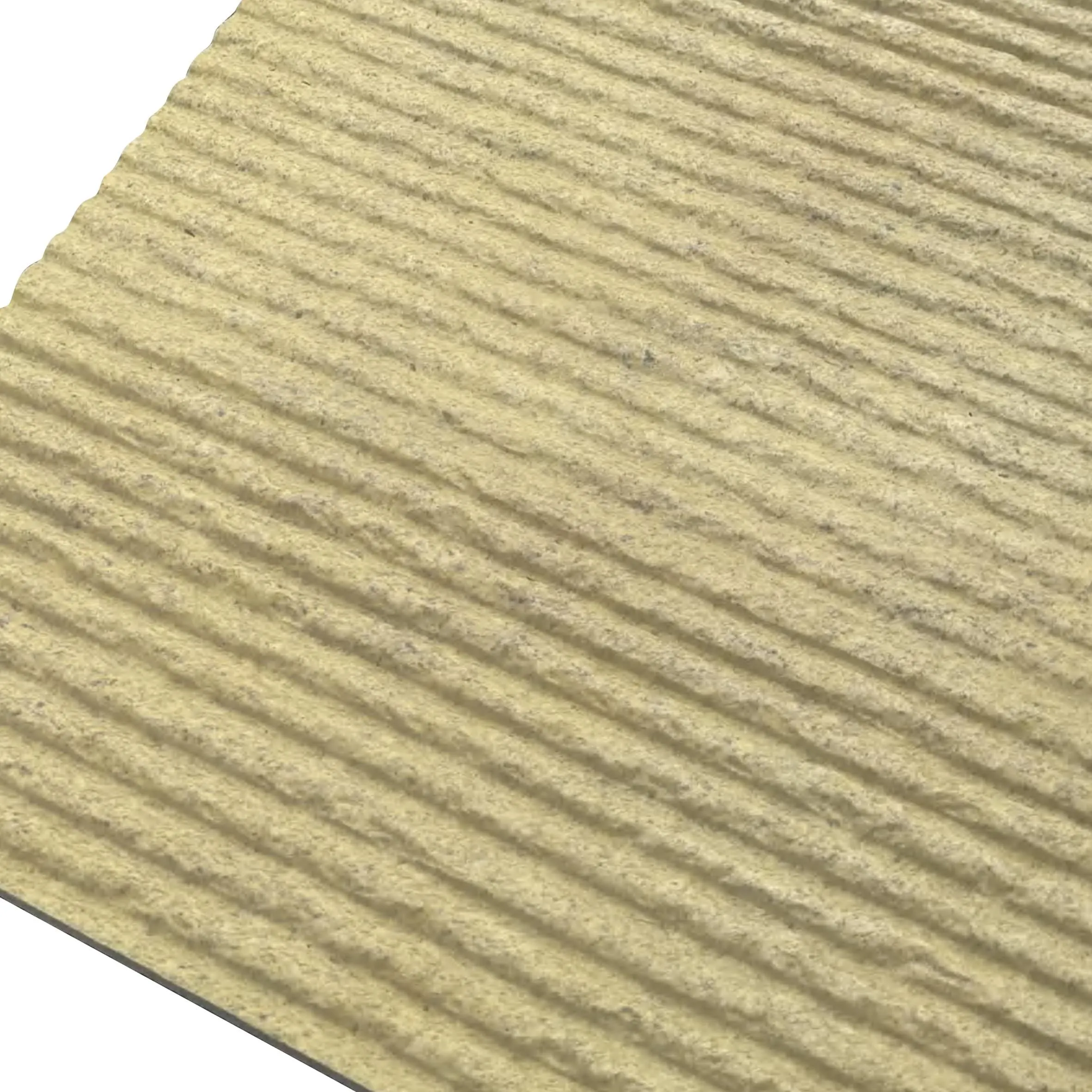
Not all stones rooted in arid aesthetics are ancient. The Lunar Peak series—with its Silvery, Golden, and Black variants—takes inspiration from the desert's most dramatic feature: the night sky. Imagine a wall clad in Lunar Peak Golden at dusk: as the sun sets, its surface shifts from a bright, almost brassy gold to a deep, honeyed hue that mirrors the desert's twilight. Unlike natural stones, Lunar Peak is engineered to mimic the weathering process—its metallic finish is designed to develop a subtle patina over time, softening from "vintage gold" to "antique gold" as it reacts with the air. It's a modern twist on the age-old idea of materials that improve with time.
In arid regions, where the night sky is so clear you can see the Milky Way, Lunar Peak Black becomes a canvas for starlight. Its dark surface absorbs the day's heat, releasing it slowly at night, making it ideal for outdoor seating areas where you want to stay warm after sunset. And Lunar Peak Silvery? It reflects the moon's light like a sheet of polished metal, turning a simple patio into a space that feels like a desert observatory. These stones don't just age—they transform with the rhythm of the desert, connecting indoor and outdoor spaces to the natural world around them.
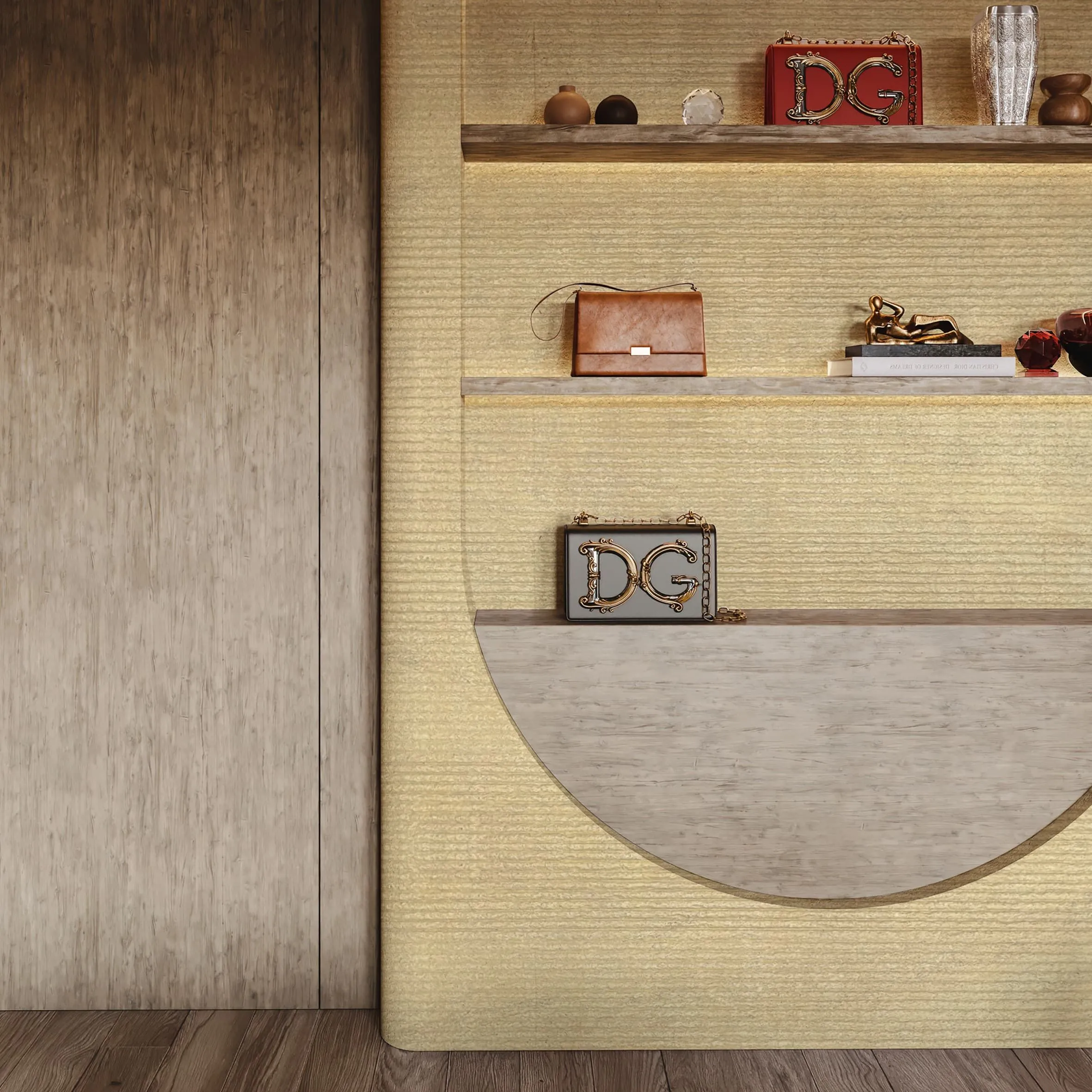
As architects seek to blend sustainability with storytelling, materials like Gobi Panel are leading the charge. Named after the Gobi Desert—a vast, windswept landscape where stones are polished to a smooth, almost glassy finish by sandstorms—Gobi Panel captures that raw, windswept texture in a lightweight, durable form. It's made from a composite of natural stone particles and recycled materials, designed to weather like the Gobi's own rocks: developing a matte, sandblasted look over time, with color variations that echo the desert's shifting dunes.
What's remarkable about Gobi Panel is how it bridges the gap between past and present. In a luxury resort in Dubai, for example, designers used Gobi Panel for exterior cladding, pairing it with Gravel Omani Stone accents and Travertine (Starry Blue) floors. The result? A building that looks like it's been carved from the desert itself, yet stands strong against the region's extreme heat. It's a reminder that "weathered" doesn't mean "worn out"—it means "full of life."
| Stone Type | Key Weathering Features | Color Evolution | Best For |
|---|---|---|---|
| Gravel Omani Stone | Porous surface develops pits and grooves from wind-blown sand; mineral deposits strengthen the stone over time. | From uniform cream/taupe to a mosaic of bleached patches, rusty streaks, and warm beiges. | Outdoor walls, garden paths, heritage-inspired facades. |
| Travertine (Starry Series) | Pores fill with mineral crystals from rare rains, creating "starry" veins; UV rays enhance color vibrancy. | Starry Green deepens to emerald; Starry Red shifts to terracotta; all develop a soft, iridescent sheen. | Floors, countertops, feature walls (indoor/outdoor). |
| Lunar Peak Series | Metallic finish develops a patina; Silvery/Golden/Black tones soften and warm with exposure to air and sun. | Vintage Silver fades to "antique pewter"; Vintage Gold mutes to "honey gold"; Black takes on a matte, velvety look. | Accent walls, outdoor seating, modern facades. |
| Gobi Panel | Composite surface mimics Gobi Desert weathering: smooths and lightens, with color variations from sand abrasion. | From bold desert hues (sandy brown, terracotta) to softer, more muted tones with a matte finish. | Exterior cladding, large-scale feature walls, sustainable projects. |
At the end of the day, we don't choose Gravel Omani Stone, Travertine, or Lunar Peak just because they last. We choose them because they connect us to something bigger. In a world of quick fixes and disposable design, these materials remind us that beauty takes time. They carry the marks of the sun, the wind, and the rain—the same forces that shaped the deserts, the mountains, and the landscapes we hold dear. They turn buildings into places with soul.
Imagine walking into a home where the walls are made of Gravel Omani Stone, the floors of Travertine (Starry Orange), and the fireplace surround of Lunar Peak Golden. You don't just see a house—you feel a history. You can almost hear the desert winds outside, feel the warmth of the sun that baked the stone into being. These materials don't separate us from nature; they weave us into it.
As the sun dips below the horizon, the Gravel Omani Stone wall in our desert scene glows once more, now in the soft light of the moon. Nearby, a Lunar Peak Silvery panel reflects the stars, and a Gobi Panel accent wall shimmers like a distant dune. Together, they tell a story of resilience, of beauty found in imperfection, and of materials that don't just stand the test of time—they dance with it. In arid climates, where the land is both harsh and breathtaking, these stones are more than building materials. They're partners in time, aging gracefully so that the spaces we create might do the same. And that, perhaps, is the greatest magic of all.
Recommend Products












