
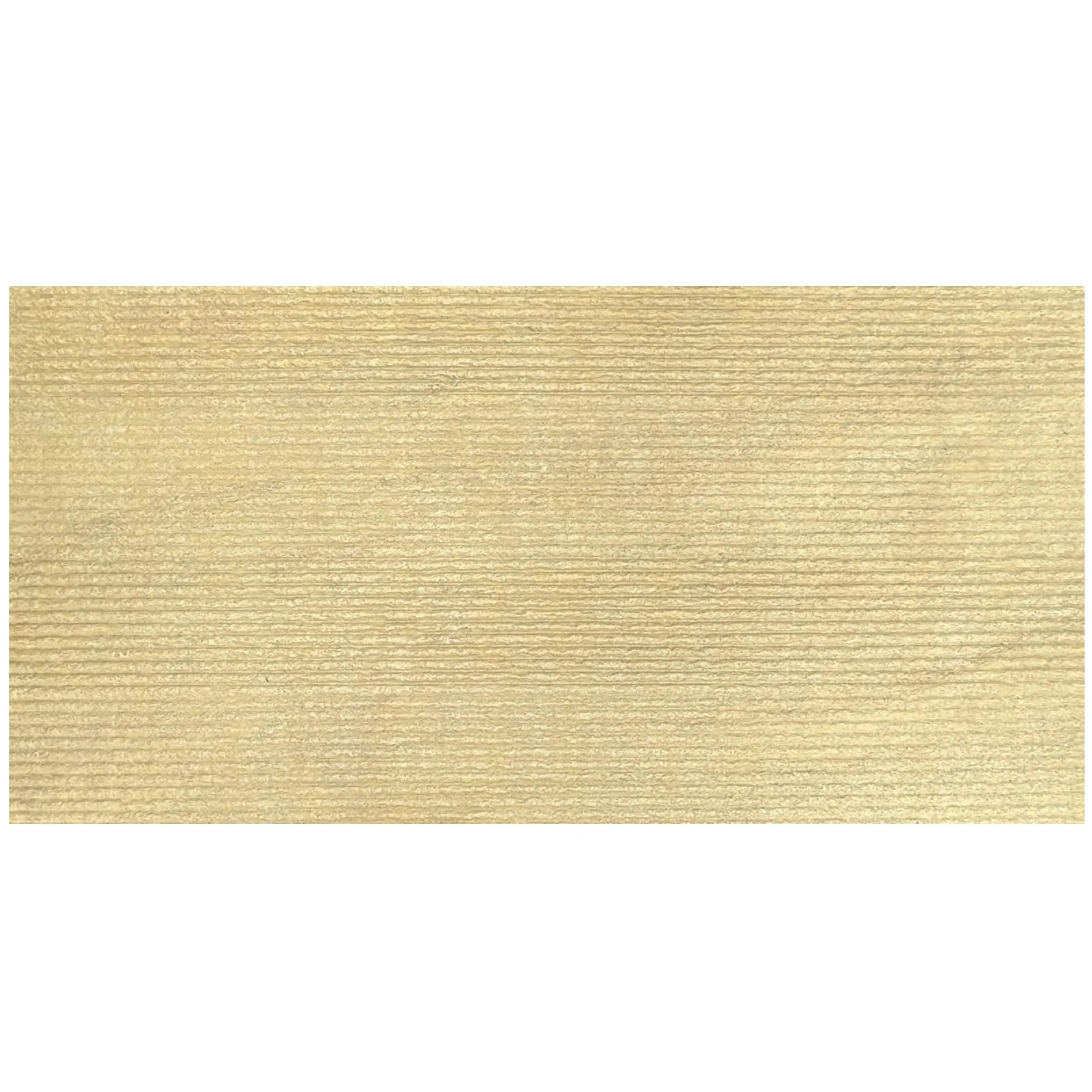
Walk through any major city, and you'll likely crane your neck to admire the sleek lines of high-rise buildings—those vertical testaments to human ambition. But behind their glass and steel exteriors lies a quiet battle: the struggle to balance aesthetics with physics. One material that's recently stepped into this spotlight is gravel omani stone , a natural stone prized for its warm, earthy texture and unique desert-inspired beauty. Yet for all its visual appeal, there's a catch that architects and engineers can't ignore: its weight. In this article, we'll dive into why the heft of Gravel Omani Stone matters in high-rise design, how it compares to other building materials, and the creative workarounds that make it possible to incorporate this stunning stone into our tallest structures.
Before we talk about weight, let's get to know the star of the show. Gravel Omani Stone hails from the rocky landscapes of Oman, where centuries of wind and sand have carved its distinctive texture. Picture a stone that looks like it's been kissed by desert sunsets—warm beige and gold tones swirled with flecks of darker gravel, giving it a tactile, organic feel that's hard to replicate with synthetic materials. It's no wonder designers love it: in low-rise buildings, hotels, and luxury villas, it adds a touch of natural elegance that feels both timeless and rooted in place.
But here's the thing: what works for a two-story villa doesn't always scale to a 50-story skyscraper. In low-rise projects, the weight of Gravel Omani Stone is manageable. You don't need to overthink foundation depth or worry about cranes straining to lift heavy slabs. But when you start stacking floors upon floors, every kilogram counts. Suddenly, that "natural heft" becomes a engineering puzzle.
Let's break it down: why does the weight of a building material matter so much when you're building upward? It's not just about "being heavy"—it's about the ripple effects that weight has on every stage of construction, from the drawing board to the final installation.
Imagine building a house of cards. The bottom cards have to support everything above them. Now replace those cards with steel and concrete, and you get a sense of what a high-rise foundation does. Heavier materials like Gravel Omani Stone mean the foundation has to bear more load, which often translates to deeper piles, thicker concrete slabs, and more reinforced steel. In areas with soft soil (common in many coastal cities where high-rises cluster), this can add millions to a project's budget. One structural engineer I spoke to joked, "Choosing a heavy stone isn't just a design choice—it's a decision to dig deeper, and deeper costs money."
Every building has a "height limit" dictated by its materials. Steel and glass are lightweight, so they let you reach for the clouds. Heavier stones? Not so much. Gravel Omani Stone typically weighs in at around 45–50 kilograms per square meter (for a 20mm-thick slab). Compare that to something like mcm flexible stone , a lightweight composite material that weighs just 8–12 kg/m², and the difference is stark. All that extra weight adds up: columns have to be thicker, beams stronger, and the building's core (the central structure that holds everything together) may need to be reinforced. In extreme cases, using too much heavy stone can even cap the building's maximum height—hardly ideal if your client dreams of a "landmark tower."
Ever watched a crane hoist materials up a high-rise? Those machines have limits. A standard tower crane might handle 10–20 tons, but when you're lifting 50kg slabs of Gravel Omani Stone, you can't just stack them haphazardly. You need to calculate how many slabs fit in one lift, how long each lift takes, and whether the crane can even reach the upper floors without swaying. Then there's the installation crew: hauling heavy stone onto scaffolding 30 stories up isn't just tiring—it's risky. More weight means more potential for accidents if something slips, which adds pressure to safety protocols and slows down construction timelines.
We can't talk about modern construction without mentioning sustainability. Heavier materials require more energy to quarry, transport, and install. A truck carrying Gravel Omani Stone burns more fuel than one carrying lightweight panels. A crane lifting heavy slabs uses more electricity. Over the life of a project, these extra energy costs add up, increasing the building's carbon footprint. For developers aiming for green certifications like LEED or BREEAM, this can be a dealbreaker—unless they find ways to offset that impact.
To really understand the weight challenge, let's put Gravel Omani Stone side by side with some other popular building materials. The table below compares weight, key advantages, and common uses—so you can see why architects might hesitate (or not!) to choose it for high-rises.
| Material | Weight (kg/m², approx.) | Key Advantages | Best For |
|---|---|---|---|
| Gravel Omani Stone | 45–50 | Natural texture, high durability, unique aesthetic | Accent walls, low-rise facades, luxury interiors |
| MCM Flexible Stone | 8–12 | Lightweight, flexible, mimics natural stone | High-rise facades, curved surfaces, retrofits |
| Fair-Faced Concrete | 22–25 | Sleek, industrial look, cost-effective | Modern high-rises, minimalist designs |
| Foamed Aluminium Alloy Board (Vintage Silver) | 6–9 | Ultra-light, metallic finish, corrosion-resistant | Accent panels, sustainable projects |
| Boulder Slab | 50–60 | Bold, rugged appearance, high strength | Low-rise exteriors, feature walls |
Looking at the numbers, it's clear: Gravel Omani Stone is one of the heavier options here. But that doesn't mean it's off the table for high-rises. It just means architects and engineers have to get creative.
So, if Gravel Omani Stone is heavy, why not just swap it for something lighter? Because sometimes, the client (or the design vision) demands that natural stone look. And where there's a will, there's a workaround. Here are some of the ways engineers are adapting to the weight challenge:
One common trick is to use Gravel Omani Stone selectively . Instead of cladding the entire facade, architects might limit it to lower floors (where weight is less of an issue) or use it as an accent—say, a feature wall in the lobby or a decorative panel on the penthouse level. This way, you get the aesthetic impact without overloading the structure. For example, a recent project in Dubai used Gravel Omani Stone on the first 10 floors, then switched to mcm flexible stone above—creating a visual transition that felt intentional, not like a compromise.
When you do need to use Gravel Omani Stone higher up, engineers get clever with support. This might mean adding extra steel bracing behind the stone panels, using stronger anchoring systems (like mechanical fixings instead of adhesive), or even designing custom "cradles" that distribute the weight more evenly across the building's frame. It's like adding extra straps to a heavy backpack—you're not reducing the weight, but you're making sure it's carried safely.
Not all Gravel Omani Stone slabs are created equal. Some quarries now offer thinner cuts (15mm instead of 20mm) that shave off a few kilograms per square meter. It's a small change, but multiplied over thousands of square meters, it adds up. Of course, thinner slabs need to be handled more carefully to avoid cracking, but with modern cutting technology, it's becoming more feasible.
Why choose one material when you can mix? Some projects combine Gravel Omani Stone with lighter options to balance weight and aesthetics. For example, a facade might alternate between Gravel Omani panels and foamed aluminium alloy board (vintage silver) —the stone adds warmth, while the aluminium keeps the overall load in check. It's a design choice that's both functional and visually dynamic.
Let's ground this in a real-world example (with some details changed to protect client confidentiality). A few years back, a developer in Abu Dhabi wanted to build a 40-story luxury residential tower with a "desert-inspired" design. The architect fell in love with Gravel Omani Stone and insisted on using it for the facade. The problem? The initial structural analysis showed that cladding the entire building with the stone would require reinforcing the foundation and core, adding $2.5 million to the budget and delaying construction by three months.
The solution? The team compromised. They used Gravel Omani Stone for the podium (the first five floors) and the lobby interiors—high-visibility areas where the stone's texture would make the biggest impact. For the upper floors, they switched to mcm flexible stone in a similar color palette, which mimicked the stone's look but weighed 75% less. To tie it all together, they added vertical strips of boulder slab (vintage gold) —a lightweight, metallic composite—to create a visual "bridge" between the two materials. The result? A building that still felt connected to its desert roots, without breaking the bank or the structural limits.
The takeaway? Gravel Omani Stone can work in high-rises—but it requires flexibility (pun intended) and a willingness to mix materials.
As sustainability and cost pressures grow, the construction industry is leaning into innovation—and that's good news for fans of natural stone aesthetics. One trend to watch is the rise of "smart stone" composites, which blend natural stone particles with lightweight polymers to replicate the look of materials like Gravel Omani Stone at a fraction of the weight. mcm 3d printing series is leading the charge here, using 3D printing technology to create custom textures that mimic natural stone but with adjustable density. Imagine a panel that looks exactly like Gravel Omani Stone but weighs as little as foam board—sounds like science fiction, but it's already in prototype stages.
Another trend is the use of digital tools to "optimize" material use. Software now lets architects map out exactly where heavy materials are needed for visual impact and where lighter alternatives can take over—sort of like a "weight budget" for the building. This not only saves costs but also reduces waste, making projects more sustainable.
Gravel Omani Stone is a material that tugs at the heartstrings of designers—it's beautiful, authentic, and full of character. But in the world of high-rise construction, heartstrings alone won't cut it. Its weight presents real challenges, from foundation costs to structural limits. Yet as we've seen, those challenges aren't insurmountable. With strategic use, clever engineering, and a little help from lightweight alternatives like mcm flexible stone and foamed aluminium alloy, it's possible to bring a touch of Oman's desert beauty to our tallest buildings.
At the end of the day, high-rise design is all about balance—between form and function, aesthetics and physics. Gravel Omani Stone may not be the easiest material to work with, but when used thoughtfully, it's a reminder that even in our most futuristic structures, there's still a place for the natural world. And isn't that the point? To build upward, but never lose sight of the earth beneath us.
Recommend Products












