
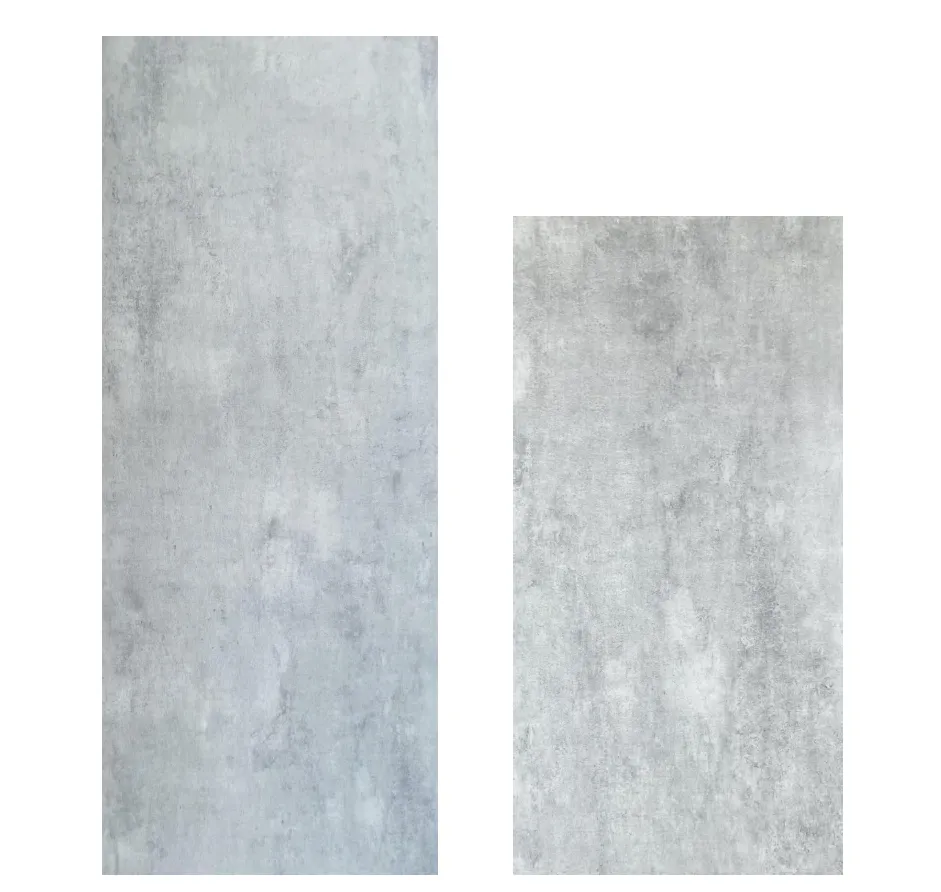
In a world where every choice echoes through the planet's future, the construction industry is quietly undergoing a revolution—one that trades excess for intention, and waste for wisdom. Today, we're diving into a material that's redefining what it means to build beautifully without costing the Earth: marble concrete board. You might be picturing cold, industrial concrete or overly polished marble, but this isn't your average building material. It's a blend of nature's elegance and human ingenuity, designed to let architects, homeowners, and designers create spaces that feel alive and responsible. Let's unpack why marble concrete board is more than just a trend—it's a step toward a greener built environment.
First things first: let's demystify the name. Marble concrete board isn't just concrete mixed with marble dust (though that's part of it). Think of it as a sustainable love child of two materials we've admired for centuries: the timeless beauty of marble and the rugged durability of concrete. Manufacturers start with recycled concrete aggregates, then infuse them with marble particles—often repurposed from marble quarry waste or leftover scraps from luxury projects. The result? A panel that has the soft veining and warm tones of natural marble but the strength and flexibility of modern concrete.
But here's the kicker: it's lightweight. Traditional marble slabs are heavy, requiring reinforced structures and guzzling fuel during transport. Marble concrete board, though, is thin and manageable, making it easier to install and reducing the carbon footprint of getting it from factory to site. And unlike standard concrete, which can feel stark, these boards come in textures that mimic everything from polished marble to rough-hewn stone—so you don't have to sacrifice aesthetics for sustainability.
Let's get to the heart of it: why is this material a win for the planet? Let's break it down, one eco-benefit at a time.
Marble quarrying is a messy business. For every ton of usable marble extracted, tons more become waste—scraps, dust, and offcuts that often end up in landfills. Marble concrete board flips that script by using those "useless" scraps as a key ingredient. Instead of letting perfectly good marble dust rot in a dump, manufacturers blend it into their concrete mix, giving it that signature marbled look without the need to blast new stone from the earth. It's circular economy in action: waste from one industry becomes a resource for another.
Fun fact: Some manufacturers report using up to 30% recycled marble content in their boards. That's like taking a truckload of landfill-bound waste and turning it into a feature wall for a café or a kitchen backsplash.
Making traditional concrete is energy-intensive. Think massive kilns, high temperatures, and a lot of CO2 released into the air. Marble concrete board production, though, is gentler on the planet. Because it uses recycled aggregates, it skips the energy-heavy step of mining and processing new raw materials. Plus, many manufacturers use low-temperature curing methods instead of high-heat kilns, slashing energy use by up to 40% compared to standard concrete production. And since the boards are lightweight, transporting them emits less greenhouse gas than hauling heavy marble or stone slabs—every mile saved adds up.
Sustainability isn't just about what a material is made of—it's about how long it lasts. A wall that needs replacing every 10 years is a wall that's constantly draining resources. Marble concrete board, though, is tough. It resists cracks, stains, and weathering, even in harsh climates. Unlike natural marble, which can etch with acid or scratch easily, these boards hold up to daily life: kids' sticky fingers, coffee spills, rain, and sun. That means fewer repairs, less frequent replacements, and ultimately, less waste over time. It's the difference between buying a fast-fashion shirt and investing in a quality jacket that lasts decades.
To really get why marble concrete board shines, let's compare it to the materials it's replacing. We'll focus on two classics: natural marble and standard concrete.
| Factor | Marble Concrete Board | Natural Marble | Standard Concrete |
|---|---|---|---|
| Recycled Content | Up to 30% recycled marble/concrete | 0% (mined from scratch) | 5-10% recycled aggregates (varies) |
| Carbon Footprint | Lower (less mining, energy-efficient production) | High (quarrying, heavy transport) | Medium-High (high heat curing, cement production) |
| Durability | High (resists cracks, stains, weathering) | Medium (prone to etching, scratching) | High (but less aesthetically versatile) |
| Installation Waste | Low (lightweight, pre-cut panels) | High (heavy slabs, breakage during cutting) | Medium (mixing waste, heavy transport) |
The takeaway? Natural marble is stunning but resource-heavy. Standard concrete is durable but lacks warmth. Marble concrete board? It borrows the best from both while leaving the worst behind. It's like having your eco-friendly cake and eating it too.
Marble concrete board doesn't have to work alone. It plays well with other sustainable materials, creating designs that are both cohesive and kind to the planet. Let's shine a light on a few standout partners:
If marble concrete board is the "warm and inviting" member of the green building squad, fair-faced concrete is the "cool, understated" friend. Also known as "architectural concrete," it's left unfinished—no paint, no cladding—letting its natural texture and color take center stage. Because it skips extra finishes, it reduces waste from paints, tiles, or wallpapers. Plus, like marble concrete board, it's durable and low-maintenance, making it perfect for modern, industrial-chic spaces. Pair it with marble concrete board accents, and you've got a space that feels both raw and refined—without the environmental cost.
Travertine has been a go-to for centuries, thanks to its porous, earthy look. When sourced from quarries with strong sustainability practices (yes, they exist!), it can be a great partner for marble concrete board. Imagine a bathroom with marble concrete board walls and a travertine shower floor—both materials bring natural texture, but the marble concrete board keeps the overall footprint lower by reducing the amount of natural stone needed. It's about balance: using a little of what nature gives, and a lot of what we can repurpose.
We all love the warmth of wood, but deforestation is a real concern. Enter wood grain board: a composite material that mimics the look of oak, pine, or teak—right down to the knots and grain—without cutting down a single tree. Many wood grain boards use recycled wood fibers or bamboo (a fast-growing, renewable resource) mixed with eco-friendly resins. Pair it with marble concrete board, and you've got a space that feels like a cozy cabin meets a sleek city loft—all while keeping forests intact.
Marble concrete board isn't just for "green buildings"—it's for any building that wants to look good and do good. Here are a few ways designers and homeowners are using it:
At the end of the day, marble concrete board is more than a material—it's a mindset. It's about asking: "Do we need to take more from the earth, or can we use what we already have?" It's about designing spaces that make us feel connected to nature, not disconnected from it. And it's proof that sustainability doesn't mean sacrificing beauty—if anything, it enhances it. When you know your wall isn't just a wall, but a story of repurposed marble, recycled concrete, and careful craftsmanship, it becomes something more: a reminder that we can build a world that's both stunning and sustainable.
So the next time you walk into a building and pause, thinking, "This feels different," take a closer look. Maybe it's the warmth of marble concrete board, the simplicity of fair-faced concrete, or the texture of responsibly sourced travertine. These materials aren't just changing how we build—they're changing how we live : with intention, with care, and with hope that the spaces we create today will still be here, thriving, for generations to come.
Recommend Products












