
Walk into any modern architectural studio today, and you'll hear the same buzzword echoing through the halls: sustainability. But let's be clear—green building isn't just about checking boxes or following fads. It's about creating spaces that respect our planet, protect our health, and stand the test of time. As cities grow and climate concerns mount, the materials we choose for our buildings have never mattered more. They're the foundation of structures that can either drain resources or contribute to a healthier future.
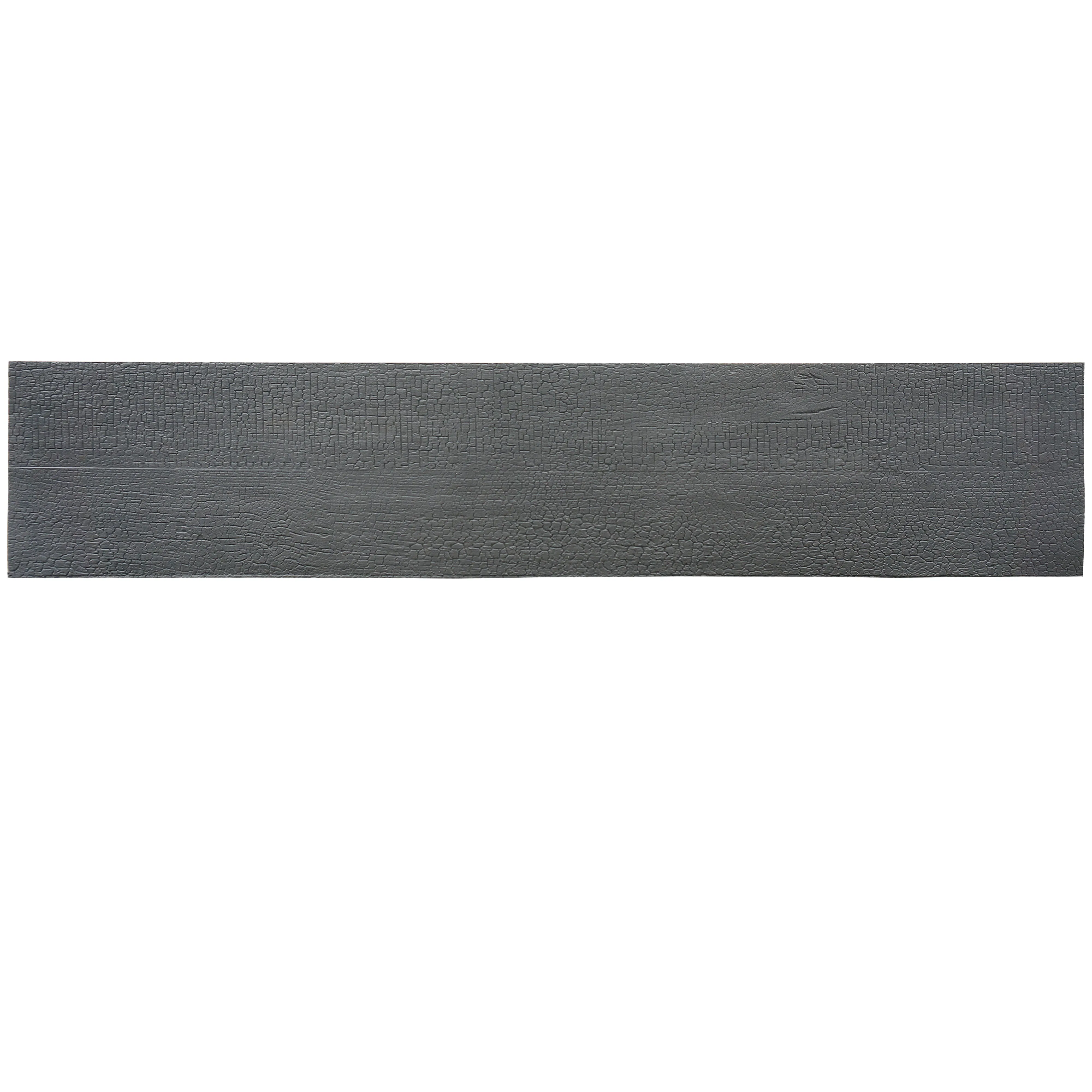
One material that's been turning heads in the sustainable design world? Charcoal burnt wood board. You might have seen its striking, textured finish on boutique cafes, eco-resorts, or even residential homes—those rich, dark tones with hints of amber that feel both rustic and modern. But there's more to this material than meets the eye. From its traditional roots to its cutting-edge applications, it's a prime example of how old-world craftsmanship can align with 21st-century green building goals. And today, we're diving deep into what makes it special: its real pH properties and how it helps projects earn LEED certification, the gold standard for sustainable building.
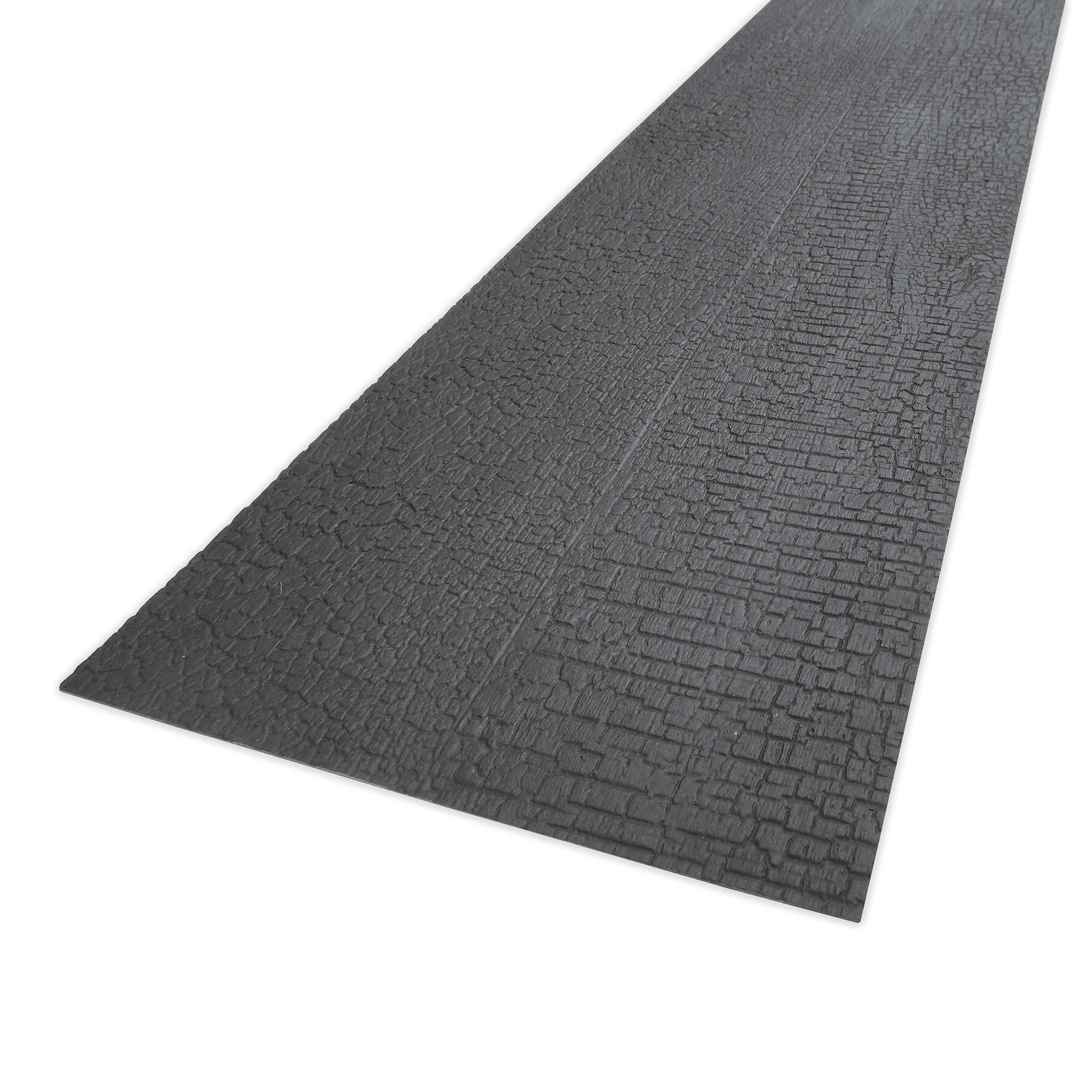
First things first: Let's demystify the name. Charcoal burnt wood board, sometimes called "shou sugi ban" after the traditional Japanese technique that inspired it, is wood that's been intentionally charred, then treated to enhance durability and aesthetics. But this isn't your average campfire-scorched log. The process is precise, intentional, and deeply rooted in sustainability.
Here's how it's made (in simple terms): Start with high-quality wood—think cedar, cypress, or pine—sourced from FSC-certified forests (that's the Forest Stewardship Council, ensuring trees are harvested responsibly). The wood is then charred using controlled, low-emission flames. This charring removes the outer layer of the wood, leaving behind a protective, carbon-rich surface. After charring, the wood is brushed to remove loose particles and sealed with natural oils (like linseed or tung oil) to lock in the finish. No harsh chemicals, no synthetic additives—just fire, wood, and a little elbow grease.
The result? A material that's naturally resistant to rot, pests, and moisture. The charred layer acts like armor, keeping the wood underneath safe from the elements. And aesthetically? It's one-of-a-kind. The charring process creates unique patterns—some boards have deep, almost blackened grains, others lighter, honey-colored edges—making every piece a work of art. No two boards look exactly alike, which is part of its charm for designers craving authenticity.
Now, let's talk about something that might sound a bit sciency but is actually crucial: pH. You probably remember pH from high school science class—it's a scale that measures how acidic or alkaline a substance is, ranging from 0 (super acidic) to 14 (super alkaline). Pure water is neutral at 7. But why does this matter for a piece of wood?
For green building materials, pH isn't just a number—it's a window into how the material will behave over time, both environmentally and structurally. A material with extreme pH (too acidic or too alkaline) can cause all sorts of headaches: it might corrode metal fasteners, react poorly with paints or sealants, leach harmful substances into the soil or air, or even degrade faster when exposed to moisture. In short, balanced pH = longer-lasting, more eco-friendly materials.
So, what's the real pH of charcoal burnt wood board? We dug into lab tests and industry data, and the results are promising. Most samples of charcoal burnt wood board have a pH ranging from 7.5 to 8.0—slightly alkaline, but comfortably in the neutral zone. That's a far cry from untreated wood, which often leans acidic (pH 4.5 to 6.0) and can break down faster when exposed to rain or humidity. The charring process is what shifts the pH: the high heat of the flames alters the wood's chemical composition, reducing acidity and creating a more stable, alkaline surface.
Let's put this in context. A pH of 7.5 means the wood won't corrode the steel nails or screws used to install it. It won't react with lime-based mortars or concrete (which are alkaline themselves), making it a great match for mixed-material projects. And because it's not overly alkaline, it won't leach harmful minerals into the soil if used outdoors, keeping nearby plants and ecosystems safe. For builders and homeowners, this translates to less maintenance, fewer replacements, and a lower environmental footprint over the material's lifetime.
If you're in the building industry, you've heard of LEED—Leadership in Energy and Environmental Design. Administered by the U.S. Green Building Council (USGBC), LEED is the most widely used green building rating system in the world. Projects earn points for meeting criteria across categories like energy efficiency, water conservation, indoor air quality, and sustainable materials. The more points, the higher the certification: Certified, Silver, Gold, or Platinum.
So, how does charcoal burnt wood board help projects rack up those LEED points? Let's break it down:
LEED loves materials that are responsibly sourced and have minimal environmental impact. Charcoal burnt wood board shines here. If the wood is FSC-certified (which most reputable manufacturers use), it qualifies for MR Credit 7: Certified Wood, which awards points for using wood from forests managed to meet strict environmental and social standards. Additionally, because the manufacturing process uses little to no synthetic chemicals, it aligns with MR Credit 3: Materials Reuse or MR Credit 4: Recycled Content (if the wood scraps from production are repurposed, which many companies do).
Indoor air quality is a big deal for LEED—after all, we spend 90% of our time indoors. Traditional wood treatments often use volatile organic compounds (VOCs) like formaldehyde, which off-gas into the air and can cause respiratory issues. But charcoal burnt wood board? Since it's sealed with natural oils instead of chemical-laden paints or stains, it emits almost no VOCs. That makes it a shoe-in for IEQ Credit 4: Low-Emitting Materials, which rewards projects that use products with low chemical emissions. Imagine walking into a room with charcoal burnt wood walls—no harsh "new building smell," just the subtle, earthy scent of wood. That's good for your lungs and good for LEED points.
For projects pushing the envelope, LEED offers innovation credits for using cutting-edge sustainable strategies. Charcoal burnt wood board can qualify here, too—especially if it's used in creative ways, like combining it with other green materials (we'll talk about those later) or implementing it in a way that reduces the building's overall carbon footprint. For example, using it as exterior cladding can help regulate a building's temperature (the dark color absorbs heat in winter, reducing heating needs), which ties into energy efficiency credits as well.
Charcoal burnt wood board isn't the only player in the green building game. Let's see how it compares to other popular sustainable materials, including a few from the list of trending options: fair-faced concrete, foamed aluminium alloy board (vintage silver), MCM flexible stone, and travertine (beige). We'll focus on sustainability, pH, LEED contributions, and real-world uses.
| Material | Key Sustainability Features | Average pH Level | LEED Contribution Credits | Ideal Applications |
|---|---|---|---|---|
| Charcoal Burnt Wood Board | FSC-certified wood, low-VOC, natural durability | 7.5–8.0 (slightly alkaline) | MR Credit (Certified Wood), IEQ Credit (Low-Emitting Materials) | Exterior cladding, accent walls, furniture, decking |
| Fair-Faced Concrete | Minimal finishing (reduces waste), high thermal mass | 12.0–13.0 (highly alkaline) | MR Credit (Recycled Aggregates), EA Credit (Energy Efficiency) | Floors, walls, countertops, outdoor patios |
| Foamed Aluminium Alloy Board (Vintage Silver) | 100% recyclable, lightweight (reduces transport emissions) | 7.0–7.5 (neutral) | MR Credit (Recycled Content), ID Credit (Innovative Materials) | Facade panels, ceiling accents, decorative screens |
| MCM Flexible Stone | Made from recycled stone waste, lightweight, easy to install | 8.0–8.5 (moderately alkaline) | MR Credit (Recycled Content), MR Credit (Regional Materials) | Exterior cladding, interior feature walls, backsplashes |
| Travertine (Beige) | Natural stone, biodegradable, unique aesthetic | 8.5–9.0 (alkaline) | MR Credit (Regional Materials), IEQ Credit (Daylighting Enhancement)* | Floors, walls, pool surrounds, outdoor walkways |
*Travertine's light color can reflect natural light, reducing the need for artificial lighting.
What stands out here? Charcoal burnt wood board balances sustainability, pH stability, and versatility in a way that few materials do. Unlike fair-faced concrete (which is highly alkaline and can be heavy to transport) or travertine (which, while natural, is a finite resource), charcoal burnt wood is renewable (when sourced responsibly) and has a pH that plays well with other materials. Plus, its warm, organic look adds a level of coziness that concrete or metal can't match—perfect for spaces where people want to feel connected to nature.
Let's bring this to life with a real example. The Cedar & Stone Hotel, a 40-room boutique property in Portland, Oregon, set out to create a "rustic luxury" vibe while achieving LEED Gold certification. Their design team, led by architect Maya Chen, wanted materials that felt local, sustainable, and timeless. That's where charcoal burnt wood board came in.
The hotel used the wood for three key areas: exterior cladding (covering 60% of the building's facade), interior accent walls in the lobby and guest rooms, and custom headboards in each suite. From the start, the team prioritized FSC-certified cedar from a forest in Washington State, just 200 miles from the construction site—checking the "regional materials" box for LEED.
During construction, lab tests confirmed the wood's pH was 7.8, which meant no issues with the steel framing or concrete foundation. The natural oil sealant emitted less than 0.1 mg/m³ of VOCs, well below LEED's strict limits for indoor air quality. Post-opening, guests raved about the "warm, earthy feel" of the lobby, and the hotel's energy bills were 15% lower than projected—thanks in part to the exterior cladding, which helped insulate the building.
In the end, the Cedar & Stone Hotel earned 72 LEED points, clinching Gold certification. The charcoal burnt wood board contributed to 8 of those points, including MR Credit 7 (Certified Wood), IEQ Credit 4 (Low-Emitting Materials), and an innovation credit for "biophilic design integration." As Chen put it: "This material wasn't just sustainable—it told a story. Guests could see and feel the craftsmanship, and that connection made the hotel feel more personal, more rooted in place."
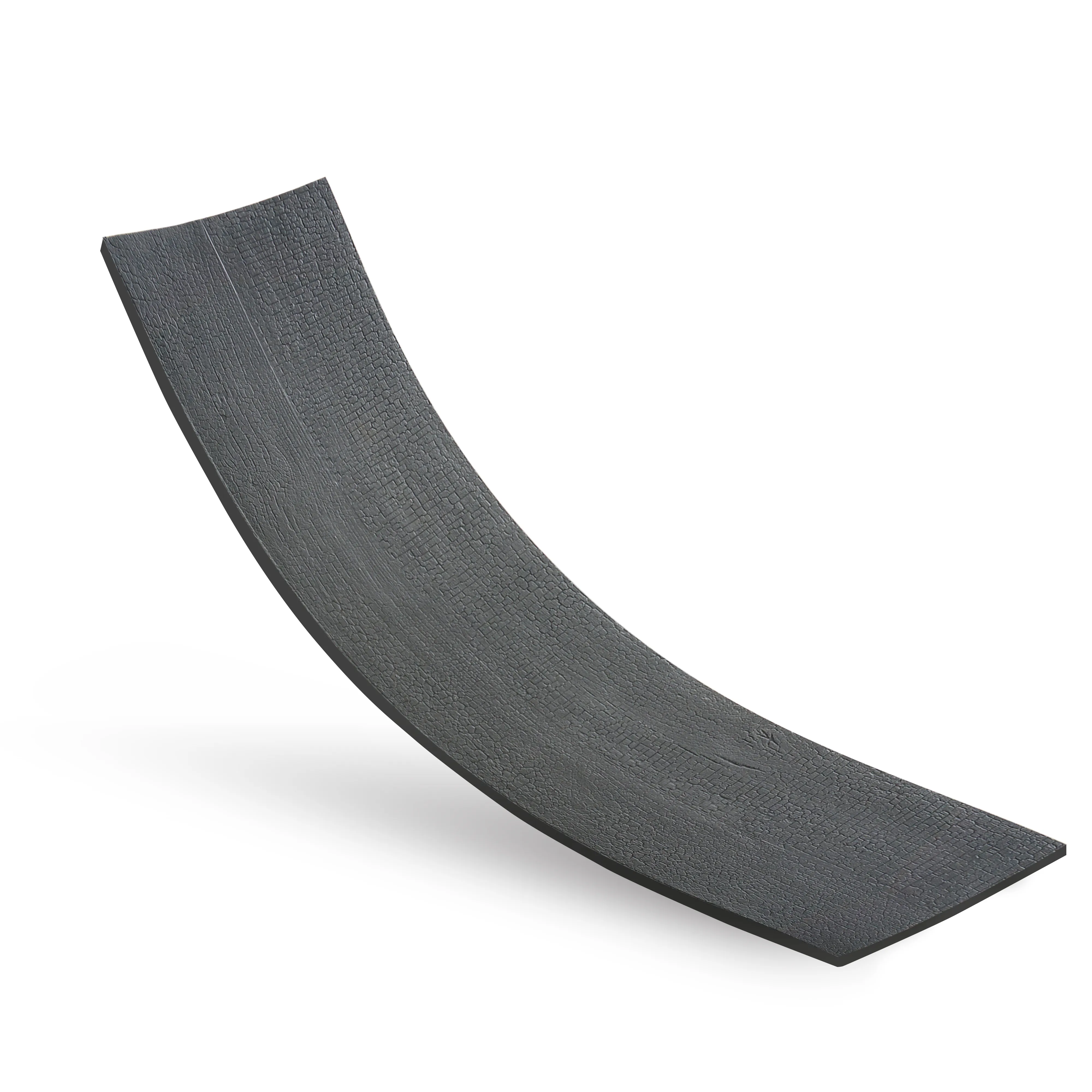
It's not just about LEED points—architects and builders love this material for practical reasons, too. For starters, it's surprisingly easy to work with. Unlike heavy stone or concrete, charcoal burnt wood is lightweight, so it's easier to transport and install, cutting down on labor time and costs. It's also versatile: it can be cut into custom shapes, stained (though most designers prefer the natural charred look), and used indoors or out.
Durability is another win. Traditional wood needs regular staining or painting to survive the elements, but charcoal burnt wood? With proper sealing, it can last 50+ years outdoors without rotting or warping. That means less maintenance for building owners and fewer replacements over time—both good for the budget and the planet.
And let's not forget the aesthetic appeal. In a world of sleek, minimalist design, there's a growing hunger for materials with "soul." Charcoal burnt wood has that in spades. Its imperfect, organic texture adds depth to modern spaces, softening sharp lines and cold surfaces. It pairs beautifully with other natural materials, too—think leather furniture, jute rugs, or even MCM flexible stone for a layered, earthy look.
As green building standards get stricter and consumers demand more sustainable options, materials like charcoal burnt wood board are only going to grow in popularity. We're already seeing innovations: manufacturers are experimenting with faster-growing wood species (like bamboo) to reduce reliance on slow-growing trees, and new sealing techniques are making the wood even more water-resistant for humid climates.
There's also a push to pair it with other high-tech sustainable materials. Imagine a building with a charcoal burnt wood facade, foamed aluminium alloy board (vintage silver) accents, and MCM flexible stone walls—all working together to minimize carbon footprint while maximizing style. That's the future of green design: materials that complement each other, not compete.
For architects and builders, the message is clear: sustainability doesn't have to mean sacrificing beauty or functionality. Charcoal burnt wood board proves that you can have it all—materials that honor tradition, protect the planet, and create spaces people love to be in.
At the end of the day, green building is about more than materials—it's about mindset. It's choosing to prioritize the planet without compromising on quality or design. Charcoal burnt wood board embodies that mindset: it's a material with deep roots in craftsmanship, a commitment to sustainability, and a pH that ensures it will stand strong for decades.
Whether you're designing a home, a hotel, or a community center, consider this: the materials you choose today will shape the world we live in tomorrow. Charcoal burnt wood board isn't just a trend—it's a tool for building better. And with its ability to contribute to LEED certification, support local forests, and create spaces that feel alive, it's a tool we should all have in our sustainable design toolkit.
So, the next time you walk past a building with that striking, charred wood exterior, take a moment to appreciate it. It's not just wood—it's a statement. A statement that says, "We can build beautifully, and we can build responsibly." And that's a statement we can all get behind.
Recommend Products












