
Walk into a hospital room ten years ago, and chances are you'd be met with stark white walls, cold linoleum floors, and the faint smell of disinfectant—sensory cues that screamed "clinical" more than "caring." Today, that narrative is shifting. Healthcare design has undergone a quiet revolution, driven by a growing understanding: the spaces where we heal matter just as much as the medicine that treats us. Patients recovering from illness, families waiting anxiously, and staff working long hours all deserve environments that feel less like institutions and more like sanctuaries—places that calm the mind, ease stress, and even speed up recovery. At the heart of this transformation? The materials we choose to build these spaces with.
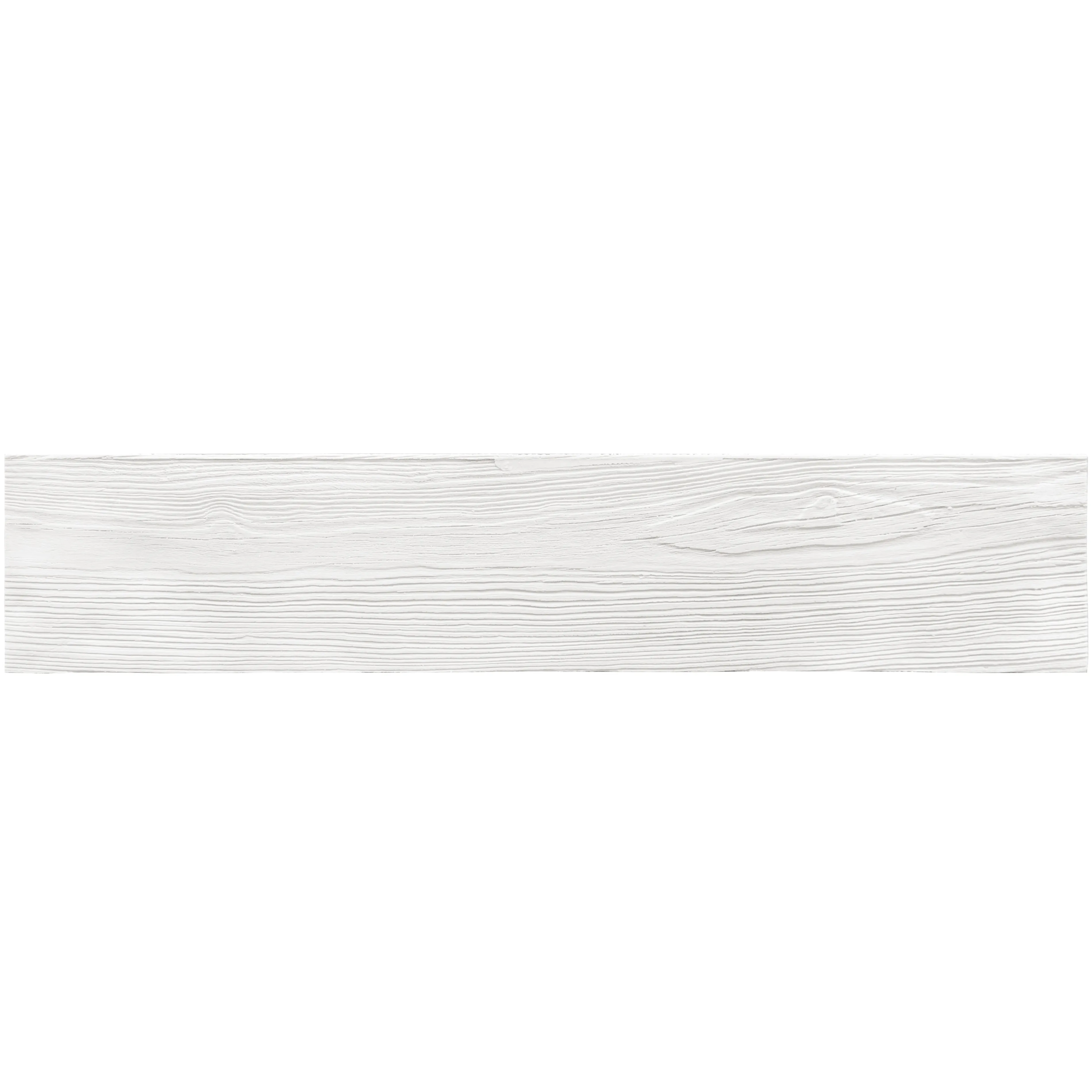
In this article, we're diving into one material that's redefining healthcare interiors: White Wood MCM. Part of the broader MCM (Modified Composite Material) family, this innovative surfacing solution marries the warmth of natural wood with the durability and hygiene required in medical settings. But it doesn't stand alone. We'll explore how pairing White Wood MCM with complementary materials like MCM flexible stone, fair-faced concrete, lunar peak silvery, and travertine (beige) creates spaces that are not only easy to clean and long-lasting but also deeply comforting—because in healthcare, every detail counts when it comes to healing.
Designing a healthcare facility is a balancing act unlike any other. On one hand, you need surfaces that can withstand the chaos of daily life: wheelchairs scraping floors, medical equipment being rolled around, spills of everything from antiseptic to food. On the other hand, those same surfaces need to feel gentle—soft enough to put a nervous child at ease, warm enough to make a senior patient feel at home, and calm enough to reduce the anxiety of someone facing a difficult diagnosis. Add in strict hygiene codes (think: surfaces that resist bacteria and mold), sustainability goals (eco-friendly, low-VOC materials), and the need to control sensory overload (minimizing glare, dampening noise), and it's clear: choosing the right materials isn't just about aesthetics—it's about creating a space that actively supports healing.
Take, for example, the problem with traditional materials. Real wood, while warm and inviting, is porous—meaning it traps bacteria, stains easily, and warps with moisture (a nightmare in spaces where cleaning is constant). Ceramic tiles, though durable, can feel cold underfoot and echo loudly, increasing noise levels that already stress patients. Even painted drywall, a budget staple, chips easily and harbors mold in humid areas like bathrooms or therapy pools. For years, healthcare designers were stuck choosing between "practical" and "pleasant"—until MCM flexible stone came along.
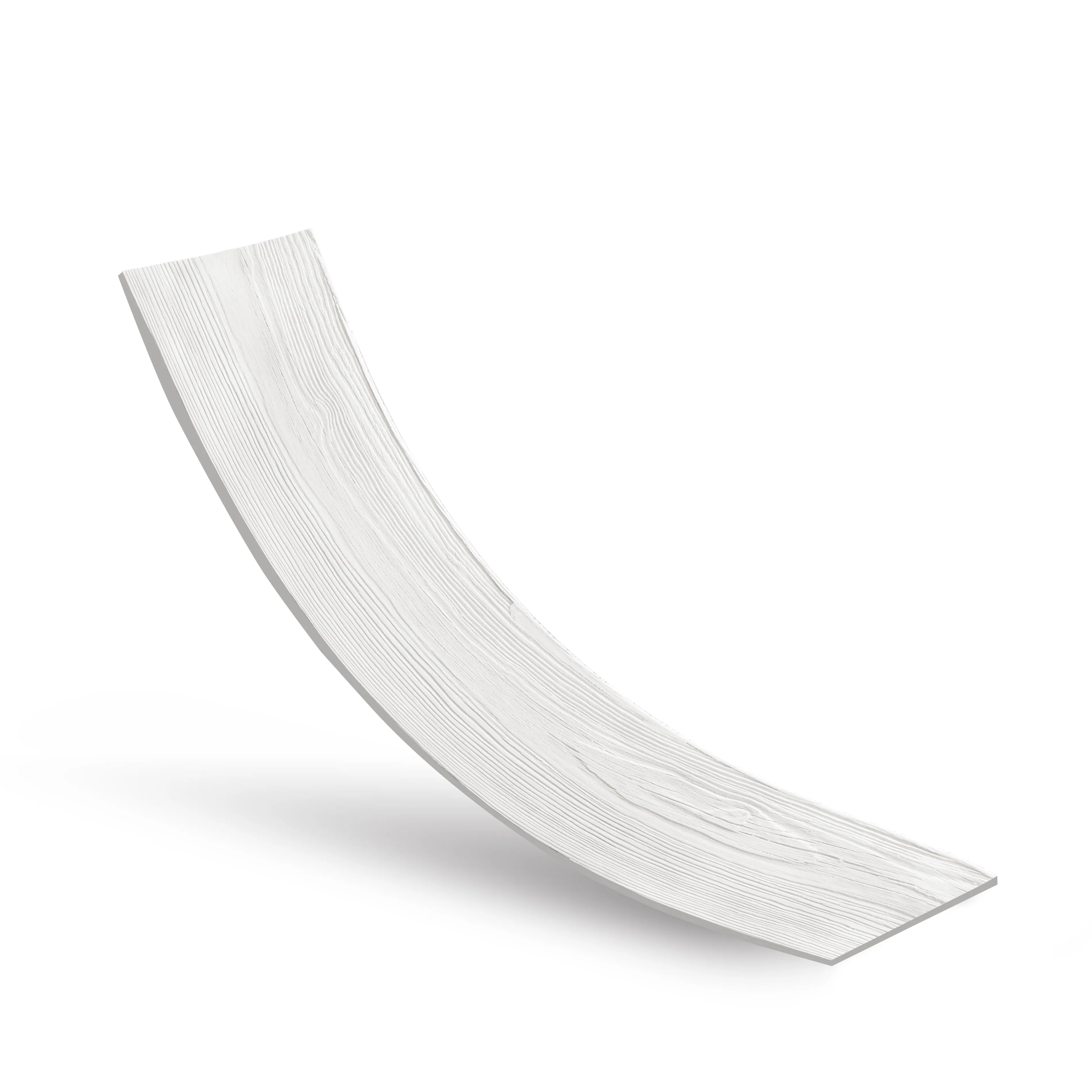
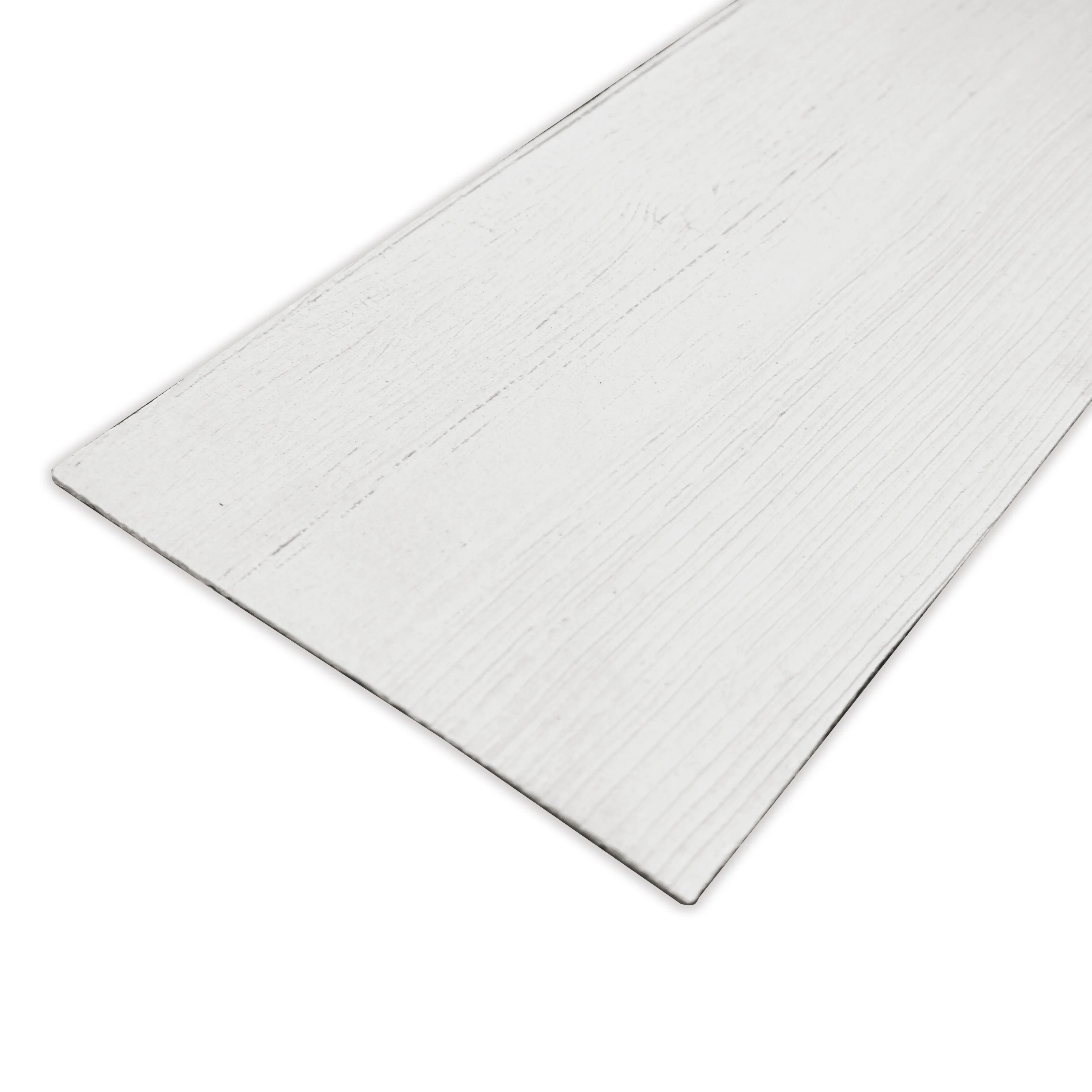
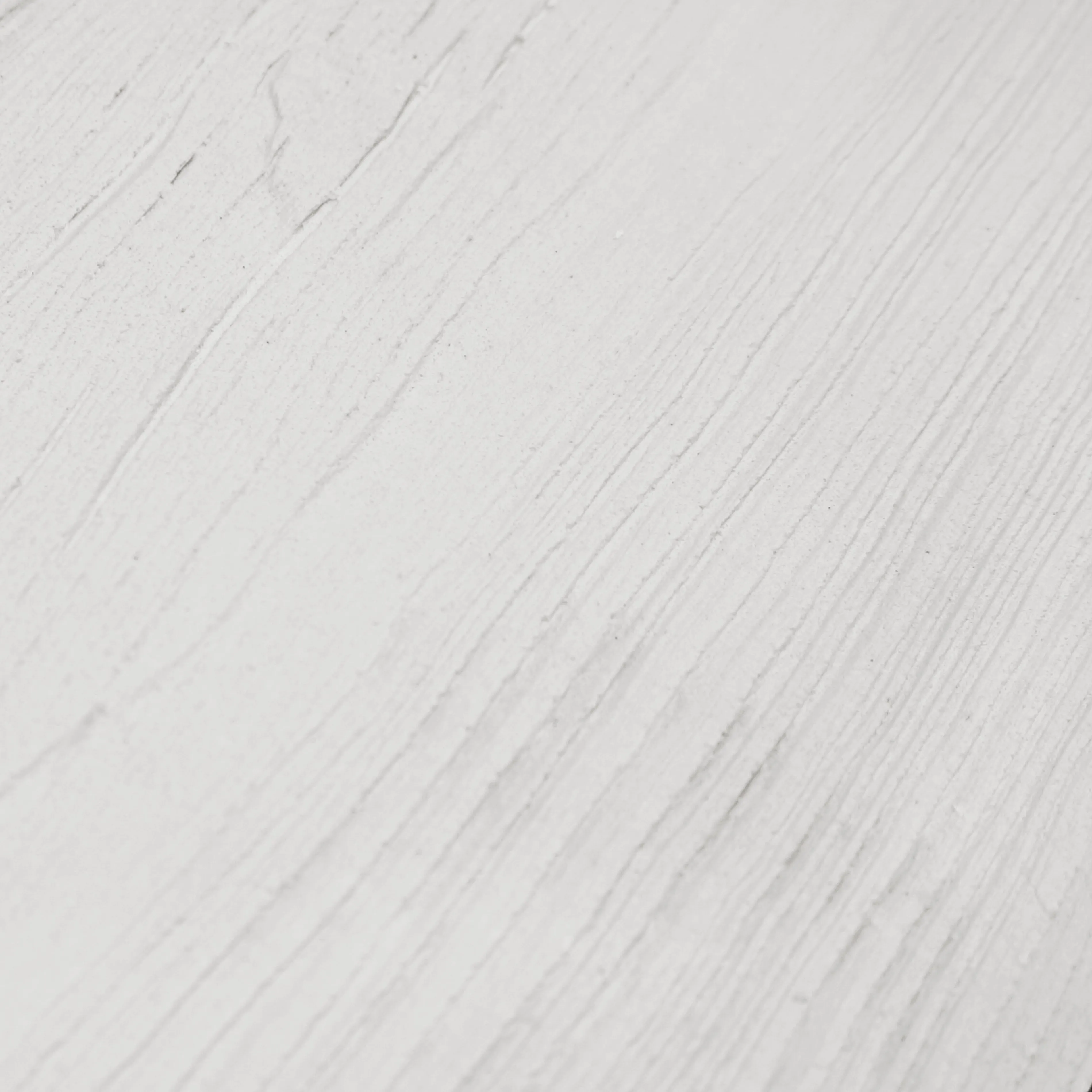
MCM flexible stone has been a game-changer in construction for years, thanks to its unique composition: a blend of natural minerals, polymers, and reinforcing fibers that creates a material that's lightweight, flexible, and incredibly durable. But it's the White Wood variant that's stealing the spotlight in healthcare design—and for good reason. At first glance, it looks like a piece of premium whitewashed wood, with soft grain patterns, warm undertones, and a matte finish that feels organic to the touch. But scratch the surface (literally), and you'll find a material engineered for the demands of medical spaces.
Hygiene First: A Surface That Fights Germs, Not Patients
In healthcare, cleanliness isn't just a preference—it's a lifeline. White Wood MCM's non-porous surface is a bacteria's worst enemy. Unlike real wood, which has tiny pores that trap moisture and germs, this material repels liquids, making it easy to wipe down with hospital-grade disinfectants without worrying about stains or residue. Studies have shown that non-porous surfaces reduce the spread of healthcare-associated infections (HAIs) by up to 30%—a statistic that can literally save lives. And because it's resistant to mold and mildew, it's ideal for high-humidity areas like hydrotherapy rooms or dialysis centers, where traditional wood would rot in months.
Durability That Keeps Up with Chaos
Healthcare facilities are high-traffic zones, and walls and floors take a beating. White Wood MCM is scratch-resistant, impact-resistant, and won't fade under harsh UV lighting (perfect for rooms with large windows to let in natural light). Unlike painted walls that need repainting every few years or wallpaper that peels, this material holds up for decades—saving facilities money on maintenance and reducing disruptions for patients. One children's hospital in Chicago, which installed White Wood MCM in its playroom five years ago, reports that the walls still look brand-new, despite daily use by kids with crayons, sticky fingers, and toy cars.
Aesthetic Calm: Bringing the Outdoors In, Without the Fuss
Biophilic design—the idea that connecting with nature improves well-being—is a cornerstone of modern healthcare design. White Wood MCM taps into this by mimicking the look of real wood, a material humans have found comforting for millennia. The soft white color reflects natural light, making rooms feel brighter and more spacious (a stark contrast to the dim, cave-like hospital rooms of the past). The subtle grain patterns add visual interest without overwhelming the senses, which is key for patients with anxiety or sensory processing disorders. And unlike real wood, which can look dated or vary in color, White Wood MCM offers consistent, warm tones that pair effortlessly with other materials—making it a designer's dream for creating cohesive, calming spaces.
While White Wood MCM is a star player, the best healthcare spaces are designed with a team of materials working in harmony. Let's explore how four other materials—MCM flexible stone (in broader terms), fair-faced concrete, lunar peak silvery, and travertine (beige)—complement White Wood to create balanced, multi-sensory environments.
MCM Flexible Stone: Versatility in Every Form
Beyond White Wood, MCM flexible stone comes in a range of textures and colors, making it a versatile tool for designers. For example, using a smooth, neutral MCM flexible stone on ceilings can add warmth without competing with White Wood walls, while a textured variant on accent walls can create subtle depth. Because it's flexible, it can be bent to follow curved surfaces—perfect for softening the sharp angles of traditional hospital architecture, which studies show can increase feelings of safety in patients.
Fair-Faced Concrete: Raw, Honest, and Surprisingly Warm
At first thought, concrete might seem too cold for healthcare, but fair-faced concrete—with its raw, unpolished finish—adds a grounded, organic element that pairs beautifully with White Wood MCM. Its muted gray tones create a calming contrast to White Wood's warmth, while its subtle texture absorbs sound, reducing noise in busy corridors. One rehabilitation center in Seattle used fair-faced concrete floors with White Wood MCM walls in its physical therapy gym, and staff reported a noticeable decrease in patient anxiety during sessions—likely because the space felt more like a modern studio than a clinical gym.
Lunar Peak Silvery: Subtle Shine for Gentle Elegance
Metallic accents can feel overwhelming in healthcare, but lunar peak silvery—with its soft, moon-like sheen—adds a touch of elegance without being flashy. Used sparingly as trim around doorways or as a backsplash in nurses' stations, it reflects light subtly, brightening spaces without creating glare (which can trigger headaches in patients with migraines or neurological conditions). In a maternity ward in Boston, designers paired lunar peak silvery accents with White Wood MCM and soft blue textiles, creating a space that felt both calming and celebratory—perfect for new families.
Travertine (Beige): Earthy Warmth for "Home" Vibes
Travertine, a natural stone with warm beige tones and soft, irregular veining, is a classic choice for adding earthy warmth to spaces. When paired with White Wood MCM, it creates a "cabin in the woods" feel—cozy and familiar, which is especially comforting for long-term patients. A senior care facility in Portland used travertine (beige) flooring in its common areas, with White Wood MCM accent walls and plush seating, and residents reported feeling more at home—leading to higher engagement in social activities and improved mental health scores.
To truly understand the power of these materials, let's look at two case studies where White Wood MCM took center stage—and transformed patient experiences.
Case Study 1: Children's Oncology Ward, Denver Children's Hospital
Designing for children with cancer requires a delicate balance: the space needs to be playful enough to distract from fear but not so stimulating that it overwhelms. The Denver Children's Hospital team turned to White Wood MCM for the walls of its oncology ward, paired with lunar peak silvery trim and fair-faced concrete floors. The White Wood's soft wood grain was painted with subtle animal silhouettes (a collaborative project with local artists), creating a "forest friends" theme that kids loved. Nurses noted that patients were more willing to leave their beds to explore the ward, and parents reported that the space felt "less scary" than traditional hospital rooms. Plus, the non-porous surface made cleaning up spills from art projects or snacks a breeze—no more worrying about permanent stains.
Case Study 2: Memory Care Unit, Silver Linings Senior Living
For patients with dementia, familiar, low-stimulation environments can reduce confusion and agitation. Silver Linings Senior Living in Austin used White Wood MCM and travertine (beige) throughout its memory care unit, with MCM flexible stone in a soft blue for accent walls. The warm, consistent tones of White Wood and travertine created a sense of continuity, while the blue accents (linked to calm in color psychology) helped patients feel grounded. Staff reported fewer instances of wandering, and families said their loved ones seemed more at peace during visits. One daughter noted, "It doesn't feel like a 'home'—it feels like
their
home."
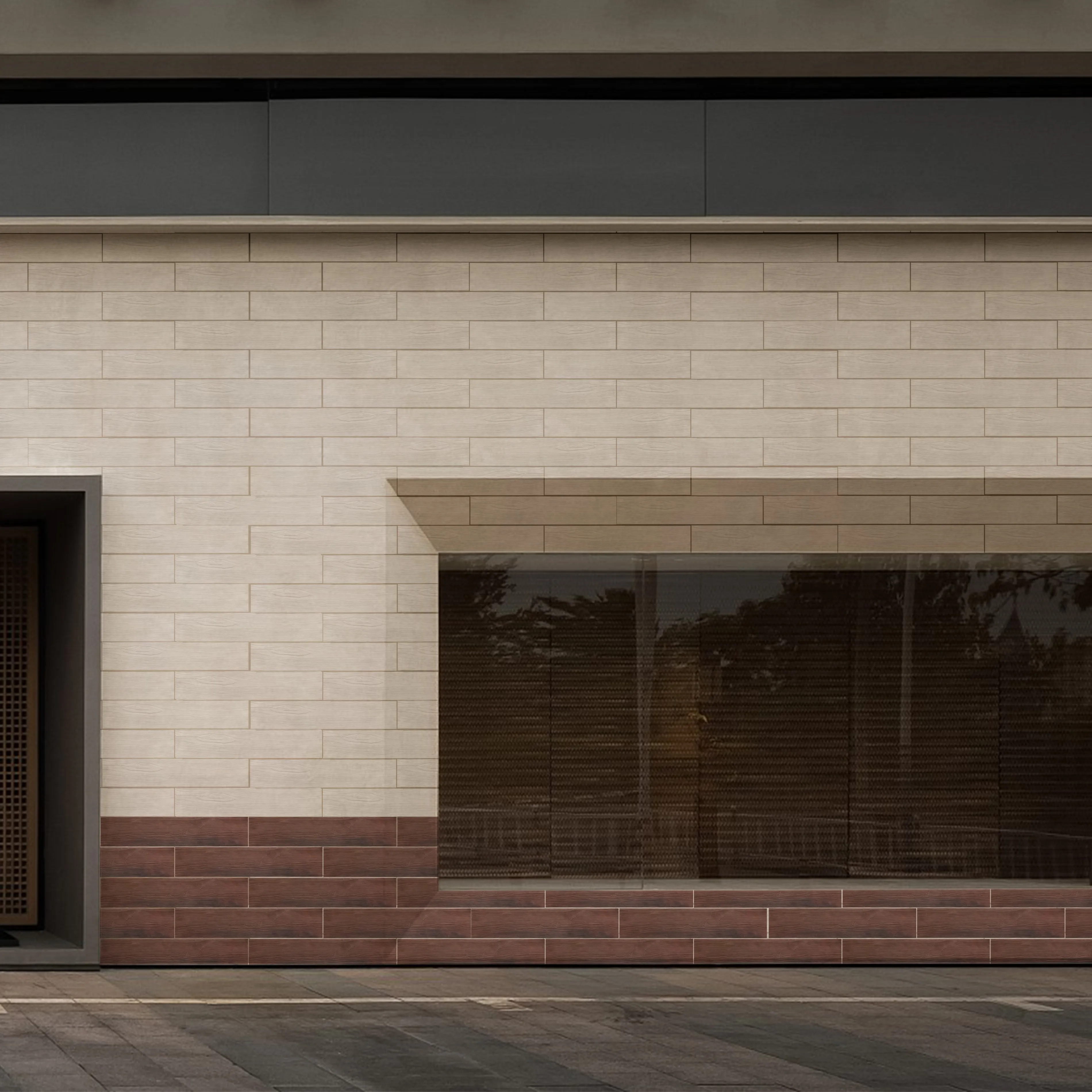
As we look ahead, the trend in healthcare design is clear: spaces that prioritize humanity over sterility, and materials that work with the body's natural healing processes. White Wood MCM, with its blend of hygiene, durability, and warmth, is leading this charge, proving that you don't have to sacrifice function for feeling. When paired with complementary materials like fair-faced concrete, lunar peak silvery, and travertine (beige), it creates environments that don't just treat illness—they nurture the soul.
In the end, healthcare design isn't about buildings—it's about people. And when we build spaces that feel safe, calm, and connected to nature, we're not just designing better hospitals. We're designing better recoveries, better days, and better outcomes. White Wood MCM isn't just a material; it's a tool to heal—one wall, one room, one patient at a time.
| Material | Hygiene | Durability | Aesthetic Impact | Best For |
|---|---|---|---|---|
| White Wood MCM | Non-porous, bacteria-resistant, easy to disinfect | Scratch/impact-resistant, fade-proof, 20+ year lifespan | Warm wood-like texture, soft white tones, reduces stress | Walls, accent panels, patient rooms, play areas |
| Fair-faced Concrete | Non-porous, easy to clean, mold-resistant | Highly durable, withstands heavy traffic | Raw, organic texture, sound-absorbing, calming gray tones | Floors, ceilings, gyms, corridors |
| Lunar Peak Silvery | Smooth surface, easy to wipe clean | Scratch-resistant, tarnish-proof | Soft metallic sheen, brightens spaces without glare | Trim, backsplashes, nurse stations, accent walls |
| Travertine (Beige) | Sealed surface resists stains, requires regular sealing | Durable, but prone to etching from acidic spills | Warm beige tones, natural veining, earthy and comforting | Floors, common areas, senior care facilities |
Recommend Products












