
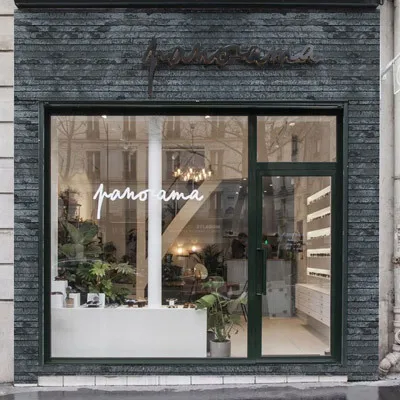
There's a quiet magic in standing before a heritage building—one that transcends mere bricks and mortar. It's the way sunlight filters through stained glass windows that have seen a century of seasons, the texture of hand-carved wooden beams that still hold stories of the craftsmen who shaped them, and the weight of history in every weathered stone. But preserving these architectural treasures isn't just about keeping walls upright; it's about reimagining their purpose while honoring their past. Heritage renovation is a delicate dance: too much modernity, and you erase the building's soul; too little, and it risks fading into irrelevance, unable to meet the needs of today's world. This is where materials like Dark Grey Muretto Stone emerge as unsung heroes—not as replacements for history, but as collaborators in its continuation.
Walk into any heritage renovation site, and you'll quickly sense the tension. Architects and preservationists grapple with questions that have no easy answers: How do you repair crumbling stone without losing the original texture? Can a 1800s townhouse accommodate energy-efficient systems without marring its historic facade? What material can stand up to 21st-century weather while looking like it belongs in a 19th-century square? Traditional materials—like the limestone or sandstone often used in old buildings—are beautiful, but they come with trade-offs. Many are heavy, making structural reinforcement a nightmare; others are porous, prone to water damage; still more are increasingly rare, driving up costs and environmental impact.
Then there's the issue of "authenticity." A heritage building isn't just a structure; it's a piece of cultural memory. Use a material that looks too new, and visitors will feel the disconnect—like wearing a brand-new vintage-inspired jacket that lacks the wear of time. Use something too outdated, and the building becomes a museum piece, not a living, breathing space. The solution, it turns out, lies in materials that bridge this divide: ones with the character of age but the resilience of modern engineering. And that's where Dark Grey Muretto Stone shines brightest.
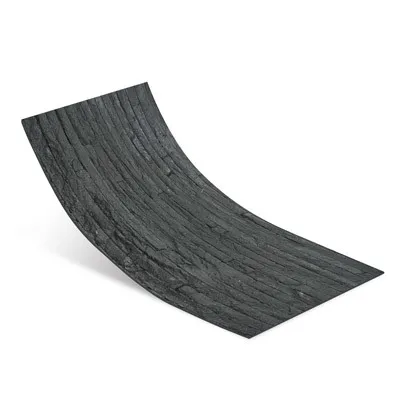
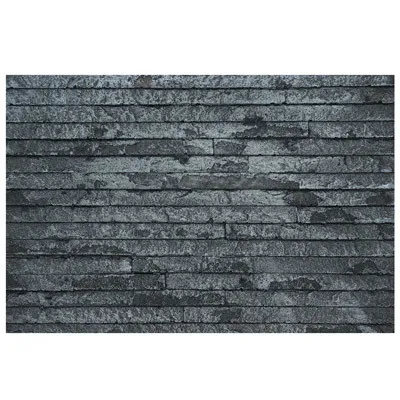
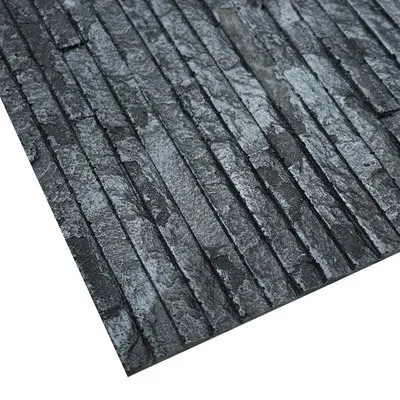
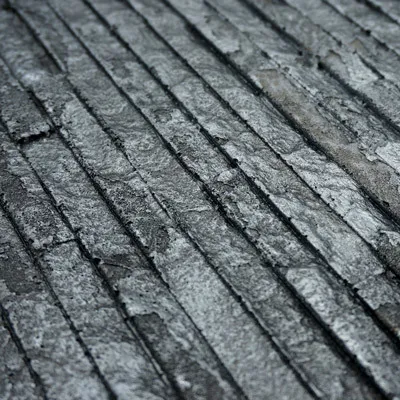
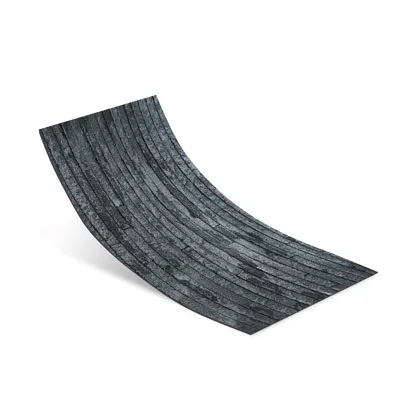
If you've never run your hand over Dark Grey Muretto Stone, imagine this: it feels like the surface of a centuries-old castle wall, but smoother—like time itself has gently worn down the rough edges without erasing the story. Its color is a deep, moody grey, with subtle variations that mimic the natural patina of stone exposed to sun, rain, and wind for decades. Run your fingers across it, and you'll notice tiny indentations, as if it was hand-chiseled by artisans long ago. But here's the twist: those "imperfections" are intentional, engineered to replicate the look of aged stone while avoiding the flaws that made traditional materials fragile.
What makes Dark Grey Muretto Stone a game-changer for heritage renovation? Let's start with its core makeup. Unlike solid natural stone, it's a modified composite material—think of it as nature and science in collaboration. It combines natural aggregates (like crushed stone and mineral pigments) with a lightweight, high-strength binder that resists cracking, water absorption, and even fire. The result? A material that weighs up to 40% less than traditional stone, making it easier to install without overburdening old foundations. It's also pre-cut to precision, reducing waste and ensuring a consistent look across large surfaces—no more hunting for matching stones in quarries.
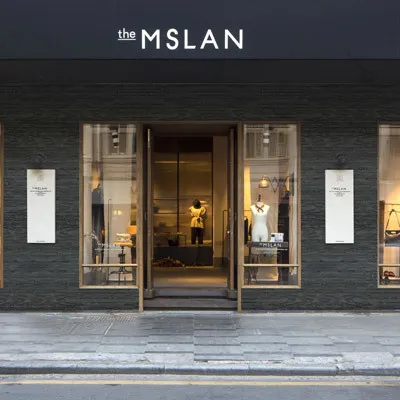
But the real magic is in its versatility. Dark Grey Muretto Stone doesn't just "blend in" with historic architecture—it enhances it. Whether you're restoring a medieval abbey, a Victorian townhouse, or a mid-century modern landmark, it adapts. Its neutral tone acts as a backdrop, letting original features (like ornate cornices or stained glass) take center stage, while its texture adds depth that flat modern materials lack. It's the kind of material that makes you lean in and say, "Is this original?"—and when you learn it's new, you're surprised. That's the mark of a truly great renovation material: it doesn't shout; it whispers, "I belong here."
| Key Consideration | Traditional Limestone | Dark Grey Muretto Stone | Fair-faced Concrete (Modern Alternative) |
|---|---|---|---|
| Weight | Heavy (80-100 lbs/sq ft) – requires structural reinforcement | Lightweight (45-55 lbs/sq ft) – easier on old foundations | Moderate (60-70 lbs/sq ft) – still heavier than Muretto |
| Weather Resistance | Porous – prone to water damage and freeze-thaw cracking | Non-porous – resists water, mold, and UV damage | Durable but can develop hairline cracks over time |
| Aesthetic Compatibility | High – matches historic look but hard to source matching pieces | Very High – engineered to mimic aged stone with consistent color | Low – modern, industrial look can clash with heritage styles |
| Installation Ease | Labor-intensive – requires skilled stonemasons | Modular – lightweight panels cut installation time by 30% | Requires formwork – can be messy and time-consuming |
| Environmental Impact | High – quarrying and transportation emit significant CO2 | Low – uses recycled aggregates and minimal waste production | Moderate – cement production is carbon-heavy |
*Data based on case studies from heritage renovation projects across Europe and North America (2020-2024)
Let's step into the shoes of Marie Dubois, an architect tasked with renovating a crumbling 1890s townhouse in Paris's Marais district. The building was a gem—original oak parquet floors, a wrought-iron balcony, and a facade that had once been the envy of the neighborhood. But years of neglect had taken their toll: the limestone facade was pockmarked with cracks, water had seeped into the walls, and the interior was drafty and dim. Marie's brief was clear: restore the building's historic charm while turning it into a modern family home with energy-efficient heating, soundproofing, and a kitchen that could handle 21st-century cooking.
The biggest challenge? The facade. Traditional limestone was out of the question—the original quarry had closed decades ago, and matching the color and texture was impossible. Using a modern material like stucco would have made the building look like a replica, not the real thing. That's when Marie discovered Dark Grey Muretto Stone. "I'd seen it used in a church renovation in Lyon, and I was struck by how it looked both old and new," she recalls. "The color was a perfect match for the townhouse's original stone, and the texture—those tiny, intentional imperfections—made it feel like it had been there for 130 years."
The team installed Dark Grey Muretto Stone panels over a moisture barrier, ensuring the new facade would protect the interior from Paris's rainy winters. To add depth, they paired it with Lunar Peak Black for the window sills—a sleek, dark stone that echoed the wrought-iron balcony without overwhelming the softer grey. Inside, Marie opted for Fair-faced Concrete floors in the kitchen and living areas. "It's a modern material, but its raw, unpolished finish complements the Muretto Stone beautifully," she explains. "It's like the old and new are having a conversation, not a fight."
The result? A townhouse that turns heads—not because it looks brand-new, but because it looks loved . The Dark Grey Muretto Stone facade glows in the Parisian sunlight, its texture catching the light just like the original limestone did. Inside, the Fair-faced Concrete floors are warm underfoot, and the home stays toasty in winter without drafts. "The family who bought it tells me their kids love running their hands over the facade," Marie laughs. "They think it's magic that a 'new' wall feels so old. To me, that's the best compliment."
Across the continent, in Prague's Josefov district, a similar story unfolded at the Grand Cinema, a 1920s art deco landmark that had sat abandoned since the 1990s. The cinema was a treasure trove of art deco details: geometric murals, a sweeping marquee, and a facade adorned with terra-cotta tiles that had faded to a dull pink. The goal? Turn it into a mixed-use space—boutiques on the ground floor, a boutique hotel upstairs, and a restored screening room that honored the building's cinematic past.
The lead architect, Tomas Novak, faced a unique challenge: the original terra-cotta tiles were beyond repair, and replacing them with new ones would have erased the cinema's weathered charm. "Art deco is all about bold lines and texture," Tomas says. "We needed a material that could replicate that texture but stand up to Prague's harsh winters." After months of research, his team landed on a combination: Dark Grey Muretto Stone for the main facade, paired with Rammed Earth Board (Gradient) for the entranceway and Travertine (Starry Blue) accents around the marquee.
The Dark Grey Muretto Stone formed the "canvas" of the facade, its deep grey tone making the remaining original art deco murals pop. The Rammed Earth Board (Gradient)—a material with warm, earthy hues that shift from terracotta to soft brown—was used to frame the entrance, echoing the cinema's original color palette. "Rammed earth has this organic, handcrafted feel that art deco loves," Tomas notes. "It's like the building is giving a nod to its roots." Finally, the Travertine (Starry Blue) was used to line the base of the marquee—a bold choice, but one that paid off. "The 'starry' texture—tiny, glittering flecks that catch the light—feels like a wink to the cinema's history of showing night sky scenes," Tomas explains. "It's playful but not kitschy."
Today, the Grand Cinema is a neighborhood hub. Locals marvel at how "authentic" it feels, unaware that most of the facade is new. "A 90-year-old man who used to work as an usher here told me it looks exactly like he remembers it," Tomas says. "That's the power of materials like Dark Grey Muretto Stone. They don't just restore buildings—they restore memories."
Dark Grey Muretto Stone is a star, but even stars need supporting actors. In heritage renovations, the magic often lies in how different materials play off each other—adding layers of texture, color, and story. Let's explore how some of these materials can complement Muretto Stone, turning a good renovation into a great one.
Rammed Earth Board (Gradient): If Dark Grey Muretto Stone is the "quiet strength" of a renovation, Rammed Earth Board (Gradient) is its warm, beating heart. Made by compressing layers of earth, sand, and clay, it has a rich, tactile texture that feels like it was dug from the earth itself. In a 17th-century cottage renovation in the English countryside, architects paired Dark Grey Muretto Stone with Rammed Earth Board (Gradient) in the living room, creating a space that feels both ancient and cozy. "The gradient—shifting from soft beige to warm terracotta—adds movement, like the sun setting over the fields outside," says lead designer Emma Clarke. "It's the kind of material that makes you want to curl up with a book and stay awhile."
Travertine (Starry Blue): For moments when you want to add a touch of whimsy without losing gravitas, Travertine (Starry Blue) is hard to beat. This stone is infused with tiny, iridescent flecks that look like stars scattered across a dark sky—hence the "starry" name. In a 1920s theater renovation in Barcelona, designers used it for the ceiling of the lobby, pairing it with Dark Grey Muretto Stone walls. "The Muretto Stone grounds the space, while the Starry Blue Travertine makes you look up and dream," says architect Carlos Mendez. "It's a nod to the theater's history of transporting audiences to other worlds."
Lunar Peak Black: Sometimes, you need a material that doesn't just blend in but defines the space. Lunar Peak Black is that material—a sleek, jet-black stone with a subtle sheen that feels both modern and timeless. In a 19th-century bank renovation in Edinburgh, designers used it for the teller counters, pairing it with Dark Grey Muretto Stone walls. "The contrast is striking," says project manager Fiona McKenzie. "The Muretto Stone feels historic, while the Lunar Peak Black adds a sense of authority—perfect for a bank. It's like the building is saying, 'I've been here for 150 years, and I'm still trustworthy.'"
Fair-faced Concrete: Last but never least, Fair-faced Concrete brings a modern edge to heritage spaces. Unlike polished concrete, which can feel cold, fair-faced concrete is raw and unadorned—think of it as concrete with "character." In a 18th-century mill renovation in Amsterdam, it was used for the interior walls of the converted apartments, paired with Dark Grey Muretto Stone accents. "The mill's original wooden beams and Muretto Stone add warmth, while the Fair-faced Concrete adds a clean, modern line," explains architect Jan van der Meer. "It's a reminder that heritage isn't about being stuck in the past—it's about carrying the past forward."
Heritage buildings are more than bricks and stone—they're living, breathing testaments to who we are and where we've been. Renovating them isn't just about construction; it's about storytelling. And the best stories are told with materials that have both the wisdom of age and the resilience of youth. Dark Grey Muretto Stone, with its ability to mimic the past while embracing the future, is leading the charge. It's not just a building material; it's a bridge between eras—a way to say, "This place matters, and it will matter for generations to come."
As we look to the future of heritage renovation, one thing is clear: the most successful projects won't be those that freeze buildings in time, nor those that erase their history. They'll be the ones that use materials like Dark Grey Muretto Stone, Lunar Peak Black, and Rammed Earth Board (Gradient) to create spaces that feel both familiar and new. Spaces where a child can run their hand over a wall and feel the weight of history, while their parents enjoy the comfort of modern design. Spaces that prove the past and present don't have to be enemies—they can be collaborators, creating something more beautiful together than either could alone.
So the next time you walk past a heritage building that's been renovated, take a closer look. Chances are, you'll see more than just stone and concrete. You'll see a story—one that Dark Grey Muretto Stone and its peers are helping to write, one brick at a time.
Recommend Products












