
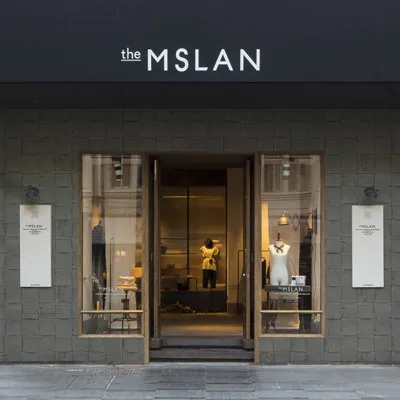
In the world of architecture and design, the choice of wall and floor materials speaks volumes about a space's character. It's not just about aesthetics—strength, durability, and adaptability play equally crucial roles in ensuring a project stands the test of time. Enter high-density mosaic travertine tiles: a material that marries the timeless beauty of natural stone with cutting-edge engineering, redefining what modern building materials can achieve. For architects, designers, and project managers seeking a solution that doesn't compromise on form or function, these tiles have emerged as a game-changer. Let's dive into why they're becoming the go-to choice for projects worldwide, and how innovations like MCM Flexible Stone and MCM Big Slab Board Series are elevating their potential even further.
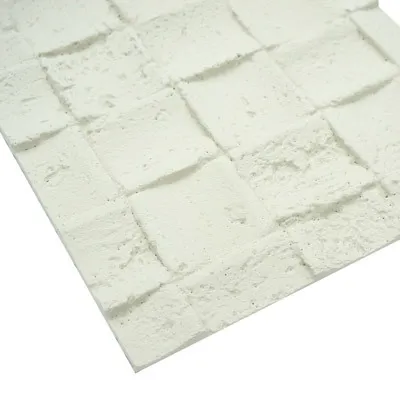
Travertine, a natural stone formed from mineral-rich, has been cherished for centuries for its warm, porous texture and earthy tones. But traditional travertine tiles often come with limitations: they're heavy, prone to chipping, and require extensive maintenance. High-density mosaic travertine tiles address these issues head-on, thanks to advanced manufacturing techniques and the integration of modified cementitious materials (MCM)—the same technology that powers COLORIA GROUP's innovative product lines.
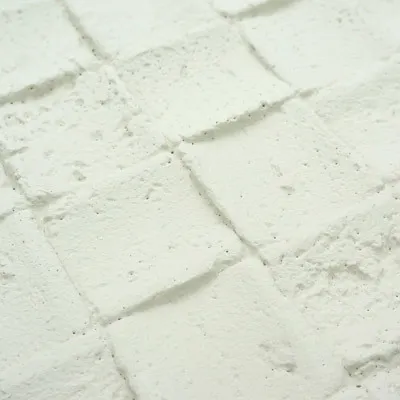
At the core of these tiles is a blend of natural travertine aggregates and a proprietary modified cementitious binder, creating a material that's denser than standard travertine but significantly lighter. Imagine holding a tile that feels solid and substantial in your hand, yet when mounted on a wall, it doesn't strain the structure—a balance that's been elusive in traditional stone products. This density doesn't just boost durability; it also enhances resistance to moisture, stains, and daily wear, making the tiles suitable for high-traffic areas like hotel lobbies, shopping malls, and even outdoor patios.
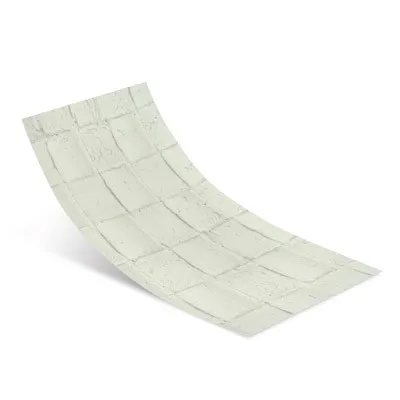
What truly sets these tiles apart is their versatility. Unlike rigid stone slabs that limit design possibilities, high-density mosaic travertine tiles offer flexibility in both form and application. This is where COLORIA's MCM Flexible Stone technology shines. These tiles can be crafted into intricate mosaic patterns, curved surfaces, or even combined with other materials like wave panels to create dynamic, three-dimensional wall features. Whether you're aiming for a sleek, modern look with clean lines or a rustic, textured finish that evokes ancient architecture, the options are nearly endless.
Consider the travertine (starry green) variant—a stunning option that mimics the appearance of a starry night sky embedded in stone. When used in a restaurant's accent wall, it transforms the space into an immersive experience, proving that functionality doesn't have to overshadow artistry. Similarly, rust mosaic stone tiles add a warm, industrial edge to commercial spaces, pairing beautifully with wood accents and metal fixtures for a contemporary loft vibe.
| Feature | Traditional Travertine Tiles | High-Density Mosaic Travertine Tiles (MCM-based) |
|---|---|---|
| Weight | Heavy (8-10 kg/m²) | Lightweight (4-5 kg/m²) |
| Flexibility | Rigid, prone to cracking on uneven surfaces | Flexible, adapts to minor surface irregularities |
| Water Resistance | Low (requires sealing every 6-12 months) | High (resistant to moisture absorption) |
| Installation Time | Long (requires professional cutting and heavy-duty mounting) | Short (lightweight, easy to cut, and install with standard tools) |
| Design Options | Limited to natural stone patterns | Extensive (custom colors, mosaic patterns, and textures) |
One of the most compelling aspects of high-density mosaic travertine tiles is their ability to thrive in diverse environments. Let's explore how they're making an impact across different project types:
In homes, these tiles bring a touch of luxury to everyday spaces. Imagine a bathroom where the walls are clad in travertine (starry green) mosaic tiles, their subtle shimmer complementing rainfall showerheads and wooden vanities. The material's moisture resistance means no more worrying about mold or water damage, while its warm texture adds a spa-like serenity. In kitchens, they're equally impressive—backsplashes made with high-density travertine tiles stand up to splatters, heat, and constant cleaning, all while adding a natural, organic contrast to sleek countertops.
For outdoor areas like patios or pool surrounds, the tiles' durability shines. Unlike traditional stone, they don't fade under UV rays or crack in freezing temperatures, ensuring your outdoor oasis remains beautiful year after year. Homeowners in regions with harsh climates, from the snowy winters of Canada to the humid summers of Southeast Asia, are discovering that these tiles offer the perfect blend of beauty and practicality.
In commercial settings, first impressions matter—and high-density mosaic travertine tiles deliver. Hotels and resorts are using them to create grand lobbies with sweeping mosaic murals, where the tiles' intricate patterns tell stories of local culture. Retail stores, on the other hand, are opting for bold combinations, like pairing rust mosaic stone with wave panels to create dynamic feature walls that draw customers in. The material's lightweight nature is a boon for large-scale projects, reducing structural load and installation costs without sacrificing visual impact.
Educational institutions and healthcare facilities are also embracing these tiles for their hygienic properties. Unlike porous materials that harbor bacteria, high-density travertine tiles have a non-porous surface that's easy to sanitize, making them ideal for spaces where cleanliness is paramount. Plus, their sound-absorbing qualities help create quieter, more comfortable environments—perfect for classrooms or hospital waiting areas.
Public buildings, from museums to government complexes, require materials that honor tradition while meeting modern performance standards. High-density mosaic travertine tiles excel here, offering the look of historic stonework with the durability needed for high foot traffic. For example, a museum showcasing ancient artifacts might use tiles that mimic the texture of weathered stone, creating a cohesive narrative between the exhibits and the space itself. In cultural centers, custom mosaic designs can celebrate local artistry, with MCM 3D Printing Series technology allowing for intricate, one-of-a-kind patterns that would be impossible to achieve with traditional methods.
While high-density mosaic travertine tiles are gaining popularity, not all products are created equal. COLORIA GROUP's decades of experience in the building materials industry, combined with its focus on MCM technology, set its offerings apart. As a with a global footprint—including a strong presence in markets like Saudi Arabia—COLORIA understands the unique challenges of international projects, from climate-specific requirements to cultural design preferences.
No two projects are the same, and COLORIA's commitment to is evident in its diverse product range. Whether you need travertine (starry green) tiles for a luxury resort or rust mosaic stone for an industrial-chic café, the company's in-house design team works closely with clients to bring their visions to life. The MCM Big Slab Board Series offers large-format tiles that minimize grout lines for a seamless look, while the flexibility of MCM Flexible Stone allows for curved surfaces and complex installations that were once thought impossible.
Perhaps the most significant advantage is COLORIA's holistic approach to project management. Instead of simply supplying materials, the company acts as a partner, offering technical expertise, material samples, and installation guidance to ensure every project succeeds. This level of support is invaluable for large-scale ventures, where even small delays or mistakes can have major consequences.
The proof of any material's worth lies in its real-world performance. Let's explore a few projects where high-density mosaic travertine tiles, paired with COLORIA's MCM innovations, have made a tangible difference.
A five-star resort in the Maldives wanted to create overwater villas that blended seamlessly with the natural environment. Traditional stone tiles were ruled out due to their weight (posing a risk to the wooden structures) and vulnerability to saltwater corrosion. COLORIA proposed a solution using MCM Flexible Stone in a travertine (starry green) finish, mimicking the ocean's depths. The lightweight tiles were easy to install on the villas' curved walls, and their high density ensured resistance to salt spray and humidity. Today, the villas stand as a testament to how innovative materials can harmonize with nature, offering guests a luxurious, immersive experience.
An architectural firm designing a LEED-certified office complex in Dubai needed a facade material that was energy-efficient, visually striking, and sustainable. They chose COLORIA's high-density mosaic travertine tiles in a custom rust mosaic stone pattern, combined with MCM Big Slab Board Series for the main cladding. The tiles' thermal insulation properties reduced the building's cooling needs by 20%, while their reflective surface minimized heat absorption. The result? A building that's not only a landmark in Dubai's skyline but also a model of eco-friendly design.
Renovating a 17th-century palace in Rome presented a unique challenge: preserving the building's historic character while updating its facilities. The project team needed wall tiles that matched the original travertine's appearance but could withstand modern usage. COLORIA's high-density mosaic travertine tiles, with their handcrafted texture and earthy tones, proved to be the perfect match. The lightweight tiles were installed without damaging the palace's delicate structure, and their durability ensures the renovation will last for generations. Today, the palace serves as a cultural center, where ancient and modern coexist harmoniously.
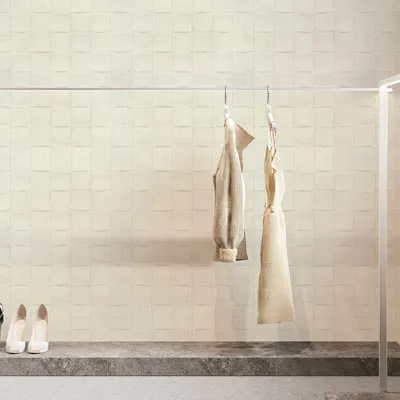
With so many options available, selecting the right tiles for your project can feel overwhelming. Here are a few key factors to consider:
Outdoor projects in humid or coastal areas require tiles with high moisture resistance, while those in arid regions may prioritize UV stability. COLORIA's regional expertise can help you select the right finish and density for your climate—for example, recommending a more porous texture for areas with heavy rainfall to prevent slipping, or a denser finish for desert environments to resist sand abrasion.
Do you want a sleek, modern look or a rustic, textured feel? Wave panels add movement and depth, while rust mosaic stone offers a industrial, weathered charm. COLORIA's design team can provide samples and renderings to help you visualize how different tiles will look in your space, ensuring the final result aligns with your vision.
High-density mosaic travertine tiles offer long-term cost savings, but upfront costs can vary based on customization and tile size. COLORIA's includes transparent pricing and timeline estimates, helping you plan accordingly. Their efficient manufacturing process also ensures quick turnaround times, crucial for projects with tight deadlines.
If green building certification is a priority, look for tiles made with recycled materials and low-VOC binders. COLORIA's MCM technology emphasizes sustainability, with products that are fully recyclable and contribute to LEED points. Their commitment to reducing carbon footprint extends to packaging and transportation, making them a responsible choice for eco-conscious projects.
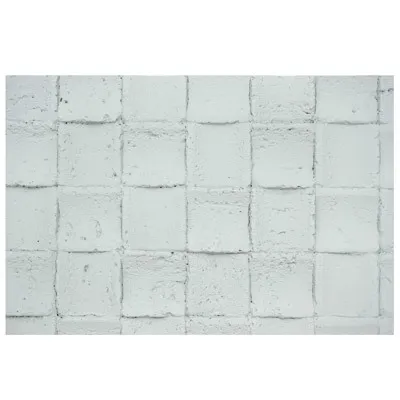
As technology advances, the potential of high-density mosaic travertine tiles continues to expand. Innovations like COLORIA's MCM 3D Printing Series are opening doors to unprecedented design possibilities, allowing for tiles with intricate, custom patterns that were once only possible with hand craftsmanship. Imagine a feature wall where every tile is unique, telling a story through texture and color—this is the future of architectural design, and high-density travertine is at the forefront.
Additionally, the push for smarter, more sustainable buildings is driving demand for materials that offer more than just aesthetics. High-density mosaic travertine tiles are evolving to integrate with other technologies, such as thermal insulation systems and even solar-reflective coatings, making them a key component of energy-efficient building envelopes. As the industry moves toward net-zero construction, these tiles will play an increasingly vital role in reducing buildings' environmental impact.
For designers and architects willing to push boundaries, the possibilities are endless. Whether it's creating a facade that changes color with the light, or a floor that generates electricity through foot traffic (a concept already in development), high-density mosaic travertine tiles are proving to be a versatile canvas for innovation.
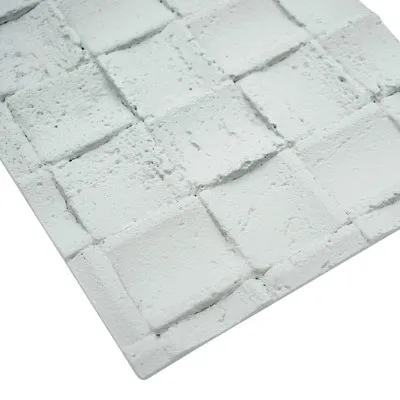
In a world where are often chosen based on cost alone, high-density mosaic travertine tiles remind us that we don't have to compromise. They offer the beauty of natural stone, the strength of engineered materials, and the flexibility to bring even the boldest design visions to life. For projects that aim to inspire, endure, and adapt, they're not just a choice—they're an investment in quality, sustainability, and creativity.
With COLORIA GROUP's expertise and innovative MCM product lines—from MCM Flexible Stone to MCM Big Slab Board Series —the future of building materials looks brighter than ever. Whether you're designing a cozy home, a towering skyscraper, or a cultural landmark, these tiles offer a foundation for excellence that will stand the test of time. So why settle for ordinary when you can build extraordinary? The next great architectural masterpiece might just start with a single, high-density mosaic travertine tile.
Recommend Products












