



In the world of design and architecture, walls are no longer just structural necessities. They are canvases awaiting transformation, opportunities to tell a story, evoke emotion, and define a space. Gone are the days when a simple coat of paint was enough. Today, we crave depth, texture, and dynamism. We seek designs that capture the eye and ignite the imagination. This is where the power of the statement wall truly shines, and no element creates a more profound impact than the fluid, mesmerizing form of the wave.
The Silent Language of Texture and Form
Think about the spaces that leave a lasting impression. A grand hotel lobby, a chic boutique, a futuristic corporate headquarters, or even a serene, modern home. What do they have in common? Often, it's the masterful use of texture and form. Our human brains are hardwired to respond to our environment. Flat, monotonous surfaces can feel sterile and uninspired, while textured, three-dimensional surfaces engage our senses, playing with light and shadow to create a living, breathing atmosphere.
The journey of wall decoration has been a fascinating evolution. We moved from the simple necessity of plaster and paint to the decorative patterns of wallpaper. Then came the desire for more tangible depth: wood paneling, exposed brick, and textured paint techniques. Each step brought us closer to a more immersive experience. The current pinnacle of this evolution is the rise of large-scale, sculptural wall features—and among these, designs inspired by nature hold a special allure. The gentle ripple of water, the rolling form of a sand dune, the elegant crest of a sea wave—these are shapes that resonate with us on a primal level. They are patterns of movement, energy, and tranquility, all captured in a static form.
However, translating these beautiful, organic concepts into tangible architectural elements has historically been a significant challenge. Creating large, seamless wave patterns with traditional materials is fraught with difficulty. Natural stone is incredibly heavy, expensive to quarry and carve, and requires massive structural support. Plaster or gypsum can be molded, but it's fragile, prone to cracking, and not suitable for exterior or high-traffic applications. Wood can warp and is susceptible to moisture and pests. These limitations often forced designers to compromise their vision, scaling back their ambitious concepts to fit the constraints of their materials. But what if the material itself was no longer a constraint?
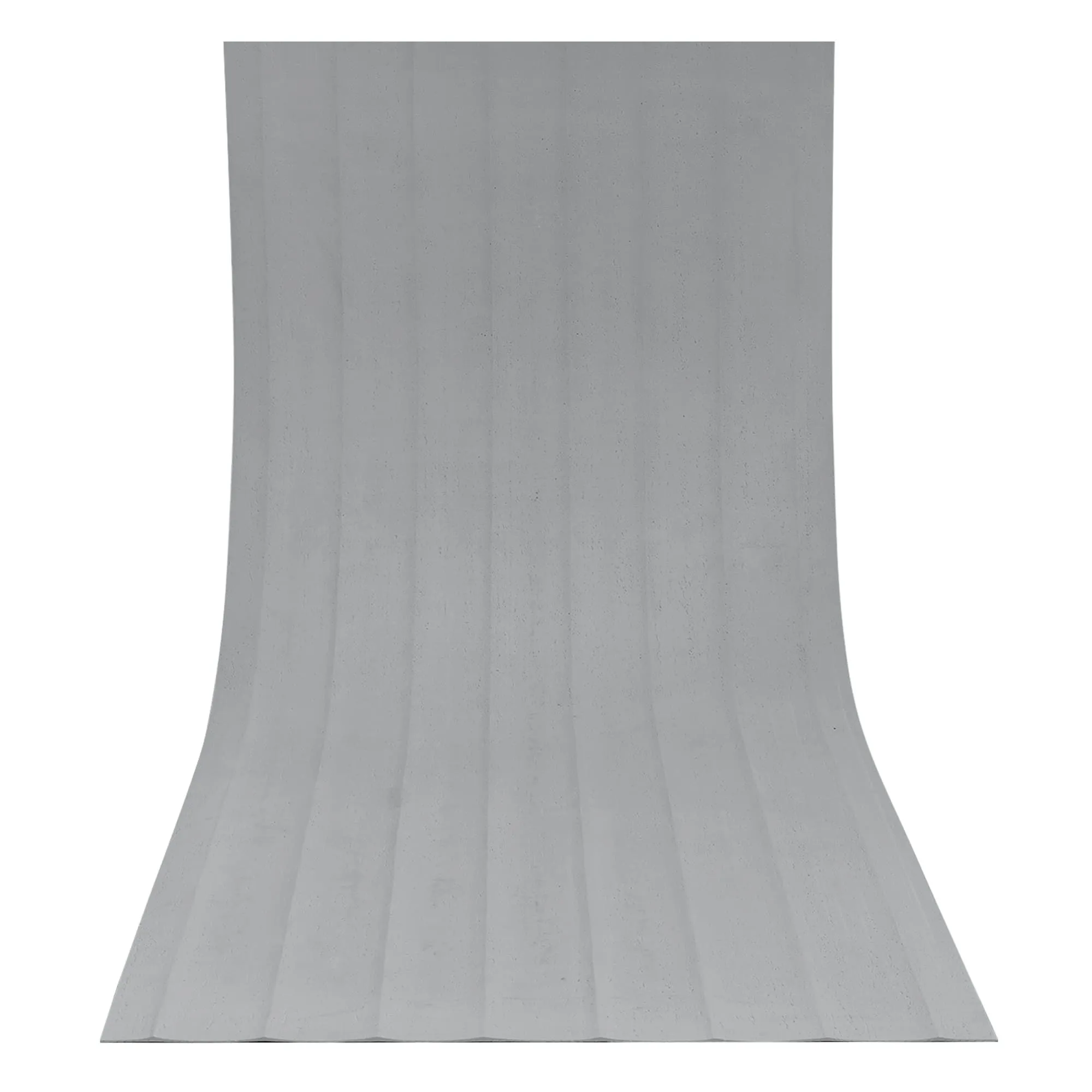
Riding the Current: The Rise of Wave Panels for Walls
Enter the era of modern material science and with it, the game-changing solution: high-impact Wave Panels for Walls . These are not just decorative tiles; they are engineered architectural elements designed to transform a flat plane into a flowing, three-dimensional masterpiece. They are the designer's tool for sculpting space, for turning a mundane wall into the undeniable focal point of a room or a building's facade.
The appeal of these panels is immediate and visceral. Their undulating surfaces create a continuous, rhythmic pattern that guides the eye and soothes the mind. The way light interacts with the curves is a spectacle in itself; shadows shift and highlights dance as the sun moves across the sky or as interior lighting changes throughout the day. This dynamic quality ensures that the wall is never static, but always offering a new perspective, a new mood. These are, in essence, a form of kinetic art, with the movement supplied by light.
The applications are as limitless as a designer's creativity. Imagine:
- A towering feature wall in a corporate lobby, its powerful waves conveying a sense of forward momentum and innovation.
- The serene backdrop in a spa or wellness center, where gentle ripples evoke a feeling of calm and tranquility.
- The exterior cladding of a beachfront property, its form mimicking the very ocean it overlooks, creating a harmonious dialogue between the built and natural environment.
- A dynamic, backlit wall in a high-end restaurant or nightclub, creating an unforgettable and immersive atmosphere for guests.
These incredible applications are made possible by the evolution of 3D Wall Panels , moving beyond simple geometric patterns to embrace complex, organic, and flowing topographies. But to truly unlock the potential of the wave form—to create panels that are not only beautiful but also practical, durable, and sustainable—requires a truly revolutionary material. This is the expertise and passion of COLORIA GROUP .
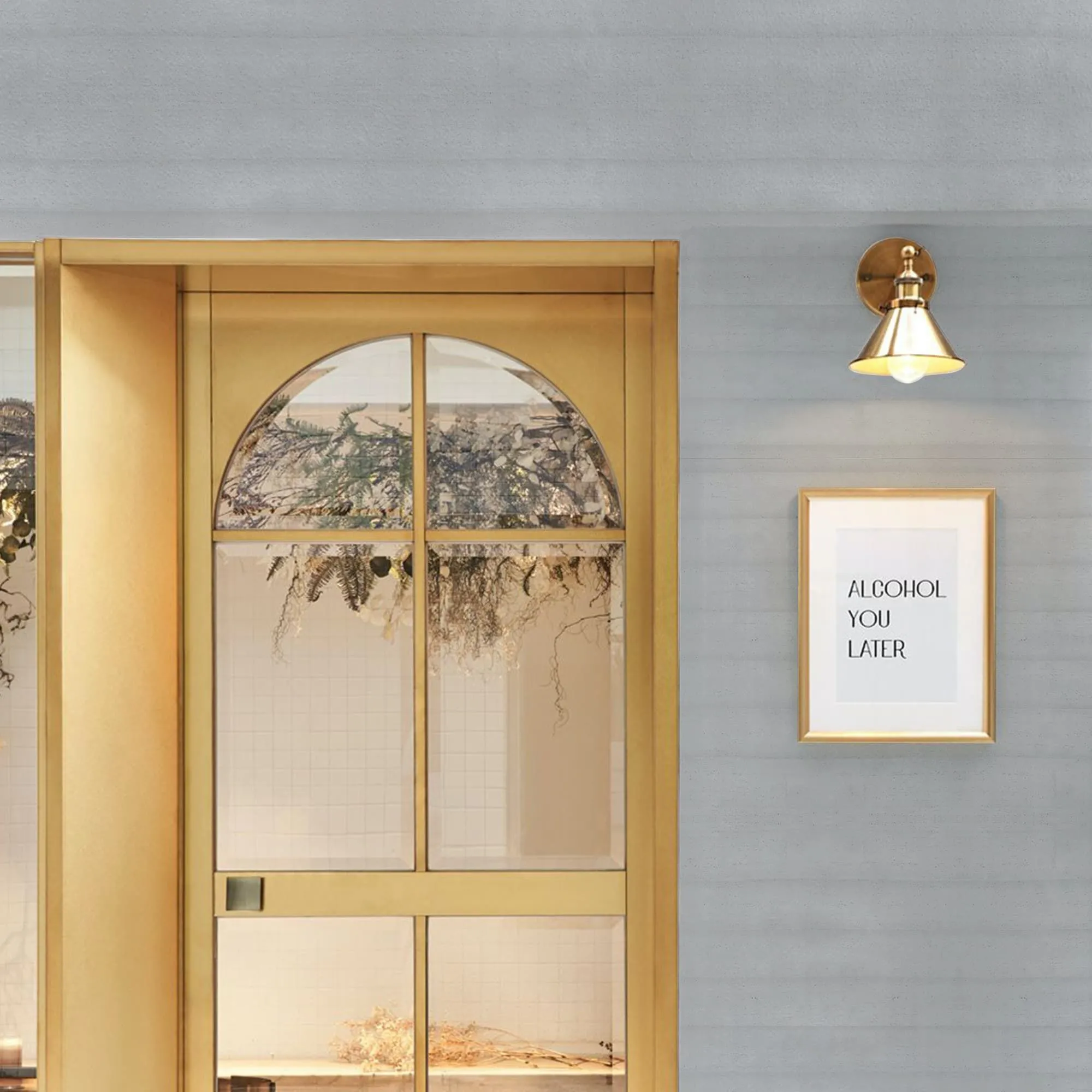
The COLORIA GROUP Revolution: Unleashing Design with MCM Technology
For decades, COLORIA GROUP has stood at the forefront of the building materials industry, operating as a one-stop solution provider for visionary projects across the globe. With a deep understanding of the challenges and aspirations of architects and designers, our mission has always been to push the boundaries of what's possible. Our answer to the challenge of creating perfect, high-performance wave panels is found in our core innovation: MCM, or Modified Cementitious Material.
So, what exactly is MCM? In simple terms, it's a groundbreaking composite material born from a low-carbon, technologically advanced process. We take natural ingredients like modified cement, mineral powders, and plant fibers, and through a proprietary process of molecular modification and shaping, we create a material that combines the best attributes of stone, clay, and polymer, while eliminating their drawbacks. Think of it as giving natural minerals a new life, a new intelligence, and a new flexibility. The result is a material that is the perfect medium for architectural expression.
The benefits of using COLORIA GROUP 's MCM for wave panels are transformative:
- Unprecedented Design Freedom: This is where MCM truly excels. Unlike rigid stone or brittle plaster, our MCM material is exceptionally malleable during its formation. It can be molded into the most intricate, fluid, and complex wave patterns with breathtaking precision. From subtle, soft ripples to dramatic, deep crests, the design possibilities are virtually infinite. Our MCM 3D Printing Series takes this even further, allowing for fully bespoke, parametric designs where every curve can be customized to a client's exact vision.
- Incredibly Lightweight and Thin: A solid granite slab of a similar size could weigh hundreds of kilograms per square meter, requiring cranes and heavy-duty structural reinforcement. COLORIA GROUP 's MCM panels are a fraction of that weight. This drastic reduction means easier transportation to the job site (lowering carbon footprint), faster and safer installation with smaller crews, and significantly less load on the building's structure. It makes grand, sweeping wave walls feasible on upper floors and even as retrofits on existing buildings.
- Extreme Durability and Resilience: While being lightweight and flexible, our MCM is deceptively tough. It boasts a Class A fire rating, making it one of the safest materials for both interior and exterior use. It is highly resistant to impact, scratches, and abrasion. Furthermore, it's waterproof and weather-resistant, meaning it won't warp, rot, fade, or degrade when exposed to rain, sun, or temperature fluctuations. This makes it an ideal choice for stunning exterior facades that will stand the test of time.
- A Commitment to Sustainability: In today's world, green building isn't an option; it's a responsibility. COLORIA GROUP is deeply committed to this principle. The production process for MCM is low-energy, and the primary components are natural and often recycled minerals. The material is free from Volatile Organic Compounds (VOCs), ensuring healthy indoor air quality. Its lightweight nature also contributes to a lower carbon footprint during shipping. Choosing our MCM panels is a choice for a healthier planet.
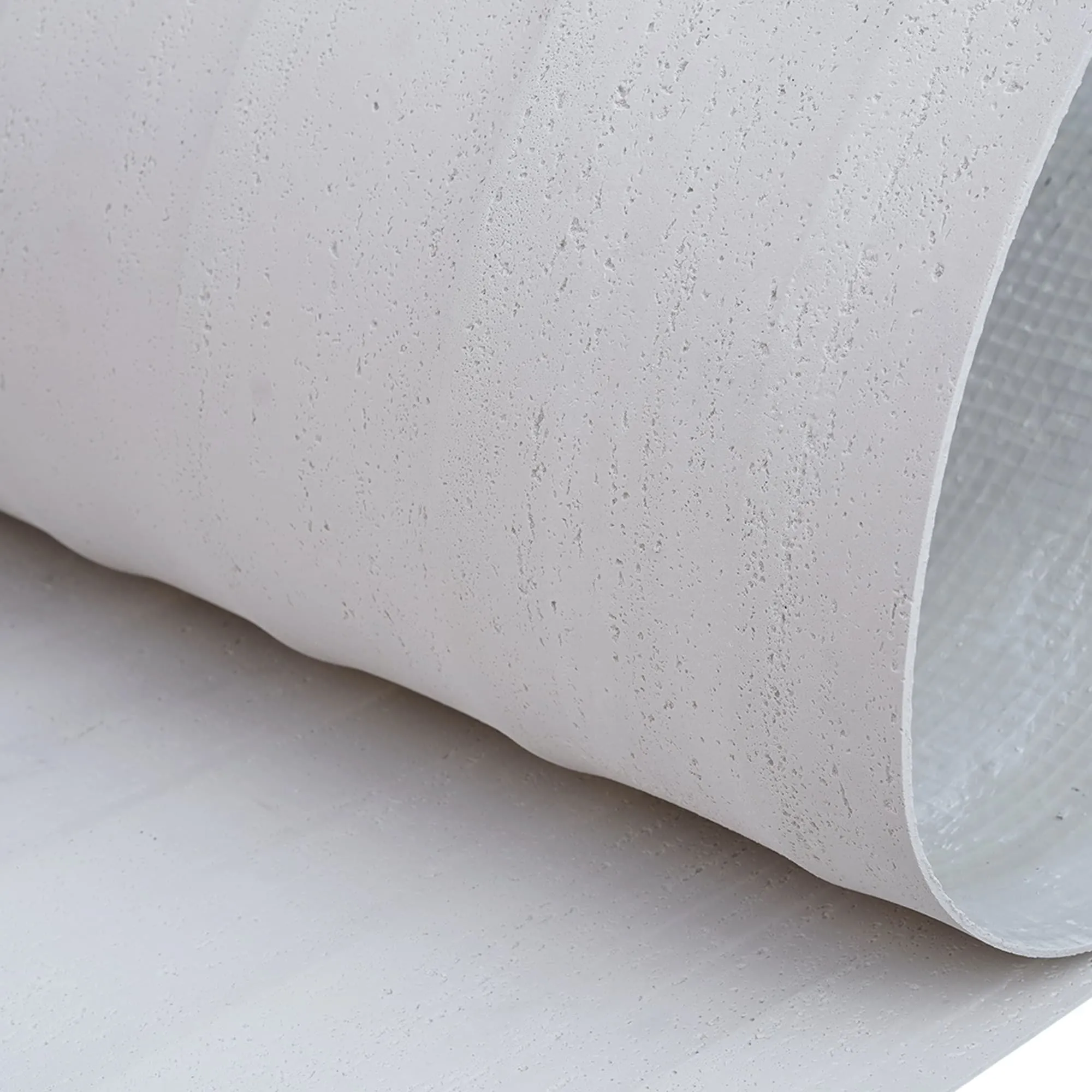
- Authentic and Varied Finishes: Our technology allows us to imbue the MCM material with an astonishing range of textures and colors. This is beautifully showcased in our MCM Flexible Stone series. We can create wave panels that have the authentic look and feel of natural slate, sandstone, travertine, or granite, but with the lightweight and flexible properties of MCM. This fusion of natural aesthetics with technological superiority offers the best of both worlds.
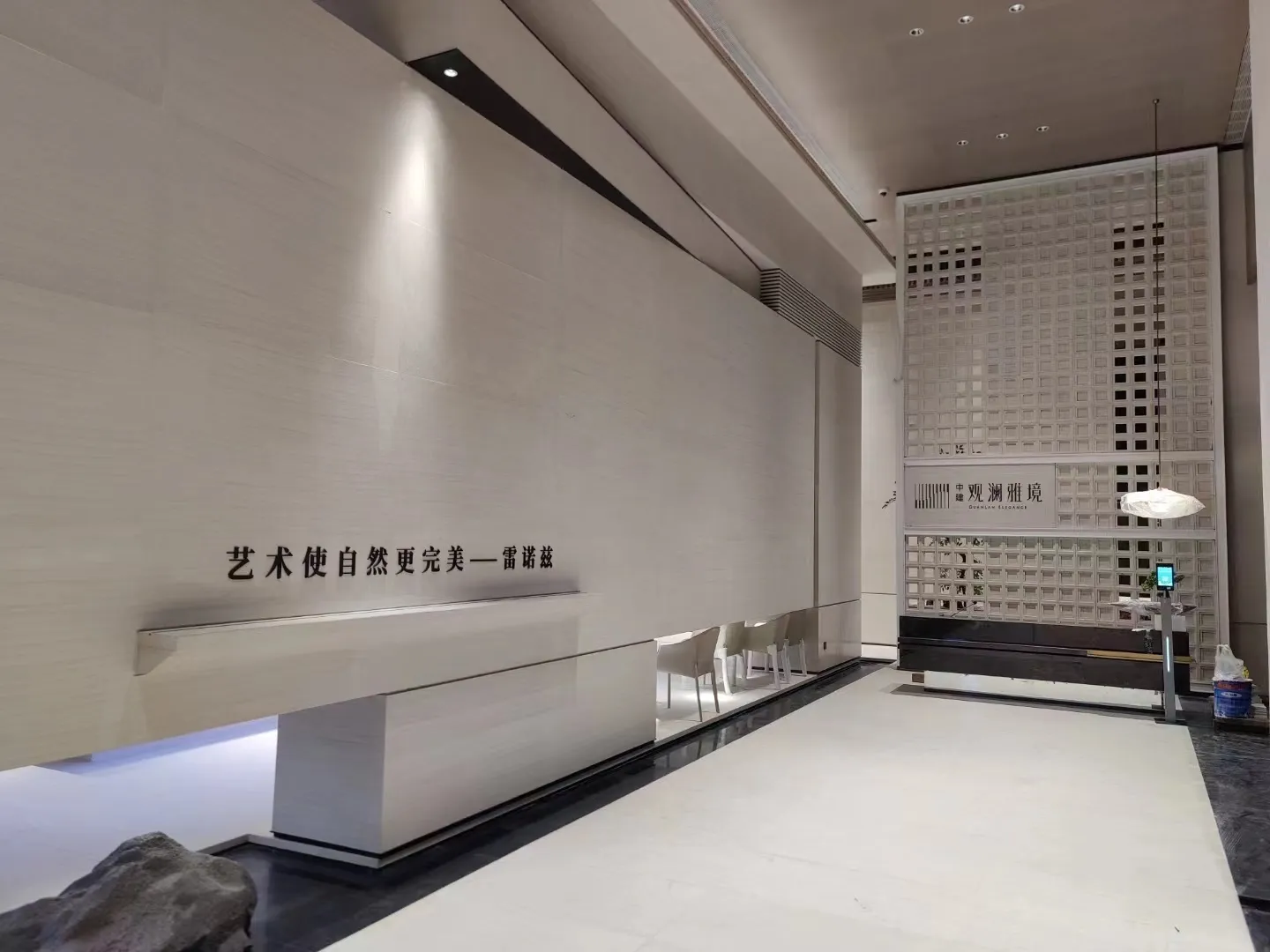
Exploring COLORIA GROUP's Architectural Wave Solutions
At COLORIA GROUP , we understand that every project is unique. That's why we've developed a comprehensive portfolio of MCM products, each tailored to provide the perfect solution for creating breathtaking Architectural Wall Panels with wave motifs.
The MCM 3D Printing Series: The Pinnacle of Bespoke Design. For the ultimate in customization, this series represents the future of facade and interior design. Working directly with architectural plans and digital models, we can produce truly one-of-a-kind wave patterns. Parametric designs with varying frequencies and amplitudes, unique textures, or even integrated logos and patterns are all possible. This is the choice for signature projects that demand an unforgettable, custom-sculpted identity.
The MCM Big Slab Board Series: For Grand, Monolithic Statements. When the vision calls for scale and seamlessness, our Big Slab Board Series is the answer. These large-format panels, available in impressive dimensions, minimize the number of joints, creating the illusion of a single, massive, carved surface. A sweeping wave design rendered in our Big Slab format can turn the entire wall of a multi-story atrium or the full facade of a building into a singular, powerful work of art.
The MCM Flexible Stone Series: Nature Reimagined. This series is where technology and nature converge in the most beautiful way. We can craft our wave panels to have the visual and tactile texture of real stone. Imagine a wall of flowing waves that look and feel like weathered sandstone or elegant grey slate. This series provides the timeless beauty of natural materials without the weight, cost, and installation nightmares. It's particularly effective for creating organic, biophilic designs that connect indoor spaces with the natural world.
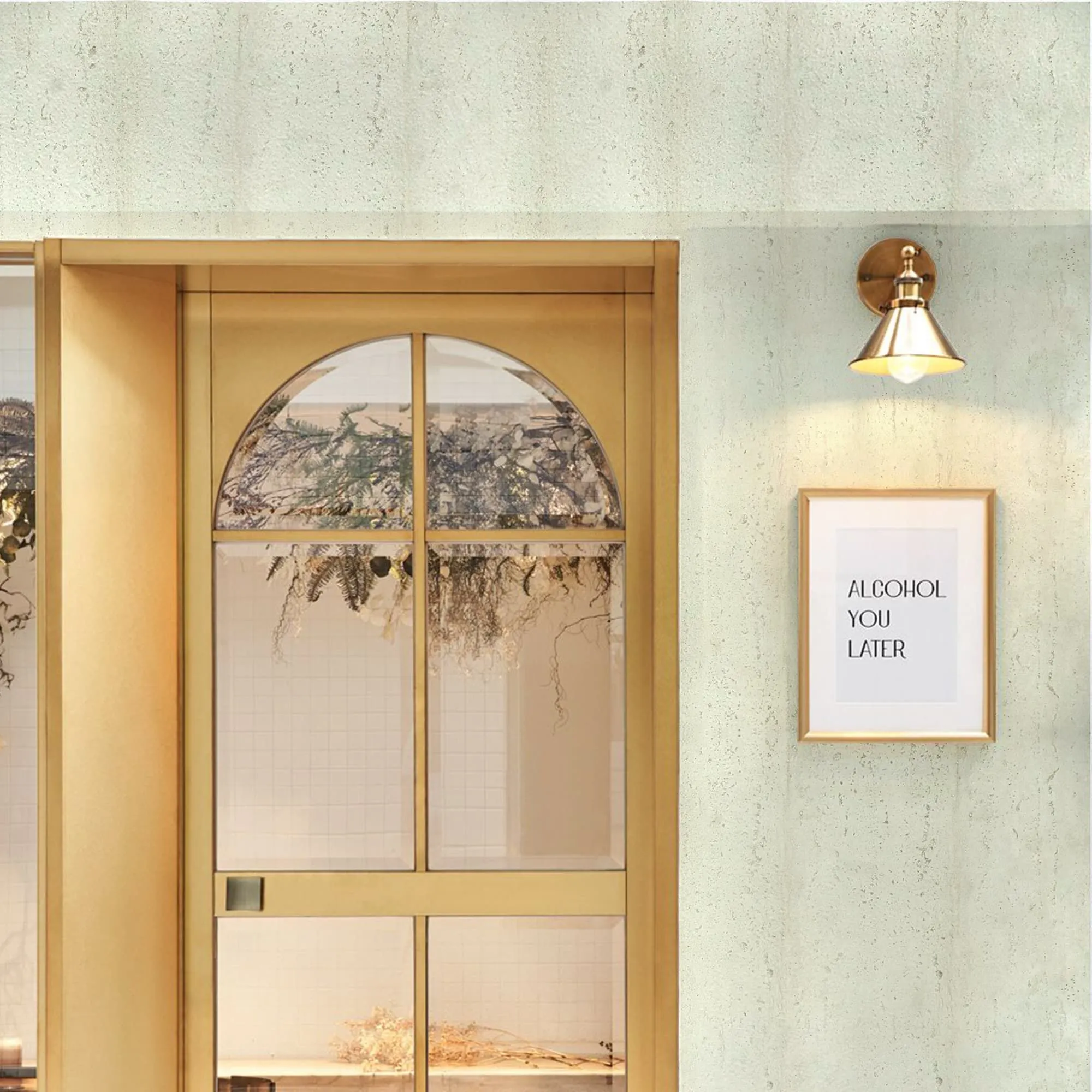
Comparative Advantage: Why MCM Stands Apart
To fully appreciate the revolution that COLORIA GROUP 's MCM wave panels represent, it's helpful to compare them directly with traditional materials often considered for textured walls. The advantages become clear across every critical metric, from design to installation and long-term performance.
| Feature | COLORIA GROUP MCM Wave Panels | Natural Stone (e.g., Marble, Travertine) | GFRC (Glass Fiber Reinforced Concrete) | Molded Plaster / Gypsum |
|---|---|---|---|---|
| Design Flexibility | Extremely high. Can be molded into complex, bespoke 3D shapes and fluid waves with high precision. 3D printing options available. | Very low. Carving is extremely expensive, time-consuming, and limited to simpler relief patterns. | Moderate. Can be cast in molds, but is heavy and brittle, limiting the delicacy of the design. | High. Can be molded into intricate shapes, but is extremely fragile and best for decorative interior use only. |
| Weight | Very light (approx. 4-8 kg/m²). Reduces structural load and simplifies handling. | Extremely heavy (50-100+ kg/m²). Requires significant structural reinforcement and heavy machinery. | Heavy (30-50 kg/m²). Still requires considerable structural support. | Moderate to heavy, and very brittle, making large panels difficult to handle. |
| Installation | Fast, simple, and clean. Adheres directly to substrates. Can be cut and shaped on-site. Lower labor costs. | Slow, complex, and intensive. Requires specialized labor, mechanical fixing, and heavy lifting equipment. | Complex. Often requires a sub-frame and mechanical anchors. Panels are heavy and cumbersome. | Delicate process. Prone to cracking and damage during installation. Requires significant finishing work. |
| Durability & Weather Resistance | Excellent. Class A fire-rated, waterproof, freeze-thaw resistant, impact-resistant. Ideal for both interiors and exteriors. | Good, but can be porous and susceptible to staining or acid rain if not properly sealed. Prone to chipping. | Good weather resistance but can be brittle and prone to hairline cracks over time. | Poor. For interior use only. Not resistant to moisture, impact, or wear and tear. |
| Sustainability | Excellent. Made from natural minerals, low-energy production, lightweight for reduced transport emissions, VOC-free. | Poor to moderate. Quarrying is energy-intensive and environmentally disruptive. Heavy transport footprint. | Moderate. Cement production is carbon-intensive, though GFRC uses less material than traditional concrete. | Moderate. Gypsum mining has environmental impacts. Not a long-lasting material, leading to more waste. |
| Maintenance | Low. Self-cleaning properties in many finishes. Easy to clean with water. Highly resistant to staining. | High. Requires regular sealing to prevent staining. Can be difficult to repair if chipped. | Moderate. May require periodic sealing and can be difficult to patch repair seamlessly. | High. Easily scuffed, stained, and damaged. Repairs are difficult to blend. |
Making Your Statement: The Future is Fluid
The walls of our buildings are the boundaries of our experience. By infusing them with the dynamic energy of the wave, we do more than just decorate; we create environments that inspire, calm, and engage. We make a statement about our brand, our home, and our vision for the future.
With a global reach, decades of expertise, and a passionate commitment to innovation, COLORIA GROUP is not just a supplier of building materials; we are a partner in creation. We provide the tools for architects and designers to break free from the constraints of traditional materials and bring their most ambitious visions to life. Our MCM wave panels represent the perfect synthesis of form and function, of artistry and engineering, of natural beauty and technological prowess.
It's time to move beyond the flat and embrace the fluid. It's time to make a statement that resonates with power, elegance, and innovation. It's time to design with the current and build with the future.









