
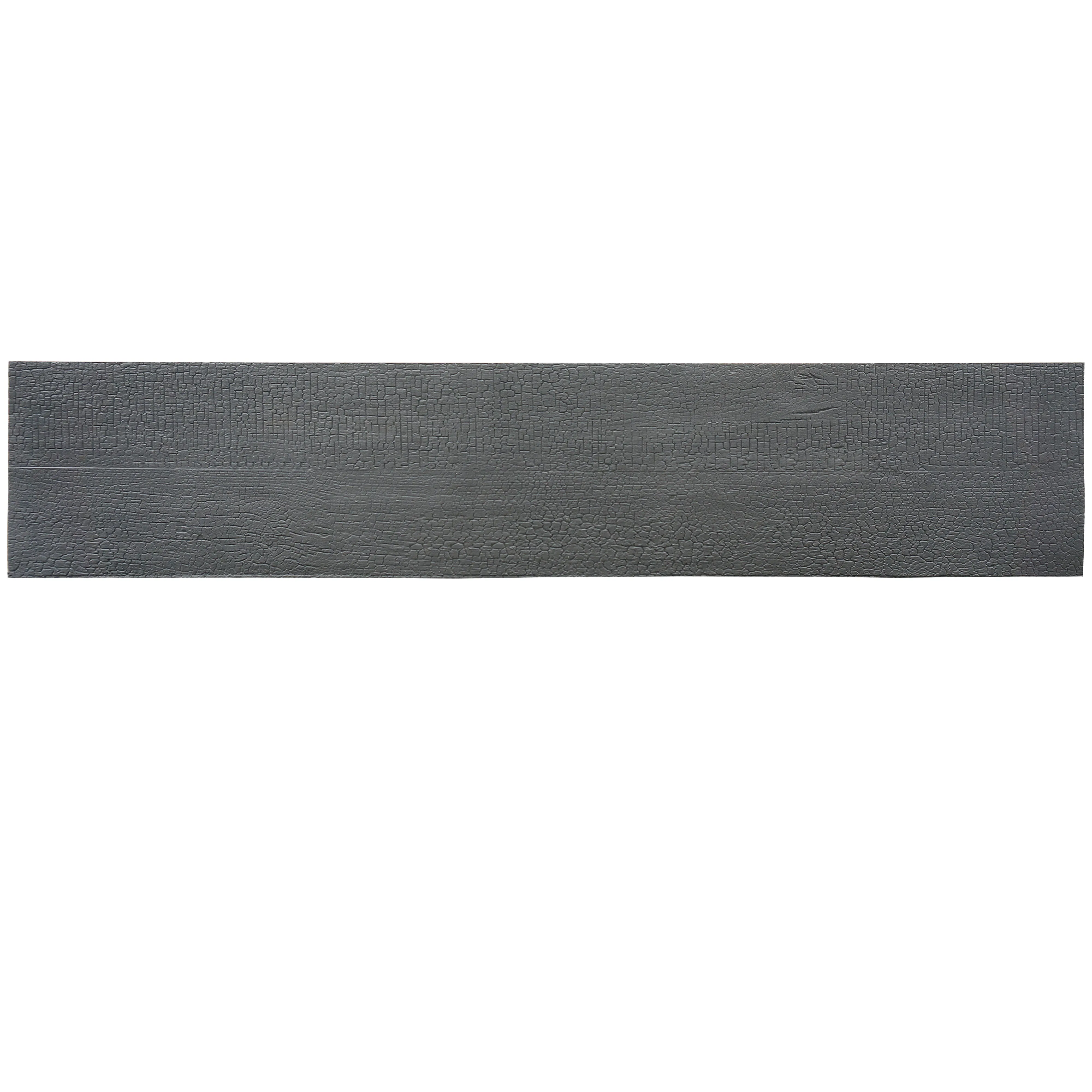
Let's talk about the spaces in our homes and outdoor areas that just can't seem to catch a break from moisture. We're talking bathrooms where steam hangs thick after a hot shower, kitchens where splashes and spills are part of daily life, basements that feel perpetually damp, and outdoor patios that battle rain, snow, and humidity year-round. These high-moisture zones are tough on materials—especially wood. Warping, rotting, mold growth, and discoloration are all too common, leaving homeowners frustrated and constantly replacing surfaces. But what if there was a wood-based material that could stand up to these challenges, even in environments where pH levels swing from acidic to alkaline? Enter: charcoal burnt wood board. In this guide, we'll dive into why this unique material is a game-changer for high-moisture areas, how it resists pH fluctuations, and practical tips to keep it looking great for years.
First, let's break down the problem. High-moisture areas aren't just wet—they're dynamic environments where water, humidity, and even chemical exposure team up to attack surfaces. Moisture alone can seep into porous materials, causing them to expand, contract, or become a food source for mold and mildew. But there's another hidden culprit: pH levels. pH measures how acidic or alkaline a substance is, on a scale from 0 (highly acidic) to 14 (highly alkaline). Most materials have a sweet spot where they thrive, but high-moisture areas rarely stay in that zone.
Think about your bathroom: soaps, shampoos, and cleaning products can leave residues that tip the pH toward acidity. In the kitchen, detergents, food spills (like citrus or vinegar), and even hard water can swing pH in either direction. Outdoors, rainwater might be slightly acidic (thanks to pollution or natural factors), while soil or fertilizers could introduce alkaline elements. Over time, these pH fluctuations eat away at materials. For example, acidic environments can etch natural stones like travertine (beige), while alkaline conditions might break down the sealants on wood. That's where charcoal burnt wood board steps in—it's not just moisture-resistant; it's built to handle the pH rollercoaster.
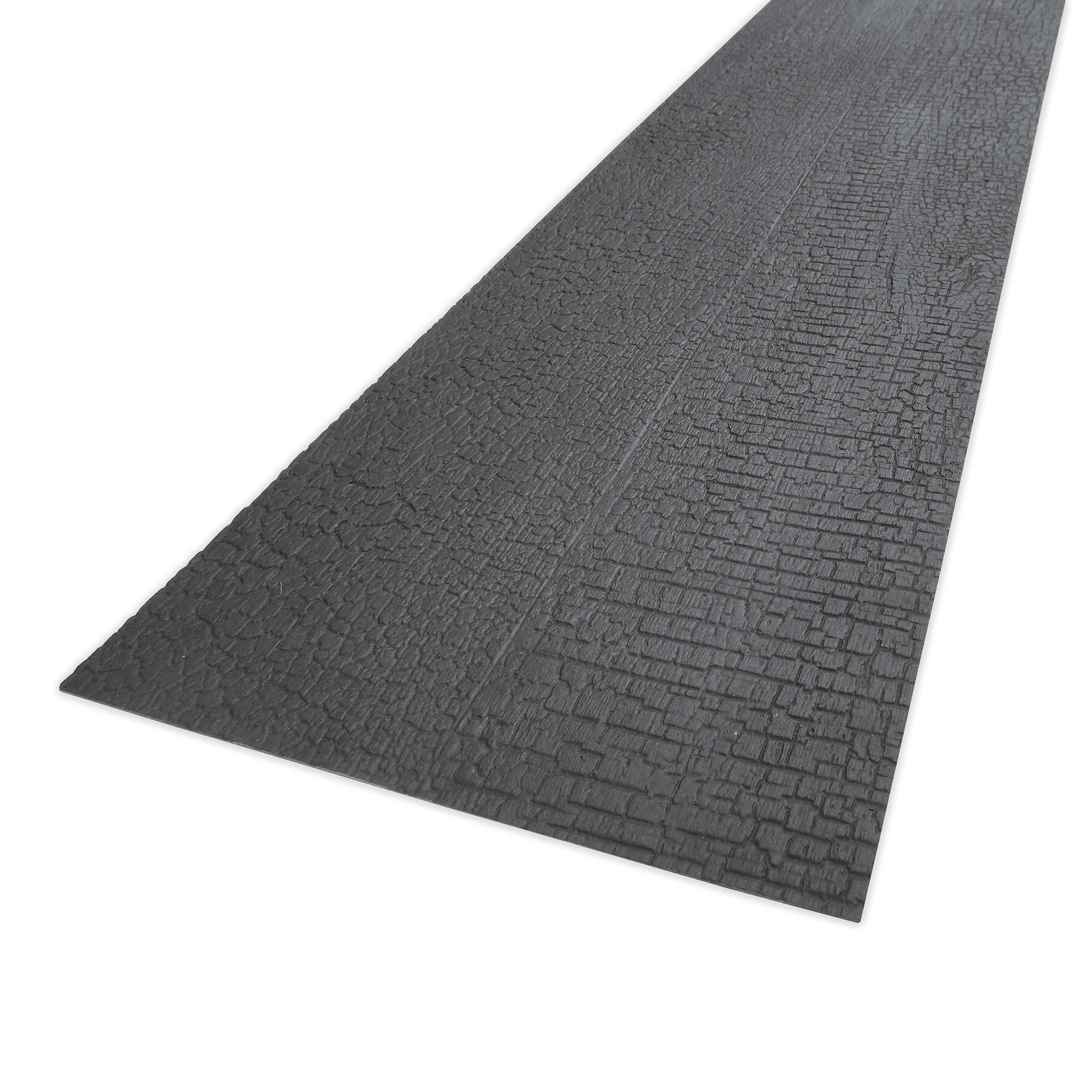
If you're picturing a piece of wood that's been set on fire and left to char, think again. Charcoal burnt wood board—often inspired by the traditional Japanese technique called Shou Sugi Ban—involves carefully charring the wood's surface to transform its properties. The process typically uses a torch to burn the outer layer, then brushes away loose charcoal, leaving a deep, textured finish. This charring does more than create a striking, rustic look; it fundamentally changes the wood's structure.
The charred layer acts as a natural barrier. It's highly resistant to moisture because the burnt wood cells are sealed, preventing water from soaking in. But here's the kicker for pH resistance: the charring process also creates a surface that's less reactive to acidic or alkaline substances. Unlike untreated wood, which can absorb liquids and react chemically, the carbon-rich charred layer is more stable. It repels not just water, but also the pH-altering compounds that would otherwise degrade the material. It's like giving wood a suit of armor—one that looks great, too.
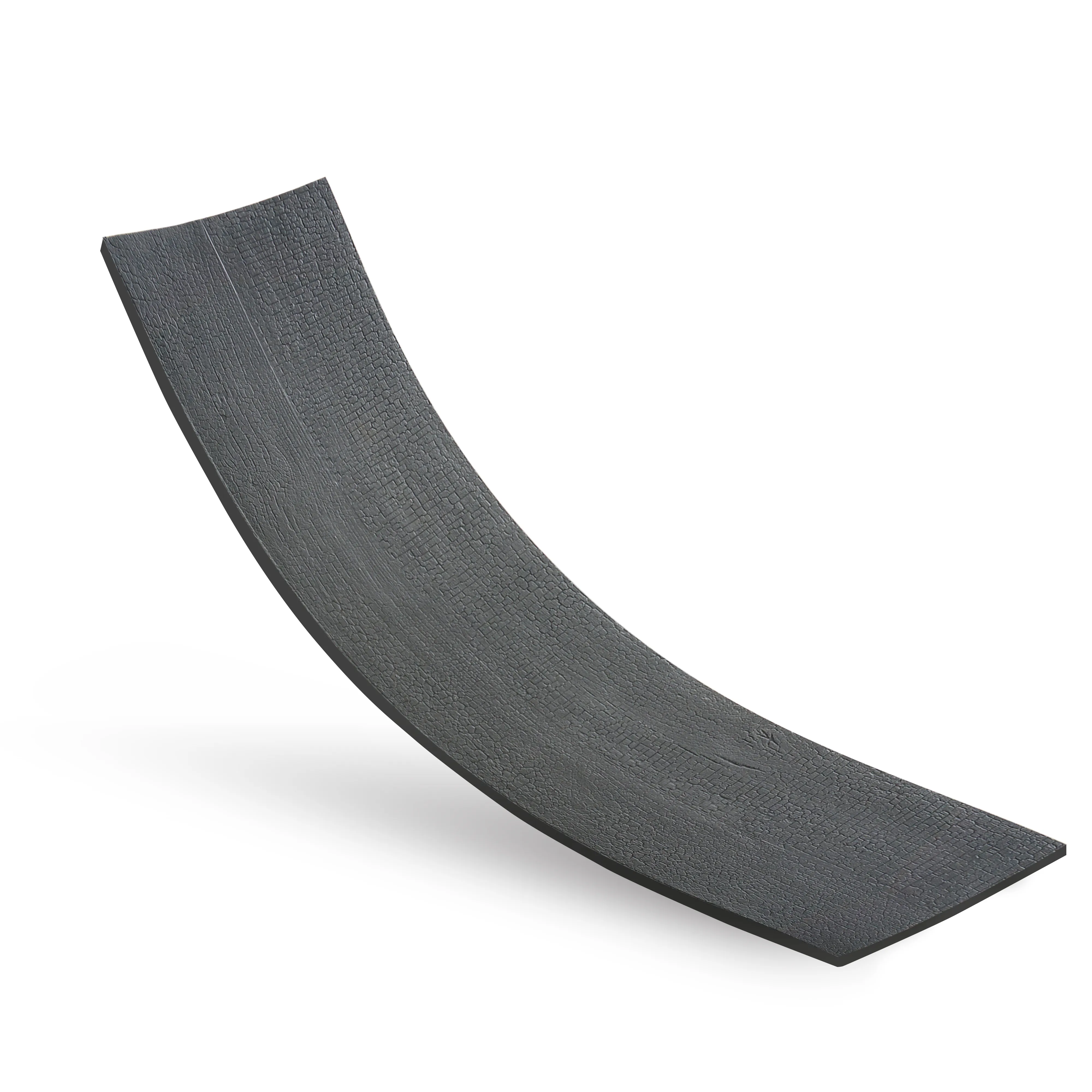
To understand why charcoal burnt wood board is pH-resistant, let's get a little science-y (but don't worry, we'll keep it simple). When wood is charred, the heat breaks down its organic components, leaving behind mostly carbon. Carbon is chemically stable, meaning it doesn't easily react with acids or bases. That's why charcoal is used in water filters—it traps impurities without reacting with them. On a charcoal burnt wood board, this carbon layer acts as a shield. Acidic spills (like lemon juice in the kitchen) or alkaline cleaners (like bleach in the bathroom) sit on the surface instead of penetrating, making them easier to wipe away before they cause damage.
Compare this to something like travertine (beige), a popular natural stone in bathrooms and kitchens. Travertine is porous, so it soaks up liquids quickly. If you spill an acidic drink on travertine (beige), the acid can etch the surface, leaving dull spots. Over time, that etching weakens the stone and makes it more prone to moisture damage. Charcoal burnt wood board, on the other hand, keeps those pH-altering substances on the surface, where a quick wipe with a damp cloth is usually enough to prevent harm.
Curious how charcoal burnt wood board stacks up against other common materials used in high-moisture areas? Let's put it head-to-head with four popular options: wood concrete board, travertine (beige), fair-faced concrete, and rough granite stone (medium grey). The table below compares their pH resistance, moisture handling, durability, and best uses to help you see why charcoal burnt wood board is a standout choice.
| Material | pH Resistance (1-10 Scale) | Moisture Absorption Rate | Durability in High-Moisture Areas | Best For |
|---|---|---|---|---|
| Charcoal Burnt Wood Board | 9/10 | Low (0.5-1% absorption) | Excellent (20+ years with care) | Bathroom walls, kitchen backsplashes, outdoor patios |
| Wood Concrete Board | 7/10 | Medium (2-3% absorption) | Good (10-15 years) | Flooring, exterior siding |
| Travertine (Beige) | 6/10 | High (3-5% absorption) | Moderate (5-8 years without sealing) | Shower surrounds, countertops (with frequent sealing) |
| Fair-Faced Concrete | 8/10 | Medium-Low (1-2% absorption) | Very Good (15-20 years) | Industrial-style walls, outdoor benches |
| Rough Granite Stone (Medium Grey) | 10/10 | Very Low (0.1-0.3% absorption) | Excellent (50+ years) | Countertops, outdoor walkways |
As you can see, rough granite stone (medium grey) tops the pH resistance chart, but it's heavy, expensive, and lacks the warmth of wood. Charcoal burnt wood board, on the other hand, offers nearly as much pH resistance with a natural, inviting look—plus it's lighter and easier to install than stone. Wood concrete board and fair-faced concrete are solid alternatives, but they don't match the charcoal burnt board's combination of style and performance. And travertine (beige), while beautiful, requires constant sealing to combat its high moisture absorption and lower pH resistance.
Charcoal burnt wood board is tough, but it's not invincible. With the right care, you can maximize its pH resistance and keep it looking like new. Here are seven actionable tips to make sure your board thrives in high-moisture areas:
The first step to pH resistance happens before the board even touches the wall or floor. Proper installation is key. Make sure the substrate (the surface you're attaching the board to) is dry, level, and free of debris. If installing in a bathroom or kitchen, use a vapor barrier behind the board to prevent moisture from seeping through from the other side. Leave a small gap (about 1/8 inch) between boards to allow for air circulation—this prevents trapped moisture, which can lead to mold or pH imbalances. And avoid installing the board in direct contact with standing water (like a shower pan or pool edge); use a raised base or waterproof membrane to create a buffer.
While the charred layer is naturally resistant, adding a sealer gives an extra boost against pH fluctuations. Look for a water-based polyurethane or penetrating oil sealer designed for high-moisture areas. Avoid oil-based sealers that might yellow over time, especially in sunlight. Apply two thin coats (not one thick coat) with a brush or roller, letting each coat dry completely (check the product instructions—usually 24 hours). Reapply the sealer every 1-2 years, or sooner if you notice water no longer beads on the surface (a sign the sealer is wearing thin).
Pro Tip: Test the sealer on a scrap piece of charcoal burnt wood board first. Some sealers can darken the charred finish slightly, so you'll want to make sure you like the look before committing.
When it comes to cleaning, less is more. Harsh chemicals (like bleach, ammonia, or acidic cleaners) can strip the sealer and react with the charred surface, weakening pH resistance. Instead, use a soft cloth or sponge dampened with warm water and a mild, pH-neutral soap (like dish soap without added fragrances or dyes). Wipe up spills immediately—don't let acidic substances (lemon juice, vinegar) or alkaline cleaners sit on the surface. For stubborn spots, mix a paste of baking soda and water (a mild alkaline) and gently scrub, then rinse thoroughly. Avoid abrasive pads or steel wool, which can scratch the charred layer.
You don't need a chemistry lab to keep an eye on pH levels in your high-moisture area. pH test strips (available at hardware stores or online) are cheap and easy to use. Simply dip a strip in water from the area (like bathroom sink water or a damp cloth from a kitchen spill) and compare the color to the chart on the package. Aim for a pH between 6 and 8 (neutral to slightly acidic/alkaline). If you notice consistent readings below 6 (acidic) or above 8 (alkaline), adjust your cleaning routine. For example, if your bathroom is acidic, switch to a milder soap; if your kitchen leans alkaline, avoid heavy-duty detergents near the wood board.
Some areas have unavoidable extreme pH sources. For example, a kitchen might have a countertop near the stove where tomato sauce (acidic) frequently splatters, or a bathroom might have a cleaning caddy with bleach (highly alkaline) stored under the sink. Keep these sources away from the charcoal burnt wood board. Use trivets under acidic food dishes, and store cleaning products in a sealed cabinet or on a separate shelf. If a spill does happen (and let's be real, it will), blot it up immediately with a dry cloth, then clean with mild soap and water. Don't let it sit—even 10 minutes can start to affect the sealer.
Even with the best care, small scratches or chips can happen. These tiny flaws are entry points for moisture and pH-altering substances, so fix them ASAP. For minor scratches, lightly sand the area with fine-grit sandpaper (220-grit), then apply a thin coat of sealer. For deeper chips, use a wood filler that matches the charred color (you can mix black and brown filler to get the right shade), let it dry, sand smooth, and seal. Catching damage early prevents it from spreading and keeps the pH resistance intact.
High humidity doesn't just add moisture—it can also create a microclimate where pH levels fluctuate. In bathrooms, use an exhaust fan during and after showers (run it for at least 15 minutes post-shower). In basements, use a dehumidifier to keep humidity below 60%. Outdoors, plant shrubs or install awnings to protect the board from direct rain or snow. By keeping humidity in check, you reduce the risk of condensation, which can carry dissolved minerals or chemicals that affect pH.
Still not convinced? Let's look at some real-world examples where charcoal burnt wood board has shined in high-moisture areas. Take Sarah, a homeowner in Seattle (where rain is a way of life) who installed charcoal burnt wood board on her outdoor patio. She was tired of her old wooden deck warping every winter, so she switched to charred cedar boards. Three years later, the patio still looks new—no rot, no mold, and it's held up against the city's acidic rain. "I was worried the rain would eat away at it, but it's been bulletproof," she says. "I seal it every spring, and that's it."
Then there's Mike, who used charcoal burnt wood board for his bathroom walls. "I love the warm, natural look, but I was skeptical about steam," he admits. He installed a vapor barrier, sealed the boards, and runs the exhaust fan daily. Two years in, the walls are still free of mold, and the charred finish hasn't faded. "Even when I spill shampoo or conditioner, a quick wipe with soap and water does the trick. No discoloration at all."
These stories prove that with the right care, charcoal burnt wood board isn't just a pretty face—it's a workhorse in high-moisture, pH-fluctuating environments.
High-moisture areas don't have to mean sacrificing style for durability. Charcoal burnt wood board offers the best of both worlds: a stunning, textured finish that adds warmth to any space, paired with natural moisture and pH resistance that stands up to the toughest conditions. By following these tips—proper installation, smart sealing, gentle cleaning, and proactive maintenance—you can enjoy this unique material for decades. Whether you're revamping a bathroom, upgrading a kitchen, or building an outdoor oasis, charcoal burnt wood board is more than a trend; it's a practical, beautiful solution that thrives where other materials fail. So go ahead—embrace the charred charm, and let your high-moisture spaces shine.
Recommend Products












