
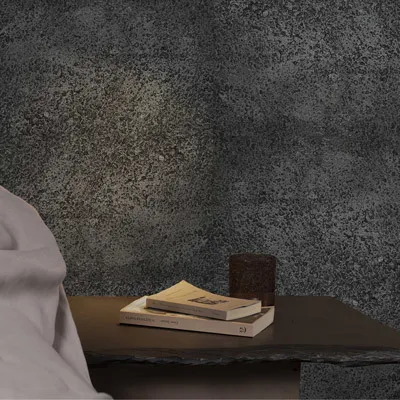
Picture this: a beachfront hotel in Dubai, where the sun blazes at 50°C (122°F) for months, followed by sudden sandstorms that hurl grit like tiny bullets. Or a coastal villa in the Mediterranean, battered by salt-laden winds and winter rains that seep into every crack. For architects and builders, these aren't just hypothetical scenarios—they're daily battles. The wrong building material here doesn't just mean frequent repairs; it means compromised safety, soaring maintenance costs, and buildings that lose their beauty long before their time.
That's where COLORIA GROUP steps in. As a one-stop solution provider for building materials, we've spent decades listening to architects, contractors, and property owners grapple with one universal frustration: finding materials that can stand up to Mother Nature's worst moods. Today, we're excited to shine a light on a game-changer in our MCM (Modified Cementitious Material) lineup: the Foamed Aluminum Alloy Board. Lightweight yet tough, sleek yet resilient, it's not just a building material—it's a promise that your project can thrive, no matter what the weather throws at it.
Let's keep it simple. You know how a sponge is light but can hold its shape because of all the tiny holes? Foamed aluminum alloy works on a similar idea—except instead of sponge, it's aluminum, and instead of random holes, it's a precise network of micro-bubbles created through advanced engineering. This isn't your average metal sheet; it's a modified composite material panel (part of our MCM family) that marries the strength of aluminum with the lightness of foam. The result? A board that's up to 70% lighter than solid aluminum but just as strong—maybe even stronger when it comes to bending and impact.
But here's the kicker: it's not just about being lightweight. Our Foamed Aluminum Alloy Boards are treated with a special coating (think of it as a super-strong, invisible shield) that laughs off salt, sand, rain, and even extreme temperatures. Whether it's the scorching sun of Saudi Arabia or the freezing winds of a coastal winter, this material doesn't warp, crack, or fade. And because it's part of our MCM series, it's also eco-friendly—made with recycled materials and designed to be fully recyclable at the end of its life. No harmful chemicals, no heavy environmental footprint. Just smart engineering.
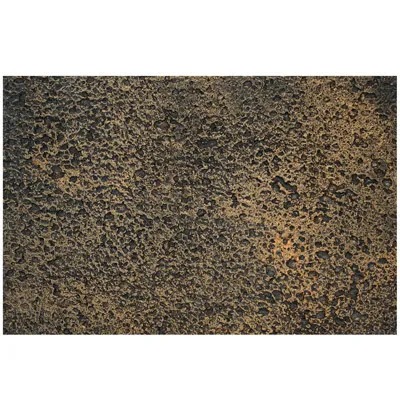
Let's talk about the "extremes" we're really dealing with. Traditional building materials—think solid stone, regular aluminum, or even some concrete panels—weren't designed for the weather chaos we're seeing now. Take a typical coastal building: the salt in the air acts like a slow-acting acid, eating away at metal frames and causing paint to peel. After a few years, that once-beautiful facade starts looking tired, and repairs mean shutting down parts of the building, hiring crews, and spending big money. Not fun.
Or head inland to a desert region, where daytime temperatures hit 45°C (113°F) and drop to 10°C (50°F) at night. That constant expansion and contraction? It makes solid materials crack. Bricks loosen, mortar crumbles, and suddenly you've got leaks and structural issues. Even in milder climates, heavy rain and humidity can lead to mold growth behind walls—a health hazard no one wants to deal with.
The problem isn't just about durability, though. It's about practicality. Heavy materials like solid stone or thick concrete require massive support structures, driving up construction costs. They're also a nightmare to install—imagine hauling giant stone slabs up a high-rise! And if you ever want to update the look of your building? Good luck; those materials are hard to remove or replace without causing damage.
| Challenge | Traditional Materials (Stone/Concrete/Solid Aluminum) | Foamed Aluminum Alloy Board |
|---|---|---|
| Saltwater & Humidity | Prone to rust, corrosion, or mold growth within 3-5 years | Special coating resists corrosion; no mold issues even after 20+ years |
| Extreme Temperature Swings | Cracks or warps due to expansion/contraction | Micro-bubble structure absorbs temperature changes; stays stable |
| Weight & Installation | Heavy (50-100kg/m²); requires crane + 4-6 workers per panel | Lightweight (10-15kg/m²); 2 workers can install with basic tools |
| Long-Term Maintenance | Needs repainting/sealing every 2-3 years; high repair costs | Zero maintenance needed; just an occasional wash with water |
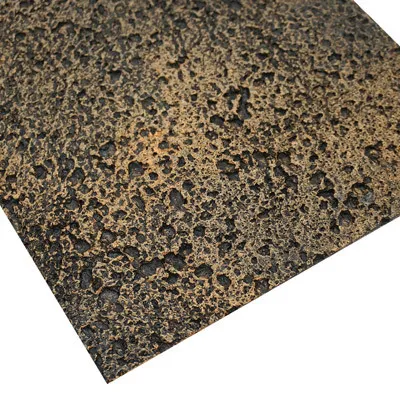
So, what makes our Foamed Aluminum Alloy Board so special? Let's break it down into four superpowers that make extreme weather look like a minor inconvenience.
Saltwater, acid rain, humidity—none of these stand a chance. The foam structure means there's less surface area for corrosion to attack, and the protective coating we apply (a multi-layered treatment developed specifically for our MCM panels) acts like a force field. We tested it in our lab by spraying it with saltwater for 1,000 hours straight (that's like 10 years of coastal exposure) and guess what? Not a single spot of rust. Compare that to regular aluminum, which would start showing signs of corrosion in just 200 hours. It's the difference between a disposable raincoat and a lifelong trench coat.
Extreme winds or sudden impacts (like a wayward storm debris) can crack rigid materials. But our foamed aluminum is flexible—think of it like a metal that's been taught to "give" a little. The micro-bubbles act as tiny shock absorbers, so even if something hits it, the board bends slightly and then springs back, without leaving a dent or a crack. We had a client in Florida who installed our vintage silver panels right before a hurricane. The storm brought 120mph winds and flying debris, but when they inspected the building afterward? The panels looked brand new. The only damage? A few scratches on the windows. Now that's resilience.
Remember earlier when we talked about the hassle of installing heavy materials? Our boards weigh in at just 12kg per square meter—that's lighter than a bag of cement! This isn't just about making installation easier (though it definitely does: a two-person crew can install 50 square meters in a day, compared to 10 square meters with solid stone). It also means you can use lighter support structures, which cuts down on construction costs and makes the building safer in earthquakes. In fact, in earthquake-prone areas, engineers love it because the reduced weight puts less stress on the building's frame. It's a win-win for everyone involved.
Most building materials fade or discolor over time, especially when exposed to harsh sunlight. But our Foamed Aluminum Alloy Boards are colorfast—meaning the color you choose is locked in, not just painted on. The pigments are mixed directly into the coating, so even after 20 years of sun, rain, and sand, the color stays vibrant. We have a project in Arizona that installed our vintage gold panels 15 years ago, and visitors still comment on how "new" the building looks. The owner told us, "I haven't had to repaint or replace a single panel. It's like the building took care of itself."
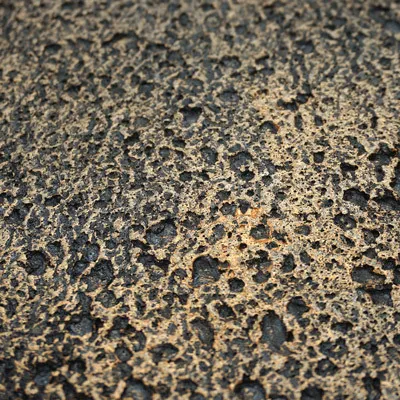
We get it: durability is key, but so is design. A building that can withstand a storm but looks dull isn't going to win any awards (or tenants). That's why we've crafted three signature colors for our Foamed Aluminum Alloy Board—each one designed to elevate your project's style while standing strong against the elements.
Vintage silver is the quiet achiever of the bunch. It's sleek, understated, and goes with just about any architectural style—from minimalist office buildings to industrial-chic restaurants. What we love most about it is how it plays with light. In the morning sun, it has a soft, warm glow; at dusk, it takes on a cool, metallic sheen. But don't let its good looks fool you—this color means business when it comes to extreme weather.
Take the "Skyline Tower" in Jeddah, Saudi Arabia—a 20-story office building right on the coast. The architects wanted a modern look but were worried about the harsh sun and salt spray. They chose our vintage silver panels, and five years later, the building still looks like it was finished yesterday. The facilities manager told us, "We used to have to pressure-wash the old concrete panels every month to keep them from looking grimy. Now? We hose them down once a year, and they shine. It's saved us so much time and money."
If vintage silver is the workhorse, vintage gold is the charm. It adds a touch of luxury without being over-the-top—think of it as the "neutral with personality" of building materials. It's perfect for hotels, resorts, or high-end retail spaces where ambiance matters just as much as durability. And because the gold tone is muted (not a bright, in-your-face yellow), it complements natural surroundings, making it ideal for coastal or desert projects.
A boutique resort in the Maldives installed our vintage gold panels on their beachfront bungalows, and the results are stunning. The panels blend with the golden sand and sunset hues, creating a seamless connection between the buildings and the landscape. But the real test came during monsoon season, when the resort is hit with weeks of heavy rain and strong winds. "We used to have issues with wooden cladding rotting and paint peeling after each monsoon," the resort manager said. "Now, after three monsoons, the vintage gold panels look exactly the same. Our guests even comment on how 'fresh' the bungalows look, even in the rain!"
For projects that want to make a statement, there's gold. This is the bold sibling—rich, vibrant, and impossible to ignore. It's perfect for iconic buildings, commercial plazas, or cultural centers where the architecture itself is part of the attraction. And while it's bold, it's also surprisingly versatile; pair it with glass and steel for a modern look, or with wood accents for something more eclectic.
The "Golden Gateway" mall in Dubai is a prime example. The developers wanted a facade that would stand out in a city full of skyscrapers, so they chose our gold panels for the main entrance. The mall is located in a busy area with heavy traffic (meaning lots of dust) and high temperatures (up to 48°C in summer). But even with daily exposure to heat and grit, the gold panels haven't faded or dulled. "We get compliments all the time on how the entrance 'sparkles' even in the middle of summer," the mall's marketing director told us. "And maintenance? We just wipe them down with a damp cloth every now and then. It's like having a permanent shine."
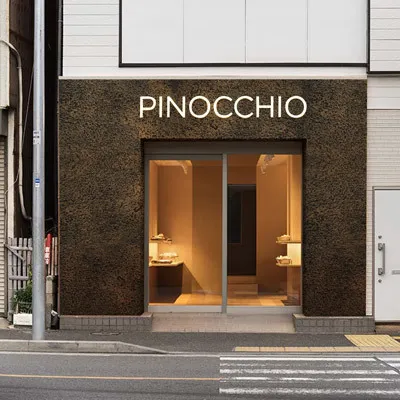
At COLORIA, we don't believe in one-size-fits-all. Every project has its own personality, its own challenges, and its own story to tell. That's why our Foamed Aluminum Alloy Boards are part of our broader custom MCM exterior panel solutions. Whether you need a specific size, a unique texture, or a color that's not in our standard lineup, we can create it. Remember, we're a one-stop solution provider—so from design to delivery, we handle it all.
Take, for example, a recent project where a client wanted a "wave-like" texture on their panels to mimic the ocean (they were building a coastal museum). We used our 3D printing MCM technology to create custom wave-patterned foamed aluminum panels in vintage silver. The result? A building that looks like it's been carved by the sea, but can stand up to the sea's worst. That's the power of combining durability with creativity.
And because we're part of the MCM family, our panels are also eco-friendly. We use recycled aluminum in our production process, and all our coatings are low-VOC (volatile organic compounds), which means they don't release harmful chemicals into the air. So you're not just building something tough—you're building something responsible, too.
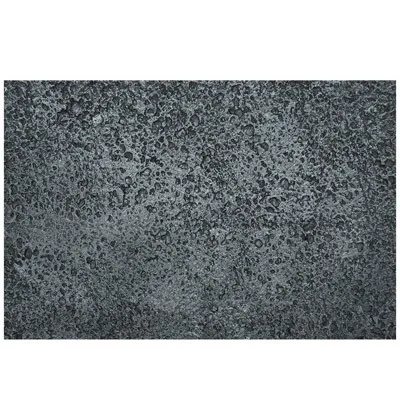
Extreme weather isn't going away. If anything, it's getting more unpredictable. But that doesn't mean your building has to suffer. With COLORIA's Foamed Aluminum Alloy Board—whether in vintage silver, vintage gold, gold, or a custom color—you're not just choosing a material. You're choosing peace of mind. You're choosing a facade that will still look stunning 20 years from now. You're choosing to build something that's ready for whatever Mother Nature throws at it.
So why settle for materials that fight against the weather when you can choose one that works with it? Let's build something amazing—together. After all, when it comes to extreme weather, the best defense is a great material.
Recommend Products












