
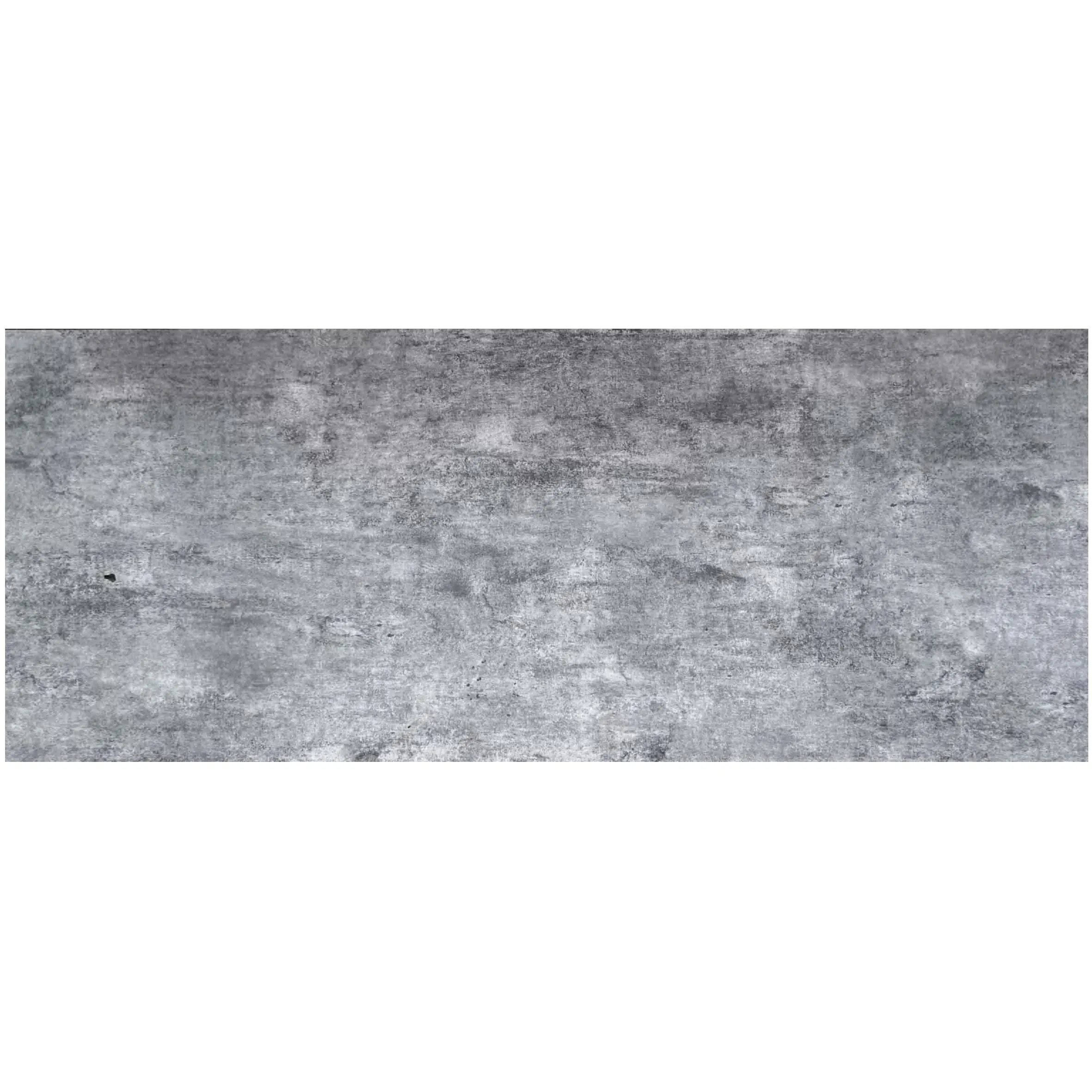
In the world of architecture, buildings don't just stand—they endure. From the scorching deserts of Saudi Arabia to the freezing winds of the Nordic tundra, from coastal cities battered by salt spray to industrial zones heavy with chemicals, structures face relentless attacks from extreme environments. Traditional building materials often crack, fade, or erode under such pressure, turning once-stunning facades into maintenance nightmares. But what if there was a material that could laugh in the face of these challenges? Enter COLORIA GROUP's MCM (Modified Cementitious Material) series—a revolution in building materials designed to thrive where others fail. Today, we're diving deep into how these innovative solutions, from flexible stone cladding to 3D-printed panels, are redefining durability and beauty in the harshest corners of the globe.
Walk through a coastal town after a storm, and you'll notice the scars: concrete walls pockmarked by salt corrosion, natural stone facades chipped from freeze-thaw cycles, wooden cladding warped by humidity. These aren't just cosmetic issues—they're signs of a material losing the fight against its environment. In hot climates like the Middle East, temperatures can soar to 50°C (122°F) during the day and plummet to 15°C (59°F) at night. This extreme thermal cycling causes traditional materials to expand and contract like a breathing lung, eventually leading to cracks that let in moisture and accelerate decay.
In industrial areas, chemicals in the air eat away at porous surfaces, while in coastal regions, salt-laden winds act like tiny sandblasters, wearing down even the toughest granite. And let's not forget weight: natural stone slabs, often 20-30mm thick, strain building structures over time, increasing the risk of collapse in seismic zones. For architects and builders, the choice has long been a painful trade-off: prioritize durability and sacrifice design flexibility, or chase aesthetics and accept frequent repairs.
"Extreme environments don't just test materials—they expose weaknesses we didn't know existed. A facade that looks perfect in a lab might fail in six months in the desert. That's why we don't just engineer MCM materials; we battle-test them in the world's harshest conditions." — Senior Materials Scientist, COLORIA GROUP
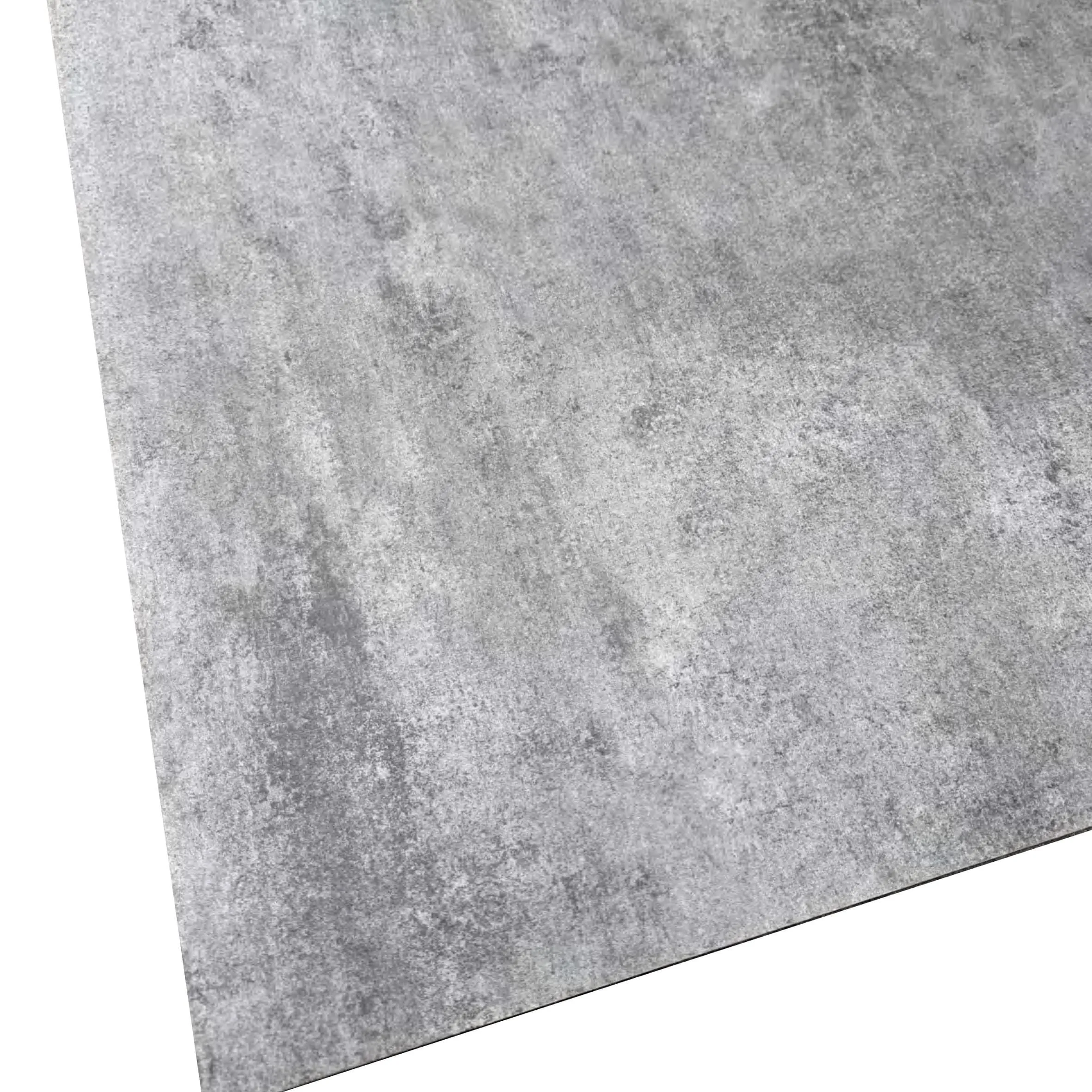
At the heart of COLORIA GROUP's solution is Modified Cementitious Material—a proprietary blend of cement, mineral aggregates, and advanced additives that reimagines what concrete can do. Unlike traditional cement-based products, MCM materials are engineered at the molecular level to be lighter, stronger, and more adaptable. Think of it as concrete 2.0: retaining the compressive strength that makes cement a construction staple, but with the flexibility of fabric, the precision of 3D printing, and the beauty of natural stone.
Let's explore the stars of the MCM lineup that are making waves in extreme environment projects:
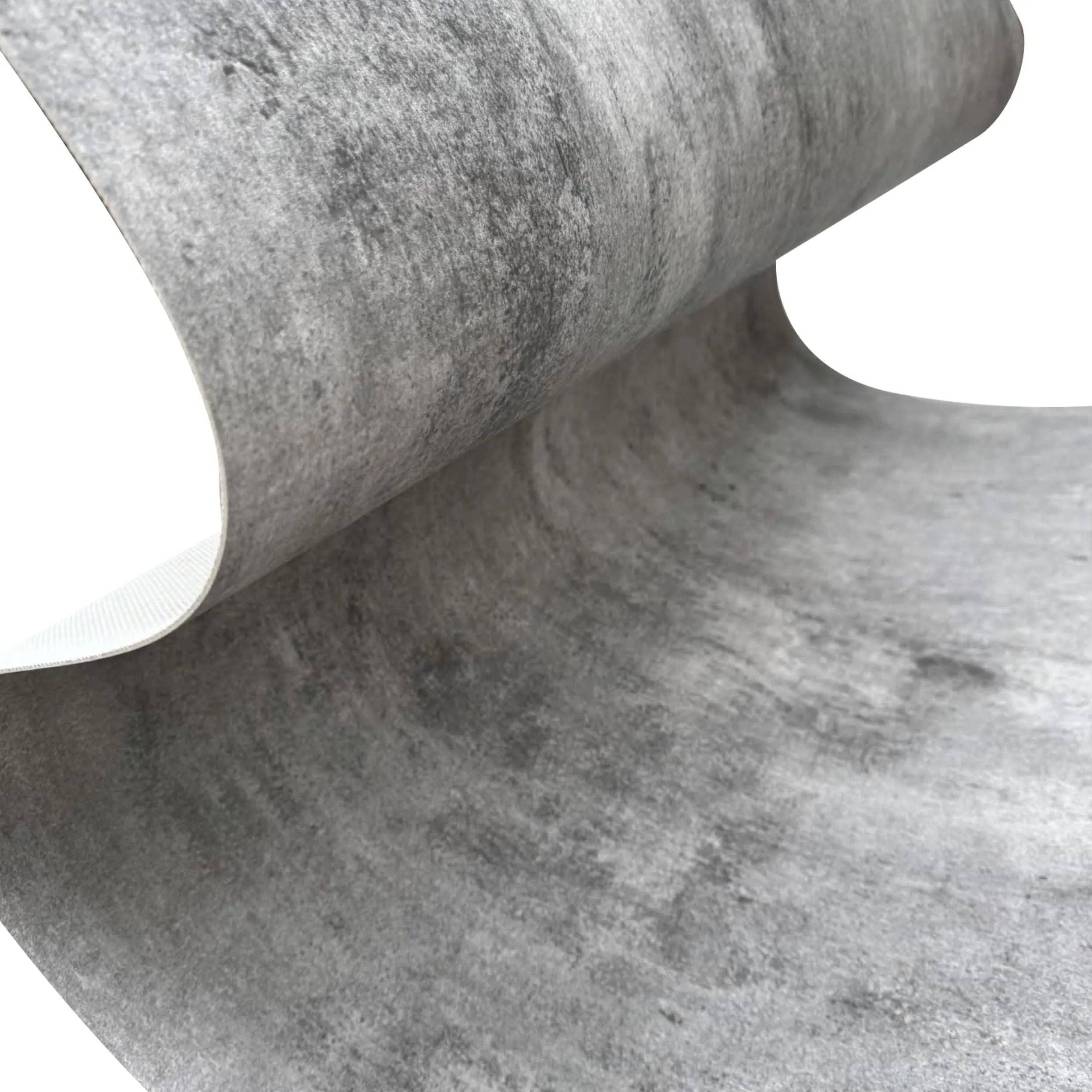
Imagine a stone that bends. Not just a little give, but—able to curve around corners, absorb impacts, and expand without cracking. That's MCM Flexible Stone. At just 3-5mm thick (about the width of two credit cards), it's 70% lighter than natural stone, yet boasts a flexural strength of 12MPa—strong enough to withstand the weight of a small car without breaking. How does it work? Nano-scale fibers woven into the material act like microscopic springs, absorbing stress and distributing it evenly across the surface.
In Saudi Arabia's coastal city of Jeddah, where salt spray and 45°C heat are daily realities, a luxury hotel recently clad its exterior with MCM Flexible Stone in "Starry Green Travertine" finish. After two years of exposure, the panels show zero signs of corrosion or fading, while neighboring buildings with traditional marble facades have already required $200,000 in repairs. "It's like wrapping the building in a suit of armor that moves with it," says the project's lead architect. "We no longer worry about thermal shock or salt damage—this material adapts, and that's revolutionary."
Key benefits for extreme environments:
Traditional cladding panels, typically 600x600mm, require hundreds of seams to cover a large facade. Each seam is a potential weak point—where water seeps in, where dirt accumulates, where thermal movement causes gaps. MCM Big Slab Board Series eliminates this problem with panels up to 1200x2400mm (that's 4x8 feet!)—the largest cementitious slabs on the market. Fewer seams mean fewer opportunities for damage, and a smoother, more waterproof surface.
In northern Norway, where winter temperatures drop to -30°C and snow loads exceed 100kg/m², a municipal library chose MCM Big Slab Boards in "Lunar Peak Silvery" finish. The large-format panels reduced installation time by 40% (critical in a region with only 6 months of construction weather) and created a seamless exterior that sheds snow easily, preventing ice dams that often damage smaller-paneled buildings. "We used to spend $15,000 annually on snow removal and seam repairs," says the library's facilities manager. "With these big slabs, that number dropped to zero. It's not just a material—it's a maintenance solution."
Technical edge:
Not all extreme environments are about temperature or chemicals—some demand geometric complexity. Think curved facades in hurricane-prone areas, where wind resistance depends on aerodynamic shapes, or custom drainage systems in desert buildings that collect rare rainwater. MCM 3D Printing Series turns these architectural challenges into opportunities.
In Dubai, a sustainable office building designed to harvest fog and dew needed a facade with intricate channels and micro-textures to condense moisture. Traditional molding techniques couldn't achieve the precision required, so the team turned to COLORIA's 3D printing technology. Using MCM 3D Printing materials, they created panels with 0.1mm precision grooves that capture 30% more water than flat surfaces—all while maintaining the material's signature durability. "3D printing let us merge function and form," explains the project engineer. "We didn't have to simplify the design to fit manufacturing limits. The material adapted to our vision, not the other way around."
Why it works in extremes:
Polished concrete isn't new, but MCM's take on it is. Traditional polished concrete often cracks under thermal stress or stains easily in high-traffic areas. MCM Polish Concrete, however, adds a proprietary hardener and densifier that fills in pores at the surface, creating a finish that's not just glossy, but impervious to oil, chemicals, and even graffiti. It's the floor of choice for industrial warehouses in chemical plants, where spills are inevitable, and for retail spaces in coastal malls, where salt from shoes would normally etch traditional concrete.
A food processing plant in Australia's Outback, where temperatures swing from 40°C in summer to 5°C in winter, replaced its epoxy floors with MCM Polish Concrete three years ago. "Epoxy would peel within 18 months from the heat," says the plant manager. "This concrete? We've had zero cracks, zero stains, and it still shines like the day it was installed. We even pressure-wash it with industrial cleaners—no problem. It's the unsung hero of our facility."
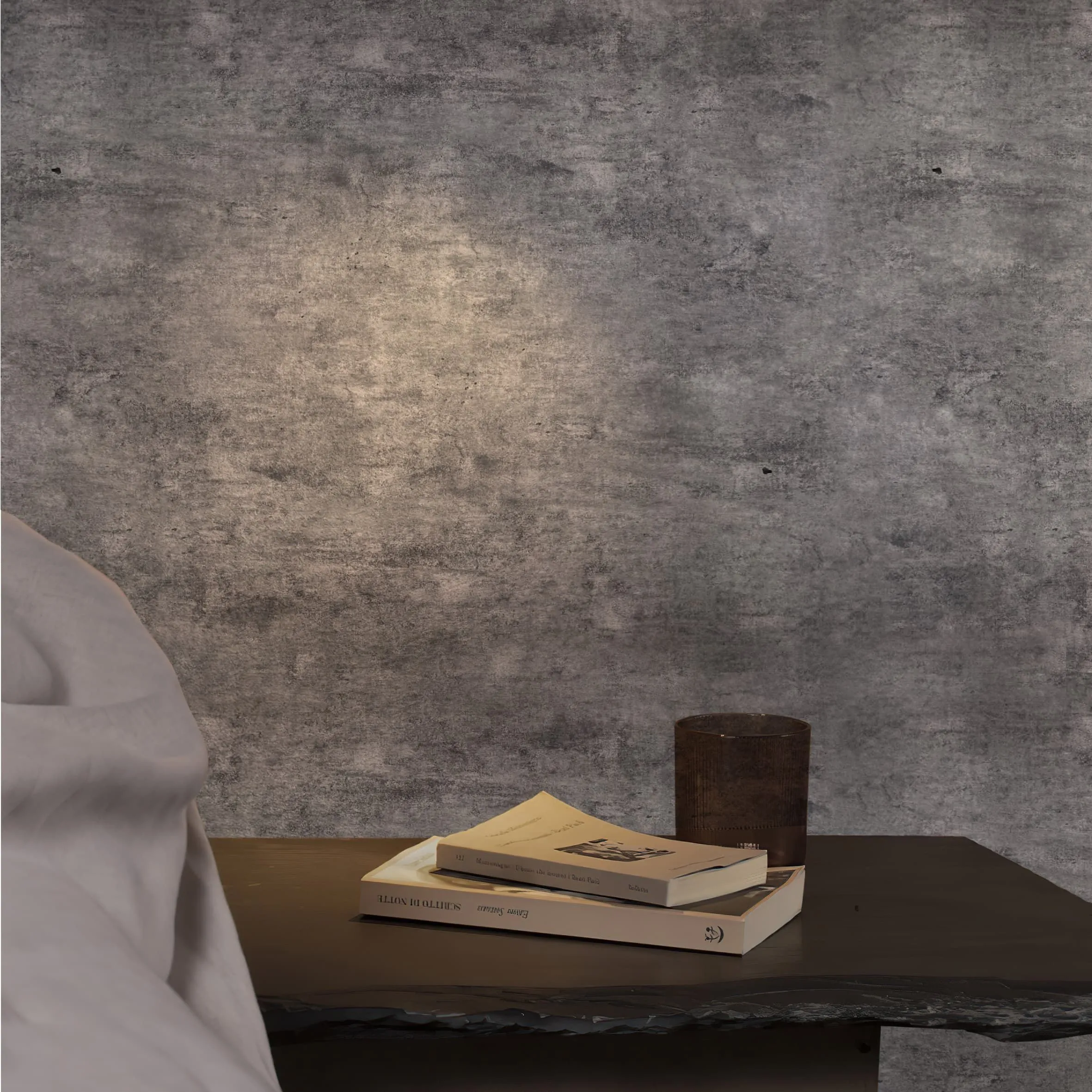
Sometimes, the most extreme environment is aesthetical: clients want the raw, organic look of concrete without the unevenness and porosity that plague traditional fair-faced finishes. MCM Fair-Faced Concrete delivers that "industrial chic" aesthetic with laboratory-perfect consistency. Its ultra-smooth surface resists staining and moisture, making it ideal for both interior and exterior use in harsh climates.
A boutique hotel in Iceland, nestled between a volcano and a glacier, used MCM Fair-Faced Concrete for its lobby walls. Exposed to sulfur dioxide from the volcano and constant humidity from the glacier, the walls have maintained their uniform gray finish for five years, becoming a signature design element. "Guests think it's natural concrete, but it's actually more durable than the volcanic rock outside," jokes the hotel owner.
| Performance Metric | MCM Flexible Stone | MCM Big Slab Board | Traditional Natural Stone | Traditional Concrete |
|---|---|---|---|---|
| Thickness (mm) | 3-5 | 12-20 | 20-30 | 50-100 |
| Weight (kg/m²) | 4-6 | 18-25 | 40-60 | 120-240 |
| Flexural Strength (MPa) | 12 | 15 | 3-5 | 4-7 |
| Thermal Expansion Coefficient (10⁻⁶/°C) | 8-10 | 10-12 | 5-7 (but brittle) | 10-15 (prone to cracking) |
| Fire Rating | A1 (Non-combustible) | A1 (Non-combustible) | A1 (Non-combustible) | A1 (Non-combustible) |
| UV Resistance (3,000 hours exposure) | ΔE < 3 (negligible fading) | ΔE < 3 (negligible fading) | ΔE 5-8 (noticeable fading) | ΔE 6-10 (significant fading) |
| Chemical Resistance (acid/alkali exposure) | No visible damage after 1,000 hours | No visible damage after 1,000 hours | Surface etching after 200 hours | Spalling after 500 hours |
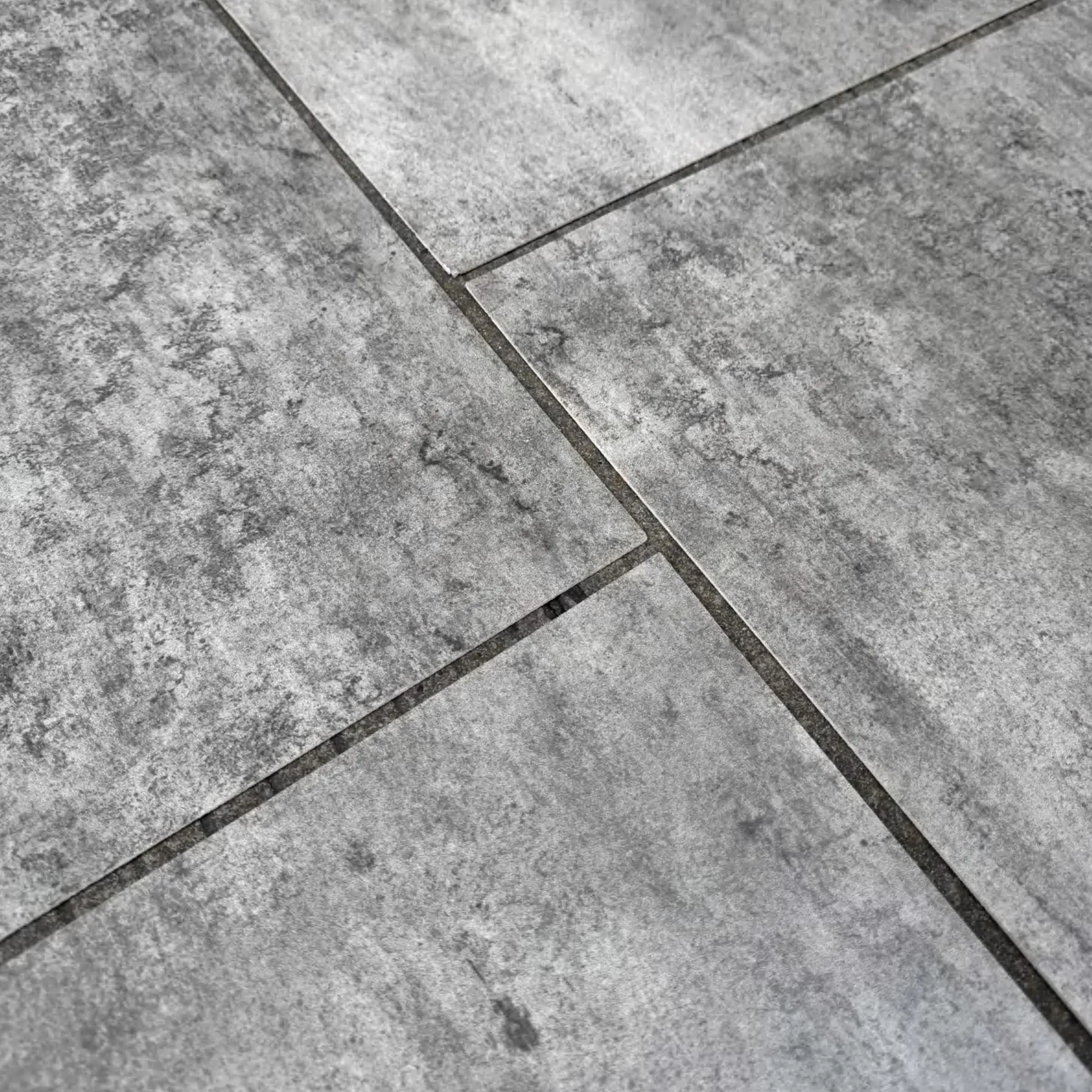
A luxury condominium on Miami Beach needed a facade that could withstand Category 5 hurricane winds (250+ km/h) and saltwater spray. The solution? MCM Big Slab Boards in "Lunar Peak Black" finish, installed with a proprietary interlocking system that acts like a puzzle—each panel locks into the next, preventing wind from prying them loose. During Hurricane Ian in 2022, the building emerged with zero facade damage, while nearby buildings with traditional stucco and stone cladding suffered millions in repairs. "The interlock system turned the facade into a single, unified barrier," says the structural engineer. "It didn't just resist the wind—it worked with it."
A new university campus in Riyadh required exterior cladding that could handle 50°C summer days, sandstorms, and minimal water for maintenance. MCM Flexible Stone in "Gobi Panel" texture (designed to mimic desert sand dunes) was the answer. The lightweight panels reduced the building's cooling load by reflecting 30% more sunlight than dark stone, while their flexibility allowed them to absorb the impact of flying sand during storms. After three years, maintenance costs are 85% lower than projected, and the panels still match the original desert-inspired design.
Extreme environment construction shouldn't come at the planet's expense. COLORIA GROUP's MCM materials are engineered to be as green as they are tough. Producing 1m² of MCM Flexible Stone generates 70% less CO₂ than quarrying and transporting natural stone. The manufacturing process uses 90% recycled water, and the materials themselves are 100% recyclable at the end of their lifespan (which, by the way, is over 50 years—twice as long as traditional cladding). For projects aiming for LEED or BREEAM certification, MCM materials are a shortcut to sustainability credits without sacrificing performance.
Take the "Historical Pathfinders Stone" finish, which replicates the look of ancient Roman travertine without mining a single piece of natural stone. It's not just about reducing environmental impact—it's about preserving history by reimagining it. "We can't bring back the quarries of Rome, but we can create materials that honor that legacy while protecting today's planet," says COLORIA's sustainability director.
What if your project needs a "Starry Red Travertine" finish for a hotel in Qatar, or "Rust Mosaic Stone" panels for a cultural center in Iceland? COLORIA GROUP doesn't just offer products—they offer possibilities. With a library of over 100 textures (from "Pine Bark Board" to "Stream Limestone") and custom color matching, MCM materials let architects design for both the environment and the vision.
The "Lunar Peak" series, for example, comes in silvery, golden, and black finishes—each formulated to reflect or absorb heat depending on the climate. Cold regions opt for the dark "Lunar Peak Black" to absorb sunlight and reduce heating costs, while hot climates choose "Lunar Peak Silvery" to reflect rays and stay cool. It's customization with a purpose, proving that durability and design don't have to be enemies.
Buildings in extreme environments are more than structures—they're lifelines. They house communities in deserts, power plants in industrial zones, and cultural landmarks in harsh climates. With MCM materials, COLORIA GROUP isn't just selling cladding or flooring; they're selling peace of mind. The peace of mind that comes from knowing your building won't just survive the elements, but thrive in them.
So the next time you see a stunning facade in the desert, a gleaming floor in a chemical plant, or a curved 3D-printed wall in a hurricane zone, take a closer look. Chances are, it's MCM materials beneath the surface—quietly revolutionizing how we build for the extremes, one flexible stone, one big slab, one 3D-printed layer at a time.
Recommend Products












