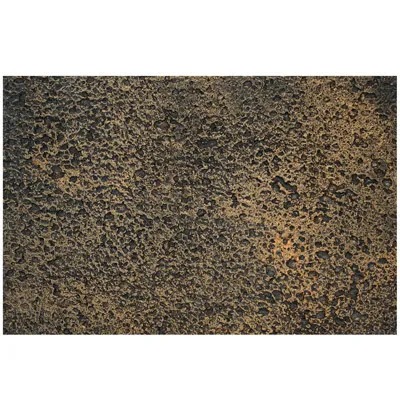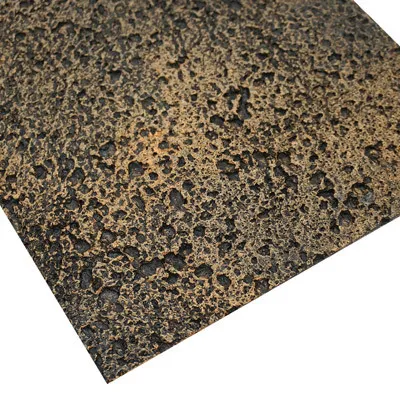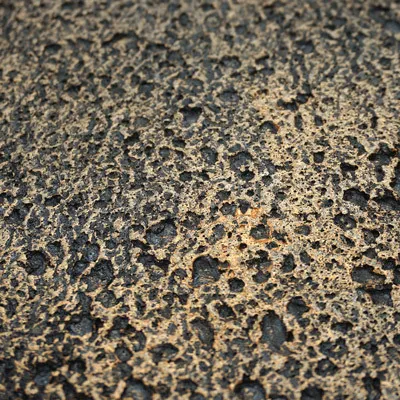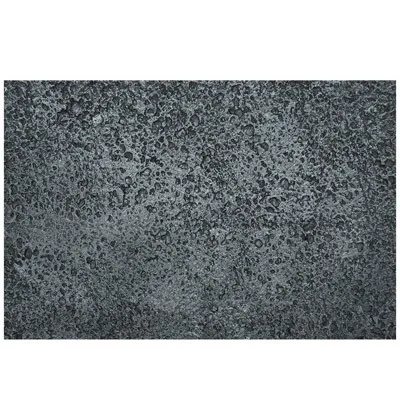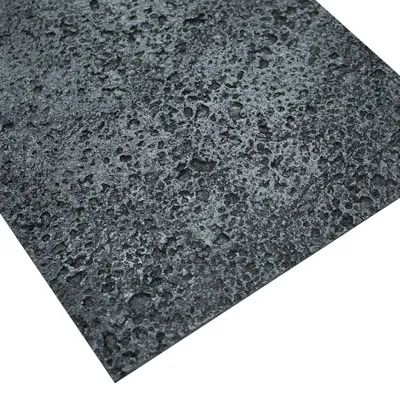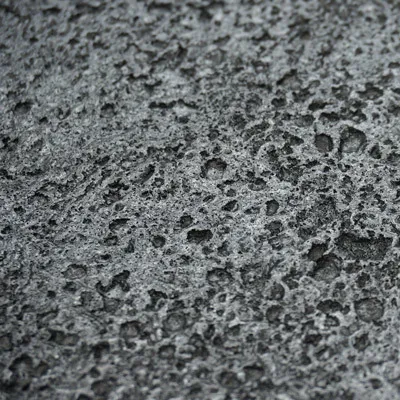
Let's start with the basics: what exactly is a foamed aluminum alloy board? Imagine taking the strength of aluminum—already a staple in aerospace and automotive industries—and infusing it with millions of tiny, uniform bubbles. The result? A material that's up to 80% lighter than solid aluminum but retains remarkable structural rigidity. It's like nature's own engineering trick, mirroring how bird bones combine lightness with strength, but amplified through human ingenuity.
At COLORIA GROUP, the manufacturing process takes this concept further. Using advanced alloy formulations and precision foaming techniques, each board is crafted to balance density, porosity, and tensile strength. The magic lies in the controlled distribution of those bubbles: too many, and the material becomes weak; too few, and you lose the weight advantage. The sweet spot? A cellular structure that acts like a microscopic truss system, dispersing loads evenly across the board's surface. This isn't just material science—it's structural poetry.
Key Properties That Matter for Load-Bearing
- Impressive Strength-to-Weight Ratio: With a compressive strength of up to 25 MPa and a density as low as 0.6 g/cm³, it outperforms traditional materials like solid aluminum (which weighs 2.7 g/cm³) and even some steel alloys in weight efficiency. This means less stress on building foundations and easier transportation/installation.
- Corrosion Resistance: Aluminum's natural oxide layer gets a boost from alloy additives, making the board resistant to rain, salt spray, and industrial pollutants—critical for exterior load-bearing applications in harsh climates.
- Thermal and Acoustic Insulation: Those tiny bubbles aren't just for strength; they also trap air, reducing heat transfer and sound transmission. Imagine an exterior wall that bears weight and cuts energy bills by keeping interiors cool in summer and warm in winter.
- Design Flexibility: Unlike brittle concrete or rigid steel, foamed aluminum alloy boards can be cut, bent, and shaped into custom profiles. This opens doors for architects to experiment with curved facades or intricate geometries without compromising load capacity.