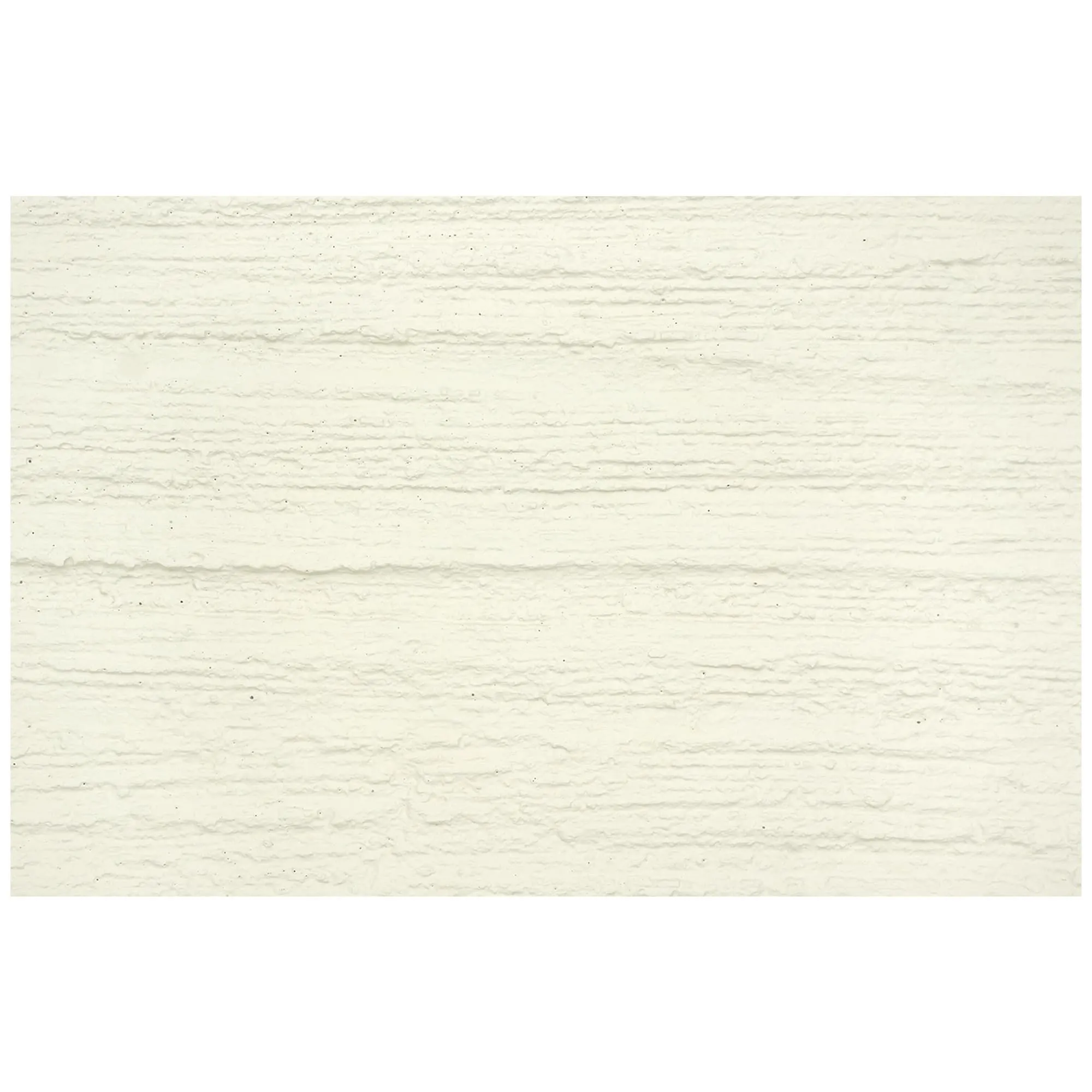
Bridging the gap between timeless beauty and modern innovation in architectural preservation.
When we talk about restoring historic buildings, it's not just about fixing old structures; it's about preserving a piece of our past, a story etched in stone, brick, and mortar. The challenge often lies in finding materials that not only stand the test of time but also respect the original aesthetic and architectural integrity. This is where modern solutions like those offered by COLORIA GROUP, particularly our
MCM Big Slab Board Series
, come into play. Can these innovative materials truly match the traditional aesthetics of yesteryear? Let's dive in and explore.
For centuries, artisans and builders relied on natural materials – stone, wood, clay – each with its unique characteristics, giving historic buildings their distinctive charm and resilience. Fast forward to today, and while we still revere these traditional methods, we also face new challenges: sustainability, cost, installation efficiency, and the ever-present need for durability in the face of changing climates. The question then becomes: how do we honor the past while embracing the advancements of the present?
Traditional restoration often involves painstaking replication, sourcing materials from the same quarries or using techniques that are no longer common. This can be incredibly expensive, time-consuming, and sometimes even environmentally problematic. Modern architects and preservationists are increasingly looking for alternatives that offer the best of both worlds: the authentic look and feel of traditional materials, coupled with the performance benefits of contemporary engineering.
COLORIA GROUP specializes in providing
one-stop solutions
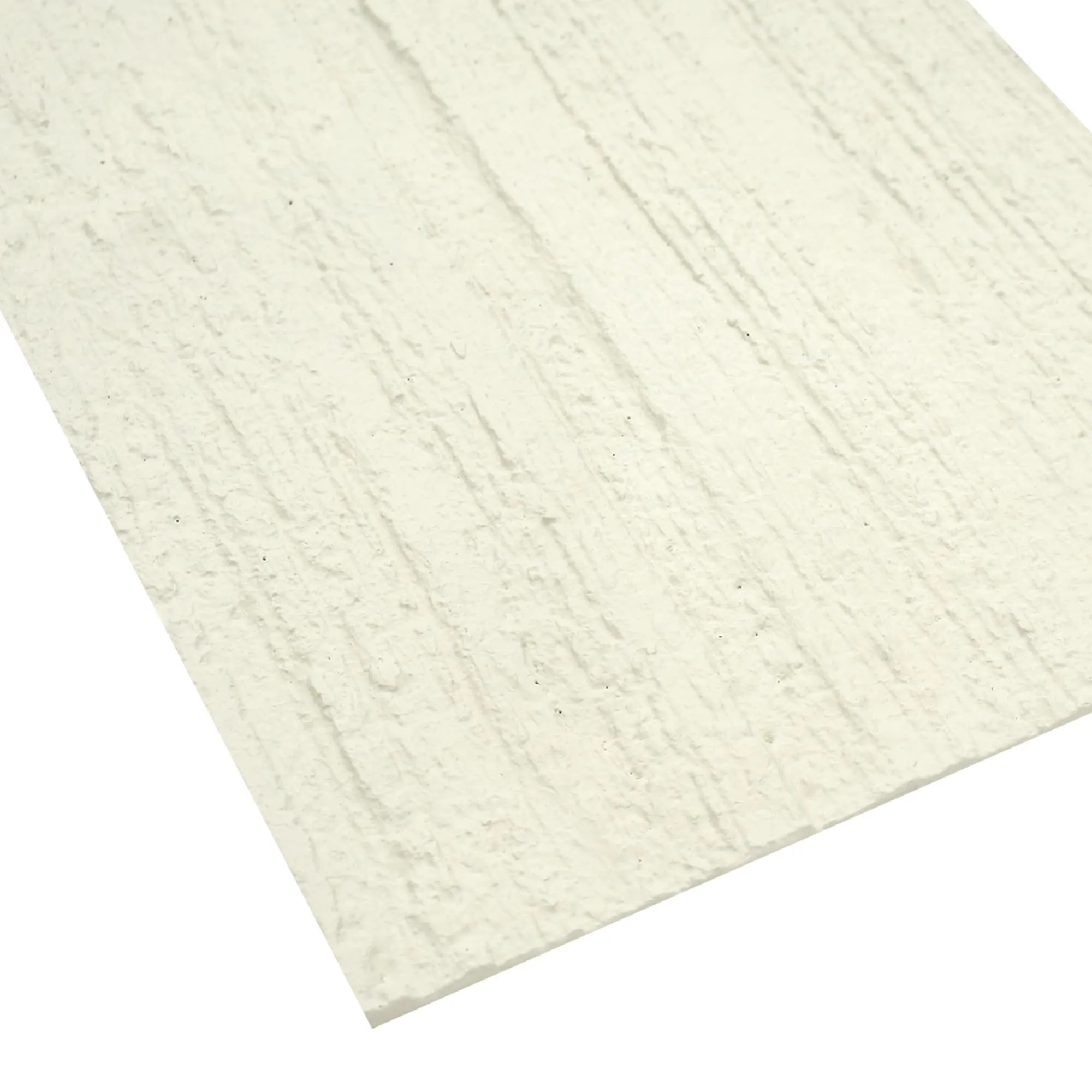
for architectural materials, and our star performer is undoubtedly our range of MCM (Modified Cementitious Material) products. MCM isn't just another building material; it's a revolutionary approach to surface finishes. Imagine a material that is incredibly flexible, lightweight, and capable of mimicking the texture and appearance of almost any natural material – from rugged stone to smooth terracotta, from weathered wood to intricate brickwork. That's MCM.
"MCM materials are transforming how we approach both new construction and, critically, historic building restoration. Their ability to replicate classic aesthetics while offering modern performance is a significant step forward for the industry."
The core idea behind MCM is to take natural aggregates and minerals, combine them with polymer binders, and then process them into ultra-thin, flexible sheets. This process allows for incredible versatility in terms of color, texture, and pattern, making it an ideal candidate for projects where aesthetic authenticity is paramount. Our product ranges, such as the
MCM Big Slab Board Series
and
MCM Flexible Stone
, are specifically designed to meet diverse architectural needs, including those of historical preservation.
-
Aesthetic Versatility:
MCM can precisely replicate the appearance and texture of traditional materials like natural stone, brick, wood, and even specific types of plaster, ensuring the restored section seamlessly blends with the original. This is crucial for maintaining historical accuracy.
-
Lightweight:
Unlike heavy natural stone or traditional masonry, MCM is incredibly light. This significantly reduces the structural load on older buildings, which might not be able to bear the weight of conventional materials, and simplifies installation.
-
Flexibility:
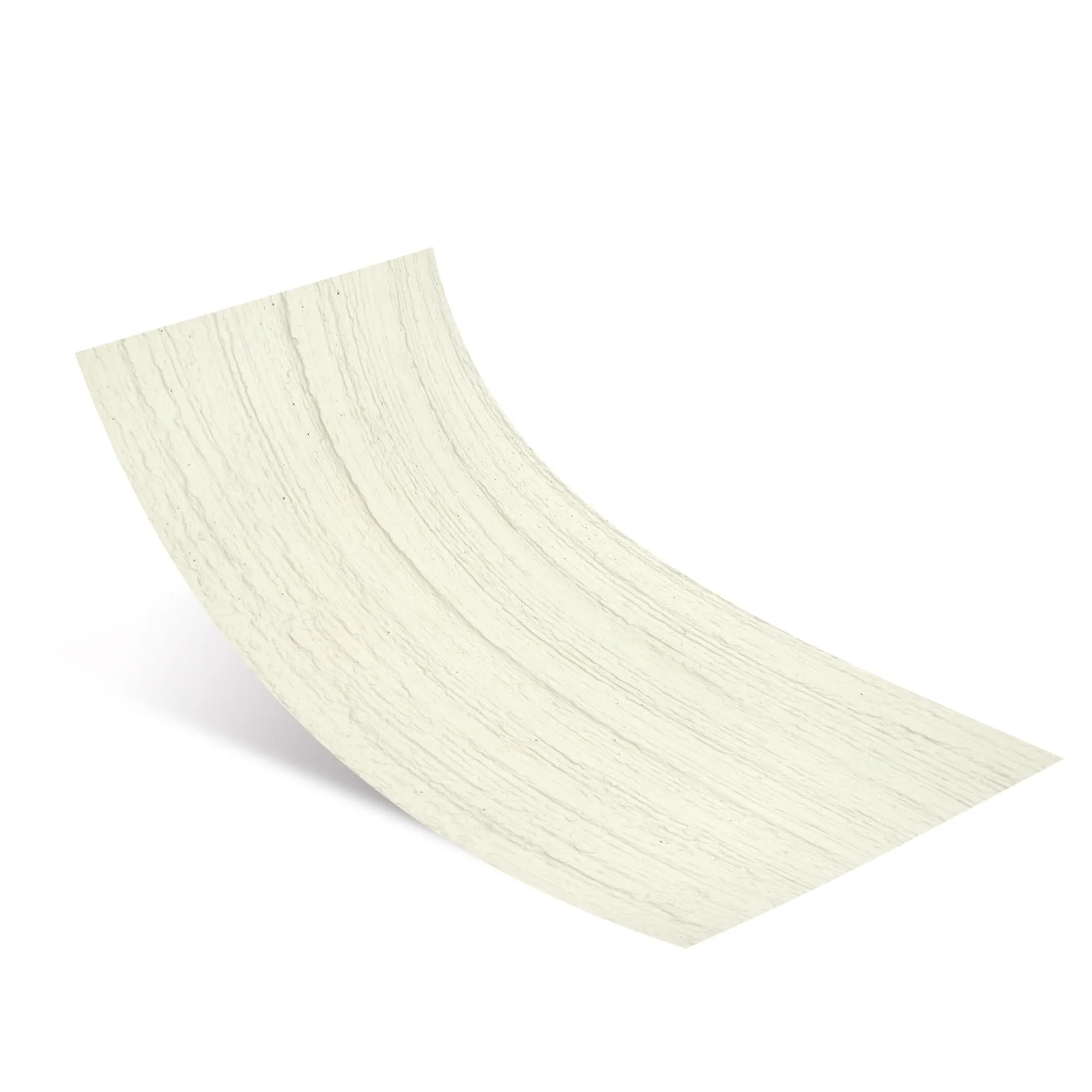
The inherent flexibility of MCM allows it to conform to curved surfaces and intricate architectural details that would be challenging and costly with rigid materials. This is particularly beneficial for decorative elements found in many historic buildings.
-
Durability:
Despite its lightweight and flexibility, MCM is highly durable, offering excellent resistance to weathering, UV radiation, and temperature fluctuations, crucial for long-term preservation.
-
Breathability:
Many MCM products are breathable, allowing moisture to escape the building envelope, which is vital for the health of historic structures and preventing issues like dampness and mold.
-
Sustainability:
Made from natural aggregates and recycled materials, MCM is an eco-friendly option. Its production process has a significantly lower carbon footprint compared to traditional ceramics or natural stone extraction.
-
Ease and Speed of Installation:
Being lightweight and flexible, MCM panels are much easier and quicker to install than traditional materials, reducing labor costs and project timelines, which can be a major factor in restoration budgets.
-
Cost-Effectiveness:
While offering premium aesthetics, MCM can be more cost-effective than sourcing and installing traditional materials, especially when considering the entire project lifecycle, including labor and maintenance.
Now, let's address the elephant in the room: can the
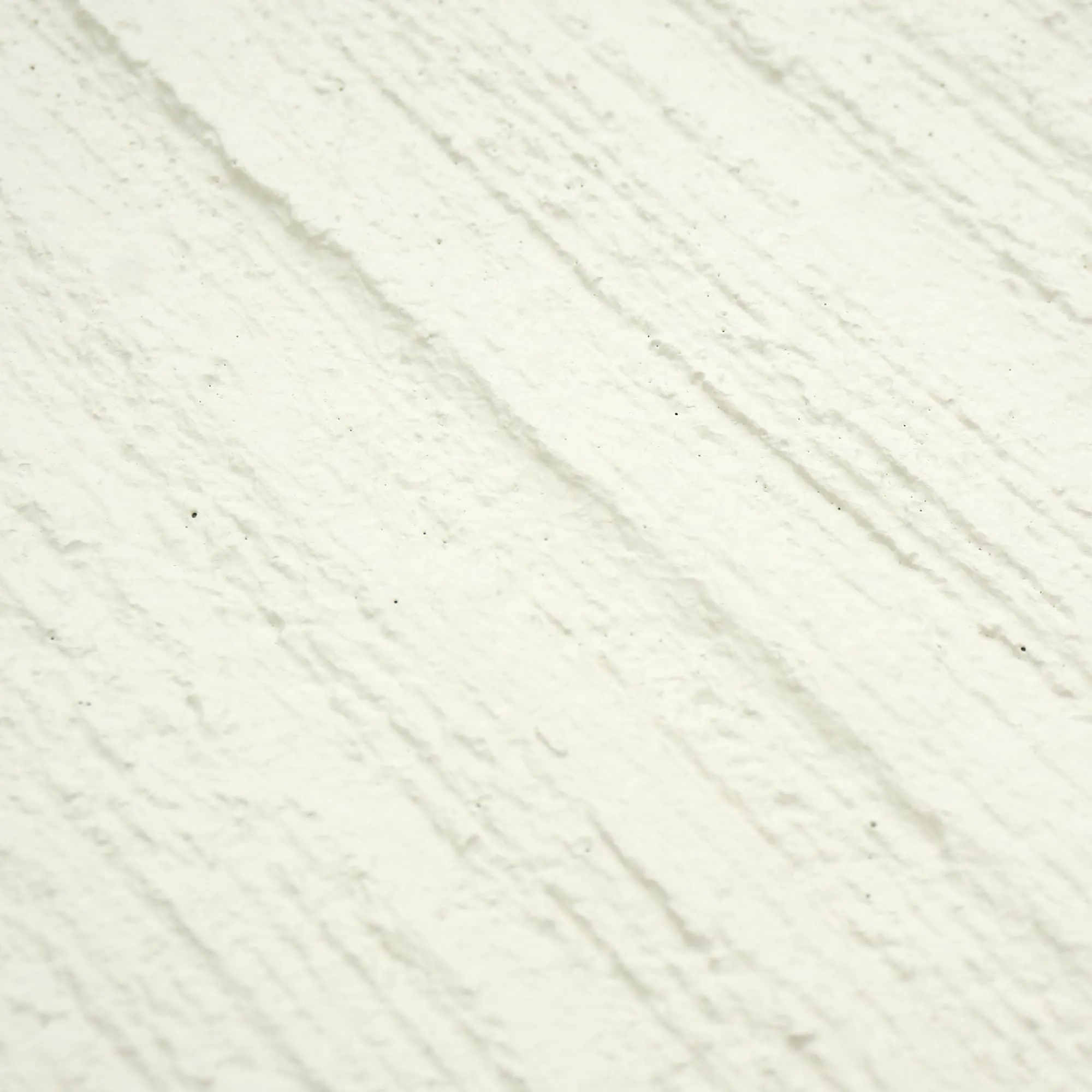
Gobi Panel
(a term often used to describe MCM materials with desert-like, earthy tones and textures, reminiscent of natural stone found in arid regions, making it a perfect example of MCM's versatility in replicating specific stone aesthetics) truly match traditional aesthetics, especially when it comes to the unique look of historic stone? The answer, unequivocally, is yes – with the right expertise and product selection.
Imagine a historic building facade that requires restoration. Perhaps it's an old monastery with weathered sandstone blocks, a colonial-era house with stucco, or a Victorian mansion with intricate terracotta details. With MCM, COLORIA GROUP can craft panels that perfectly mimic the color variations, granular textures, and even the imperfections that give traditional materials their character. Our advanced manufacturing processes allow for a high degree of customization, meaning we can work closely with preservation architects to match specific regional stone types or historic finishes.
|
Feature
|
Traditional Stone/Materials
|
COLORIA GROUP MCM (e.g., Gobi Panel)
|
|
Aesthetic Match
|
Authentic, but limited by availability and consistency.
|
High degree of replication (texture, color, pattern); customizable to match specific historic aesthetics.
|
|
Weight
|
Very heavy, requires strong structural support.
|
Significantly lightweight (approx. 1/6th of stone), reduces structural load.
|
|
Flexibility
|
Rigid, challenging for curved surfaces.
|
Highly flexible, adaptable to complex geometries and curves.
|
|
Installation Time
|
Slow, labor-intensive, requires specialized masonry skills.
|
Faster, easier, less labor-intensive, simpler adhesive application.
|
|
Durability
|
Excellent, but prone to spalling, erosion, or cracking over centuries.
|
Excellent, highly resistant to weathering, UV, impact; stable over time.
|
|
Sustainability
|
Resource-intensive extraction, high embodied energy.
|
Eco-friendly, made from natural minerals & recycled materials, low carbon footprint.
|
|
Cost (Materials + Labor)
|
High, especially for rare stones or intricate work.
|
Generally more cost-effective, considering material, labor, and maintenance.
|
|
Breathability
|
Varies by material, can be breathable.
|
Excellent breathability, good for historic building health.
|
Our
MCM Flexible Stone
product line, for instance, is designed to mimic the natural beauty of stone without the associated drawbacks. These panels are thin, light, and can be applied directly to existing substrates, making them perfect for over-cladding aging facades or repairing damaged sections where structural integrity is a concern. The precision in manufacturing means that we can replicate the subtle variations in grain, the specific color palette, and the matte or honed finish that defines a particular historical period or material.
It's not just about looking good; it's about performance. Historic buildings often suffer from issues like moisture infiltration, thermal inefficiency, or structural fatigue. By using COLORIA GROUP's MCM products, restoration projects can address these underlying problems while maintaining aesthetic fidelity. For example, applying MCM as an exterior cladding can add an extra layer of protection against the elements, improving the building's longevity without altering its original appearance.
The flexibility of MCM also opens doors for creative solutions in complex restoration scenarios. Imagine intricate cornices, decorative archways, or detailed window sills that have deteriorated over time. Recreating these with traditional stone carving is an art form that is becoming increasingly rare and expensive. With our
MCM 3D Printing Series
, we can potentially replicate such complex architectural elements with incredible accuracy, preserving the original design intent while leveraging modern manufacturing efficiencies.
At COLORIA GROUP, we don't just sell products; we offer
one-stop solutions
. This means our involvement goes beyond providing materials. With decades of industry experience, we understand the nuances of architectural projects, from initial design consultations to installation guidance. Our global presence, especially with agencies in Saudi Arabia, allows us to serve diverse markets and understand region-specific architectural styles and restoration needs.
We pride ourselves on our commitment to
customization and green environmental protection
. For historic restoration, this means we can tailor our MCM products to match specific historical textures and colors, ensuring seamless integration. Our eco-friendly production methods align perfectly with modern preservation ethics, which increasingly emphasize sustainable practices.
The question, "Can Gobi Panel match traditional aesthetics in historic building restoration?" is not just about material similarity; it's about whether modern innovation can serve the timeless beauty of the past. COLORIA GROUP's MCM product lines, including our versatile
MCM Big Slab Board Series
and
MCM Flexible Stone
, demonstrate that it absolutely can. By offering unparalleled aesthetic replication, combined with superior performance characteristics like lightweight, durability, and sustainability, MCM provides a powerful tool for architects and preservationists.
We believe that preserving our architectural heritage doesn't mean we have to be stuck in the past. Instead, it's about intelligently applying the best of current technology to ensure these invaluable structures stand proudly for generations to come. With COLORIA GROUP, you get not just a material, but a partner dedicated to bringing your vision of a beautifully restored, enduring historic building to life.
Ready to explore how COLORIA GROUP's innovative MCM solutions can elevate your next restoration or architectural project?
Discover the future of building materials with us.