
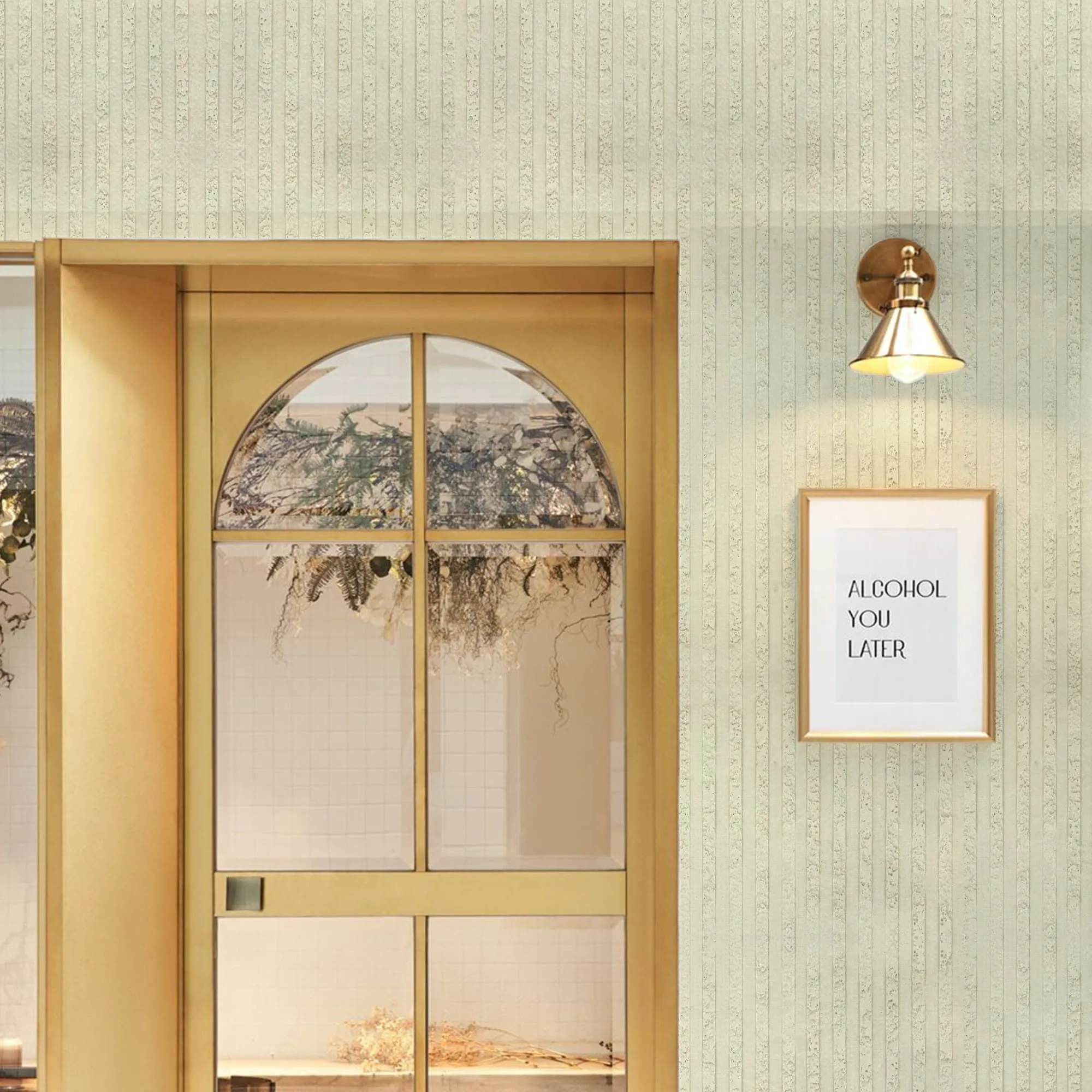
From the colossal pyramids reaching for the sky to the intricate facades of Gothic cathedrals, humanity has always been driven by the desire to build structures that stand the test of time. This relentless pursuit of longevity and resilience has, in essence, led to an unspoken yet profound tradition of durability testing . Ancient builders, through trial and error, observation, and meticulous material selection, laid the groundwork for what we now understand as material science. Their methods, though rudimentary by today's standards, offered invaluable insights into the inherent properties of various stones and their resistance to the relentless forces of nature. Today, as we grapple with modern challenges like climate change, resource scarcity, and the urgent need for sustainable construction, looking back at these historical pathfinders offers a treasure trove of wisdom. How did they achieve such incredible feats of endurance? What can their intuitive understanding of material behavior teach us about developing the next generation of building materials? At COLORIA GROUP, a leading one-stop solution provider in the building materials sector, we believe that understanding this historical legacy is crucial as we innovate for the future, particularly with our advanced MCM materials .
Imagine standing before the Great Pyramid of Giza, a monumental structure that has defied millennia. Or walking through the remnants of a Roman aqueduct, still conveying water in some areas after two thousand years. These ancient marvels weren't built with sophisticated laboratories or CAD software. They were the product of ingenuity, sheer human effort, and a deep, empirical understanding of materials. Early civilizations, often relying on locally sourced stone, embarked on what we might retrospectively call "field durability tests."
In ancient Egypt, the choice of limestone, granite, and basalt for monumental structures wasn't arbitrary. Builders observed how different stone types reacted to the harsh desert sun, wind erosion, and occasional flooding. They would test stones by striking them, listening to the sound for clues about internal fractures or weaknesses. They understood that dense, finely grained stones like granite would resist weathering better than softer sandstones. The very act of quarrying and transporting these massive blocks was a test in itself, weeding out brittle or flawed pieces. The impressive longevity of these structures is a testament to their effective, albeit informal, material selection and testing processes. They intuitively grasped the importance of material homogeneity, structural integrity under load, and resistance to environmental degradation – all core tenets of modern durability science.
The Romans, famed for their concrete, also mastered the use of various stones. Their volcanic pozzolana cement, when mixed with aggregate, created a concrete that was incredibly strong and remarkably resistant to saltwater corrosion – a crucial feature for harbors and marine structures. Beyond concrete, they employed marble, travertine, and tuff, selecting each based on its suitability for specific applications. For instance, travertine, a porous but relatively strong limestone, was used extensively for the Colosseum, while harder marbles adorned temples and public buildings, chosen for their aesthetic appeal and ability to withstand foot traffic and atmospheric exposure. Their understanding wasn't just about static strength but also about dynamic resistance to various stresses, from seismic activity to constant human interaction. The fact that many Roman structures still stand is direct evidence of their advanced material intelligence and an inherent, almost subconscious, durability assessment during material selection.
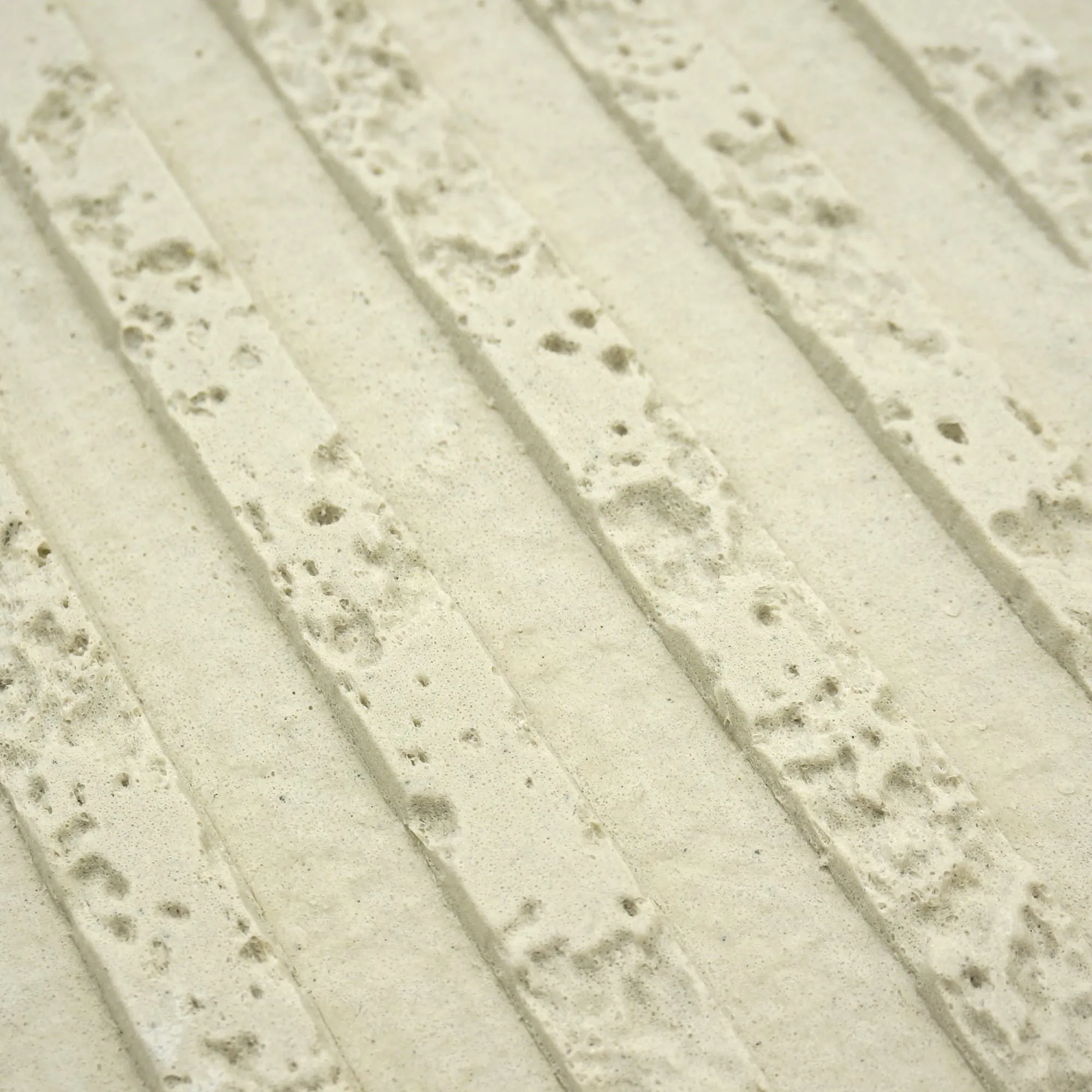
The medieval period, often perceived as a 'dark age,' was in fact a golden era for monumental stone construction. Castles, fortresses, and especially the towering Gothic cathedrals, represent an unprecedented leap in architectural ambition and material engineering. These structures, built to last for centuries and project immense power or spiritual devotion, were the ultimate testbeds for stone durability.
Builders of medieval castles sought stones that could withstand siege warfare – blunt force trauma from trebuchets, erosion from constant exposure, and the sheer weight of massive walls. They often used local, readily available stone, but the selection process was rigorous. Quarry masters would assess stone beds for consistency, fracture patterns, and ease of working, balancing strength with practicality. The thickness of castle walls and the ingenious use of rubble infill between ashlar facings spoke to an understanding of composite material strength and energy absorption. The durability here wasn't just about resisting decay; it was about resisting direct, violent assault, a far more aggressive test than mere weathering.
Gothic cathedrals, on the other hand, presented a different set of challenges. Their dizzying heights, slender columns, and vast stained-glass windows demanded stones with exceptional compressive strength and weather resistance. The intricate carvings and delicate tracery required fine-grained stones that could be meticulously shaped without crumbling. Builders observed how different types of limestone and sandstone weathered over decades, favoring those that retained their crisp details. The enduring beauty of Chartres or Notre Dame, despite centuries of pollution and natural erosion, speaks volumes about the meticulous selection of stone, often quarried from specific veins known for their superior qualities. The use of flying buttresses, for example, wasn't just an aesthetic or structural innovation; it was a testament to understanding how to distribute immense loads through durable stone elements, allowing the walls themselves to be thinner and lighter.
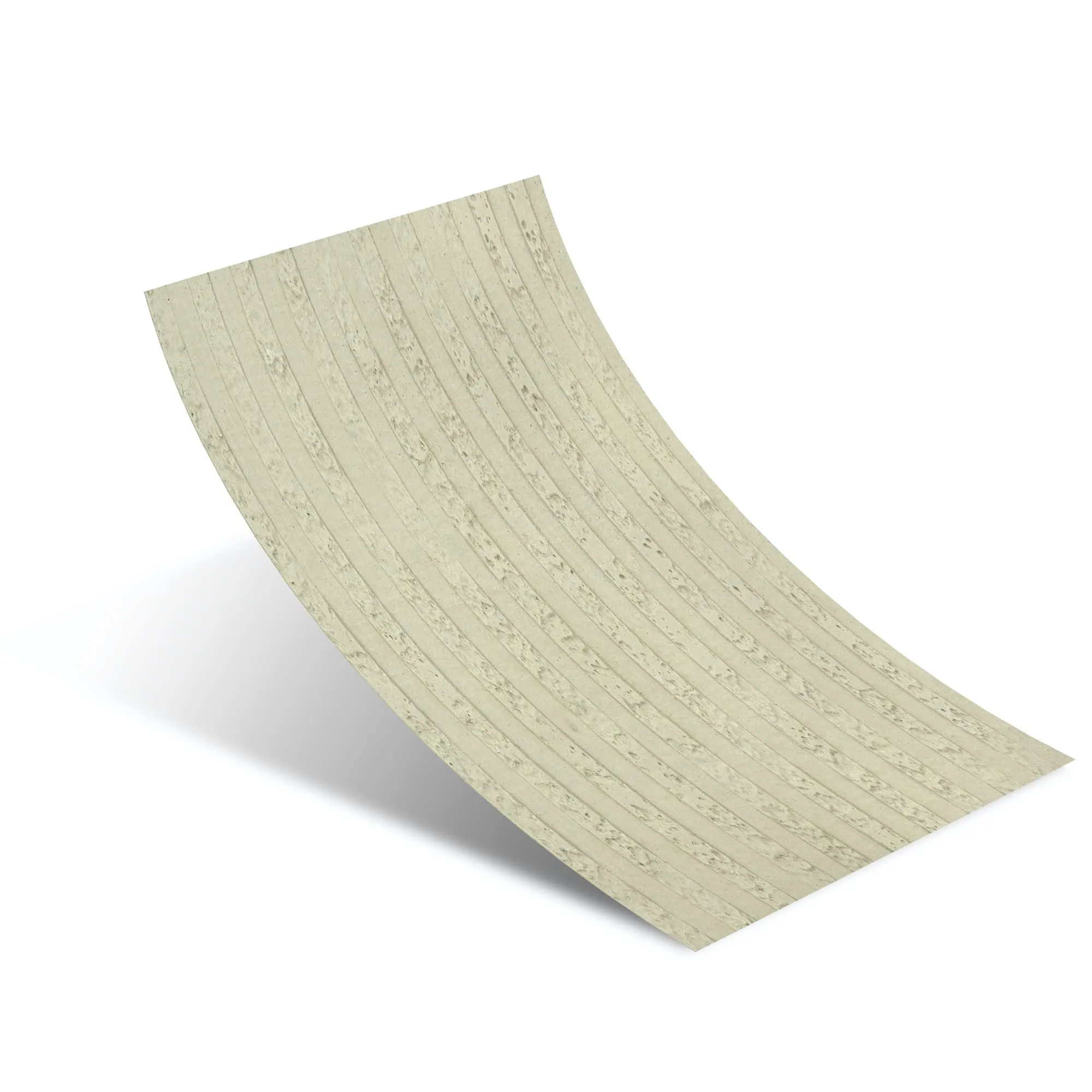
As we moved into the Enlightenment and Industrial Revolution, the empirical observations of old began to give way to more systematic, scientific inquiry. The burgeoning fields of geology, chemistry, and engineering brought new tools and methodologies to understand why some materials lasted and others didn't. This was the era when the first formal tests for material properties started to emerge, moving beyond visual inspection and striking a hammer.
Early engineers and scientists began to quantify properties like compressive strength, tensile strength, and density. They developed machines to apply controlled loads to stone samples, measuring their breaking points. Observations of freeze-thaw cycles, chemical attacks (like acid rain, even if its true nature wasn't fully understood), and abrasion resistance became more detailed. This was driven by the need for consistency and reliability in a world building bridges, railways, and factories at an unprecedented scale. Standardized tests, though rudimentary by today's sophisticated laboratory capabilities, aimed to predict a material's performance under various environmental and mechanical stresses. For example, early absorption tests were conducted to understand how much water a stone could absorb, directly correlating with its susceptibility to frost damage. Simple acid tests could indicate a stone's resistance to acidic atmospheric pollutants, a growing concern in industrial cities.
The development of the microscope allowed for detailed examination of stone microstructure, revealing how grain size, porosity, and mineral composition influenced durability. This scientific approach marked a significant shift from trial-and-error to predictive modeling. While natural stone remained a primary building material, these early scientific investigations paved the way for the development of engineered materials like modern concrete, steel, and eventually, the sophisticated composites we rely on today. The desire to mimic and even surpass the innate durability of natural stone, while addressing its limitations, became a driving force for material innovation.
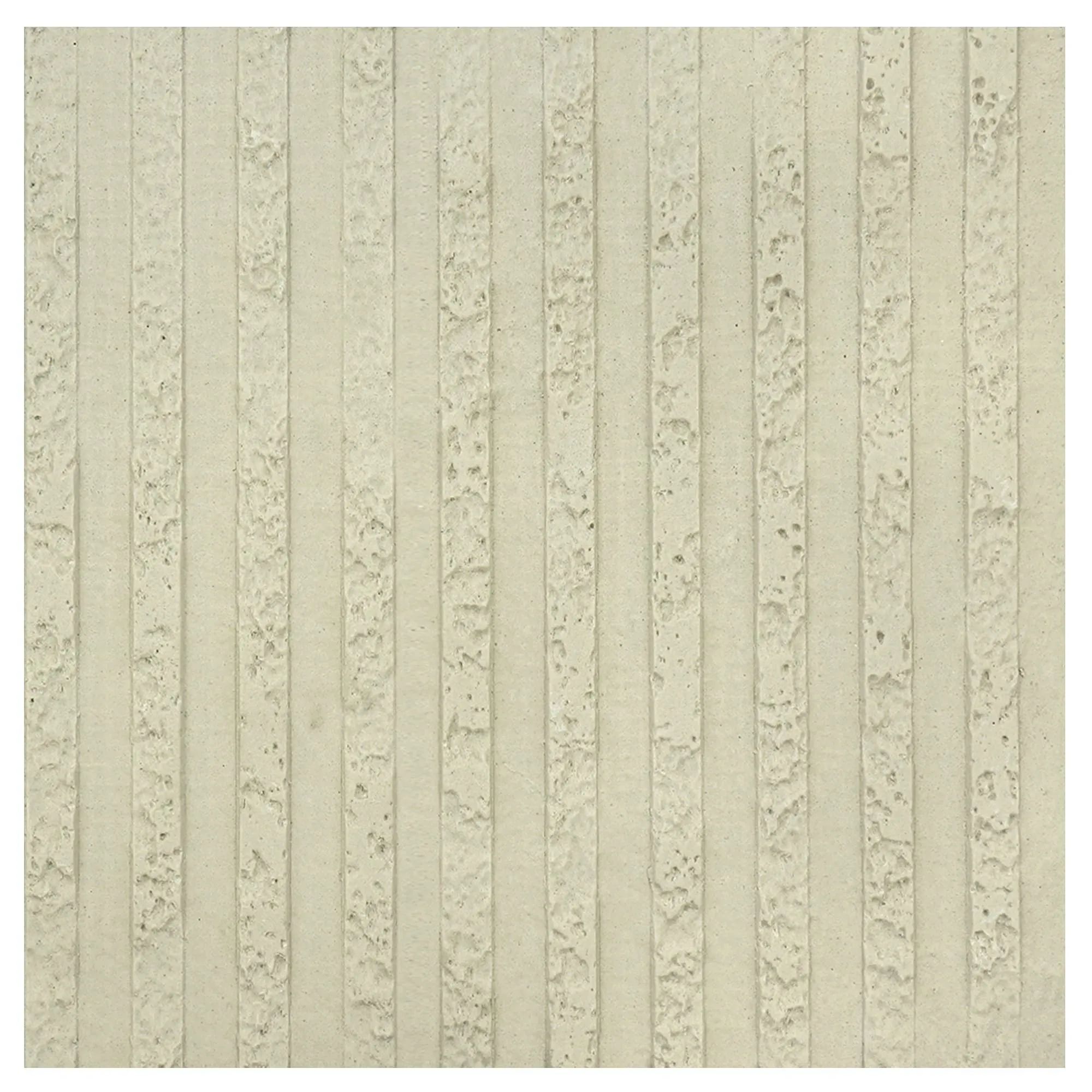
The historical journey through stone durability testing, from ancient empirical wisdom to modern scientific rigor, offers profound lessons. It teaches us that true longevity in construction materials isn't accidental; it's the result of thoughtful selection, understanding environmental interactions, and continuous innovation. This philosophy deeply resonates with COLORIA GROUP's mission as a one-stop solution provider for high-quality building materials. We are driven by the same core principle as our historical predecessors: creating materials that perform exceptionally and endure beautifully. Our decades of industry experience, coupled with a global presence, including a robust agency in Saudi Arabia, reflect our commitment to delivering superior architectural solutions .
COLORIA GROUP's flagship offering, the MCM (Modified Cementitious Material) series products , embodies this bridge between historical understanding and cutting-edge technology. While ancient builders chose natural stone for its inherent durability and aesthetic, MCM materials are engineered to replicate and even enhance these qualities, addressing modern demands for sustainability, versatility, and performance.
What makes our MCM materials so relevant in the context of historical durability? It's their ingenious composition and manufacturing process. Unlike natural stone, which can have inherent weaknesses and inconsistencies, MCM materials are engineered from inorganic minerals, polymer additives, and other modified elements, resulting in a product with controlled, predictable, and superior properties. They are not merely mimicking stone; they are designed to perform better in various aspects crucial for modern construction.
Consider the challenges of natural stone: weight, cost of transportation, inconsistency in patterns, limited availability, and intensive quarrying processes. MCM materials address these head-on. They are significantly lighter, reducing structural load and transportation costs. Their manufacturing allows for incredible consistency in color and texture, yet offers unparalleled customization to meet specific design visions. Crucially, they embrace green environmental protection principles, using sustainable raw materials and low-energy production processes, aligning with global efforts towards greener buildings – a concept the ancients, inadvertently, also followed by using local resources and minimizing waste.
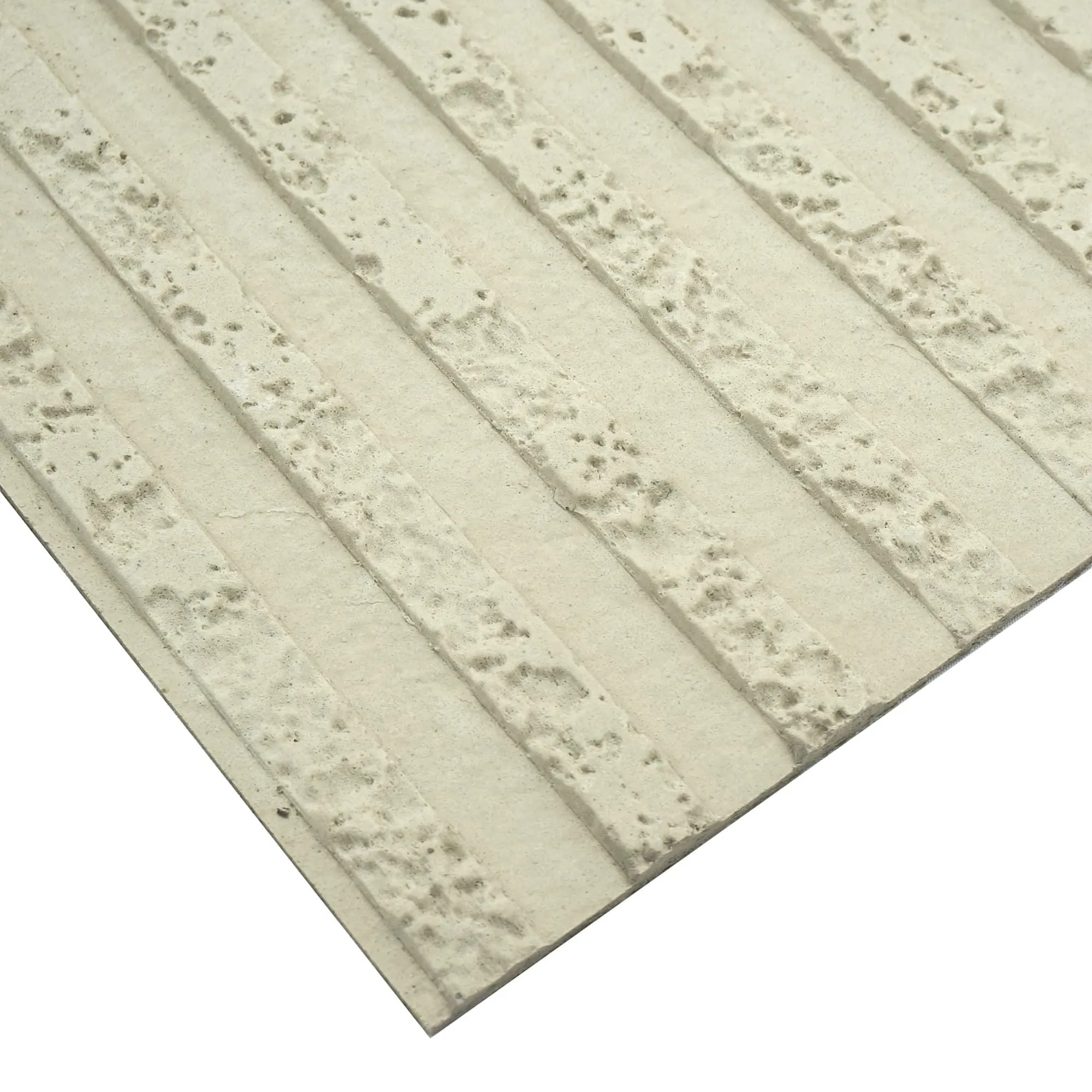
Today, our approach to durability testing is far more sophisticated than anything our ancestors could have imagined. Modern laboratories employ a battery of tests to simulate decades or even centuries of exposure in accelerated timeframes. These include:
| Modern Durability Test Type | Historical Parallel (Implicit Test) | Relevance to MCM Materials |
|---|---|---|
| Accelerated Weathering (UV, humidity, temperature cycles) | Observation of structures over decades/centuries | Ensures color stability, resistance to cracking, and material integrity under extreme climate variations. Critical for global markets, especially harsh environments like Saudi Arabia. |
| Freeze-Thaw Cycling | Seasonal observation of stone spalling/cracking | Verifies MCM materials' resistance to moisture ingress and subsequent expansion/contraction, preventing structural damage in cold climates. |
| Salt Spray Resistance | Observation of marine structures decay | Confirms suitability for coastal projects and areas with high salinity in the air or ground, preventing corrosion and deterioration. |
| Abrasion Resistance | Foot traffic wear on pavements, erosion by wind/sand | Guarantees surface hardness and longevity in high-traffic interior spaces and exterior facades exposed to abrasive elements. |
| Impact Resistance | Resistance of castle walls to siege weapons, general wear | Ensures materials can withstand accidental impacts, reducing maintenance and repair needs for facades and interior walls. |
| Chemical Resistance (acid/alkali exposure) | Observation of stone degradation in polluted areas | Confirms stability against industrial pollutants, cleaning agents, and environmental chemicals, crucial for urban and industrial settings. |
| Fire Resistance Testing | Limited, catastrophic observation of fire damage | Assesses non-combustibility and fire propagation properties, ensuring safety and compliance with modern building codes. |
COLORIA GROUP meticulously subjects its MCM materials to these rigorous tests. This isn't just about meeting standards; it's about exceeding them to deliver performance that truly lasts. Our commitment to quality and durability is unwavering, ensuring that every project, whether residential or commercial, benefits from materials designed for the long haul.
"The greatest structures of the past teach us that enduring beauty and function stem from a fundamental understanding of material integrity. At COLORIA GROUP, we don't just supply materials; we supply confidence in longevity, crafted from the lessons of history and the innovations of today."
In today's world, durability is intrinsically linked to sustainability. A building material that lasts for centuries inherently reduces the need for replacement, conserving resources, minimizing waste, and lowering the embodied energy over its lifecycle. This is where COLORIA GROUP's commitment to green environmental protection truly shines. Our MCM products are not just durable; they are designed with a sustainable future in mind.
The production process for MCM materials consumes less energy and generates fewer emissions compared to traditional materials like natural stone or ceramics. The use of recycled or abundant inorganic minerals as primary raw materials reduces reliance on finite resources. Furthermore, the lightweight nature of MCM materials translates to lower carbon emissions during transportation. When a material is designed to last for fifty, eighty, or even a hundred years, its environmental footprint per year of service becomes significantly smaller. This long-term thinking, mirroring the ancient desire for enduring structures, is at the heart of our product development.
By choosing COLORIA GROUP's MCM series, our clients are not only investing in resilient and aesthetically pleasing finishes but also contributing to a more sustainable built environment. This holistic approach to durability – encompassing mechanical strength, environmental resistance, and ecological responsibility – sets our products apart. It's an evolution of the historical pathfinders' quest, adapted for the complex demands of the 21st century.
COLORIA GROUP is more than just a material supplier; we are a partner in realizing enduring architectural visions. Our extensive experience, spanning decades in the building materials industry, underpins our ability to deliver exceptional value. With a strong global footprint and specialized operations, such as our agency in Saudi Arabia, we are strategically positioned to provide tailored architectural solutions that meet the unique demands of diverse climates and construction practices.
The journey from the intuitive durability tests of ancient stone masons to the advanced laboratory analyses of today is a testament to humanity's continuous drive for excellence in construction. As we look to the future, the lessons learned from historical pathfinders remain incredibly relevant. Durability isn't just a technical specification; it's a legacy, a promise, and a foundation for sustainability. By integrating these historical insights with cutting-edge MCM materials and a commitment to green environmental practices, COLORIA GROUP is paving the way for buildings that are not only beautiful and functional but also built to inspire for generations.
Choosing COLORIA GROUP means opting for materials engineered for resilience, backed by expertise, and designed for a sustainable future. It means building with the confidence that your project, whether a residential haven or a commercial landmark, will stand as a testament to enduring quality, just as the ancient wonders continue to inspire us today. We invite you to explore how our MCM series can transform your next project, offering the perfect blend of historical strength and modern innovation.
Recommend Products












