
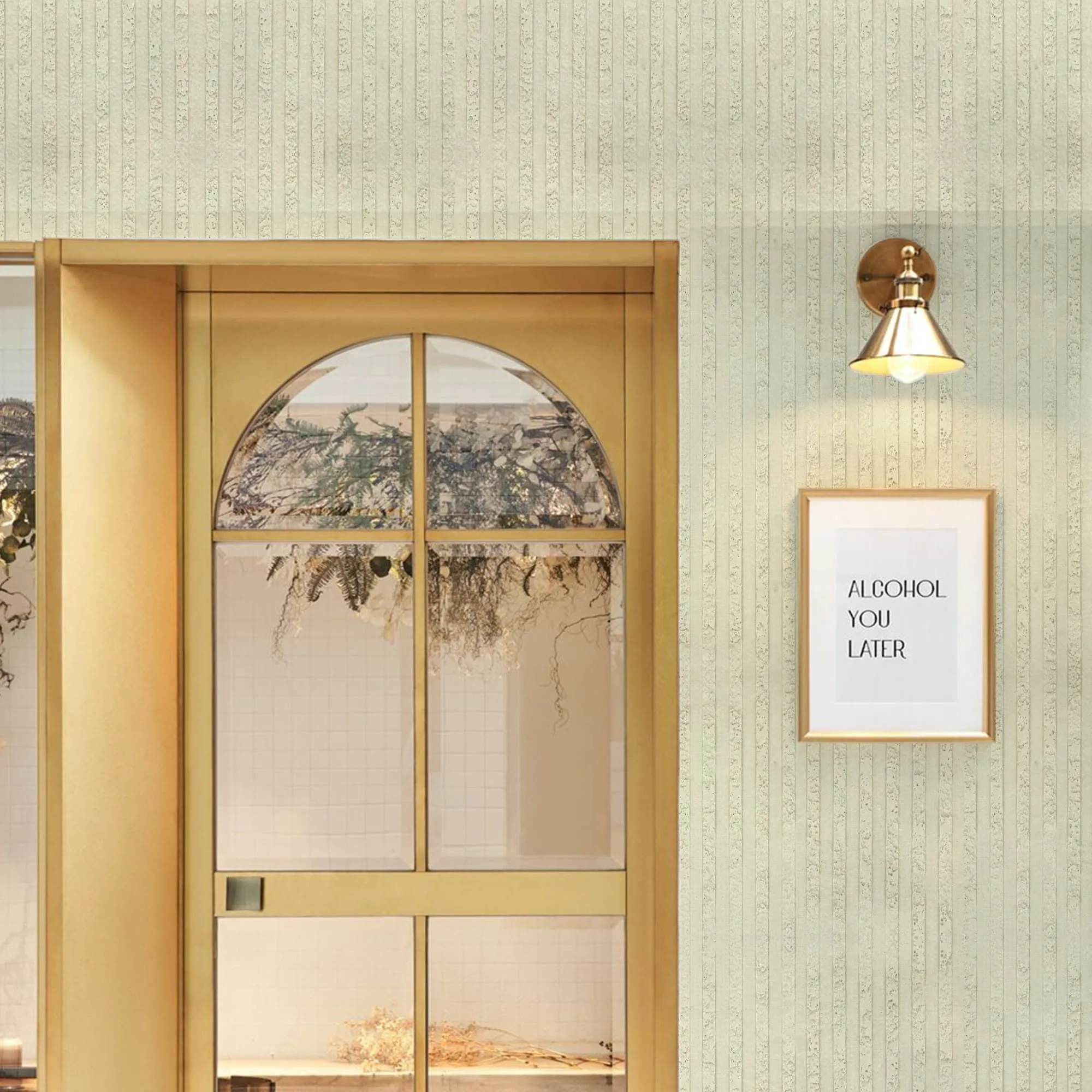
Unpacking the environmental footprint of traditional building materials and championing innovation for a sustainable future.
For centuries, stone has stood as a testament to human ingenuity and our desire for permanence in construction. From the ancient pyramids to medieval cathedrals, and from Roman aqueducts to modern skyscrapers, natural stone has been a foundational element, defining architectural aesthetics and structural integrity across diverse civilizations. It's an undeniable part of our history, a material that whispers tales of grandeur, strength, and timeless beauty. However, as we stand at a critical juncture in our planet's history, faced with undeniable environmental challenges, it's imperative to critically examine the legacy of our traditional building practices. While stone has served us well, its journey from quarry to construction site often carries a significant environmental burden, a hidden cost that our ancestors might not have fully grasped, but which we, with our advanced understanding, can no longer ignore.
The global construction industry is a massive consumer of resources and a significant contributor to carbon emissions. Every material chosen for a building project, from the smallest fastener to the largest structural beam, has an environmental story. For natural stone, this story begins deep within the earth, involves energy-intensive extraction, processing, and transportation, and often leaves behind a scarred landscape and a hefty carbon footprint. This isn't to demonize a material that has shaped our world, but rather to acknowledge the realities of its impact and, more importantly, to seek out and embrace innovative solutions that can help us build a better, more sustainable future. This is precisely where modern advancements come into play, offering alternatives that retain the aesthetic appeal and performance of traditional materials while dramatically reducing their ecological toll.
At COLORIA GROUP, we've made it our mission to redefine what's possible in architectural materials. As a dedicated one-stop solution provider for the building materials sector, we've always been driven by a dual commitment: delivering uncompromising quality and championing environmental responsibility. Our journey led us to the groundbreaking development of MCM (Modified Cementitious Material) series products , an innovative family of materials poised to revolutionize the way we think about building and decorating our spaces. We believe that the allure of natural stone doesn't have to come at the expense of our planet. With MCM, we offer a compelling, greener alternative that addresses the environmental concerns of traditional stone, paving the way for truly sustainable architecture without sacrificing design versatility or durability.
Let's delve a bit deeper into why traditional stone, despite its historical charm, presents considerable environmental challenges. Understanding these issues is the first step towards appreciating the value of greener alternatives.
The extraction of natural stone is inherently disruptive. Quarrying operations involve excavating large areas of land, often leading to deforestation, soil erosion, and the destruction of delicate ecosystems. These activities can displace wildlife, alter water tables, and leave behind vast, unsightly pits that are difficult, if not impossible, to rehabilitate to their original state. The sheer scale of these operations means that significant natural habitats are permanently altered or destroyed, impacting biodiversity and ecological balance.
Getting stone out of the ground and turning it into a usable building material is an energy-intensive process. Heavy machinery – excavators, drills, cranes – all run on fossil fuels, releasing substantial amounts of greenhouse gases. Once extracted, the raw blocks of stone need to be cut, polished, and shaped, often requiring large amounts of water and further energy for specialized machinery. This entire process contributes significantly to the carbon footprint of the final product, from its "birth" in the earth to its installation on a building.
Water is a critical resource, and stone processing consumes a lot of it. Water is used for cooling cutting blades, washing stone surfaces, and suppressing dust. While some quarries attempt to recycle water, a considerable amount can still be lost or become contaminated with stone dust and other residues. If not properly managed, this wastewater can pollute local water sources, harming aquatic life and affecting human communities.
Natural stone is heavy, and its journey from the quarry to the construction site often spans vast distances, sometimes even across continents. This requires heavy-duty trucks, trains, or ships, all of which are major emitters of CO2 and other pollutants. The longer the transportation chain, the greater the embodied energy and carbon emissions associated with the material. This logistical challenge further compounds the environmental impact, adding to the material's overall carbon footprint long before it's even installed.
Not all stone extracted from a quarry ends up as a usable product. Significant amounts of waste rock, off-cuts, and dust are generated during quarrying and processing. While some of this waste can be repurposed, a large proportion often ends up in landfills or waste piles, contributing to land degradation and requiring further resources for disposal. This inefficient use of material is another aspect that greener alternatives aim to address.
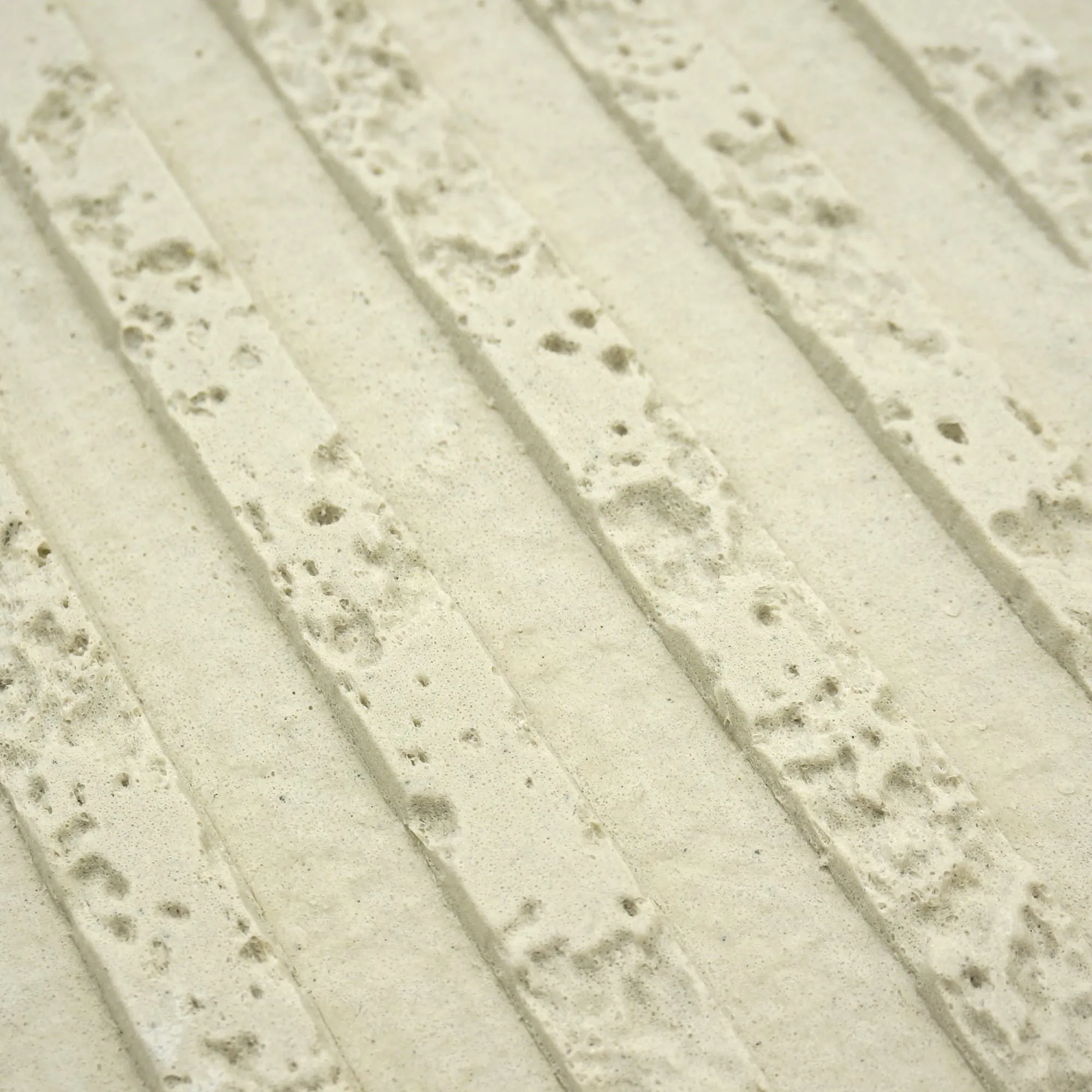
Recognizing these profound challenges, COLORIA GROUP embarked on a mission to innovate. Our vision was clear: to provide architecturally stunning and high-performance building materials that actively mitigate environmental harm. This vision is encapsulated in our commitment as a one-stop solution provider , not just offering products but a comprehensive approach to sustainable construction. With decades of industry experience, particularly amplified by our presence in global markets, including a robust agency in Saudi Arabia, we bring a wealth of knowledge and expertise to every project.
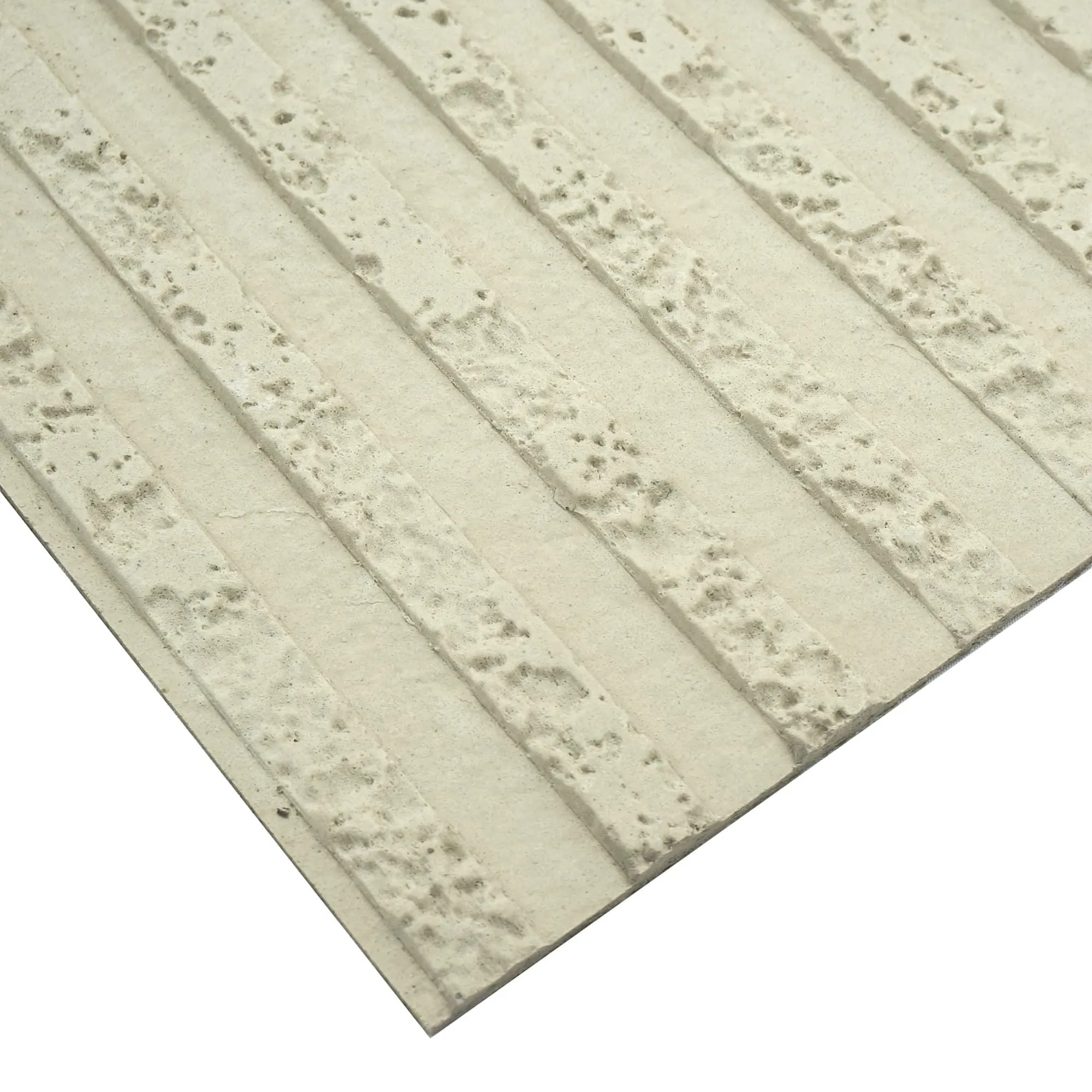
The heart of our innovation lies in our MCM (Modified Cementitious Material) series products. These aren't just substitutes; they are advancements, engineered to outperform traditional materials in key aspects while being fundamentally kinder to our planet. MCM is a composite material made from natural mineral powders, plant fibers, and other inorganic binders, processed using innovative low-temperature forming technology. This results in a material that is incredibly versatile, durable, and, crucially, eco-friendly.
| Feature | Traditional Natural Stone | COLORIA MCM Series Products |
|---|---|---|
| Source Material | Limited, non-renewable geological formations | Abundant natural mineral powders, recycled materials, plant fibers |
| Extraction Impact | Extensive quarrying, habitat destruction, high energy consumption | Minimal, no quarrying, utilizes readily available raw materials |
| Processing Energy | High (cutting, polishing, shaping with heavy machinery) | Significantly lower (low-temperature forming, less energy-intensive) |
| Water Usage | High, potential for pollution | Low, closed-loop systems often possible |
| Weight | Very heavy, requires robust structural support | Lightweight, reduces structural load and transport costs/emissions |
| Flexibility | Rigid, brittle, prone to cracking | Flexible, can withstand bending and seismic activity (e.g., Flexible Stone) |
| Customization | Limited by natural patterns and block sizes | High degree, customization in patterns, textures, colors, and shapes |
| Waste Generation | Significant waste rock and off-cuts | Minimal waste, highly efficient production process |
| Installation | Labor-intensive, specialized equipment often required | Easier, faster, and more cost-effective due to light weight and flexibility |
| Application | Predominantly interior and exterior cladding, flooring | Versatile for both interior and exterior decoration, new applications like 3D printing |
| Environmental Benefits | Aesthetic appeal, long lifespan (if maintained) | Low carbon footprint, resource efficiency, non-toxic, recyclable, breathable |
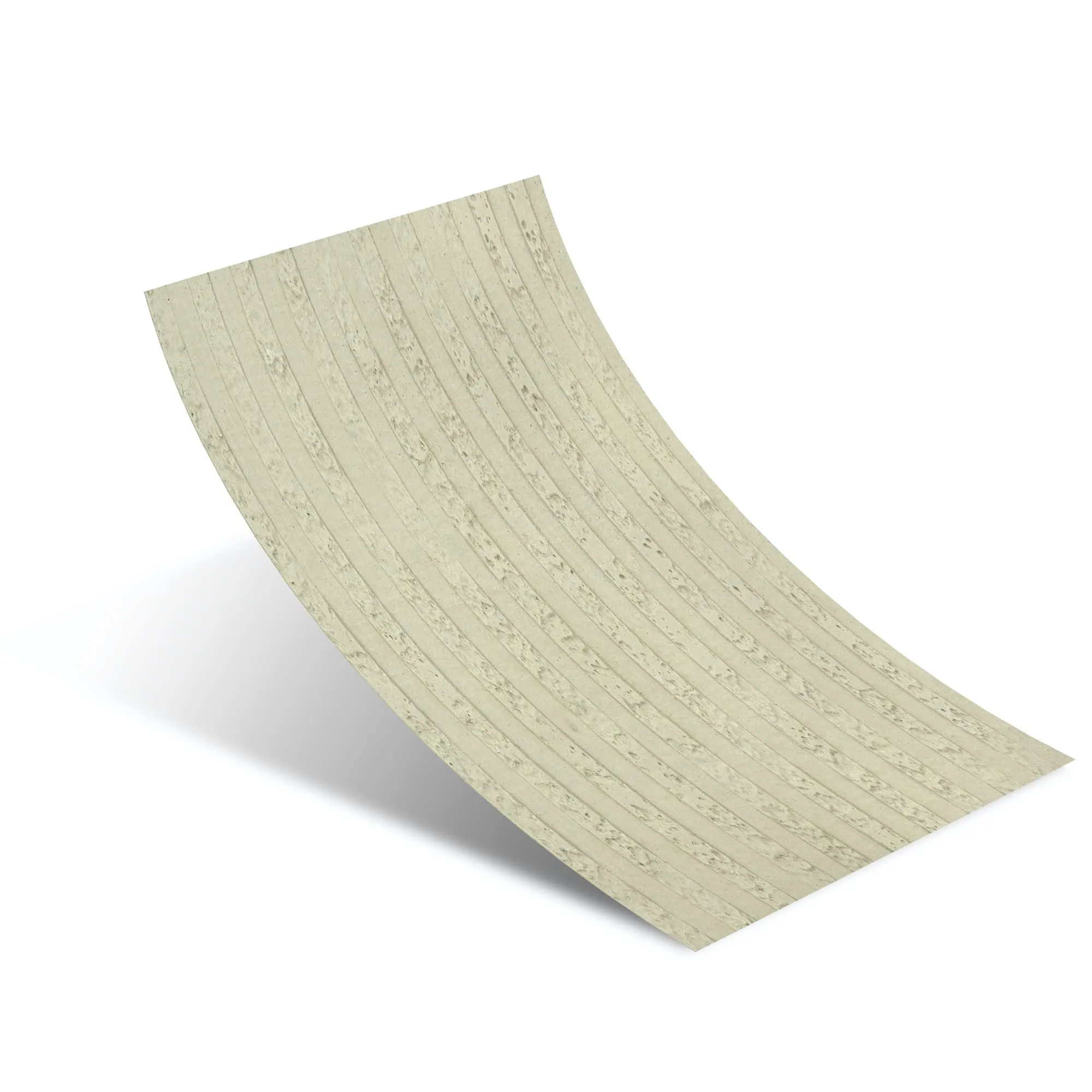
Our MCM series isn't a single product but a diverse family, each designed to meet specific architectural needs while upholding our core values of quality and sustainability. We offer solutions for every scale and vision, demonstrating the true adaptability of MCM technology.
Imagine the sweeping elegance of large format stone slabs without the environmental baggage. Our MCM Big Slab Board Series delivers exactly that. These expansive boards mimic the majestic appearance of natural stone, marble, or granite, but are significantly lighter, more flexible, and easier to install. Perfect for grand lobbies, feature walls, or expansive facades, they offer designers the freedom to create breathtaking spaces with fewer seams and a lower embodied carbon footprint. The reduced weight also translates to lower transportation costs and less structural stress on buildings, contributing to overall project sustainability.
For large-scale developments, commercial buildings, or residential complexes, efficiency and cost-effectiveness are paramount, but never at the expense of quality or the environment. Our MCM Project Board Series is specifically engineered to be the ideal choice for such ventures. These boards provide a robust, durable, and aesthetically pleasing solution for both interior and exterior applications. They are designed for ease of installation, reducing labor time and project costs, making them a practical and responsible choice for developers and contractors committed to green building practices. Their consistent quality and performance ensure that large projects can be completed on time and within budget, all while minimizing environmental impact.
Pushing the boundaries of architectural design, our MCM 3D Printing Series represents the cutting edge of material innovation. This groundbreaking application allows for the creation of intricate, bespoke architectural elements, textures, and even complex structural components with unparalleled precision. Imagine custom-designed facades, unique decorative panels, or complex geometric patterns that would be prohibitively expensive or impossible to achieve with traditional stone. This series not only opens up new artistic possibilities but also promotes resource efficiency by enabling on-demand, waste-reducing manufacturing. It's about building smarter, creating more, and wasting less.
Perhaps one of the most exciting innovations in our portfolio is MCM Flexible Stone . This product truly challenges the rigid perceptions of stone. Unlike traditional stone, which is inherently inflexible and heavy, our flexible stone is thin, lightweight, and can literally be bent around corners. This opens up a world of design possibilities, from curved walls and columns to intricate interior applications where weight and rigidity are limiting factors. It retains the natural look and feel of stone, offering a stunning aesthetic combined with incredible versatility. It's particularly well-suited for renovations where adding heavy stone might compromise existing structures, or for mobile and modular construction where lightweight materials are essential. The environmental benefits are clear: minimal material usage, drastically reduced transportation emissions, and simplified installation.
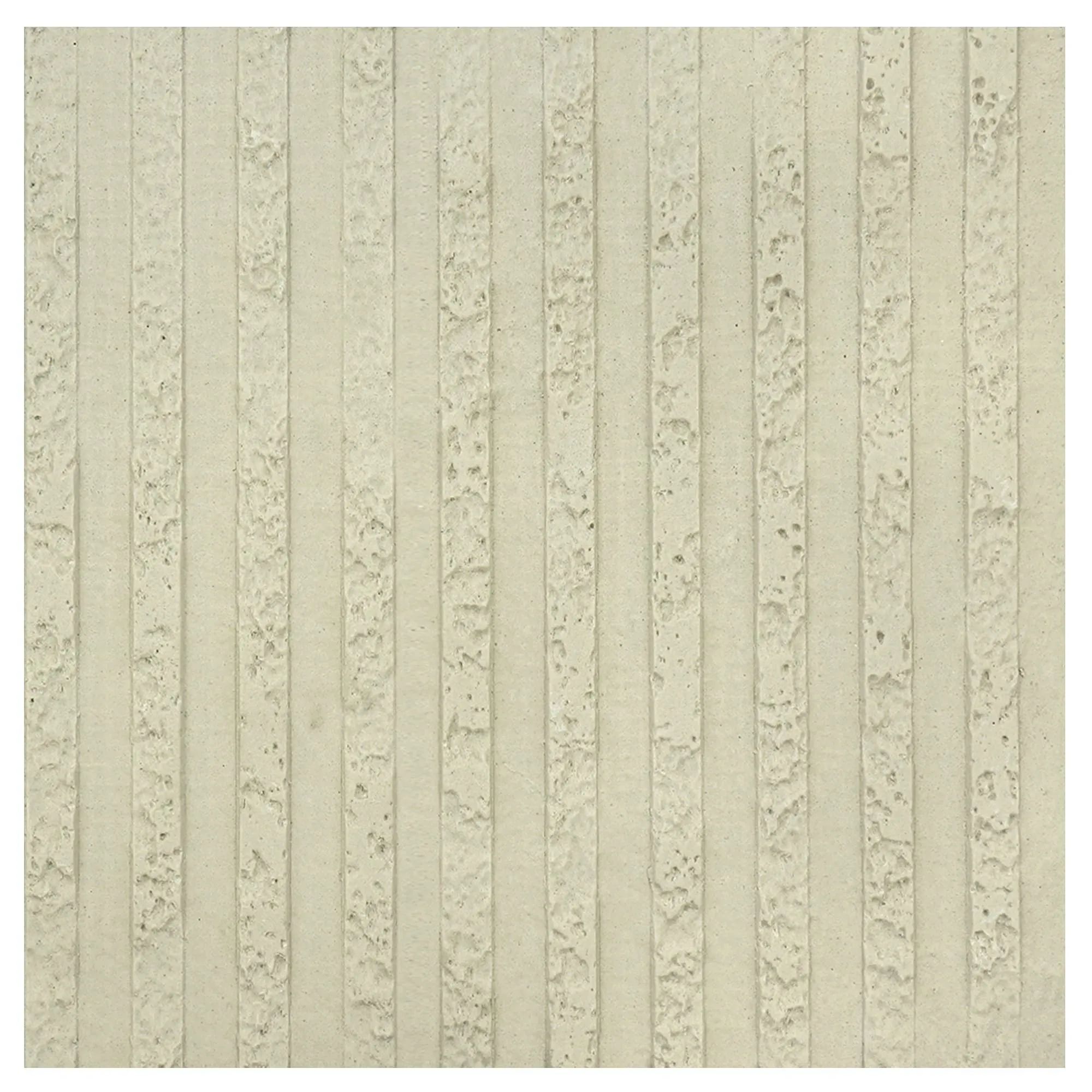
Beyond the specific product lines, the entire COLORIA MCM series offers a suite of advantages that position it as a superior, future-forward choice for any construction or renovation project.
COLORIA GROUP's commitment extends beyond product development. We understand that truly making a difference requires a holistic approach and a global outlook. Our business covers global markets , with a particular focus and strong agency network in regions like Saudi Arabia, where sustainable and innovative building solutions are increasingly in demand for ambitious new developments. We partner with architects, developers, and contractors worldwide, offering not just materials but expert consultation and support throughout the project lifecycle.
We envision a future where high-performance, aesthetically pleasing buildings are synonymous with environmental responsibility. Every MCM Project Board Series installed, every MCM Big Slab Board Series adorning a facade, and every bespoke MCM 3D Printing Series element contributes to reducing the global construction industry's carbon footprint. It's about more than just materials; it's about fostering a new era of architecture that respects our planet while still achieving monumental visions. Our dedication to research and development ensures that we are continuously pushing the boundaries, refining our processes, and expanding our product offerings to meet the evolving demands of sustainable building.
"The decisions we make today in construction will shape our environment for generations. Choosing innovative, eco-friendly materials like COLORIA MCM is not just a trend; it's a critical responsibility and an investment in a healthier, more sustainable future."
The historical reliance on natural stone has left us with a legacy of architectural wonders, but also with environmental lessons learned. As we look to the future, the imperative to build sustainably has never been clearer. The construction industry must evolve, embracing materials and methods that minimize ecological damage while maximizing performance and aesthetic appeal.
COLORIA GROUP stands at the forefront of this evolution. Our MCM series products – from the stately MCM Big Slab Board Series to the adaptable MCM Project Board Series , the inventive MCM 3D Printing Series , and the revolutionary MCM Flexible Stone – offer a tangible, effective, and beautiful alternative to traditional stone. They provide solutions that address the full spectrum of architectural needs, enabling breathtaking designs for both building interior and exterior decoration , while simultaneously championing environmental stewardship.
We invite you to explore the possibilities that COLORIA MCM brings. Join us in building a future where innovation and responsibility go hand in hand, where every structure is not just a marvel of engineering and design, but also a testament to our collective commitment to a healthier planet. Let's move beyond the environmental impacts of past pathfinders and embrace a new era of sustainable construction with COLORIA GROUP. The future of architecture is not just about what we build, but how we build it, and with what materials. Make the choice for a greener, brighter tomorrow.
COLORIA GROUP is more than a supplier; we are a partner in creating sustainable, inspiring spaces globally. Our decades of experience and unwavering focus on innovation ensure that we deliver not just materials, but a vision for a better built environment.
Recommend Products












