
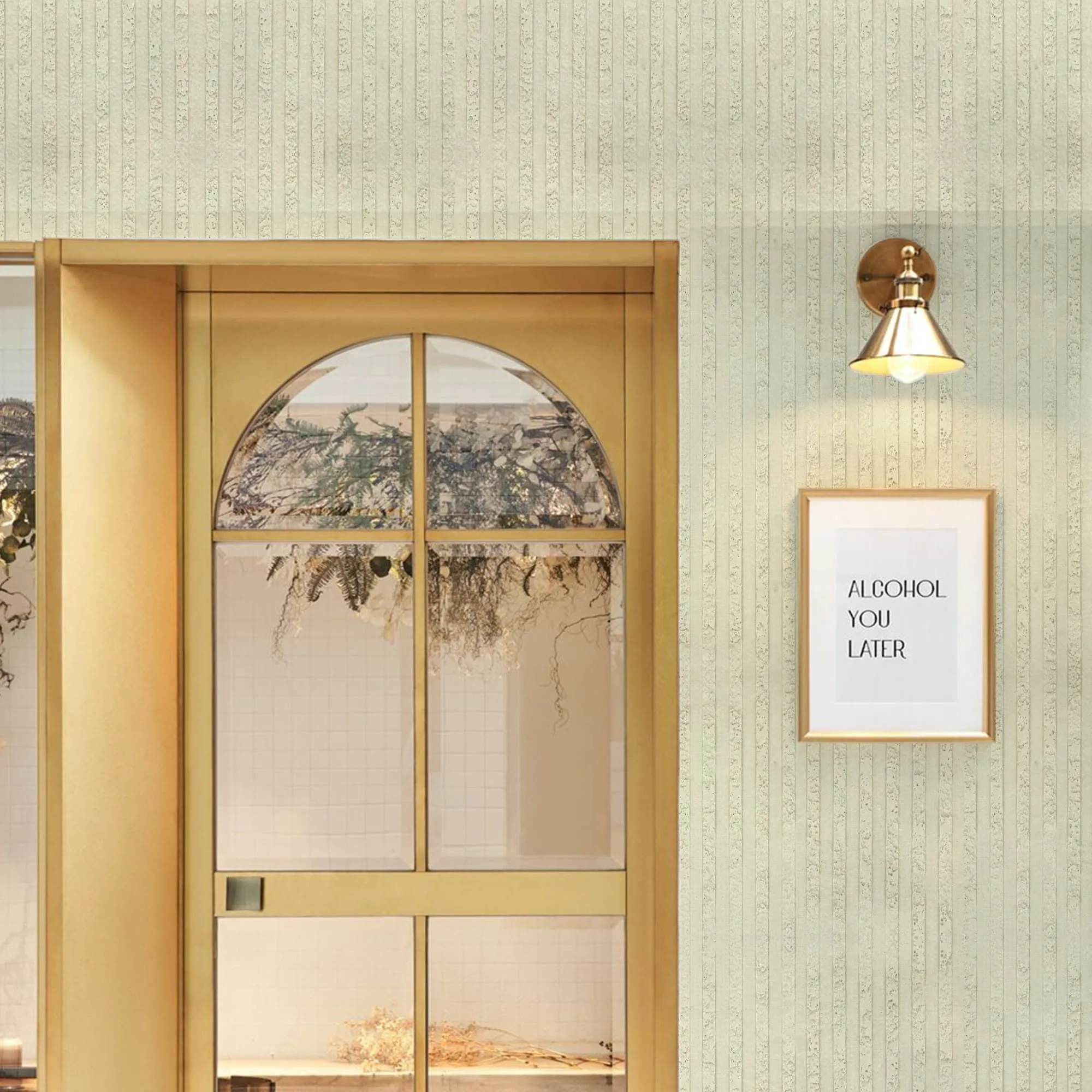
From monumental wonders to intricate details, exploring the enduring legacy of ancient construction materials and the innovative spirit that shaped our world.
Imagine standing before the Great Pyramid of Giza, feeling the immense scale of stones placed millennia ago, or walking through the Parthenon, marveling at the precision of its marble columns. These aren't just remnants of the past; they are enduring testaments to human ingenuity, determination, and an profound understanding of materials. For thousands of years, civilizations across the globe have leveraged the earth's bounty – particularly stone – to construct structures that defied time, natural forces, and often, what seemed humanly possible. These "pathfinders" materials and the techniques developed to work with them weren't merely functional; they were integral to the identity, power, and spiritual beliefs of the societies that wielded them. This journey through history will uncover how ancient cultures utilized various types of stone, from the humble limestone to the majestic granite, shaping landscapes and defining empires. We'll also consider how the spirit of innovation and the pursuit of excellence in materials continue today, perhaps in forms surprisingly different from those ancient methods, yet driven by the same fundamental desires.
Our historical journey begins in the fertile crescent, where the earliest complex societies took root. Mesopotamia, often called the "cradle of civilization," saw the rise of Sumerian, Akkadian, Babylonian, and Assyrian empires. While mud brick was the prevalent building material due to its local abundance, monumental structures often incorporated stone for foundations, revetments, and decorative elements. Sumerian ziggurats, for instance, might have cores of mud brick, but their exteriors often featured glazed bricks or stone cladding, providing both protection and aesthetic appeal. Basalt and diorite were favored for stelae and sculptures, prized for their hardness and ability to hold fine detail, such as the famous Code of Hammurabi carved into a basalt stele.
Across the desert, the ancient Egyptians mastered stone like no other civilization of their era. Their grand vision was literally etched in stone, primarily limestone, sandstone, and granite. The pyramids, particularly those at Giza, stand as the quintessential example. Constructed largely from quarried limestone blocks, with finer white limestone for their original casing, they demonstrate an astonishing scale of organization and engineering. For elements requiring greater durability or symbolic weight, such as sarcophagi, obelisks, and statues, harder stones like granite and basalt were employed. The quarries, like those at Aswan for granite, were vast industrial operations, using copper and later iron tools, dolerite pounding stones, and immense manpower to extract blocks weighing many tons. These blocks were then transported, often by river, and meticulously shaped and positioned with incredible precision. The sheer volume of material moved and the lasting quality of the structures make Egyptian stone architecture a true marvel.
The Egyptians didn't just move big rocks; they also pioneered advanced decorative applications. Think of the intricate hieroglyphs and vibrant murals found within temples like Karnak and Luxor, often carved directly into sandstone walls. Alabaster, a softer, translucent stone, was used for exquisite vessels and interior finishes, adding a touch of luminous beauty to royal and sacred spaces. The longevity of these structures is a testament not only to the robust materials but also to the skilled craftsmanship that has inspired generations. This early mastery of stone laid a foundational understanding of material properties, durability, and aesthetics that echoes even in modern architectural thinking. Just as the Egyptians sought materials that would last for eternity, today's architects and builders constantly seek long-lasting, high-performance solutions for their projects.
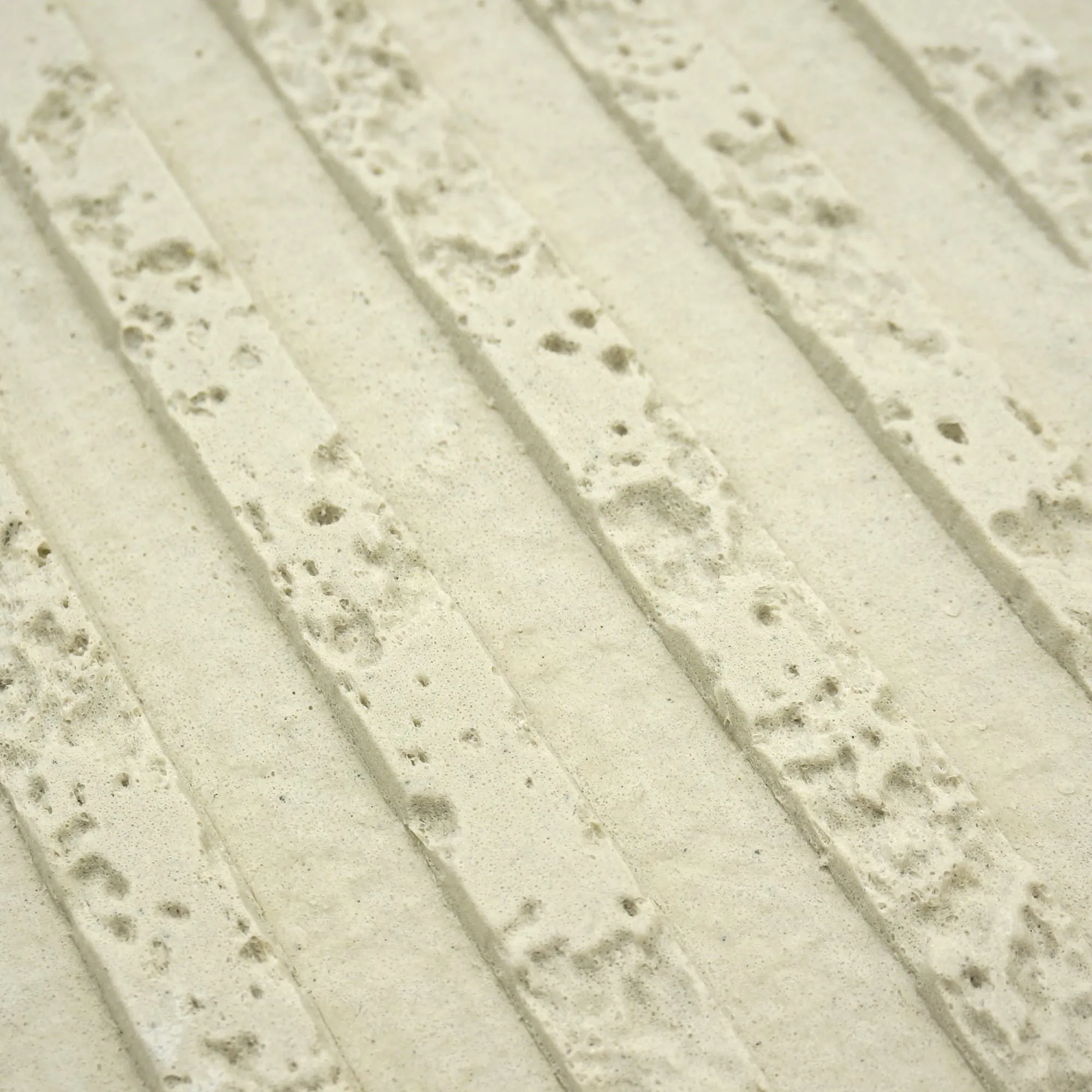
Moving into the classical world, the Greeks refined the art of stone construction to an unprecedented level of aesthetic perfection. While earlier civilizations focused on mass and monumentality, the Greeks emphasized harmony, proportion, and sophisticated detailing. Marble became their signature material. Quarries on islands like Paros and mountains like Pentelikon yielded exquisite white marble, renowned for its fine grain and luminous quality. The Parthenon, perched atop the Acropolis in Athens, is perhaps the ultimate expression of Greek marble architecture. Every column, every frieze, every metope was carved with an exactitude that makes the stone appear almost fluid. The techniques involved precise quarrying, meticulous shaping using bronze and iron tools, and highly refined carving skills. They even employed optical corrections, subtly curving lines and inclining columns to counteract visual distortions, making their structures appear perfectly straight and balanced to the human eye.
The Romans, true inheritors of Greek artistry and engineering innovation, pushed the boundaries of what could be built with stone and, crucially, invented a revolutionary new material: concrete. While Roman concrete (Opus Caementicium) often formed the structural core of their buildings, stone remained paramount for facades, paving, and decorative elements, symbolizing wealth, power, and prestige. Travertine, a durable limestone from Tivoli, was extensively used for major structures like the Colosseum, providing both structural integrity and a grand appearance. Marble, often imported from across their vast empire, adorned the most important public buildings and villas, frequently used as thin veneers over concrete cores. This innovation of combining the strength and flexibility of concrete with the beauty and permanence of natural stone allowed the Romans to construct on an unprecedented scale and complexity – think of the Pantheon's massive dome, the intricate aqueduct systems, or the vast network of paved roads that crisscrossed Europe.
Roman stonework wasn't just about massive scale; it also encompassed intricate artistry. Mosaic floors and wall panels, often made from tiny tesserae of colored stone, depicted elaborate scenes and geometric patterns. They developed sophisticated quarrying and transportation methods to ensure a steady supply of diverse stones from all corners of their empire. This era truly highlighted the integration of functional engineering with aesthetic pursuit, demonstrating that materials could be both practical and beautiful, enduring for centuries. The Roman ability to blend structural innovation with refined aesthetics is a principle that still guides the architectural world today, as designers seek materials that offer both superior performance and visual appeal.
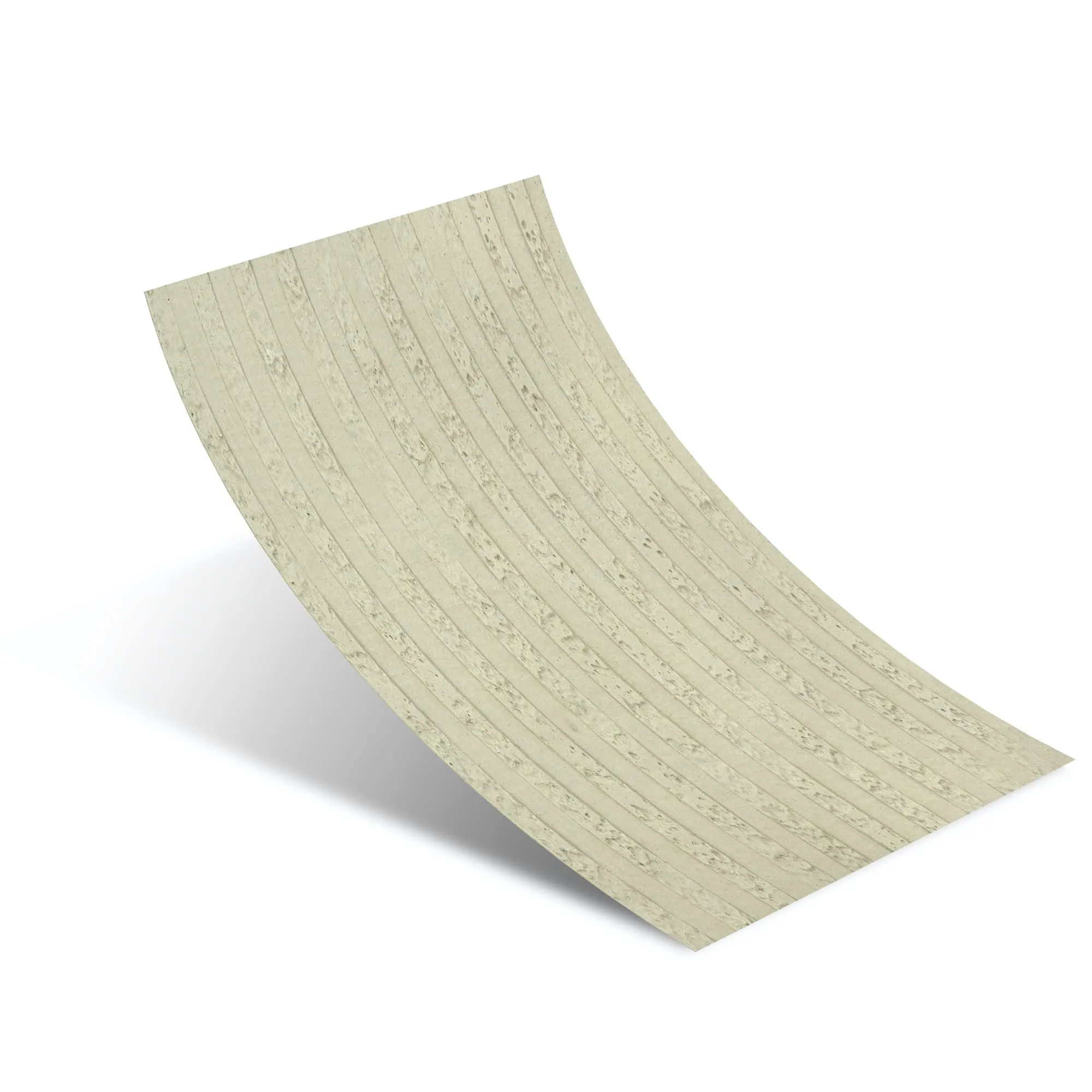
While the Mediterranean cradled impressive stone traditions, equally astounding feats of stone architecture were unfolding in other parts of the world, often in isolation. In the Pre-Columbian Americas, civilizations like the Maya, Inca, and Aztec developed unique and sophisticated methods for working with stone, often without the use of metal tools or the wheel for transport.
The Maya, masters of the Mesoamerican rainforests, built elaborate cities from limestone. Their temples and palaces at sites like Palenque, Tikal, and Chichen Itza are characterized by intricate carvings, soaring roof combs, and precise astronomical alignments. Limestone was abundant, and they employed flint, obsidian, and jade tools for quarrying and shaping. Their craftsmanship is evident in the detailed bas-reliefs and stelae that adorn their ceremonial centers, depicting deities, rulers, and calendrical glyphs. The Aztec, further north, also utilized stone extensively, primarily basalt and other volcanic rocks, for monumental sculptures like the Sun Stone and for facing their massive pyramids and temples in Tenochtitlan.
The Inca Empire in the Andes mountains stands out for its unparalleled dry-stone masonry. At sites like Machu Picchu and Cusco, massive blocks of granite and other local stones were cut and fitted together with such precision that not even a knife blade can be inserted between them, and this was achieved without mortar. This technique provided exceptional earthquake resistance in a highly seismic region. The stones were often irregularly shaped, reflecting the natural contours of the mountains, yet each was perfectly interlocked with its neighbors. The process involved extensive quarrying, careful shaping using harder stones and sand abrasives, and then the tedious, precise fitting of each block, often requiring multiple adjustments. It's a testament to patience, communal effort, and a profound understanding of stonework dynamics.
In Asia, diverse stone traditions flourished. In China, while timber was dominant for many structures, stone played a crucial role in fortifications and monumental foundations. Sections of the Great Wall are famously constructed with granite and limestone, providing immense strength. The Forbidden City in Beijing features vast courtyards paved with stone and impressive marble bases and bridges, signifying imperial grandeur. In India, rock-cut architecture, such as the Ellora Caves, saw entire temples carved out of living rock, demonstrating incredible sculptural and architectural skill. Buddhist stupas and Hindu temples across Southeast Asia utilized various local stones, including laterite and sandstone, to create intricate carvings and durable sacred spaces. Japan's traditional architecture often combined timber with robust stone foundations and dry-stacked walls, harmonizing with the natural landscape.
These global examples underscore a universal human drive: the desire to create lasting structures that reflect cultural values, spiritual beliefs, and technological prowess. From the intricate carvings of the Maya to the massive, mortarless walls of the Inca, and the colossal rock-cut temples of India, stone served as the fundamental medium for expression and endurance.
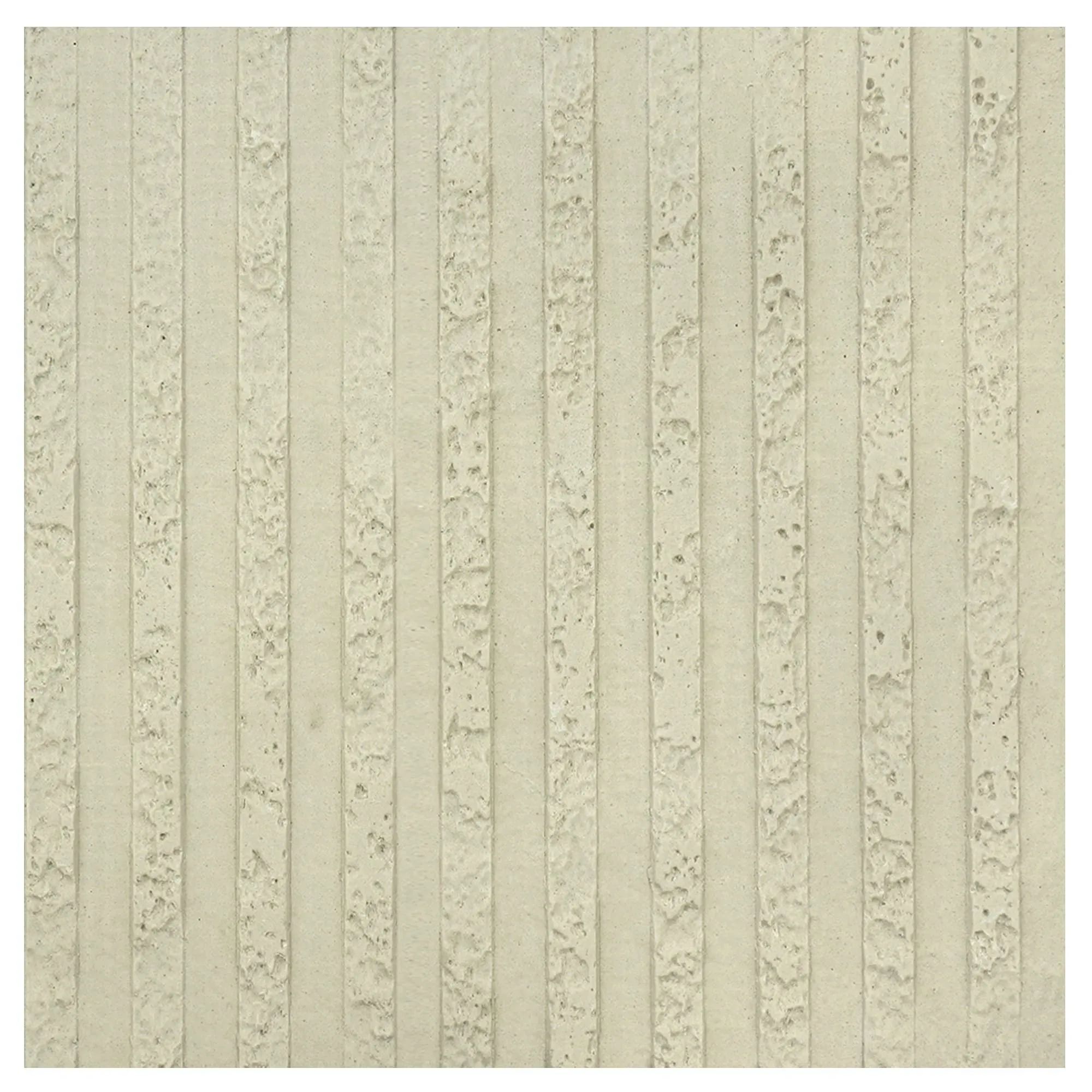
The ability of ancient civilizations to manipulate stone, often on a monumental scale, is truly awe-inspiring, especially considering the relatively rudimentary tools at their disposal compared to today's technology. Their techniques evolved over millennia, driven by necessity, innovation, and an intimate understanding of the materials.
The mastery of these techniques was not merely about brute force; it was a blend of scientific understanding, practical experience, and artistic vision. Guilds of stonemasons, sculptors, and engineers guarded and passed down their knowledge through generations, contributing to the enduring legacy of stone architecture.
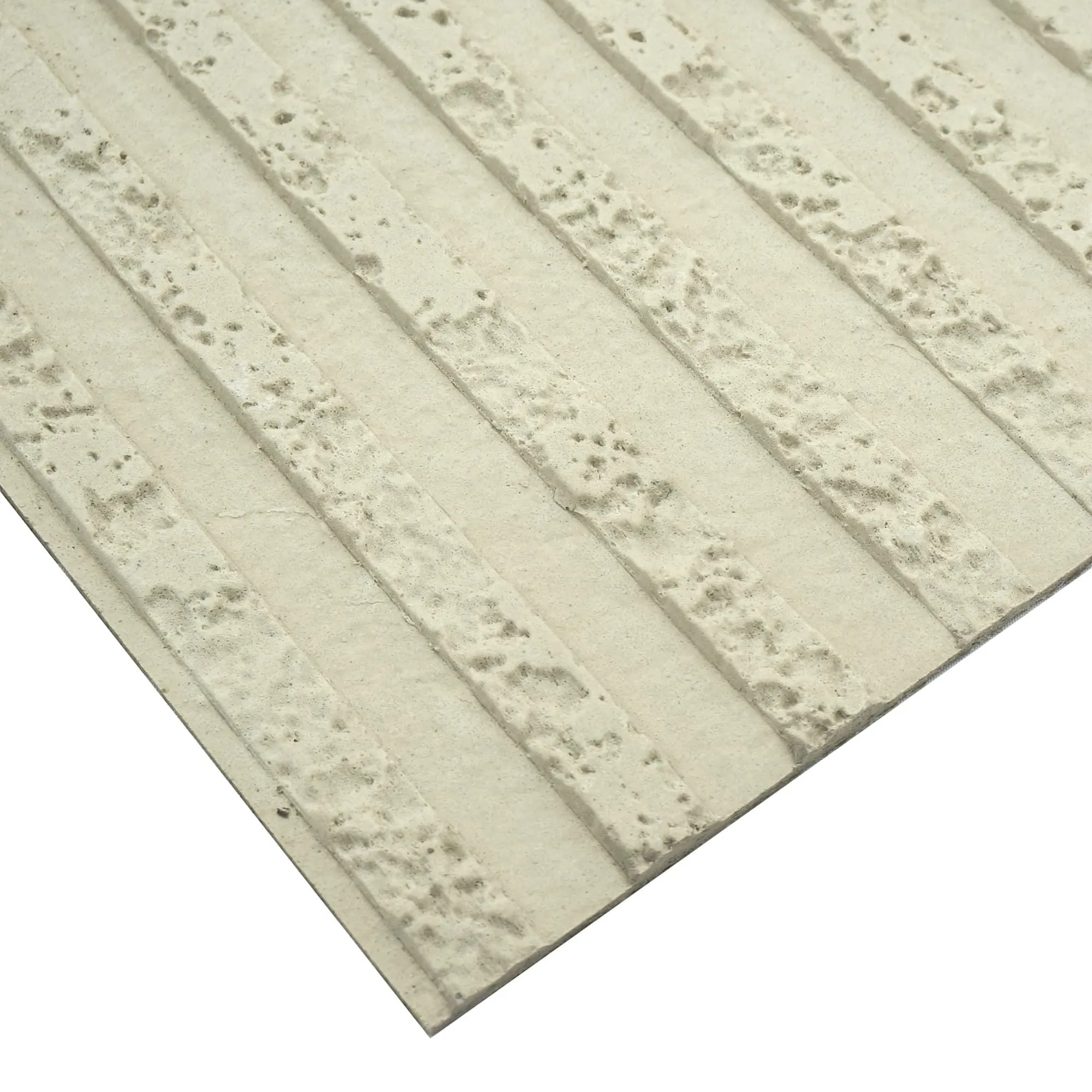
The historical pathfinders who used stone to build their civilizations left us an invaluable heritage. Their structures continue to inform and inspire architects, engineers, and artists today. We look at the strength of Roman concrete, the elegance of Greek marble, or the seamless fit of Inca masonry, and we are reminded of the power of material choice and skilled craftsmanship. But what happens when the demands of the modern world – rapid construction, advanced performance, and crucial environmental responsibility – clash with traditional materials?
Natural stone, while beautiful and durable, comes with significant environmental costs related to quarrying, transportation, and processing. It's often heavy, challenging to install, and its supply can be finite or geographically constrained. This is where innovation steps in, drawing lessons from ancient principles of durability and aesthetic appeal while addressing contemporary challenges.
At COLORIA GROUP , we understand this delicate balance. Our mission is to provide high-quality interior and exterior decorative materials that not only meet the rigorous demands of modern construction but also uphold the principles of sustainability and design flexibility. We are a one-stop solution provider for architectural materials, serving residential and commercial projects globally, with a strong presence in regions like Saudi Arabia, leveraging decades of industry experience.
Our core focus is on revolutionizing architectural surfaces with our MCM (Modified Cementitious Material) series products . These materials represent a significant leap forward, offering the aesthetic versatility of natural stone, brick, or wood, combined with superior performance and environmental benefits. Let's look at how our modern solutions echo the spirit of ancient pathfinders while addressing today's specific needs:
The MCM series embodies a modern approach to construction materials. It's not just about imitation; it's about evolution. These materials are incredibly flexible, lightweight, and durable, making them ideal for a vast range of applications, from intricate interior designs to robust exterior cladding. They are also inherently green and eco-friendly, a critical consideration that was not part of the ancient builders' lexicon but is paramount today. Our commitment to customized solutions means that whether you're envisioning a sleek, contemporary facade or a textured, rustic interior, our MCM products can be tailored to bring that vision to life.
Consider the challenges ancient builders faced with heavy stone blocks. Our MCM Big Slab Board Series offers the grandeur of large-format panels without the logistical nightmares of natural stone. These large-format boards are lighter, easier to cut, and faster to install, significantly reducing labor and project timelines. They are perfect for creating expansive, seamless surfaces that would have required monumental effort with traditional materials.
For large-scale developments, the MCM Project Board Series provides robust and consistent quality. This series is designed for projects where uniformity, durability, and cost-effectiveness are key. Imagine the Roman builders' desire for efficiency in their vast construction projects; our project boards cater to a similar need for reliable, high-performance materials suitable for extensive architectural endeavors.
Innovation continues with our MCM 3D Printing Series . This truly futuristic offering allows for unprecedented design freedom, creating complex textures and forms that would be impossible or prohibitively expensive with conventional methods. It harks back to the intricate carvings of the Maya or the precise decorative elements of Greek temples, but executed with twenty-first-century speed and precision, opening up new frontiers for architectural expression and customization.
Finally, the MCM Flexible Stone series captures the aesthetic beauty of natural stone in an incredibly adaptable form. This material can be applied to curved surfaces, withstand significant movement, and yet retain the authentic look and feel of stone. It's a game-changer for renovation projects where structural limitations prevent heavy stone, or for new builds desiring that natural look with added benefits of flexibility and lightness. It echoes the way ancient Egyptians used alabaster for its unique properties, but expands that adaptability exponentially.
The integration of these cutting-edge materials into modern architectural practice is akin to how ancient civilizations discovered and adapted the best materials available to them. Just as Roman concrete revolutionized building, our MCM products are reshaping what's possible in architectural design and construction today.
| Feature | Traditional Natural Stone (Ancient/Modern) | COLORIA GROUP's MCM Products (Modern Innovation) |
|---|---|---|
| Weight | Very heavy, requires robust structural support and complex logistics for transport and installation. | Significantly lighter, reducing structural load, easier to transport and install, lowering project costs and environmental impact. |
| Flexibility/Formability | Rigid; limited to flat or pre-cut shapes. Difficult to apply to curved surfaces without extensive carving. | Highly flexible (especially MCM Flexible Stone), can conform to curves and complex geometries, enabling creative designs. |
| Installation | Time-consuming, labor-intensive, requires specialized heavy machinery and skilled masons. | Faster and simpler installation, often requiring less specialized equipment and reducing overall project timelines. |
| Aesthetic Versatility | Offers natural variations; aesthetic dictated by the specific quarry and stone type. Limited consistency across large batches. | Wide range of customizable aesthetics (look of stone, wood, brick, etc.), consistent quality, and customizable colors and textures. MCM 3D Printing Series allows for bespoke patterns. |
| Environmental Impact | High carbon footprint due to quarrying, energy-intensive processing, and long-distance transportation. Limited renewability. | Green and eco-friendly. Often made from recycled or natural mineral powders, low energy consumption in manufacturing, reduced transport emissions due to lightness. |
| Durability & Performance | Excellent long-term durability if properly installed and maintained. Can be susceptible to weathering, efflorescence, or specific chemical attacks depending on stone type. | High durability, weather resistance, UV stability, and colorfastness. Engineered for modern performance standards, often surpassing natural stone in specific metrics like elasticity. |
| Cost | High material cost, coupled with significant labor and transportation expenses. | Often more cost-effective overall due to lower material weight, reduced installation time, and less waste. |
| Customization | Limited to cutting, carving, and polishing existing stone blocks. | Extremely high degree of customization in terms of size, shape, color, texture, and pattern, enabling truly unique architectural expressions. |
This comparison clearly illustrates how modern MCM solutions , while inspired by the enduring qualities of ancient stone, have evolved to meet contemporary demands for sustainability, efficiency, and design flexibility. We honor the legacy of stone pathfinders by creating materials that are not just beautiful but also intelligently engineered for the future.
From the awe-inspiring pyramids of Egypt to the intricate dry-stone walls of the Inca, ancient civilizations demonstrated an unwavering commitment to building structures that would last. They were the original pathfinders, using the materials available to them with unparalleled skill, vision, and dedication. Their stone marvels weren't just buildings; they were chronicles etched into the landscape, telling stories of human endeavor, belief, and the relentless pursuit of permanence.
Today, we stand at a different crossroads. The quest for durable, beautiful, and functional building materials continues, but with added layers of responsibility: environmental impact, energy efficiency, and the need for rapid, adaptable construction methods. The spirit of innovation that drove ancient masons to lift colossal stones and carve intricate reliefs now drives companies like COLORIA GROUP to develop next-generation solutions.
Our MCM series products – including the MCM Big Slab Board Series , MCM Project Board Series , MCM 3D Printing Series , and MCM Flexible Stone – are our contribution to this ongoing legacy. We aim to be the pathfinders of modern architectural materials, offering interior and exterior decorative materials that combine the timeless beauty and resilience of natural elements with the advantages of advanced technology: lightness, flexibility, sustainability, and limitless design possibilities. Just as the ancients transformed raw earth into monuments, we transform advanced materials into future-proof solutions for residential and commercial projects around the globe.
By choosing materials that are both high-performing and responsible, we are not just constructing buildings; we are building legacies – durable, aesthetically rich, and environmentally conscious spaces that will inspire future generations, much like the ancient stone wonders continue to inspire us today. The journey of human creativity in building continues, and with companies like COLORIA GROUP leading the way, the future of architecture looks brighter and more sustainable than ever.
Discover how COLORIA GROUP's innovative MCM products can transform your next project.
Explore Our SolutionsRecommend Products












