
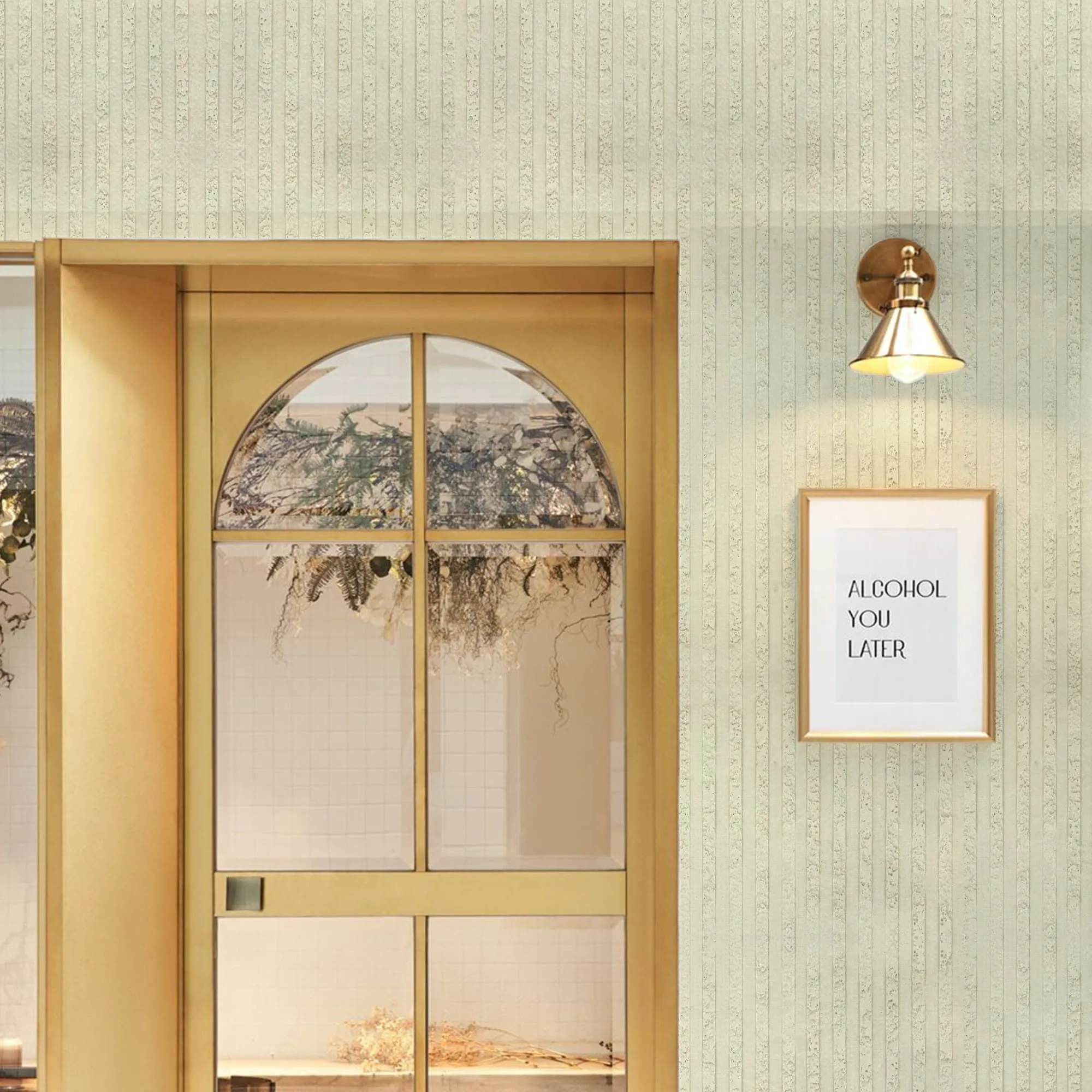
Alright, let's talk about building stuff, particularly in a place as historically rich and architecturally vibrant as Saudi Arabia. When you think about the Kingdom, especially its iconic Islamic architecture, what often comes to mind are grand mosques, majestic palaces, and beautifully adorned urban landscapes, all echoing centuries of tradition and artistry. But here's the kicker: while we cherish tradition, we're also in the 21st century, and the demands on construction are constantly evolving. We need materials that don't just look good but also perform exceptionally, are sustainable, and can keep up with the pace of modern development. That's where COLORIA GROUP steps in, with their game-changing MCM (Modified Cementitious Material) products, literally reshaping how we think about building and decorating, especially in the context of Saudi Arabia's unique architectural heritage.
Before we dive deep into the wonders of COLORIA MCM, it's crucial to understand the foundation we're building upon. Stone – be it limestone, marble, or granite – has been the cornerstone, pun intended, of Islamic architecture for millennia. From the intricate facades of Ottoman mosques to the sturdy walls of pre-Islamic fortresses and the dazzling mosaics of early Islamic structures, natural stone has always conveyed permanence, dignity, and a profound connection to the earth. Its texture, its color variations, and its sheer weight all contribute to a sense of timelessness and grandeur that is hard to replicate.
In Saudi Arabia, this connection is even more pronounced. The local geology has gifted the region with distinct types of stone, influencing architectural styles from the ancient Nabataean structures of Hegra to the mud-brick and stone houses of Najd. The thermal mass of stone provides natural insulation against the intense desert heat, a practical advantage that architects have leveraged for centuries. Moreover, the aesthetic appeal of natural stone, with its inherent variations and imperfections, has been celebrated and integrated into designs that reflect both spiritual and worldly aspirations. Craftsmanship in stone carving and masonry became an art form, passed down through generations, contributing significantly to the visual language of the region.
However, for all its beauty and strength, natural stone comes with its own set of challenges. Sourcing high-quality stone can be resource-intensive, often involving significant quarrying, transportation, and labor costs. The sheer weight of stone adds structural demands and complexity to construction. And let's be honest, getting that perfect cut or specific finish isn't always easy or efficient. As Saudi Arabia embarks on ambitious projects like NEOM, the Red Sea Project, and numerous urban redevelopments under Vision 2030, there's a growing need for materials that offer the aesthetic and functional benefits of traditional stone but with modern efficiencies, flexibility, and sustainability credentials.
So, enter COLORIA GROUP. These folks aren't just selling building materials; they're offering a one-stop solution provider for both residential and commercial projects. They've got decades of industry experience under their belts, operating globally, and crucially, they've got a strong foothold with an agency right there in Saudi Arabia. This isn't just some distant company; they're on the ground, understanding the local context, climate, and architectural aspirations.
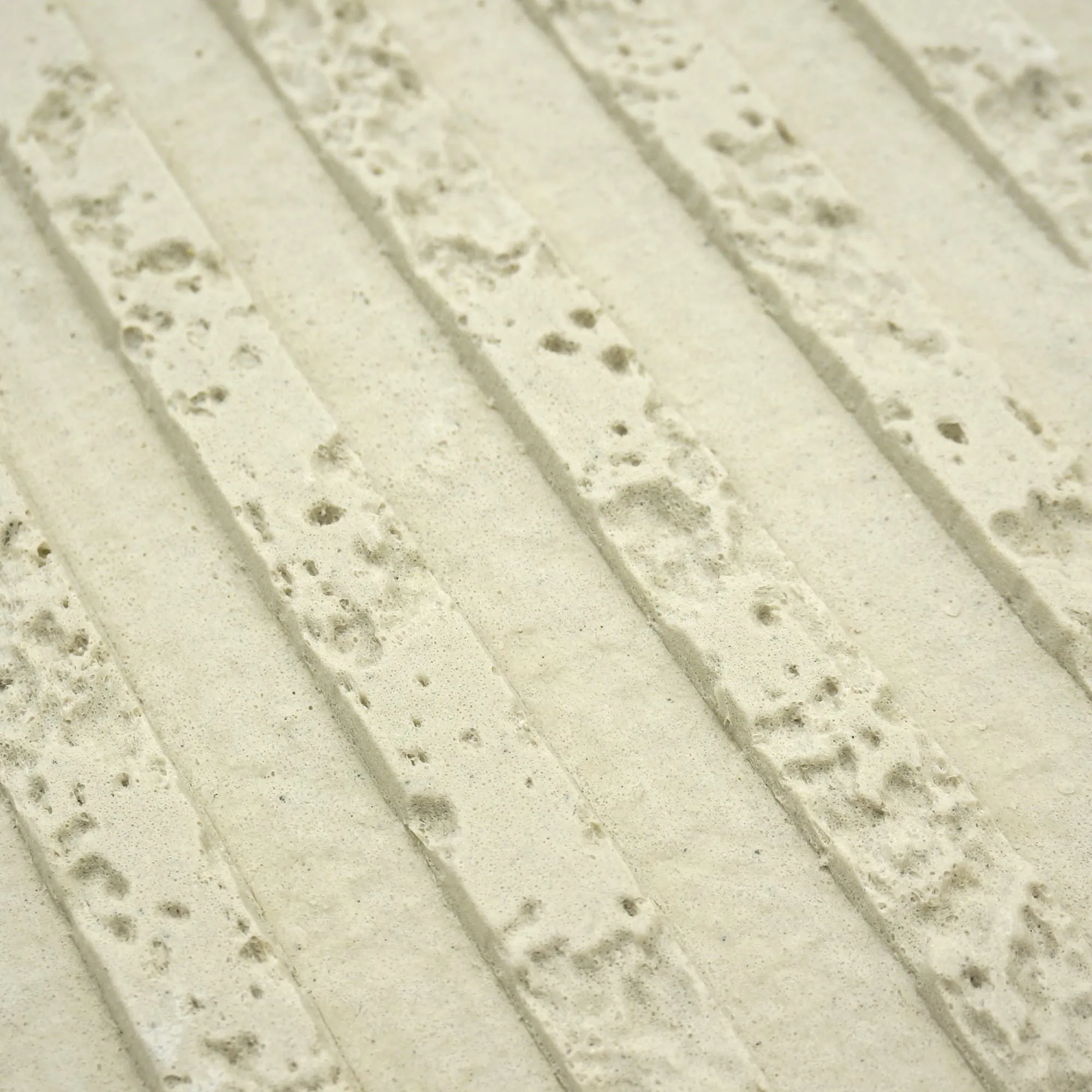
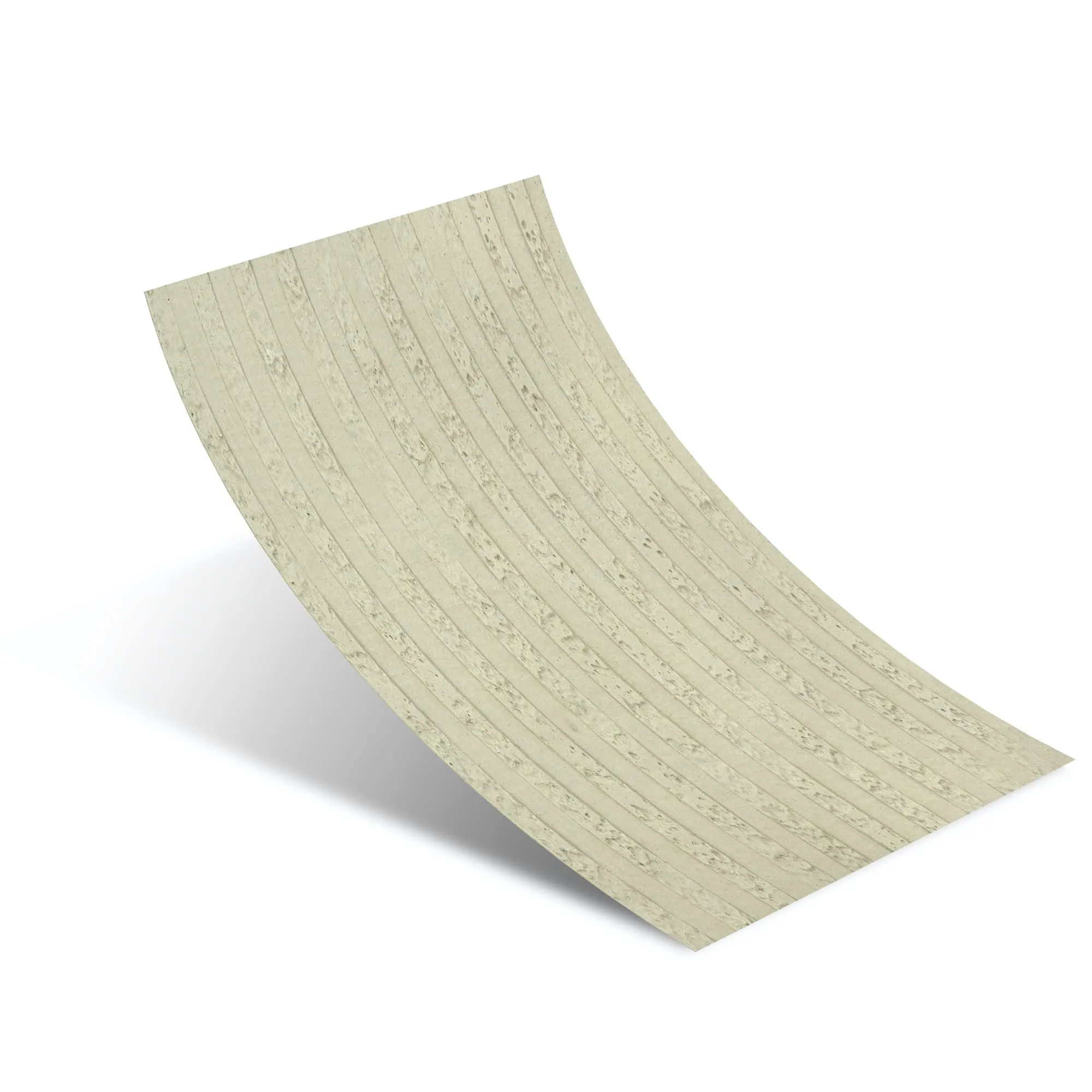
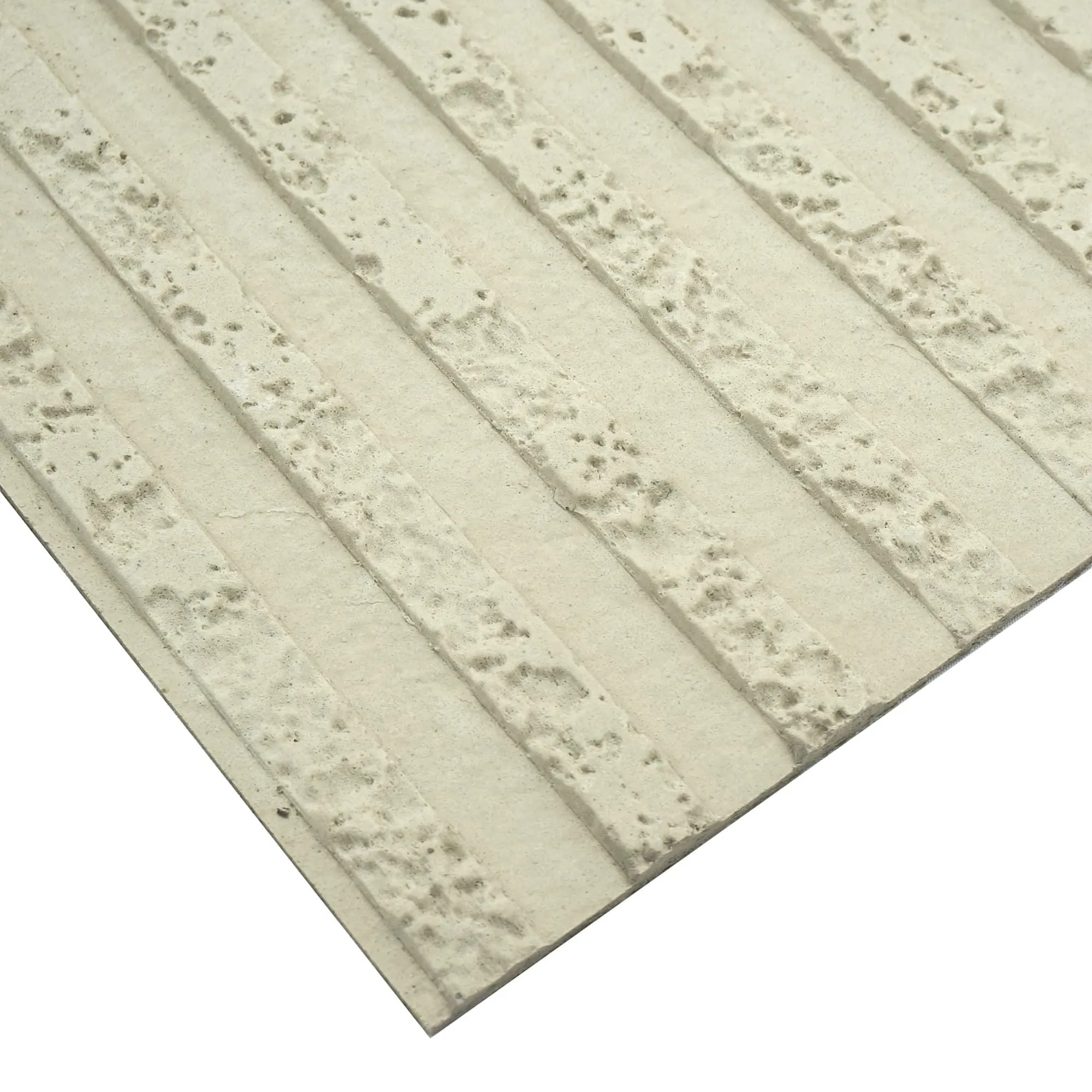
Their core offering, the star of the show, is their MCM (Modified Cementitious Material) series products . Now, what does that even mean? Think of it as a super-evolved, highly versatile material that mimics the look and feel of natural stone, wood, brick, and other textures, but with a whole host of advantages. It's essentially a composite material made from natural minerals, cement, and other additives, engineered to be flexible, durable, lightweight, and eco-friendly. It's a complete game-changer for interior and exterior decoration.
COLORIA GROUP doesn't just offer a single MCM product; they've got a whole suite designed to meet diverse architectural needs. Let's break down some of their standout offerings:
All these products are primarily used for building interior and exterior wall decoration . But it's not just about looks. COLORIA GROUP emphasizes customization and green environmental protection characteristics . This isn't a one-size-fits-all approach; it's about tailoring solutions to specific project needs, while also being mindful of our planet.
Now, let's connect the dots. Why is COLORIA MCM such a fantastic fit for Saudi Arabia, especially within the context of Islamic architecture?
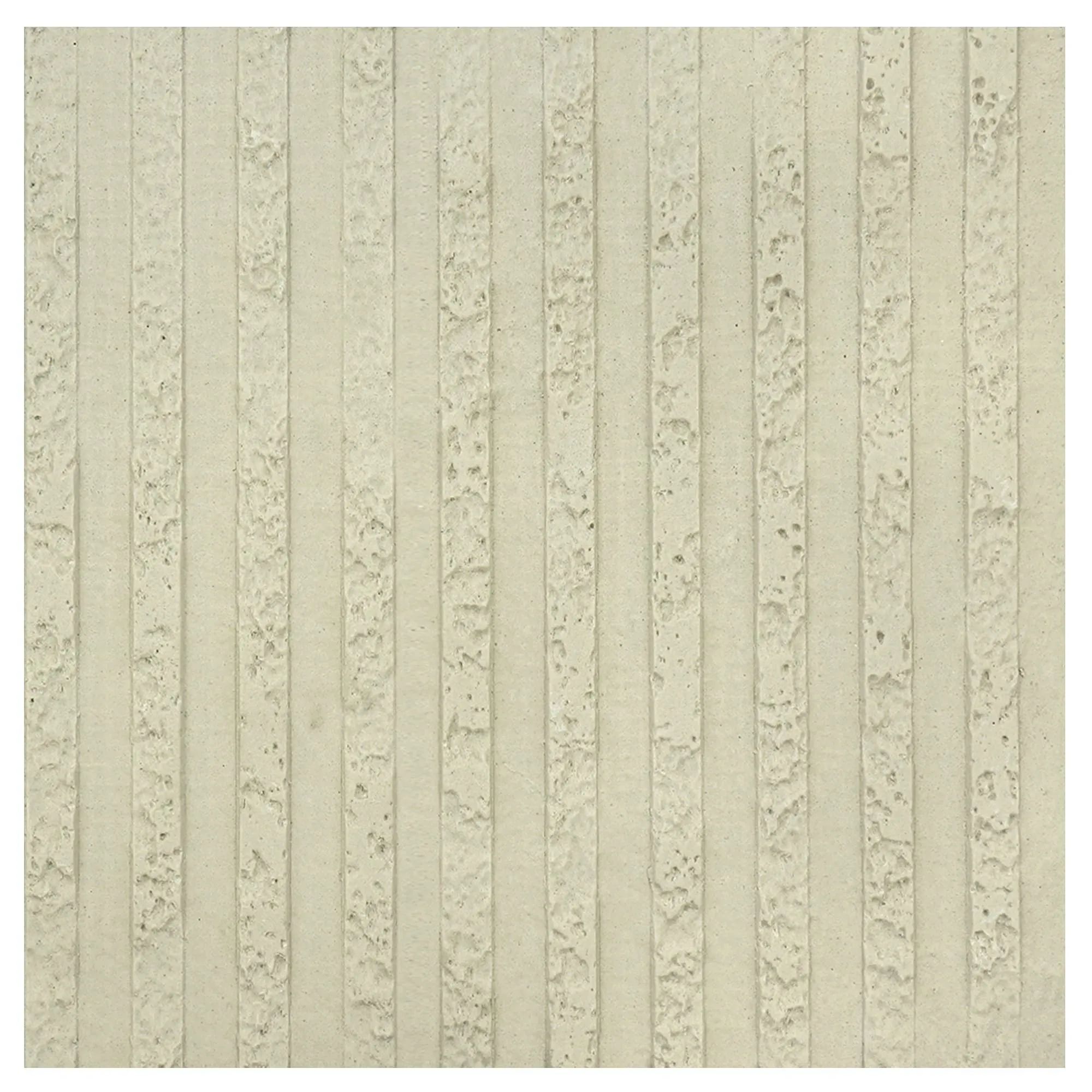
The beauty of Islamic architecture often lies in its detailed patterns, rich textures, and the interplay of light and shadow on its surfaces. MCM materials can replicate the appearance of natural stone – marble, granite, travertine, sandstone – with uncanny realism. The MCM 3D Printing Series , in particular, allows for the creation of intricate geometric and calligraphic designs that are deeply rooted in Islamic art, but with modern precision and repeatability. This means architects can design facades that honor traditional aesthetics while benefiting from the advanced performance of MCM. You get the majestic look of carved stone without the limitations.
Furthermore, MCM products are available in a vast array of colors and textures, allowing designers unparalleled freedom to match existing architectural styles or to forge new, contemporary expressions that still resonate with the local cultural narrative. This versatility ensures that COLORIA MCM can seamlessly integrate into various projects, from historical renovations to ultra-modern developments, ensuring aesthetic continuity or intentional contrast as required. The ability to customize means that every project can have a unique signature while adhering to a high standard of material quality and environmental responsibility.
Natural stone is heavy. Very heavy. This translates to increased structural requirements for buildings, more complex and costly transportation, and slower installation times. MCM materials, especially the MCM Flexible Stone and board series, are incredibly lightweight. This significantly reduces the load on the building structure, potentially cutting down on the amount of steel and concrete needed for the foundation and frame. For high-rise buildings or extensive facade renovations, this is a massive advantage, leading to:
Consider the grand scale of some projects in Saudi Arabia. The ability to clad vast areas with a beautiful, durable, yet lightweight material like MCM is not just a convenience; it's an engineering breakthrough that enables more ambitious designs and more efficient construction practices. This becomes particularly relevant in cities undergoing rapid expansion and modernization, where construction timelines are often aggressive, and resource optimization is key.
Saudi Arabia's climate is harsh: extreme heat, intense UV radiation, sandstorms, and sometimes even significant temperature fluctuations between day and night. Building materials need to be tough. COLORIA MCM products are engineered for durability. They are:
These characteristics ensure that buildings clad with MCM retain their beauty and structural integrity for decades, minimizing maintenance and replacement costs. This long-term performance is vital for investments in large-scale infrastructure and real estate, providing peace of mind to developers and owners alike. The robustness of MCM also means less frequent need for repairs, which further contributes to sustainability by reducing waste and resource consumption associated with maintenance.
Saudi Arabia is deeply committed to sustainability goals outlined in Vision 2030, including reducing its carbon footprint and promoting eco-friendly practices. This is where COLORIA MCM shines as a green environmental protection champion.
By choosing COLORIA MCM, developers in Saudi Arabia are not just getting a beautiful and durable material; they are also making a conscious choice towards more sustainable construction, aligning with national environmental objectives and contributing to a healthier planet. This aspect is increasingly important for project certifications like LEED or Estidama, making MCM an attractive option for environmentally conscious developments.
The word "customization" isn't just a buzzword for COLORIA GROUP; it's a core philosophy. Islamic architecture is renowned for its intricate patterns, specific geometric forms, and calligraphic art. MCM allows for an unprecedented degree of customization:
This level of design freedom empowers architects and designers in Saudi Arabia to innovate while respecting tradition, creating spaces that are both historically resonant and boldly modern. Whether it's restoring an old souk with historically accurate textures or designing a futuristic skyscraper with complex, flowing forms, MCM provides the tools to achieve those visions.
While upfront costs are always a consideration, the true value of a building material lies in its long-term economic viability. COLORIA MCM offers a compelling value proposition:
For large-scale developments and the ambitious goals of Saudi Vision 2030, these economic efficiencies are not just desirable; they are critical. They allow for more projects to be undertaken, resources to be allocated more effectively, and overall development to proceed at a faster, more sustainable pace. COLORIA GROUP's presence in Saudi Arabia, with local support and understanding, further enhances this economic viability by streamlining logistics and providing tailored solutions.
Let's visualize how COLORIA MCM could realistically be integrated into the architectural landscape of Saudi Arabia.
Imagine a new grand mosque, its exterior clad in MCM Big Slab Board Series mimicking the finest Italian marble, offering a seamless, pristine facade that glows under the desert sun. Instead of traditional heavy marble, the lightweight MCM means the structure is less burdened, potentially allowing for more daring architectural forms. Inside, the prayer hall could feature intricate geometric patterns on its mihrab and walls, created using the MCM 3D Printing Series , capturing the essence of Islamic artistry with unparalleled precision and depth. Minarets, often challenging to clad with heavy materials, could use lightweight MCM to maintain their slender profiles while offering durable, weather-resistant surfaces.
In exclusive residential compounds or luxury villas, homeowners often desire the look of natural stone for their exteriors or interior feature walls. With MCM Flexible Stone , designers could create stunning curved walls or wrap columns in a stone texture that would be impossible with rigid stone. The lightweight nature makes it easy to apply to existing structures, ideal for renovations or adding a luxurious touch without significant structural modifications. The MCM Project Board Series could provide a consistent, high-quality finish for entire housing developments, ensuring durability and aesthetic appeal across hundreds of homes.
For the glittering skyscrapers of Riyadh or the sprawling resorts along the Red Sea coast, COLORIA MCM offers both aesthetic and practical benefits. Facades requiring large, elegant panels that evoke natural stone can be realized with the MCM Big Slab Board Series , providing a sleek, modern look that is also highly resistant to the elements. Interior lobbies and public spaces could feature bespoke wall treatments, combining various MCM textures and 3D printed elements to create unique, inviting environments. The rapid installation offered by MCM would be a huge advantage for projects with tight deadlines, crucial in the fast-paced development environment of Saudi Arabia.
Public buildings, airports, and metro stations require materials that are not only durable but also easy to maintain and visually appealing. MCM products can clad large internal and external surfaces, offering longevity and resistance to wear and tear from heavy foot traffic or environmental exposure. Their fire-retardant properties are also a significant advantage in public safety. Imagine urban landscaping features, seating, or decorative walls crafted with MCM to mimic local stone, blending seamlessly with the natural surroundings while offering superior performance and design flexibility.
COLORIA GROUP is not just selling materials; they are partnering with Saudi Arabia's architectural vision. Their commitment to being a one-stop solution provider means they offer more than just products. They bring expertise, experience, and an understanding of the entire project lifecycle, from design consultation to installation support. Their local agency in Saudi Arabia ensures that clients have direct access to their knowledge base, personalized service, and efficient logistics.
The embrace of MCM technology signifies a progressive step in the Kingdom's construction industry. It allows for the construction of iconic structures that are not only visually stunning and culturally resonant but also environmentally responsible, structurally sound, and economically viable. It's about building for the future while honoring the past, a perfect synergy for a nation rapidly transforming itself.
As Saudi Arabia continues its journey of unparalleled growth and development, the choice of building materials will play a crucial role in defining its future urban and architectural identity. COLORIA MCM offers a compelling answer to this challenge, providing innovative, sustainable, and beautiful solutions that are perfectly aligned with the Kingdom's ambitious goals. It's more than just a material; it's a testament to how tradition and innovation can coalesce to create truly remarkable spaces, setting a new standard for architectural excellence in the heart of the Middle East. The possibilities are truly endless, and with COLORIA GROUP, those possibilities are becoming tangible realities, one beautiful, sustainable MCM surface at a time.
To truly appreciate the genius behind COLORIA MCM, it's worth understanding a bit more about how this material comes to life and the nuances of its application. It's not just a fancy name; it's a result of advanced material science and engineering.
At its core, MCM is a blend of inorganic mineral powders, aggregates, and polymer binders. The "modified" part is key. Traditional cementitious materials are brittle and heavy. By carefully selecting and combining various natural minerals (like clays, quartz sand, and other rock powders) with a small percentage of water-based polymers, COLORIA GROUP has created a material that is not only flexible but also incredibly durable. The manufacturing process often involves low-temperature baking and curing, which is significantly less energy-intensive compared to firing ceramic tiles or processing large blocks of natural stone. This reduced energy footprint is a major contributor to its green credentials.
The precise formulation allows for remarkable control over the material's properties:
One of the unsung heroes of MCM is its ease of installation. This directly translates into time and cost savings for projects.
This streamlined installation process significantly reduces labor hours and project timelines, which is a massive advantage for developers in a rapidly expanding economy like Saudi Arabia's. It means projects can be completed faster, put into service sooner, and generate revenue more quickly.
Islamic architecture is characterized by several key design elements. MCM's versatility makes it uniquely suited to address these:
| Feature | COLORIA MCM (Modified Cementitious Material) | Traditional Natural Stone (Marble, Granite, etc.) |
|---|---|---|
| Weight | Extremely lightweight (approx. 3-8 kg/m²), significantly reduces structural load. | Very heavy (approx. 30-50 kg/m²), requires substantial structural support. |
| Flexibility | Highly flexible, especially MCM Flexible Stone, can bend and adhere to curved surfaces. | Rigid and brittle, prone to cracking, cannot be bent. |
| Aesthetics | Can precisely mimic natural stone, wood, brick, etc. with a wide range of colors and textures. 3D printing allows for intricate customization. | Natural variations, unique patterns, and colors. Limited by geological availability and cutting methods. |
| Installation | Fast and easy, typically adhesive-based. Less labor, less specialized equipment. Can be cut/shaped on-site. | Slow, labor-intensive, requires heavy lifting equipment, specialized masonry skills, and often mechanical anchoring. |
| Cost (Overall) | Generally more cost-effective due to lower material, transport, and installation costs. Lower maintenance. | Higher initial material cost, significant transport and installation costs. High maintenance for some types. |
| Sustainability | Low energy consumption in production, often uses recycled content, non-toxic, recyclable, reduced carbon footprint from transport. Green environmental protection. | Resource-intensive quarrying, high energy for processing and transport. Limited recyclability. |
| Durability & Performance | Excellent UV, weather, fire, and water resistance. Breathable, long-lasting with minimal fading or degradation. | Highly durable, good weather resistance, but can be susceptible to acid rain, staining, and cracking (depending on type). |
| Customization | High degree of customization for size, shape, texture, color, and intricate patterns (3D printing). | Customization limited by natural block size, cutting capabilities, and inherent material properties. |
| Application Areas | Building interior and exterior wall decoration, curved surfaces, high-rise buildings, renovations. | Facading, flooring, countertops, structural elements. Challenging for curved surfaces or high-rise. |
This table succinctly illustrates why COLORIA MCM is not just an alternative but often a superior choice for modern architectural demands, particularly in contexts like Saudi Arabia where ambitious projects, climate challenges, and sustainability goals converge.
The story of architecture in Saudi Arabia is a continuous narrative of evolution, from ancient desert dwellings to futuristic megacities. As the Kingdom embraces an era of unprecedented development, the materials used to construct its future landmarks must be equally visionary. COLORIA GROUP, with its advanced MCM (Modified Cementitious Material) series products , offers exactly that. By blending the timeless appeal of traditional stone with cutting-edge material science, they provide solutions that are beautiful, durable, sustainable, and economically smart.
Their focus on customization and green environmental protection characteristics is not just about meeting current trends but about setting new standards for responsible development. Whether it's the grandeur of the MCM Big Slab Board Series , the practicality of the MCM Project Board Series , the artistic freedom of the MCM 3D Printing Series , or the revolutionary flexibility of MCM Flexible Stone , COLORIA GROUP is equipping architects and developers in Saudi Arabia with the tools to build a magnificent, sustainable, and truly unique future. They are indeed historical pathfinders, not just in their materials, but in their approach to empowering architectural innovation across the globe, with a significant and growing impact right there in the heart of the Middle East. It's an exciting time to be building, and COLORIA GROUP is right there at the forefront, helping shape the next chapter of Islamic architecture in Saudi Arabia.
Recommend Products












