
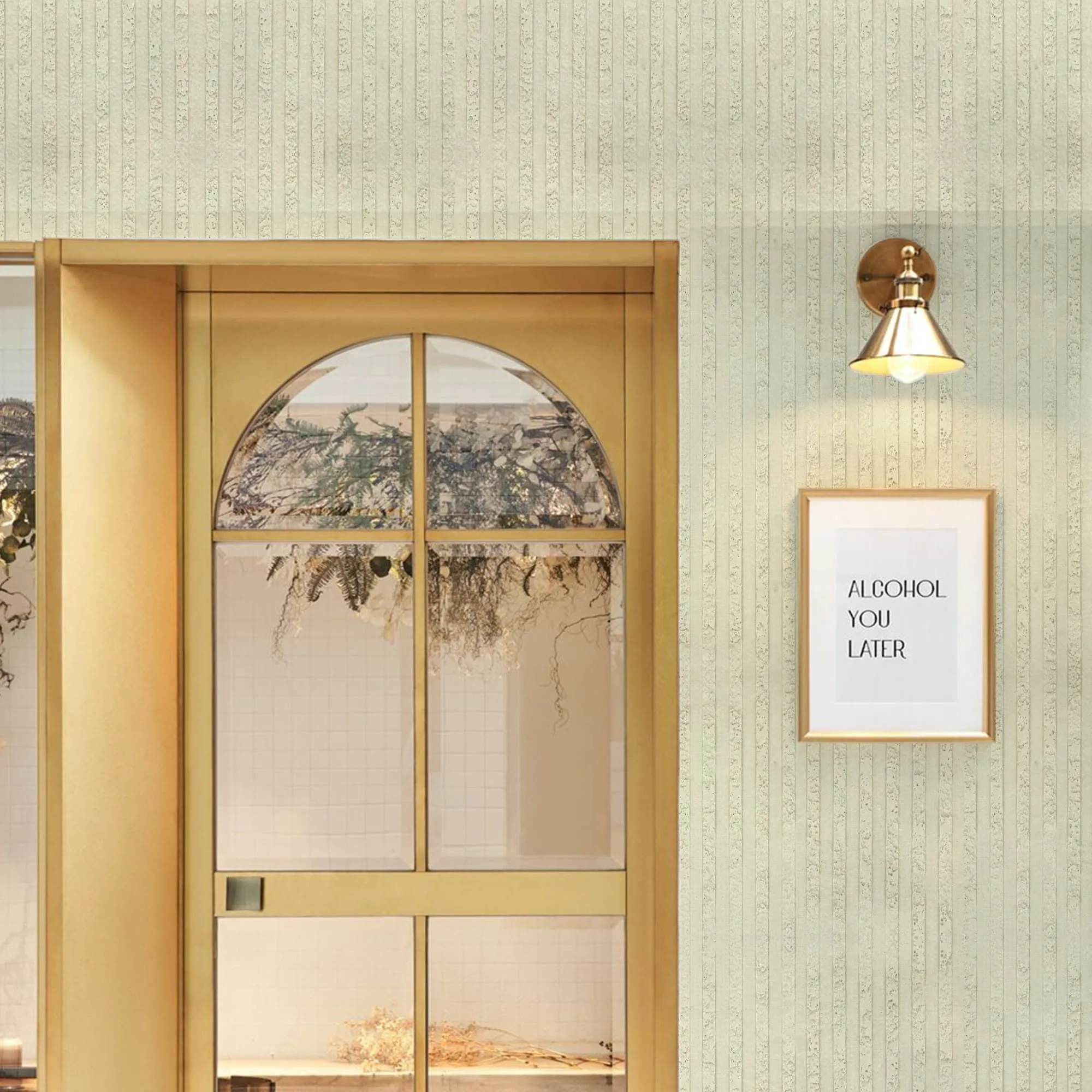
Saudi Arabia, a land steeped in history and vibrant cultural heritage, has always presented a captivating tableau of architectural marvels. From the ancient Nabataean rock-cut tombs of Al-Ula to the intricate mud-brick structures of Diriyah, and the shimmering, futuristic skylines of Riyadh and Jeddah, the Kingdom's built environment tells a story of profound connection to its past while boldly embracing the future. This journey through time has been paved, quite literally, by the materials chosen for construction – primarily stone and earth – which have served as the historical pathfinders , shaping not only physical structures but also cultural identity. Today, as Saudi Arabia embarks on unprecedented developmental projects under Vision 2030, the question isn't just about building bigger or faster, but about building smarter, more sustainably, and in a way that respects this rich legacy. This is where innovation in architectural materials, particularly advanced solutions like those offered by COLORIA GROUP, steps in, proving that modern adaptation doesn't have to mean abandoning heritage, but rather enhancing it with new possibilities.
The traditional architecture of Saudi Arabia is a testament to ingenious adaptation to a harsh desert environment and a profound understanding of local resources. For centuries, stone, especially sandstone and limestone, along with mud brick (adobe), formed the backbone of construction. These materials weren't just functional; they were intrinsically linked to the landscape and the community's way of life. Houses were designed with thick walls to insulate against extreme temperatures, courtyards for privacy and cooling, and intricate window screens (mashrabiya) for ventilation and light diffusion. The aesthetic, though often austere, possessed a timeless elegance, characterized by earthy tones, geometric patterns, and robust forms that blended seamlessly with the natural surroundings.
Consider the historical city of Jeddah, with its multi-story Roshan houses, or the towering mud-brick structures of Najran. These buildings weren't merely shelters; they were living embodiments of Saudi culture, reflecting social structures, religious beliefs, and the ingenuity of their builders. The choice of stone, or the meticulous crafting of mud bricks, was not arbitrary. It was dictated by availability, climate, and the accumulated wisdom of generations. These traditional materials offered natural insulation, durability against sandstorms, and a particular aesthetic that became synonymous with regional identity. The challenge in modern construction, however, is to capture this essence – the texture, the color, the sense of permanence – without being constrained by the limitations of traditional methods in an era demanding speed, scalability, and enhanced performance. This is precisely the gap that forward-thinking architectural materials aim to bridge.
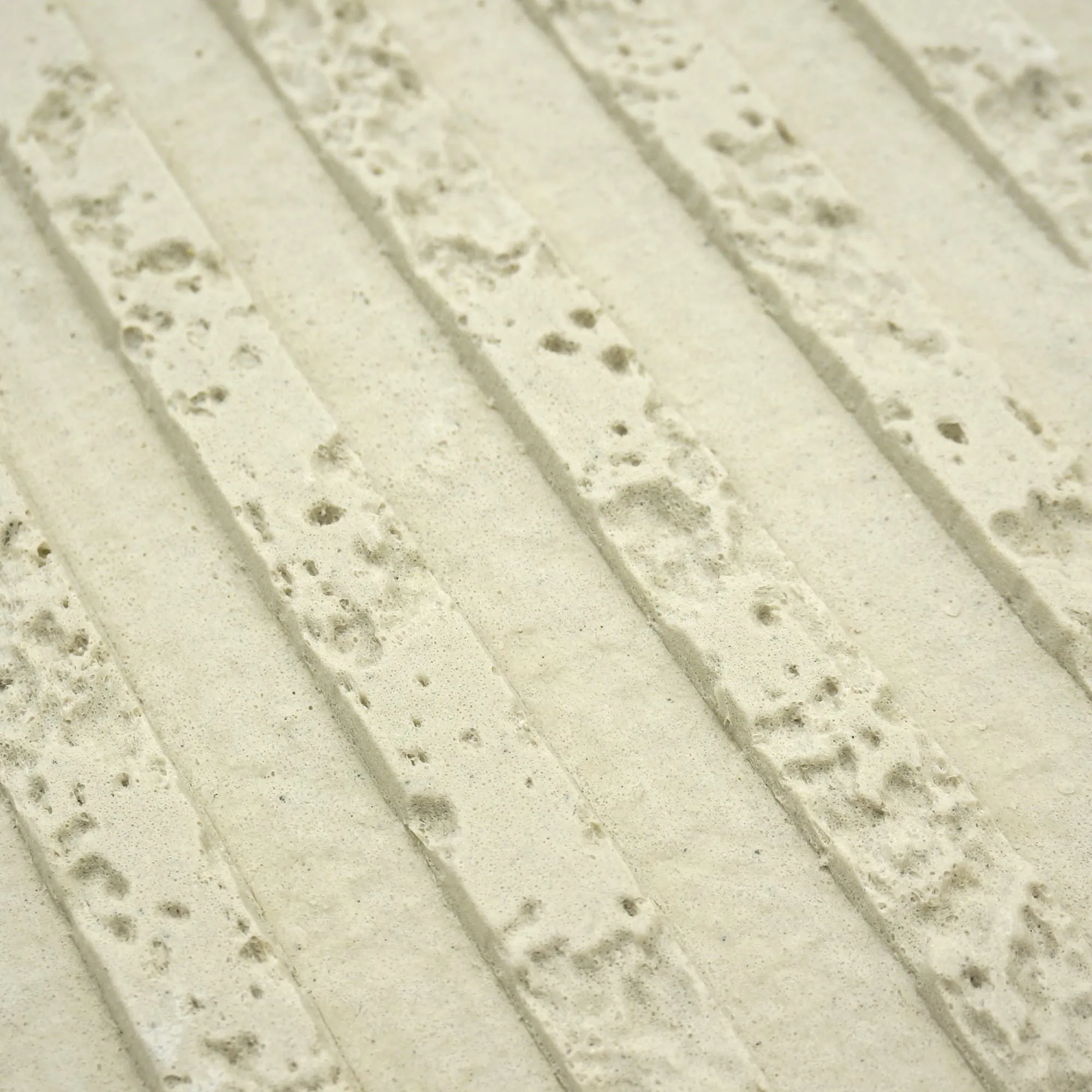
The 21st century has brought with it an unprecedented construction boom in Saudi Arabia. Megaprojects like NEOM, Qiddiya, and the Red Sea Project are reshaping the landscape at an astonishing pace. This new era demands materials that are not only aesthetically pleasing and durable but also sustainable, lightweight, cost-effective, and highly versatile. Traditional stone, while beautiful, can be heavy, expensive to transport and install, and quarrying practices can have significant environmental impacts. Mud brick, while sustainable, is less suited for high-rise or very large-scale commercial applications and requires specific maintenance.
Architects and developers are increasingly looking for one-stop solution provider s who can offer a comprehensive range of materials and services that address these multifaceted requirements. The focus is shifting towards materials that can offer the look and feel of natural elements – the robust texture of stone, the earthy warmth of clay – but with superior performance characteristics. This includes better insulation, greater flexibility in design, reduced installation times, and a smaller environmental footprint. The desire is to build structures that are not only iconic but also environmentally responsible, contributing positively to the Kingdom's long-term sustainability goals.
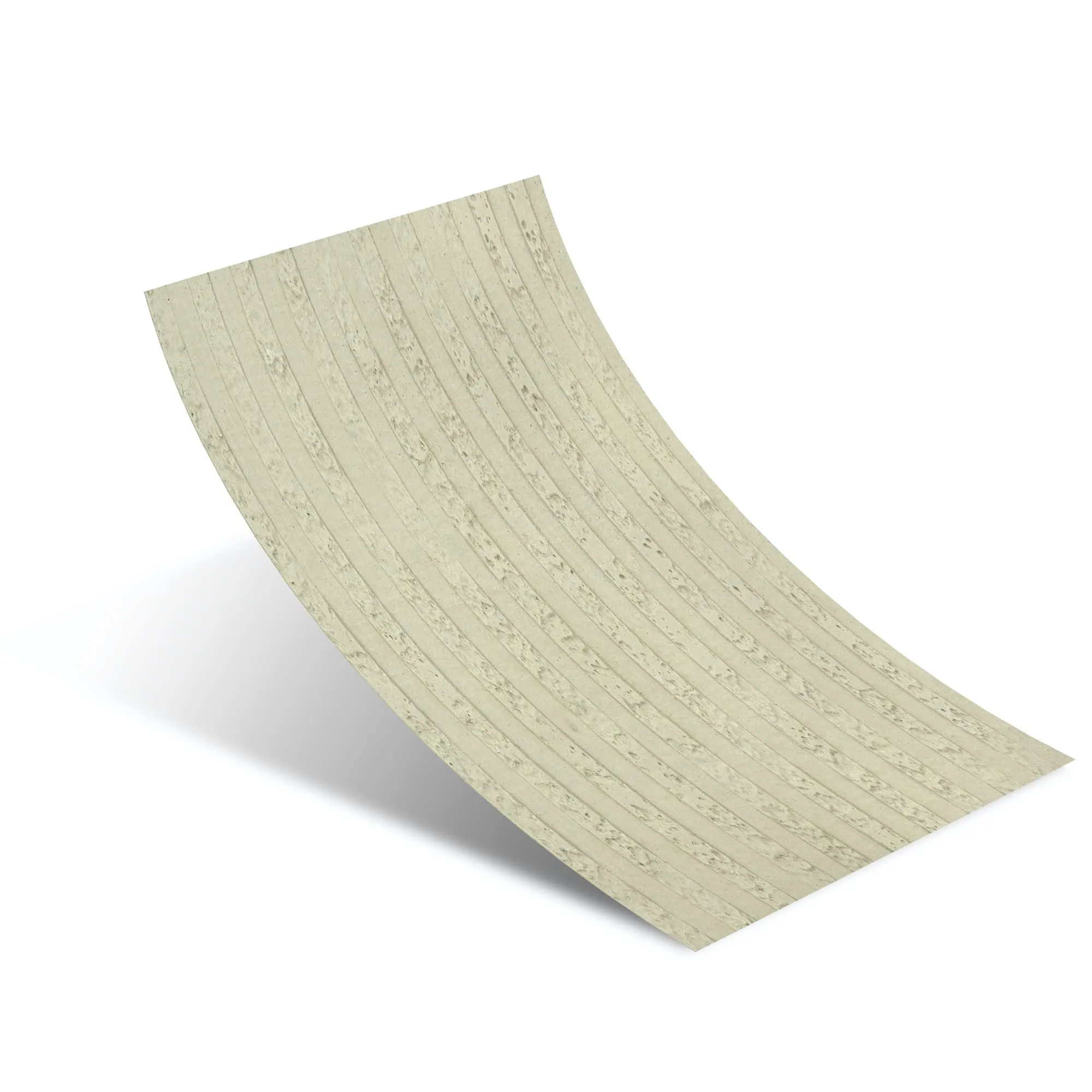
In response to these evolving demands, innovative materials have emerged as the new pathfinders in architectural design. Among the most promising and transformative is MCM (Modified Cementitious Material) . COLORIA GROUP, as a leading expert in architectural materials, has positioned itself at the forefront of this innovation, offering a comprehensive suite of MCM products. But what exactly is MCM, and why is it so crucial for the future of Saudi Arabian architecture?
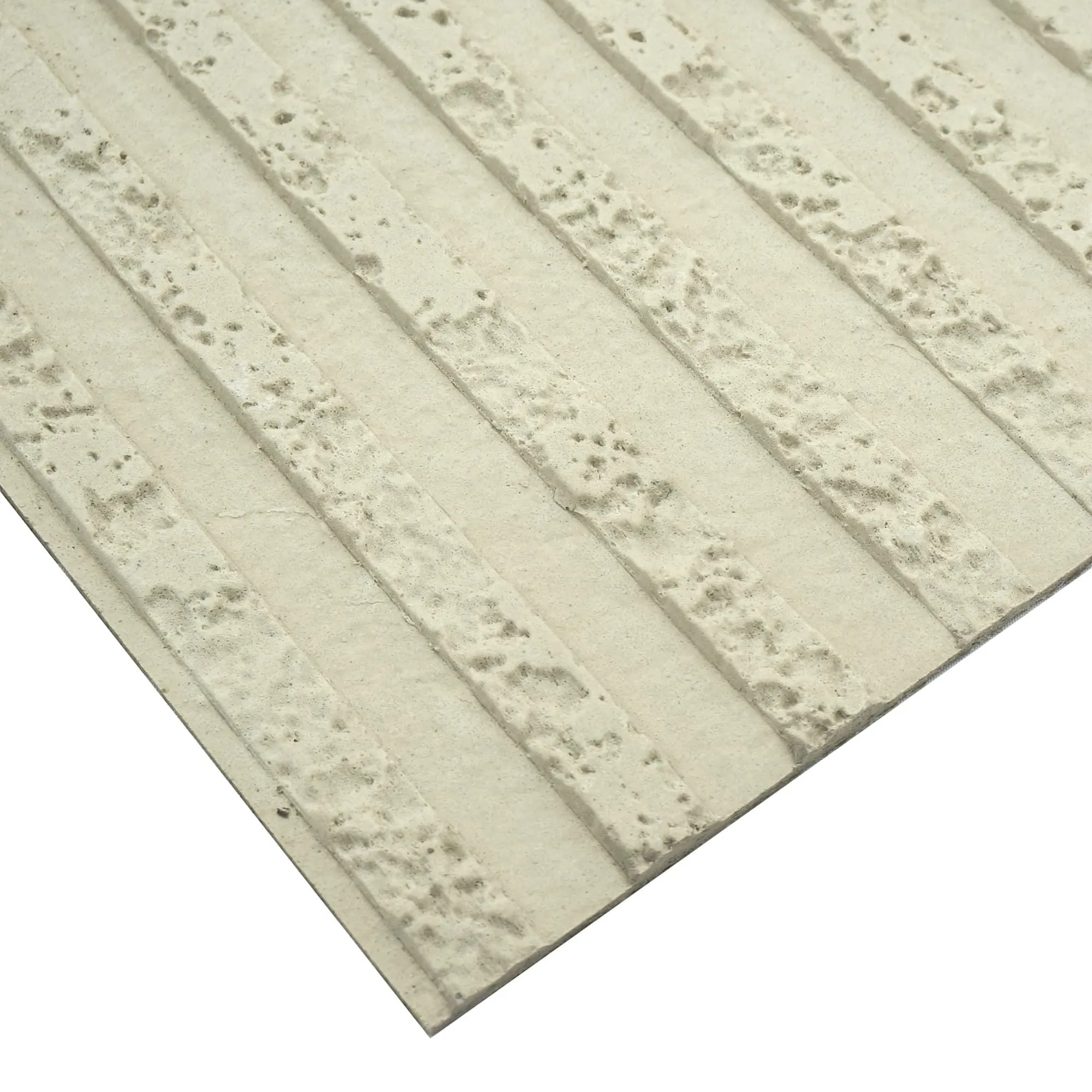
MCM is an advanced composite material primarily made from inorganic minerals, natural aggregates, and a small percentage of polymer compounds. Through a specialized manufacturing process, it can be engineered to mimic the appearance, texture, and even the tactile sensation of various natural materials, including stone, wood, brick, and leather, but with vastly improved performance characteristics. It's incredibly lightweight, flexible, breathable, and highly durable, making it an ideal choice for both internal and external applications, particularly in climates as demanding as Saudi Arabia's.
The core appeal of MCM lies in its ability to offer the aesthetic richness of traditional materials without their inherent limitations. Imagine replicating the grandeur of ancient stone facades with a material that is lighter, easier to install, and more resilient to weathering. This is the promise of MCM. It's about empowering architects to realize their most ambitious visions, blending timeless aesthetics with cutting-edge engineering.
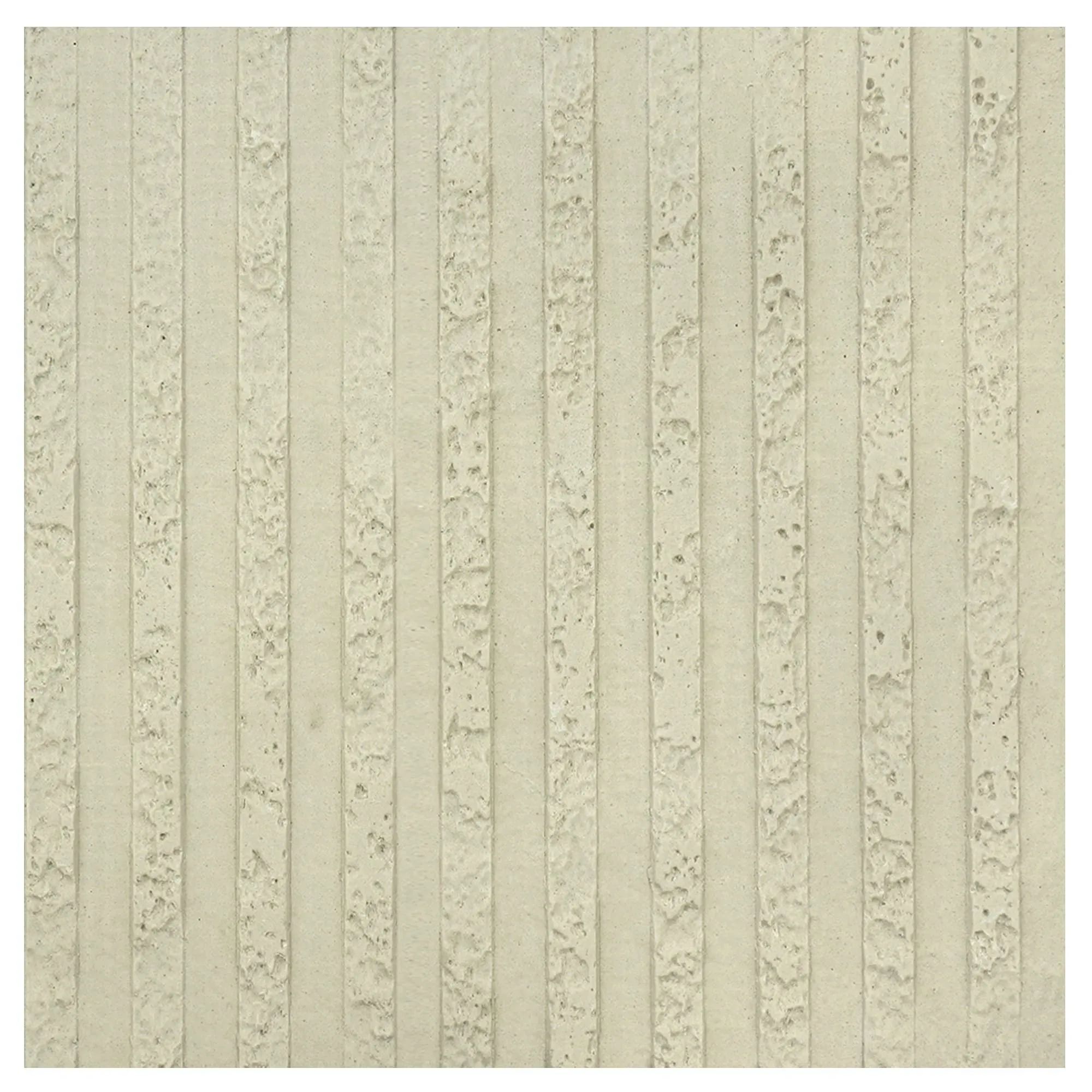
COLORIA GROUP's commitment to innovation and quality is evident in their diverse range of MCM products, each designed to meet specific architectural needs and aesthetic aspirations. They are not just selling materials; they are providing solutions that enable architects and developers to create spaces that are both beautiful and functional, while also being mindful of environmental impact. Their approach as a one-stop solution provider means clients can find everything they need for their internal and external decoration requirements under one roof, simplifying procurement and ensuring consistency.
| MCM Product Series | Key Characteristics | Ideal Applications in Saudi Architecture | Benefits for Projects |
|---|---|---|---|
| MCM Big Slab Board Series | Large format (up to 1200x2400mm or more), lightweight, highly flexible, diverse textures (stone, marble, wood effects). | Grand facades of commercial towers, luxury residential and commercial projects , large interior spaces like lobbies and malls, quick renovation projects. | Fast installation, reduced structural load, seamless appearance, cost-effective for large areas, high impact resistance. |
| MCM Project Board Series | Tailored specifications for specific project requirements, focusing on performance, budget, and design versatility. | Mass housing projects, hospitality sector (hotels, resorts), educational institutions, healthcare facilities, large-scale public infrastructure. | Optimized for specific use cases, excellent cost-performance ratio, readily available for large volumes, easy maintenance. |
| MCM 3D Printing Series | Enables creation of complex, intricate 3D patterns and textures, bespoke designs, replication of historical motifs with precision. | Feature walls, artistic installations, custom façade elements, replicating traditional Saudi patterns (e.g., geometric or calligraphic designs), unique retail spaces. | Unprecedented design freedom, rapid prototyping, highly personalized aesthetics, ability to achieve complex geometries economically. |
| MCM Flexible Stone | Mimics natural stone with remarkable authenticity, lightweight, bendable, water-resistant, available in a wide array of stone textures and colors. | Exterior cladding for traditional-looking buildings, interior feature walls, columns, renovation of old stone structures, creating stone accents in modern designs. | Achieves authentic stone look without the weight and cost, easy to cut and install, excellent thermal properties, environmentally friendly. |
Beyond the individual product lines, the overarching advantages of COLORIA GROUP's MCM solutions are what make them truly impactful for Saudi Arabian architecture:
COLORIA GROUP isn't just a global supplier; their strategic presence in Saudi Arabia through a dedicated agency underscores their commitment to understanding and serving the unique needs of the Kingdom's construction sector. This local presence ensures that project developers and architects have direct access to expertise, support, and a tailored approach that considers the specific climate, cultural nuances, and regulatory requirements of the region. Their decades of industry experience provide a solid foundation for delivering reliable and high-quality solutions for both residential and commercial projects across the nation.
The Kingdom's ambitious Vision 2030 initiatives are not just about building new cities; they are about fostering innovation, promoting sustainability, and preserving cultural identity. COLORIA GROUP's MCM materials offer a perfect synergy with these objectives. By providing aesthetically rich, high-performance, and environmentally conscious alternatives, they empower the architectural community in Saudi Arabia to push boundaries while honoring the deep-rooted heritage of the land. Whether it's a sprawling new resort along the Red Sea coast, a bustling commercial hub in Riyadh, or a sustainable residential community, COLORIA GROUP's solutions are designed to elevate every project.
"The future of Saudi Arabian architecture lies in the intelligent integration of tradition with innovation. Materials like MCM allow us to tell new stories with familiar textures, crafting spaces that are both forward-looking and deeply connected to our roots. It's about building legacies, not just structures."
While specific project examples might be under wraps, one can easily envision the profound impact of MCM in various architectural scenarios within Saudi Arabia. For instance, imagine a new cultural center in Diriyah, designed to echo the mud-brick aesthetics of the UNESCO World Heritage site, yet constructed with MCM Flexible Stone to ensure modern thermal performance, fire resistance, and long-term durability against erosion. The flexibility would allow for intricate traditional patterns to be embossed or 3D printed directly onto the facade, bridging centuries of design with contemporary fabrication.
Consider a towering skyscraper in Jeddah, where the sleek, modern glass and steel might be complemented by vast expanses of MCM Big Slab Board Series mimicking polished marble or textured limestone. This would significantly reduce the overall weight of the building, lowering foundation costs and accelerating construction, while still achieving the luxurious finish demanded by high-end commercial projects . The aesthetic possibilities are boundless, from warm, desert-inspired tones to cool, contemporary urban palettes, all achievable with the consistent quality and performance of MCM.
Even for residential projects , from opulent villas to sustainable housing developments, MCM offers compelling advantages. Homeowners can enjoy the sophisticated look of natural wood cladding or intricate stone work on their exteriors, knowing that these surfaces are low-maintenance, resistant to the harsh sun, and contribute to the home's energy efficiency. The ease of installation also means less disruption and faster completion, a significant benefit for any construction project.
Furthermore, the MCM 3D Printing Series unlocks incredible opportunities for bespoke design elements. Imagine replicating elaborate geometric screens (mashrabiya) or calligraphic wall art, traditionally carved from wood or stone, now produced with precision and consistency using MCM. This not only preserves intricate design heritage but also makes it accessible and scalable for modern applications, allowing designers to create truly unique and culturally resonant spaces without traditional material constraints. This level of customization is a powerful tool in an architect's arsenal.
The ongoing commitment of COLORIA GROUP to research and development ensures that their MCM products are continuously evolving, pushing the boundaries of what is possible in architectural materials . This means Saudi Arabian projects will always have access to the latest innovations, enabling them to meet and exceed global standards for sustainability, performance, and aesthetic appeal. Their role as a one-stop solution provider makes the integration of these cutting-edge materials seamless for developers and contractors.
Saudi Arabia's architectural journey is a dynamic narrative, weaving together ancient traditions with futuristic aspirations. The historical pathfinders – the resilient stones and earth of the desert – laid the foundation. Today, the new pathfinders are innovative materials like MCM, championed by companies such as COLORIA GROUP. These materials are not merely substitutes; they are enhancements, offering the ability to reinterpret cultural heritage in a sustainable, high-performance, and visually captivating manner.
By embracing green building materials like MCM, Saudi Arabia is not only constructing magnificent new structures but also building a more sustainable future. The emphasis on customization ensures that every project, whether a large-scale commercial development or a private residence, can possess a unique identity that resonates with its specific context and purpose. With products like the MCM Big Slab Board Series and MCM Flexible Stone , the rich textures and grand statements of traditional Saudi architecture can be achieved with modern efficiency and environmental responsibility.
COLORIA GROUP, with its extensive experience and local presence in Saudi Arabia , stands ready to partner with architects, developers, and builders who share this vision. They are not just suppliers; they are collaborators in shaping the skylines and landscapes of tomorrow, ensuring that every structure built reflects a commitment to excellence, innovation, and a profound respect for the Kingdom's extraordinary past and its limitless future. The journey of Saudi Arabian architecture continues, guided by materials that allow us to honor our heritage while boldly stepping into a new era of design and construction.
Recommend Products












