
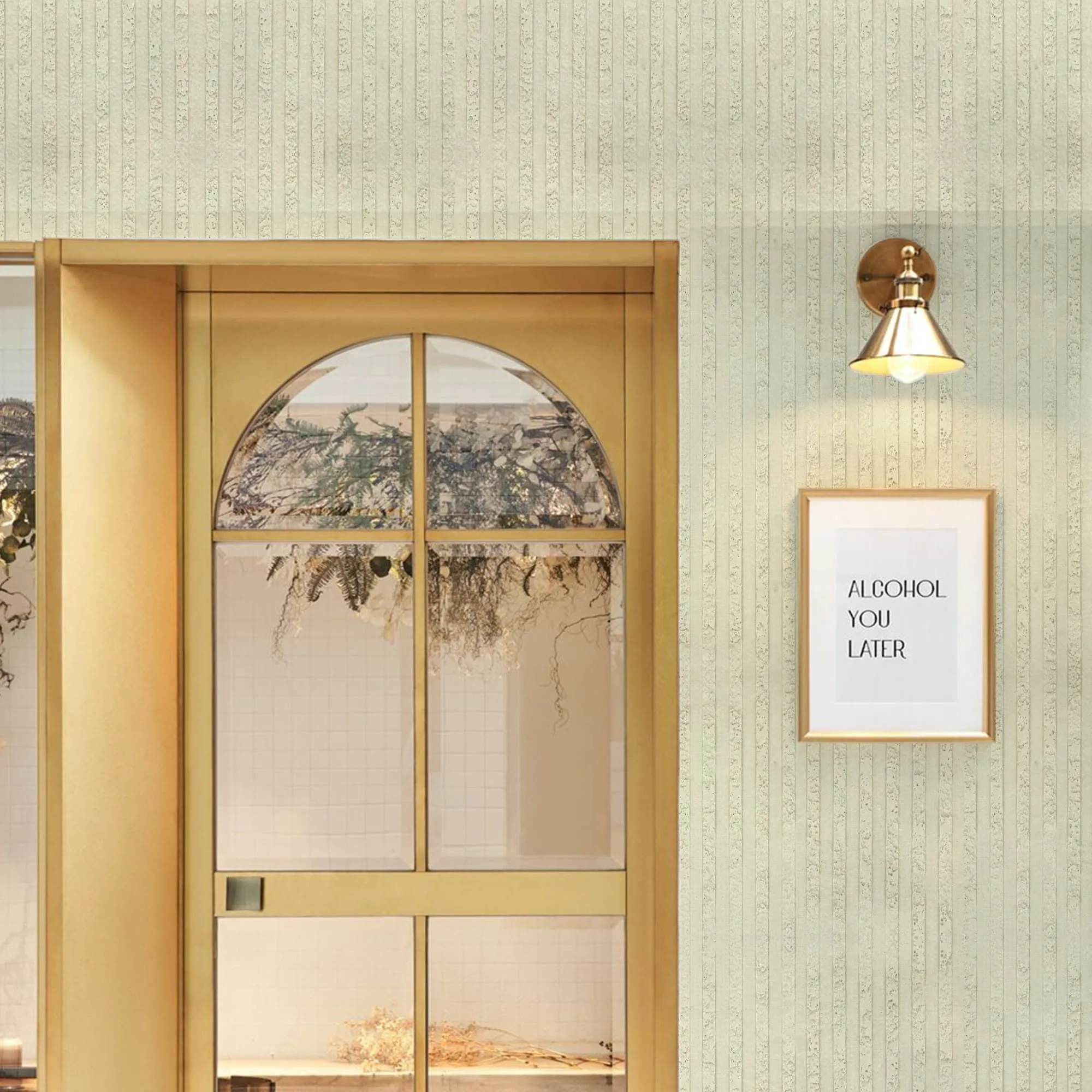
From the monumental pyramids of Giza to the intricate facades of Gothic cathedrals, humanity's story is written in stone. For millennia, it has been the material of choice for structures that signify permanence, power, and beauty. But the methods used by these historical pathfinders, while ingenious, were fraught with challenges. Today, a new chapter in architectural history is being written, not by abandoning the aesthetic of stone, but by revolutionizing the material itself. COLORIA GROUP is at the forefront of this evolution, transforming age-old construction challenges into modern, elegant solutions.
When we gaze upon ancient wonders, we're often captivated by their scale and artistry. We see the final product—the majestic Colosseum, the serene Parthenon. What we don't always consider is the immense human effort and logistical nightmares involved in their creation. The pathfinders of stone construction were masters of their craft, but they battled against the very nature of their chosen material.
The journey of a single stone block began deep within the earth. Quarrying was a brutal, labor-intensive process. Ancient Egyptians, for example, used copper chisels, dolerite pounders, and wooden wedges soaked in water to split massive limestone and granite blocks from the bedrock. The sheer manpower required was staggering. Once freed, these multi-ton blocks had to be transported, often over vast distances, using little more than wooden sledges, rollers, and the raw strength of thousands of laborers. The logistics were a monumental feat of project management, but also incredibly slow, dangerous, and resource-draining.
Lifting and placing these colossal stones into their final positions was another monumental challenge. It required complex systems of ramps, levers, and pulleys. The precision needed was astonishing, but the process was fraught with risk. A single miscalculation could lead to catastrophic failure, wasted materials, and loss of life. Mortars were often rudimentary, and Roman engineers pioneered the use of iron or bronze clamps set in lead to secure blocks, a technique that was effective but expensive and time-consuming.
Beyond the human effort, traditional stone construction carried significant burdens. Quarrying left indelible scars on the landscape. The transportation of heavy materials over land and sea had a considerable energy cost, even in pre-industrial times. Economically, stone was a luxury. Its cost was dictated by the rarity of the stone, the distance from the quarry, and the immense labor required for its extraction, transport, and installation. This restricted its use to the most powerful and wealthy patrons—emperors, religious institutions, and states. Furthermore, the design was often limited by the stone's natural properties. Creating curved surfaces or intricate details required highly skilled artisans and resulted in significant material wastage.
In summary, the pathfinders of stone construction faced a core set of challenges that persisted for centuries:
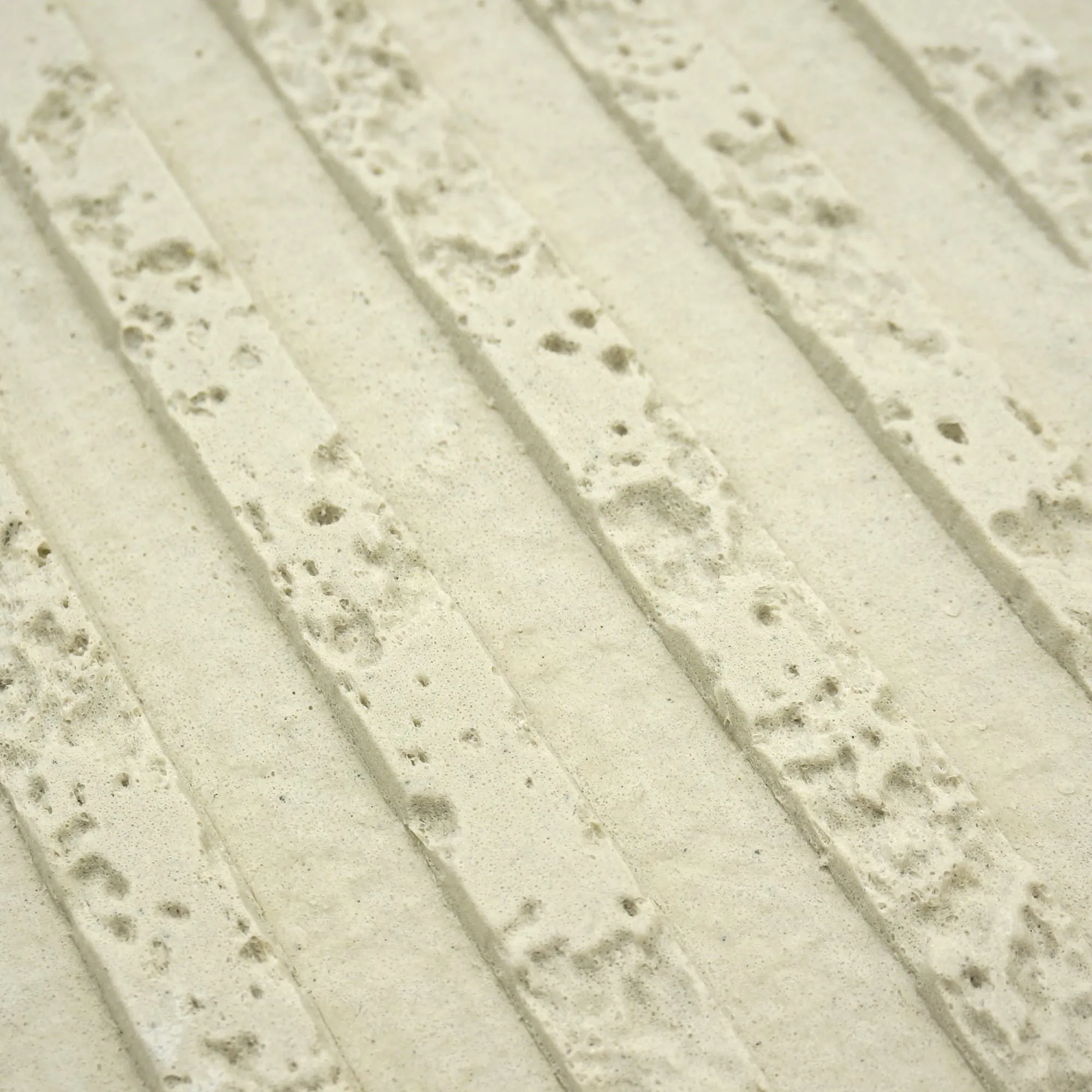
For centuries, architects and builders accepted these challenges as the price of working with stone. The alternative was often a compromise in aesthetics or durability. But what if a material could offer the timeless beauty of natural stone without its inherent drawbacks? This is the question answered by the advent of Modified Cementitious Material (MCM) , a field in which COLORIA GROUP stands as a leading innovator.
So, what exactly is MCM? It's not just colored cement. It's a groundbreaking composite material created from a base of natural components like soil, mineral powders, and sand. Through a specialized technological process, these raw materials are modified at a molecular level and shaped into a new form. The result is a material that is incredibly versatile, lightweight, and eco-friendly. It's a paradigm shift in how we think about building claddings and surfaces.
As a dedicated one-stop solution provider, COLORIA has harnessed the power of MCM to directly address each of the historical challenges of stone construction, offering a modernized system that is smarter, faster, and more sustainable.
The most immediate advantage of COLORIA's MCM products is their remarkably low weight. Typically, MCM panels are only a fraction of the weight of traditional stone of the same dimensions. This has profound implications for a project. It dramatically reduces the load on a building's structure, which can lead to significant savings in foundational and structural engineering, especially in high-rise buildings or retrofitting projects on older structures. The logistical nightmare of transporting multi-ton blocks is replaced by the simple shipment of lightweight panels, cutting transportation costs and the associated carbon footprint. On-site, installation is safer and faster, as panels can be easily handled by a small crew without the need for heavy cranes.
Remember the complex dance of levers, ramps, and wet mortar? COLORIA's MCM systems replace it with a simple, efficient process. The panels can be cut, shaped, and drilled on-site using standard tools. They are typically installed using a specialized adhesive, applied directly to a prepared substrate. This dry-fix process is significantly faster than traditional masonry, reduces on-site mess, and is less dependent on weather conditions. A process that once took weeks can now be completed in days, accelerating project timelines and reducing labor costs.
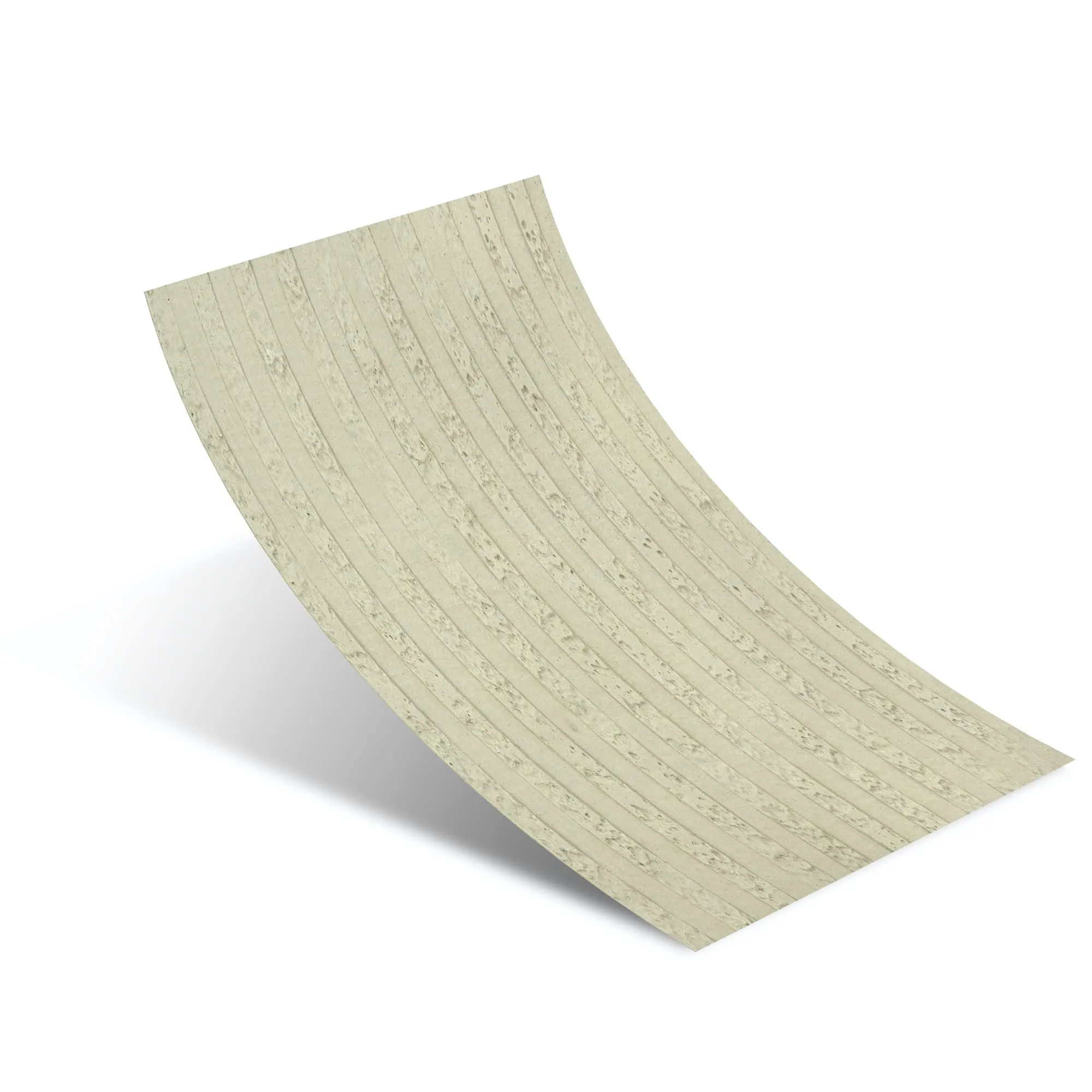
Where traditional stone was rigid and restrictive, MCM is liberating. One of the most exciting products in the COLORIA lineup is the MCM Flexible Stone series. As its name suggests, this material is pliable. It can be bent to wrap smoothly around curved walls, columns, and arches—a feat that is prohibitively expensive or simply impossible with quarried stone. This opens up a whole new world of fluid, organic architectural forms. But the innovation doesn't stop there. COLORIA's MCM systems can be produced in a vast array of textures, colors, and patterns, perfectly replicating everything from travertine and granite to slate and sandstone. This allows architects to achieve their exact aesthetic vision without being constrained by the geological lottery of a quarry.
COLORIA GROUP isn't just a manufacturer of a single product; it's a provider of a complete ecosystem of solutions tailored to different architectural needs. Let's explore some of the flagship series that are changing the face of modern buildings.
Modern architecture often craves clean lines and grand, uninterrupted surfaces. This is where the MCM Big Slab Board Series shines. These large-format panels minimize the need for grout lines, creating a seamless, monolithic appearance that exudes sophistication and scale. Perfect for the exterior wall decoration of contemporary commercial towers, luxury residences, and public buildings, these boards provide the visual impact of massive stone slabs without the associated weight and installation complexity. The reduction in joints not only enhances the aesthetic but also improves the building envelope's performance by creating fewer points for potential water ingress.
This is arguably the most revolutionary product in the MCM family. The ability of MCM Flexible Stone to conform to curved surfaces is a game-changer. Imagine cladding a winding staircase, a domed ceiling, or an undulating feature wall with a material that looks and feels like authentic stone. It's a solution that marries the organic beauty of nature with the flexibility of modern composites. It is ideal for both interior and exterior applications, allowing for creative expression that was once confined to sketches and digital renderings. For renovation projects, it can be applied over existing surfaces, dramatically reducing the time, cost, and disruption of a full-scale demolition and rebuild.
Taking customization to its zenith, the MCM 3D Printing Series allows for the creation of truly unique, bespoke surfaces. Using this technology, COLORIA can produce panels with intricate patterns, custom textures, bas-reliefs, and even embedded logos and graphics. This technology transforms a building's facade or an interior wall into a canvas for artistic expression. Architects can design one-of-a-kind patterns that reflect a brand's identity, a building's cultural context, or a purely artistic vision. It represents the ultimate fusion of material science and digital fabrication, making hyper-personalized architecture accessible and practical.
For large-scale projects where consistency, durability, and cost-effectiveness are paramount, the MCM Project Board Series is the go-to solution. Engineered for performance, these boards offer a reliable and high-quality finish for commercial, residential, and institutional developments. COLORIA GROUP, leveraging its decades of experience and global supply chain, including its agency in Saudi Arabia, ensures that these products meet stringent international standards for fire resistance, weatherability, and longevity, making them suitable for diverse and demanding climates.
| Feature | Traditional Natural Stone | COLORIA MCM Systems |
|---|---|---|
| Weight | Very Heavy (e.g., 50-80 kg/m² for 3cm thick granite) | Lightweight (e.g., 4-8 kg/m²), 80-90% lighter |
| Installation | Complex, slow, requires heavy machinery, wet fixing, skilled masons. | Simple, fast, uses standard tools and adhesive, smaller crews, dry fixing. |
| Cost | High initial cost for material, transport, and labor. Significant structural costs. | Lower overall project cost due to savings in transport, labor, structural support, and time. |
| Design Flexibility | Rigid, difficult to shape. Curves and complex forms are extremely expensive. Limited by quarry availability. | Highly flexible. Can wrap around curves (MCM Flexible Stone). Huge range of colors, textures, and custom 3D printed patterns. |
| Environmental Impact | Destructive quarrying, high energy consumption for extraction and transport, significant C02 footprint. | Made from natural/recycled materials. Low-energy, unfired production process. Low transport emissions. A green building solution. |
| Application | Mainly flat surfaces. Requires robust structure. Difficult for retrofitting. | Interior/exterior walls, ceilings, columns, curved surfaces. Ideal for new builds and retrofitting older buildings. |
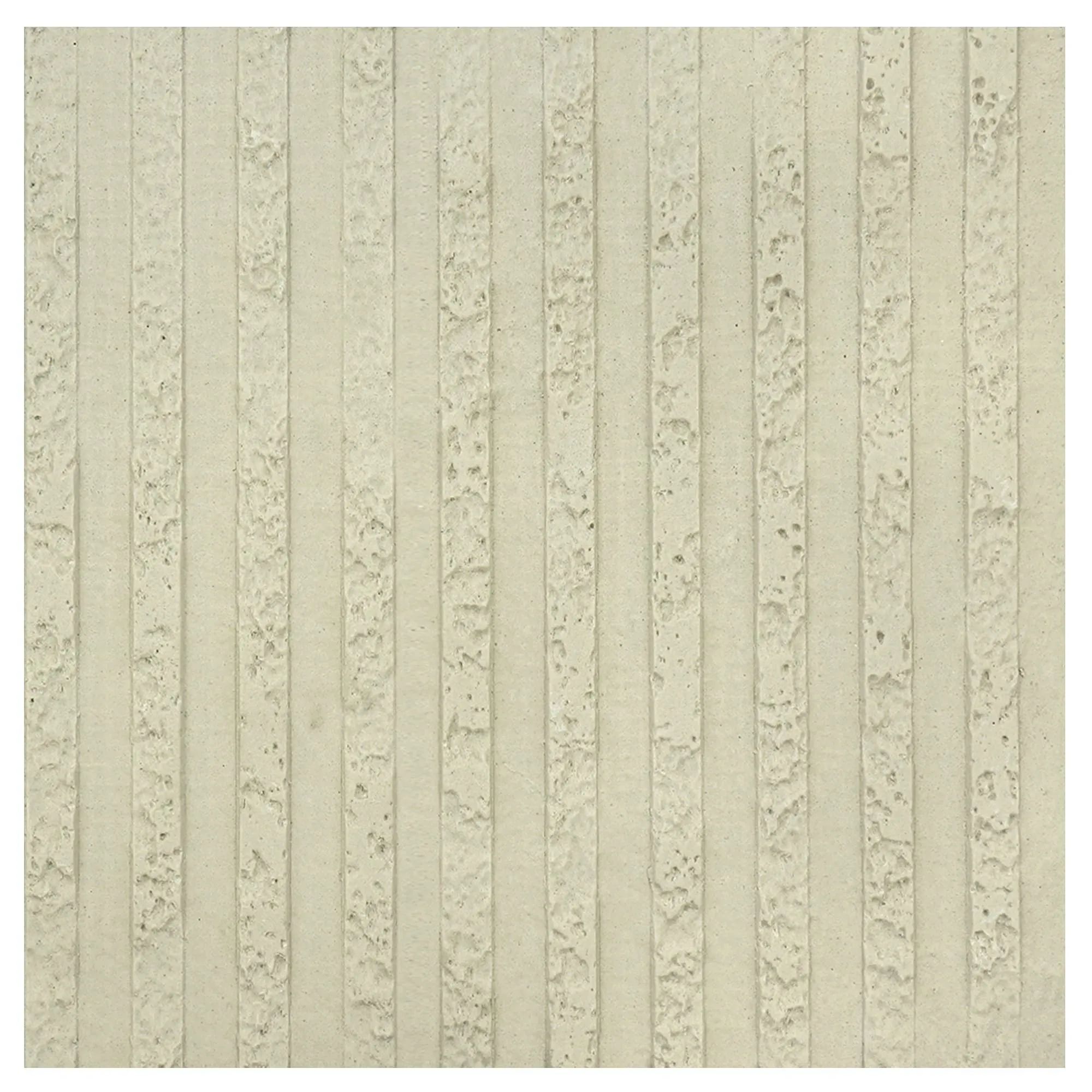
The story of architectural materials is one of constant evolution. The historical pathfinders did the best they could with the tools and materials they had, creating legacies that have lasted millennia. Today, we stand on their shoulders, but we are no longer bound by their limitations. COLORIA GROUP has taken the timeless aesthetic of stone and reimagined it for the 21st century.
The shift towards materials like MCM is not just a trend; it's a response to the fundamental demands of modern construction: efficiency, sustainability, and creative freedom. Architects and developers no longer have to choose between the enduring appeal of natural materials and the practical benefits of modern composites. With COLORIA's MCM systems, they can have both.
Recommend Products












