
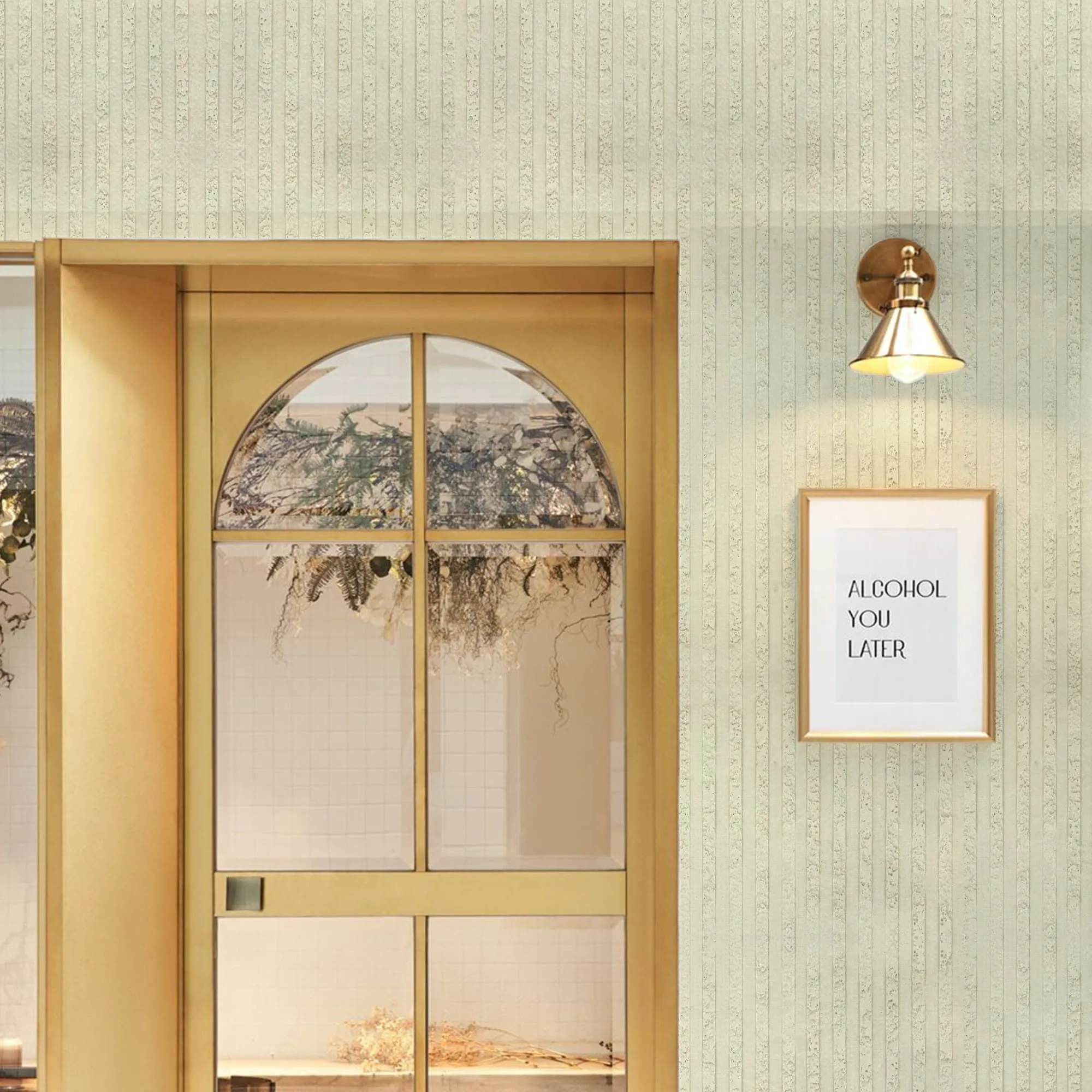
For millennia, the story of human civilization has been etched in stone. From the towering pyramids of ancient Egypt to the majestic cathedrals of Europe, and from the intricate temples of Asia to the grand monuments across the Americas, natural stone has stood as an undeniable testament to human ingenuity, artistic expression, and an enduring quest for permanence. It's a material that has shaped our cities, defined our architectural styles, and quite literally formed the foundations of our world. But beyond its obvious grandeur, what exactly are the properties that made stone such an indispensable building material for our ancestors? And as we look to the future, how do modern innovations stack up against these historical pathfinders?
In this deep dive, we're going to explore the fascinating world of natural stone – its unparalleled durability, its diverse aesthetic appeal, and critically, its inherent limitations that spurred centuries of architectural evolution. We'll then transition into how contemporary materials, particularly advanced options like Modified Cementitious Material (MCM), are not just overcoming these historical challenges but are also opening up entirely new avenues for design and sustainable construction.
When we talk about durability in building materials, natural stone is often the gold standard. Its ability to withstand the relentless assault of time, weather, and even seismic activity has captivated builders for ages. Think about it: many structures built thousands of years ago, using nothing but rudimentary tools and raw stone, are still standing today. That's not just luck; it's a testament to the intrinsic properties of the material itself.
Different types of stone offer varying degrees of resilience. Granite, for example, is an igneous rock renowned for its incredible hardness and resistance to scratches, heat, and chemical erosion. It's a favorite for countertops and high-traffic flooring because it simply refuses to give in easily. Marble, a metamorphic rock, while softer than granite, possesses a unique crystalline structure that lends it remarkable compressive strength, making it ideal for structural elements and decorative carvings that need to bear weight. Sandstone, a sedimentary rock, is celebrated for its excellent weathering resistance, especially in dry climates, and its textured surface offers a good grip. Even limestone, often considered a softer stone, has proven its mettle over centuries, as evidenced by countless historical buildings.
This inherent strength and longevity meant that once a stone structure was built, it was expected to last for generations, often for millennia. This permanence wasn't just practical; it was symbolic. Building in stone communicated power, stability, and an ambition to leave a lasting mark on the world. It was a commitment to the future, a silent promise that the structure would endure long after its creators were gone. The sheer mass and density of stone also provided excellent thermal mass, helping to regulate interior temperatures before the advent of modern HVAC systems. It kept buildings cool in summer and warm in winter, a natural form of passive climate control.
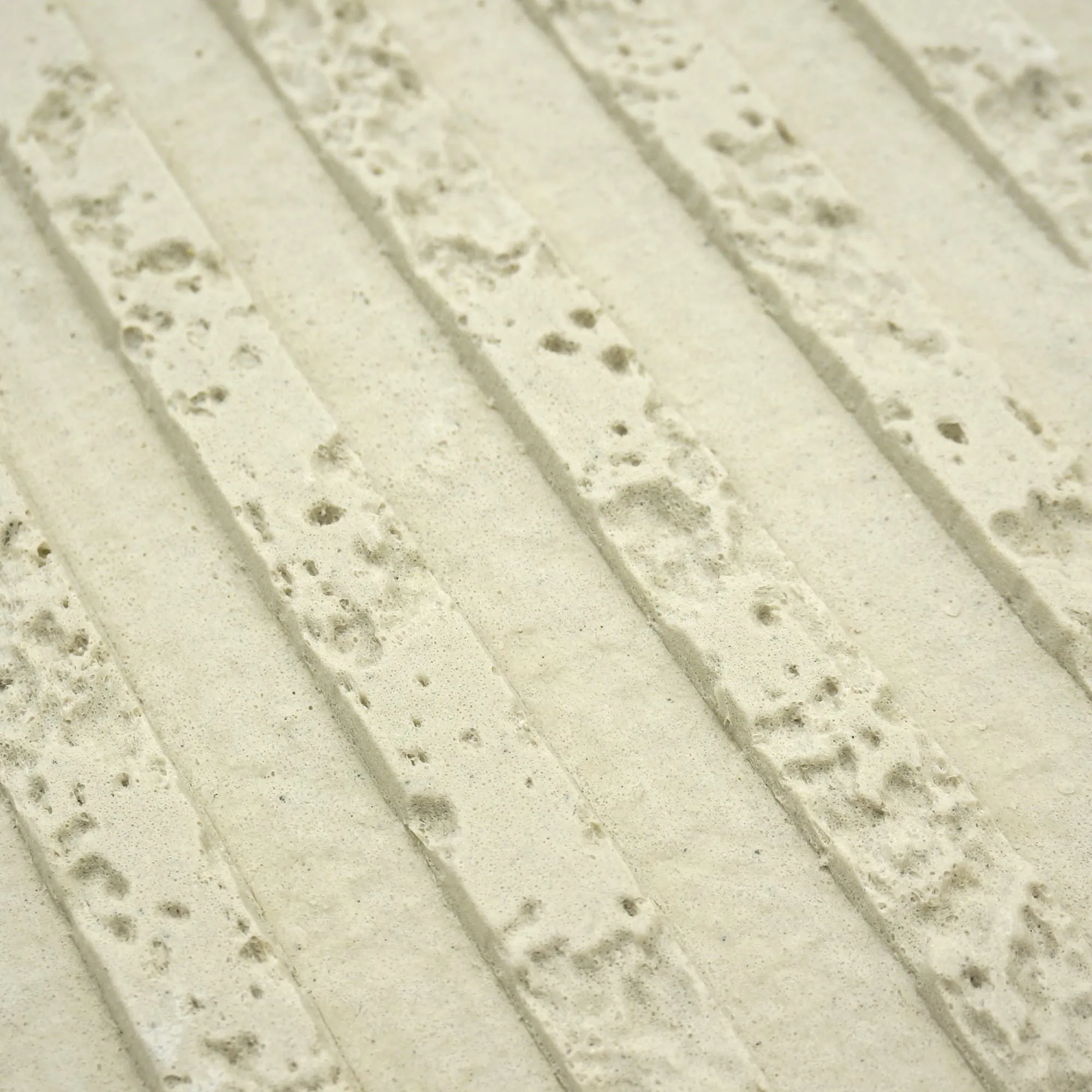
Beyond its physical strength, the aesthetic appeal of natural stone is arguably its most captivating quality. Each slab, each block, is a unique masterpiece crafted by nature over millions of years. No two pieces are ever exactly alike, offering an unparalleled authenticity and character that manufactured materials often strive to replicate but rarely fully achieve.
The variety in natural stone is staggering. From the subtle veining of marble, ranging from pure white Carrara to dramatic black Marquina, to the speckled grandeur of granite with its myriad colors and patterns, the possibilities are endless. Limestone and sandstone offer more earthy, muted tones, providing a sense of warmth and natural integration with landscapes. Travertine brings a distinctive porous texture and a range of creamy, warm hues. Each type of stone tells a geological story, its colors and patterns influenced by the minerals present during its formation, the pressure it endured, and the natural processes that shaped it.
This aesthetic diversity allowed ancient architects to create vastly different moods and expressions. The pristine white marble of the Parthenon conveyed purity and enlightenment. The rugged, dark volcanic stones of medieval castles projected impregnability and power. The warm, inviting hues of sandstone in Roman cities offered a sense of harmony and belonging. The interplay of light and shadow on a carved stone surface creates a dynamic visual experience that changes throughout the day, adding another layer of artistic depth.
Furthermore, the tactile quality of natural stone is something truly special. Its cool, smooth surface, its rough, textured finish, or its polished gleam all engage our sense of touch, contributing to a rich sensory experience within a built environment. This connection to nature, this feeling of groundedness that stone provides, is a significant part of its enduring allure. It's not just a material; it's a piece of the earth, brought into our living spaces.
Despite its undeniable virtues, natural stone is not without its drawbacks. As our building needs evolved, and as the demands of modern construction grew more complex, the limitations of traditional stone became increasingly apparent. These challenges, often overlooked in the romantic glow of historical monuments, are precisely what drove the innovation towards new materials.
The most immediate and obvious limitation of natural stone is its immense weight. Quarrying, transporting, and installing massive stone blocks required an enormous amount of labor, specialized equipment, and often, considerable time. Imagine the effort involved in moving the stones for the Great Pyramids or hoisting marble columns for a Roman temple! Even today, working with large natural stone slabs is a complex logistical undertaking, increasing project timelines and costs significantly. This weight also places immense structural demands on the underlying framework of a building, often requiring stronger, more expensive foundations and support structures. This becomes particularly problematic for high-rise buildings or renovations of existing structures that weren't designed to bear such heavy loads.
Natural stone, especially high-quality varieties, is inherently expensive. The cost is driven by several factors: the difficulty and energy-intensive process of quarrying, the transportation over long distances from quarries to construction sites, the skilled labor required for cutting and finishing, and the sheer rarity of certain aesthetic patterns or colors. This high cost often puts premium natural stone out of reach for many projects, especially those with tighter budgets or large-scale developments. Furthermore, the availability of specific types of stone can be limited, depending on geological deposits, political stability in quarrying regions, and environmental regulations.
Working with natural stone demands exceptional skill and precision. Cutting and shaping stone on-site generate a significant amount of waste, and mistakes can be costly. Each piece must be carefully matched for color and pattern, and installation can be slow and painstaking. Repairs can also be challenging, as finding an exact match for an aged or weathered stone can be nearly impossible. The rigidity of stone also limits design flexibility; creating curves or intricate shapes often requires extensive carving, which is time-consuming and labor-intensive.
While natural stone is a "natural" material, its extraction comes with an environmental footprint. Quarrying operations can lead to habitat destruction, landscape scarring, water pollution, and significant energy consumption for machinery and transportation. The sheer volume of waste rock generated during quarrying and processing is also a concern. As societies become more environmentally conscious, the impact of traditional stone extraction is under increasing scrutiny, prompting a search for more sustainable alternatives.
Not all natural stones are created equal, and their performance can vary. Some are porous and susceptible to staining, requiring regular sealing. Others can be prone to etching from acids, or degradation from freeze-thaw cycles, especially in harsh climates. Maintenance, while often minimal for highly durable stones, can be specific and sometimes costly for others. Over time, even the most durable stones can show signs of weathering, erosion, and patina, which while sometimes aesthetically desirable, can also indicate structural weakening or surface degradation.
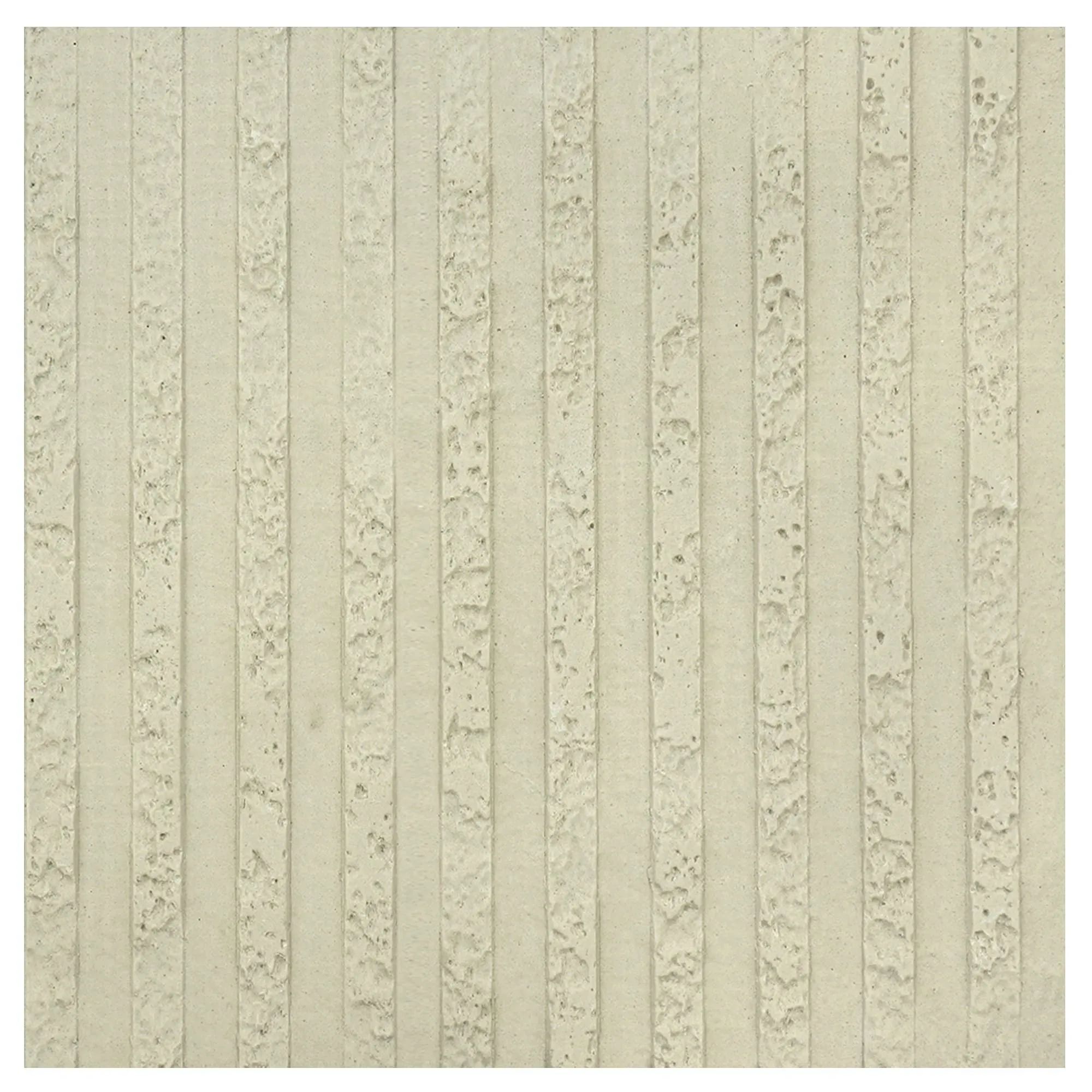
Recognizing these limitations, architects, engineers, and material scientists embarked on a journey to find alternative materials that could capture the beauty and durability of stone while mitigating its disadvantages. This quest led to the development of a new generation of materials, often engineered composites, that offer enhanced performance, greater design flexibility, and a more sustainable profile. This is where companies like COLORIA GROUP step in, pioneering solutions that redefine what's possible in architectural surfacing.
At the forefront of this material revolution is COLORIA GROUP. We understand the historical significance and aesthetic power of natural stone, but we also recognize the evolving demands of modern construction. As a dedicated one-stop solution provider in the architectural materials domain, COLORIA GROUP is committed to offering high-quality internal and external finishing materials and comprehensive services for both residential and commercial projects. Our decades of industry experience, coupled with a global reach and strong local presence (like our agency in Saudi Arabia), position us uniquely to serve diverse markets with cutting-edge solutions.
Our philosophy is rooted in innovation, sustainability, and uncompromising quality. We believe that modern architecture deserves materials that are not only beautiful and durable but also intelligent – materials that address the complexities of contemporary building while contributing to a healthier planet. This belief is encapsulated in our flagship product line: MCM (Modified Cementitious Material) .
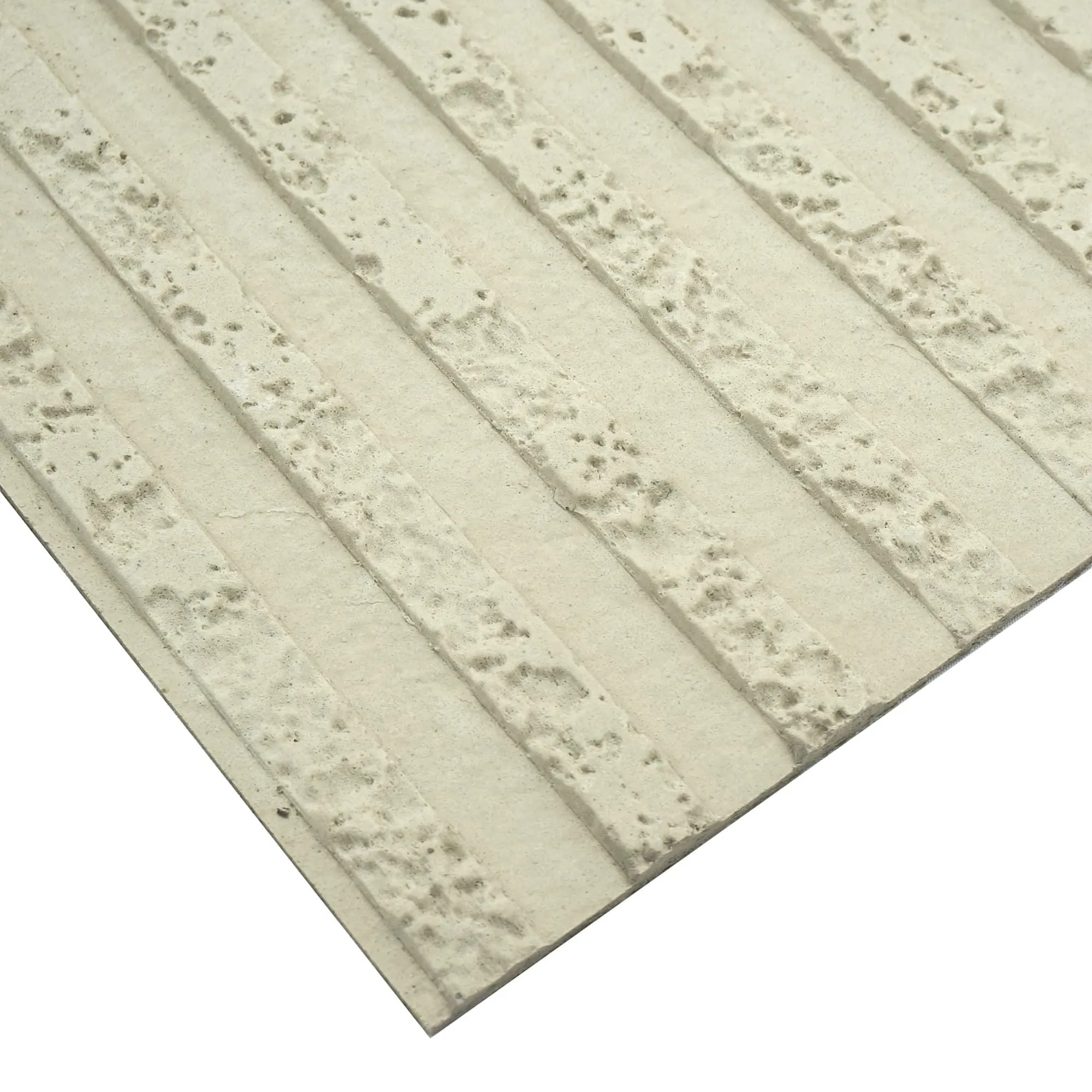
MCM (Modified Cementitious Material) represents a paradigm shift in architectural finishes. It's an advanced composite material engineered to mimic the aesthetics of natural stone, brick, wood, and other textures, but with vastly superior performance characteristics. Unlike heavy, resource-intensive natural stone, MCM is remarkably lightweight, highly flexible, and incredibly versatile, making it an ideal choice for a wide array of applications. It's a material that respects both the aesthetic legacy of the past and the practical demands of the present.
What makes MCM so revolutionary? At its core, MCM is made from modified inorganic mineral powder, often combined with small amounts of polymer additives. Through a special low-temperature forming technology, these ingredients are transformed into a material that is not only strong and durable but also surprisingly thin and flexible. This process drastically reduces energy consumption compared to traditional material manufacturing, aligning perfectly with our commitment to green environmental protection .
The benefits are compelling:
At COLORIA GROUP, we've developed a comprehensive range of MCM products, each meticulously designed to meet specific architectural needs and aesthetic aspirations. Our goal is to provide architects, designers, and developers with the tools to bring their most ambitious visions to life, all while embracing efficiency and sustainability.
Traditional natural stone slabs, while impressive, are limited by quarry size and transportation constraints. Our MCM Big Slab Board Series shatters these barriers. We offer exceptionally large format panels that are lightweight, thin, and robust. Imagine achieving the seamless, majestic look of massive stone panels on high-rise facades, without the prohibitive weight or logistical nightmares. These big slabs reduce the number of joints, creating a cleaner, more continuous aesthetic, reminiscent of colossal stone blocks but with far greater installation ease. They are perfect for monumental lobbies, expansive exterior cladding, and luxurious interior feature walls where an uninterrupted, grand statement is desired. The ability to produce these in vast sizes with consistent patterns and colors eliminates the typical challenges of matching multiple natural stone pieces.
For large-scale commercial and residential developments, efficiency and consistency are paramount. Our MCM Project Board Series is specifically engineered to meet the rigorous demands of such projects. These boards are optimized for rapid deployment, offer superior consistency in color and texture, and are designed for ease of installation, significantly accelerating construction timelines. Whether it's cladding an entire apartment complex, a sprawling shopping mall, or a corporate campus, the Project Board Series provides a reliable, high-performance, and aesthetically pleasing solution. Its robustness ensures that even under the most demanding conditions, the material maintains its integrity and appearance, reducing long-term maintenance costs for project owners. This series exemplifies our commitment to being a true one-stop solution provider , simplifying complex project material sourcing and application.
Pushing the boundaries of design, our MCM 3D Printing Series represents the cutting edge of material innovation. This technology allows for the creation of intricate, bespoke three-dimensional textures and patterns that would be incredibly difficult, if not impossible, to achieve with natural stone or traditional manufacturing methods. From highly detailed sculptural elements to custom-designed reliefs for facades, the 3D Printing Series offers unprecedented freedom for customization . It allows architects and designers to explore organic forms, complex geometric patterns, and unique artistic expressions, truly bringing their most imaginative concepts to life. This series is about providing unparalleled creative latitude, allowing every project to have its unique signature.
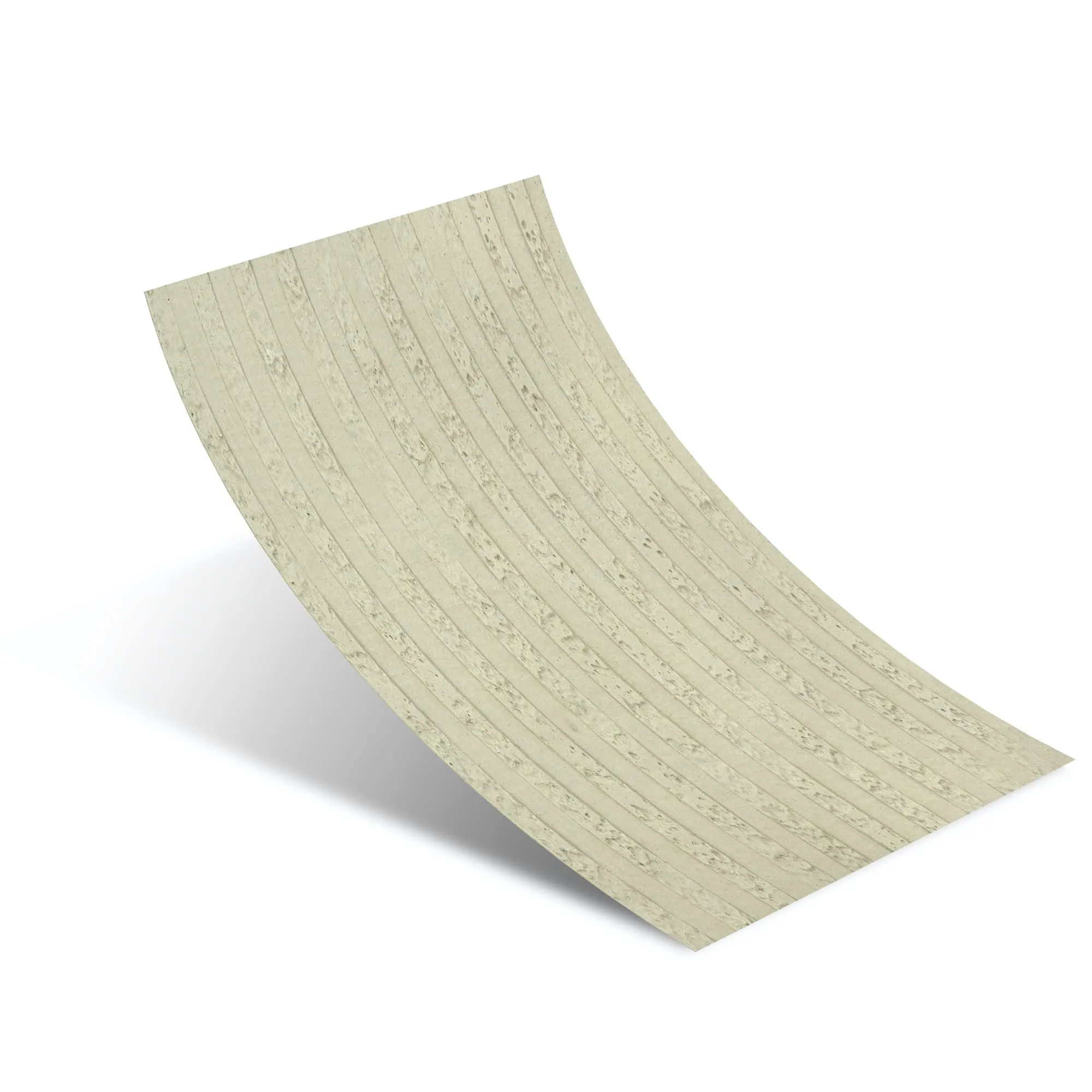
Perhaps one of the most astonishing innovations in our portfolio is the MCM Flexible Stone series. This product takes the essence of natural stone – its texture, color, and depth – and imbues it with incredible flexibility. Imagine a material that looks and feels like authentic stone, yet can bend, wrap around columns, or conform to curved walls without breaking. This redefines what's possible for interior and exterior stone finishes. It dramatically simplifies installation, reduces labor costs, and opens up a world of design opportunities, especially for challenging architectural features or renovation projects where weight and rigidity are critical concerns. It's light enough for applications where traditional stone would be too heavy and pliable enough for creative curved designs, truly embodying both aesthetic excellence and practical genius.
To truly appreciate the advantages of MCM, let's look at a quick comparison of key properties:
| Feature | Natural Stone | COLORIA GROUP's MCM |
|---|---|---|
| Weight | Very heavy, high structural load | Extremely lightweight, significantly reduces structural load |
| Flexibility | Rigid, limited to flat surfaces or complex carving | Highly flexible, can conform to curved surfaces (especially Flexible Stone series) |
| Installation | Complex, time-consuming, requires specialized equipment and skilled labor | Faster, simpler, less labor-intensive, reduces project duration |
| Cost | High (material, transport, labor, foundation) | More cost-effective overall (material, transport, labor) |
| Availability | Limited by quarry output, geological rarity, and transport logistics | Mass-produced with consistent availability and quality |
| Environmental Impact | Significant quarrying impact, high transport energy, waste generation | Low carbon footprint, uses natural minerals, low energy production, minimal waste, contributes to green environmental protection |
| Design Customization | Limited to natural patterns, shapes challenging to achieve | Highly customizable textures, colors, and 3D forms (especially 3D Printing series) |
| Durability | Excellent, but variable by stone type and vulnerable to certain elements | Excellent weathering, UV, fire, and impact resistance; consistent performance |
| Maintenance | Can be specific (sealing, cleaning agents), prone to staining/etching | Low maintenance, resistant to staining and weathering |
In today's world, the conversation around building materials isn't just about aesthetics or durability; it's increasingly about sustainability and the ability to personalize spaces. COLORIA GROUP stands at the intersection of these critical trends. Our commitment to green environmental protection is woven into the very fabric of our MCM products. By utilizing abundant, natural mineral powders and employing low-energy manufacturing processes, we significantly reduce the ecological footprint associated with construction. Our materials are breathable, non-toxic, and contribute to healthier indoor and outdoor environments.
Beyond environmental stewardship, we recognize that every project is unique, a reflection of individual vision and purpose. This is why customization is a cornerstone of our offering. Whether it's a specific color palette, a unique texture, or a complex 3D form, our MCM technology allows for unparalleled tailored solutions. Architects and designers are no longer constrained by the limitations of natural materials; they are empowered to create environments that are truly bespoke, that tell a story, and that stand apart. This flexibility in design, combined with our role as a one-stop solution provider , means clients can achieve their exact desired outcome with efficiency and confidence, from initial concept to final installation.
The evolution from historical pathfinders like natural stone to modern marvels like MCM (Modified Cementitious Material) is not about replacing the past, but rather about building upon its lessons. It's about learning from the strengths and weaknesses of traditional materials and using human ingenuity to create something even better – something that is lighter, more flexible, more sustainable, and more aligned with the aspirations of 21st-century architecture.
COLORIA GROUP is proud to be leading this charge, providing architects, builders, and developers with the advanced materials and expertise they need to construct not just buildings, but legacies. We're bridging the gap between timeless elegance and modern efficiency, ensuring that the structures of today are not only beautiful and durable but also responsible and future-proof.
As we continue to push the boundaries of design and construction, the materials we choose will define our future. With COLORIA GROUP's MCM series, the possibilities are as boundless as your imagination.
Recommend Products












