
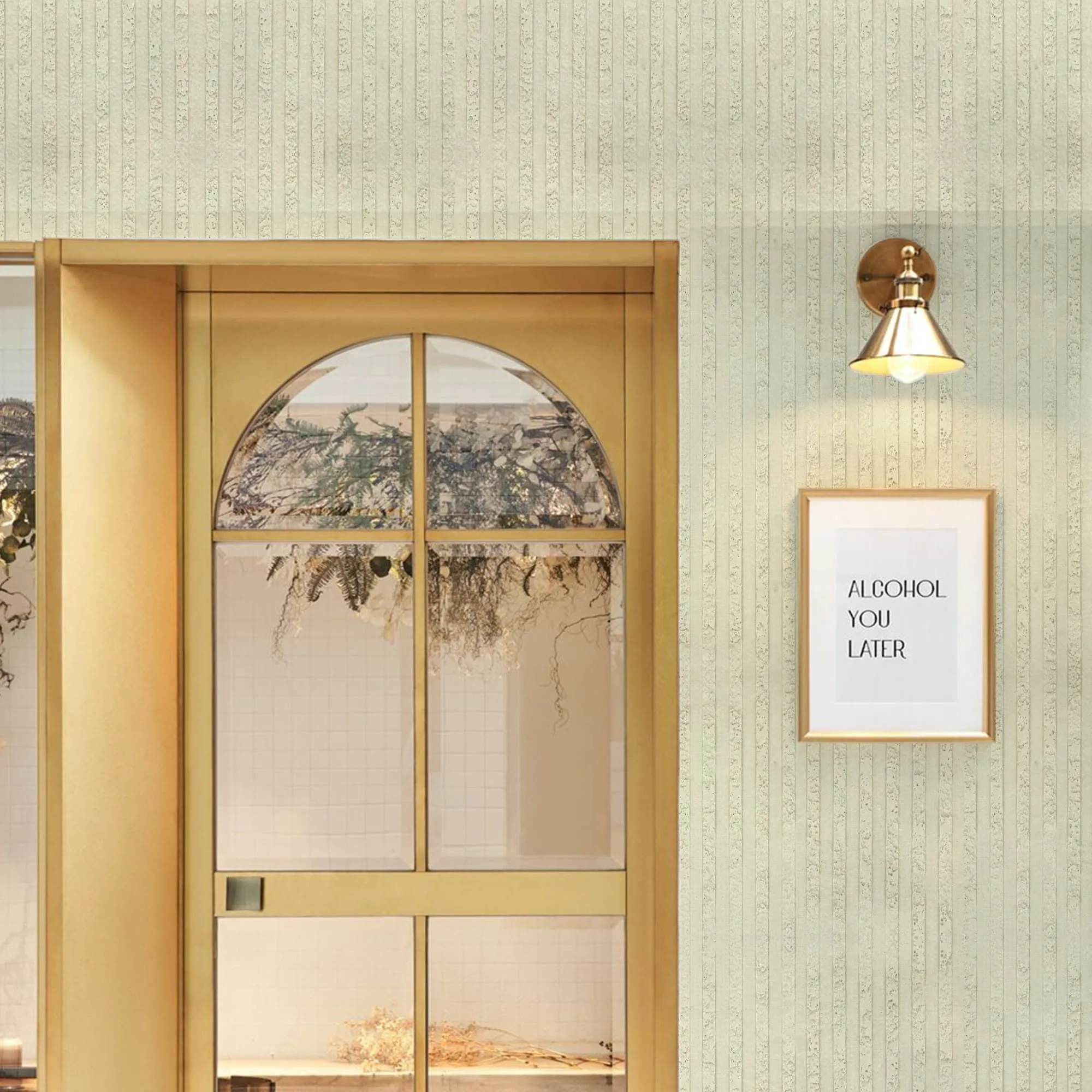
Since the dawn of civilization, humanity has looked to stone as a symbol of permanence, strength, and beauty. From the Pyramids of Giza to the grand cathedrals of Europe, natural stone has been the historical pathfinder in our architectural journey. In the modern era, a challenger emerged: engineered stone, promising consistency and durability. But what if the conversation isn't just a two-way street? What if a third path exists—one that combines the soul of natural materials with a level of design freedom and sustainability neither can match? This is the story of that third path, pioneered by COLORIA's revolutionary MCM technology.
When we think of luxury and timelessness, our minds immediately conjure images of marble, granite, slate, and travertine. Natural stone is Earth's art, sculpted over millennia. Each slab tells a unique story through its veining, its fossilized inclusions, its subtle shifts in color. Architects and designers have long revered it for this unparalleled authenticity.
There's an undeniable emotional connection to natural stone. Running your hand over a cool marble countertop or gazing at a granite facade connects you to geological time. It's a material that doesn't just occupy space; it commands it. This uniqueness is its greatest strength. No two pieces are ever identical, ensuring that any project using natural stone is, by definition, one-of-a-kind. It brings a piece of the natural world into our homes and cities, grounding our modern lives in something ancient and real.
For all its majestic beauty, the "historical pathfinder" carries significant baggage. The journey of a stone slab from a mountain quarry to a building facade is fraught with challenges that modern construction is increasingly less willing to tolerate.
The Crushing Weight Problem: Let's talk physics. Natural stone is incredibly dense and heavy. A single square meter of 3cm thick granite can weigh over 80 kilograms. This isn't just an inconvenience; it's a fundamental engineering challenge. Buildings must be designed with reinforced structures and foundations to bear this immense load, adding significant complexity and cost. Transporting these massive slabs requires specialized equipment and consumes vast amounts of fuel. On-site, installation is a laborious, high-risk process demanding heavy machinery and a large, skilled workforce. The dream of a stone-clad high-rise or a seamless interior wall quickly runs into the wall of logistical reality.
The Environmental Scar: In an age of increasing environmental awareness, the impact of quarrying can no longer be ignored. Extracting stone from the earth is an energy-intensive process that leaves permanent scars on landscapes. It disrupts ecosystems, consumes massive quantities of water for cutting and polishing, and generates significant dust and noise pollution. Furthermore, the long-distance transportation from remote quarries to global project sites contributes a heavy carbon footprint. The "natural" label, in this context, becomes deeply ironic.
The Tyranny of the Slab: Natural stone's rigidity is a profound limitation. It's born in a block and cut into a slab. This means creative expression is confined to flat planes. What about curved walls, rounded columns, or undulating facades? Achieving these with natural stone is either impossible or prohibitively expensive, involving an incredible amount of cutting, waste, and complex mosaic work. Its brittleness also means it's prone to cracking during transport and installation, leading to high rates of material waste—sometimes as much as 30% of the quarried material never makes it to the final application.
Inconsistency and Maintenance: The same uniqueness that makes stone beautiful also makes it unpredictable. A client might approve a sample, only to find the delivered batch has a wildly different color or veining. It's also porous by nature, making it susceptible to staining from wine, oil, or even water. This necessitates regular, costly sealing and careful maintenance to preserve its appearance.
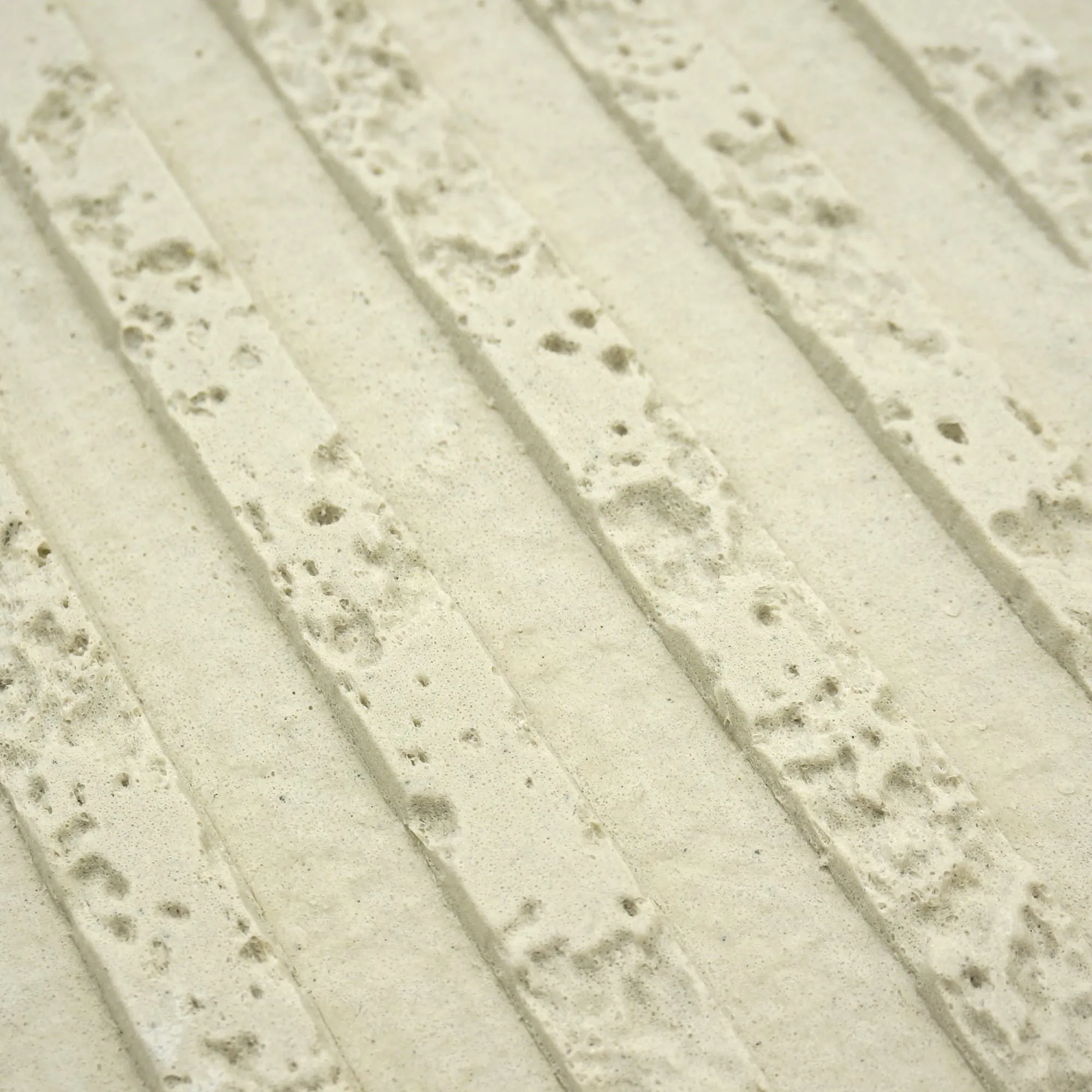
In response to the practical failings of natural stone, the 20th century saw the birth of engineered stone. Most commonly seen as quartz countertops, this material typically consists of crushed natural quartz (around 90%) mixed with polymer resins and pigments. It was designed to be the "perfect" stone—all the beauty with none of the hassle.
Engineered stone was a game-changer for many applications, especially in kitchens and bathrooms. Its key advantages were clear:
While engineered stone solved some problems, it introduced others and failed to solve some of the most fundamental ones. The pursuit of perfection came at a cost to soul, health, and true design freedom.
The Soul-less Replica: Let's be honest. While high-quality engineered stone can look good from a distance, it often lacks the depth, translucency, and organic feel of the real thing. The patterns, however complex, are still repetitive. It feels manufactured because it is. It's a picture of a stone, not the stone itself. For projects aiming for true authenticity and character, it often falls short.
Still Heavy, Still Rigid: Here's the big issue—engineered stone didn't solve the weight and rigidity problem. It is just as heavy, if not heavier, than natural stone. This means all the same structural, logistical, and installation challenges remain. You still need reinforced foundations, heavy lifting equipment, and specialized labor. And crucially, it's still a rigid slab. Curved surfaces? Forget about it. The "tyranny of the slab" persists.
Environmental and Health Alarms: The polymer resins used as binders are petroleum-based, and their production carries its own environmental footprint. Some lower-quality products can off-gas Volatile Organic Compounds (VOCs). More alarmingly, the high silica content in engineered quartz has been linked to a devastating and irreversible lung disease, silicosis, among workers who cut, grind, and polish the material without adequate protection. This serious health crisis has cast a dark shadow over the industry.
So, the choice seemed to be between the authentic but impractical natural stone, and the practical but soulless and potentially hazardous engineered stone. It was a compromise either way. Until now.
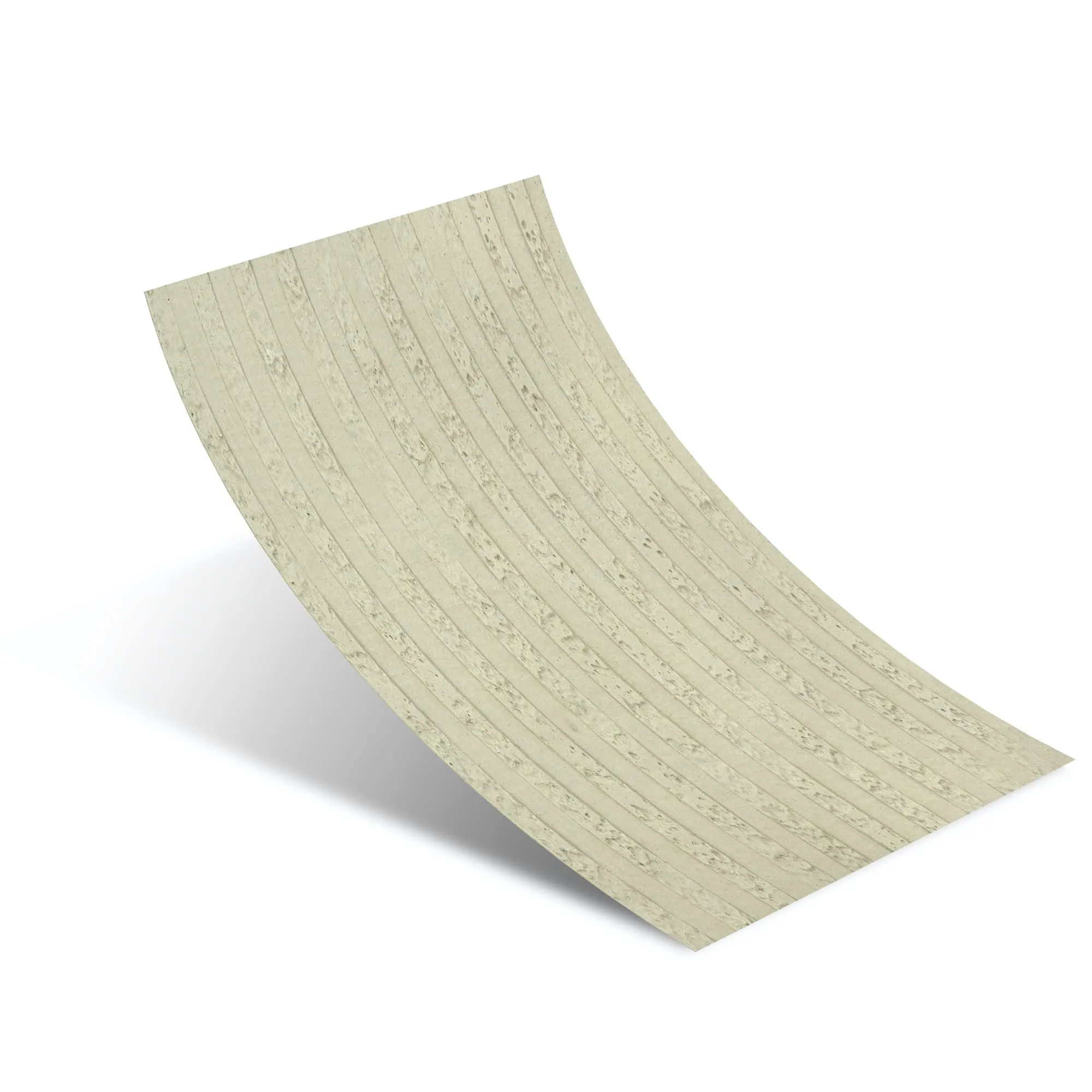
Enter a third category, a true innovation that redefines what a building material can be. COLORIA GROUP has perfected a groundbreaking technology known as **Modified Cementitious Material** (MCM). This isn't just a new product; it's a new paradigm that addresses the shortcomings of both its predecessors while opening up a universe of creative possibilities.
Imagine taking the most basic, natural building blocks—soil, sand, and mineral powders—and using smart technology to transform them. MCM technology involves a process where these raw, inorganic materials are modified at a molecular level, shaped in molds, and cured at a low temperature (under 120°C). The result is a material that is incredibly versatile, lightweight, and eco-friendly. It's not about simulating stone; it's about using nature's own ingredients to create something better, something more adapted to the needs of modern architecture. COLORIA has harnessed this technology to create an entire ecosystem of products, from flexible sheets to large-format boards and even 3D-printed textures.
This is where COLORIA's MCM truly leaves the competition behind. It shatters the "tyranny of the slab" and gives architects and designers the freedom they've only dreamed of.
Revolutionary Flexibility: The star of the show is the **MCM flexible stone**. This product is thin, pliable, and can be bent and wrapped around curved facades, interior columns, archways, and sharp corners with ease. Imagine cladding a towering, undulating skyscraper or a complex, organic-shaped interior without a single visible seam or joint. This is a capability that natural and engineered stone simply cannot offer. The design potential is limitless, allowing for fluid, dynamic architecture that was previously impossible or astronomically expensive.
Incredibly Lightweight: COLORIA's MCM products weigh just a fraction of traditional stone—typically between 4-8 kg per square meter. This is a monumental advantage. It means no need for heavy-duty structural reinforcement. It means transportation is cheaper and easier. It means installation can be done by a smaller team without heavy machinery, dramatically reducing labor costs and project timelines. You can now apply the look of heavy stone to high-rise buildings, interior partitions, and ceiling features without worrying about the load.
Seamless Large Formats: While flexibility is key, so is scale. The **MCM big slab board** series allows for the creation of massive, monolithic surfaces. These large boards offer the grand, seamless aesthetic of a giant stone slab but without the immense weight, fragility, and installation difficulty. This combination of scale and lightness is unique to MCM.
The Magic of 3D and Customization: COLORIA's MCM 3D Printing Series takes customization to a whole new level. Because MCM is formed in a mold, it can be created with any conceivable texture, pattern, or relief. Do you want a facade that replicates the look of hand-chiseled stone, woven leather, or intricate geometric patterns? Do you want to embed a company logo or an artistic bas-relief directly into the wall panel? With MCM, this is not only possible but straightforward. It's mass customization on an industrial scale, giving every project a unique, bespoke identity.
While "eco-friendly" is a term thrown around loosely, COLORIA's MCM has the credentials to back it up. Its entire lifecycle is designed for minimal environmental impact.
Freedom and sustainability are meaningless without performance. COLORIA's MCM excels here, too, delivering robust, real-world durability with a surprisingly authentic look and feel.
Exceptional Durability: Despite being lightweight and flexible, MCM is incredibly tough. It boasts a Class A fire rating, making it one of the safest materials available. It is waterproof, fade-resistant, and can withstand freeze-thaw cycles, making it ideal for any climate, from the hot deserts of Saudi Arabia to the cold winters of the north. It's a material built to last, both indoors and out.
Aesthetic Fidelity: This is perhaps the most surprising aspect of MCM. Using advanced digital texturing and natural mineral pigments, COLORIA can create products that are virtually indistinguishable from their natural counterparts. The **MCM flexible stone** doesn't just look like slate or travertine; it has a texture that feels authentic to the touch. It captures the subtle imperfections and variations that give natural materials their soul, but with the consistency and performance that designers demand.
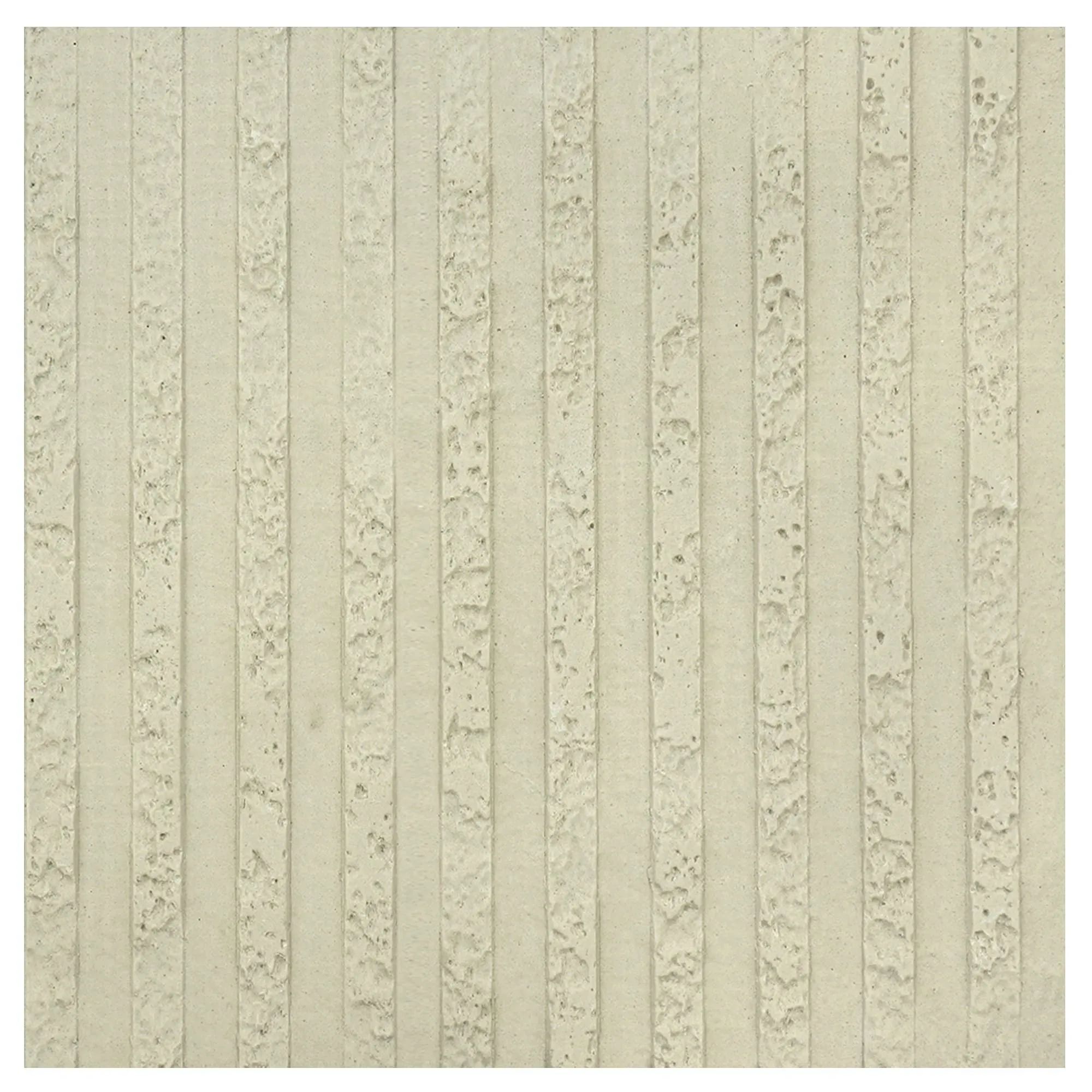
To put it all into perspective, let's see how these three material categories stack up against each other.
| Feature | Natural Stone (Granite, Marble) | Engineered Stone (Quartz) | COLORIA MCM |
|---|---|---|---|
| Weight | Extremely heavy (approx. 60-90 kg/m²) | Extremely heavy (approx. 60-90 kg/m²) | Extremely lightweight (approx. 4-8 kg/m²) |
| Flexibility | None; completely rigid and brittle. | None; completely rigid. | High; can be bent to fit curved surfaces, columns, and corners. |
| Design Customization | Very low; limited to cutting slabs. Unique veining is random. | Medium; wide color choice but limited to slab form and printed patterns. | Very high; fully customizable shapes, textures, 3D reliefs, and replications of any material. |
| Environmental Impact | High; destructive quarrying, high energy/water use, heavy transport. | Medium; uses petroleum-based resins, high energy, but less destructive than quarrying. | Very low; made from natural soil, low-energy production, lightweight transport, minimal waste. |
| Installation | Difficult, costly, requires heavy machinery and reinforced structures. High risk of breakage. | Difficult, costly, requires heavy machinery and reinforced structures. | Easy, fast, and low-cost. Can be installed by general labor with simple tools. No structural reinforcement needed. |
| Worker Safety | Risks associated with heavy lifting and cutting. | High risk of silicosis from silica dust during fabrication. | Safe; lightweight, easy to handle, no toxic resins, no silica dust risk. |
| Performance | Varies; porous and can stain, susceptible to cracking. | Excellent; non-porous, highly durable, scratch-resistant. | Excellent; Class A fire-rated, waterproof, freeze-thaw resistant, durable. |
| Aesthetic Authenticity | Highest; each piece is unique and natural. | Low to medium; can look manufactured and repetitive. Lacks natural depth. | High; can realistically replicate the texture and feel of natural materials with controlled consistency. |
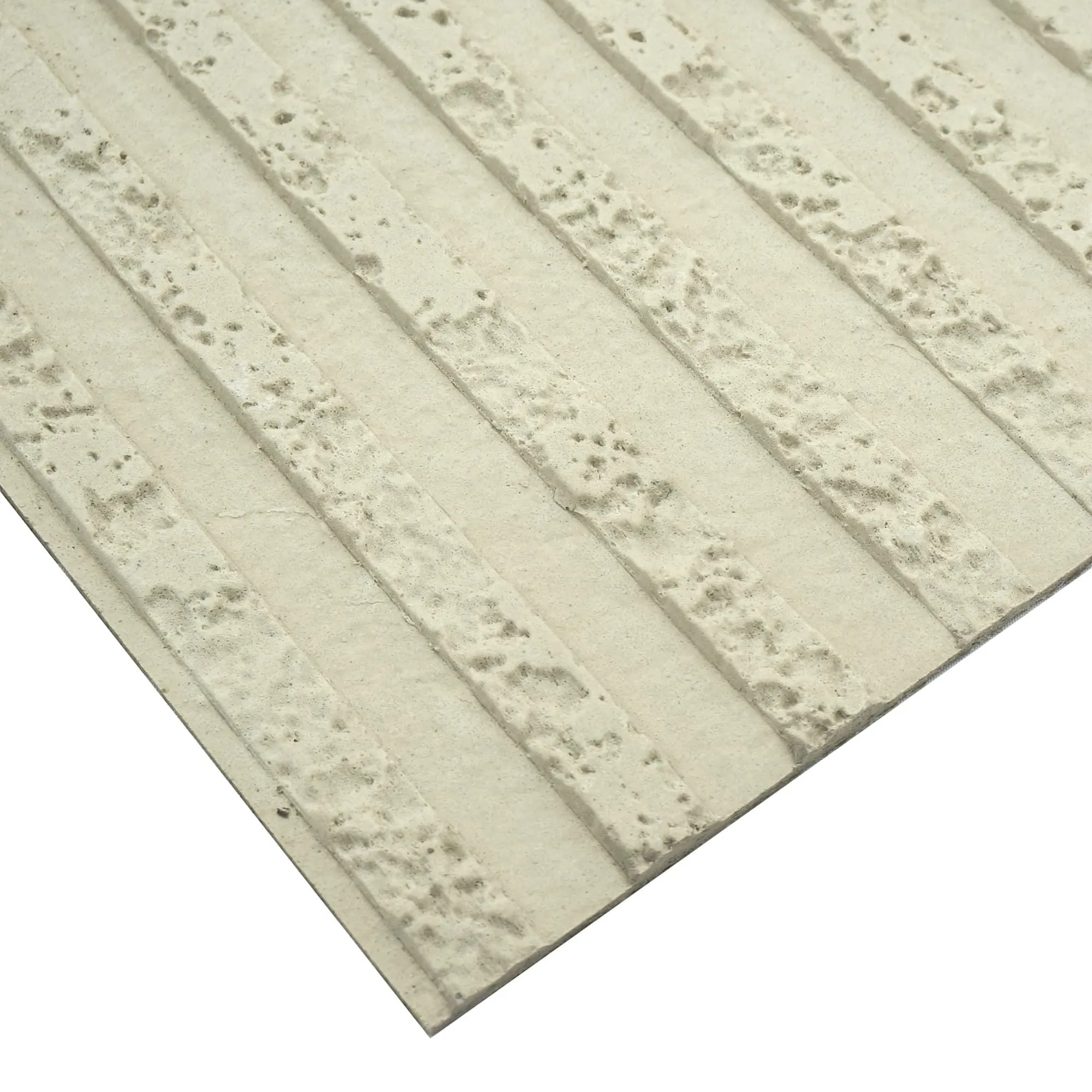
The story of architectural surfaces is one of evolution. Natural stone was the noble beginning, a testament to nature's raw power and beauty. Engineered stone was the logical, practical response, taming nature for the sake of convenience. But both demanded a compromise.
COLORIA's **Modified Cementitious Material** (MCM) represents the next leap forward. It is not a compromise; it is a synthesis. It delivers the aesthetic soul and authenticity we crave from natural materials, the high performance and consistency we expect from engineered products, and a level of design freedom and sustainability that neither can even approach.
For architects, developers, and designers seeking to push boundaries, build more sustainably, and create truly unique spaces without the logistical and financial burdens of traditional materials, the choice is clear. The future of building surfaces is not about choosing between the old and the new. It's about choosing the smart, the flexible, and the responsible. It's about choosing a material that empowers creativity rather than limiting it. The future of building surfaces is COLORIA MCM.
Recommend Products












