
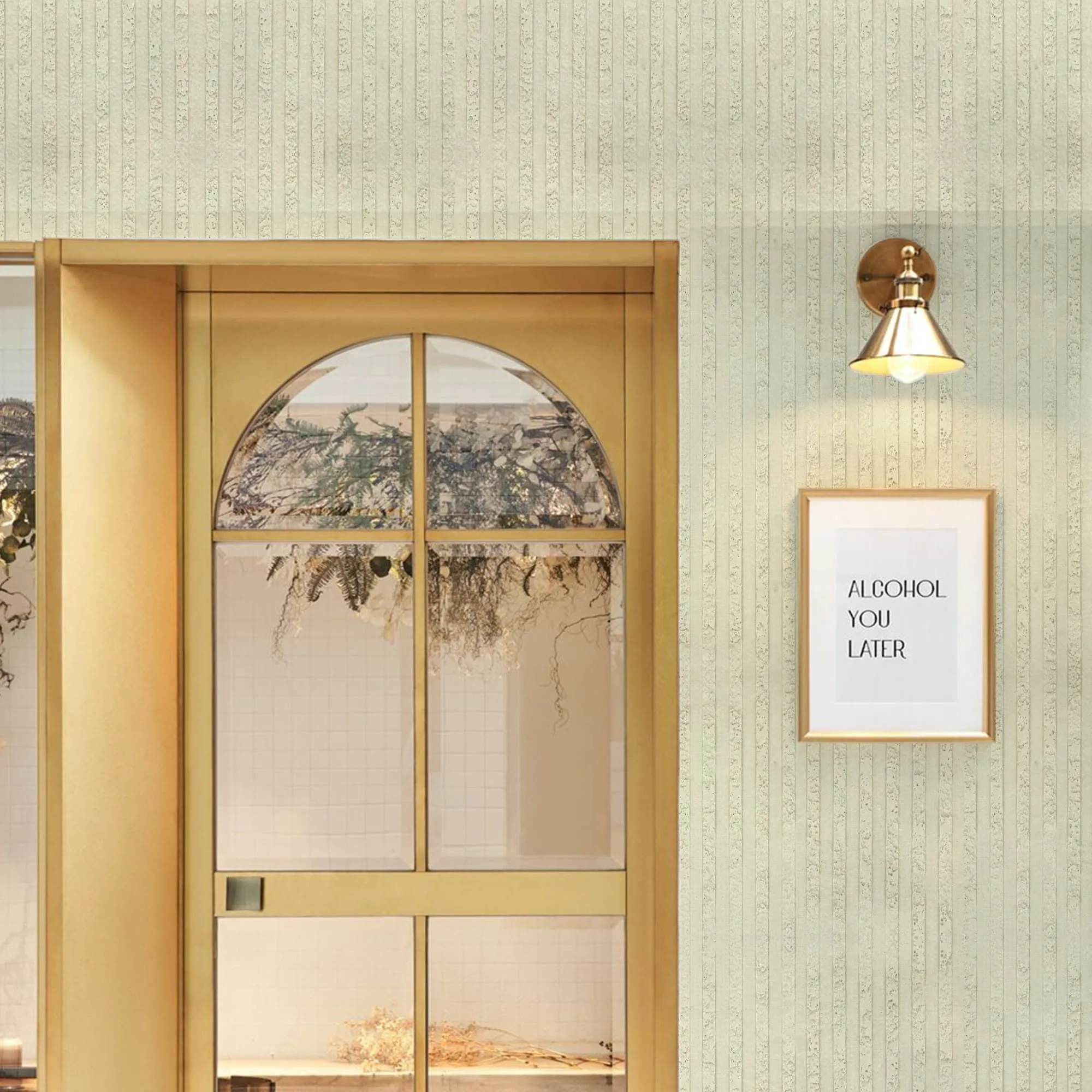
For millennia, natural stone has stood as the undisputed monarch of construction materials, gracing everything from monumental pyramids and majestic Roman aqueducts to the intricate facades of Gothic cathedrals. Its enduring beauty, formidable strength, and timeless appeal have etched its legacy into the very foundations of human civilization. Yet, as our understanding of materials science evolves and our environmental consciousness grows, a new contender has emerged, challenging the throne: modern, engineered materials. Among these, MCM (Modified Cementitious Material) , pioneered by innovators like COLORIA GROUP, is not just replicating the past but actively shaping the future of architecture.
This deep dive isn't just about comparing the old with the new; it's about exploring how visionary companies like COLORIA GROUP are offering a comprehensive approach to building. As a dedicated one-stop solution provider in the architectural materials arena, COLORIA GROUP is not merely selling products. They're delivering a complete ecosystem of high-quality internal and external decorative materials and complementary services for both residential and commercial projects. With decades of industry expertise and a global footprint, including a significant presence in Saudi Arabia, they are at the forefront of this exciting transformation.
Let's cast our minds back. Imagine the skilled hands carving granite for the Egyptian pyramids, the precision required to fit massive travertine blocks for the Colosseum, or the intricate detailing in marble that defines Renaissance masterpieces. Natural stone has been more than just a building material; it's been a testament to human ingenuity, power, and artistic expression. Its appeal is visceral:
However, this venerated material comes with a hefty price tag, not just in monetary terms but also in environmental impact and logistical challenges. Its immense weight necessitates robust structural support and specialized heavy machinery for transport and installation. The extraction process itself often involves significant quarrying operations, leading to habitat disruption and substantial energy consumption. Furthermore, its inherent brittleness can lead to breakage during transport or installation, and its porosity can make it susceptible to staining and require regular sealing and maintenance.
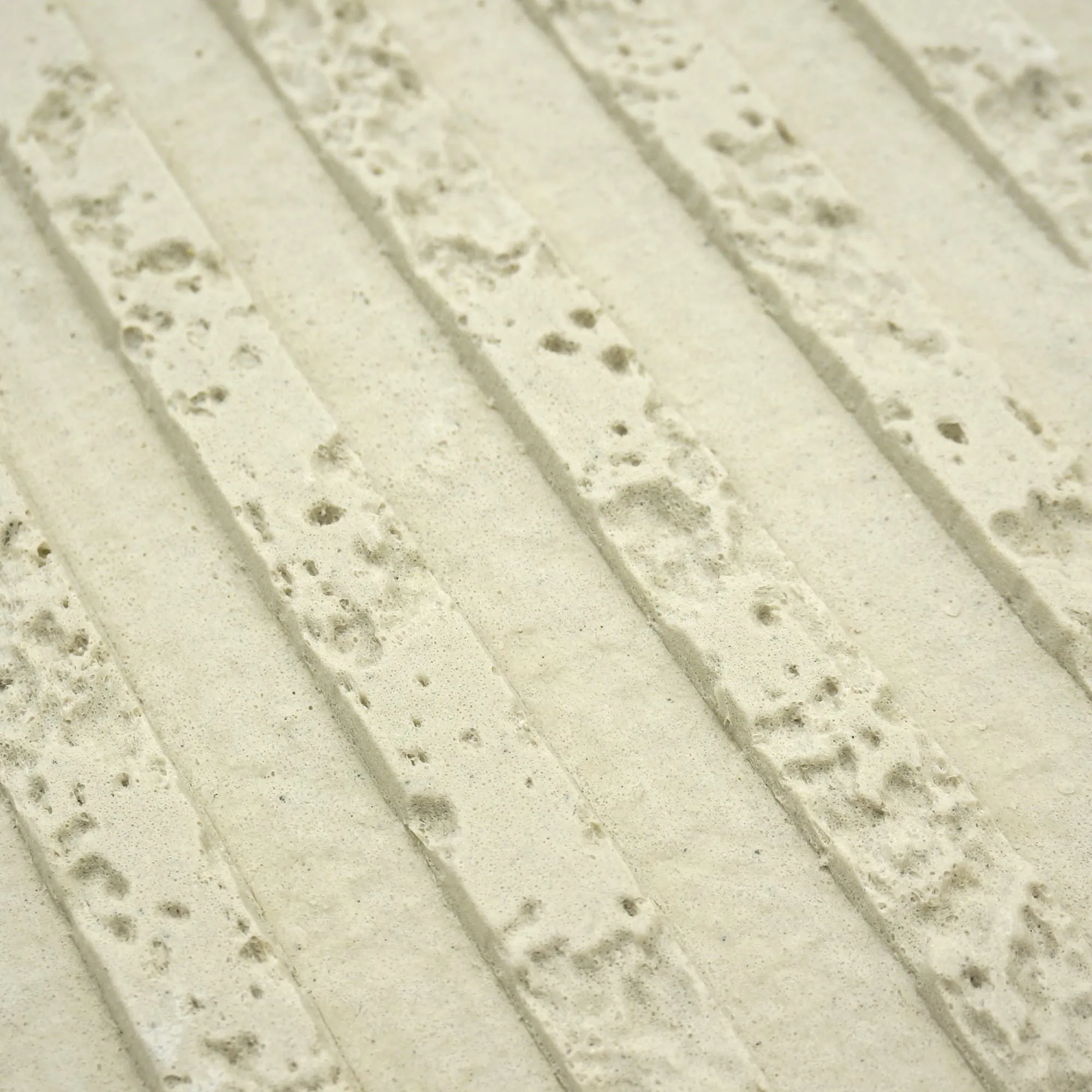
The 20th and 21st centuries have ushered in an era where the demands on building materials have expanded dramatically. We're no longer just building for permanence; we're building for sustainability, efficiency, design flexibility, and often, speed. The imperative to reduce carbon footprints, minimize waste, and utilize resources more responsibly has become paramount. This context has fueled the rapid development of engineered materials – products designed to optimize performance characteristics while mitigating the drawbacks of traditional resources.
This is where COLORIA GROUP steps in, specifically with their game-changing MCM (Modified Cementitious Material) series. MCM isn't just an alternative; it's a paradigm shift. It represents a conscious effort to capture the aesthetic essence and tactile feel of natural stone, wood, brick, and other traditional materials, but with dramatically improved performance metrics and a significantly reduced environmental impact. It's about smart design and smart manufacturing.
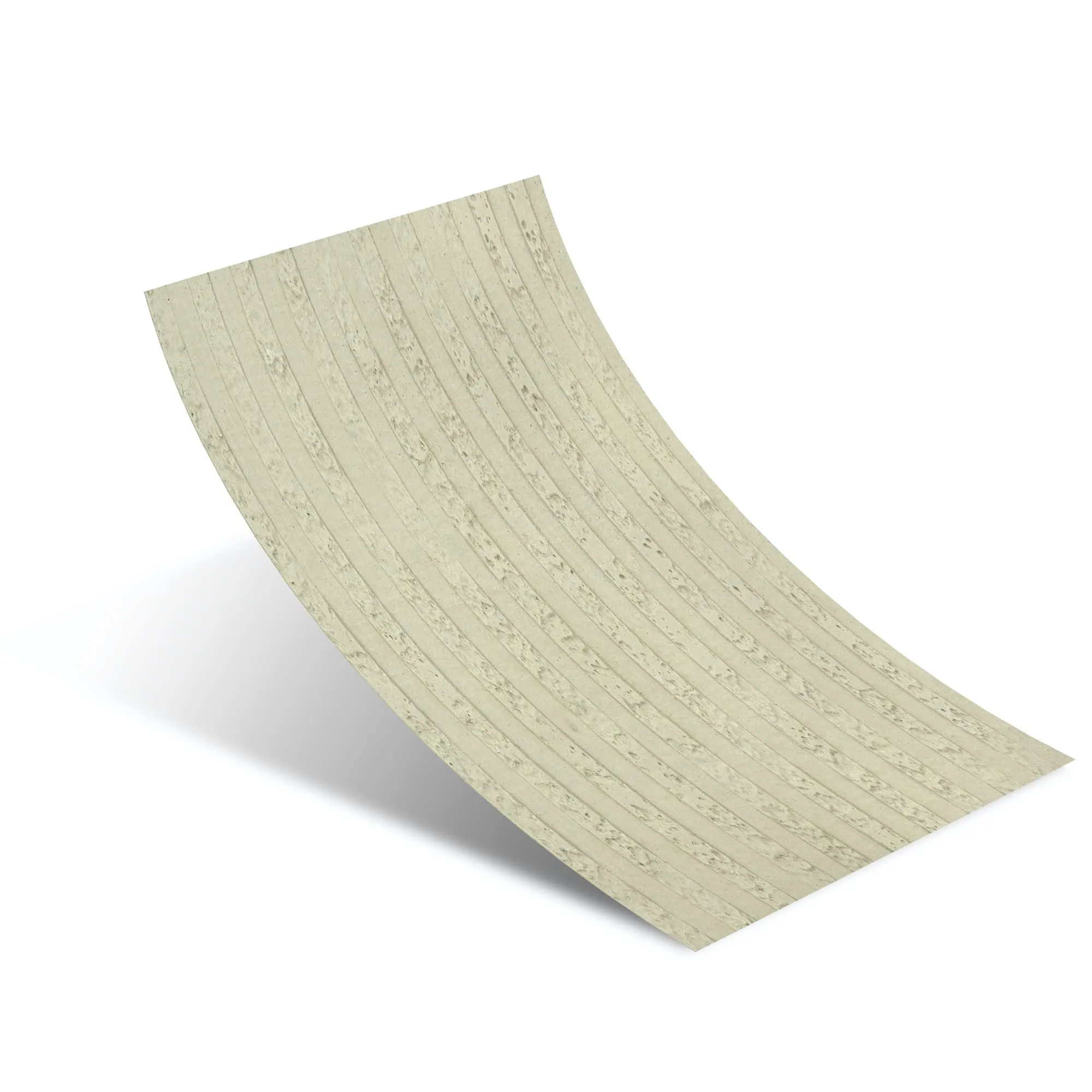
At the heart of COLORIA GROUP's innovative offerings is their MCM (Modified Cementitious Material) technology. So, what exactly is MCM? In simple terms, it's an advanced composite material made from a combination of mineral powders, cement, and various organic and inorganic additives. This carefully formulated blend is then processed using specialized techniques – often involving low-temperature baking and precise shaping – to create products that mimic an astonishing array of textures and finishes. Think not just stone, but also rich timber grains, industrial concrete, or even smooth, contemporary surfaces, all while retaining a flexible, lightweight, and durable form factor.
One of the most compelling aspects of MCM, and a core tenet of COLORIA GROUP's philosophy, is its strong emphasis on green and eco-friendly characteristics. Unlike traditional stone quarrying, which can be resource-intensive and environmentally disruptive, MCM production:
By choosing MCM, architects, designers, and project developers are not just selecting a material; they are making a statement about their commitment to sustainable building practices without compromising on aesthetics or performance. This commitment aligns perfectly with global trends towards greener construction and responsible resource management.
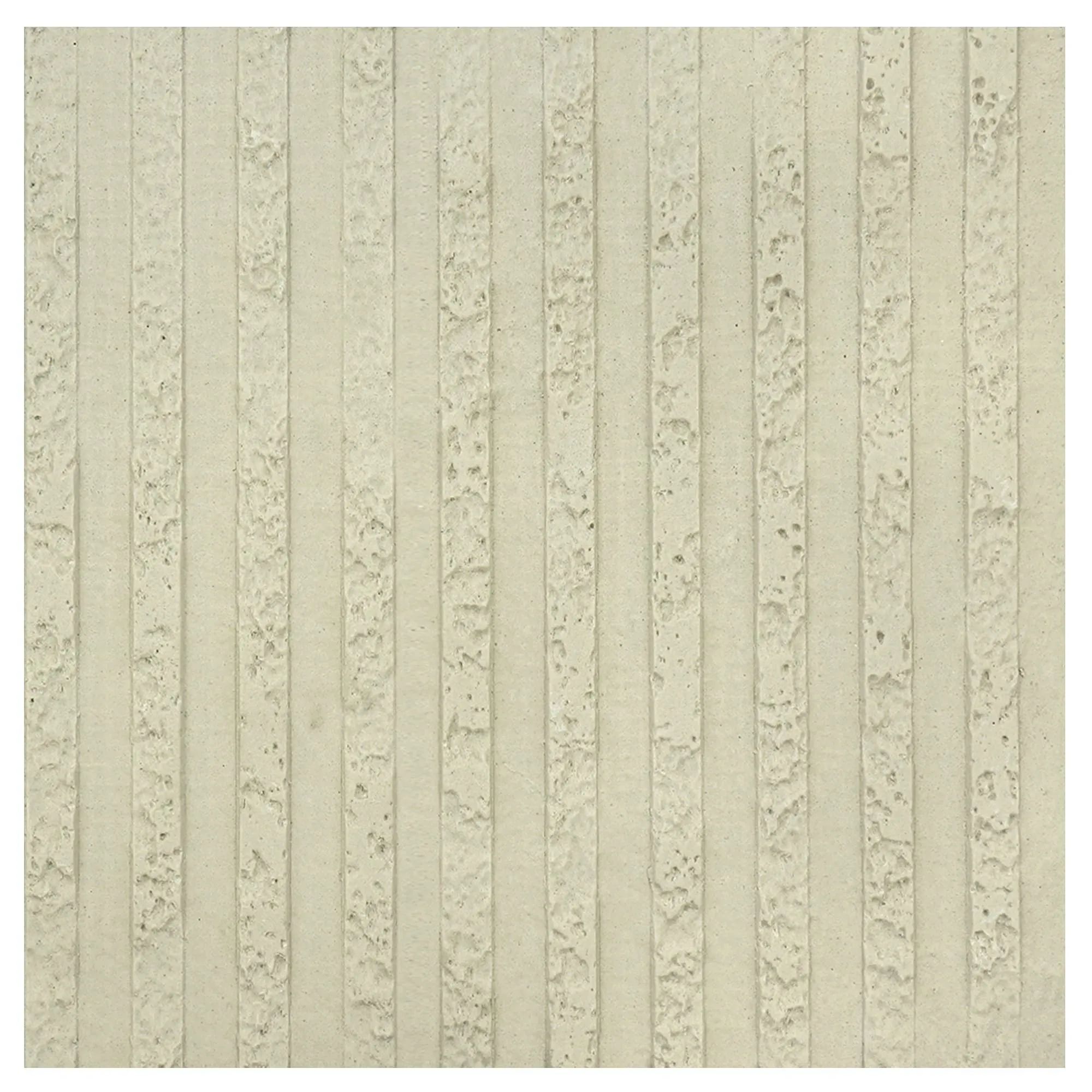
COLORIA GROUP understands that modern architecture demands versatility. That's why their MCM offerings are not a one-size-fits-all solution but a diverse range of specialized products, each engineered for specific applications and design aspirations. The ability for customization across these series truly sets them apart, allowing unparalleled creative freedom.
The desire for expansive, seamless surfaces in architecture is timeless. Natural stone slabs of significant size are majestic but notoriously heavy, expensive, and prone to breakage. COLORIA GROUP's MCM Big Slab Board Series directly addresses these challenges. These large-format panels are designed to cover vast areas, such as building facades, monumental lobbies, or large interior feature walls, delivering the visual impact of massive stone slabs or polished concrete without their inherent drawbacks.
When it comes to large-scale commercial or public projects, consistency, cost-effectiveness, and ease of installation are paramount. The MCM Project Board Series is specifically engineered to meet these rigorous demands. These boards are ideal for high-volume applications where uniformity and performance are critical, such as office buildings, hotels, educational institutions, or multi-unit residential complexes.
This series represents the cutting edge of material innovation and design freedom. The MCM 3D Printing Series takes the inherent flexibility and adaptability of MCM and combines it with advanced additive manufacturing techniques. This unlocks a realm of possibilities previously unimaginable or prohibitively expensive with traditional materials.
The MCM Flexible Stone series is arguably one of the most exciting innovations, directly challenging the limitations of natural stone. It offers the authentic look and feel of stone – from the rugged texture of slate to the smooth elegance of marble – but in a remarkably lightweight and flexible sheet form. This flexibility opens up a world of applications where traditional stone would be impractical or impossible.
Through these diverse product lines, COLORIA GROUP demonstrates its commitment to providing truly comprehensive and innovative solutions. Their ability to deliver customization across these ranges means that specific project requirements, unique color palettes, or bespoke textural demands can be met with precision, ensuring that each architectural vision can be fully realized.
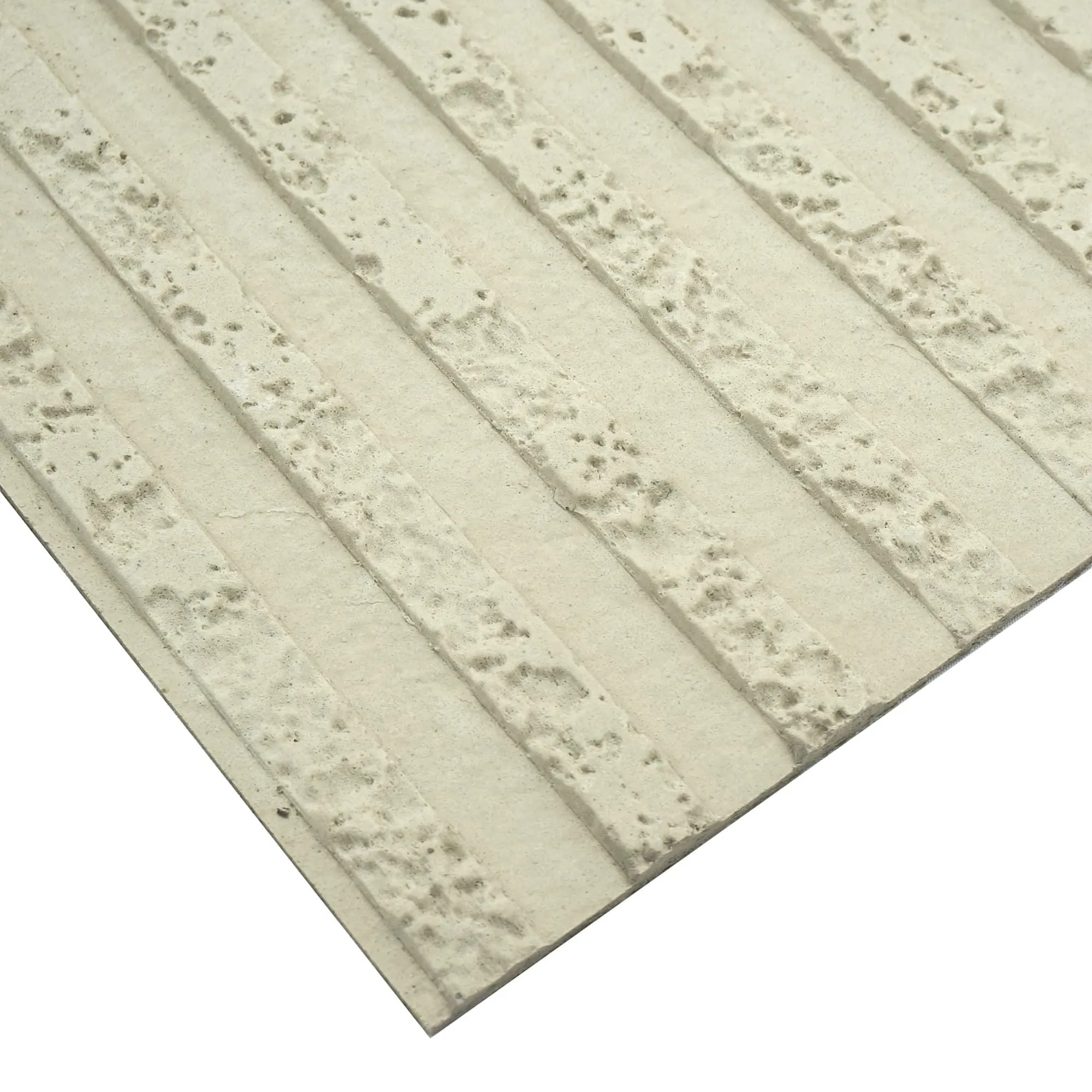
To truly understand the impact of MCM, let's directly compare it against its historical counterpart, natural stone. This isn't about declaring one definitively "better" in all aspects, but rather highlighting where modern innovations provide significant advantages, especially when considering contemporary construction demands for efficiency, sustainability, and design flexibility.
| Feature | Natural Stone | COLORIA GROUP MCM (Modified Cementitious Material) |
|---|---|---|
| Aesthetics | Unique, rich, authentic patterns and colors. Unpredictable variations can be a charm or a challenge. | Highly realistic replication of stone, wood, brick, and other textures. Consistent color and pattern control for large areas. Customizable to specific design needs. |
| Weight | Very heavy. Requires substantial structural support and heavy machinery for handling/installation. | Extremely lightweight (often 1/10th or less than natural stone). Reduces structural load, simplifies transport and installation. |
| Flexibility | Rigid and brittle. Cannot be bent or curved. Prone to cracking and breakage. | Highly flexible (especially MCM Flexible Stone). Can be bent, wrapped, and applied to curved surfaces. Impact resistant. |
| Installation | Labor-intensive, slow, requires specialized skills and equipment. High breakage risk. | Faster, simpler, and less labor-intensive. Can often be cut with standard tools and adhered easily. Reduced waste. |
| Environmental Impact | Quarrying leads to habitat disruption, high energy consumption for extraction and transport, significant waste during cutting. | Lower resource consumption, reduced energy in manufacturing, minimal waste. Often uses recycled content. Green and eco-friendly . |
| Cost (Material & Installation) | Generally high material cost; very high installation costs due to weight and labor. | Often more cost-effective overall due to lower material cost, reduced transport, and significantly faster/easier installation. |
| Customization | Limited to available stone types and cutting capabilities. Unique patterns are inherent and cannot be designed. | High degree of customization in color, texture, pattern, and form (especially with 3D printing series). Tailored solutions. |
| Maintenance | Can be porous, requiring sealing against stains. May require specialized cleaning. | Generally low maintenance, often water-resistant and easy to clean. |
| Applications | Facades, flooring, countertops, monuments. Limited by weight and rigidity. | Versatile for facades, interior walls, ceilings, curved surfaces, furniture cladding, and intricate 3D forms. Broad applicability. |
COLORIA GROUP's impact extends far beyond the impressive properties of their MCM materials. What truly distinguishes them in the market is their commitment to being a comprehensive one-stop solution provider . This isn't just a marketing slogan; it's an operational philosophy that means they accompany clients through every stage of their project, simplifying complexities and ensuring seamless execution.
Imagine the typical challenges faced by project developers or architects: sourcing diverse materials from multiple vendors, coordinating deliveries, managing different installation teams, and hoping everything comes together cohesively. COLORIA GROUP eliminates much of this headache by offering an integrated approach:
This integrated service model means clients can streamline their procurement processes, reduce coordination efforts, and ultimately achieve a more efficient and successful project outcome. It's about building trust and long-term partnerships, underpinned by decades of industry experience and a profound understanding of architectural needs.
The journey of architectural materials from rudimentary mud and straw to the sophisticated composites of today is a testament to human ingenuity. While natural stone will always hold a revered place in our architectural heritage, the demands of modern living, coupled with an urgent need for sustainable practices, are driving innovation at an unprecedented pace.
COLORIA GROUP, with its focus on MCM (Modified Cementitious Material) , stands as a beacon of this future-forward approach. They are not simply offering a "replacement" for stone but an evolution – a material that respects the aesthetic legacy of the past while providing superior performance, enhanced design flexibility, and a demonstrably lower environmental footprint. Their dedication to green and eco-friendly practices ensures that beautiful buildings don't come at the expense of our planet.
The ability to provide customization in textures, colors, and forms empowers architects and designers to unleash their creativity without being constrained by the limitations of traditional materials. Whether it's crafting grand, seamless facades with MCM Big Slab Boards, ensuring consistent quality for expansive developments with the MCM Project Board Series, bringing visionary 3D designs to life with the MCM 3D Printing Series, or creating dynamic, curved surfaces with MCM Flexible Stone, COLORIA GROUP provides the tools to build the extraordinary.
As a global one-stop solution provider in architectural materials , COLORIA GROUP is more than just a supplier; they are a partner in innovation, helping to construct a future where beauty, durability, and sustainability coexist harmoniously. The choice is clear: while we admire the historical pathfinders of stone, the future lies with the adaptable, sustainable, and endlessly versatile materials that are redefining what's possible in architecture. COLORIA GROUP is leading that charge, one revolutionary MCM project at a time.
From the ancient temples built with solid rock to the modern skyscrapers clad in intelligent, engineered materials, the story of architecture is inextricably linked to the story of materials. COLORIA GROUP is writing the next chapter, proving that the elegance of the past can be combined with the innovation and responsibility of the future.
Recommend Products












