
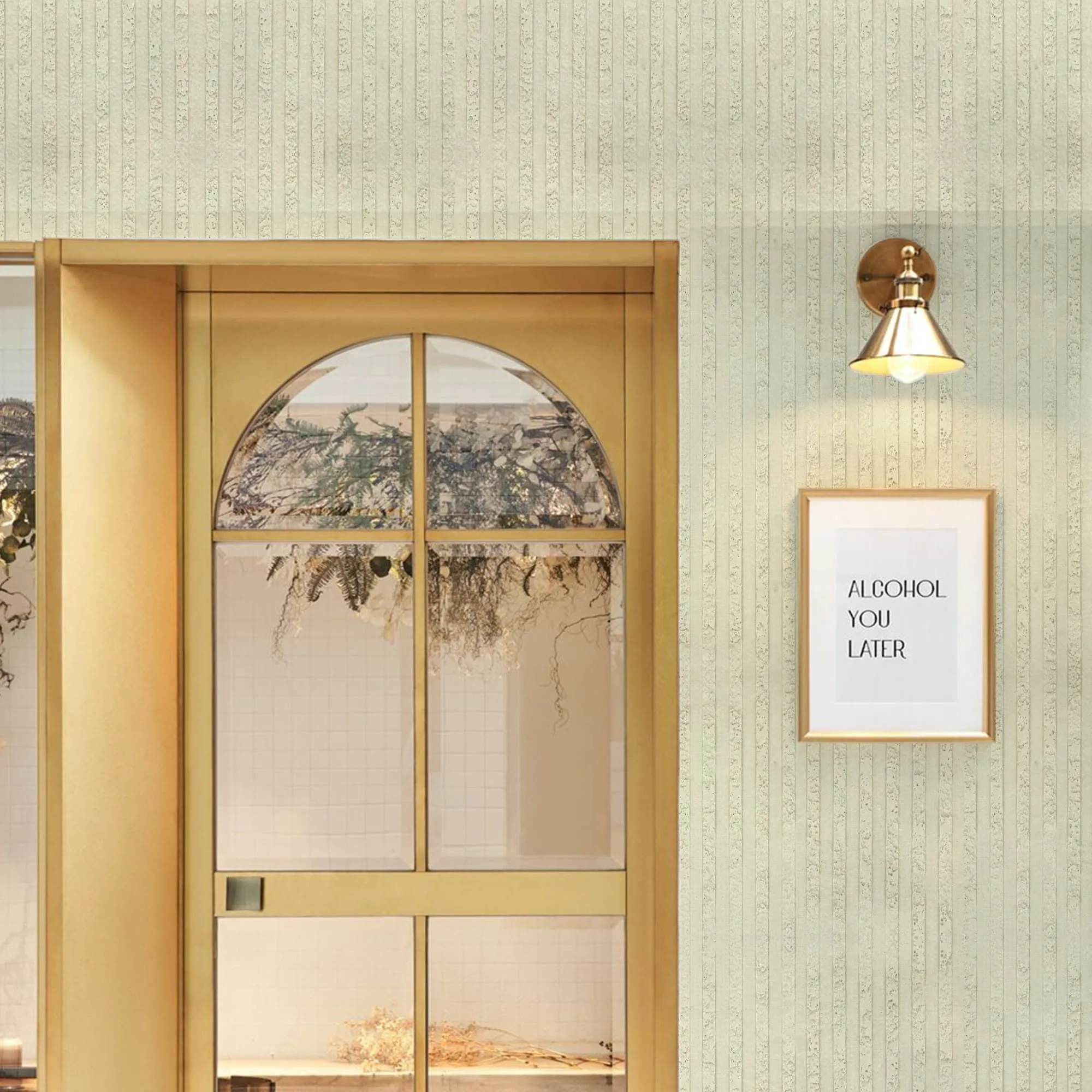
Throughout human history, our greatest architectural achievements have been literally carved from the earth. From the pyramids of Giza to the soaring cathedrals of Europe, natural stone has been the material of choice for permanence, beauty, and grandeur. It connects us to the geological timeline of our planet, a solid, tangible piece of history. But this connection has always come at a price—a price paid by the environment. For centuries, the process of quarrying, cutting, and transporting stone has been a story of extraction and, inevitably, immense waste. We have been pathfinders in architecture, but often at the expense of the very landscapes that inspire us.
Today, in an era of heightened environmental awareness, the call for a new kind of pathfinder is louder than ever. We need innovators who can honor the aesthetic legacy of traditional materials while pioneering methods that heal, rather than harm, our planet. This is the story of how COLORIA GROUP is answering that call. By re-examining the entire lifecycle of a building material, from raw components to final installation, COLORIA has developed a revolutionary approach centered on its MCM technology. This isn't just about creating a new product; it's about forging a new path, one where architectural beauty and ecological responsibility are no longer in conflict. It's a journey from the wasteful practices of the past to a sustainable, circular future, proving that the most innovative solutions are often inspired by nature itself.
To fully appreciate the breakthrough that MCM represents, we first need to take an unflinching look at the status quo. Natural stone is beautiful, yes, but its journey from a mountain to a building façade is fraught with environmental challenges that are often hidden from the end-user. It's a linear process of 'take, make, waste' that is becoming increasingly untenable on a finite planet.
The story begins at the quarry. Huge, open-pit mines are blasted and cut into mountainsides, permanently altering landscapes and ecosystems. This isn't a gentle process. It involves heavy machinery, explosives, and diamond-wire saws, all of which consume vast amounts of fossil fuels. The visible scar on the land is only part of the problem. The noise pollution disrupts wildlife, while the immense clouds of silica dust generated pose serious health risks to workers and can settle on surrounding vegetation and water sources. For every perfect block of marble or granite extracted, tons of 'overburden'—the rock and soil that sit on top of the desired stone—are displaced, often dumped in nearby areas, which can lead to soil erosion and habitat destruction. The extraction ratio is staggeringly inefficient; in many cases, less than half of the quarried stone is usable for high-grade architectural slabs. The rest becomes a mountain of its own—a mountain of waste.
Once a raw block is wrested from the earth, its resource-intensive journey continues. The block, weighing many tons, is transported to a processing facility where it is sliced into slabs. This process requires powerful gang saws that run for days, consuming enormous amounts of electricity. Water is used continuously as a coolant and lubricant, and to suppress dust. A single large stone processing plant can use millions of gallons of water per year. This water, now a thick slurry laden with rock particles and sometimes metal fragments from the cutting tools, becomes a significant waste management problem. While some facilities have recycling systems, a great deal of this slurry ends up in settling ponds, which can leak and contaminate local groundwater and soil. After cutting, the slabs are polished and finished, again using energy-intensive machinery and water. The entire process is subtractive—it's about chipping away and grinding down a large mass to get to a finished product, with every removed particle representing wasted material and expended energy.
Natural stone is incredibly heavy. A single square meter of 2cm-thick granite can weigh over 50 kilograms. Now, imagine cladding an entire skyscraper. We're talking about thousands of tons. Transporting this immense weight from quarries, which are often in remote locations, to processing plants and then to construction sites across the globe generates a massive carbon footprint. Heavy-duty trucks, container ships, and cranes are all part of a logistics chain that burns a colossal amount of fuel. This "embodied energy"—the total energy consumed during a material's entire lifecycle—is exceptionally high for natural stone, purely due to its density. It's a simple equation: more weight equals more fuel, which equals more CO2 emissions.
The final stage of waste occurs at the job site. Stone slabs are rigid and brittle. They must be cut precisely to fit around windows, doors, and corners. This cutting process generates more dust and noise, but most importantly, it creates offcuts. Depending on the complexity of the design, on-site cutting waste can account for an additional 10-20% of the material. A mis-cut or a cracked slab is often completely unusable. These fragments and broken pieces, which were so arduously extracted and processed, typically end up in a landfill, completing the linear, wasteful journey.
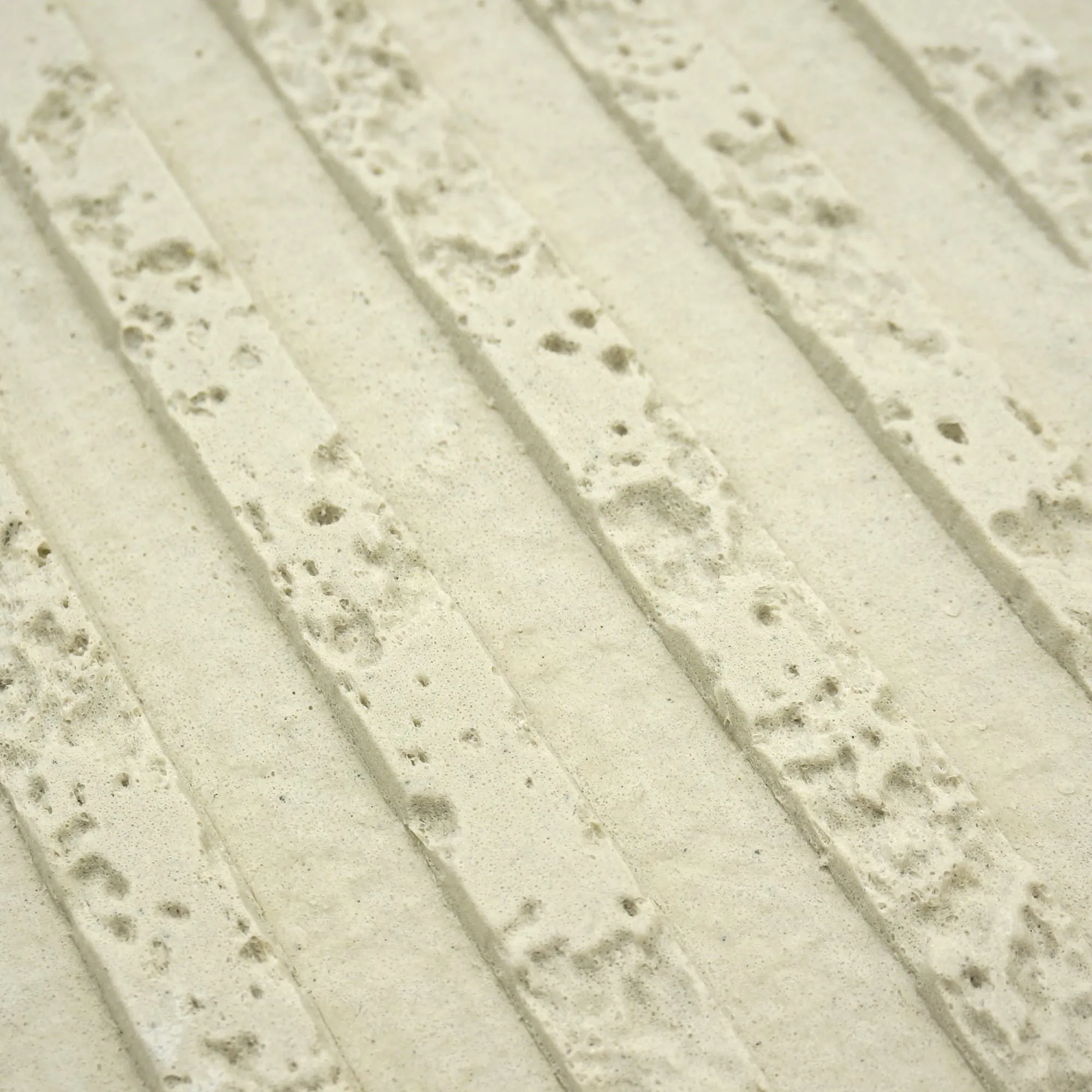
Faced with the stark reality of traditional construction's impact, the question arises: How can we achieve the timeless aesthetic of natural materials without the destructive baggage? This is where COLORIA's core innovation comes into play. The answer lies in a material known as MCM, or Modified Cementitious Material .
It sounds technical, but the concept is beautifully simple and elegant. Let's break it down. "Cementitious" refers to its base components, which are derived from natural elements like common soil, clay, and sand. "Modified" is the key to the magic. Through a proprietary technological process, these natural raw materials are transformed at a molecular level, altering their properties to create a completely new kind of material. It's not fired like ceramic, nor is it simply a concrete mix. It's a unique hybridization that results in a material that is lightweight, flexible, and incredibly versatile, yet retains the visual and tactile authenticity of stone, wood, or brick.
The eco-friendly nature of MCM begins with its very ingredients. Instead of blasting mountains, COLORIA's process utilizes abundant and often reclaimed materials. The primary components are:
Think of it as a form of "industrial alchemy," transforming low-value, abundant earth into high-performance architectural finishes. The process intelligently mimics geological processes that take millions of years, but accomplishes it in a matter of hours with a fraction of the environmental impact.
Perhaps the most significant departure from traditional manufacturing is how MCM is formed. Traditional materials like ceramic tiles, bricks, and terracotta panels must be fired in kilns at extreme temperatures, often exceeding 1200°C. This firing process is incredibly energy-intensive, releasing large amounts of carbon dioxide.
COLORIA's MCM, by contrast, is cured at a low temperature, typically between 100°C and 150°C. This isn't firing; it's more akin to a carefully controlled baking process. This low-temperature curing is the cornerstone of its eco-friendly manufacturing. It means the energy consumption is drastically lower—up to 80% less than that of producing ceramics. This translates directly to a significantly smaller carbon footprint per square meter of finished product. No high-temperature kilns means no massive greenhouse gas emissions from burning fuel, making the entire factory environment cleaner and safer.
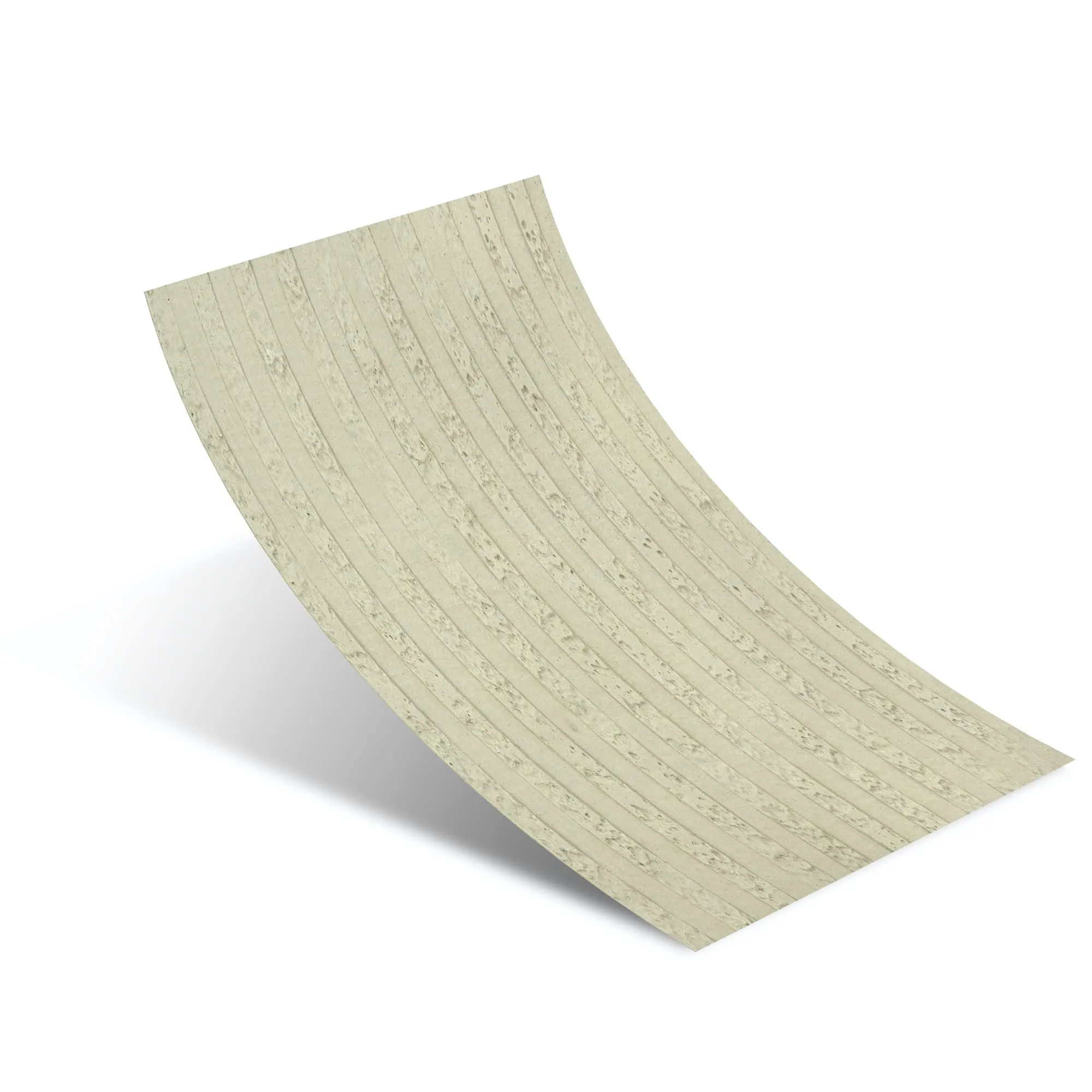
Understanding the "what" of MCM is one thing; seeing "how" COLORIA brings it to life reveals a deep commitment to sustainability at every stage. The manufacturing process isn't just a means to an end; it's an embodiment of the company's eco-conscious philosophy.
The journey begins long before anything enters the factory. COLORIA's procurement team actively sources raw materials with the lowest possible environmental impact. This means prioritizing local suppliers to reduce transportation miles and focusing on materials that are either naturally abundant or reclaimed. By integrating stone powder from quarries and processing plants, the MCM process actively helps to reduce the waste mountains created by the traditional stone industry. It's a first, critical step in creating a circular, rather than linear, material lifecycle.
The sourced raw materials—soil, sand, mineral powders—are brought into a climate-controlled facility. Here, they are meticulously classified, dried, and filtered to ensure purity and consistency. Then, using a computerized system, they are precisely weighed and blended according to COLORIA's proprietary formulas. This isn't just a simple mix; it's a sophisticated recipe where every component plays a specific role. The inorganic materials provide the body and texture, while the water-based polymers and modifying agents initiate the cross-linking reaction that will give the final product its strength and flexibility. Color pigments, which are also natural minerals, are added at this stage, ensuring the color runs through the entire body of the material, just like real stone, so it won't fade or wear off over time.
Once the paste-like mixture is ready, it is extruded and pressed into high-precision molds. These molds are the key to MCM's incredible versatility. They can replicate the most intricate textures—the rugged face of slate, the subtle grain of wood, the smooth feel of travertine, or even complex, custom 3D patterns. This is where products like the stunning MCM 3D Printing Series begin to take shape, allowing for bespoke designs without the wasteful carving of traditional methods.
The molded material then moves into a continuous, conveyor-style curing oven. This is the heart of the eco-friendly process. The temperature here is low, carefully controlled to catalyze the polymerization and photochemical cross-linking reaction. As the material passes through, water is slowly evaporated, and the molecular structure transforms, locking the mineral particles into a stable, durable, yet pliable matrix. The energy used is a tiny fraction of what a ceramic kiln would require. The only emission is clean water vapor, which can be captured and recycled back into the system.
In traditional manufacturing, waste is a costly problem. In COLORIA's MCM process, it's an opportunity. The production is incredibly efficient. Because the material is molded to size, there are minimal offcuts. Any trimmings or products that don't meet the stringent quality control standards are not sent to a landfill. Instead, they can be collected, ground down, and reintroduced back into the raw material mix at the beginning of the process. This closed-loop system means manufacturing waste is virtually eliminated, pushing the boundaries of what a truly circular manufacturing process can be.
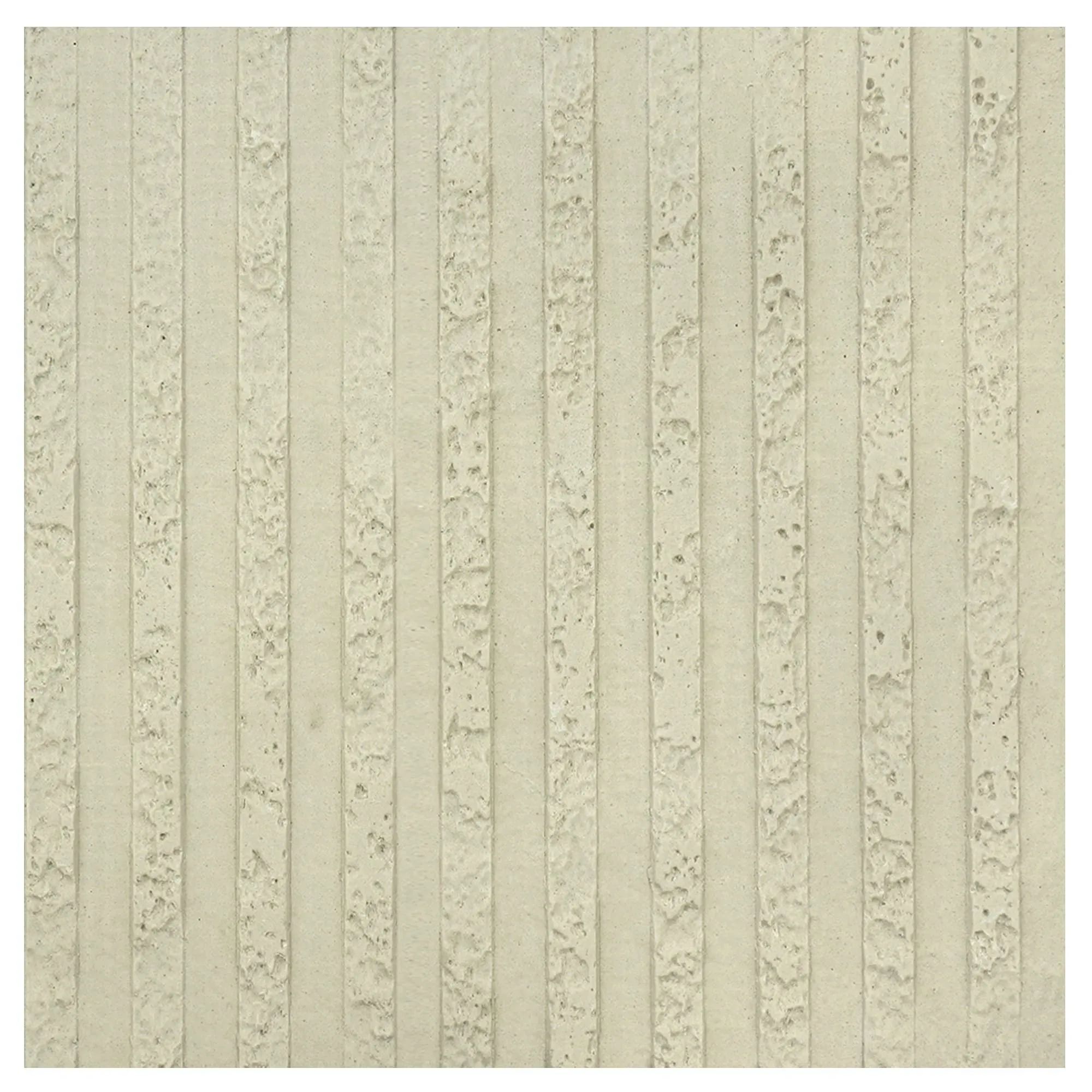
The benefits of COLORIA's eco-friendly manufacturing don't stop at the factory gate. They ripple outwards, delivering significant environmental and practical advantages throughout the product's entire lifecycle, from shipping to installation and beyond.
COLORIA's MCM products are remarkably lightweight. On average, they are just one-fifth to one-tenth the weight of traditional stone of the same thickness. This has profound implications. A lighter product means less fuel is needed to transport it, drastically cutting down on CO2 emissions from trucks and ships. It also means the structural load on a building is reduced, potentially allowing for less steel and concrete in the building's frame—another significant saving in embodied energy. The ease of handling also translates to faster, safer, and less labor-intensive installations.
This is where products like MCM Flexible Stone truly shine. Imagine cladding a curved wall or a column. With traditional tile or stone, this would require dozens of small, difficult cuts, creating a huge amount of waste and a visually cluttered result with many grout lines. With MCM Flexible Stone, a single large sheet can be gently bent to follow the contour perfectly. It can be easily cut with a simple utility knife, producing no dust, no noise, and virtually no waste. A small offcut from one area can easily be used elsewhere. This flexibility revolutionizes the installation process, saving time, money, and most importantly, preventing tons of material from being sent to landfills.
The MCM manufacturing process allows for an unprecedented level of customization. Products like the MCM Big Slab Board Series can be produced in large, specific dimensions tailored to a project's needs. This means architects can design facades with fewer joints and panels that are made-to-measure, drastically reducing the need for on-site trimming and the associated waste. This "additive" and "net-shape" approach to manufacturing—creating the exact shape and size you need from the start—is the antithesis of the wasteful, subtractive process of carving stone. It's a smarter, more efficient way to build.
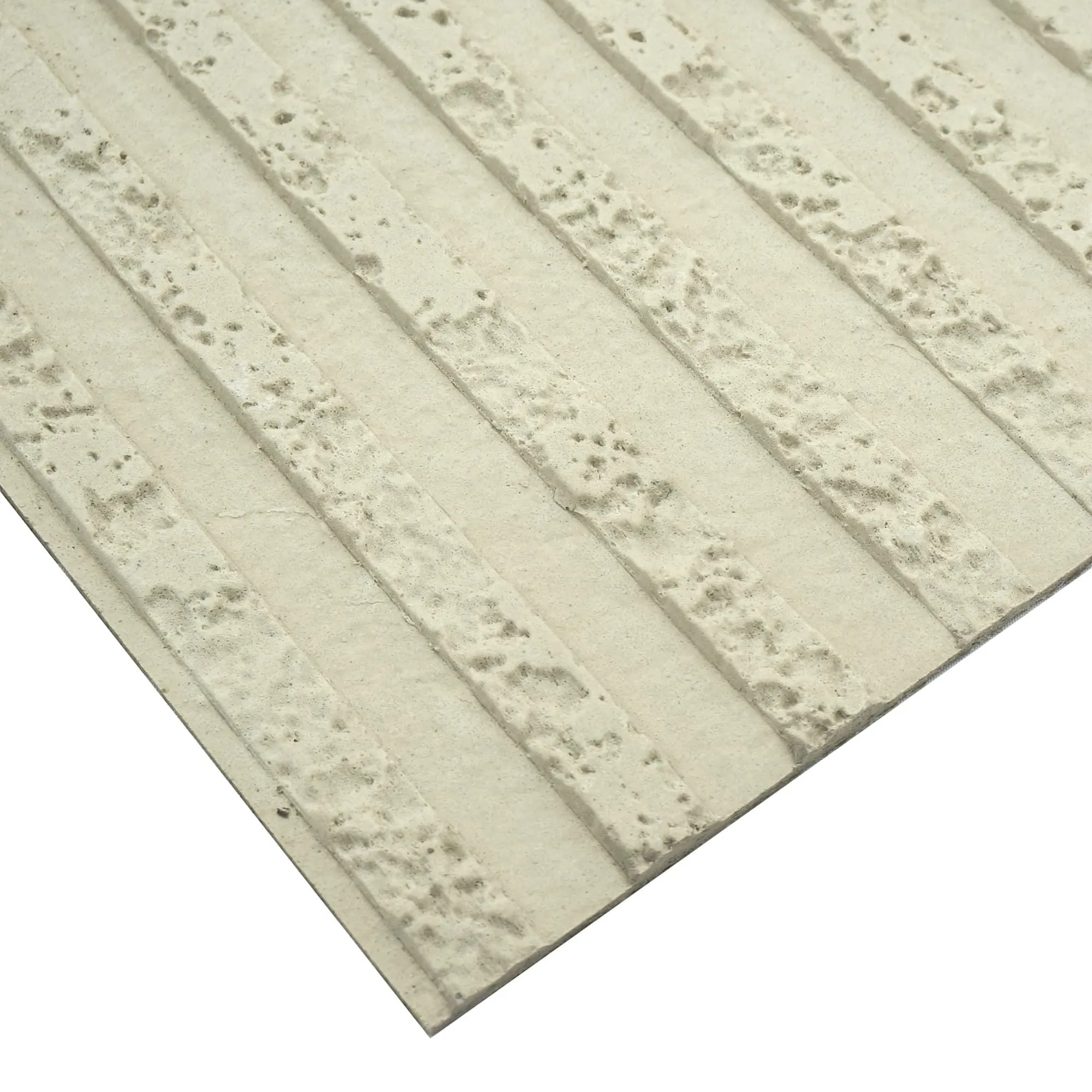
When we place COLORIA's MCM technology side-by-side with traditional materials, the advantages become crystal clear. The following table provides a summary comparison across key environmental and performance metrics. It illustrates a paradigm shift in how we think about building materials—a move away from the brute force of extraction and high heat, towards an intelligent, low-energy, and regenerative approach.
| Metric | Traditional Natural Stone | Traditional Ceramics | COLORIA MCM |
|---|---|---|---|
| Raw Material Source | Finite resource from destructive quarrying. High waste in extraction. | Clay quarrying, which can degrade landscapes. | Abundant natural soil, sand, and reclaimed materials (stone powder, fly ash). Minimal environmental impact. |
| Production Energy | High energy for cutting, grinding, and polishing heavy blocks. | Extremely high. Firing in kilns at 1200°C+ is a primary source of CO2 emissions. | Extremely low. Cured at low temperatures (100-150°C), saving up to 80% energy vs. ceramics. |
| Water Usage | Very high for cooling saws and suppressing dust, creating slurry waste. | Moderate to high, used in mixing and glazing processes. | Low. Water used in the mix is evaporated cleanly, with potential for capture and recycling. |
| Transportation Footprint | Very high due to extreme weight. High fuel consumption and CO2 emissions. | Moderate. Denser and heavier than MCM. | Very low. Lightweight (1/5th to 1/10th of stone), drastically reducing fuel for transport. |
| On-Site Waste | High (10-20%). Brittle material leads to breakage and large offcuts during fitting. | Moderate to high. Cutting tiles for edges and corners creates waste. | Virtually zero. Flexible material can be bent. Easily cut with a knife, allowing offcuts to be reused. |
| Manufacturing Emissions | Dust (silica), machinery emissions, and slurry runoff. | High CO2, NOx, SOx from burning fuel for kilns. | Near-zero harmful emissions. The main byproduct is clean water vapor. |
| Design Freedom | Limited by the type of stone and the subtractive nature of carving. Curves are difficult and wasteful. | Limited to flat tiles, with texture applied as a surface glaze. | Nearly unlimited. Can replicate any texture, can be flexible or rigid, and allows for custom 3D shapes and large formats. |
The pathfinders of old conquered mountains to build their monuments. The pathfinders of today, like COLORIA GROUP, are showing that we can build just as beautifully and durably without conquering nature at all. By embracing science, innovation, and a deep-seated respect for our planet's resources, they have fundamentally redefined what a building material can be.
COLORIA's MCM technology is more than just a product; it's a holistic solution. It addresses the environmental sins of the past—from the scars of quarrying to the pollution of high-temperature firing and the waste of on-site installation. It demonstrates that true progress lies not in the relentless exploitation of finite resources, but in the intelligent and creative transformation of abundant ones. As architects, builders, and homeowners, the choices we make have a collective impact. By choosing materials born from an eco-friendly process, we are not just decorating a space; we are participating in a movement. We are helping to build a future where our built environment exists in harmony with the natural world—a future paved with innovation, responsibility, and enduring beauty.
Recommend Products












