
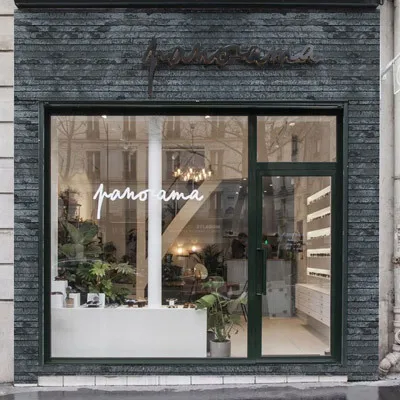
Walk up to a hospital, and before you hear the hum of ventilators or the soft chatter of nurses, you'll notice its exterior. It's the first chapter of a story—a story about care, safety, and healing. For patients arriving anxious, families waiting nervously, or staff starting a long shift, that first glance matters. A cold, sterile facade might amplify stress; a warm, sturdy one? It can whisper, "You're in good hands here." But hospitals aren't just about feelings—they're about function. The materials that clothe their exteriors must work as hard as the teams inside: fighting germs, standing up to weather, and lasting for decades without faltering. That's where dark grey muretto stone steps in—a material that speaks both the language of comfort and the logic of resilience.
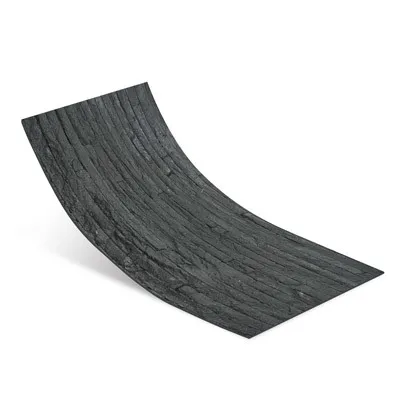
Hospitals are battlefields against invisible enemies. Infections don't stop at the door, and exterior surfaces—raindrenched, touched by visitors, exposed to dust—can become silent carriers. A material that traps moisture or harbors bacteria isn't just a maintenance headache; it's a risk. Then there's durability. Hospitals can't shut down for renovations every few years. They need exteriors that laugh off harsh winters, blistering summers, and the daily wear of a busy facility. It's a tall order: something that cleans easily, resists decay, and still feels human. Too often, materials lean hard into one—sleek but fragile, or tough but cold. But what if there was a middle ground? A material that checks both boxes, and then some?
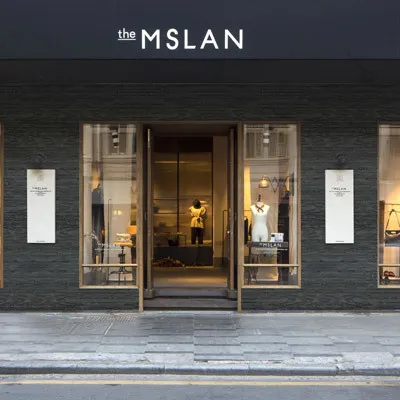
If hospital exteriors were a team, dark grey muretto stone would be the unsung all-star. Let's start with the basics: its texture. Run a hand over it, and you'll feel a subtle, matte finish—not too rough to trap dirt, not too smooth to feel artificial. It's the kind of surface that looks like it's been shaped by time, not a factory, which matters for a space that's meant to feel grounded, not clinical. But looks aside, its real power lies in its makeup.
The Science Behind Hygiene: Non-Porous, Easy to Clean
Germs love porous materials—tiny nooks and crannies where moisture lingers and bacteria breed. Muretto stone? It's dense, with a tight, non-porous structure that leaves little room for unwanted guests. When it rains, water beads up and rolls off instead of seeping in. When a cleaning crew wipes it down with disinfectant, the solution doesn't soak in—it stays on the surface, killing germs before they can hide. For hospitals in busy urban areas, where pollution and grime build up quickly, this is a game-changer. No more scrubbing for hours or worrying about mold growing in hidden crevices; a quick rinse or wipe, and it's ready to stand guard again.
Built to Last: Weather Resistance and Longevity
Hospitals in coastal cities face salt spray; those in deserts battle sandstorms; others endure freezing winters with ice and snow. Muretto stone doesn't play favorites—it stands up to all of it. Its natural composition resists cracking in frost, fading in sunlight, and corrosion from salt or pollutants. Unlike materials that chip or peel after a few years, muretto stone ages gracefully. Walk past a hospital clad in it after 10, 20, even 30 years, and it will still look sturdy, reliable—like it's been there for the long haul, just like the care inside. For facility managers, that translates to fewer repairs, lower maintenance costs, and peace of mind knowing the exterior won't become a liability.
Aesthetic Balance: Calmness in Chaos
Dark grey isn't just a color here—it's a choice. Bright whites can feel harsh, like a spotlight on anxiety; bold colors might overstimulate. But dark grey? It's neutral without being cold, grounding without feeling heavy. It absorbs the chaos of a hospital's surroundings—the flashing ambulances, the bustling parking lots—and turns it into a sense of stability. Pair it with warm wood accents or soft greenery, and suddenly the exterior feels less like a "medical building" and more like a place of refuge. Patients arriving for treatment, already on edge, don't need more stress. Muretto stone's quiet presence says,
"Breathe. This is a place that endures."
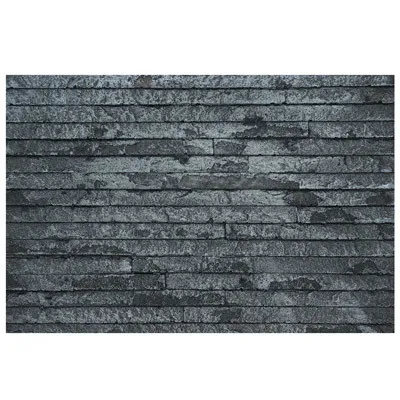
Dark grey muretto stone isn't the only option for hospital exteriors, of course. Let's see how it stacks up against three common alternatives: fair-faced concrete , epoch stone , and century stone . Each has its merits, but when it comes to the unique demands of healthcare, muretto stone pulls ahead.
| Material | Hygiene Performance | Durability (Expected Lifespan) | Aesthetic Warmth | Long-Term Cost-Effectiveness |
|---|---|---|---|---|
| Dark Grey Muretto Stone | Excellent (non-porous, easy to disinfect) | 50+ years (resists weather, fading, cracking) | High (natural texture, calming dark grey tone) | High (low maintenance, minimal repairs) |
| Fair-Faced Concrete | Good (dense surface) but porous if unsealed; prone to staining | 30–40 years (may crack in extreme weather) | Low (cold, industrial appearance) | Moderate (needs regular sealing, occasional patching) |
| Epoch Stone | Good (resistant to mold) but texture can trap dust | 40–50 years (strong but may fade in direct sunlight) | Moderate (modern look, less organic feel) | Moderate (higher upfront cost, some color maintenance) |
| Century Stone | Fair (porous; requires frequent deep cleaning) | 35–45 years (prone to chipping at edges) | High (natural stone look) but limited color options | Low (high cleaning costs, occasional edge repairs) |
The table tells the story: muretto stone isn't just good—it's consistent. It doesn't force hospitals to choose between hygiene and warmth, or durability and cost. It delivers on all fronts, making it a smart investment for spaces that can't afford compromises.
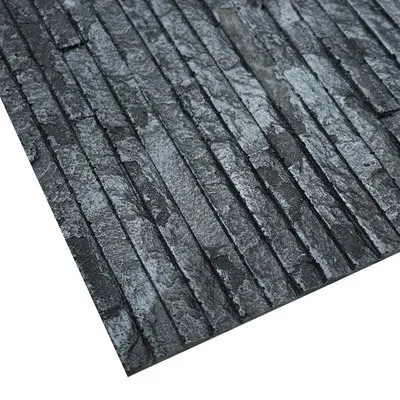
Hospitals heal bodies, but they also need to heal minds. A patient staring out a window at a drab, worn exterior might feel more isolated; a visitor walking up to a warm, sturdy facade might take a small breath of relief. Dark grey muretto stone understands this balance. Its natural texture—subtle variations in tone, the way light plays on its surface—feels alive, not manufactured. It's a reminder of the world outside the hospital walls: the quiet strength of mountains, the reliability of stone that's stood for centuries. For staff, that matters too. Nurses and doctors spend long hours in high-stress environments; coming and going through a door framed by muretto stone isn't just functional—it's a small, daily reminder of stability.
Take Maria, a pediatric nurse at a hospital in Chicago that switched to muretto stone five years ago. "Before, the exterior was this dull concrete that always looked dirty, no matter how much we cleaned it," she says. "Now? Kids point out the 'sparkly rocks' (the tiny mineral flecks in the stone) when they're being wheeled in for appointments. It's a little thing, but anything that takes their mind off being scared? That's a win."
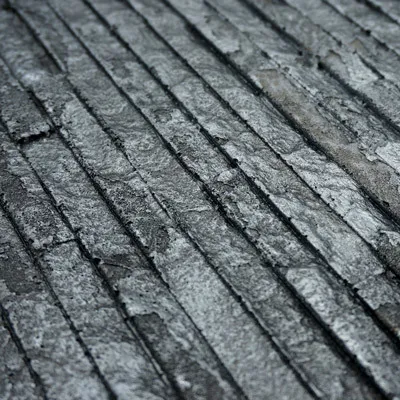
Across the country, hospitals are catching on. Take the Mercy West Medical Center in Denver, which renovated its exterior with dark grey muretto stone in 2019. Before the renovation, the building was clad in aging brick that trapped moisture, leading to frequent mold issues. "We were spending $20,000 a year just on pressure washing and repairs," says facility manager Raj Patel. "Now? We hose it down twice a year, and it looks brand new. And the patients? They talk about how 'calming' the building feels now. It's not just a wall—it's part of the care experience."
Another example: the New Hope Children's Hospital in Seattle, which chose muretto stone for its new wing. "We wanted something that felt safe, like a hug," says lead architect Lisa Wong. "Dark grey might sound gloomy, but in person, it's soft—especially with the way we paired it with large windows and landscaping. Parents tell us their kids ask to 'touch the rock wall' before going in for appointments. That's the power of a material that feels human."
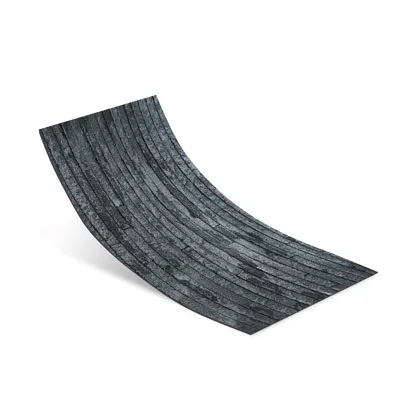
Hospitals are more than buildings—they're sanctuaries of healing. Every choice, from the layout of waiting rooms to the color of the walls, shapes the experience of care. The exterior, often overlooked, is the first step in that journey. Dark grey muretto stone isn't just a material; it's a commitment—to hygiene that protects patients, durability that saves resources, and warmth that eases fear. It's proof that in healthcare, we don't have to choose between function and heart. Sometimes, the best solutions are the ones that stand tall, quietly, for decades—just like the care they surround.
So the next time you pass a hospital, take a moment to look at its exterior. If it's clad in dark grey muretto stone, know this: behind that sturdy, calming facade is a team that cares—about the science of safety, and the art of healing. And that's a story worth telling.
Recommend Products












