
How thoughtful material choices are reshaping healing spaces—one warm texture, one sustainable panel at a time
Let's start with something we can all relate to: walking into a room and immediately feeling at ease—or the opposite. Now imagine that room is a hospital. For patients, it's not just a room; it's where they'll rest, recover, and face some of life's most vulnerable moments. For nurses and doctors, it's their workplace, where focus and calm can mean the difference between a good shift and a stressful one. For families, it's a waiting room where every second feels heavy with worry. The truth? The design of a hospital isn't just about looking nice—it's about healing.
Research backs this up. Studies from the American Psychological Association show that patients in spaces with natural elements (think wood, stone, soft colors) report lower anxiety levels and shorter recovery times compared to those in stark, all-white environments. Staff burnout rates drop, too, when workspaces feel less like "clinical" and more like "human." And here's the kicker: the materials used to build these spaces play the biggest role in setting that tone. They're the silent communicators, sending messages about warmth, safety, and care before anyone even says a word.
But hospitals aren't just any buildings. They're high-traffic, high-stakes environments. Materials need to check a lot of boxes: they must be easy to clean (hello, infection control), durable enough to withstand constant use, and—more than ever—kind to the planet. Enter COLORIA's MCM (Modified Composite Material) series. Among their lineup, products like Poly Wood Board, MCM Flexible Stone, and Travertine (Beige) are quietly revolutionizing how we think about hospital design. They're not just "materials"—they're tools for creating spaces that heal.
Before we dive into the specifics, let's talk about sustainability. Hospitals are massive operations: they use energy around the clock, generate tons of waste, and their carbon footprints can be staggering. But here's the good news: small choices add up. Choosing green building materials—like those from COLORIA—isn't just a "nice-to-have"; it's a responsibility. Hospitals that prioritize eco-friendly options reduce their environmental impact, improve indoor air quality (critical for patients with respiratory issues), and even set an example for the communities they serve.
COLORIA's MCM series leans into this mission hard. Many of their products are made with recycled materials, low-VOC (volatile organic compound) adhesives, and manufacturing processes that minimize water and energy use. For hospitals aiming for LEED certification or simply wanting to align with global sustainability goals, this isn't just a selling point—it's a requirement. And the best part? These materials don't make you choose between "green" and "great." They deliver on both.
Let's get up close with the stars of the show: the materials that are making hospital interiors feel less like "hospitals" and more like "healing sanctuaries." We'll focus on five standouts, but trust us—COLORIA's lineup has something for every corner of a healthcare facility.
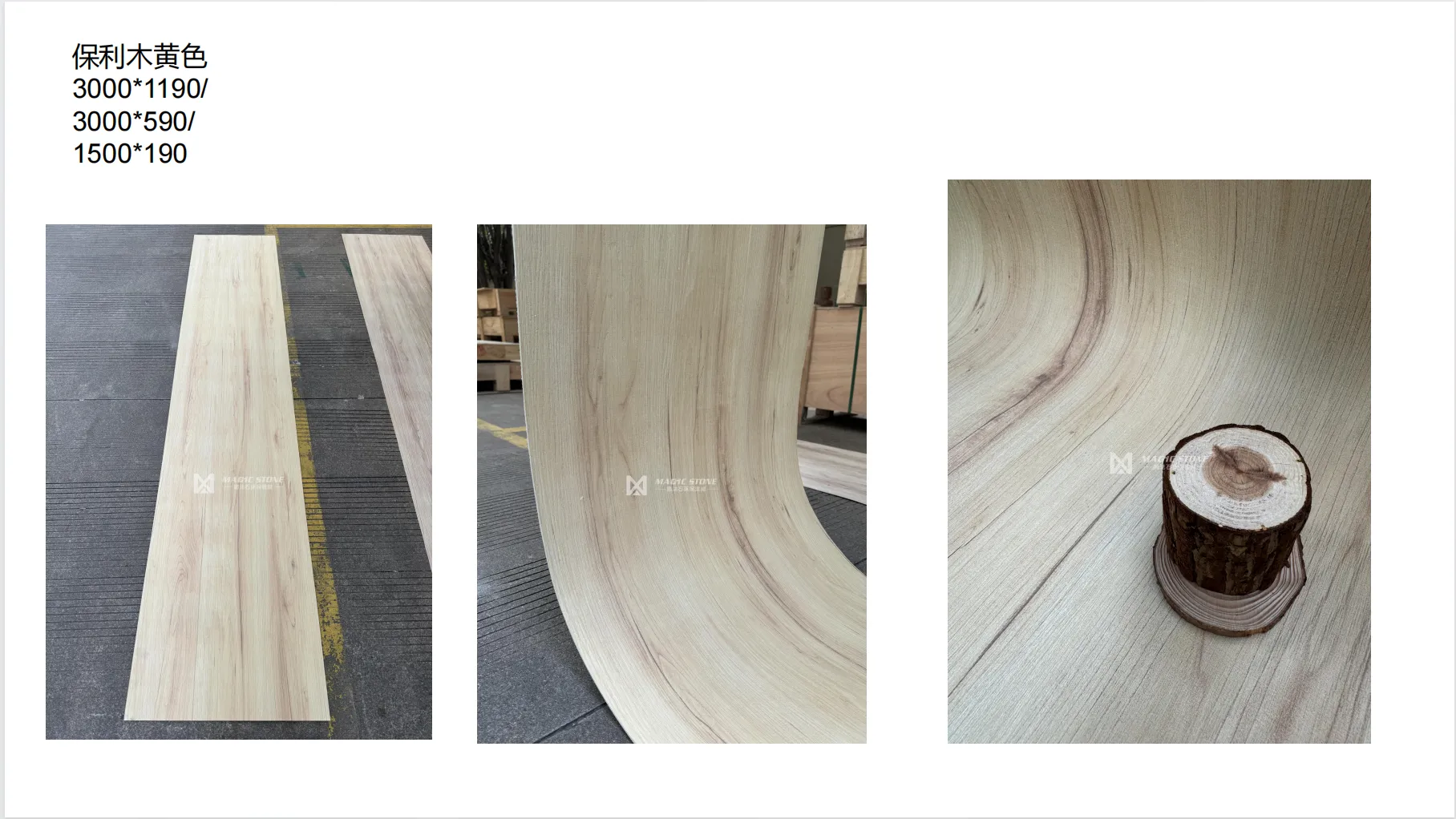
Walk into a patient room with Poly Wood Board accents, and you'll notice the difference immediately. Unlike cold plastic or harsh metal, this material has a soul. It mimics the look and feel of real wood—think soft grains, warm undertones, and a texture that invites touch—without the downsides of natural wood (like warping, rotting, or needing constant refinishing).
So why is this perfect for hospitals? Let's break it down. First, durability. Poly Wood Board is scratch-resistant, moisture-proof, and impervious to mold—all must-haves in a space where spills happen, and cleanliness is non-negotiable. Second, hygiene. It's super easy to clean: a quick wipe with disinfectant, and it's germ-free, no porous nooks for bacteria to hide. Third, aesthetics. Imagine a pediatric ward where the walls are lined with Poly Wood Board in a light oak finish. Suddenly, the room feels less like a clinic and more like a cozy treehouse—exactly the kind of vibe that helps little patients relax.
And yes, it's eco-friendly. COLORIA's Poly Wood Board is made with recycled wood fibers and plant-based resins, so you're not cutting down trees for that warm, homey feel. It's a win-win for the planet and the people in the room.
Natural stone is stunning, but in a hospital, hauling heavy slabs of marble or granite isn't practical. Enter MCM Flexible Stone—a lightweight, ultra-thin material that looks and feels like real stone but bends, cuts, and installs with ease. It's like stone, but reimagined for modern needs.
Picture this: a hospital lobby with a feature wall clad in MCM Flexible Stone. The texture is rich—think the subtle veining of travertine or the rugged charm of slate—but because it's flexible, it can curve around corners or wrap columns, adding visual interest without making the space feel cramped. For waiting areas, this is a game-changer. Instead of staring at blank white walls, visitors can focus on the natural beauty of the stone, which studies show reduces stress and distracts from anxiety.
Practicality? Check. MCM Flexible Stone is stain-resistant, fire-retardant, and doesn't fade in sunlight—so that lobby wall will look just as good in 10 years as it does on day one. And since it's made with natural stone particles and eco-friendly binders, it's non-toxic and safe for indoor air quality. No off-gassing, no harmful chemicals—just pure, durable beauty.
Beige gets a bad rap for being "boring," but Travertine (Beige) is here to change that. This natural stone has a soft, earthy tone that feels like a breath of fresh air in a hospital setting. Its surface is dotted with tiny, subtle pores (filled and sealed, of course, for hygiene) that add texture without being overwhelming. It's warm, neutral, and universally calming—exactly what you want in a space where emotions run high.
Where does Travertine (Beige) shine in hospitals? Flooring, for one. Its non-slip surface is perfect for busy corridors, and its neutral color hides scuffs and stains (a huge plus for high-traffic areas). Wall panels, too—imagine a maternity ward with Travertine (Beige) accent walls. The soft tone pairs beautifully with soft lighting, creating a serene environment for new parents and their babies. And because it's a natural material, it adds that "outdoor" feel indoors, which studies link to improved mood and reduced depression in patients.
"Concrete" might make you think of cold warehouses, but fair-faced concrete (also called "exposed concrete") is a different beast. When done right—like COLORIA's version—it's raw, honest, and surprisingly warm. It has a matte finish, subtle texture, and a neutral gray tone that acts as the perfect backdrop for bolder accents (like Poly Wood Board or MCM Flexible Stone).
Hospitals love fair-faced concrete for its durability and low maintenance. It's scratch-proof, easy to clean, and can handle the wear and tear of rolling beds, wheelchairs, and busy staff. But beyond that, it adds a sense of stability and permanence—important in a space where patients are seeking reassurance. Think of it as the "quiet strength" of the room, providing a steady foundation for the softer elements around it.
We've seen it used in everything from nurse stations (where it resists daily knocks and spills) to cafeteria floors (where it stands up to food stains and heavy foot traffic). And because it's made with minimal additives, it's low-VOC and eco-friendly—another checkmark for sustainability.
This isn't a single material, but a mindset—and COLORIA lives it. All the products we've mentioned fall under the "green building materials" umbrella, but it's worth highlighting why this matters for hospitals. Let's put it in perspective: a typical hospital uses 2.5 times more energy per square foot than a commercial office building. Choosing materials that are recycled, low-emission, or locally sourced can slash that footprint dramatically.
For example, COLORIA's Poly Wood Board uses recycled wood fibers, diverting waste from landfills. Their MCM Flexible Stone requires less energy to transport (thanks to its lightweight design) than traditional stone slabs. And their manufacturing process prioritizes water conservation and renewable energy. For hospitals, this isn't just about "being green"—it's about creating healthier environments for patients (better air quality means fewer respiratory irritants) and saving money long-term (lower energy and maintenance costs).
Let's paint a picture of a hospital wing designed with COLORIA's materials. It's not just about one product—it's about how they harmonize to create a cohesive, healing space.
Start in the pediatric ward . The walls are lined with Poly Wood Board in a light maple finish, giving the room a treehouse-like warmth. The floor? Travertine (Beige), with its soft texture and non-slip surface—perfect for little feet (and the occasional spilled juice box). Accent walls feature MCM Flexible Stone in a gentle blue, mimicking the sky, to spark imagination. Even the cabinetry is Poly Wood Board, so it's durable enough to withstand sticky fingers but warm enough to feel like "home."
Move to the ICU . Here, calm and focus are key. Fair-faced concrete walls provide a neutral, distraction-free backdrop, while Poly Wood Board trim adds subtle warmth (no harsh edges here). The floors are polished concrete (another COLORIA staple), easy to disinfect and reflective enough to bounce light around the room, making it feel brighter and more open. Nurses' stations are topped with Travertine (Beige), a surface that stays cool to the touch and resists stains from spills.
Finally, the waiting area . This is where families spend hours, so comfort is everything. Large windows let in natural light, which streams over a feature wall clad in MCM Flexible Stone (think warm, earthy tones). Seating is arranged around low tables made from Poly Wood Board, and the floor is a mix of Travertine (Beige) and fair-faced concrete, creating visual interest without chaos. Even the ceiling has woven (beige) panels—another COLORIA texture—softening the acoustics so the space feels quiet, not echoey.
In every corner, the materials work together to say: "You're safe here. You're cared for." And that's the magic.
| Material | Key Features | Best For | Eco-Friendly Highlights |
|---|---|---|---|
| Poly Wood Board | Warm wood-look texture, moisture-proof, scratch-resistant | Patient room walls, cabinetry, pediatric wards | Made with recycled wood fibers and plant-based resins |
| MCM Flexible Stone | Lightweight, bendable, mimics natural stone | Lobby feature walls, accent panels, corridors | Low-VOC binders, minimal waste in manufacturing |
| Travertine (Beige) | Soft neutral tone, non-slip surface, natural texture | Flooring, maternity wards, waiting areas | Natural stone, locally sourced where possible |
| Fair-Faced Concrete | Durable, low-maintenance, matte finish | ICU walls, nurse stations, high-traffic corridors | Recycled aggregates in mix, energy-efficient production |
| Green Building Materials (Overall) | Low-emission, recycled content, sustainable sourcing | Every area—reduces hospital carbon footprint | LEED-certifiable, supports global sustainability goals |
As we look ahead, one thing is clear: hospitals are no longer just places to treat illness—they're places to nurture wellness. And that shift starts with the materials we build them with. COLORIA's MCM series, with stars like Poly Wood Board, MCM Flexible Stone, and Travertine (Beige), is leading the charge by proving that "clinical" and "compassionate" don't have to be opposites.
These materials tell a story: that healing isn't just about medicine. It's about the light in the room, the texture of the wall, the warmth of the surface beneath your hand. It's about feeling safe, seen, and cared for—even in the most vulnerable moments. And when we design hospitals with that in mind, we don't just build better buildings—we build better outcomes.
So the next time you walk into a hospital, take a closer look at the walls, the floors, the little details. Chances are, if it feels like a place that heals, there's a COLORIA material somewhere in the mix. And that's something worth celebrating.
Recommend Products












