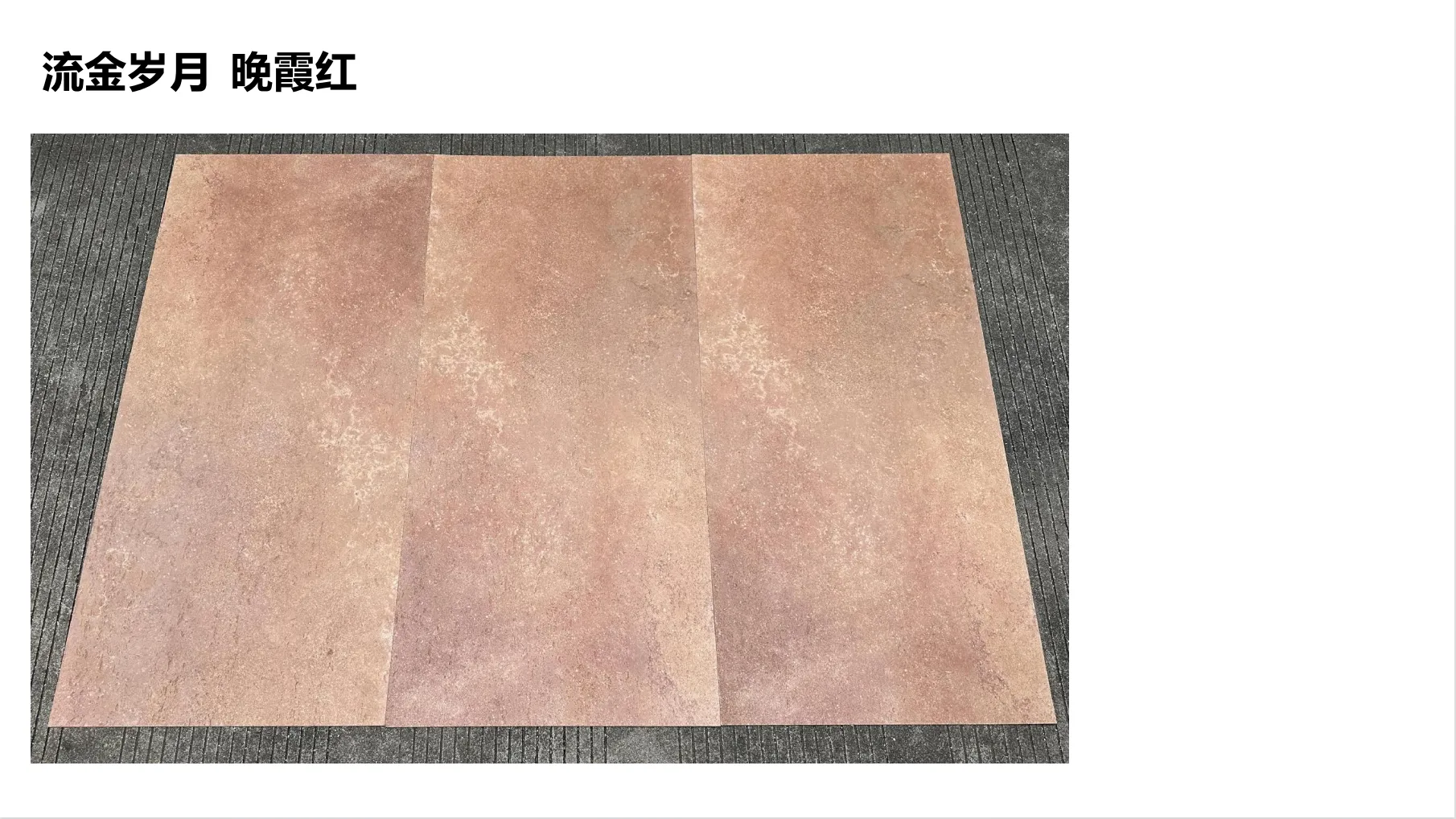
Walk down the corridor of a modern hospital, and you might notice something different these days. The walls—once cold, clinical, and prone to scuffs—now feel warm, intentional, and surprisingly inviting. It's a subtle shift, but one that matters deeply. For patients recovering from illness, for staff working long shifts, and for families waiting anxiously, the environment isn't just a backdrop; it's part of the healing process. Today, we're diving into how COLORIA MCM's hygienic wall solutions are redefining this space, with a special focus on the
Golden Faith real photos that showcase their transformative impact in healthcare design.
The Challenge: When Walls in Hospitals Need to Do More Than Just Exist
Let's be honest: Hospitals are tough places for walls. They're bombarded daily with high foot traffic, frequent cleaning with strong disinfectants, and the constant threat of bacteria lingering in hard-to-reach corners. Traditional materials—think glossy ceramic tiles with grout lines that trap germs, or paint that chips and fades after months of scrubbing—just aren't cutting it anymore. And it's not just about hygiene. A sterile, unwelcoming environment can heighten anxiety for patients, making recovery feel like an uphill battle. Nurses and doctors, too, deserve spaces that don't add to their stress—walls that stay looking fresh, even after years of wheelchairs, stretchers, and the occasional stray IV pole bump.
"We used to spend so much time worrying about the walls," says Sarah Lopez, a hospital facilities manager with over 15 years of experience. "Grout lines would get discolored no matter how much we cleaned them, and paint would peel near sinks and treatment areas. It felt like we were always playing catch-up." For Sarah and her team, the need was clear: walls that could keep up with the chaos of healthcare, without sacrificing the warmth patients need to heal.
COLORIA MCM: Where Hygiene Meets Heart in Healthcare Design
Enter COLORIA MCM—a line of modified composite materials engineered specifically for spaces that demand both performance and personality. At the core of their offering is a simple idea: walls shouldn't be a problem; they should be a solution. And nowhere is this more evident than in their hygienic wall solutions, designed with hospitals in mind. Let's break down what makes them stand out, starting with the star of the show:
mcm flexible stone.
Imagine a material that's lightweight enough to install without heavy machinery, flexible enough to curve around corners, and tough enough to resist scratches, stains, and even the harshest hospital-grade cleaners. That's
mcm flexible stone in a nutshell. Unlike natural stone, which is porous and prone to absorbing liquids (and bacteria), this engineered material is non-porous, meaning it won't give germs a place to hide. And because it's installed in large, seamless panels, there are no grout lines to scrub or worry about. It's a game-changer for infection control teams, who can focus on keeping patients safe instead of fighting with wall maintenance.
But COLORIA doesn't stop there. Their range includes
fair-faced concrete and
polish concrete options, too—materials that bring a raw, organic warmth to hospital spaces without the upkeep headaches of traditional concrete.
Fair-faced concrete, with its subtle texture and matte finish, adds depth to corridors and waiting areas, while
polish concrete offers a smooth, sleek surface that's a breeze to wipe down. Both are designed to withstand the test of time, even in high-traffic zones like emergency departments and pediatric wings.
To truly understand the impact of COLORIA's solutions, look no further than the
Golden Faith real photos—a collection of images from a recent hospital renovation project in the heart of the city. Walking through the photos, it's immediately clear: this isn't your grandmother's hospital. The waiting room, once a sea of stark white, now features soft,
travertine-inspired
mcm flexible stone walls in warm beige tones, with subtle veining that mimics natural stone. The effect is calming, like bringing a touch of the outdoors inside. A parent sitting with a sick child might find their gaze lingering on the gentle patterns, feeling a little less tense.
In the pediatric ward, the
Golden Faith real photos show walls clad in polished concrete with custom, soft gray hues. What's striking is how durable yet playful the space feels—bright, colorful murals pop against the neutral backdrop, and the walls themselves? They're built to withstand sticky little fingers and the occasional toy thrown in a moment of frustration. "We wanted a space that felt like a kids' area, not a clinic," says the project's lead architect, James Chen. "The
polish concrete walls let us get creative with decals and art, but they're tough enough to handle whatever the kids throw at them. And cleaning? A quick wipe with a disinfectant cloth, and they look brand new."
Perhaps most impressive are the treatment rooms, where
mcm flexible stone takes center stage. The
Golden Faith real photos here highlight the material's seamless installation—no visible seams or edges, just a smooth, continuous surface that leaves nowhere for bacteria to hide. "Infection control is our top priority," says Dr. Raj Patel, an infectious disease specialist at the hospital. "These walls have made a noticeable difference. We've seen a reduction in surface bacteria counts during routine swabs, and the staff loves how easy they are to clean between patients."
Why These Materials Work: The Science (and Heart) Behind the Design
Let's talk specifics. What makes COLORIA's
mcm flexible stone,
fair-faced concrete, and
polish concrete so well-suited for hospitals? It starts with hygiene, of course. All three materials are non-porous, meaning liquids (and the germs they carry) can't seep in. That's a huge win over natural stone, which is porous and requires regular sealing to prevent staining. And because they're installed in large panels, there are fewer joints—those tiny gaps where mold and mildew love to grow. For a hospital, where even a small infection risk can have serious consequences, this is non-negotiable.
Durability is another key player. Hospitals can't afford to replace walls every few years, and COLORIA's materials are built to last.
Mcm flexible stone, for example, is resistant to scratches, dents, and impacts—perfect for busy corridors where stretchers and wheelchairs are in constant motion.
Fair-faced concrete, too, holds up remarkably well, even when exposed to harsh cleaning chemicals like bleach and hydrogen peroxide. "We tested the materials for months before installing them," Sarah Lopez recalls. "We sprayed them with every cleaner in our arsenal, scraped them with metal tools, and even dropped a 50-pound weight against them. They barely showed a mark. That's when we knew we'd found something special."
But it's the aesthetic appeal that might be the biggest surprise. Traditional hygienic materials often feel cold and industrial, but COLORIA's range leans into warmth. The
travertine-inspired textures of their
mcm flexible stone, for instance, add depth without being overwhelming.
Fair-faced concrete, with its subtle grain, feels organic and grounding. Even
polish concrete, with its smooth, reflective finish, can be customized to add warmth—think soft grays or warm beiges that complement natural light. "Patients notice," says Dr. Patel. "I've had so many comment on how 'nice' the hospital looks now. It might seem small, but feeling comfortable in your environment can actually speed up recovery. Stress slows healing, and a calm space reduces stress."
Traditional vs. COLORIA MCM: A Side-by-Side Look
|
Feature
|
Traditional Hospital Wall Materials
|
COLORIA MCM Hygienic Solutions
|
|
Hygiene
|
Grout lines and porous surfaces trap bacteria; frequent sealing required for natural stone.
|
Non-porous, seamless panels eliminate bacteria hiding spots; no sealing needed.
|
|
Durability
|
Ceramic tiles chip; paint peels; natural stone scratches easily.
|
Resistant to impacts, scratches, and harsh chemicals; built to last 15+ years.
|
|
Maintenance
|
Constant scrubbing of grout; repainting every 1-2 years; costly repairs.
|
Simple wipe-down with standard disinfectants; minimal repairs needed over time.
|
|
Aesthetics
|
Often cold, clinical, and one-note; limited design flexibility.
|
Warm textures (travertine, fair-faced concrete) and customizable colors; blends functionality with comfort.
|
|
Installation
|
Time-consuming (tiling, grouting, painting); messy, disruptive to hospital operations.
|
Lightweight, flexible panels install quickly; minimal downtime during renovations.
|
The Human Touch: How Walls Impact Patients and Staff
Let's step into the shoes of someone who matters most: a patient. Meet Miguel, a 68-year-old grandfather recovering from knee surgery at the Golden Faith hospital. "The last time I was in a hospital, the walls were so white they hurt my eyes," he says with a chuckle. "This time? It feels different. The walls in my room are this soft, warm color—like the stone on my backyard patio. I find myself staring at them when I'm resting, and it makes me feel more at home. Less like I'm 'sick,' more like I'm just… healing." For Miguel, that sense of comfort isn't trivial. It's helped him sleep better, stay positive, and even look forward to his daily walks down the corridor—where the
mcm flexible stone walls feel sturdy and reassuring under his hand as he uses his walker.
For staff, the benefits are equally tangible. Nurse Maya Johnson, who works the night shift in the emergency department, notices the difference in her daily routine. "Cleaning used to take forever," she says. "Scrubbing grout lines between patient rooms, touching up paint chips—you feel like you're not just caring for patients, but for the walls, too. Now, with the COLORIA panels, I can wipe down a room in half the time. It lets me focus on what really matters: the patients." And when staff are less stressed, they're better able to provide the kind of compassionate care that makes hospitals feel like healing spaces, not just treatment centers.
Looking Ahead: The Future of Hospital Design with MCM
As healthcare continues to evolve, the focus on patient-centered care is only growing. Hospitals are no longer just places to treat illness—they're places to nurture wellness, and that starts with the environment. COLORIA MCM's hygienic wall solutions are at the forefront of this shift, proving that function and warmth don't have to be mutually exclusive. With innovations like their 3D printing series, which allows for custom textures and patterns, the possibilities are endless. Imagine a cancer ward with walls that mimic the look of gentle waves, or a mental health unit with calming, nature-inspired designs—all while maintaining the hygiene and durability hospitals demand.
And let's not forget sustainability. MCM materials are lightweight, which means less energy is used during transportation and installation. Their long lifespan also reduces waste, as walls won't need to be replaced every few years. For hospitals looking to reduce their carbon footprint, this is a significant plus. "We're seeing more and more healthcare clients ask about sustainability," says James Chen, the architect behind the Golden Faith project. "COLORIA's materials check that box without compromising on performance. It's a win-win."
The
Golden Faith real photos tell a story that goes beyond pretty walls. They show a hospital where every detail is designed with care—for patients, for staff, and for the hard work of healing. COLORIA MCM's hygienic wall solutions—from the versatile
mcm flexible stone to the durable
fair-faced concrete and
polish concrete—prove that healthcare spaces can be both spotlessly clean and genuinely inviting. Because when walls stop being a problem and start being part of the solution, everyone benefits. So the next time you walk through a hospital corridor and feel that subtle sense of calm, take a closer look at the walls. Chances are, they're working harder than you think—healing, one panel at a time.