The Stone Industry's Quiet Revolution: Beyond Hammers and Chisels
For centuries, working with stone has been a story of brute force and compromise. Quarries roar with the sound of jackhammers, factories hum with saws slicing through massive slabs, and workshops fill with dust as artisans grind away at rough edges to create something polished. Traditional stone production—whether for countertops, facades, or decorative elements—has always been a balancing act: chasing precision while accepting waste, craving unique designs but limited by the material's natural structure, and racing to meet deadlines despite the slow, labor-heavy process. And then there's
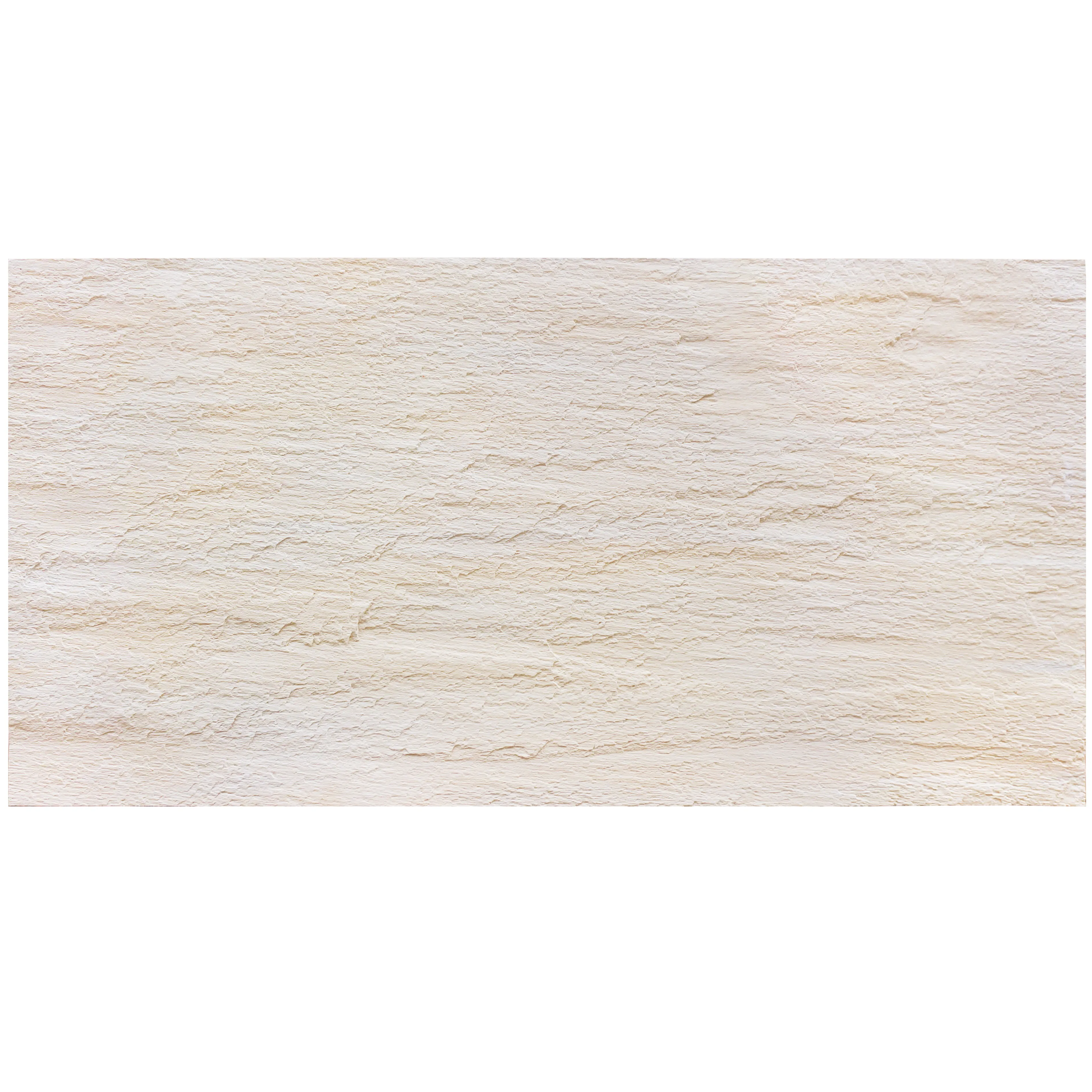
Oasis Stone Foge, a material that's already challenged norms with its flexibility and durability. But even this innovative stone, part of MCM's renowned lineup, was once trapped by the same old manufacturing constraints—until 3D printing stepped in.
Oasis Stone Foge, a modified composite material panel known for its weather resistance and lightweight properties, has long been a favorite in modern architecture. But crafting it into complex shapes or large-scale installations? That used to mean wrestling with big slab board series production, where oversized blocks were cut down to size, leaving heaps of unused material in their wake. Designers often had to scale back their visions, sticking to straight lines and simple patterns because curved or intricate details would require too much manual labor and too many failed attempts. Enter MCM's 3D Printing Series—a technology that's not just changing how
Oasis Stone Foge is made, but redefining what's possible with stone itself.
From "Cut and Carve" to "Build and Bond": How 3D Printing Reinvents Stone Production
Let's start with the basics: traditional stone manufacturing is subtractive. You start with a block—sometimes weighing tons—and remove material until you get the shape you want. It's like carving a statue from marble: you chip away the excess, hoping you don't make a mistake that ruins the whole piece. For
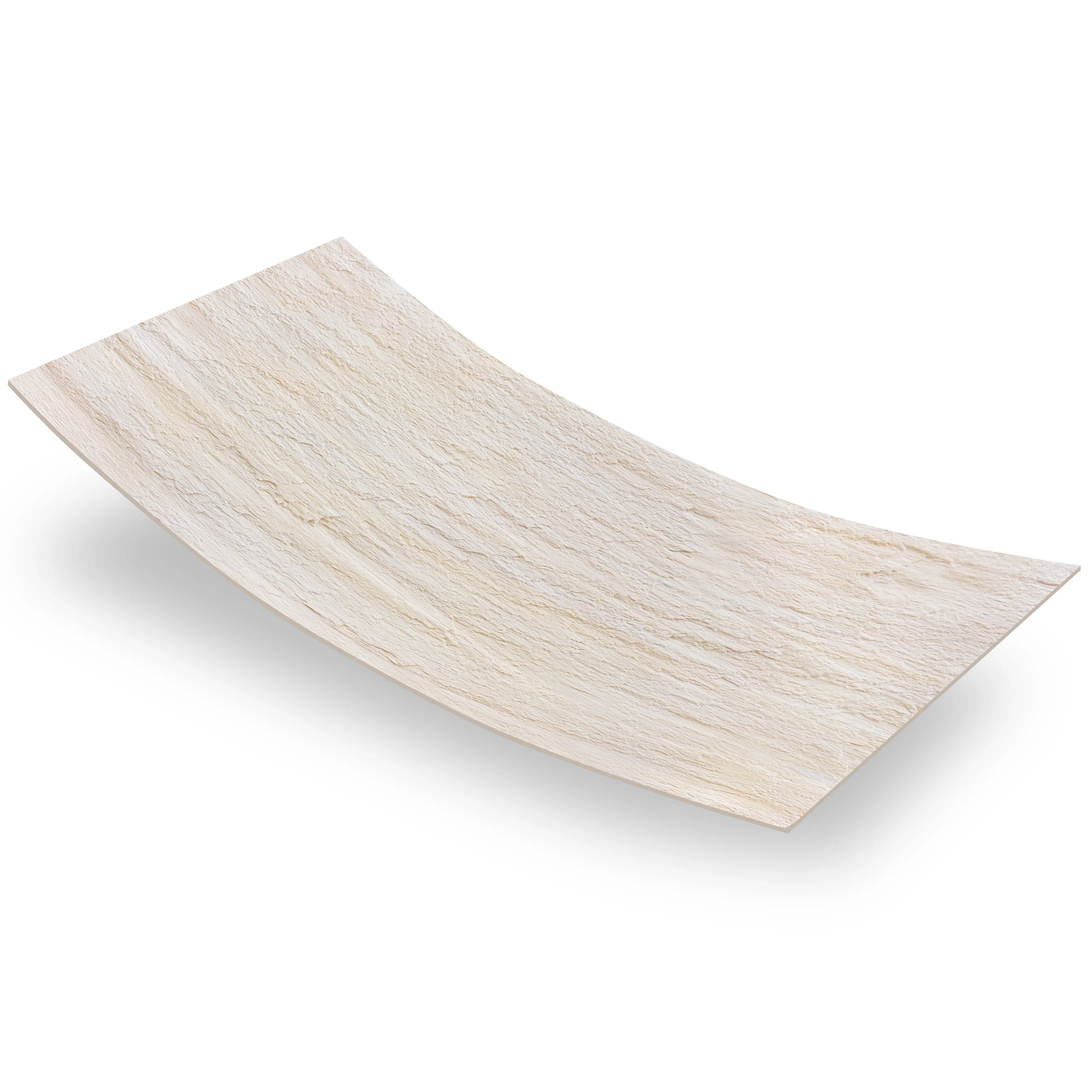
Oasis Stone Foge, which is a flexible stone composite, this process was even trickier. The material's flexibility made it prone to cracking during cutting, and its composite structure meant that traditional saws often left uneven edges, requiring hours of sanding and finishing.
3D printing flips that script entirely. Instead of subtracting material, it's additive: building up the stone layer by layer, like a baker piping frosting to create a cake, but with industrial precision. MCM's 3D Printing Series uses
modified composite material panels as the "ink"—a blend of resins, minerals, and reinforcing fibers that mimic the look and feel of natural stone but with the consistency needed for 3D extrusion. The printer deposits this material in thin layers, each bonding to the one below it, until the final shape emerges. No giant slabs, no wasteful cuts, no limits on form.
Here's how it works in practice: an architect submits a design file for an
Oasis Stone Foge facade panel with a wave-like texture. In the past, that would mean creating a mold, pouring the composite material, and hoping it sets evenly—a process with a 30% failure rate due to air bubbles or uneven curing. With 3D printing, the design is fed into software that slices it into 0.1mm layers. The printer then extrudes the modified composite material along a precise path, adjusting temperature and pressure to ensure each layer adheres perfectly. Eight hours later, the panel is ready—no mold, no bubbles, and exactly matching the digital design. It's not just manufacturing; it's digital craftsmanship.
Why 3D Printing Makes Oasis Stone Foge Better: The Benefits That Matter
At first glance, 3D printing might sound like a "cool tech" add-on, but for
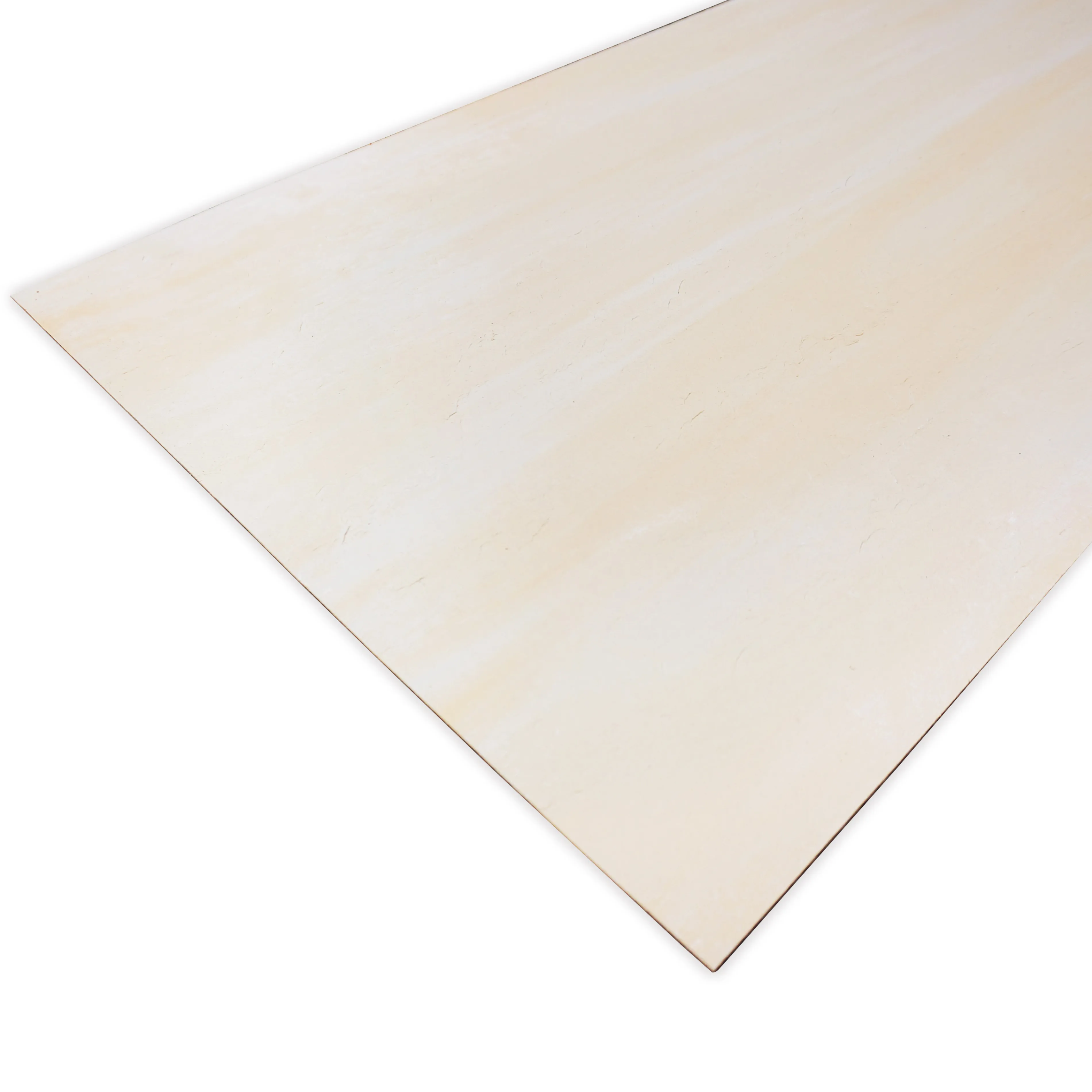
Oasis Stone Foge production, it's a transformative upgrade. Let's break down the real-world advantages that have architects, contractors, and sustainability experts buzzing.
Design Freedom: From "What If?" to "Why Not?"
Remember those wave-like facade panels we mentioned? Before 3D printing, they were a pipe dream. Traditional methods could maybe approximate a curve, but achieving the smooth, organic flow of a wave would require hand-carving each panel—a process that's not only expensive but inconsistent. With 3D printing, complexity is free. Want a panel that looks like it's been eroded by wind, with tiny indentations and varying thickness? The printer can do that. Need a mosaic pattern where each piece is a different shape, fitting together like a puzzle? No problem. Even custom textures, like replicating the grain of
ancient wood or the pockmarks of lunar rock (hello,
Lunar Peak series!), are possible with a few clicks in design software.
Take the example of a recent hotel project in Dubai, where the designer wanted the lobby walls to feature
Oasis Stone Foge panels that mimicked the ripples of sand dunes. Using traditional big slab board series production, this would have required cutting hundreds of individual curved pieces, each sanded by hand to match the next. The result? Inconsistent curves, wasted material, and a budget that ballooned by 40%. With 3D printing, the entire wall was printed in 12 large panels, each with the exact dune texture. Installation took half the time, and the client saved enough to add another custom feature: a 3D-printed reception desk made from the same
Oasis Stone Foge.
Material Efficiency: Less Waste, More Stone
Traditional stone production is notoriously wasteful. For every 100kg of raw material used, up to 40kg ends up as scrap—sawdust, offcuts, or broken pieces that can't be repurposed. With
Oasis Stone Foge, which is made from a blend of natural minerals and synthetic binders, this waste isn't just costly; it's environmentally problematic. The production of those binders requires energy, and discarded material often ends up in landfills.
3D printing changes the math. Since it's additive, the printer only uses the material needed for the final product. For a standard 1m x 2m
Oasis Stone Foge panel, traditional production might use 50kg of material to create a 30kg panel (wasting 20kg). 3D printing? It uses 31kg—just 1kg extra for the support structures, which are later recycled. That's a 95% reduction in waste. MCM's factory in Italy, which switched to 3D printing for
Oasis Stone Foge in 2023, reports saving over 200 tons of material in its first year alone. That's not just good for the bottom line; it's a win for sustainability.
Speed and Cost: Building Faster, Spending Smarter
Time is money in construction, and traditional stone production is slow. A single big slab board can take 2-3 days to cut, polish, and finish—longer if the design is complex. Multiply that by hundreds of panels for a large project, and you're looking at weeks or even months of production time. 3D printing slashes that timeline. A 3D printer can produce a standard
Oasis Stone Foge panel in 4-6 hours, and since printers can run 24/7, a single machine can output 4-5 panels per day. For a project needing 100 panels, that's 20-25 days instead of 100+ days.
Labor costs drop, too. Traditional production requires skilled stonemasons, machine operators, and finishers—sometimes 5-6 people per slab. 3D printing? One technician can monitor 2-3 printers, and the finishing process is minimal since the panels come out of the printer with precise edges. MCM estimates that 3D printing reduces labor costs for
Oasis Stone Foge by 60%, making even custom designs affordable for mid-sized projects.
Real-World Impact: When 3D Printed Oasis Stone Foge Changes the Game
Let's talk about a project that brought these benefits to life: the "Desert Bloom" office complex in Riyadh, Saudi Arabia. The architect, a firm specializing in biophilic design, wanted the exterior to reflect the region's natural landscapes—specifically, the way sand dunes shift and flow with the wind. The original plan called for 2,000 custom-shaped
Oasis Stone Foge panels, each with a unique curve and texture. Using traditional methods, the project was estimated to take 18 months and cost $4.2 million, with a 25% risk of delays due to production inconsistencies.
Then the team switched to MCM's 3D Printing Series. The printers ran around the clock, producing 20 panels per day. The digital design ensured each panel fit together perfectly, eliminating the need for on-site adjustments. The result? The project was completed in 6 months, under budget at $2.8 million, and the facade now stands as a landmark—its undulating, 3D-printed
Oasis Stone Foge panels catching the light like real sand dunes. As the lead architect put it: "We didn't just build a building; we printed a landscape."
Another example: a luxury boutique hotel in Bali, which wanted its lobby to feature a massive, curved wall made to look like it was built from stacked stone—only using lightweight, flexible stone to meet seismic safety standards. Traditional stacked stone would be too heavy, but 3D printed
Oasis Stone Foge panels solved the problem. The printer created interlocking, curved pieces that weighed 70% less than natural stone but looked identical. Installation was done in 3 days instead of 2 weeks, and the wall has since become a viral Instagram spot, with guests posing in front of its "impossible" curves.
What's Next? The Future of 3D Printed Stone
3D printing's impact on
Oasis Stone Foge production is just the beginning. MCM's team is already experimenting with new materials, like blending flexible stone with recycled glass or bamboo fibers to create even more sustainable panels. They're also scaling up the technology to produce bigger slab board series pieces—imagine a 5m x 3m
Oasis Stone Foge panel printed in one piece, eliminating the need for seams in large facades.
There's also the potential for on-site printing. Imagine a construction site where, instead of shipping pre-made panels from a factory, a mobile 3D printer arrives and produces
Oasis Stone Foge elements on demand. This would cut down on transportation costs, reduce carbon emissions from shipping, and allow for last-minute design tweaks without derailing the timeline.
But perhaps the most exciting possibility is the democratization of design. With 3D printing, small businesses, local architects, and even homeowners can access custom stone elements that were once only affordable for mega-projects. Want a kitchen backsplash made of
Oasis Stone Foge with a pattern that matches your family's heritage? 3D printing makes it possible—without breaking the bank.
The Takeaway: 3D Printing Isn't Just Technology—It's a New Language for Stone
For too long, stone has been seen as a rigid, unforgiving material—beautiful but bound by its physical limits.
Oasis Stone Foge challenged that with its flexibility, but 3D printing is the key that unlocks its full potential. It turns stone from a material we shape into a material we collaborate with—one that can adapt to our wildest designs, respect our planet's resources, and fit into the fast-paced, creative world of modern architecture.
So the next time you walk past a building with a stunning stone facade, take a closer look. If it's smooth yet intricate, curved yet durable, or uniquely patterned without a single seam, chances are it's not just stone—it's 3D printed
Oasis Stone Foge. And in that case, you're not just looking at a wall; you're looking at the future of construction. A future where technology doesn't replace craftsmanship, but amplifies it—one layer at a time.